
Your home is probably the single biggest financial investment you’ll ever make. Yet, honestly, it’s shocking how many homeowners quietly chip away at its value without even realizing it. Some mistakes are obvious, others are sneaky, and a few are hiding in plain sight right in your backyard.
In 2026, the stakes have never been higher. Existing home sales in January 2026 dropped by roughly eight and a half percent from the previous month, with the annualized rate falling far below market expectations at 3.91 million. It was the sharpest drop in four years. In a market like this, every mistake you make as a homeowner costs you – sometimes thousands of dollars. Let’s dive in.
1. Ignoring Routine Maintenance Until It Becomes a Crisis
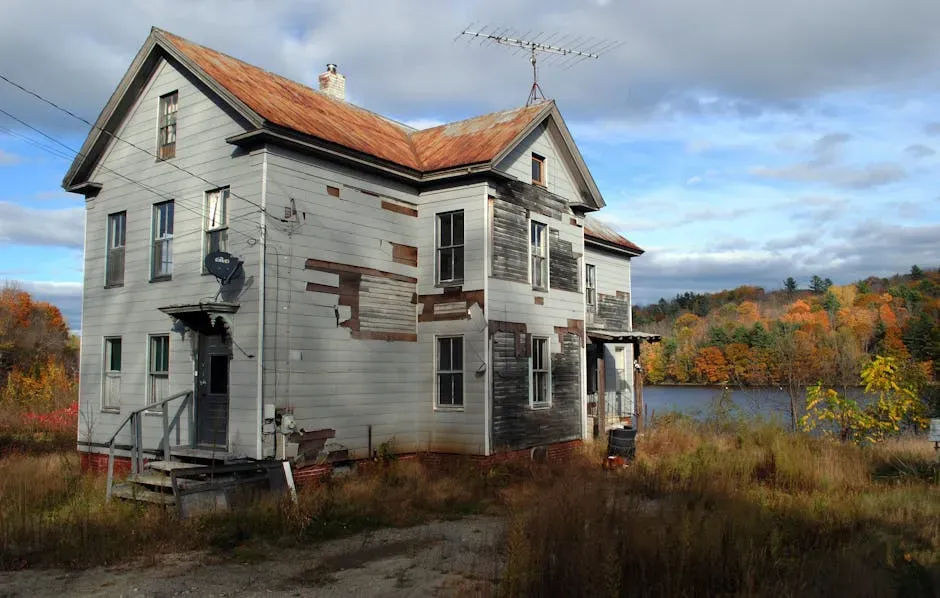
Here’s the thing: small problems don’t stay small. Putting off maintenance or neglecting it entirely can lead to lower property values, because these issues often snowball into expensive repairs later. A small leak in the plumbing may not seem like a big deal at first, but over time it can cause structural damage, high water bills, or mold.
Deferred maintenance reduces appraisal values, limits financing options, and increases insurance premiums. Visible neglect also raises buyer concerns about hidden defects, often leading to discounted offers. Think of it this way: every crack you ignore is like a tiny debt quietly accumulating interest.
Homes that are properly maintained retain structural integrity, function efficiently, and remain attractive to future buyers. Routine maintenance helps homeowners avoid costly emergency repairs that can quickly erode property value. Issues like hidden water leaks, aging HVAC systems, or neglected roofing may seem minor initially but can escalate into major structural problems.
Deferred maintenance is one of the main issues that can lower the market value of your home. You will lose out on a large pool of potential buyers if your home is not move-in ready. Deferred maintenance could be anything from peeling paint to leaky plumbing.
2. Doing DIY Renovations Without Proper Permits
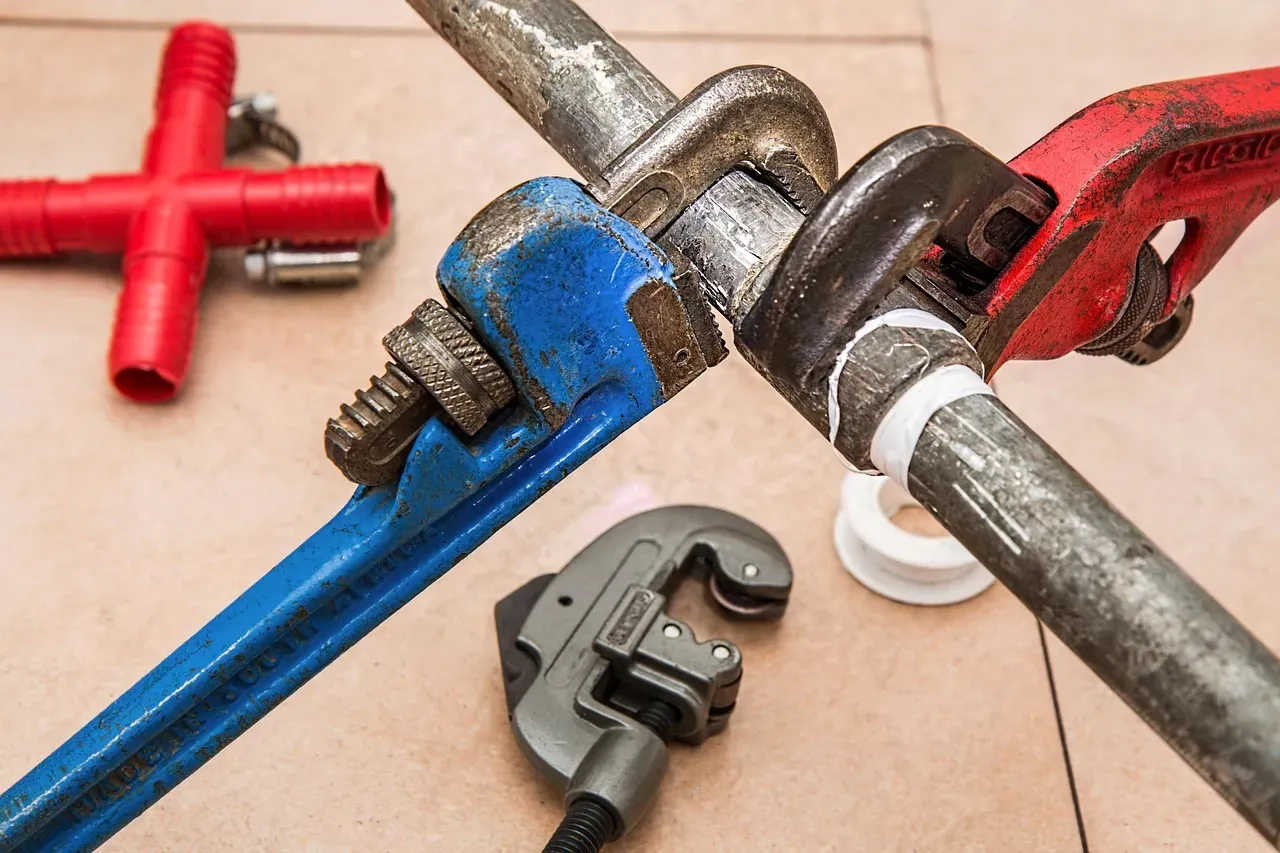
Unpermitted work refers to any construction, renovations, remodels, or additions made without the required local building permits. Examples include unpermitted additions or DIY electrical and plumbing upgrades. Without proper approval, these changes can be unsafe, cause legal complications, and even reduce the property’s fair market value.
When appraisers discover unpermitted additions or renovations, they face a dilemma. They cannot include the value of unpermitted improvements in their assessment because there’s no guarantee the work meets building codes or was completed safely. This means that a beautiful finished basement or expanded master suite might add zero dollars to your home’s appraised value.
A top Denver-area real estate agent has noted that out of 10 homes at random, at least four of them would have some form of unpermitted work – roughly 40 to 50 percent. That’s a staggering number. I think a lot of homeowners genuinely believe permits are just bureaucratic red tape, but they exist for a reason.
If unpermitted work is discovered, buyers may need to get the necessary permits, pay fines, or even demolish unapproved work. Home insurers may also refuse to cover the home, and lenders may refuse to finance it.
3. Over-Personalizing Renovations That Turn Buyers Off
Let’s be real – your bold design taste may be someone else’s nightmare. The reason luxury or highly personalized home improvements often do not add value is because these remodels are typically based on the homeowner’s personal preferences. What thrills you might genuinely repel the next buyer walking through your front door.
Wallpaper may be making a comeback, but a pattern and color scheme that you love may not appeal to a majority of buyers. On average, installing wallpaper costs homeowners between 800 and 1,200 dollars, but this cost is unlikely to be recovered when it’s time to sell.
Many homes incorporate bold wallpaper, intricate tile, or mid-century furniture, but these can be a “love it or hate it” situation for buyers. As with any other trend, they tend to go out of style fast. If your home stays on the market long enough for the trend to pass, these features might make your home look outdated.
Buyers tend to prioritize functionality, storage, and broad appeal over personalization or luxury. Features like walk-in closets at the expense of bedrooms, elaborate landscaping, or excessive carpeting can actually lower your home’s market value. To protect your investment, focus on practical upgrades that most buyers want – think durable hardwood floors, neutral paint colors, and well-maintained essential spaces.
4. Converting the Garage Into a Living Space
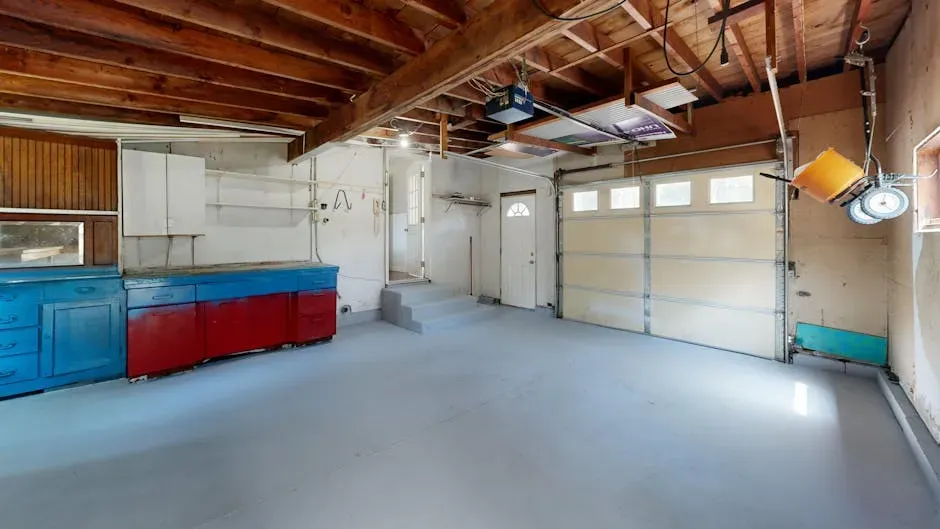
It sounds like a smart idea at the time – extra square footage, a home gym, an office – but converting your garage can quietly sabotage your sale. Most homeowners spend between roughly 6,000 and 27,700 dollars to convert a garage into a livable space, according to Angi, but this renovation project typically doesn’t add value to the home.
Most buyers prefer a functional garage to an extended living area. In a recent survey by the National Association of Home Builders, a quarter of homeowners rated garage storage as “essential” while more than half rated it as “desirable.”
While bedrooms are certainly important, you might not want to sacrifice a garage to create one. Listings that mention garages are associated with a slight sales premium of about 0.3%, according to Zillow’s 2024 analysis of listings data. Parking is often tight in urban areas, and with the high price of cars, homes with safe parking could have an edge over those without.
Garage conversions – such as turning the space into an office, bedroom, or gym – are practical in some cases but can backfire significantly at resale. The math just rarely works out in your favor. It’s a case where you feel like you’re adding value but you’re actually removing something buyers actively want.
5. Neglecting Curb Appeal and the Home’s Exterior

The exterior of your home is the first thing potential buyers notice. Neglected landscaping, peeling paint, or a damaged roof can significantly reduce curb appeal and overall value. Regular maintenance such as lawn care, painting, and roof inspections are essential to maintain your home’s exterior appeal.
Improving your home’s curb appeal could significantly increase its value by at least 7%, according to a study from The Journal of Real Estate Finance and Economics. That’s a substantial number for something as seemingly simple as keeping the lawn trim and the paint fresh.
It’s also worth noting that there’s a flip side to this mistake. Many homeowners make another expensive mistake by trying to make their yards look as fancy as possible. They may think that an alpine slide or a pond will skyrocket the value of their property, but these kinds of features usually require additional investment and constant maintenance that can appear quite challenging.
Going overboard with elaborate landscaping or high-end outdoor additions like fountains, koi ponds, or custom stonework rarely offers a good return on investment. These items may be seen as burdens rather than benefits. Most potential buyers prioritize low-maintenance yards that are easy to personalize.
6. Skipping Energy Efficiency Upgrades
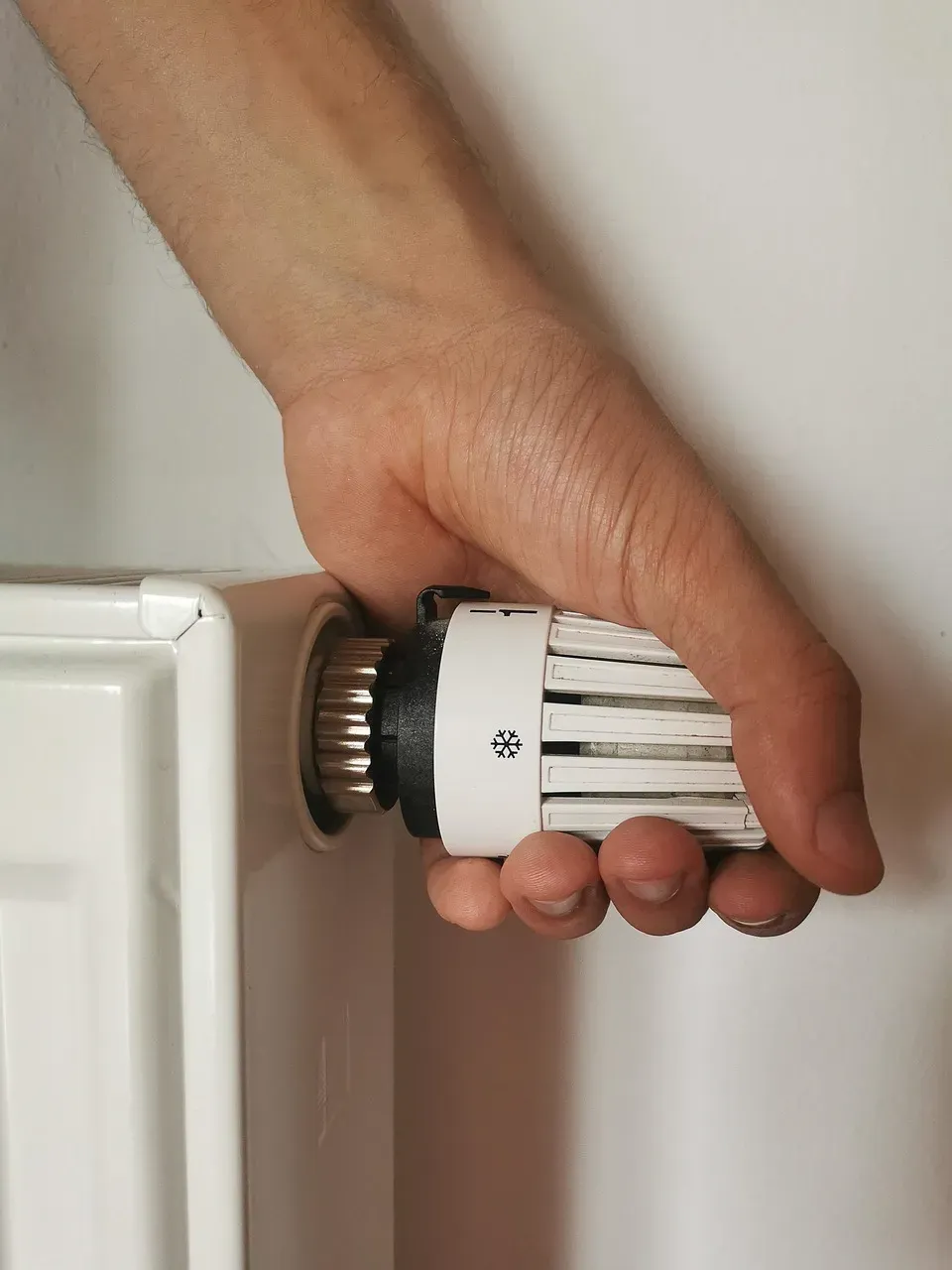
In 2026, energy costs are front of mind for every buyer walking through your home. Neglecting energy efficiency is a mistake that can lower a home’s value. Energy bills in the US rose by around 13% in 2025, and prices are expected to increase even further due to extreme heat and rising energy demands driven by data centers.
Outdated appliances, drafty windows, and poor insulation are the key culprits to deal with. These are major deterrents for cost-conscious buyers in today’s eco-focused market. Single-pane windows or ancient HVAC systems signal inefficiency loudly. Overlooking these factors compounds during resale, as high energy use correlates with buyer perceptions of obsolescence.
According to the Remodeling 2024 Cost vs. Value Report, only three improvements actually boosted value reliably on resale: garage door replacement, replacing an entry door with a steel door, and installing manufactured stone veneer. Many of the highest-ROI upgrades, it turns out, are practical and functional rather than glamorous.
It’s hard to say for sure exactly how much an outdated HVAC costs you at the negotiating table, but real estate agents are consistent on this point. The number one repair agents flag during summer home sales is HVAC. If your air conditioning is toward the end of its life and the thermostat can’t keep up with the set temperature, buyers and buyer’s agents will notice.
7. Reducing Bedroom Count for Other Features
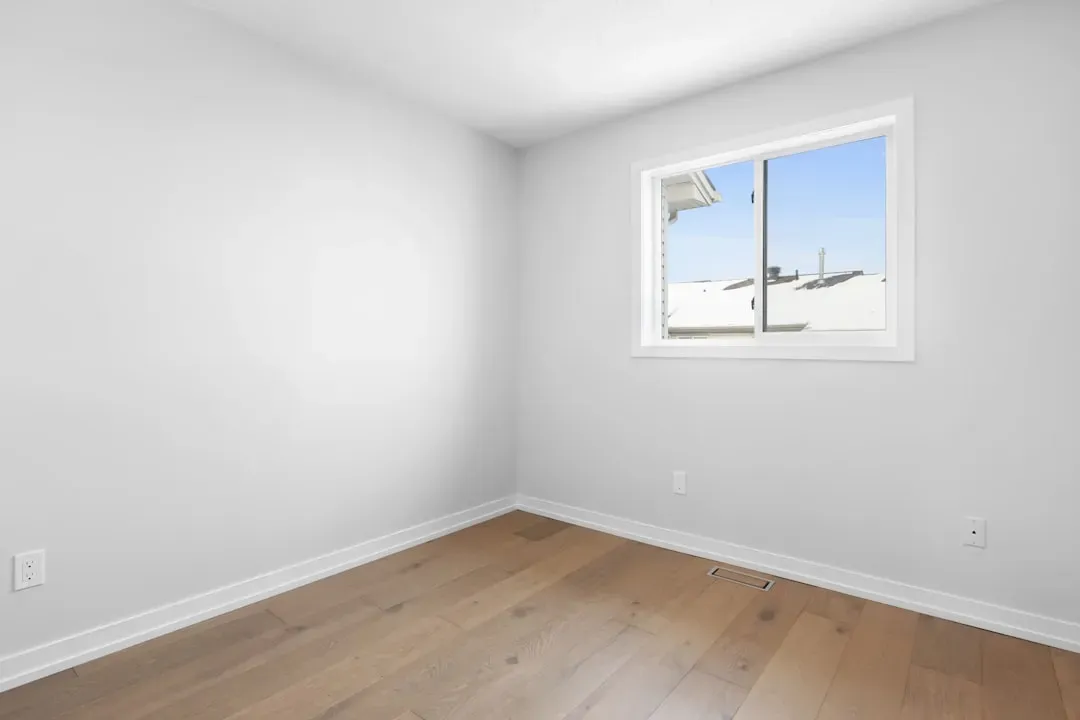
This might be the sneakiest mistake on the list because it feels like an upgrade while you’re doing it. Sacrificing a bedroom to expand another space – like converting two smaller rooms into one large master – might seem like an upgrade. However, reducing the bedroom count usually makes your home less appealing. Most buyers are looking to maximize functional space, and a home with fewer bedrooms than others in the area will typically attract less interest and a lower price.
Zillow’s 2024 research into home listings shows that walk-in closets can hurt a home’s value by 0.5%, a relatively small amount but a clear indication that it might not be worth the cost to add a space where you can see all your clothes. If you’re tempted to turn a small bedroom into a closet, think twice before doing so.
If adding a walk-in closet requires sacrificing a bedroom, it may do more harm than good. Since many buyers search for homes based on bedroom count, removing an extra bedroom for closet space can limit interest. Bedrooms directly contribute to a home’s value, while a larger closet is often seen as a bonus, not a necessity.
The average American household spent around 9,300 dollars on home improvement projects in 2024, according to Angi’s annual State of Home Spending report. Not every home renovation project will increase the resale value of a home. Before investing in a project like this, consider whether it will pay itself off when it comes time to sell. Bedroom count is one of those things that appraisers and buyers simply don’t compromise on.
—
Your home deserves better than good intentions paired with the wrong decisions. The mistakes above are surprisingly common, and what makes them so costly is that most homeowners discover them only when it’s too late – when the offer is on the table and the number doesn’t match what they expected. Protect your investment by staying informed, thinking like a buyer, and always asking whether what you’re adding is something the market actually wants.
What would you have done differently in your home before reading this? Share your thoughts in the comments.





Leave a Reply