
That cheerful little yellow wedge perched on the rim of your glass looks innocent enough. It signals freshness, care, maybe a touch of elegance. Most diners drop it straight into their drink without a second thought. What they don’t know, however, is that the people serving it almost never do the same thing.
Experienced servers and bartenders have a quiet, almost universal habit of skipping the citrus in their own beverages. It’s not a coincidence, and it’s not fussiness. It’s something they learned on the job, often the hard way. Here’s what the research actually says, and why those in the industry already know to wave the lemon wedge away.
1. Nearly 70 Percent of Restaurant Lemon Slices Test Positive for Bacteria
Here’s the stat that started it all and honestly, it should have been front-page news. In a landmark study, seventy-six lemons from 21 restaurants were sampled during 43 visits. Fifty-three of the lemon slices, which is 69.7 percent, produced microbial growth, while only thirty of them came back clean. Think about that for a moment. Nearly three out of every four lemon wedges sitting on a glass rim in your favorite restaurant carry some form of microbial life.
A total of 25 different microbial species were recovered from the samples across those restaurants. That’s not a minor contamination issue. That’s a microbial variety pack arriving in your drink. The researchers, whose work was published in the Journal of Environmental Health, were clear that this was a systemic issue, not a one-off finding at one bad restaurant.
2. The Bacteria Found Includes Fecal Matter and E. Coli
Let’s be real, this is the part nobody wants to read but everybody needs to. Bacteria from respiratory secretions, skin contamination, and fecal waste lead to the presence of things like E. coli, norovirus, enterococcus, and staph on the skins of the wedges. These are not harmless environmental microbes. These are organisms associated with intestinal illness and infections.
In a 2012 experiment commissioned by ABC News, Dr. Philip Tierno, a professor of microbiology and pathology at New York University’s Langone Medical Center, found that lemon wedges were the third germiest place in a restaurant. In his test results, one of the most frequently occurring contaminants was fecal matter, with over half of the lemon wedges being tainted with human waste.
Good Morning America tested lemon wedges from six popular family restaurants, and what they found was more frightening than refreshing. At four restaurants, they found the lemons were contaminated with fecal matter, including one sample contaminated with E. coli. Servers who know this research simply don’t take the risk. Would you?
3. Rinds Are Rarely Scrubbed Properly Before Slicing

This is where the problem begins, long before a wedge ever reaches your glass. One of the biggest reasons for contamination is improper cleaning. Restaurants often rinse lemons rather than scrub them thoroughly, leaving plenty of bacteria living untouched. A quick rinse under a tap is not remotely the same as a proper wash. It’s more like briefly showing the lemon a glass of water.
Most people assume that anything going into their drink has been properly cleaned, but restaurants treat lemons more like decoration than food. When lemons arrive at restaurants, they come in bulk shipments from distributors, and the outer peel often carries whatever it picked up during transport, storage, and handling.
Think of it this way: that lemon may have traveled hundreds of miles through warehouses and delivery trucks before being given a barely-there rinse and sliced directly onto a cutting board. The rind, which is porous by nature, holds onto contaminants stubbornly. Scrubbing is the only real fix, and it almost never happens in a high-volume restaurant setting.
4. Multiple Hands Touch Every Single Wedge
Lemons go through several stages before they reach your table: someone washes and dries them, another worker preps and slices them, a glass or tray is used to store them, and someone else picks them again to place them in your glasses. Considering the many people who touch the fruit before it reaches your table, something as little as improper handwashing could open the lemon wedges up to a truckload of bacteria.
Picture the typical restaurant bar setup during a busy Friday night. Servers and bartenders move at lightning speed, clearing tables, handling money, touching their phones, wiping down surfaces, and then reaching directly into the lemon container. In many establishments, those lemon slices sit in open trays filled with soda water, supposedly to keep them fresh. Without tongs, which most bars don’t use, every single person who needs a lemon wedge sticks their hand into that communal container.
5. Bacteria Multiply on Wet Lemons Left at Room Temperature
Here’s something that makes the problem dramatically worse: moisture and warmth are a bacteria’s best friends. The researching team wrote that when hands were contaminated with E. coli, the bacteria were transferred to wet lemons and ice 100 percent of the time. When lemons were inoculated with E. coli, they increased in population over five times when held at room temperature for four to 24 hours.
Research showed that E. coli could easily make its way to ice and wet lemons 100 percent of the time. However, dry lemons only held this bacteria roughly 30 percent of the time. So those trays of soda water that bars use to keep lemon slices moist and “fresh”? They are, in a sense, creating the perfect petri dish. Every hour that tray sits at a bar station, the bacterial population on any given wedge grows larger.
6. Bars Have Looser Hygiene Standards Than Restaurant Kitchens
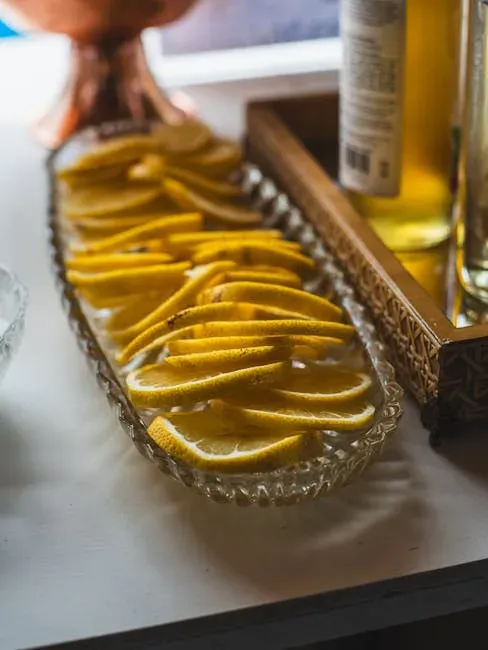
I think a lot of diners assume that all food-prep areas in a restaurant operate under the same tight rules. They don’t. The bar area often receives less attention because beverages seem less risky than actual meals. This regulatory blind spot means bar hygiene standards can slip without consequence. While kitchen staff work under strict protocols about hand washing, glove usage, and sanitizing surfaces, bartenders and servers often operate with more flexibility. The perception that they’re just pouring drinks rather than preparing food leads to more relaxed attitudes about cleanliness.
Lemon wedges are way more likely to have bacteria than the food you order on a plate because restaurant health standards tend to be less strict for garnishes. That’s a striking double standard when you think about it. The garnish that floats directly in your drink, touching every sip you take, gets less scrutiny than the plate it arrives on.
7. Cross-Contamination Happens Constantly During Busy Service
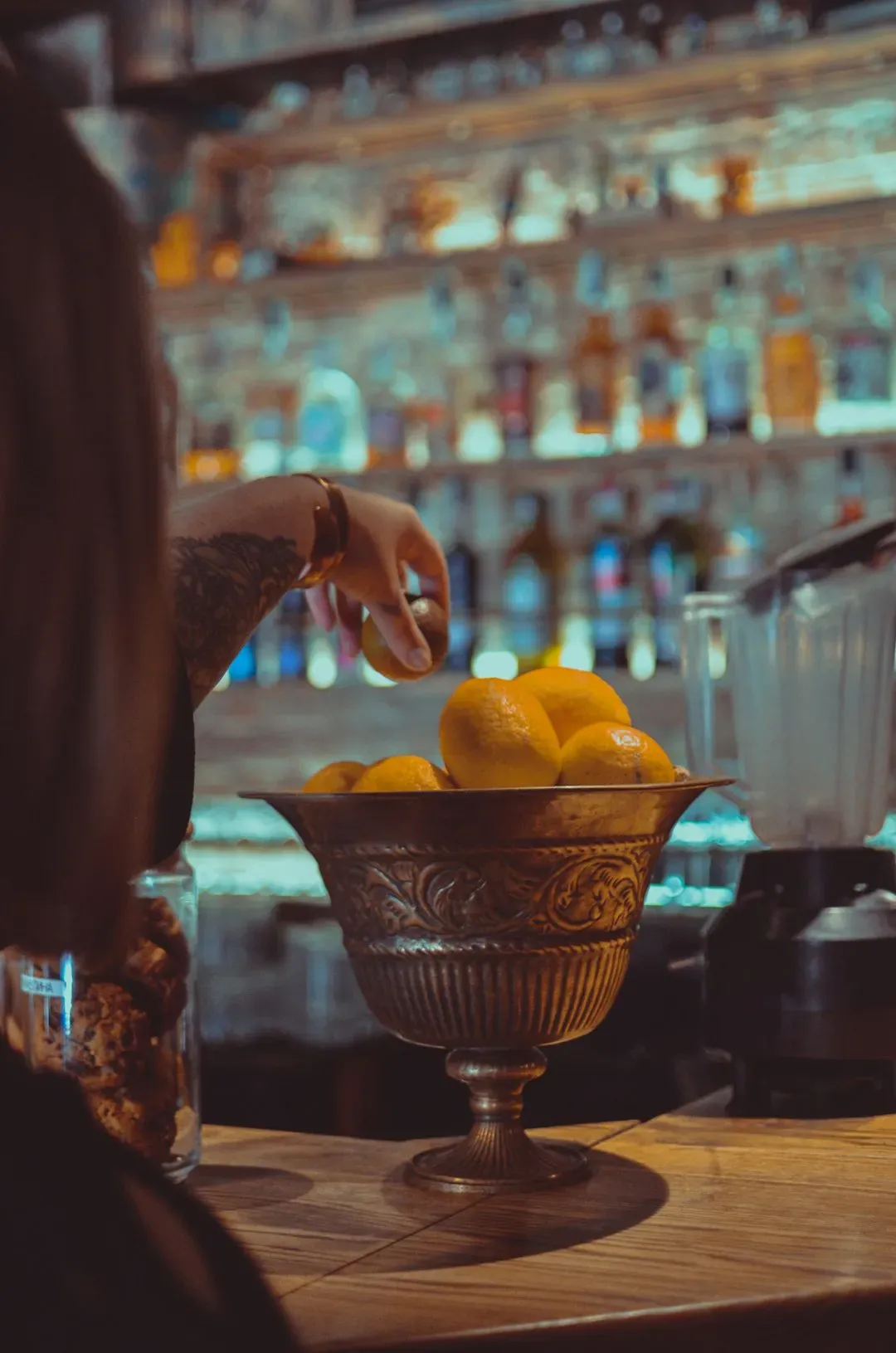
The pace of a dinner rush is hard to fully appreciate unless you’ve worked one. There is simply no time to stop and wash hands between every single task. A server might clear a table where someone left used napkins and dirty silverware, then head straight to the bar to grab lemon wedges for the next table’s water glasses. That’s not negligence. That’s just the reality of high-speed service.
Cross contamination is a common occurrence, and this happens when food handlers, cooks, and even waiters and waitresses handle food items without washing their hands or changing their gloves. While they might think they’re just grabbing one lemon from a bucket because a customer asked for lemon and water, what they’re really likely doing is transferring all the bacteria they’ve touched since the last time they washed their hands into the bucket of sliced lemons, which then brew in it for hours.
8. Alcohol Does Not Kill the Bacteria on Your Lemon

Some people reason that if they’re ordering a cocktail, the alcohol in the drink will neutralize any bacteria from the lemon. It’s a comforting thought. It’s also wrong. Don’t count on alcohol to kill those pesky organisms. Alcohol is not going to keep bacteria at bay. Bacteria can get into your drinks through the ice or the citrus garnishes through many entry points.
When it comes to alcoholic beverages, the lemon garnish isn’t any safer. Research shows that most bacteria can survive in most cocktails, including an 86-proof tequila. That’s a fairly robust spirit, and yet bacteria survive it just fine. So anyone quietly feeling protected by their gin and tonic or margarita should think again. The lemon on the rim is not being disinfected by what’s in the glass.
9. Knives and Cutting Boards Spread Contamination During Prep
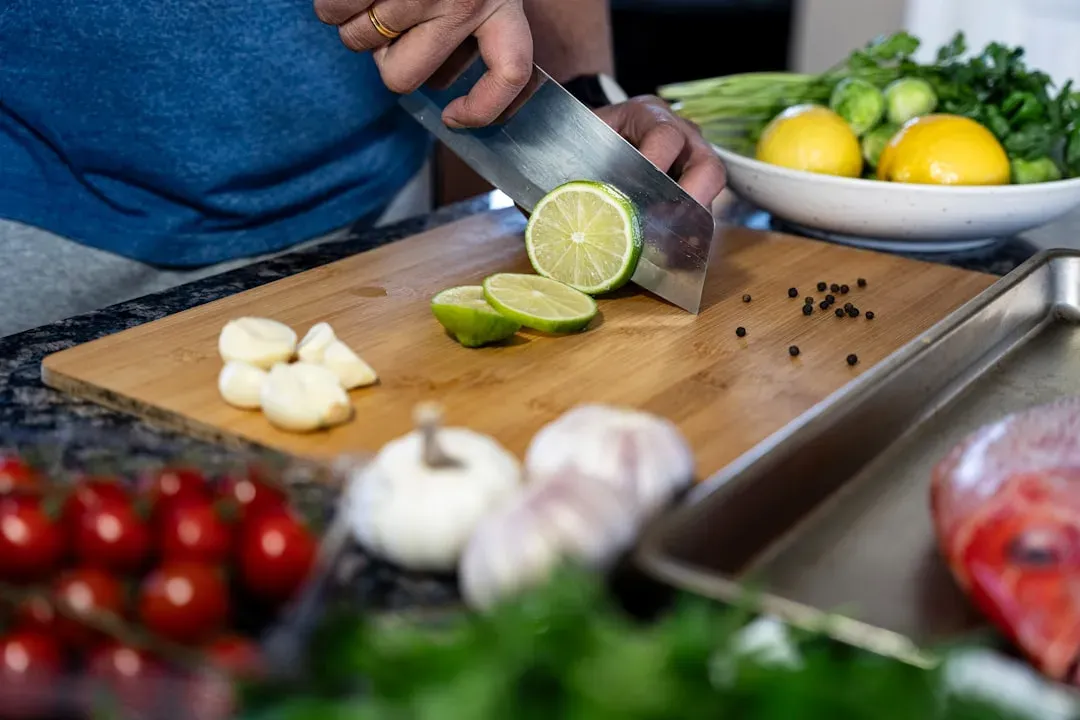
The contamination story starts even earlier in the process. Oral flora or skin contact could have caused contamination, as could the knife that was used to prep the lemons. In a busy prep kitchen or behind a bar, the same cutting board and knife may handle lemons through the entire service shift without being sanitized between uses.
The tools used at bars, like cutting boards and knives for lemons, might not get sanitized as frequently as kitchen equipment. Some establishments use the same cutting board for lemons all day without proper cleaning between uses. These gaps in hygiene protocols at bars mean your lemon wedge could be the most contaminated item in your entire meal, despite being the smallest component.
It’s a bit like using the same pen that a hundred strangers touched to sign their tab, then pressing it directly against your lips. Except the lemon wedge actually goes into your drink.
10. Lemon Wedges Are Sometimes Recycled Between Customers
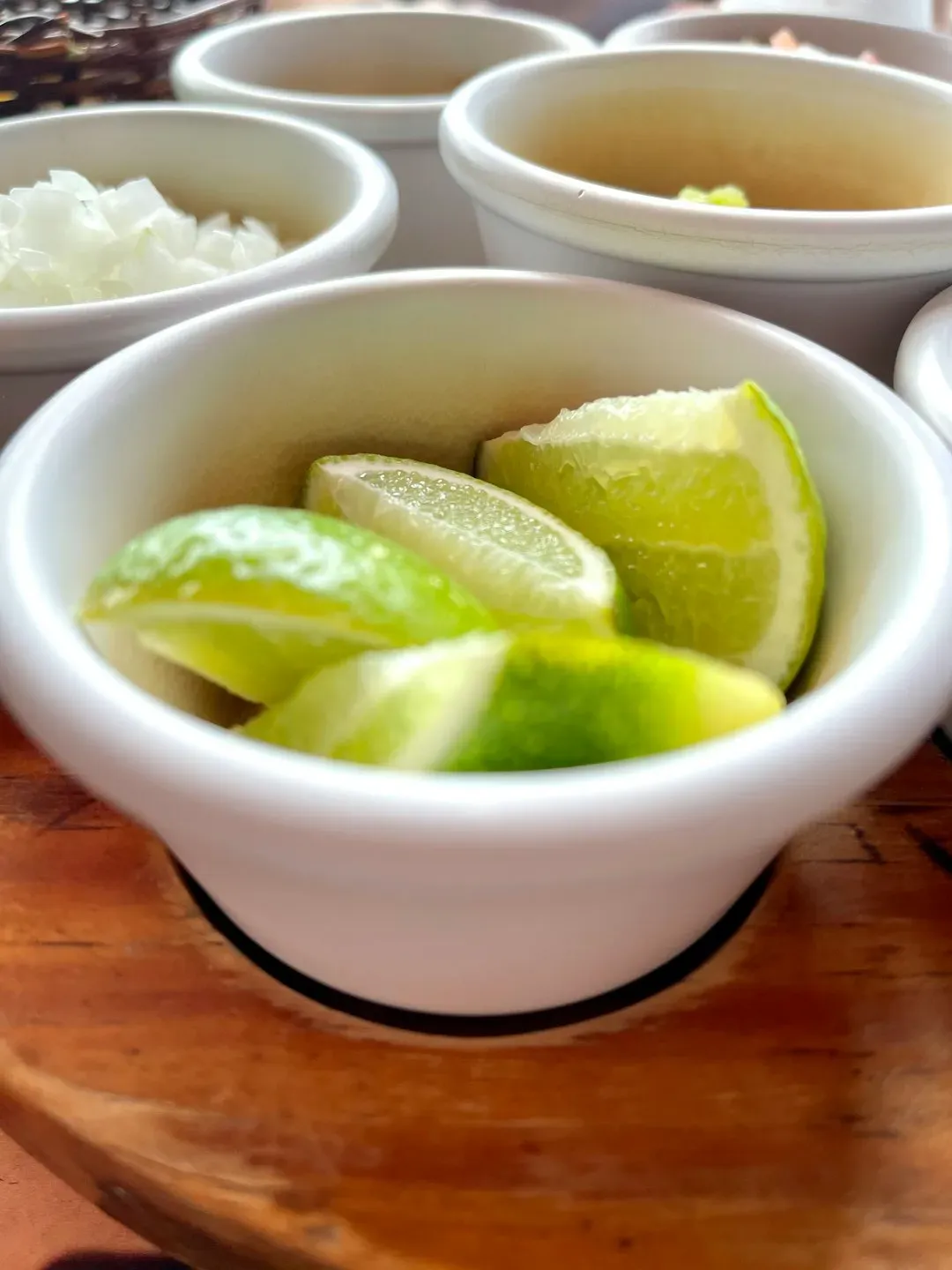
Honestly, this one might be the most unsettling item on this list. As a cost cutter, some venues have served lemon and lime wedges that would be recycled if not used. No one thought that the wedges had been touched and might carry germs, and reports suggest that bars and restaurants were still doing this same cost-effective salvage of lemon and lime wedges.
Servers on Reddit shared predictably alarming anecdotes about lemons getting dropped on the floor and then sliced and added to drinks, or servers clearing dirty tables and then handling lemon slices without washing their hands. These are not stories from decades past. These discussions are ongoing, as seen in active server and bartender communities in 2024 and 2025. Reddit threads from restaurant workers reveal stories of lemons getting dropped on floors and still being used, or staff handling lemons immediately after touching dirty dishes. These aren’t just isolated incidents at sketchy establishments; they happen at restaurants across all price points.
11. Even Squeezing the Juice Doesn’t Make It Safe
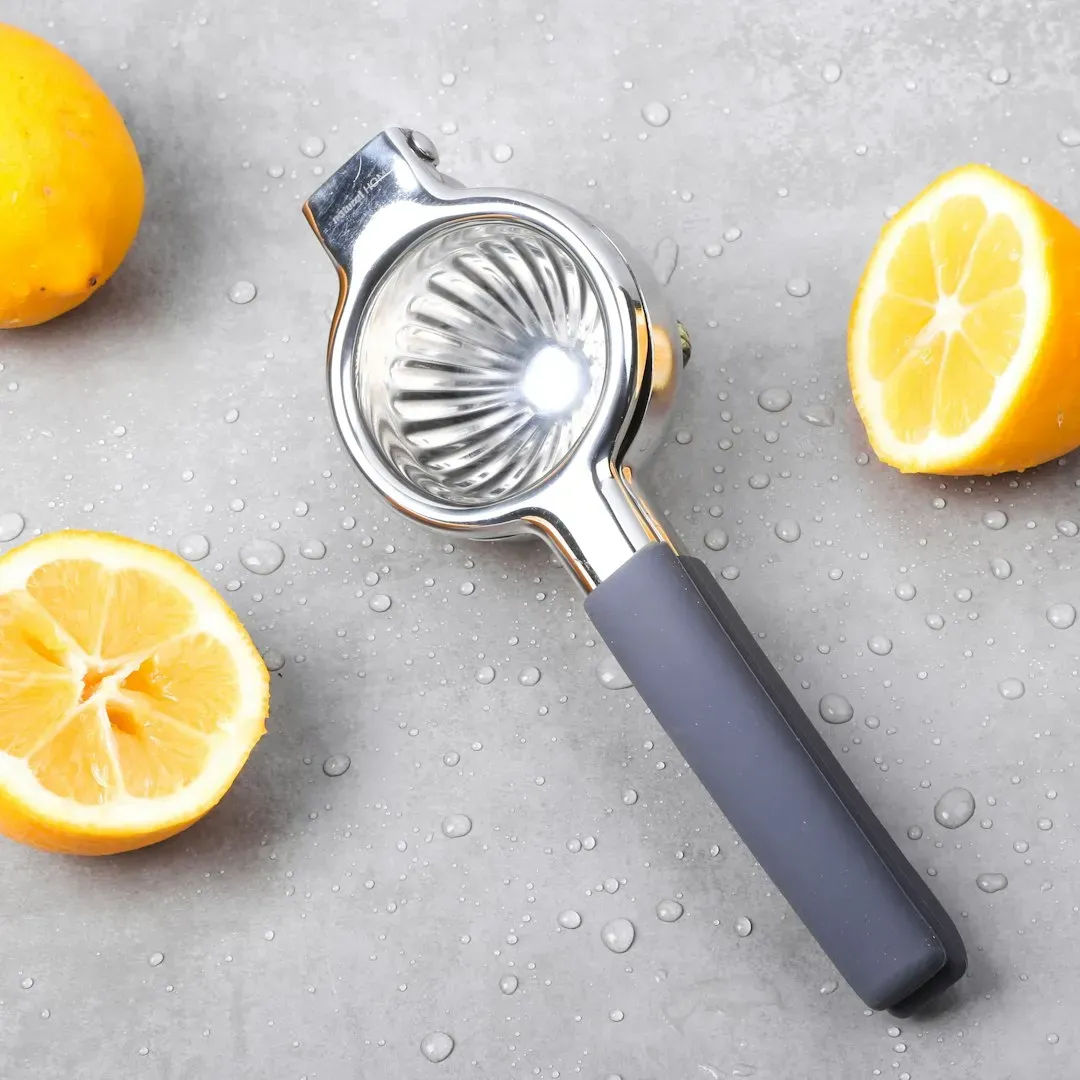
A common piece of advice that circulates online is: just squeeze the lemon and don’t drop the wedge in. It reduces some exposure, but it doesn’t eliminate the risk. Although lemons have known antimicrobial properties, research indicates that a wide variety of microorganisms may survive on the flesh and the rind of a sliced lemon. Restaurant patrons should be aware that lemon slices added to beverages may include potentially pathogenic microbes.
Germaphobe lemon lovers might opt to squeeze the juice directly into the water instead of letting the wedge float about for the duration of a meal, which will reduce exposure, though not eliminate it, as even the flesh of the lemon can be contaminated. The flesh, the juice, the rind. It’s all connected. Although lemons have known antimicrobial properties, research results indicate that a wide variety of microorganisms may survive on both the flesh and the rind of a sliced lemon. Servers who understand this skip the wedge altogether rather than engage in a partial solution.
What You Can Actually Do About It
So the next time you’re seated at a restaurant, you have a few practical options. There’s no way of knowing how safe the lemon wedges in your food and drinks are, but there are ways to lessen the exposure to them. Ask for lemon wedges on the side, squeeze their juice into your drinks, and avoid dropping the wedges into your beverage if possible.
Some servers on Reddit are advocating for improved practices such as storing sliced lemons and limes in sealed jars and cutting fresh fruit daily to maintain hygiene standards. These are the right instincts. Better practices do exist, and conscientious restaurants do follow them. If you must have lemon slices with your drink, be aware that restaurant conditions are not always ideal. Take a look at the people handling your food and beverages, and if you see someone handling the lemon wedges with their bare hands, you’ll probably want to pass.
The lemon wedge is one of those things that looks like a small pleasure but carries a surprisingly complicated backstory. Servers and bartenders who know the research skip it in their own drinks, not out of paranoia, but out of experience. The question isn’t really whether the bacteria are there. The science is pretty settled on that. The real question is whether you want to keep dropping it in without a second thought. What would you do if you knew what the staff knew?




Leave a Reply