
The home buying process has always been emotional. You walk through a front door, something clicks, and suddenly you can picture your life there. But what makes that click happen has shifted dramatically in recent years, and what once made buyers swoon is now quietly killing deals before the tour even wraps up.
Many features that once defined stylish American homes have rapidly fallen out of favor, as changing lifestyles, maintenance costs, and updated building standards mean that design trends from the 80s, 90s, and early 2000s no longer match what today’s buyers want. If you’re a seller still clinging to any of these nine features, it might be time for a hard conversation with your agent. Let’s dive in.
1. The Jetted Jacuzzi Tub: From Dream Soaker to Dealbreaker

There was a time when a jetted tub in the master bath felt like the peak of home luxury. Honestly, I get it. The idea of a bubbling spa retreat in your own bathroom sounds incredible on paper. Once a symbol of luxury, the Jacuzzi tub has fallen out of favor with many modern buyers. With its larger size and impracticality for those who prefer showers, it may be time to remove a Jacuzzi tub and opt for a more modern shower design.
Large jetted tubs once symbolized luxury, but many buyers now consider them impractical. They consume significant space and require extensive cleaning because the jets can accumulate bacteria. They also increase water and energy usage compared to standard tubs. A 2025 report from Houghton Contracting highlights that bathroom remodels focusing on walk-in showers and water efficiency are generating an ROI of 60 to 70 percent, outperforming the installation of large soaking tubs.
2. All-Gray Everything: The Color Palette That Aged Almost Overnight
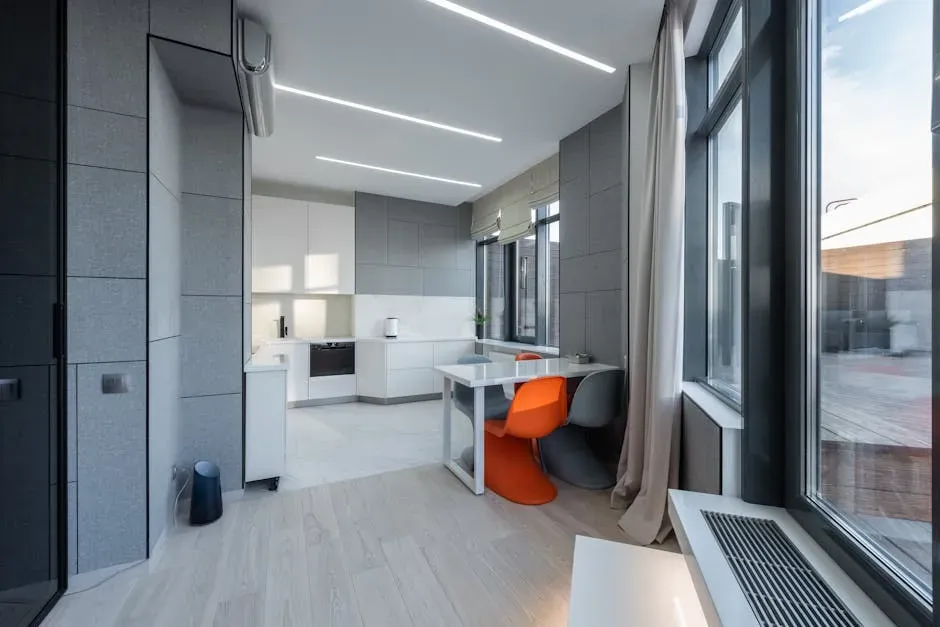
For years, gray was basically the default setting for anyone flipping a house or staging a listing. Gray walls, gray cabinets, gray floors. It felt clean, modern, and safe. Then, without warning, the whole look started feeling like a waiting room at a DMV office. For years, real estate investors and home flippers relied on gray walls, gray flooring, and gray cabinets to create a “modern” look. But in 2025, this trend is dead. Buyers now see all-gray interiors as cold, outdated, and overdone.
Warm neutrals like soft beiges, taupes, and earthy tones are now what buyers prefer instead. Natural wood finishes and subtle color variation help homes feel more inviting and easier to imagine living in. The shift is real, and it’s fast. Gray dominated home design for the past decade, but buyers now prefer warmer, more natural tones. If your whole interior is still rocking 50 shades of gray, that’s something worth addressing before listing.
3. The Formal Dining Room: Wasted Square Footage in Disguise
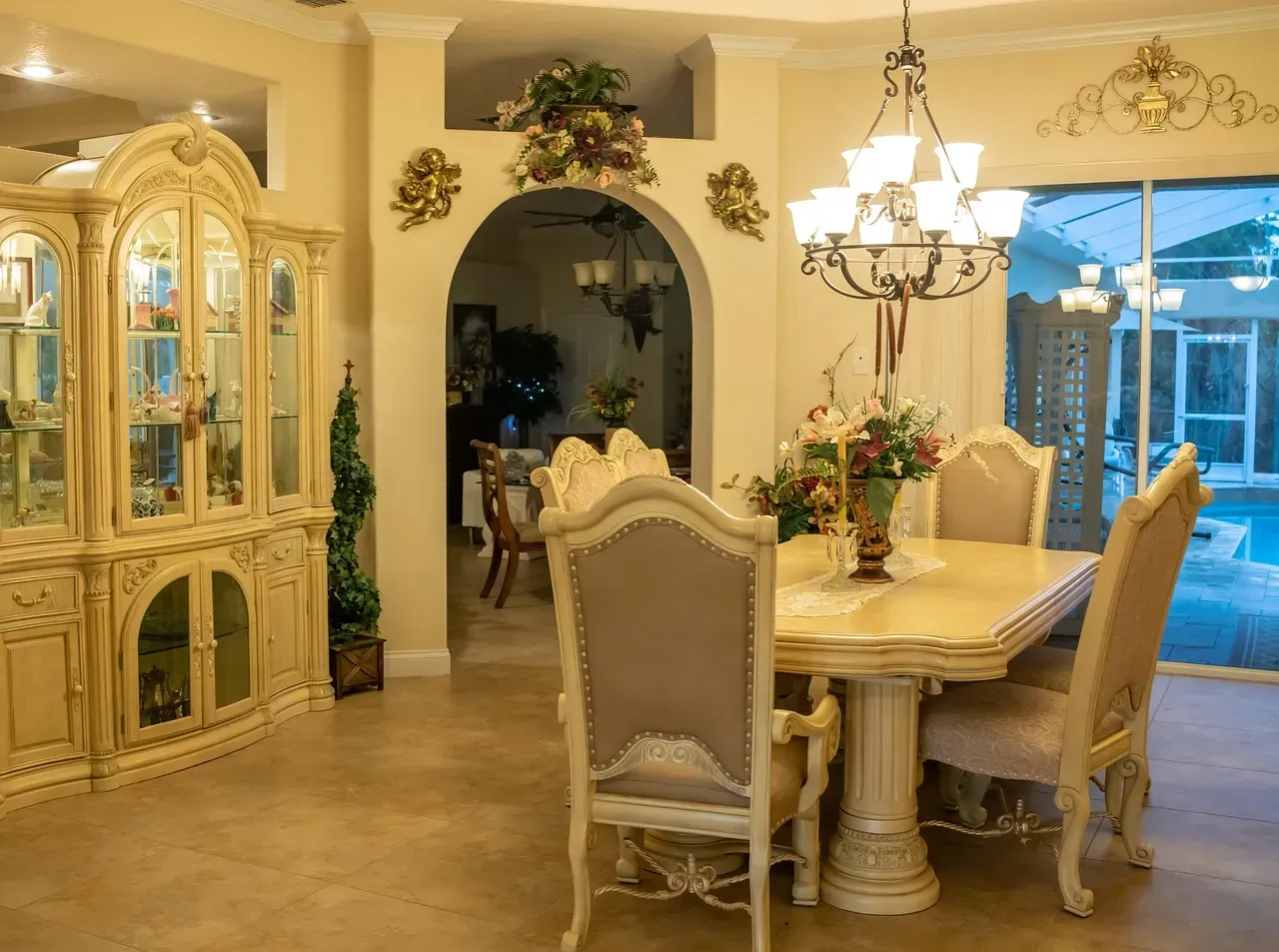
Here’s the thing about formal dining rooms: they were designed for a lifestyle that most families simply don’t live anymore. The once-coveted formal dining room is falling out of favor. Many buyers see it as wasted square footage, especially when open-concept kitchens with eat-in islands are more practical. With more families eating on the go or gathering casually, a closed-off dining room feels outdated.
A trend report released by Realtor.com in late 2025 revealed that listings featuring formal dining rooms with built-ins saw a 25.3 percent year-over-year decline, signaling a massive drop in buyer interest. Formal dining rooms are increasingly viewed as a relic of older home design philosophies, with homeowners encouraged to convert these areas into functional offices, playrooms, or multipurpose gathering spaces that align with modern lifestyle expectations. That number tells you everything you need to know.
4. Granite Countertops: The King Has Left the Kitchen
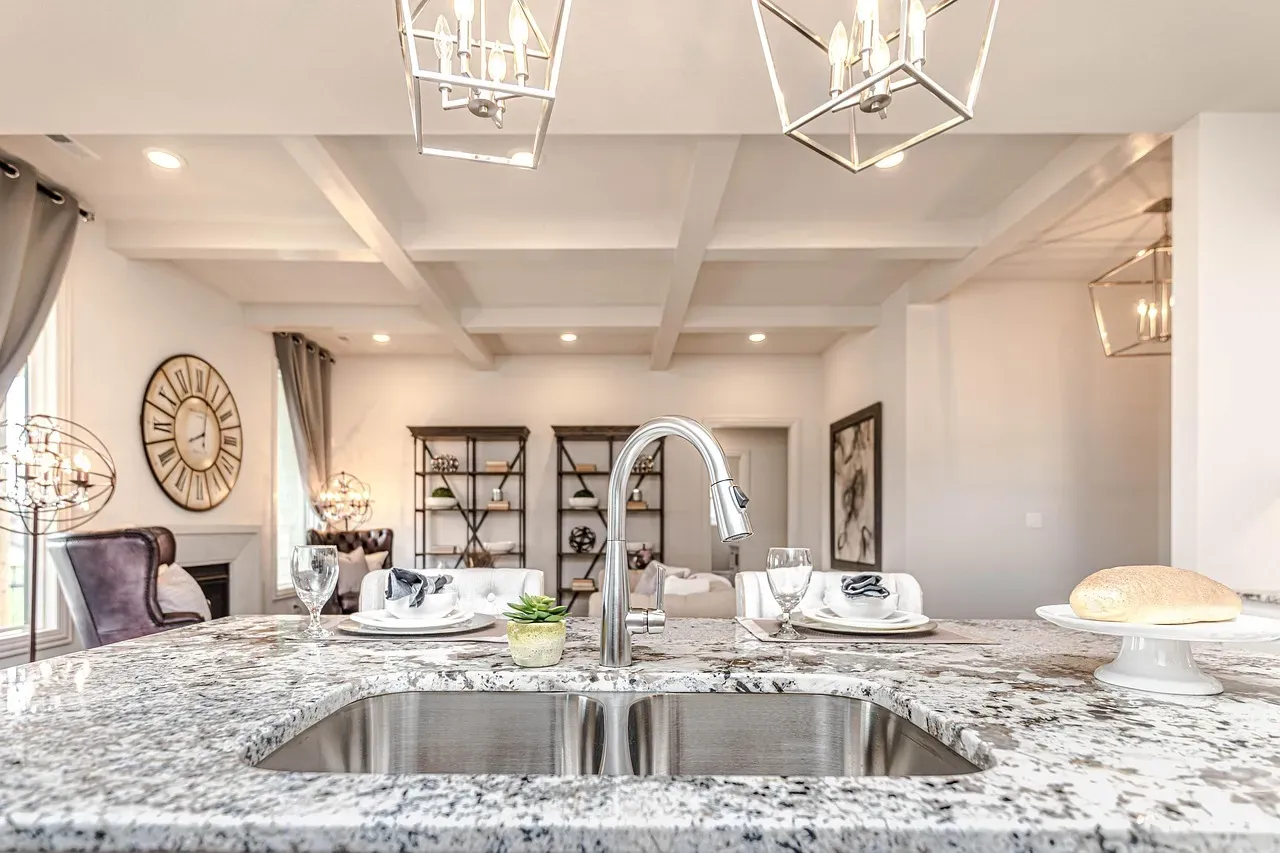
For decades, granite was the undisputed king of kitchen renovations, but its reign has officially ended. Buyers are now rejecting the busy, speckled look of granite in favor of cleaner, lower-maintenance materials that fit modern aesthetics. The requirement to seal natural stone annually is a chore that today’s low-maintenance homeowner is happy to leave behind. Think about it like owning a luxury car that only runs on premium fuel. The upkeep eventually outweighs the prestige.
The National Kitchen and Bath Association’s 2026 forecast reported that 78 percent of professionals now favor quartz for its durability and consistency. Buyer preferences are shifting toward quartz and other engineered stone surfaces that offer greater consistency, ease of maintenance, and long-term performance. Realtors observe that darker or highly patterned granite can make kitchens feel heavy, dated, or visually busy, reducing the perceived modernity of the space.
5. The All-White Kitchen: Sterile, Show-Stopping, and Now Stressful
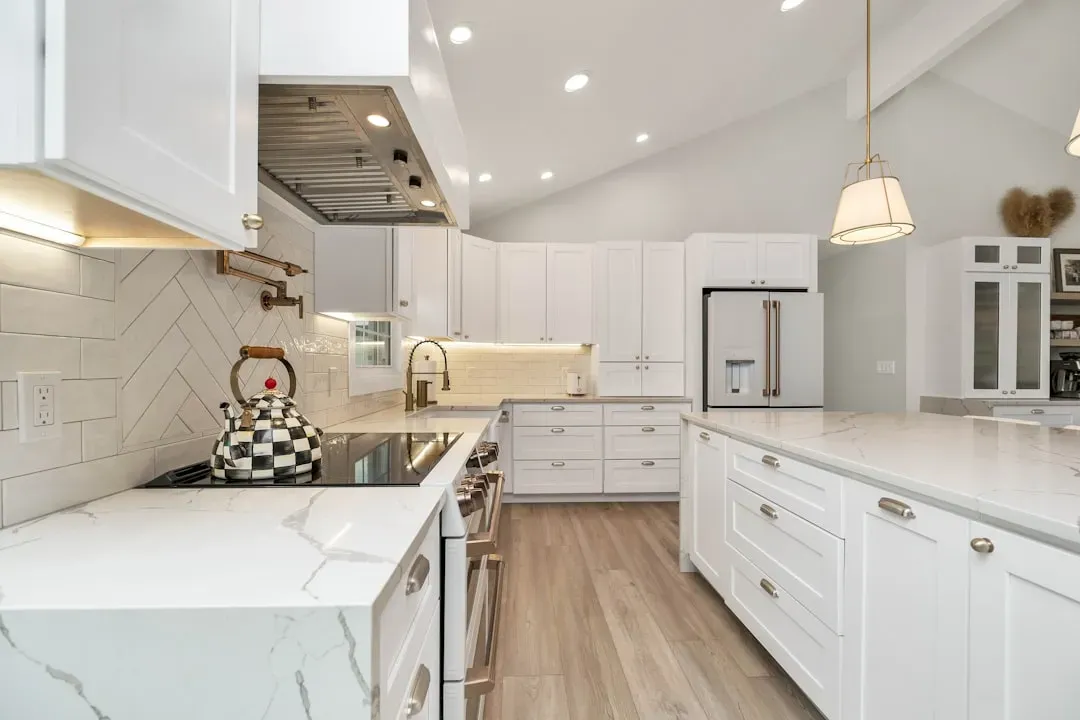
The all-white kitchen had a long and glorious run. It photographed beautifully, it felt airy, and for a solid decade it was essentially the universal symbol of a renovated home. But buyers are now walking into these spotless kitchens and feeling more stressed than inspired. The pristine, clinical look is finally losing its grip on kitchen design trends. After years of dominance, all-white kitchens are falling out of favor with practical homebuyers who’ve discovered they show every speck of dirt and food splatter. Maintenance nightmares aside, these monochromatic spaces often feel cold and sterile.
Better alternatives include two-toned cabinetry, statement islands, and bold countertops. Warm wood cabinets mixed with painted elements like deep green, navy, or beige are making kitchens feel more unique and inviting. Today’s purchasers gravitate toward warmer tones, two-tone cabinets, and natural materials that bring character and hide everyday wear. In other words, buyers want a kitchen that looks good on Tuesday morning, not just in a real estate photo.
6. The Overly Rustic Farmhouse Aesthetic: Shiplap Fatigue Is Very Real
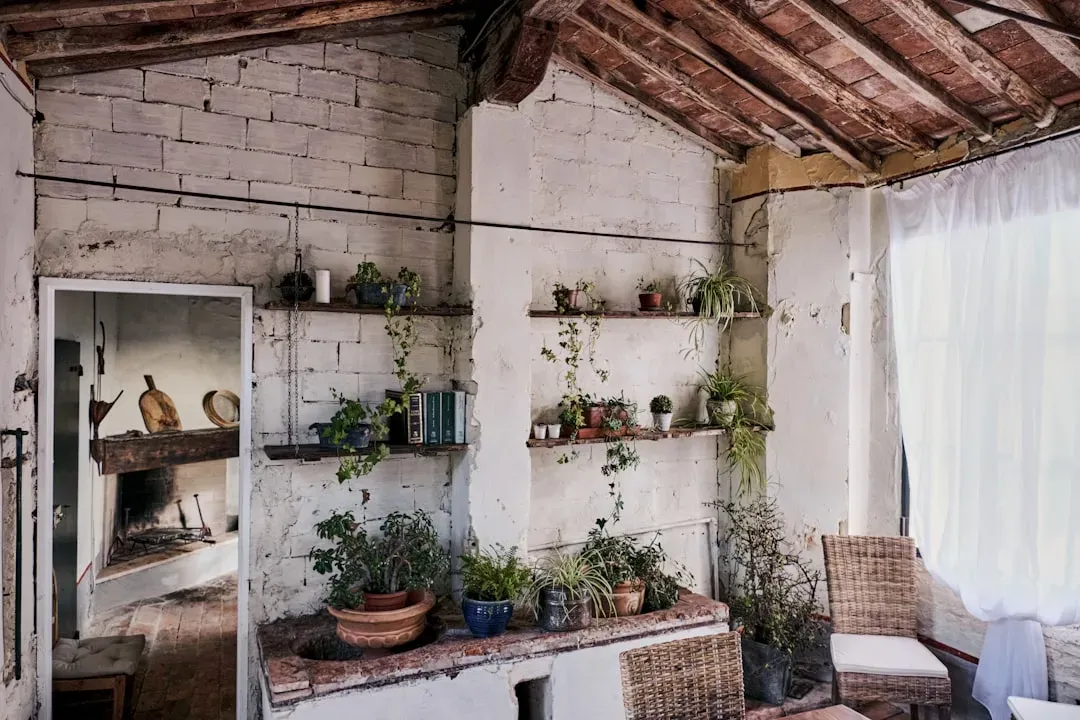
Shiplap. Barn doors. Distressed wood beams. For most of the 2010s, this combination was crack for home buyers. HGTV made it look timeless. Flippers copied it on every project. Then, somewhere along the way, it became the design equivalent of a dad joke. For the last decade, farmhouse design has dominated house flips, with shiplap walls, barn doors, and rustic beams. But in 2025, the overly rustic chic look is officially outdated. Buyers are moving towards sleek, modern, and transitional designs that feel less theme heavy.
Once trendy, barn doors are now increasingly polarizing. They don’t offer much privacy or sound control, and buyers are noticing. What buyers prefer instead are pocket doors, traditional hinged doors, or modern sliding options that blend better with the architecture of the home. Shiplap, once the darling of DIY remodels, now feels busy and overdone. It’s not that warmth is unwanted. It’s that theme parks belong at Disney, not in a primary bedroom.
7. Wall-to-Wall Carpet: The Feature That Keeps Losing Ground
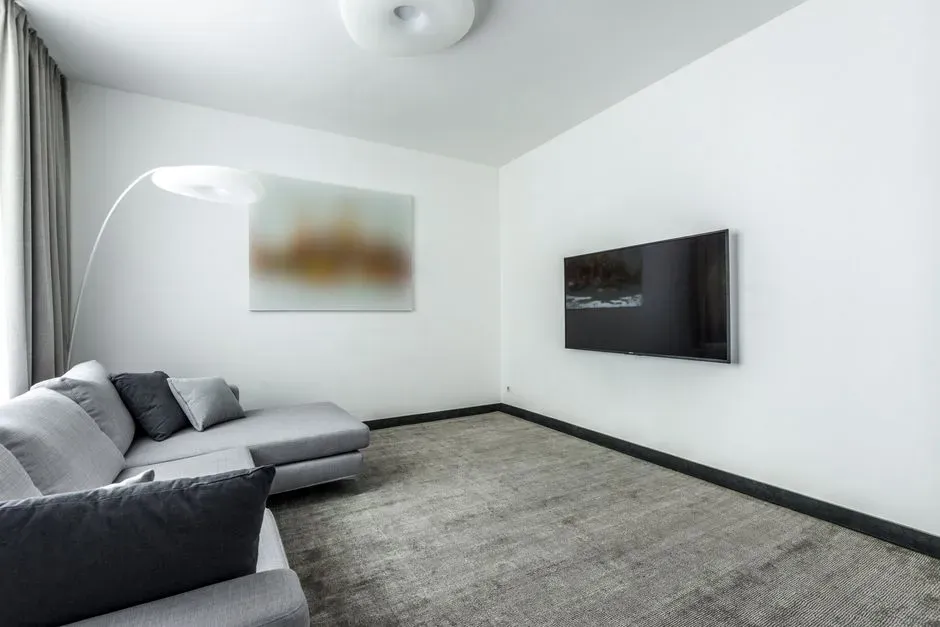
Carpet in a living room used to feel cozy and inviting. Now, it mostly makes buyers do a silent calculation in their heads about how much it will cost to rip out and replace. Continuous carpet traps allergens, telegraphs wear, and can hold past owners’ habits. Agents steer sellers toward hard surfaces in living spaces with rugs layered for comfort, leaving carpet for bedrooms where softness still matters.
Carpeting used to be a staple in home design but buyers in 2025 expect hard flooring in main living areas. Carpet is seen as high-maintenance, prone to stains, and less durable than modern flooring options. Engineered wood, cork, and high quality vinyl handle spills and pets while reading clean. Listings with this mix feel fresher, and move-in day becomes easier to plan. For buyers with kids, pets, or allergies, carpet in living spaces is practically a red flag on the listing sheet.
8. The Double Wall Oven: Kitchen Flex That Few Buyers Actually Need
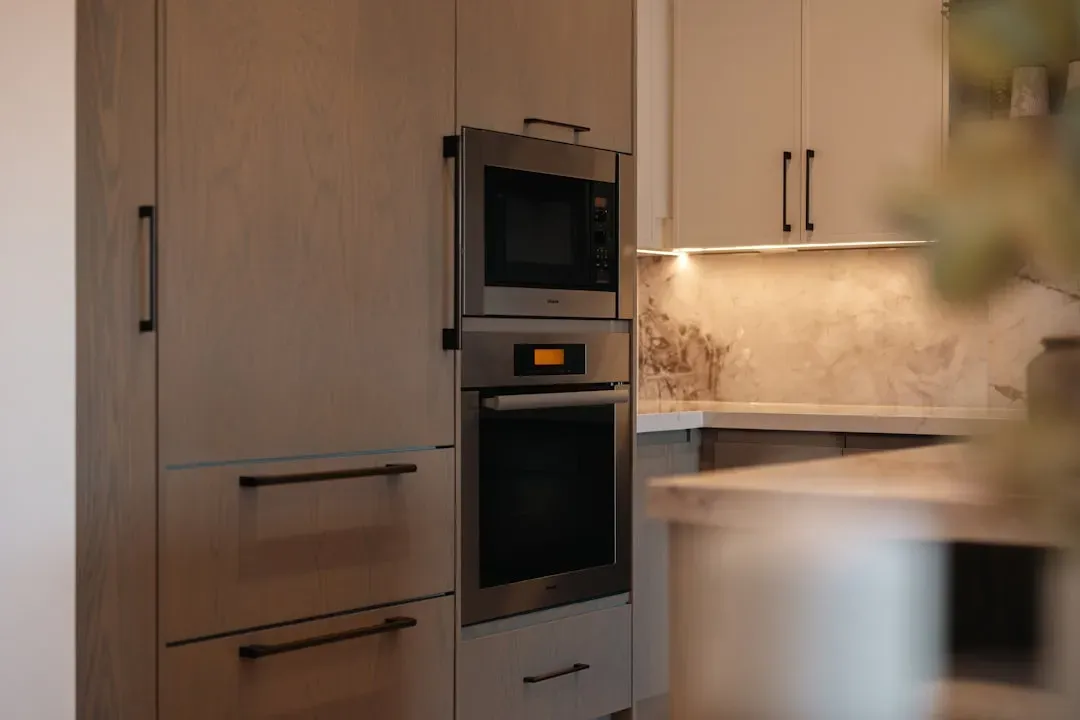
The double wall oven used to signal a serious home cook. It said, “I roast two turkeys at once and I have no regrets.” But most buyers walking through homes today aren’t cooking Thanksgiving for thirty people every weekend, and they’ve started doing the math. The prestige of the double oven is fading as kitchen technology advances and cooking habits change. Unless a buyer frequently hosts massive holiday dinners, sacrificing cabinet space for a second oven used only twice a year no longer makes sense. Countertop air fryers and multifunctional smart appliances have rendered the second wall oven largely obsolete for the average American family.
Realtors report that modern homeowners increasingly favor kitchens that offer additional counter space, pantry storage, or more versatile appliances over dedicated, rarely used equipment. Double ovens can also dominate wall space, limiting options for cabinetry or built-in features that provide practical storage and work surfaces. Kitchen real estate is precious, and buyers in 2026 are prioritizing pantry space and coffee bars over redundant cooking capacity.
9. The Infinity-Edge Pool: Stunning to Look At, Painful to Own

Few features have fallen harder from grace than the infinity-edge pool. On a hillside overlooking a valley at sunset, it looks absolutely breathtaking. As a permanent maintenance responsibility in your backyard, buyers are increasingly viewing it as a liability more than a luxury. Infinity-edge pools saw a notable decline of nearly 25 percent in listing mentions, as buyers favor modern, natural, and right-sized design choices over ornate or oversized spaces.
Features like wine vaults and infinity-edge pools, while still luxurious, no longer carry the universal appeal they once did, and they often come with higher maintenance costs. Old-World European interiors and overly decorative finishes are losing traction in favor of clean, natural, and modern design choices. Searches tied to high-end living, including mansion, luxury, and acreage, cooled from 2024. Interest rose in fireplaces, garden, and fenced yard, suggesting buyers want warmth, practicality, and everyday comfort. It turns out, a well-maintained simple pool with a garden view beats a dramatic engineering feat that demands constant attention and thousands in upkeep each year.
What’s striking about this entire list is the common thread running through all nine features: buyers today are prioritizing ease, warmth, and flexibility over showmanship. Realtor.com’s 2025 Home Trends Report found that efficiency, sustainability, and nature-inspired design are on the rise, while more opulent or space-heavy features are losing ground, highlighting a clear shift in how Americans define comfort and value. The homes that sell fast right now aren’t the ones with the most impressive features. They’re the ones that feel the most livable from the moment you walk in the door. Does your home still have any of these nine features? What would you tackle first?



Leave a Reply