
Walk into a typical baby boomer’s home and you might notice something right away: there’s a lot of stuff. Not messy, necessarily, just full. Shelves lined with collectibles, drawers stuffed with cords, closets holding clothes that haven’t moved in a decade. It’s a pattern that shows up across millions of households, and it’s not random.
The boomer generation grew up in the post-war era, a world shaped by rationing, scarcity, and economic rebuilding, where throwing something away wasn’t just wasteful – it felt genuinely risky. There is also an element of emotional security that comes from the things that have surrounded us through decades of life events, or even across a lifetime. That combination of frugality and sentiment is powerful, and it explains a lot. Here are 11 items boomers are famous for keeping long past their expiration date.
1. VHS Tapes With No Working Player in Sight
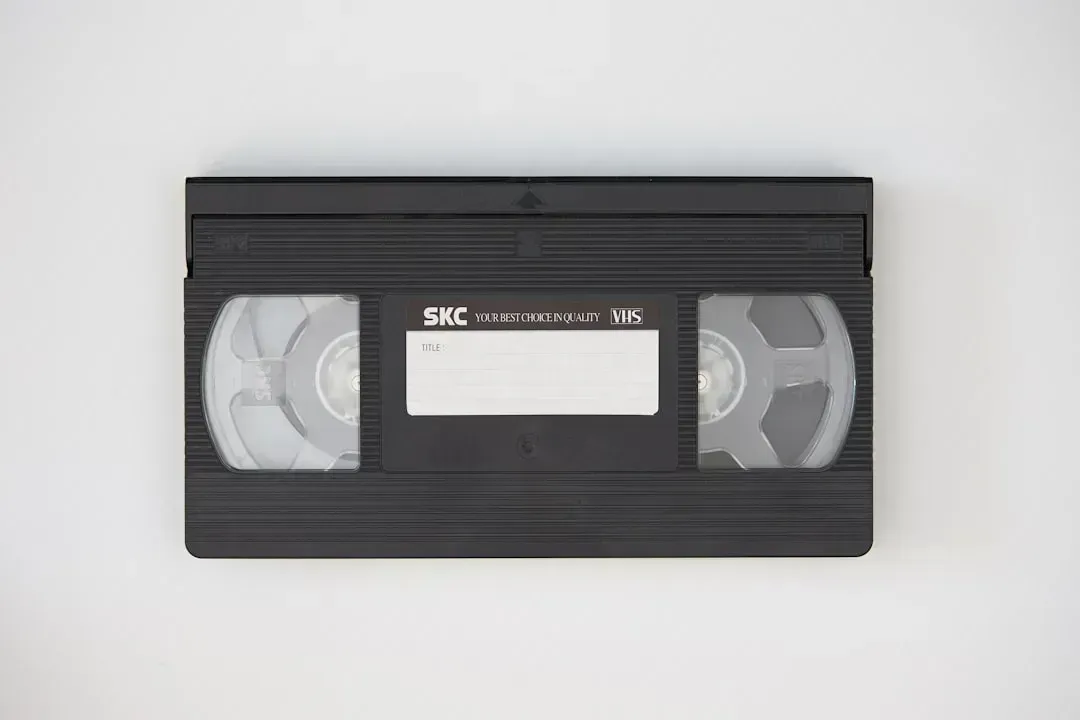
Stacks of VHS tapes are a familiar sight in many boomer homes, even as technology leaves them behind. Home-recorded family moments, favorite movies, or old TV specials cling to shelves and boxes, often without a functional player nearby. Though streaming and DVDs have taken over, the thought of losing those irreplaceable memories keeps these bulky tapes around.
Data from SellCell’s 2024 to 2025 electronics hoarding survey showed that nearly 89% of Americans keep outdated devices at home, and boomers are especially likely to stash old TVs, VCRs, phones, and cords that mostly just collect dust. The tapes themselves take up significant space, and without a working VCR, they’re genuinely inaccessible. Still, the idea of tossing recorded family holidays feels unthinkable to most.
2. Fine China That Never Leaves the Cabinet
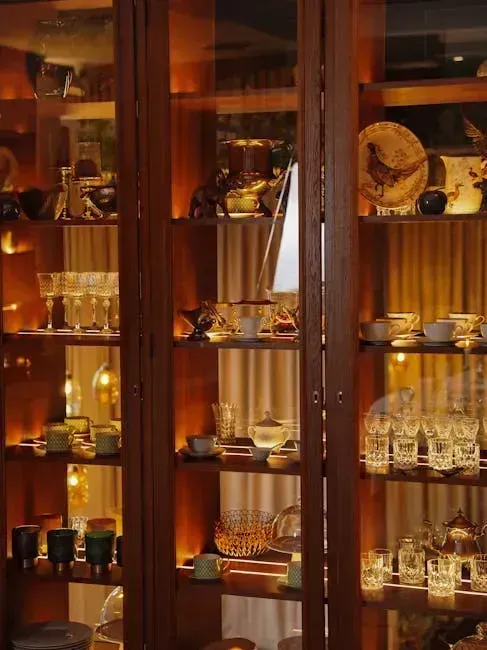
Fine china sets are the crown jewels of many boomer households, yet they rarely see the light of day. Delicate patterns and gilded edges make them too precious for everyday meals, so they stay locked away “just in case” someone hosts a grand dinner party. Ironically, these beautiful dishes mostly serve as decorative keepsakes, evoking memories of family gatherings gone by.
For many boomers, things they own, like fine china, are tied directly to their sense of self. These items aren’t just possessions; they’re extensions of their identity and markers of their life journey. Giving them up can feel like erasing a part of their history, as if removing the object erases the stories attached to it. The result is a cabinet full of perfectly preserved plates that no one ever eats from.
3. Tangled Cords and Cables for Devices Long Gone
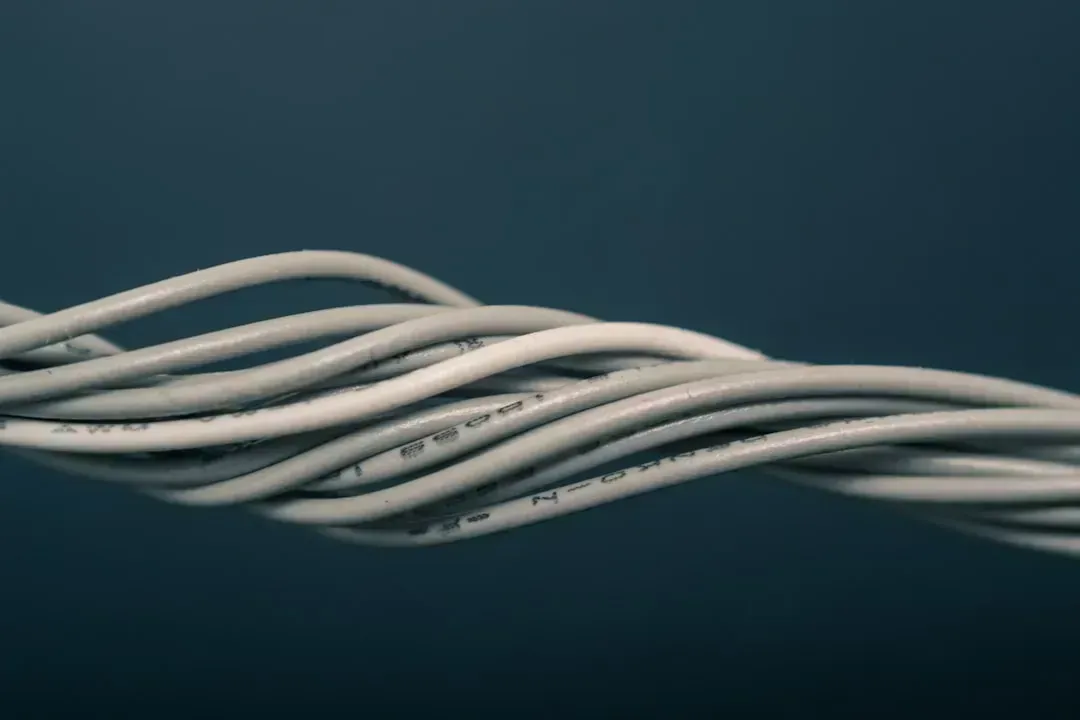
There’s often a box, bin, or drawer crammed with tangled wires, filled with charging cables that don’t fit any current device in the house. From outdated cell phone chargers to cords from long-dead laptops, this electronic spaghetti serves no purpose anymore. Rather than being recycled, they get shoved into the “tech junk” drawer, because who knows, maybe they’ll be useful someday.
Boomers often grew up in an era where throwing things away was seen as wasteful, so the habit of keeping items “just in case” is deeply ingrained. The irony is that even if the device did resurface, the odds of the matching cable still working are slim. Yet the drawer stays full, growing denser with every phone upgrade.
4. Fondue Sets From Another Era
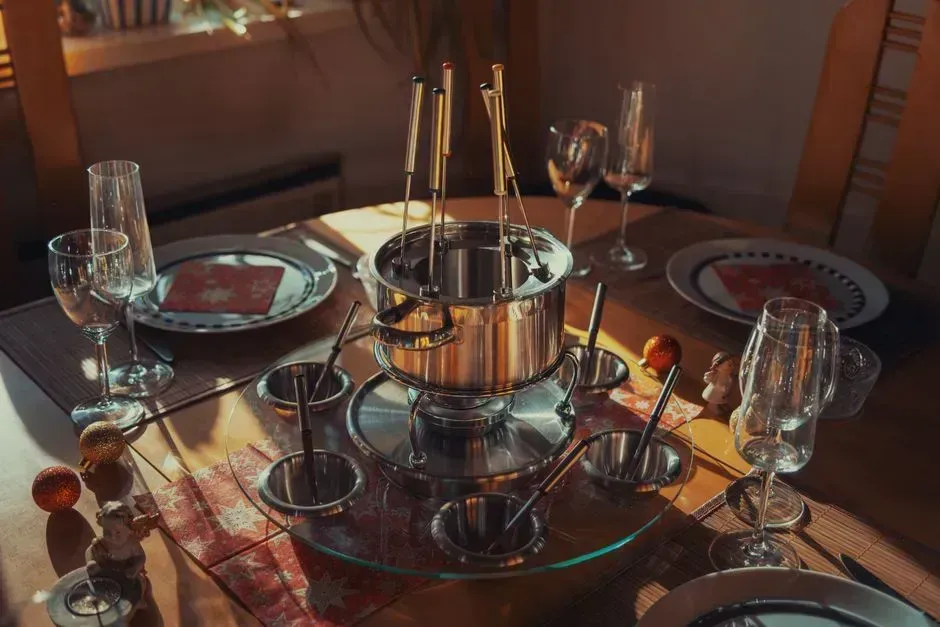
Fondue sets evoke memories of lively gatherings and retro dinner parties, but now they mostly collect dust in cupboards. The idea of dipping bread or fruit into bubbling cheese or chocolate sounds fun, yet the hassle of setup and cleanup is a major deterrent. Still, these sets linger, kept on hand for a nostalgic night that rarely arrives.
For many boomers, fondue sets are a quirky reminder of a trendier, more communal era of entertaining. There’s something almost sweet about it. The fondue set isn’t just a pot and some forks – it’s a memory of the 1970s, of being young and social. Parting with it means admitting that era is truly over, which is harder than it sounds.
5. Decades of Old Newspapers and Magazines
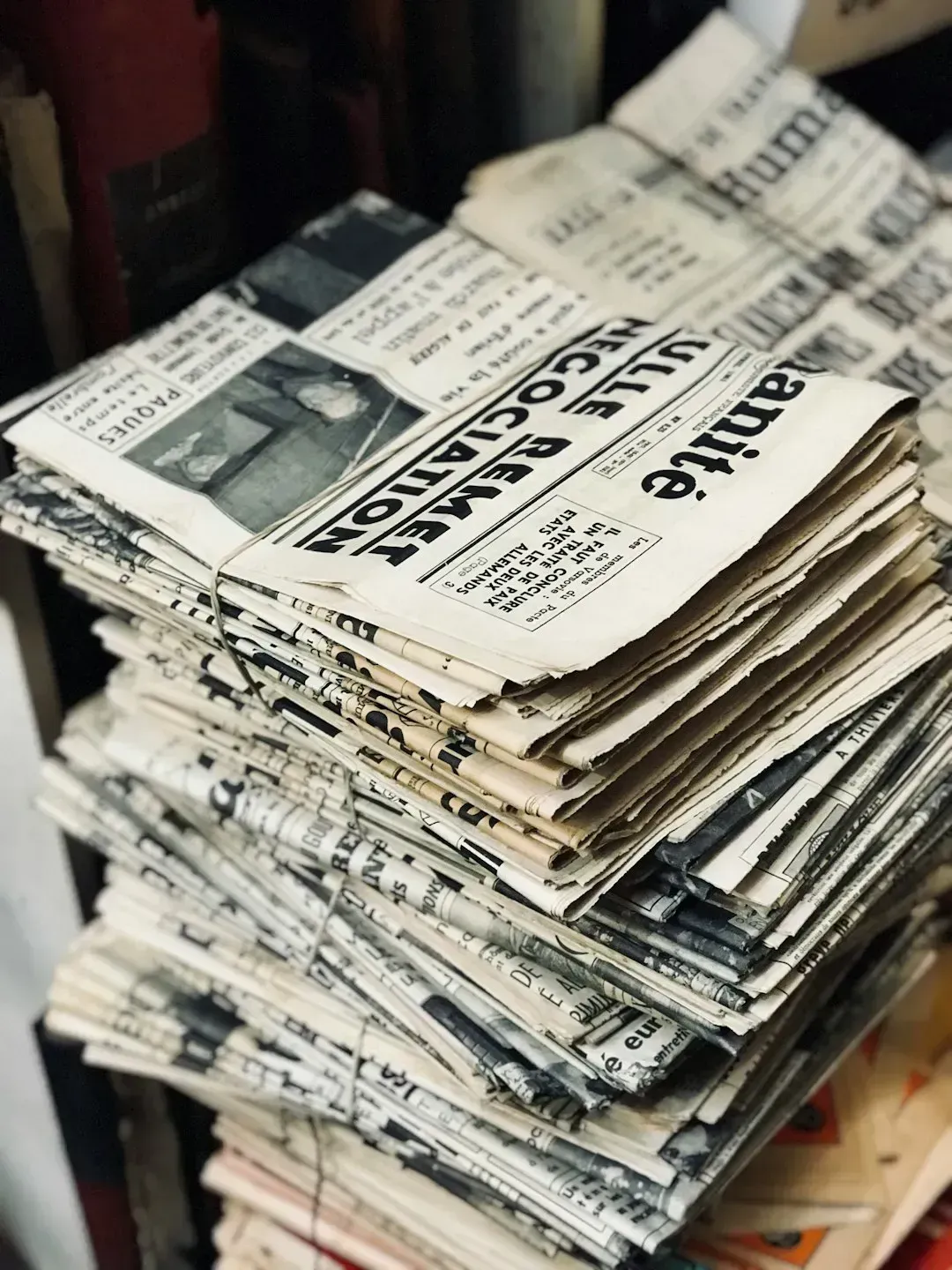
Unless a newspaper is a rare collector’s item, like a perfectly preserved edition from a world-altering event, it holds no monetary or practical value. Yet they stay. Boomers often keep them for nostalgia’s sake, or out of the vague notion that they might come in handy someday. The truth is, these papers are just taking up valuable real estate, becoming more of a fire hazard than a treasure trove of history.
Subscriptions to physical newspapers and magazines remain a common purchase among boomers. There’s something about holding a printed publication that feels more engaging and trustworthy. Reading the morning paper with coffee is a ritual many aren’t ready to replace with a screen. The subscriptions keep arriving, the old issues never quite get thrown out, and the piles quietly grow.
6. Mystery Keys That Open Nothing
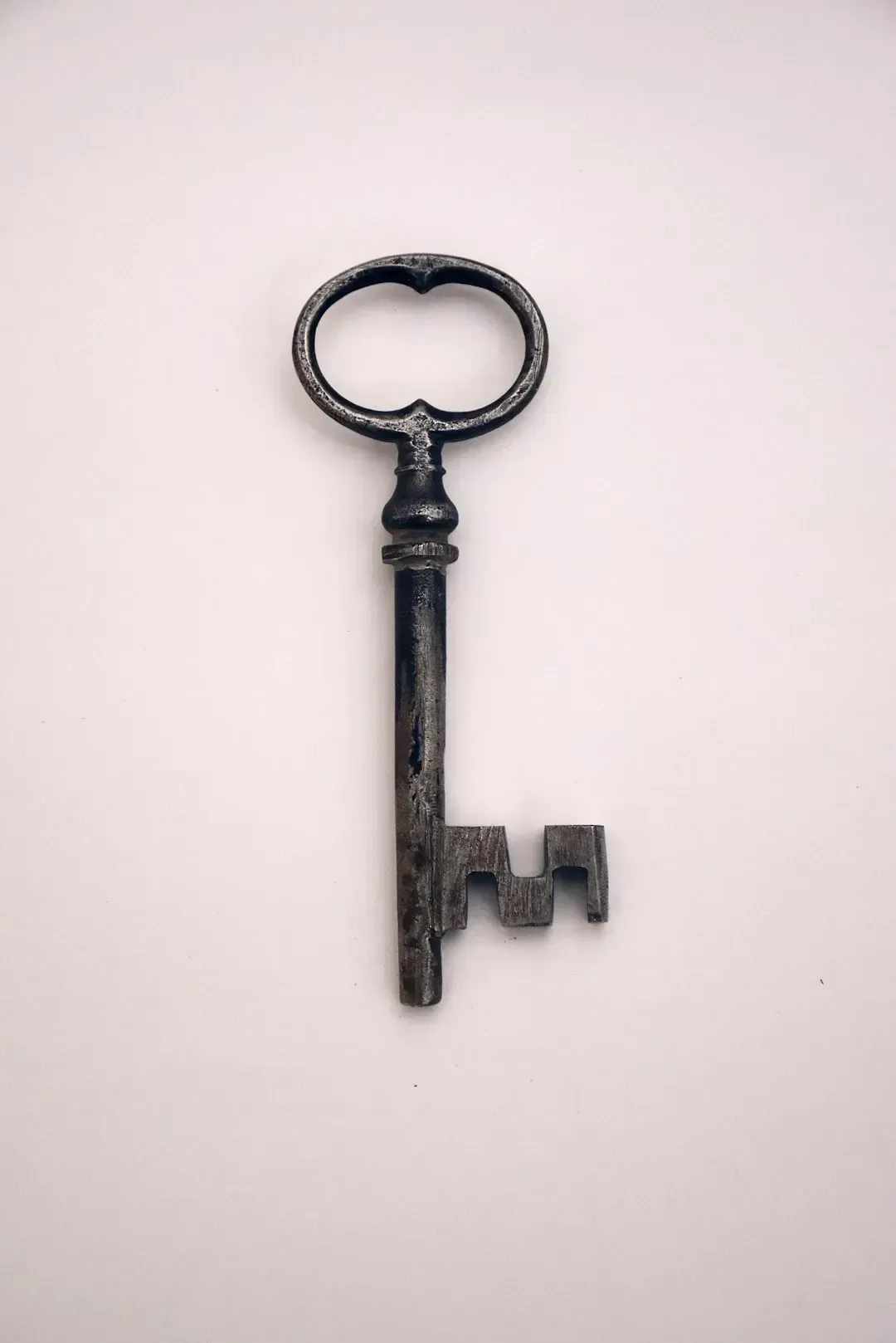
Every boomer home seems to have a mystery drawer, usually in the kitchen or hallway, filled with keys that belong to, well, no one really knows. These keys might once have opened a locker, a car, or maybe even an old neighbor’s shed. The locks they go to are long gone, and so the keys sit, forgotten but never thrown away.
They accumulate, clinking around in bowls or tucked into envelopes marked with question marks. No one can ever remember what they were for, and deep down, everyone knows they’ll never be used again. Boomers keep them just in case, even when the case has clearly expired. It’s a small but telling example of how hard it is to let go of something that once had purpose.
7. Landline Phones and Answering Machines
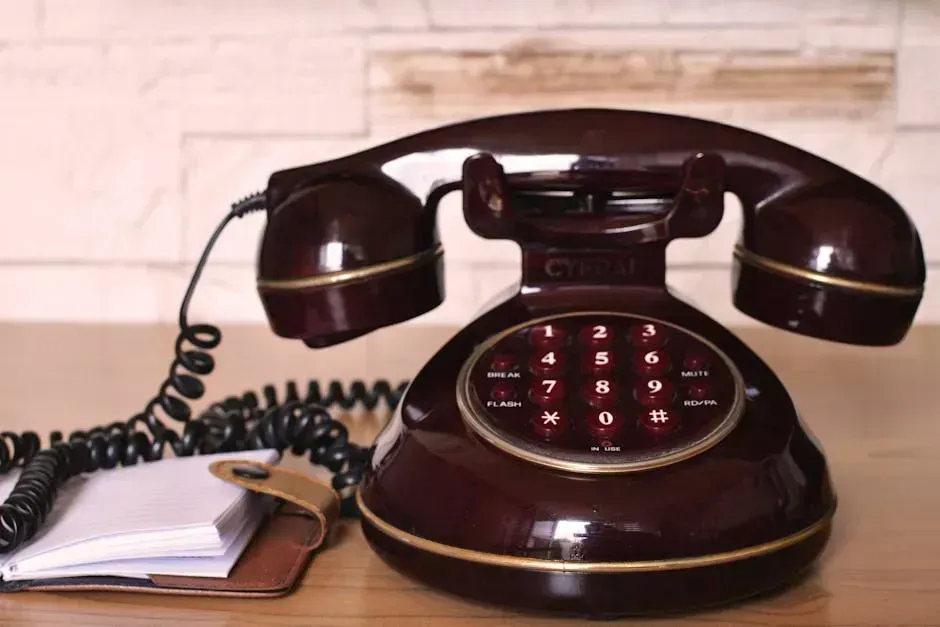
Boomers continue to pay for landline phone services even with smartphones in nearly every pocket. The perceived reliability during emergencies is a major factor in this ongoing expense. Some believe landlines provide clearer connections and fewer dropped calls. However, maintaining a landline adds an extra monthly bill that may not be necessary.
About 25% of adults over 65 still have a landline and no cellphone, according to Pew Research Center. That number is shrinking, but slowly. It says a lot about how this generation defines safety and communication. Although voicemail is built into smartphones, some boomers still keep standalone answering machines, which provide a familiar way to screen calls and store messages.
8. Overstuffed Collections of Mugs
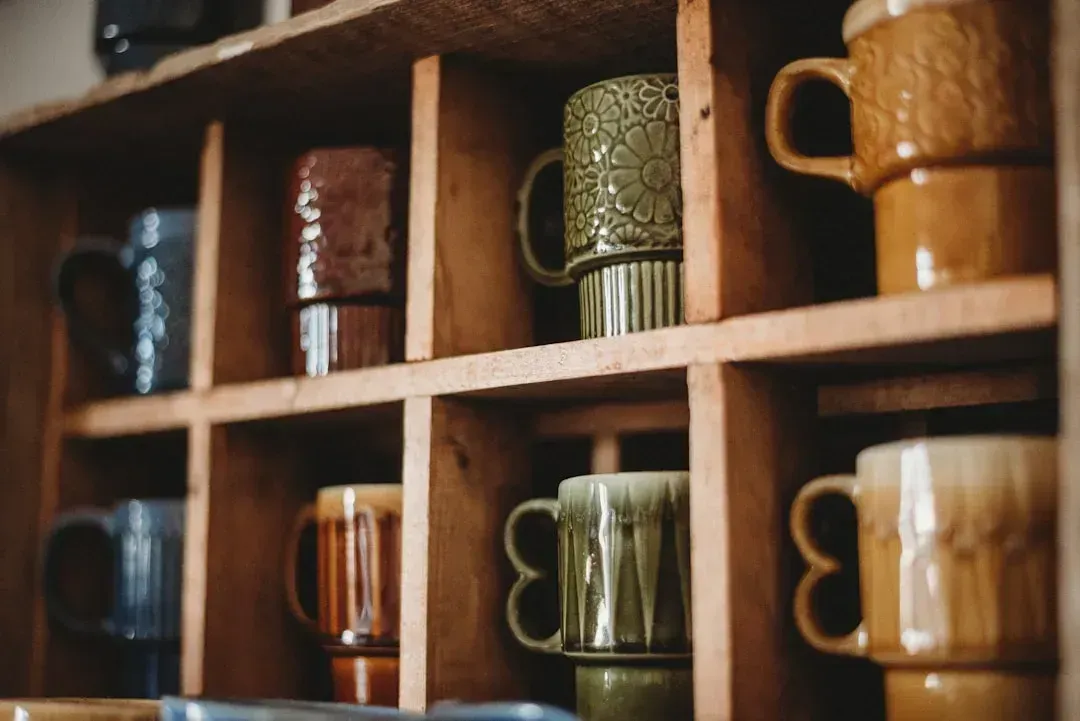
Walk into a boomer kitchen and you’ll find a mug collection that could supply an entire corporate office. Each mug holds a memory – Hawaii in ’89, that trade show in Vegas, a Christmas gift from a coworker. While a few meaningful mugs are worth keeping, dozens of mismatched drinkware pieces make cabinets feel chaotic.
Only two or three mugs are actually used on rotation. The rest are sentimental clutter with ceramic handles. The collection grows because mugs are easy to receive and nearly impossible to discard. Every one of them carries a story, and who wants to throw away a story? The cabinet, though, doesn’t care about the story.
9. Encyclopedias That Gather Scholarly Dust
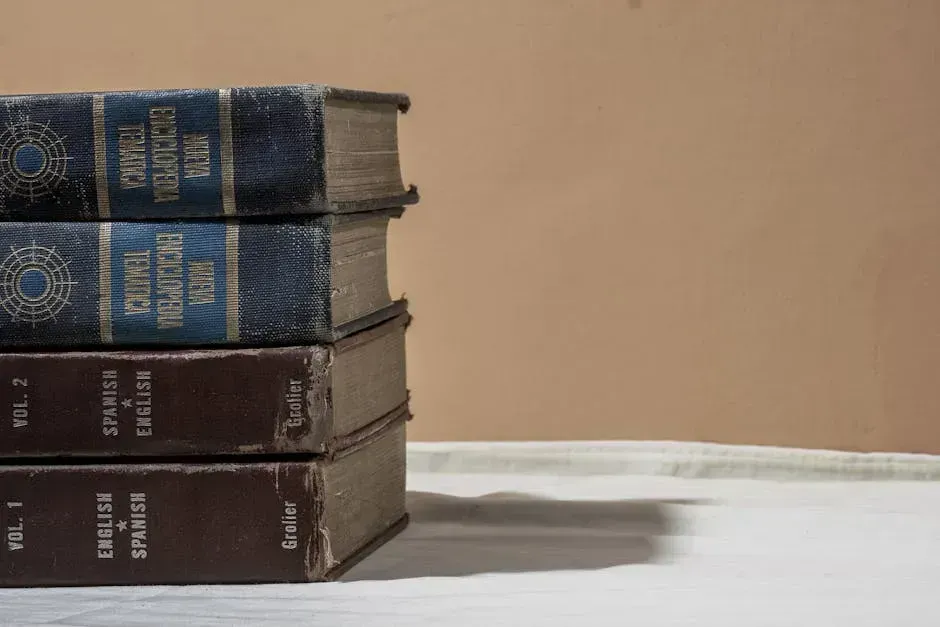
Towering encyclopedia sets once stood as the cornerstone of learning in many homes. Now, they mostly serve as impressive decor, with their gold-embossed spines and classic covers adding a scholarly touch to any room. Thanks to the internet, these hefty volumes see little action, their pages barely turned in years.
Still, they remain, symbols of a time when knowledge was collected, not just clicked, occupying shelves out of habit and a lingering sense of pride. There’s also the sheer physical presence of them – a full encyclopedia set is heavy, imposing, and oddly difficult to simply put in a donation bin. Most boomers can’t quite bring themselves to do it, even when they haven’t opened one since dial-up was fast.
10. An Old Sewing Machine That Will Be Used “Someday”
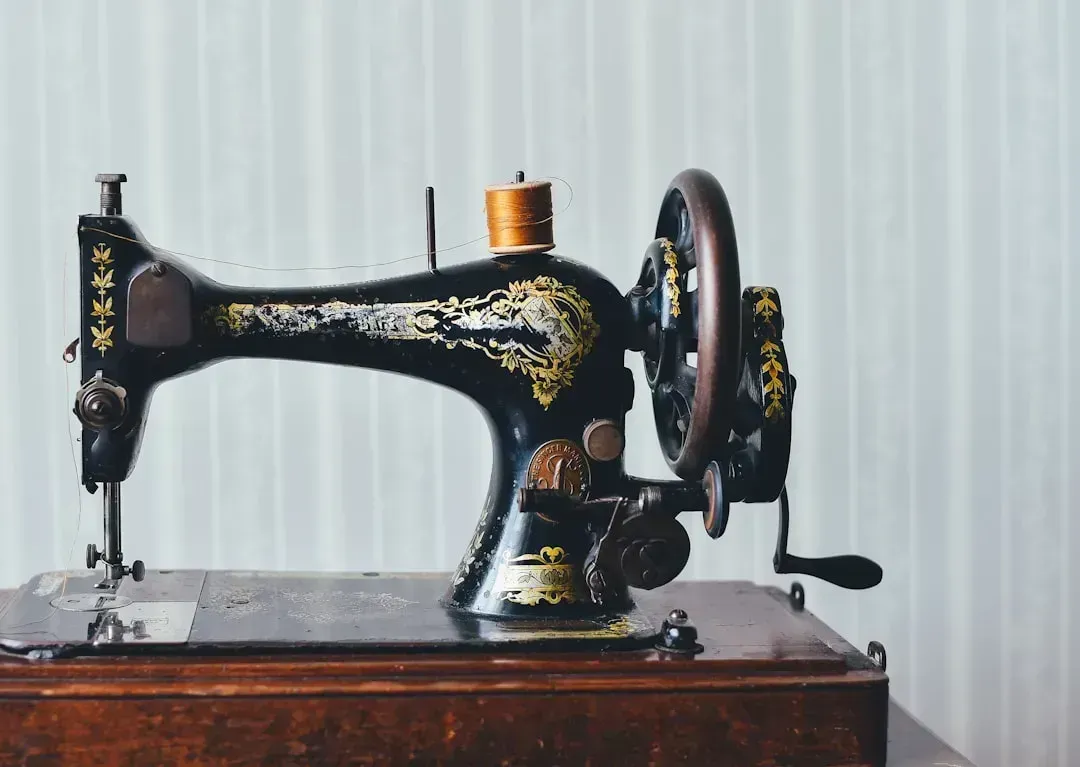
Once a household staple, the old sewing machine now collects dust in closets, attics, or basements. For many boomers, it represents a time when mending clothes was a necessity, not a hobby. Maybe it was passed down from a parent, or maybe it was used to stitch Halloween costumes and hem jeans decades ago. Nowadays, it mostly serves as an anchor to a past lifestyle.
Even if the intention to use it again exists, sewing is no longer a routine part of most lives. When clothes are cheaper to replace than repair and tailor shops are easily accessible, the heavy old machine loses its practicality. Yet there it stays, too bulky to toss and too sentimental to give away, becoming part of the decor, a piece of history that never quite makes it to the donation pile.
11. Stacks of Souvenir Knickknacks and Figurines
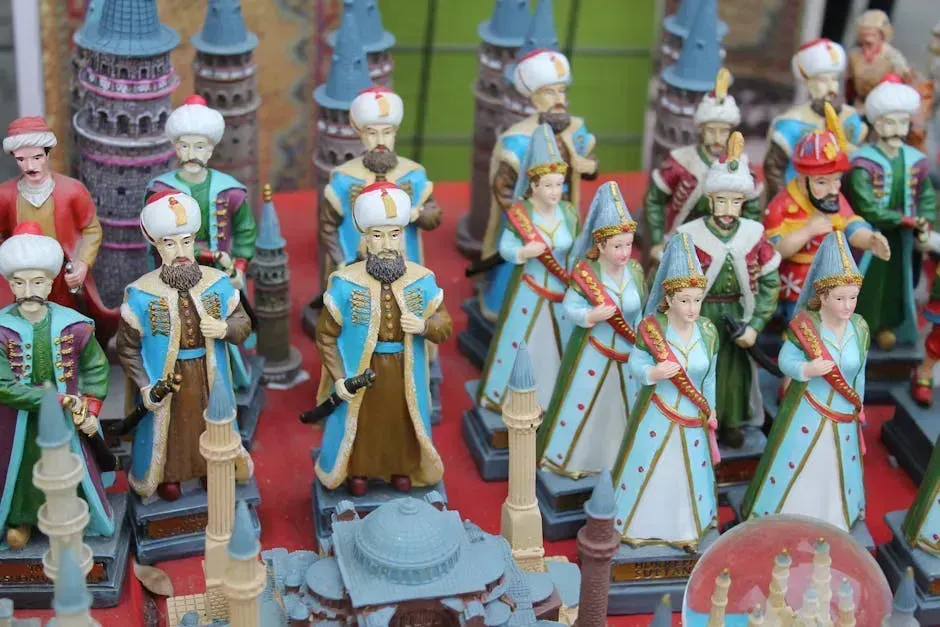
Many boomers have collected souvenirs from their travels, family events, or special occasions over the years. While these items may hold sentimental value, they often gather dust on shelves or in storage boxes. Collections of figurines, old postcards, or outdated travel memorabilia can take up significant space without adding any functional value.
Boomers grew up in a time of economic prosperity, shaped by parents who lived through the Great Depression, and they are also collectors, whether Hummel figurines or a souvenir from every vacation. The trend of “aging in place” means boomers live in their homes longer, giving them more time to accumulate things. Each little ceramic lighthouse or snow globe represents a trip, a milestone, a moment. Letting them go feels less like decluttering and more like rewriting personal history.
The through line across all 11 of these items is rarely stubbornness – it’s something more layered. The boomer generation grew up in a world shaped by rationing, scarcity, and economic rebuilding, where throwing something away wasn’t just wasteful; it was risky. That mindset doesn’t simply switch off when the circumstances change. Objects become proof of a life lived, of good judgment and hard-earned stability. The real challenge, for boomers and their families alike, isn’t convincing someone that a fondue set is useless. It’s finding a way to honor the memory without needing to keep the thing.


Leave a Reply