
Most diners assume their meal starts when the food arrives. In reality, your dining experience begins the moment you walk through the door. Seasoned servers are already building a mental picture of you, your table, and what the next hour or two might look like – all before they’ve said a single word.
According to a 2024 study published in the Cornell Hospitality Quarterly, experienced servers can predict customer behavior and potential tip percentages with roughly seventy percent accuracy within the first minute of interaction. That’s a striking number, and it speaks to something real: years of pattern recognition, not mind-reading. Here are the fourteen things your server has already clocked about you.
1. Your Body Language the Moment You Arrive

Hospitality professionals notice body language first, because it can be seen from a distance and helps them determine how to approach a person. If you stride quickly to your table, immediately open the menu, and avoid eye contact, it signals that you prefer efficiency and minimal interaction. That read happens in a matter of seconds, not minutes.
Open and relaxed body language can indicate a friendly and approachable demeanor. Customers who enter with a smile and open arms often signal a pleasant interaction. In contrast, crossed arms or a tense posture might suggest discomfort or reluctance to engage. Servers use these first physical cues to decide how warm or how efficient their approach should be.
2. Whether You Make Eye Contact

Whether you make eye contact with your server when they speak, when you order, and when they deliver food tells them immediately how you view service workers. It’s one of the simplest signals in the room, and experienced servers pick it up instantly.
A 2024 study from the Society for Hospitality and Foodservice Management found that servers consistently report feeling more valued and respected by customers who maintain appropriate eye contact during interactions, which correlates with better service quality and more positive experiences for both parties. Guests who never look up from conversations or devices while ordering make servers feel invisible and undervalued. It doesn’t take much – a glance and a nod go a long way.
3. How You Treated the Host or Hostess
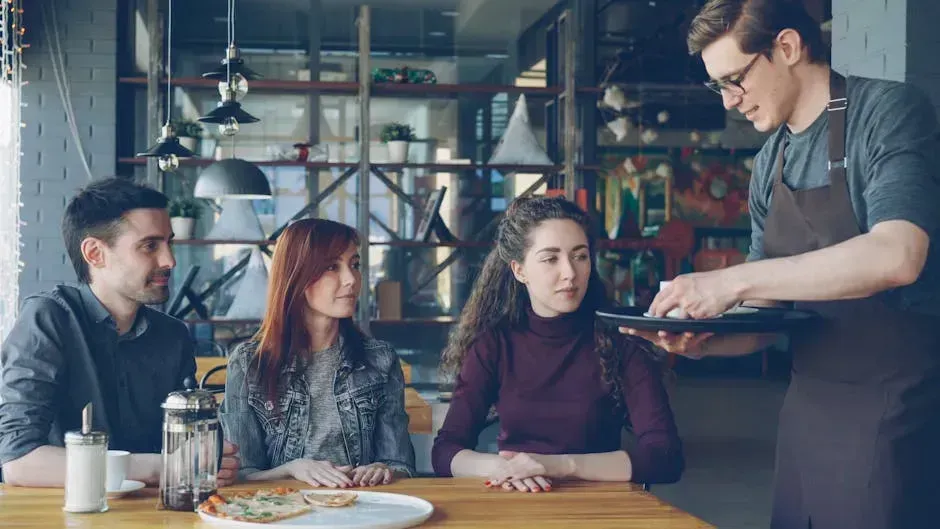
Servers pay close attention to how you interacted with the host or hostess before even reaching your table. A 2024 study from the Journal of Foodservice Business Research found that customers who are rude or dismissive to front-of-house staff are nearly four times more likely to exhibit difficult behavior toward servers throughout their meal.
Restaurant staff talk to each other constantly, and if you were impatient or demanding at the host stand, your server already knows before they introduce themselves. Servers understand that someone having a genuinely bad day might be a bit short, but there’s a difference between stressed and outright disrespectful. When someone snaps at the host about wait times or special seating requests, servers brace themselves for a challenging table and may even adjust their approach accordingly.
4. Your Phone Placement and Screen Habits
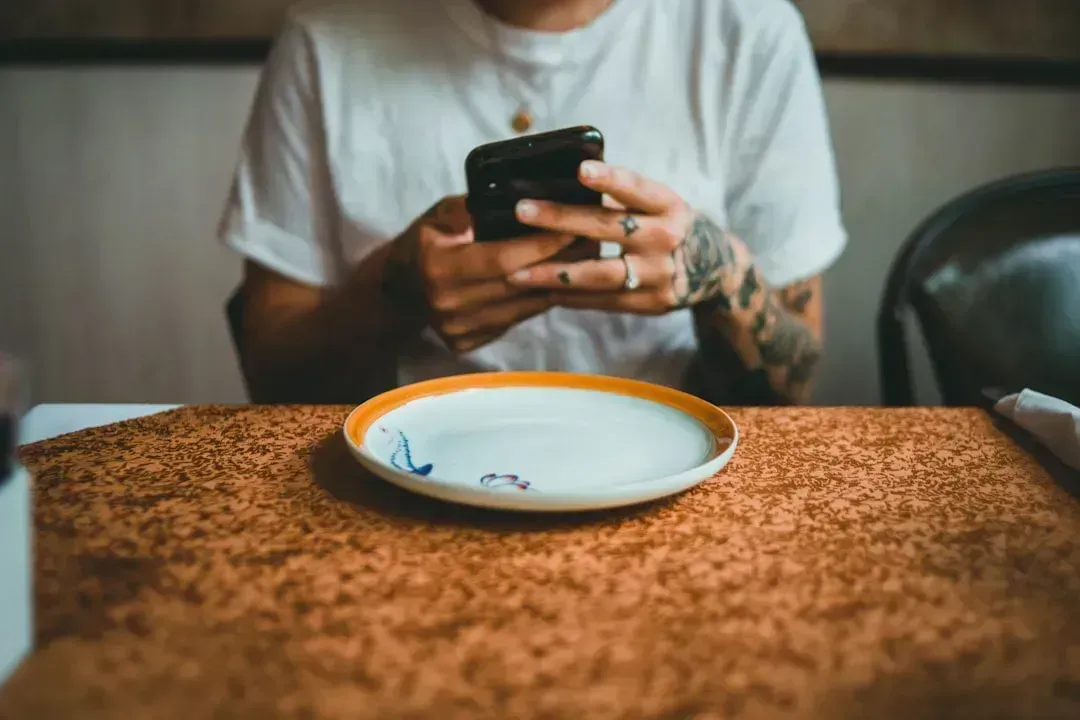
Servers aren’t anti-phone, but dining etiquette still matters. Being present can make your experience – and their service – better for everyone. Where your phone sits, and how quickly you reach for it, tells a server a great deal about what kind of attention you actually want.
A phone face-up in the center of the table, unlocked and glowing, signals constant distraction. Servers notice if guests make eye contact or continue conversations without pausing, and these behaviors help them gauge how much interaction each table prefers throughout their meal. Servers calibrate their interruptions based on this almost automatically.
5. Your Patience Level Before Anyone Arrives

Research published in the Cornell Hospitality Quarterly in 2024 found that customers who display impatience in the first five minutes – looking around repeatedly, sighing, or trying to flag down staff – are significantly more likely to express dissatisfaction throughout their visit regardless of service quality. Servers immediately clock guests who can’t tolerate brief waits versus those who comfortably settle in and understand restaurants have rhythms.
The reality is that servers are managing multiple tables, and even in perfectly run restaurants, you might wait a few minutes before someone greets you. Your reaction to this standard pause tells servers whether you’ll be understanding when normal service delays occur or if every minor wait will become a point of contention. That early read shapes how the server mentally plans out their time at your table.
6. Who You’re Dining With
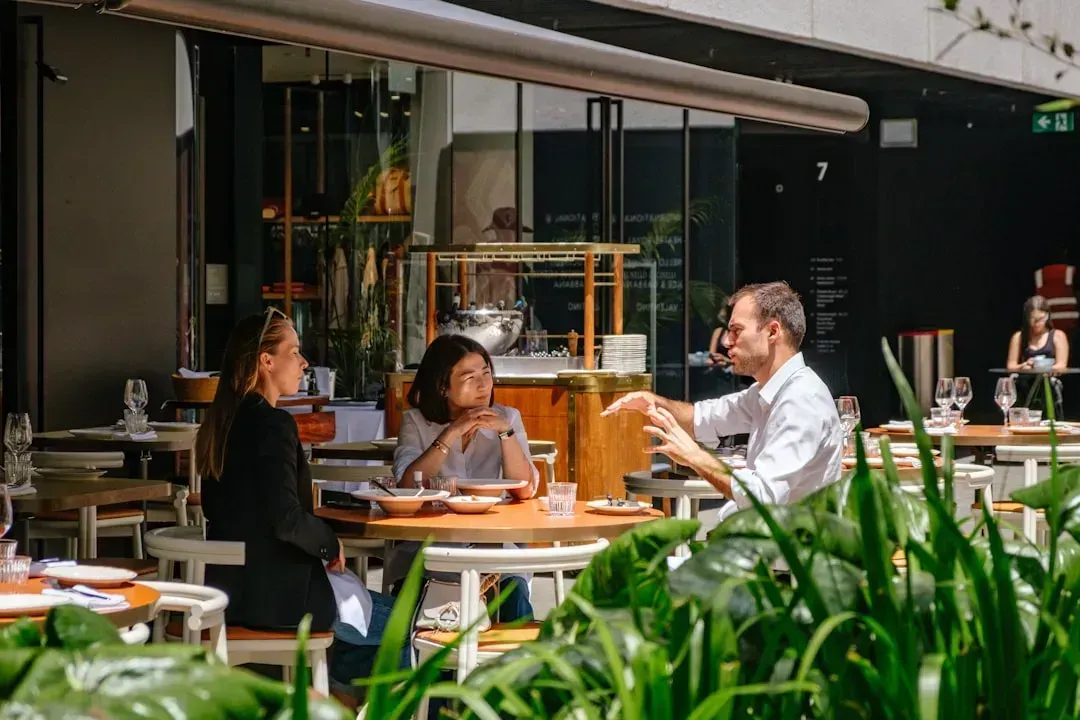
When you sit down at your table, servers usually notice who you are dining with right away. The composition of your group tells them a lot about the pace, the tone, and the likely demands of the meal. A solo diner, a couple, a large birthday party – each signals something different before a word is exchanged.
Solo diners may appreciate prompt service with minimal interruptions, while a couple on a date might prefer a slower pace to enjoy the conversation. Large, lively groups typically need more service overall – think multiple drink refills and food-sharing platters – but less individual attention. Smaller parties, like families or close friends, might expect personalized recommendations or tailored service, such as drink-pairing suggestions for their meal choices.
7. How You Interact with the People at Your Table

Another very telling observation for servers is how you treat others at your table. Whether you’re warm and attentive toward your companions, or dismissive and domineering, servers pick it up fast.
When guests show dismissive behavior toward their companions, servers note this as a potential indicator of how they might treat the staff. Groups that cooperate and show consideration for each other typically extend the same courtesy to their server. It’s an imperfect signal, but a reliable enough one that experienced servers pay close attention to it.
8. Who Appears to Be in Charge at the Table
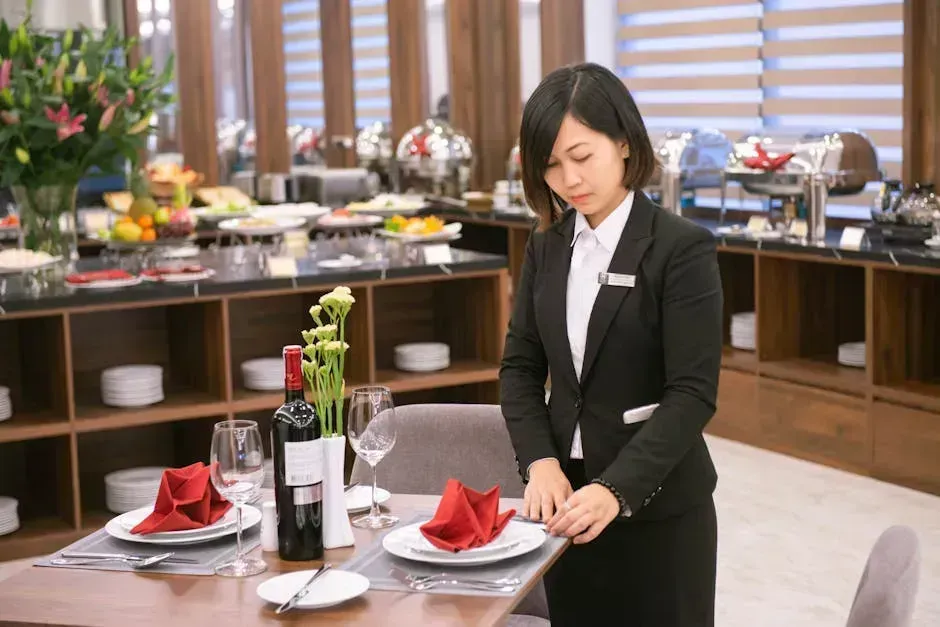
Within moments, servers figure out who’s calling the shots. It might be the person holding the menu longest, the one fielding questions, or simply whoever speaks first. Someone who insists on ordering for the whole table, dominates the conversation, or orders the waitstaff around like servants sends clear signals about table dynamics. Smart servers adapt their focus accordingly.
Knowing who leads the table helps servers direct their attention efficiently. They’ll know who to ask about split checks, who to approach when something needs to be resolved, and who to address when they’re delivering specials. It’s not about hierarchy – it’s about keeping the meal moving smoothly.
9. How You Handle the Menu
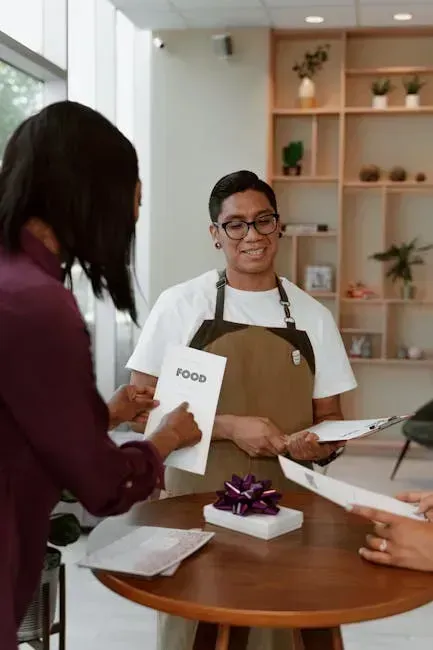
Servers specifically watch how guests interact with their menus. Those who quickly scan the options might be in a hurry, while others who carefully review each item usually prefer a more leisurely pace. Both are perfectly fine signals – they just require different responses from the server’s side.
Noticing a guest scanning the menu with hesitation, a perceptive server offers personalized recommendations based on popular dishes or dietary preferences. Someone who closes their menu quickly and sets it aside is almost certainly ready to order. Someone who flips back and forth between pages probably needs another minute – and a good server reads that without being asked.
10. Your General Mood and Emotional State
This mood assessment isn’t superficial – it’s practical. If someone seems irritable or impatient, the server knows to prioritize speed and minimize small talk. On the flip side, a table that arrives upbeat and engaged invites a more relaxed, conversational style of service.
In 2024, satisfaction with full-service dining increased by four points to a score of 84 out of 100, suggesting that many servers are successfully adapting their approach to match customer expectations. The ability to read the emotional temperature of a table quickly is one of the most underrated skills in the profession.
11. Whether You Seem Familiar with the Restaurant
Repeat guests give off unmistakable signals. They know where the restrooms are, they nod at staff by name, and they open menus to a favorite section rather than reading from the top. Servers notice this immediately and it changes how they approach the table – less introduction, more personalization.
Regular customers build reputations through their communication styles. Some seem gruff yet leave generous tips and kind words, showing servers that external behavior doesn’t always match internal appreciation. These experiences teach staff not to judge guests on first impressions. A familiar face, even one that seems a little reserved, often gets an extra layer of attentiveness.
12. Your Likely Tipping Behavior
Servers don’t like to admit this one, but tipping potential is something experienced staff assess early. According to a 2024 study published in the Cornell Hospitality Quarterly, experienced servers can predict customer behavior and potential tip percentages with roughly seventy percent accuracy within the first minute of interaction. That’s not just intuition – that’s pattern recognition honed through thousands of tables, good nights and nightmare shifts alike.
Whether customers are in a full suit or wearing a grungy T-shirt and shorts, servers say you can never really tell how they’ll treat the waitstaff, how much they’ll spend, or how much they’ll tip just based on looks. In fact, one server recalls a regular customer who came off as crotchety by appearance but was actually one of the best tippers. Appearance alone is unreliable, but tone, courtesy, and engagement together paint a much clearer picture.
13. How You Communicate Your Needs
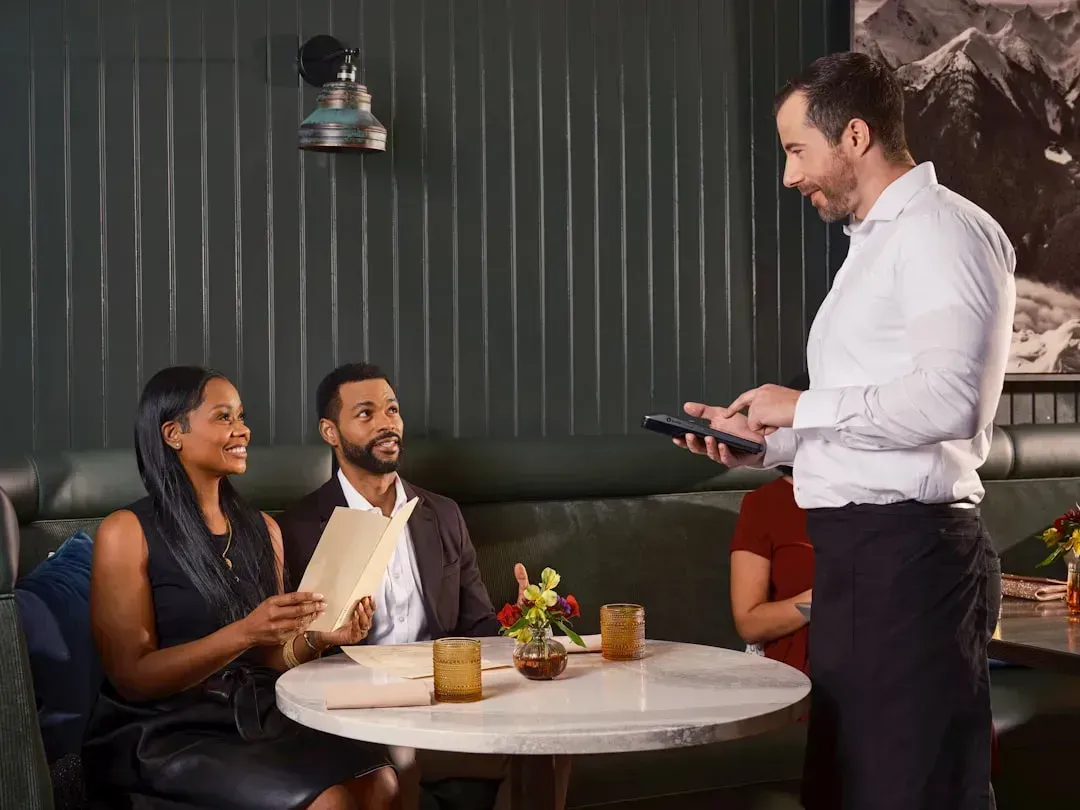
When busy, nothing slows a server down more than a table that orders one item at a time – not appetizers versus dinner versus dessert, but a table that asks for a side of ranch, then extra bread, then hot sauce, then more napkins, then a refill. Servers notice within the first exchange whether guests tend to cluster their requests or trickle them in endlessly.
The first exchange between a server and a guest sets the tone for the entire meal. Servers pay close attention to how guests respond when they introduce themselves. A guest who immediately starts ordering without acknowledging the greeting often requires different handling than one who engages in friendly conversation. Neither is wrong – they just call for different pacing strategies.
14. Whether the Bill Is Going to Be Complicated
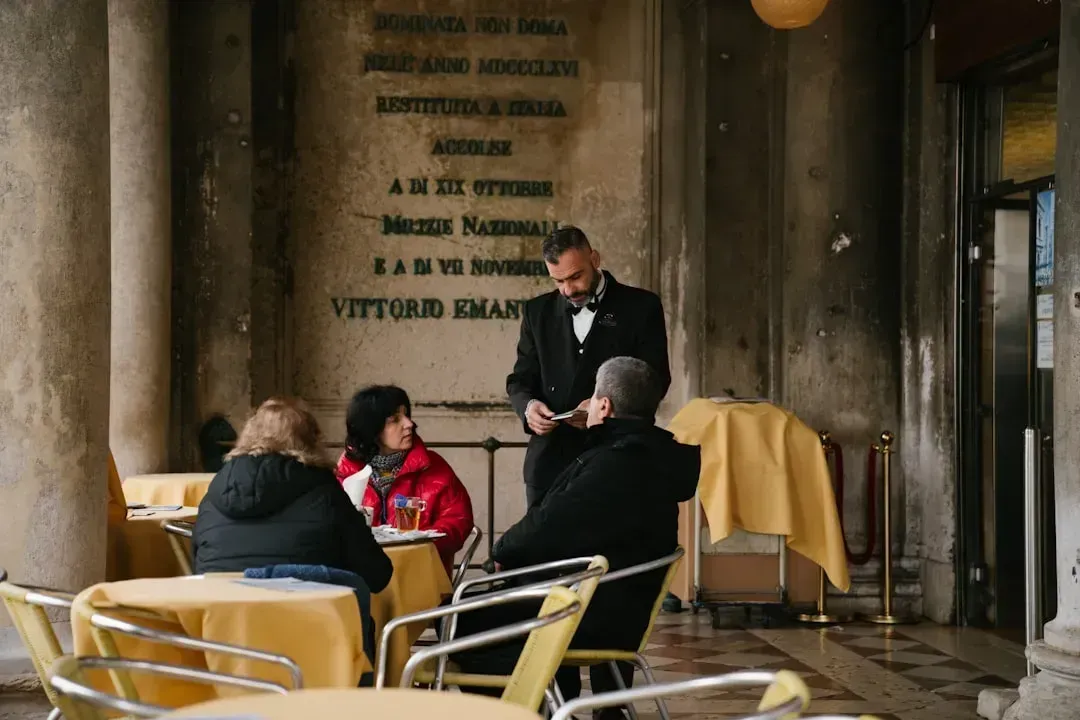
Your bill may not come until the end of the meal, but if the bill is going to be complicated, considerate diners will bring it up at the beginning, before they even begin ordering. This could mean things like letting the server know if there will be multiple checks, if everyone is chipping in to cover one person’s meal for a birthday, or if you’re using a coupon or gift card.
Most servers operate using seat numbers. When you sit down, not only does your table have an assigned number, but so does your seat. Generally, servers don’t mind splitting checks. What becomes difficult is when a large party decides to play musical chairs, making it almost impossible to keep track of who’s who and who ate what. Mentioning the payment plan early is genuinely one of the most helpful things a diner can do.
The most striking takeaway from all of this isn’t that servers are judging you – it’s that they’re working hard to serve you well. Servers aren’t judging you in the way you may think; they’re simply trying to figure out who you are so they can do their job more effectively. Every observation is in service of making your meal better. A little awareness on the diner’s side, and a little patience, turns out to be a surprisingly powerful ingredient in a good restaurant experience.


Leave a Reply