
Every week, millions of people open their fridges, squint at a printed date, and throw something perfectly good into the trash. It feels responsible. It feels safe. In reality, it’s often just expensive and wasteful. According to the USDA’s Food Safety and Inspection Service, manufacturers put “best by” or “best if used by” dates on products to let stores and consumers know how long products are expected to maintain their best taste and texture. Safety is rarely the point.
To reduce food waste, it’s important that consumers understand that the dates applied to food are for quality, not safety. Food products are safe to consume past the date on the label, and consumers should evaluate the quality of the food product prior to its consumption. That gap between what the label says and what’s actually happening inside the package is where a lot of good food goes to waste. Here’s what you should actually know.
1. Eggs: Three to Five Weeks After Purchase Is Just Fine

Eggs can be safely eaten three to five weeks after purchase, even if the “sell by” date has passed. Most people don’t realize the date stamped on the carton is telling them when the store should stop selling them, not when the eggs become unsafe to eat. There’s a meaningful difference, and it directly affects how much you waste.
Many eggs reach stores only a few days after the hen lays them. Egg cartons with the USDA grade shield must display the “pack date,” the day eggs were washed, graded, and placed in the carton. The simple float test still works well here: a fresh egg sinks, a questionable one tilts, and a spoiled one floats. Your senses are your best guide before anything else.
2. Hard Cheese: Mold on the Outside Isn’t the End
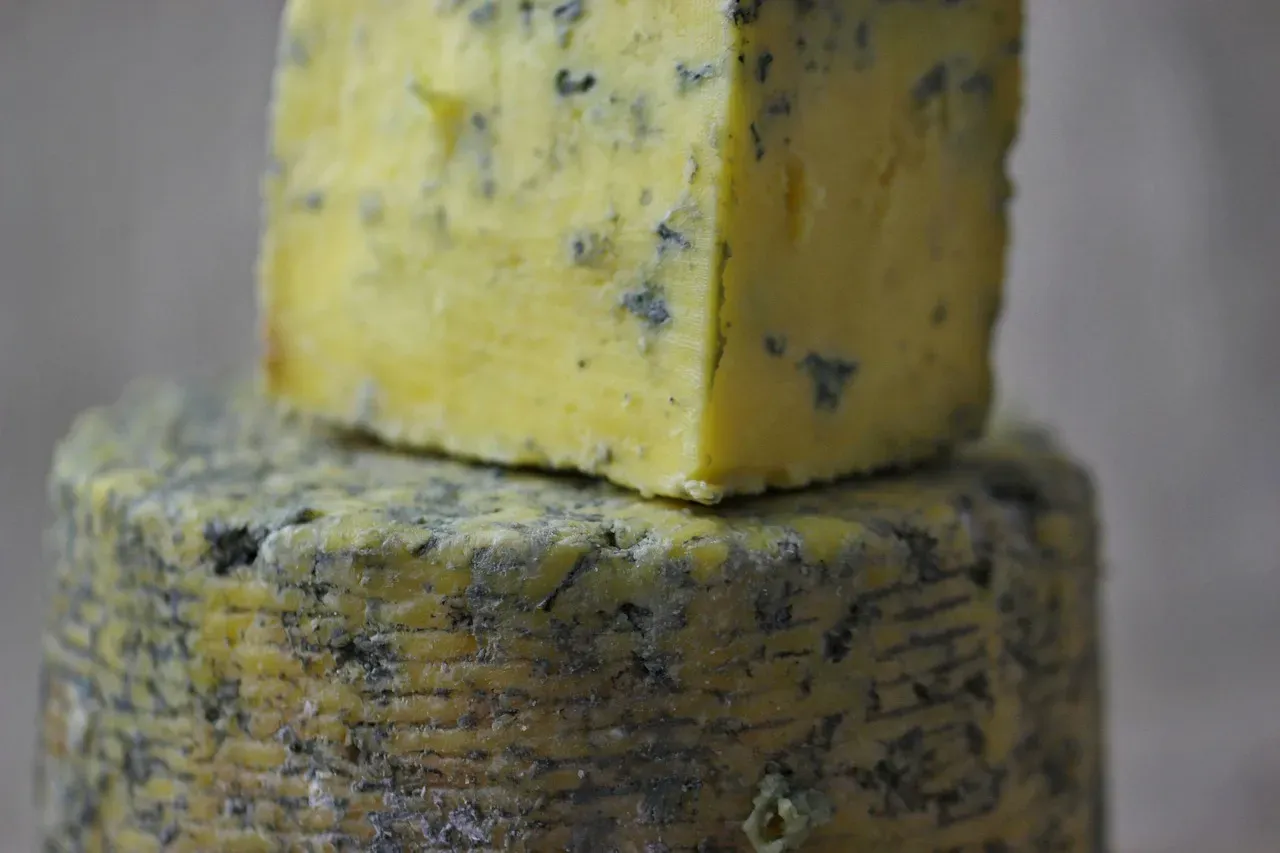
Mold on hard block cheese can be safely removed by cutting off at least one inch around and below the mold spot, whereas soft or unpasteurized cheese should be thrown out if visible signs of mold appear. This distinction matters. A block of aged cheddar or parmesan with a small surface mold spot is recoverable. Tossing the whole thing is usually unnecessary.
The reasoning is straightforward. Hard cheeses have a low moisture content, which makes it far harder for mold to penetrate deeply into the interior. Raw-milk cheese, meaning unpasteurized cheese, should be completely avoided if it has expired, but other cheeses may still be eaten for a few days after the critical date. When in doubt, trim generously and smell what remains.
3. Dry Pasta: It Lasts Far Longer Than the Box Suggests
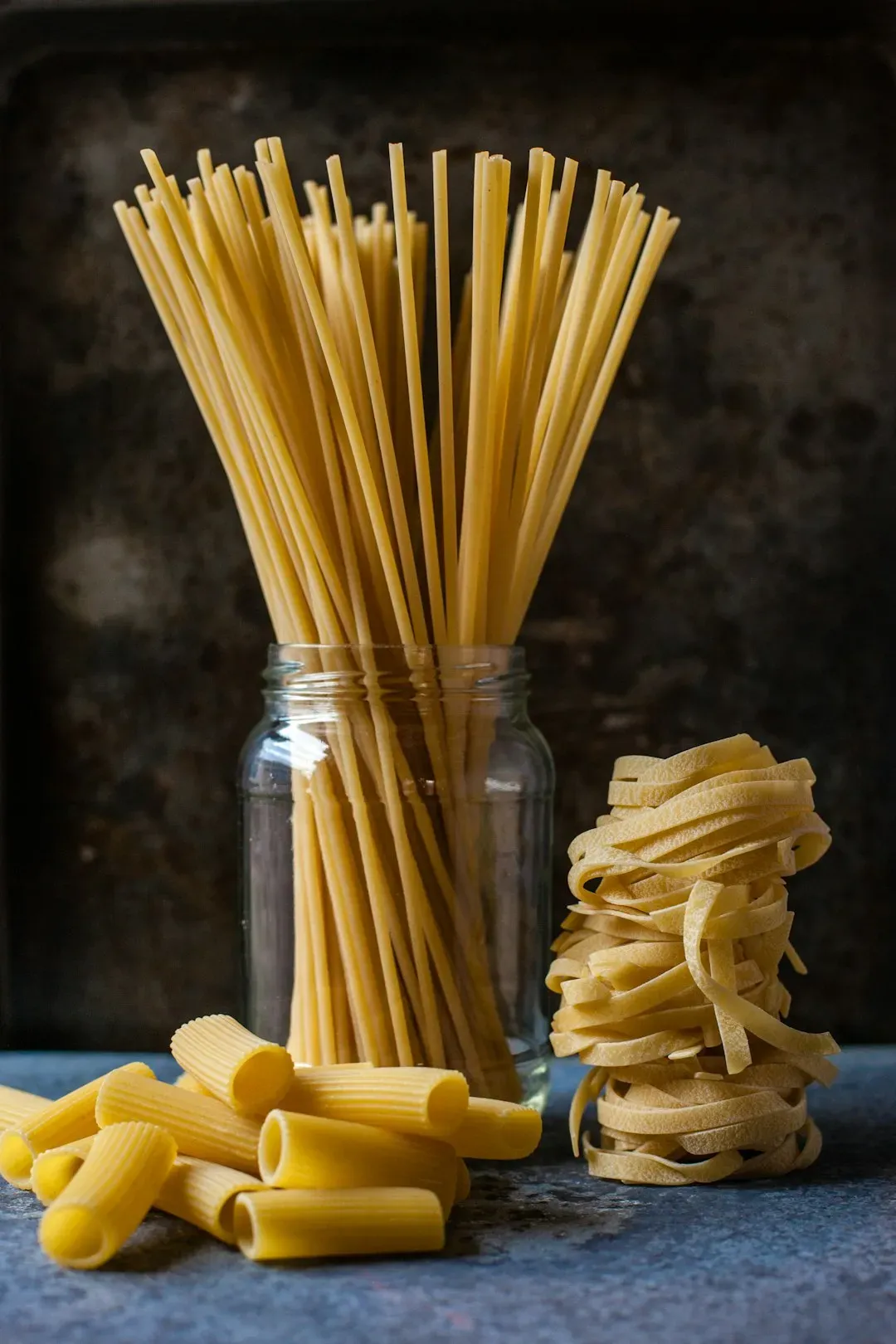
According to the USDA, commercially dried pasta is shelf-stable and safe indefinitely when stored properly. A box sitting in a cool, dry cabinet at two years past its best-by date is almost always still fine. The “best by” date on a pasta box is really just about peak texture and cooking performance, not a countdown to something harmful.
The exception is pasta that contains eggs, oil, or spinach. These added ingredients shorten the shelf life because they introduce moisture and fat. Plain semolina or durum wheat pasta? Keep it, use it, and don’t give the date a second thought as long as the package is sealed and the pantry stays dry.
4. Canned Goods: Often Safe for Years Beyond the Label
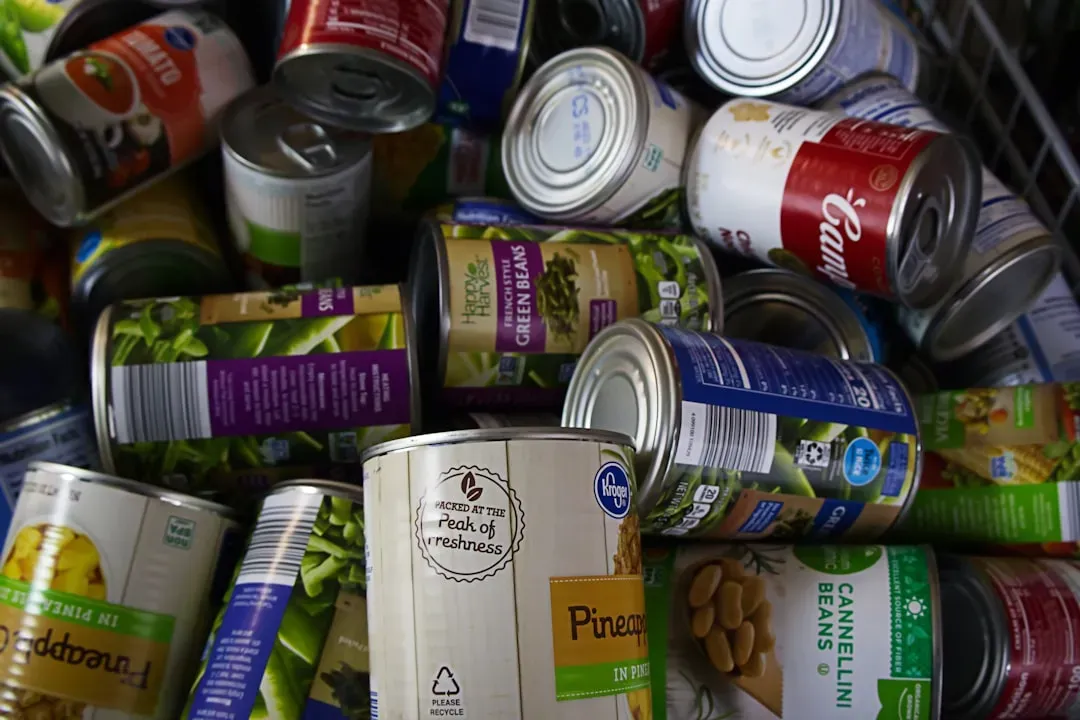
High-acid canned foods such as tomatoes and fruits will keep their best quality for 12 to 18 months. Low-acid canned foods such as meats and vegetables will keep for two to five years. Those numbers represent peak quality, not the point at which contents become dangerous. A can of chickpeas or black beans pushed to the back of the pantry for a few extra months is almost certainly fine.
Bulging cans could indicate bacterial contamination, making the food unsafe. Similarly, if cans become dented, the food within could potentially be compromised. So the can itself is your real indicator. If it looks undamaged and doesn’t hiss or bulge when you open it, the date on the bottom is mostly just a suggestion about optimal flavor.
5. Milk: Often Drinkable Several Days Past the Sell-By
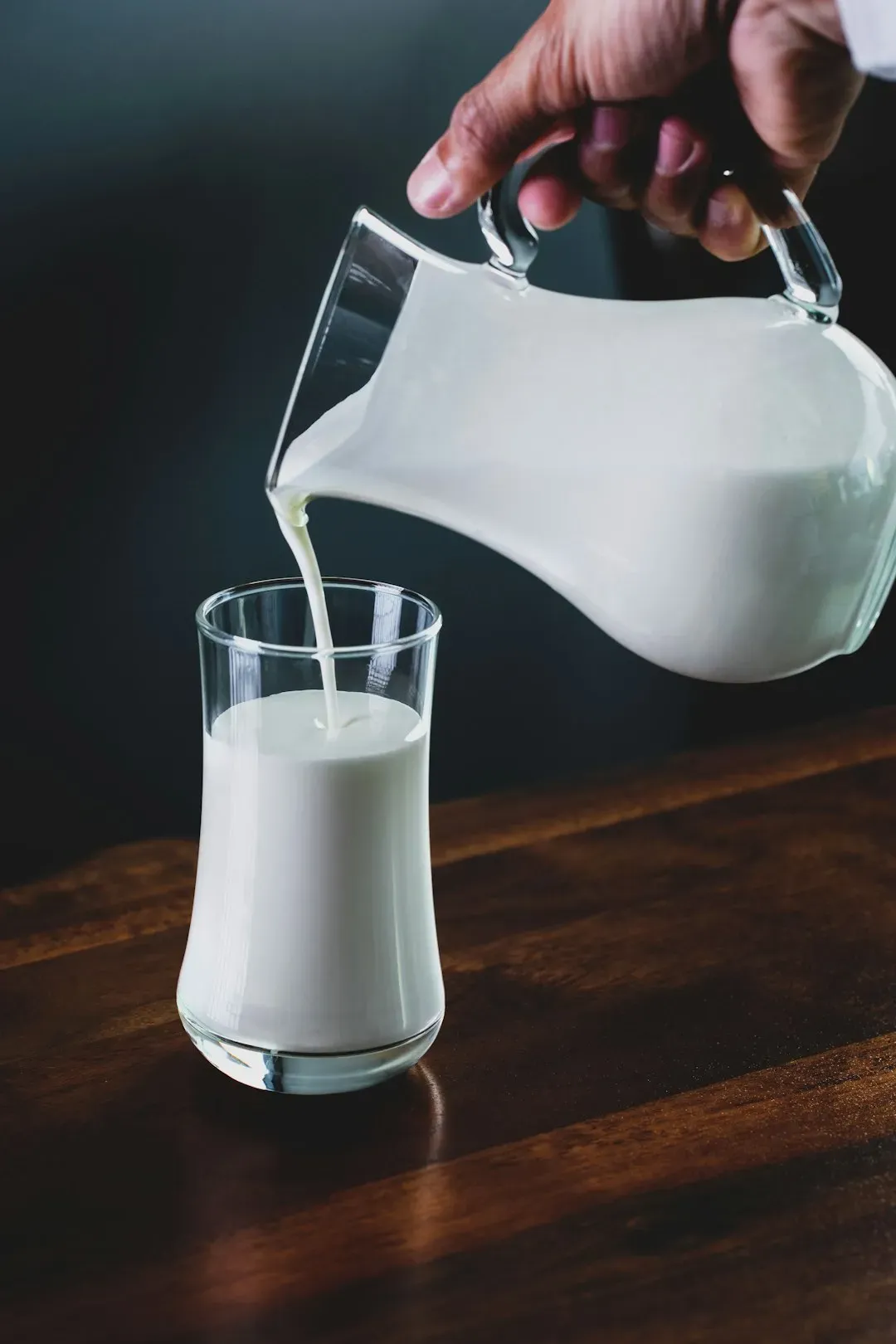
Canned goods buried in the back of a pantry may still be fine past their date, and properly stored milk can remain safe even after its “sell by” date. Milk is one of the most commonly thrown-away items based purely on a printed number. In practice, refrigerated milk stored consistently at proper temperature often remains perfectly drinkable for several days beyond what the carton says.
Rather than using the expiration date to determine whether to throw out food, your senses should be your guide. The taste, smell, and look of the product will tell you if it’s spoiled and should be thrown out. Milk that has truly turned announces itself unmistakably. If it smells fine and pours cleanly, it almost certainly is fine.
6. Bread: Staleness Is Not the Same as Spoilage

Bread is typically safe past its “best by” date but may go stale. Visible signs of white or green mold should indicate it’s no longer safe to eat, as the mold hyphae can easily spread through the porous structure of bread. That’s the real line to respect. Stale bread without any mold is not a health risk. It’s just bread that’s lost some of its texture.
Stale bread also has a second life. The truth is that expiration dates largely depend on the type of food and its chemical composition. Some foods may start to spoil but are not necessarily unsafe to eat. Bread, for example, can become hard and stale but is still good to eat if used in other forms. Breadcrumbs, croutons, French toast, and bread pudding exist largely because of this fact.
7. Condiments: Your Ketchup Is Probably Not Going Anywhere Soon
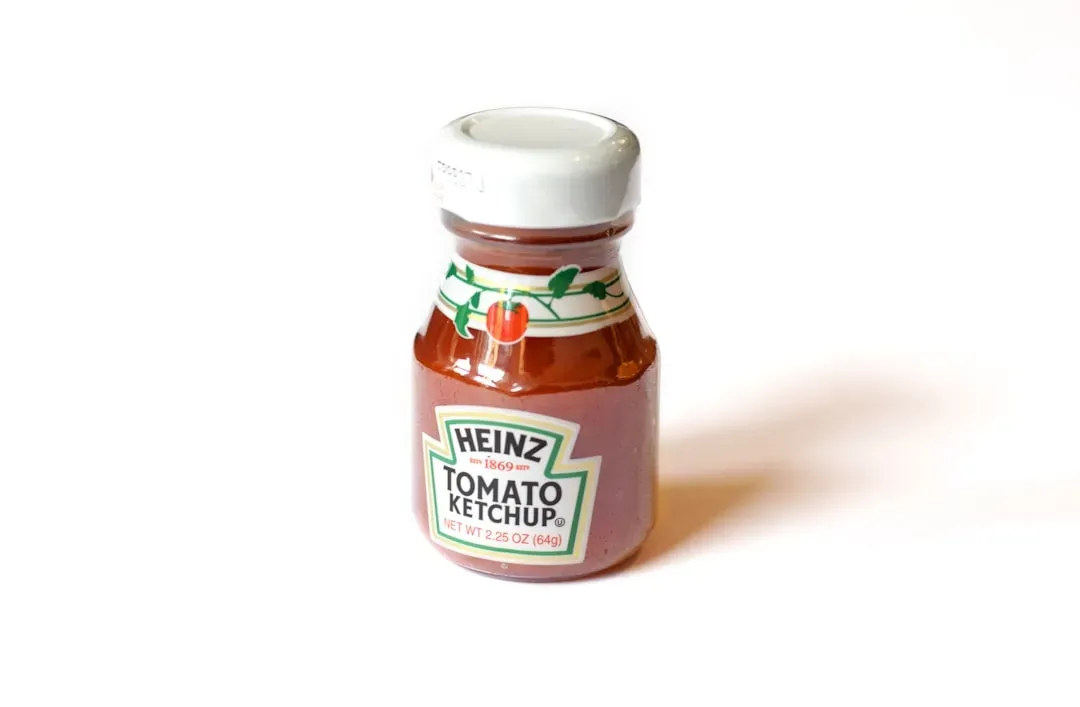
Condiments are among the most reflexively discarded items in the fridge, often tossed after a quick glance at a date that’s only slightly past. If stored properly, eggs, condiments, and even some cheeses can be eaten past their expiration date, according to experts. Most condiments are highly acidic or contain preservatives, which gives them a considerable natural buffer against spoilage.
Laboratory tests of milk, pasta, mayonnaise, and jam confirmed the microbiological safety of those products even six months after the “best before” date. Mustard, hot sauce, vinegar-based dressings, and soy sauce all share similar properties. Open them, smell them, check for separation or discoloration. If nothing looks unusual, they’re almost certainly still good to use.
1. Deli Meat: The Risk Doesn’t Announce Itself
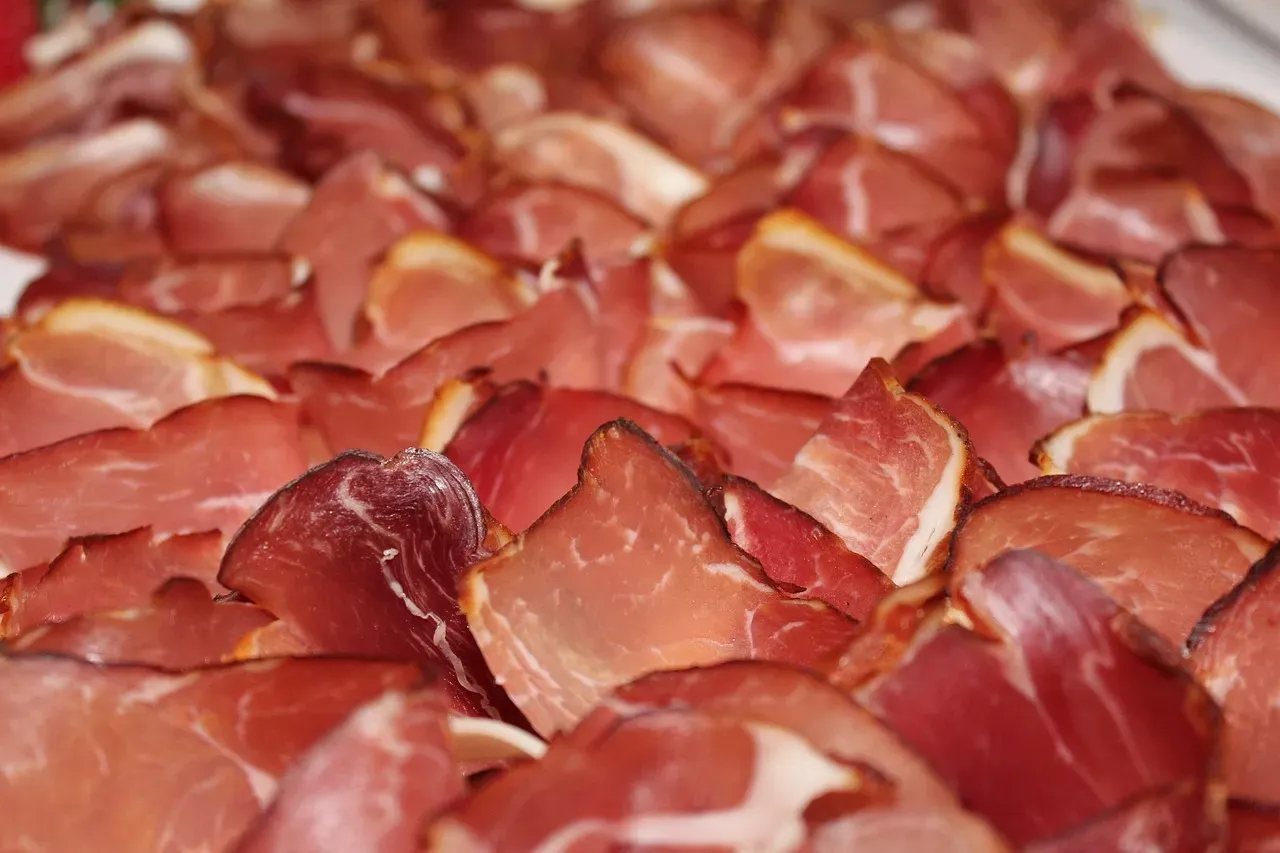
The USDA recommends storing freshly sliced deli meats in the fridge and eating them within three to five days of purchase, regardless of the sell-by date. This is one of those cases where the clock starts the moment you buy it, not when the package says. Sliced deli meat has a large surface area exposed to the air, handling, and refrigeration cycling, all of which create conditions where bacteria can take hold.
Lunch meats are handled at the deli counter, and any handling makes microbial contamination more likely. They’re also stored for a stretch in the fridge, affording any bacteria more time to grow. Since the meats are usually served cold, bacteria don’t have to contend with heat that could kill them. A week-old turkey sandwich from a package that’s still technically “in date” can carry real risk. The date on the label isn’t the story here.
2. Raw Chicken: Two Days and That’s It
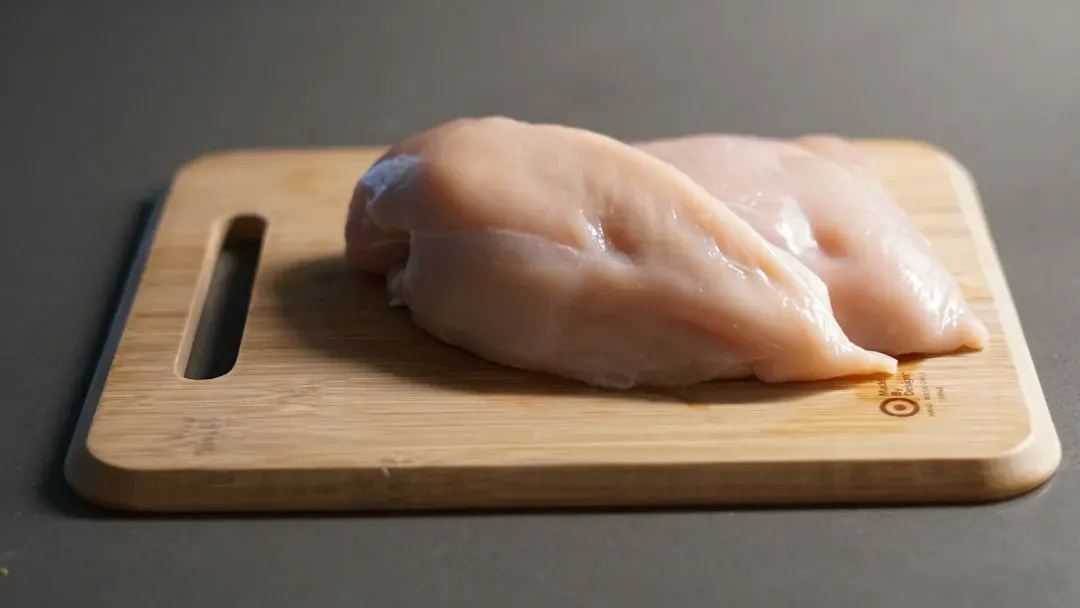
Raw salmon should be refrigerated no more than three days after purchase. Raw chicken should be refrigerated no more than two days after purchase. These are firm guidelines, not conservative suggestions. Raw poultry can harbor Salmonella and Campylobacter, bacteria that don’t necessarily make the meat look or smell obviously off before they reach levels that can cause serious illness.
Foodborne illness is caused by contamination with harmful bacteria such as Salmonella, not natural decay. Contamination from harmful bacteria can occur without changing how the food looks, tastes, or smells. This is the critical difference from the other items on this list. With chicken, you genuinely cannot rely on appearance alone. If it’s been sitting in the fridge for three or four days, freeze it or discard it. There’s no sensory test reliable enough to override that window.
3. Cooked Leftovers: Three to Four Days Is the Real Limit
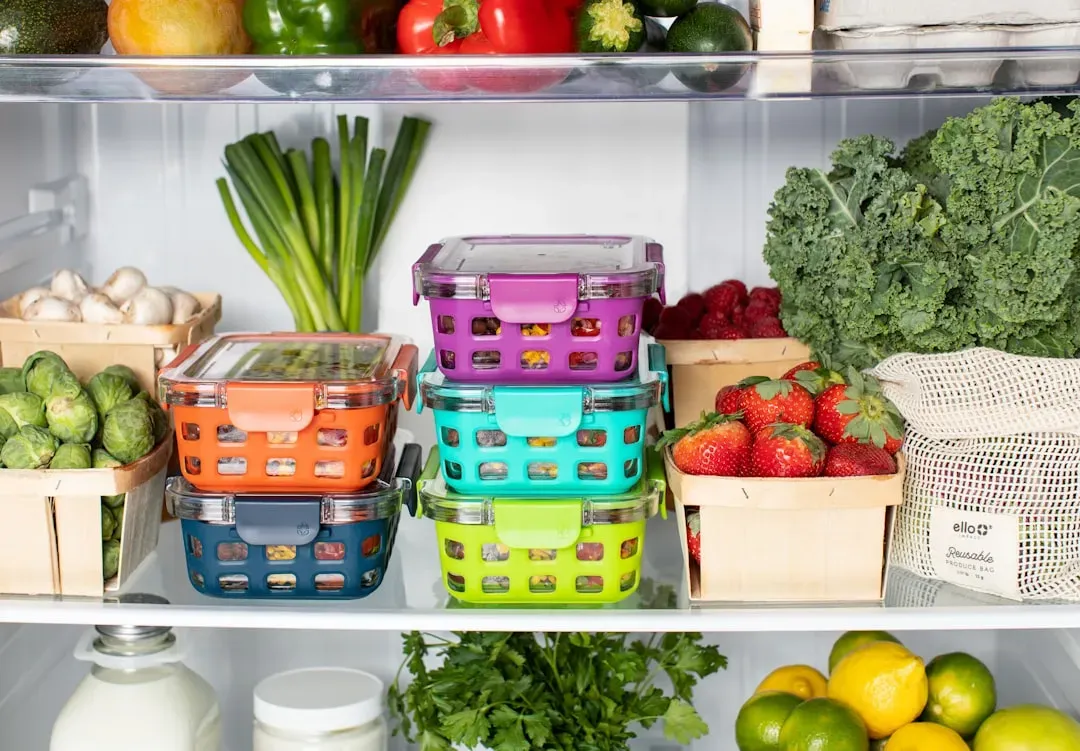
Cooked meat and poultry should be consumed within three to four days when refrigerated. That Sunday roast or batch of chili tends to inspire a false sense of security because it was recently cooked and still looks perfectly good. The problem is that refrigeration slows bacterial growth, it doesn’t stop it entirely.
After overnight storage at unsafe temperatures, bacteria levels in cooked foods can reach dangerous amounts even if the food looks fine and smells normal. The visual test is not reliable for food safety with cooked starch-based foods. The same principle applies broadly across cooked leftovers. If it’s been more than four days, toss it or freeze it before that window closes. Freezing at any point within the safe window effectively pauses the clock.
The takeaway from all of this is genuinely simple: the date on the package was designed to signal peak quality, not a hard safety threshold. Food companies are responsible for determining the shelf life of their foodstuffs, and they always make sure to set the date at least several days before the product is no longer safe. Each manufacturer determines its own margin of safety and ensures that the food product is consumed long before it becomes inedible or unsafe. That built-in buffer means most packaged foods have more runway than the label implies.
The real skill is knowing which foods allow for that flexibility and which don’t. Dry goods, canned items, hard cheeses, and condiments are far more forgiving than their dates suggest. Raw proteins and prepared meats, meanwhile, operate on their own tighter timeline where the date is almost beside the point. Learn the difference and you’ll waste less, worry less, and make genuinely better decisions at both the grocery store and the kitchen counter.




Leave a Reply