
Nursing homes rarely make headlines until something goes wrong. Most families assume the basics are covered behind closed doors: help out of bed, routine skin checks, someone paying attention. When a slow-building injury shows up anyway, that trust takes a hit.
Preventable injuries are one of the clearest signals of how a facility runs day to day. They don’t usually appear overnight. They build through missed repositioning, skipped checks, and gaps in documentation, and families are left wondering how long the warning signs were there.

Preventable Injuries as a Measure of Care Quality
Inspectors and advocates tend to focus on preventable injuries because they reveal routine behavior, not rare emergencies. These are injuries tied to repetition, or the lack of it. When care slips in small ways, the effects add up.
Long-term care depends on consistency. Residents who need help shifting positions, eating, or staying clean rely on staff to catch small changes early. When that vigilance fades, injuries follow. A wound that worsens over days or weeks often reflects missed chances to step in sooner.
That’s why families and regulators look closely at injuries labeled preventable. They offer insight into how closely residents are monitored, how information is shared across shifts, and whether care plans exist only on paper or actually guide daily decisions.
Why Bed Sores Are Often Used as a Warning Sign
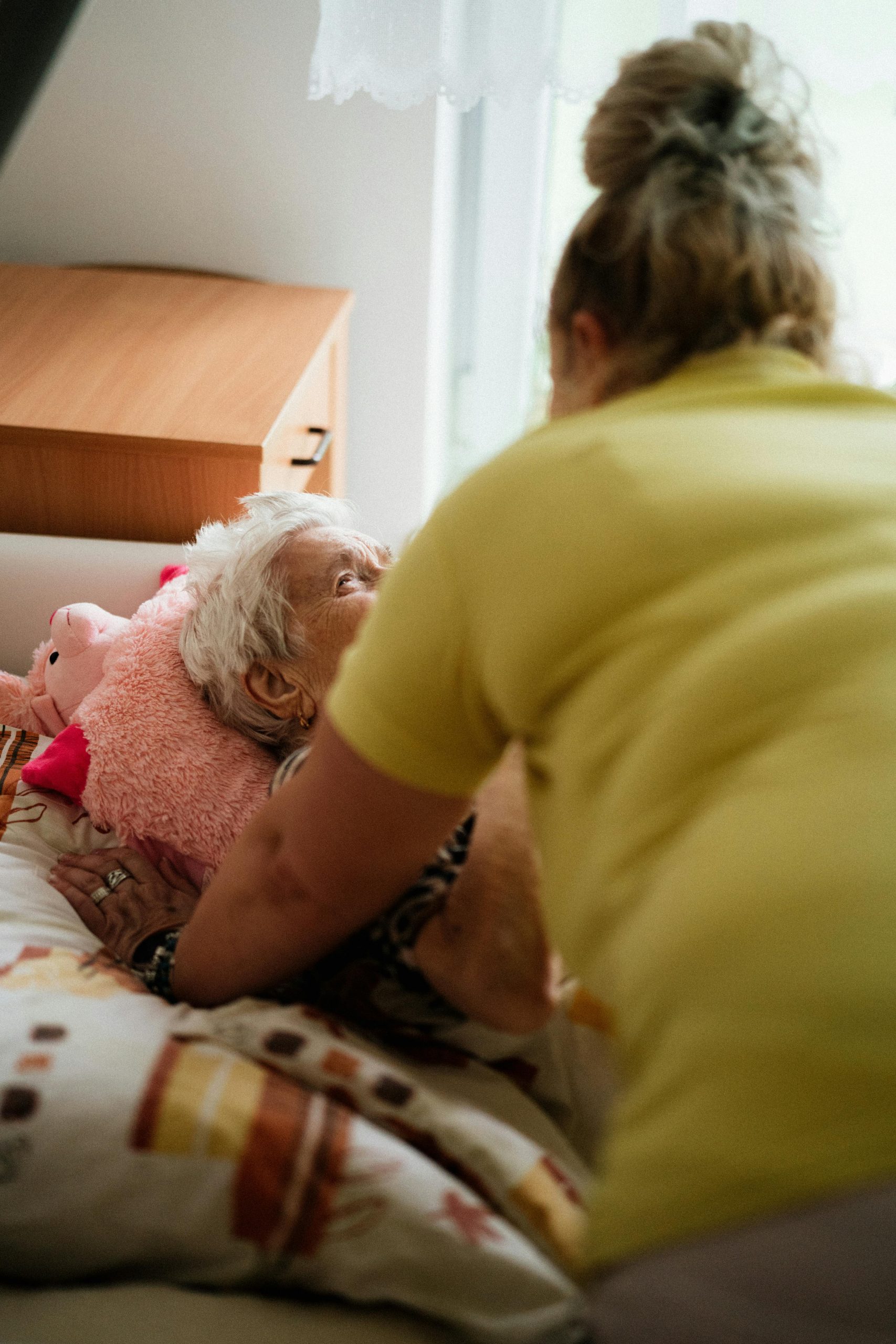
Bed sores appear frequently in nursing home inspections for a reason. They develop slowly, which makes them useful for assessing whether routine care is happening consistently. In many cases, they can be avoided with proper attention.
Residents with limited mobility depend on regular repositioning, clean bedding, proper nutrition, and skin checks. When those steps are delayed or skipped, pressure builds in the same areas. What begins as mild irritation can turn into an open wound before anyone flags it as serious.
Because bed sores take time to form, they tend to reflect patterns rather than one bad shift. They can point to staffing shortages, rushed routines, or warning signs that were noticed but never followed up on. Their presence often raises questions about what daily care looks like when families are not in the room.
What These Injuries Can Reveal About Daily Care
When preventable injuries show up, they expose the details of everyday life inside a facility. Care plans may be thorough, but injuries show how those plans hold up during busy mornings, short-staffed nights, or long weekends.
Staffing sits near the center of it. When caregivers are responsible for too many residents, priorities shift. Repositioning gets pushed back. Skin checks become brief. Documentation falls behind. Over time, those small compromises can lead to serious harm.
Facilities are expected to follow updated federal guidance on nursing home resident health and safety, but guidelines only matter when they show up in daily routines. Communication gaps can undo even careful planning, especially when one shift notices a problem, and the next never hears about it. By the time an injury is obvious, the chance to address it early is often gone.
When an Injury Raises Questions About Neglect
Not every injury points to neglect. Aging and illness bring real risks. Still, some explanations hold up better than others once timelines and records are reviewed.
Bed sores often raise concern when they appear suddenly or worsen quickly. Because they develop over time, they leave evidence behind. Repositioning logs, skin assessments, and nursing notes should reflect growing concern. When records are incomplete or inconsistent, families start asking whether the injury could have been prevented with closer attention.
That’s often when relatives start asking harder questions. Some find out if a bed sore claim is possible once they’re told the injury may have been avoidable with proper care. For many, the goal is understanding what happened, not assigning blame.

Why Families Often Learn Too Late
Families are rarely alerted at the first sign of trouble. Many injuries develop quietly, especially when residents have limited mobility or difficulty communicating pain. By the time something looks wrong, the issue may have been present for weeks.
Short visits, trust in staff, and general updates all contribute. Conversations often focus on medications or meals, while changes in skin condition or mobility go unmentioned unless they become severe.
Transfers can change that. When a resident is sent to a hospital or moved to another facility, new medical staff often document injuries in detail. That’s sometimes when families realize the injury didn’t happen overnight. Reconstructing how long warning signs were visible can be unsettling, especially when no one raised concerns earlier.
What Families Can Do When Concerns Surface
When a preventable injury comes to light, families often feel unsure where to start. Questions feel urgent, but answers can be hard to pin down.
Records matter. Reviewing care plans, repositioning schedules, and nursing notes from the relevant period can reveal patterns quickly. Side-by-side documentation often shows whether staff were monitoring residents consistently and responding when conditions changed.
Care standards can help frame what families are seeing. Expectations for monitoring and skin care in long-term facilities are well established. Comparing those expectations to what actually occurred can help families sort out unavoidable decline from a breakdown in routine care.
Looking Ahead at Oversight and Accountability
Oversight of nursing homes often intensifies only after something goes wrong. Complaints, inspections, and legal actions tend to follow injuries rather than prevent them.
Transfers often bring clarity. A resident moves from a facility to a hospital, new staff document what they see, and the situation suddenly has detail and dates. At the same time, the health system continues to evolve, with shifts like regional partnerships that expand specialized pediatric care showing how access depends on staffing, coordination, and who’s available when urgency hits.
Care standards matter most when they’re enforced consistently. Preventable injuries highlight the gap between written policy and what actually happens during ordinary days inside nursing homes.



Leave a Reply