
Most homeowners think the hard work is done the moment they park the mower back in the garage. In reality, what you do in the hours and days after mowing has a huge impact on how your grass recovers, grows, and holds up against weeds, pests, and disease.
The post-mow window is when your lawn is at its most vulnerable. The cuts are fresh, the root system is briefly stressed, and small decisions – watering timing, fertilizer application, what to do with clippings – can either help your lawn thrive or quietly set it back. Here are ten mistakes that are worth avoiding every single time you mow.
1. Watering Immediately Right After Mowing
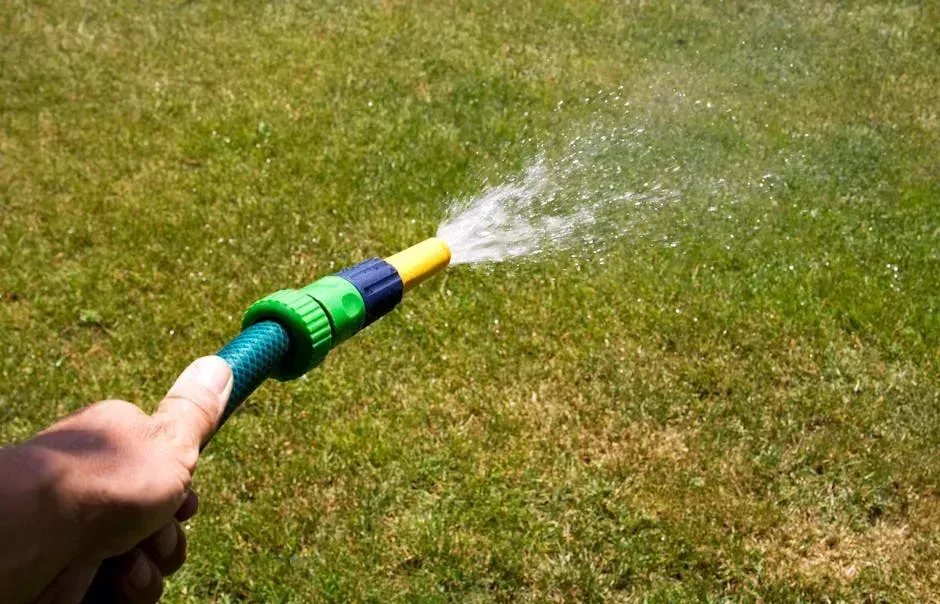
It’s a mistake to assume that watering grass after mowing automatically benefits it. Too much water saturates soil, suffocates roots, and even washes away valuable nutrients. Your lawn just went through the physical stress of being cut, and flooding it right afterward doesn’t give it time to begin recovering on its own terms.
If your lawn looks like it needs post-mowing watering, wait at least 30 minutes to an hour before doing so. Ideally, wait until the late afternoon when the sun isn’t blazing, or the morning after you mow. Early morning between 4 AM and 10 AM is the best time to water. The air is cooler, winds are calmer, and grass blades have time to dry before nightfall. Morning watering reduces fungal diseases that thrive in prolonged moisture.
2. Bagging Every Single Clipping Automatically
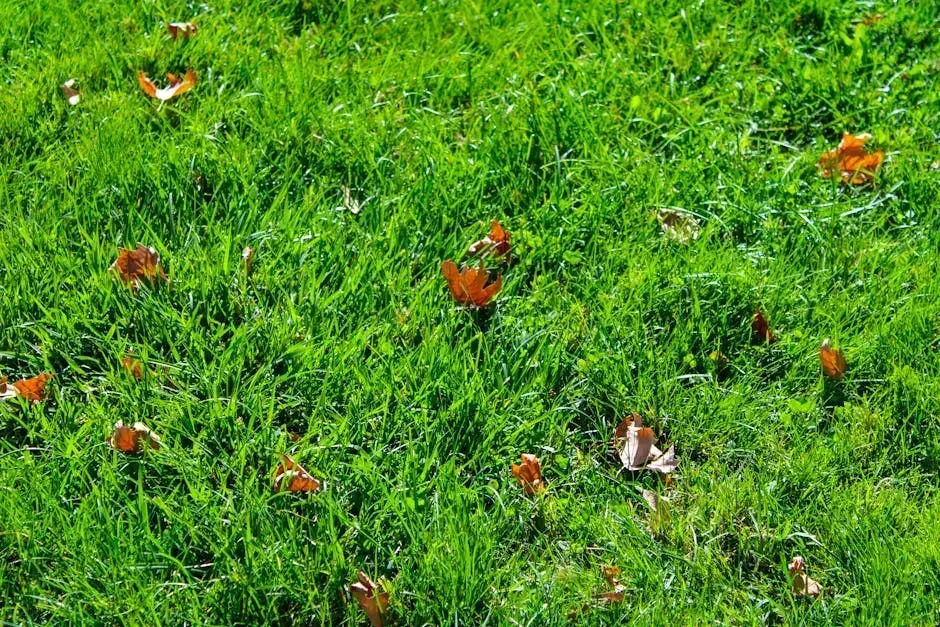
Many homeowners believe that removing grass clippings is necessary for a tidy lawn, but this practice deprives your turf of valuable nutrients. The common fear is that clippings build up into thatch, but that’s largely a myth. Contrary to popular belief, grass clippings left on the lawn do not lead to thatch buildup if mowing is performed at the proper frequency and height.
Up to roughly a quarter of your lawn’s total fertilizer needs are supplied by clippings left on the lawn. Clippings contain 80 to 85 percent water and decompose quickly. The one legitimate reason to bag clippings is when your lawn has an active fungal disease. Some diseases, like brown patch and dollar spot, can spread via infected clippings being distributed across the lawn by the mower. If you’re dealing with an active infection, bagging temporarily prevents redistribution while the disease is being treated.
3. Ignoring Clump Formation on the Lawn Surface
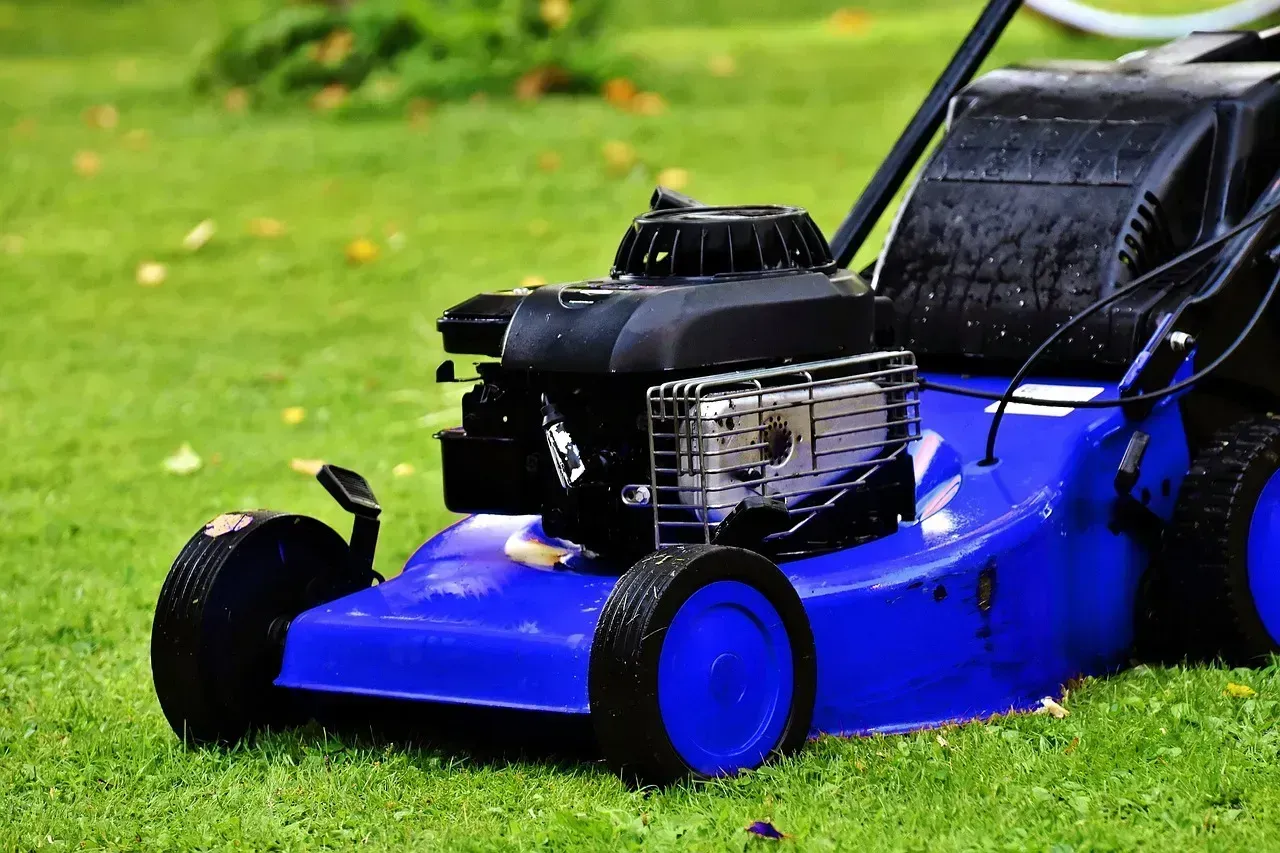
If your grass is on the taller side and clippings are longer than about an inch, you should probably bag them. Long grass clippings will not only provide shelter to pests but will smother your grass, leading to fungal growth and diseases. The clipping length matters just as much as whether you bag or mulch.
The one situation where clippings look messy is when the grass gets too tall between mowings and you’re cutting off large amounts at once. Long clippings sit on top of the lawn in clumps instead of falling between the blades. This looks bad and can smother the grass underneath the clumps. When that happens, either bag them or mow in stages.
4. Applying Fertilizer on Freshly Stressed Grass
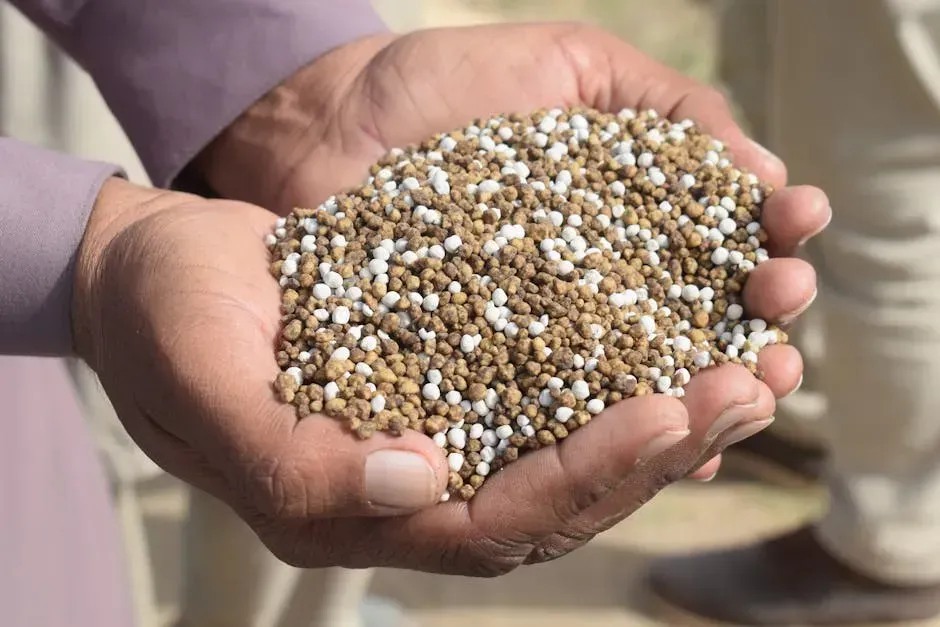
Applying too much fertilizer can burn your grass, while using the wrong type can lead to nutrient imbalances. Timing matters just as much as product choice. Spreading fertilizer immediately after mowing – when the grass blades are cut and temporarily open to stress – increases the risk of chemical burn, particularly in hot weather.
Excessive fertilizer can sometimes result in a burn effect, where nitrogen and salt concentrations are too much for plants. The fertilizer makes the soil too salty, reversing the flow of water from plant leaves back into the soil. Always follow recommended application rates and avoid fertilizing before heavy rain, which can wash nutrients away. The timing of your fertilizer application around your mowing schedule genuinely makes a measurable difference.
5. Allowing Heavy Foot Traffic Immediately After Mowing
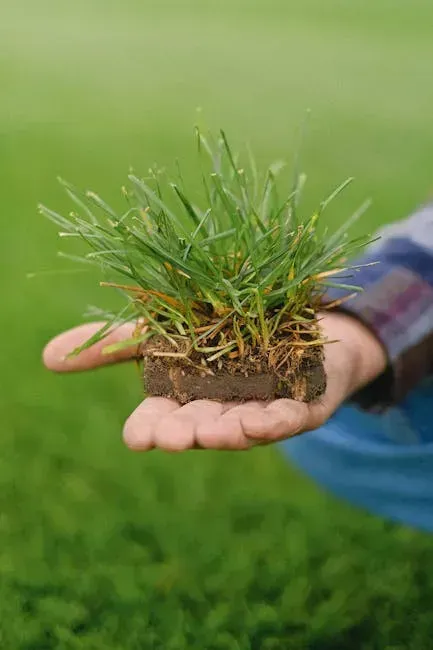
Heavy foot traffic, children playing, and even repeated mowing passes compress the soil over time. This compaction suffocates the roots by preventing the necessary exchange of oxygen and water. Fresh mowing leaves the grass temporarily more exposed, so high traffic right after cutting compounds that stress.
Minimizing foot traffic and avoiding heavy equipment on the lawn for at least a few weeks is especially important after treatments like aeration. Compaction from traffic can negate the benefits of such care by compressing the soil and hindering root development. Even everyday foot traffic on a freshly mowed lawn contributes to slow compaction over a season. Giving the turf even just a day of recovery goes a long way.
6. Mowing Again Too Soon Without Letting the Grass Recover
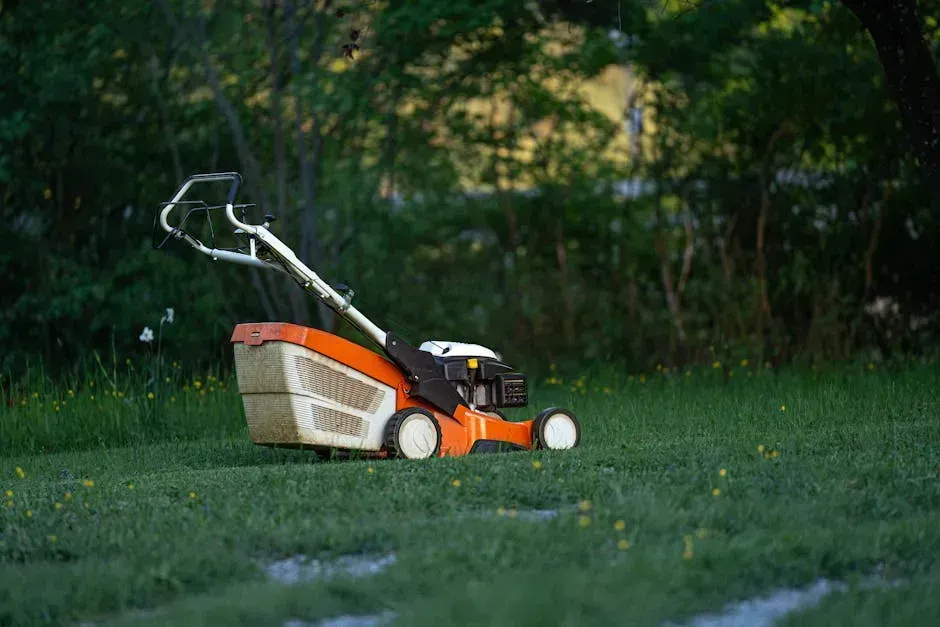
Many people get into the habit of mowing once per week, but if your grass is growing slowly, that could be overkill. Since mowing places some stress on the lawn, you should only cut it when it’s actually getting too long. Mowing on a rigid calendar schedule rather than responding to actual grass growth is one of the most overlooked post-mow mistakes.
Seasonal changes and other factors affect grass growth rates. Instead of sticking to a rigid mowing schedule, monitor your lawn growth and cut as needed. Mowing more than one third of the leaf blade in a single mowing event can damage the turf plants, making them prone to other stresses such as drought, heat, insect, or disease. The one-third rule should be your guide, not a weekly alarm on your phone.
7. Neglecting to Clean the Mower After Each Session
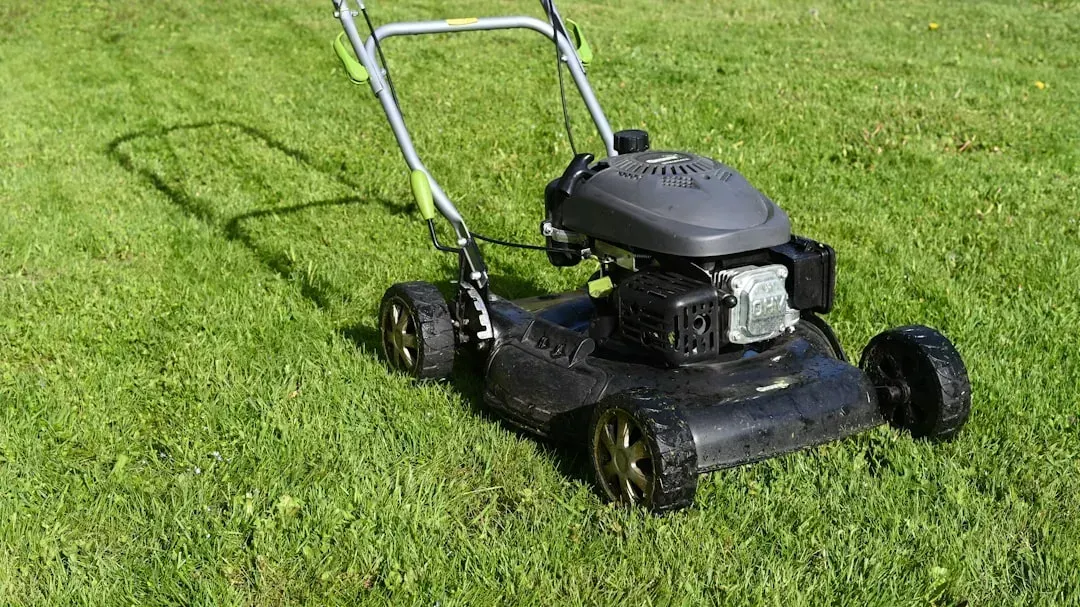
It’s important to clean your lawn mower deck after you trim the turfgrass since grass clippings are harder to clean off once the grass dries. If you don’t clean your lawn mower, grass clippings corrode the mower deck or cause the mower to overheat. This is a task that practically nobody does consistently, yet it directly affects performance in the next mowing session.
Dull mower blades can tear grass instead of cutting it, leading to ragged edges with increased susceptibility to disease and pests. In contrast, sharp mower blades allow for clean cuts that promote faster healing and regrowth. Keeping the undercarriage clean also prevents the spread of fungal spores and weed seeds from one area of your lawn to another during your next cut.
8. Leaving Mower Blades Dull After the Session Ends
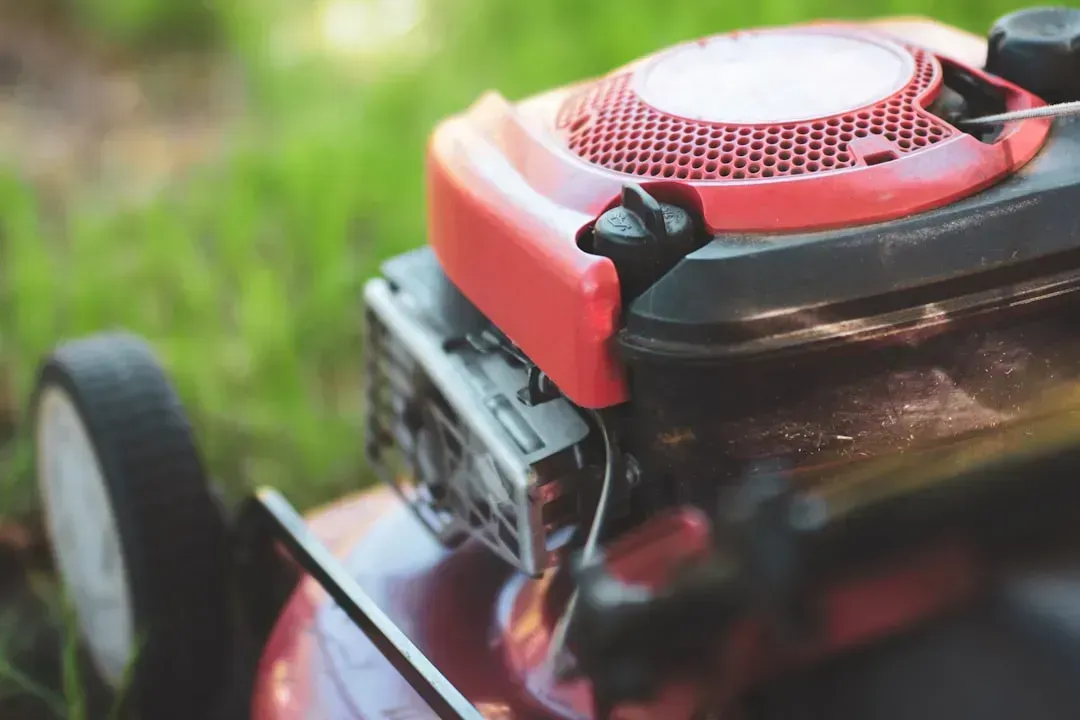
Using a dull mower blade is a common mistake that can have serious consequences for your lawn’s health and appearance. When your mower blade isn’t sharp, it tears and bruises the grass instead of making clean cuts. This damage will leave your lawn ragged and increase its susceptibility to disease and pest infestations.
Torn grass loses more moisture through its damaged leaf tips, causing the lawn to dry out faster, especially in hot weather. Over time, repeated mowing with dull blades leads to widespread stress across the entire yard, reducing its density and inviting opportunistic weeds to take hold. Sharpen your mower blades at least twice a year or after every 25 hours of use. Making it a post-mow habit to inspect the blade keeps the problem from sneaking up on you over the season.
9. Watering at the Wrong Time of Day After Mowing
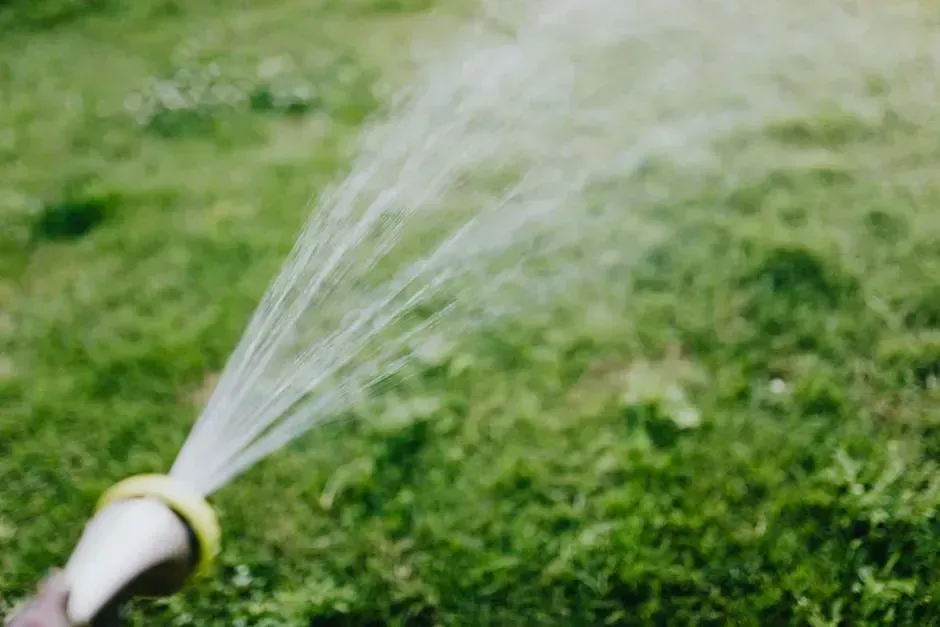
While it is generally safe to water your lawn after mowing, it’s important to avoid overwatering or watering during the sunniest part of the day. Doing so could lead to pest infestations, scorching, or disease. The timing of post-mow irrigation matters just as much as whether you water at all.
Most lawns need about one to one and a half inches of water per week, including rainfall. Watering early in the morning, before 10 AM, reduces evaporation and allows grass to absorb moisture efficiently. Watering in the evening after a late-day mow is equally risky – overwatered lawns are prime candidates for fungal disease, so it’s better to stick to deep, controlled irrigation sessions.
10. Mowing in the Same Direction Every Single Time
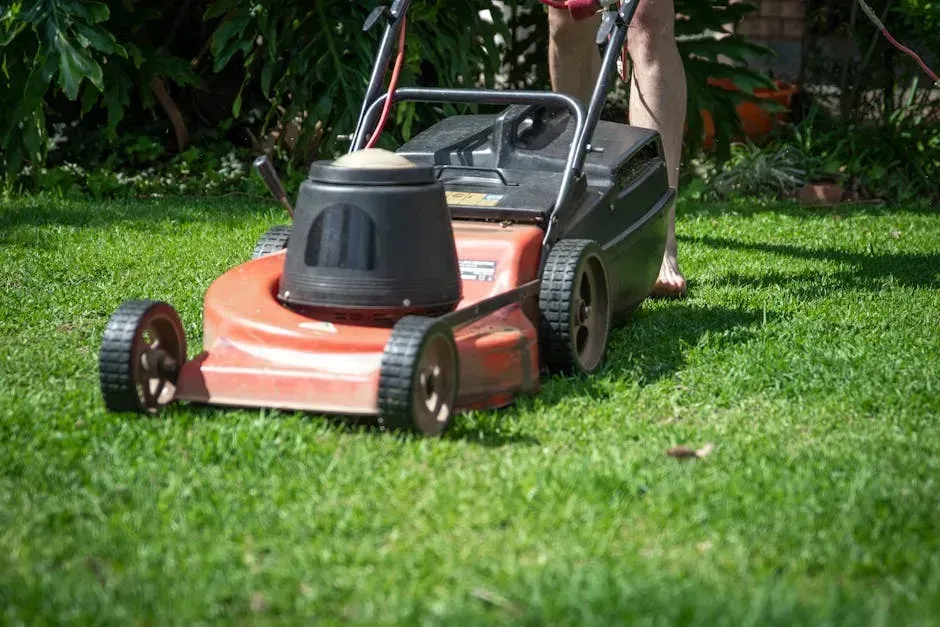
Applying different mowing patterns each time you mow helps avoid soil compaction and encourages healthy grass growth. When you always push the mower in the same direction, grass blades begin to lean that way permanently and soil beneath the wheels compacts along predictable lines, creating ruts over time.
Alternating your mowing pattern – going north-south one week and diagonal the next – distributes the mechanical pressure evenly across the turf. This encourages grass blades to grow more upright, which improves both the cut quality and the overall look of the lawn. Repeated mowing passes compress the soil over time, which suffocates roots by preventing the necessary exchange of oxygen and water. The solution is core aeration, which pulls plugs of soil out, allowing air, water, and nutrients to penetrate the root zone again. Rotating your mowing direction reduces how often you need to reach for that aerator.
Mowing is only the beginning of a lawn care cycle, not the end of it. The decisions made in the hours and days that follow – when to water, whether to bag, how soon to mow again – quietly determine whether your lawn recovers well or gradually wears down. Small adjustments in your post-mow routine, done consistently across a season, add up to a noticeably healthier and more resilient yard.



Leave a Reply