
Most people don’t think twice before grabbing the leaf blower or loading up the sprayer before a weekend of yard work. These are ordinary tools, tucked away in garages and sheds across the country, used millions of times a week without much ceremony. The idea that they could be regulated, restricted, or outright banned feels distant, maybe even absurd.
It’s not absurd at all. Across the United States, a growing wave of local ordinances, state laws, and homeowners association rules is targeting some of the most common tools and fixtures people keep in their yards. Whether driven by air quality concerns, public health data, or environmental science, regulators at every level of government are taking a closer look at what sits in your shed. Here are eight backyard tools now firmly in the crosshairs.
1. Gas-Powered Leaf Blowers
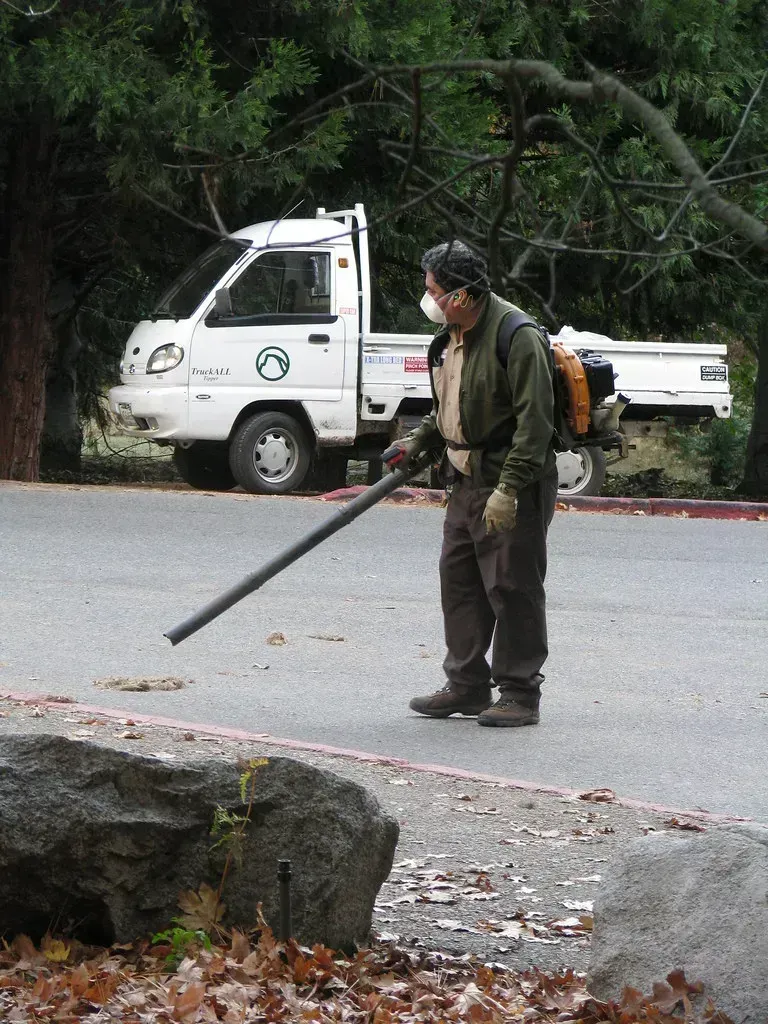
Leaf blowers are probably the most targeted tool on this list, and the regulatory momentum behind them is already well past the discussion stage. In January 2024, the State of California banned the sale of new small off-road engine-powered garden equipment, including leaf blowers, lawn mowers, string trimmers, hedge trimmers, and small chainsaws. That move set the tone for the rest of the country.
Seventy-one cities, sixty-five percent of which are located in California, have banned the use of gas-powered leaf blowers, and six Golden State cities have policies banning all leaf blowers. The spread is real. Portland, Oregon, has decided to phase out gas-powered leaf blowers starting in 2026, heading toward a full ban in 2028, during which these devices can still be used from October to December in 2026 and 2027, after which use will be completely banned, with violators facing fines starting at $250.
2. Gas-Powered Lawn Mowers

The weekend ritual of mowing the lawn is under pressure from some striking pollution figures. The logic regulators use is essentially mathematical: one hour of mowing emits as much pollution as driving a passenger car 300 miles. The Environmental Protection Agency estimates that gas-powered lawn equipment contributes nearly 5% of urban air pollution in the United States.
In 2024, California banned the sale of all new gas-powered lawn care equipment, and the use of all gas-powered lawn equipment is fully banned in four California cities: Menlo Park, Sausalito, San Anselmo, and Fairfax. Colorado has already implemented restrictions on state agencies using gas mowers during the summer ozone season to reduce ground-level pollution, and as manufacturers pivot their assembly lines to meet California’s massive demand for electric gear, finding parts for old gas models will get harder.
3. Gas-Powered String Trimmers

String trimmers, often called weed whackers, don’t generate as much public discussion as mowers or blowers, but they’re caught up in the same sweeping regulatory action. String trimmers are included in the same bans as mowers and blowers, and in January 2024, the State of California banned the sale of new small off-road engine-powered garden equipment, including string trimmers.
In Fairfax, California, it is against the law to use gas-powered leaf blowers, string trimmers, hedge trimmers, edgers, pole saws, chainsaws, and mowers. The noise angle matters here too. Gas-powered lawn mowers and string trimmers are very loud and known to cause hearing damage with prolonged exposure, with heavy-duty models often generating over 85 decibels, similar to a loud concert.
4. Gas-Powered Chainsaws
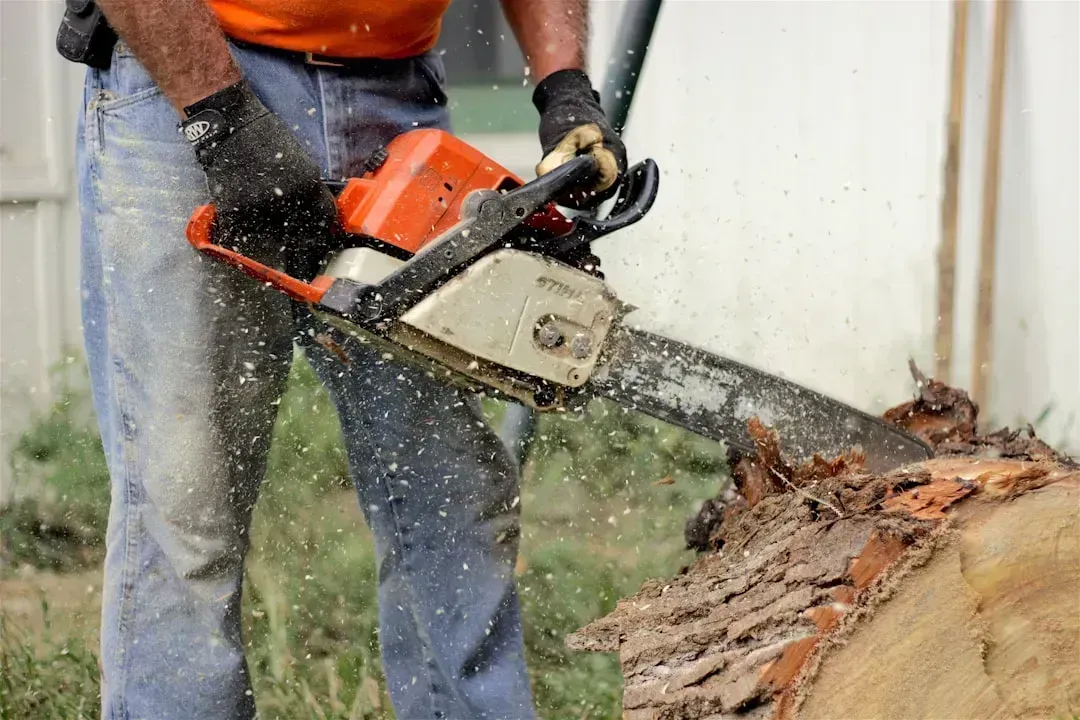
Chainsaws might seem like tools too practical to restrict, but they share the same two-stroke engine profile that has put every other small gas-powered device under scrutiny. Following the pattern of other gas-powered tools, chainsaws are likely next on the regulatory chopping block, as their two-stroke engines produce significant emissions and their noise levels can exceed 100 decibels, enough to cause hearing damage.
Gas-powered landscaping equipment, including chainsaws, are banned for use in Irvine, California, by large businesses as of January 2025. A Washington State legislator also introduced legislation that would go further still. House Bill 1868 was introduced to prohibit new gas-powered outdoor equipment beginning in 2026, including gas-fueled chainsaws, lawnmowers, rototillers, weed whackers, log splitters, leaf blowers, pressure washers, stump grinders, wood chippers, and snow blowers.
5. Portable Generators
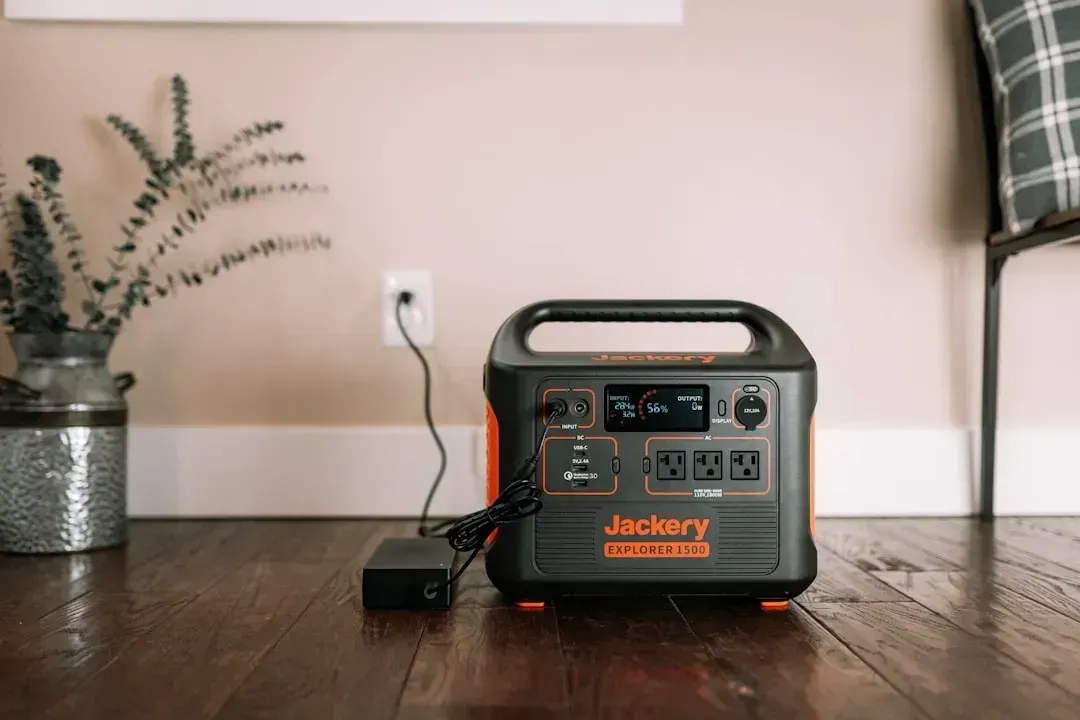
Portable generators are widely seen as safety essentials, particularly during storm season, but they carry a serious and often underappreciated hazard. Gas-powered generators can emit as much carbon monoxide as 450 cars and kill an average of 80 people in the U.S. each year. According to the U.S. Consumer Product Safety Commission, more than 1,300 people suffered carbon monoxide poisoning deaths due to failures related to portable generators from 2004 to 2021, and upwards of 77,000 people sustained injuries during that same period.
The Consumer Product Safety Commission voted unanimously to advance a proposal that would require portable generators to emit less carbon monoxide and to shut off automatically when the deadly gas reaches a certain level, with the invisible and odorless gas claiming an average of 85 lives a year, making generators one of the deadliest consumer products the CPSC regulates. New portable generator manufacturing standards went into effect on January 1, 2025, with provisions to ensure consumer safety, including the ANSI G300 standard approved by the ANSI Board of Standards Review in December 2023.
6. Herbicide Sprayers Loaded with Glyphosate
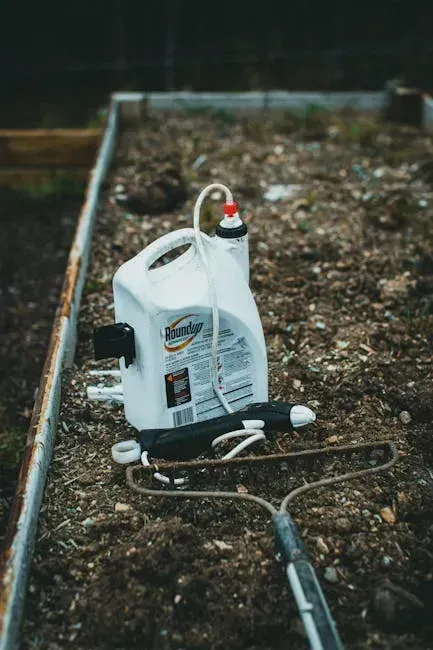
The sprayer itself isn’t the target, but what goes inside it increasingly is. Glyphosate, the active ingredient in Roundup and dozens of similar products, has faced mounting legal and regulatory pressure for years. The International Agency for Research on Cancer classified glyphosate as “probably carcinogenic to humans,” as the IARC is the specialized cancer agency of the World Health Organization.
California requires a cancer warning on glyphosate products under Proposition 65, and cities like San Francisco, Los Angeles, and Berkeley have banned its use on public land. The Environmental Protection Agency, which reviews pesticide registrations every 15 years, is due to complete an updated human health risk assessment for glyphosate in 2026. In July 2021, Bayer announced it would stop selling glyphosate-based Roundup products for the U.S. residential lawn and garden market, completing this transition in 2023 by replacing glyphosate with alternative active ingredients in residential formulations sold at retail stores.
7. Garden Sprayers with Neonicotinoid Pesticides

Neonicotinoids, often called “neonics,” are a class of systemic insecticides widely used in backyard pest control. Their convenience has come at a cost. Neonicotinoids are systemic pesticides that plants absorb, turning their leaves and nectar into neurotoxins for any insect that takes a bite, and while effective, they are considered a primary driver of the global bee population collapse.
A California law requires businesses selling neonicotinoid pesticides for non-agricultural outdoor uses to be licensed by the state’s Department of Pesticide Regulation, allowing only licensed applicators to buy or use neonicotinoids around homes, businesses, or other non-agricultural landscapes, which is a significant restriction on what an everyday gardener can spray in their backyard, complementing agricultural neonic regulations implemented in January 2024. Neonicotinoids have been closely linked to the collapse of bee populations, which is a much bigger problem than most people realize, since pollinators are essential to the production of many everyday foods.
8. Backyard Fire Pits and Wood Burners
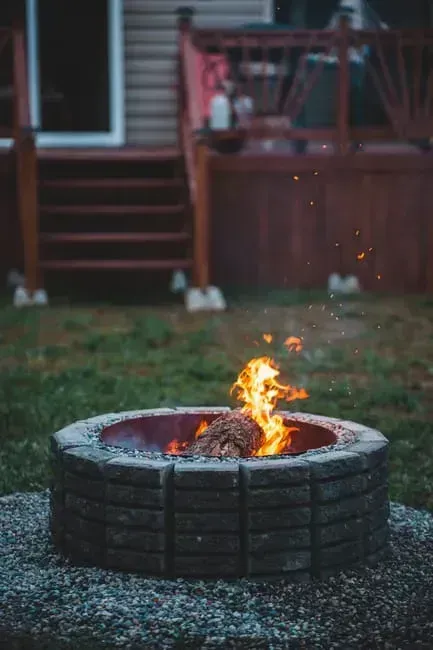
Few backyard features feel as innocent as a fire pit on a cool evening. Regulators in a growing number of cities see it differently. Those cozy backyard bonfires are facing heat from regulators in areas with air quality concerns, and cities across California, Colorado, and Utah have implemented partial or complete bans on wood-burning fire features, especially during winter months when air inversions trap smoke.
Wood smoke contains over 200 chemicals, including PM2.5 particles that penetrate deep into lungs, and even in areas without outright bans, many municipalities now require permits for permanent fire pits or restrict burning to certain hours and weather conditions. Cities like Denver and Los Angeles are already fueling the debate over regulation by restricting wood burning on high-pollution days. The direction of travel seems clear: open burning in residential settings will face tighter controls in more places as air quality standards continue to tighten.
What makes this regulatory moment unusual is the pace of change. Restrictions that seemed theoretical a few years ago are now enforceable law in hundreds of cities. Five states, including Georgia, Texas, Louisiana, North Carolina, and Montana, have prohibited municipal bans on gas-powered equipment, showing that the debate is genuinely contested. Still, the broader trend across the country points toward stricter rules, not fewer. Knowing which tools are in the regulatory spotlight may well save a homeowner from a costly surprise.




Leave a Reply