
Walk through any home and you’ll likely spot at least a handful of objects that feel perfectly ordinary. A rocking chair by the window. A cactus on the kitchen counter. Maybe a stopped clock on the mantelpiece that you keep meaning to fix. Most of us think nothing of these things. Yet across cultures and centuries, certain décor choices have quietly earned a reputation for drawing in unwanted energy, misfortune, or restless spirits.
Whether you lean toward feng shui, Vastu Shastra, European folklore, or none of the above, these superstitions have survived long enough to be worth knowing about. Some of them carry surprisingly logical roots. Others are purely ancient in origin. Either way, they make for a fascinating look at how deeply our environments shape what we believe.
1. Broken or Stopped Clocks
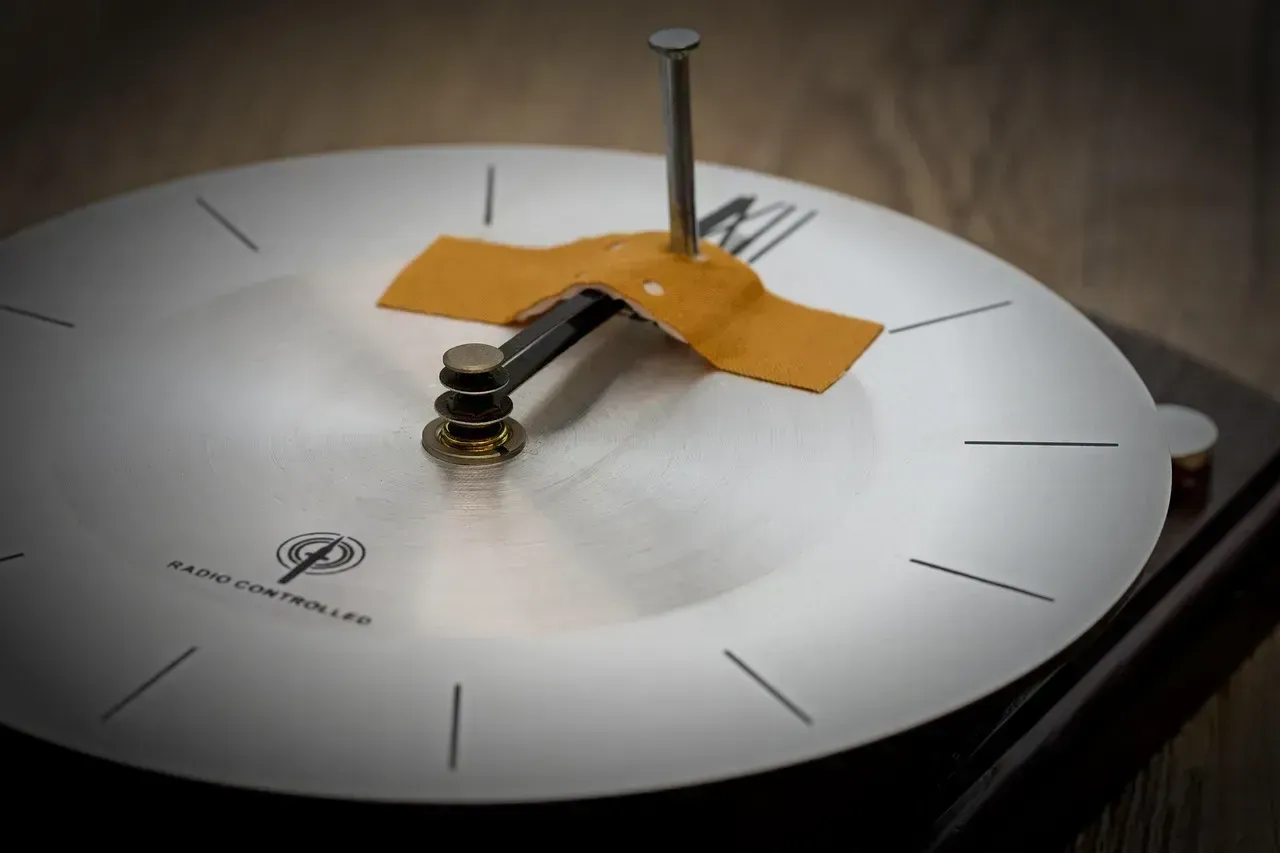
Feng shui is the ancient Chinese art of harmonizing living spaces, emphasizing the flow of positive energy, or “chi,” throughout your home. Few objects symbolize that flow as literally as a clock. Because clocks mark the passage of time, they have long been associated with human mortality. In the Victorian era, clocks were stopped when a person in the household died, so it’s not surprising that a clock that has abruptly stopped working bodes bad luck.
In feng shui principles, a non-functional clock can symbolize time standing still, which may create a sense of stagnation or hindrance in one’s life. There’s also a psychological dimension that even skeptics can appreciate: every time you glance at that broken clock, your subconscious registers dysfunction and failure. This constant reminder of something not working properly can subtly influence your mindset throughout the day.
2. Cacti and Spiky Indoor Plants
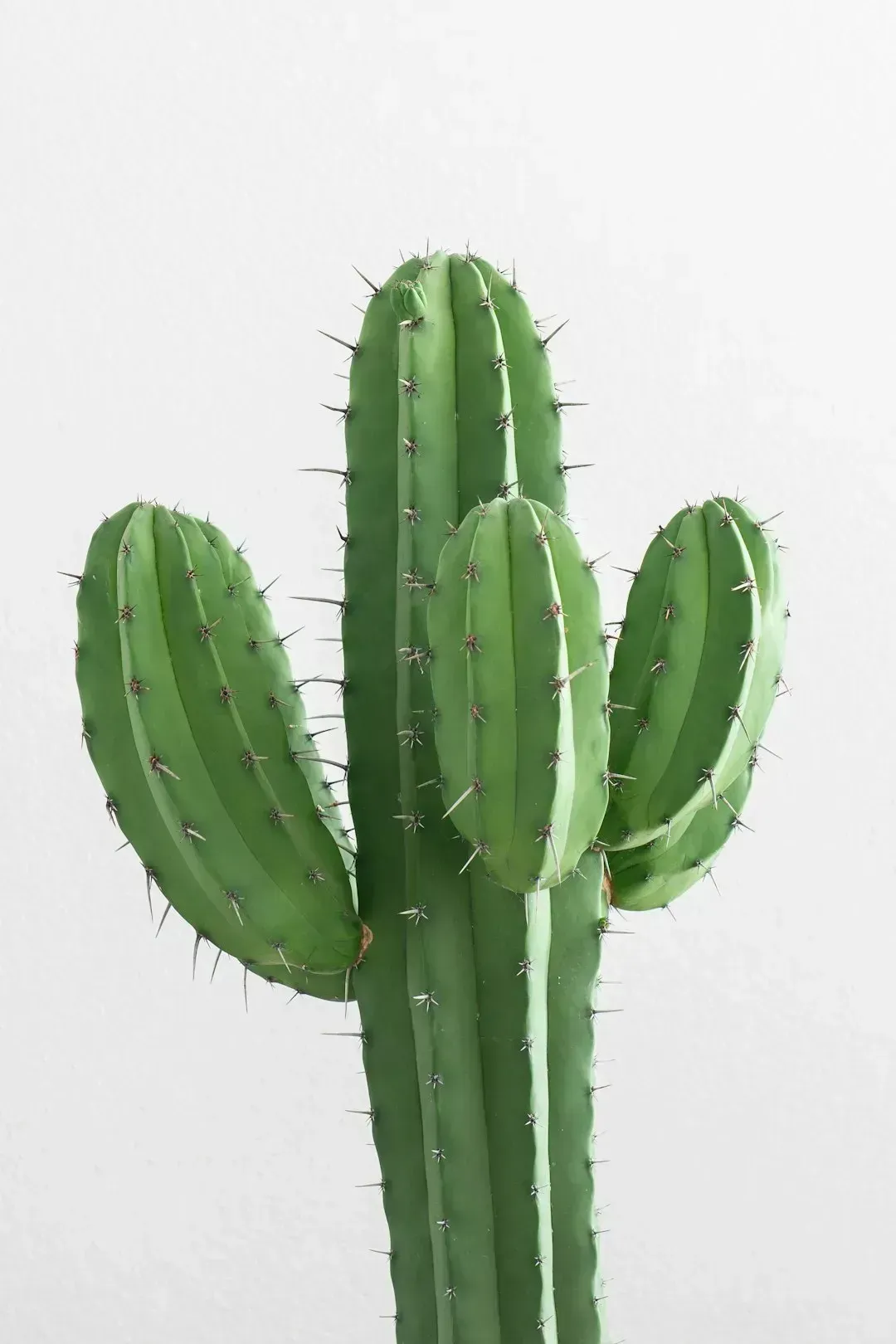
Feng shui principles claim that plants with spiky or thorny exteriors are magnets for bad vibes. The prickly surfaces of cacti, or other similarly spiky plants like agave, can bring tension into your home and relationships. The specific concern centers on a type of harmful energy known as sha chi. Plants with sharp points emit a type of energy known as sha chi, which is often associated with conflict, arguments, and other forms of discord. This energy can be particularly disruptive in areas of the home where we want to relax and create a harmonious atmosphere, such as bedrooms and living rooms.
The only exception is the rose, which, despite its thorns, can balance out the negative energy with its flowers. If you’re attached to your cactus collection, all may not be lost. Consider relocating your beloved cacti to patios, balconies, or gardens where they can thrive without disrupting indoor harmony.
3. Taxidermy and Mounted Animal Trophies
According to ancient beliefs, the presence of dead plants or taxidermy trophies holds an unspoken weight. Having deceased entities in our living spaces invites a somber, stagnant energy into the home. The vibrant pulse of life is a fundamental force, and the absence of this vitality in the form of withering plants or preserved creatures creates a void.
Whether it’s a vase with shriveled cut flowers or a stuffed moose head, dead things in the house can bring bad luck. This connection between decomposing objects and human mortality is glorified in the rich history of vanitas artwork, in which skulls, rotting fruit, and extinguished candles symbolize the transience of human life. Even from a purely practical standpoint, even less superstitious homeowners might want to think twice before displaying an animal carcass in their homes, since taxidermy can be a turn-off for potential home buyers.
4. Dead or Dried Plants and Flowers
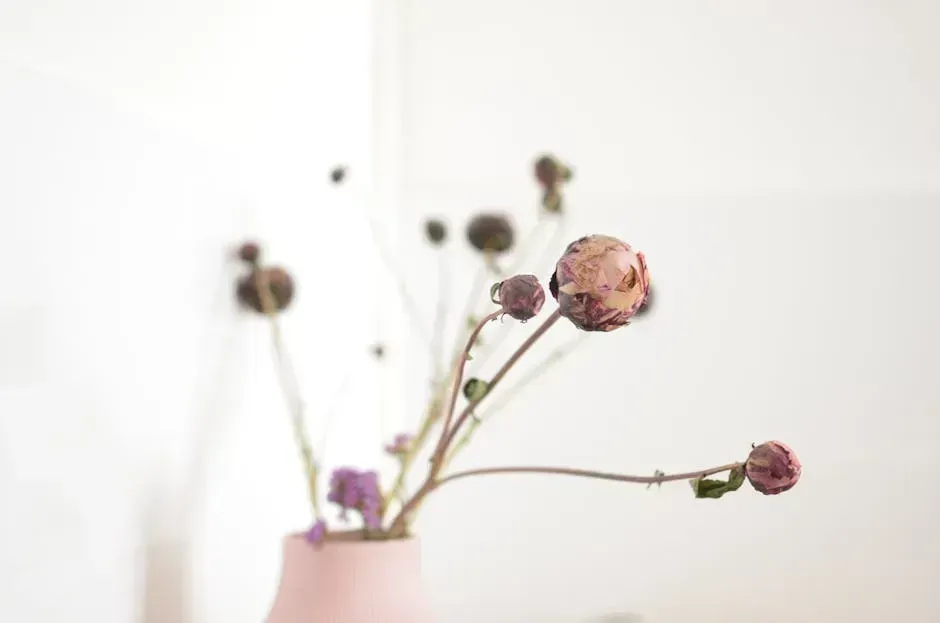
One of the unlucky things you should never keep at home is dead or dry plants. According to traditional beliefs, a plant’s withering or drying up removes the positive energy it contained while it was living. The same reasoning extends to those pretty dried flower arrangements that have been trending in home décor. Dead flowers do not have any life force and inhibit the flow of positive energy and vitality. The dried bouquet that’s been sitting on your mantelpiece for months might hold sentimental value, but it’s actively draining the vibrant energy from your living room.
Dried or dead plants represent lifelessness and signify a lack of vitality. They can create stagnant energy and block the positive flow of qi in your home. The fix here is straightforward: replace wilted or dried arrangements with fresh, healthy plants, and stay on top of watering routines so nothing quietly crosses the line from alive to not.
5. Broken or Cracked Mirrors
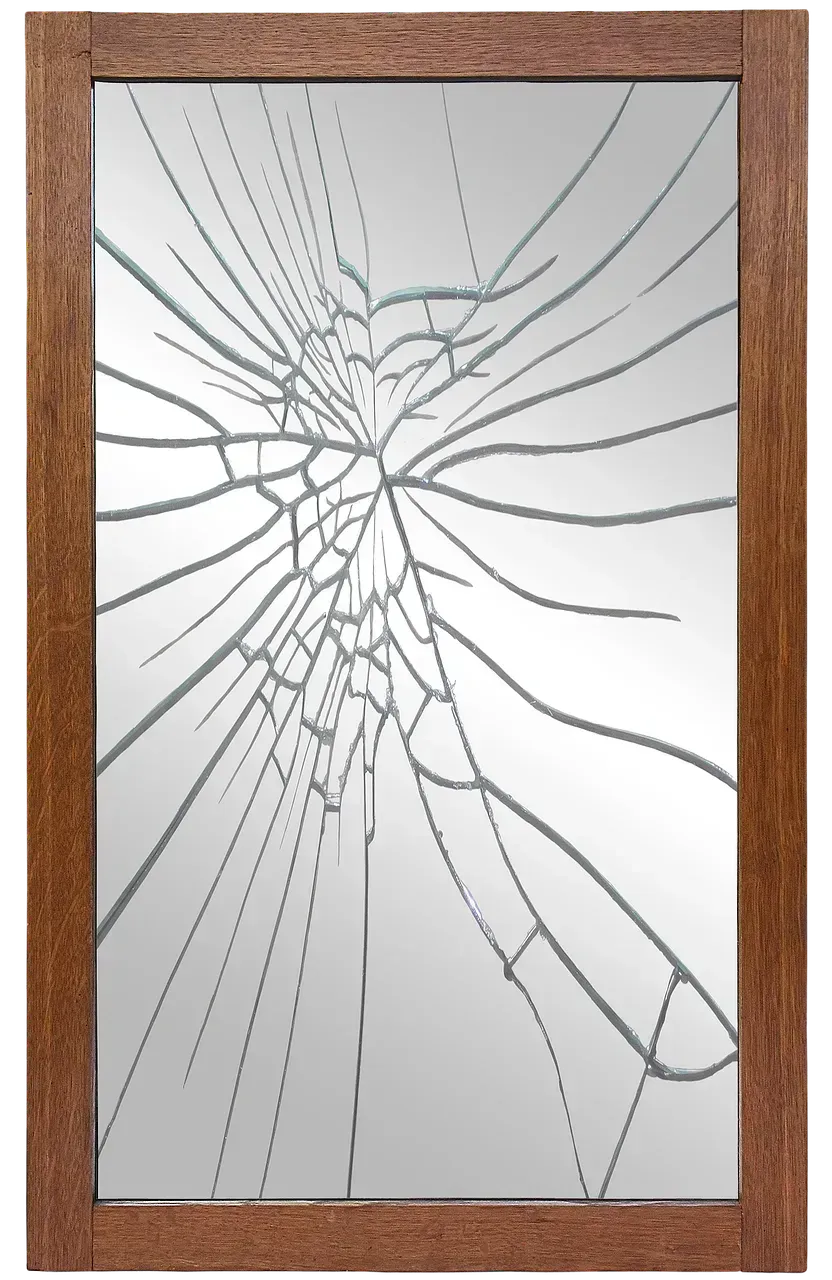
The Romans believed that a mirror reflected one’s soul, and that the gods used these images to see one’s inner identity. A broken mirror would be such a violation of this portal to the soul that a punishment from the gods was warranted. Consequently, it was thought that seven years of bad luck would ensue. That particular superstition has proven remarkably durable across cultures. In feng shui, the concern goes beyond folklore. Mirrors are powerful tools in feng shui, reflecting energy and expanding spaces. However, a cracked or broken mirror can distort energy flow and invite negative vibes, leading to misfortune or emotional unrest.
Cracked or chipped mirrors are considered highly inauspicious in feng shui. Not only do they disrupt the flow of light and chi, but they also carry symbolic associations with fragmentation or instability. Even seemingly minor imperfections can interfere with harmony and coherence in the home. When a mirror breaks, practitioners recommend replacing it promptly rather than keeping it as a decorative vintage piece.
6. Rocking Chairs
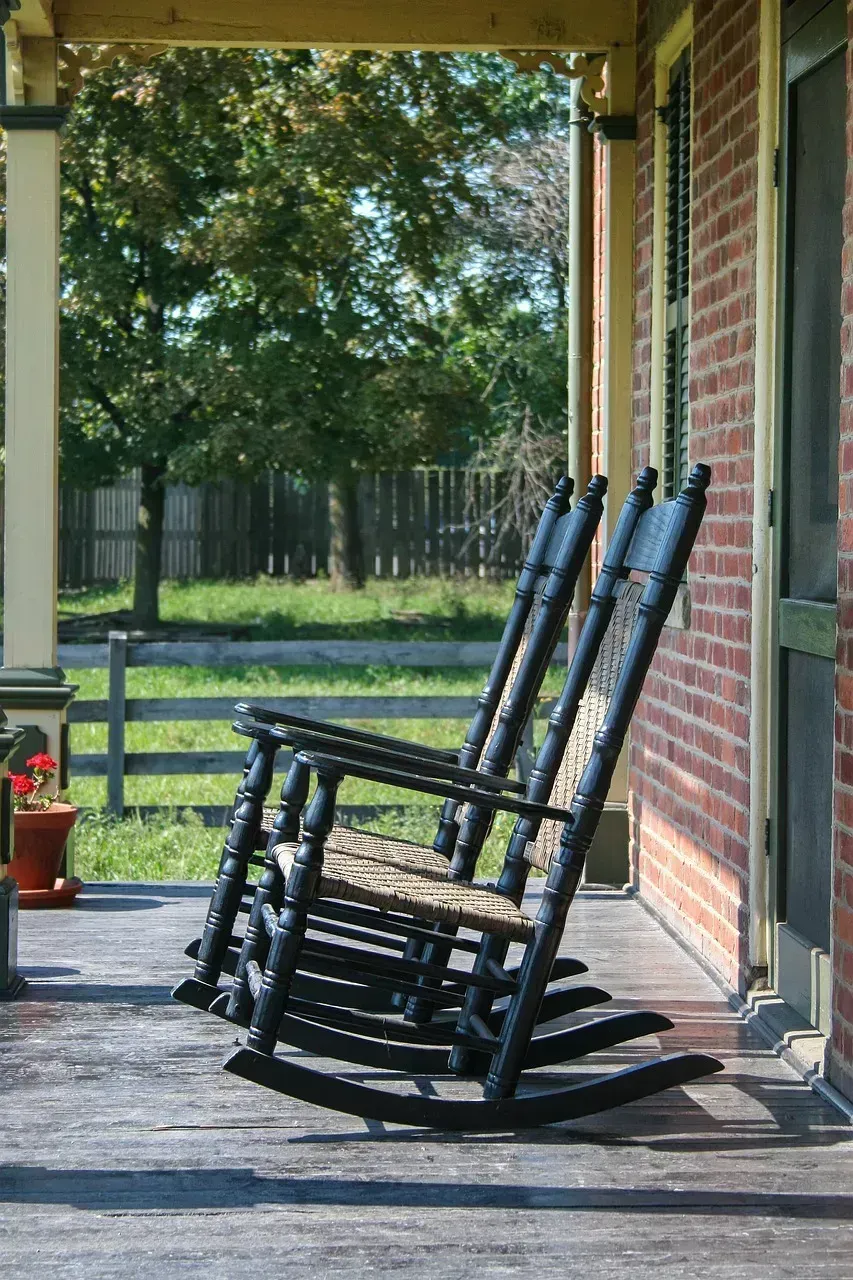
In Irish folklore, the humble rocking chair takes on a mystical significance. According to age-old legend, an empty rocking chair was believed to be an open invitation for spirits, a doorway left ajar between the world of the living and the realm beyond. It’s a superstition that shows up in ghost stories and horror films with good reason: the image of a chair rocking with no one in it is unsettling on a primal level.
According to an Irish superstition, the rocking chair is an invitation for evil spirits to take their place, and if it starts to sway suddenly, it is clear that it has already found an occupant. Even Vastu Shastra traditions echo this concern. Keeping a rocking chair is linked to keeping negativity. Whether or not you believe spirits can claim furniture as their own, the superstition has persisted for centuries across multiple cultures.
7. Peacock Feathers
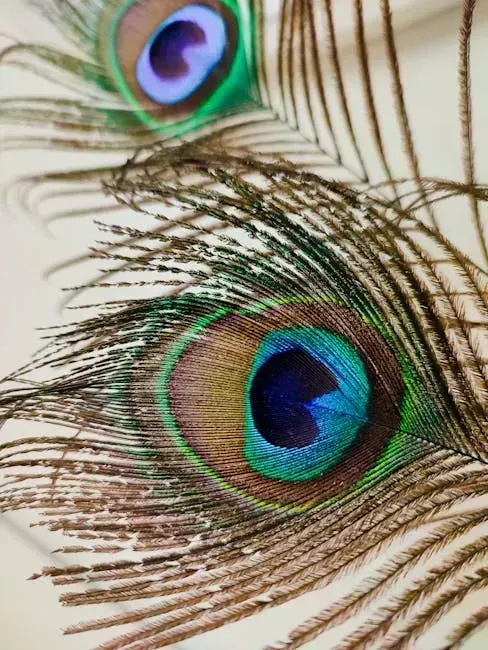
No matter how beautiful peacock feathers are, in many Western countries they are a symbol of bad luck. Perhaps the “eyes” on the peacock’s feathers evoke fear of the evil eye, or their bright plumage makes many people see them as something devilish. The origin of this belief runs deep. The idea that peacock feathers are bad luck is traced to a superstition that began in the Mediterranean, where the eye-like markings on the end of peacock feathers are called the “evil eye.”
The main argument against peacock feathers is the idea of the “evil eye” and sha qi, or “harmful energy.” In this view, the eye-like pattern is not a protective guardian but a watching, judging eye that brings examination and bad luck. It can feel invasive, as if you’re constantly being watched, creating subtle stress. It’s worth noting, though, that the picture isn’t entirely uniform: in India, China, and Japan, peacock feathers are welcomed into the home as an extra set of eyes to watch over the inhabitants and protect their homes from danger.
8. Outdated Calendars
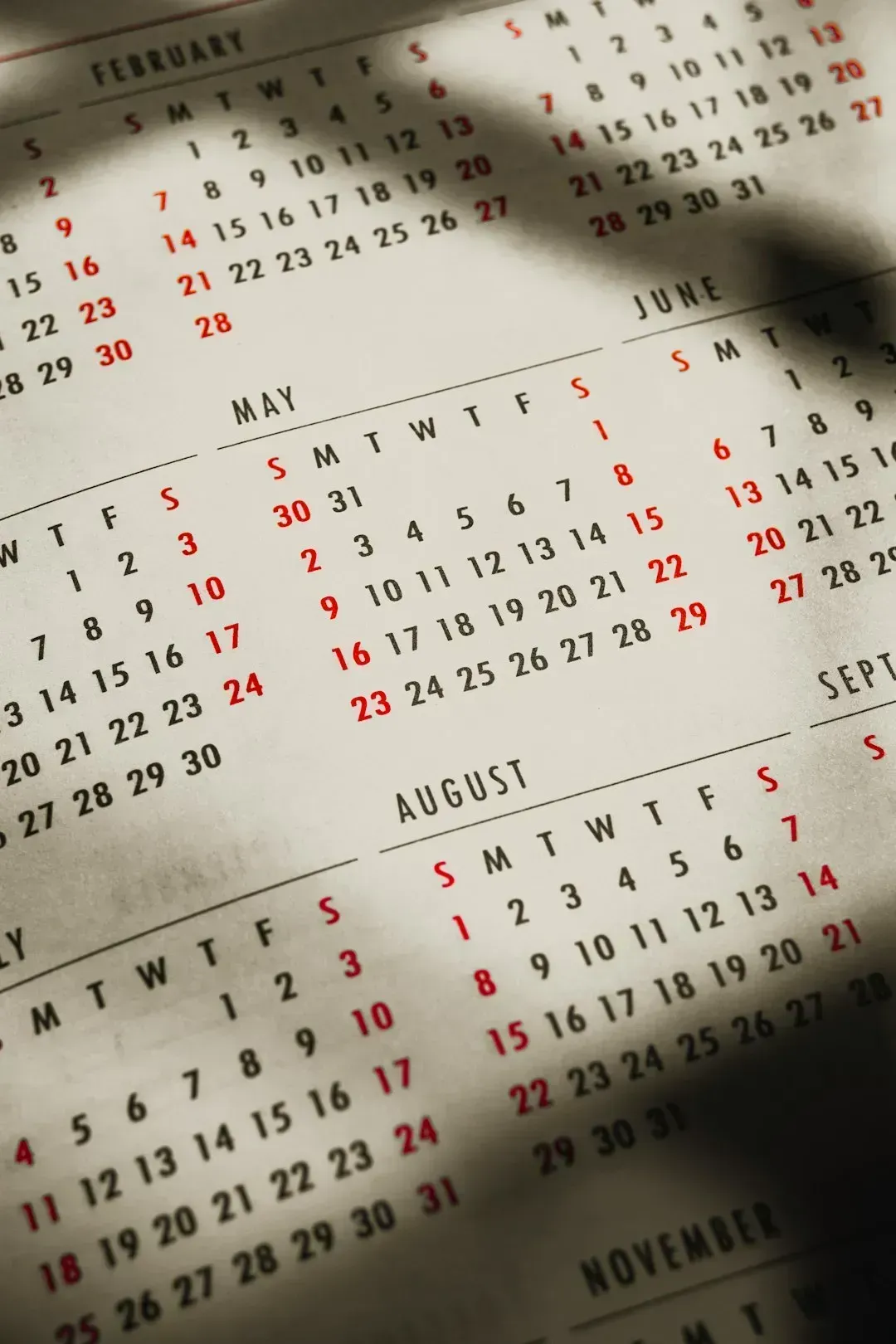
There is an intricate dance of time and fortune in which the presence of an outdated calendar carries a subtle yet significant weight of superstition. Much like the ominous ticking of a broken clock, displaying a calendar stuck in the past is believed to invite misfortune and push your luck to the edge. This belief shows up in multiple traditions, from feng shui to Vastu Shastra.
Displaying a calendar from a past year or month energetically keeps you stuck in the past. It prevents you from being present and moving forward into the future. On a more symbolic level, feng shui warns against using a time-keeping device incorrectly, claiming that it could bring misfortune, curtail prosperity, and even shorten your life. Swapping out last year’s calendar is one of the simplest changes anyone can make.
9. Green Painted Walls
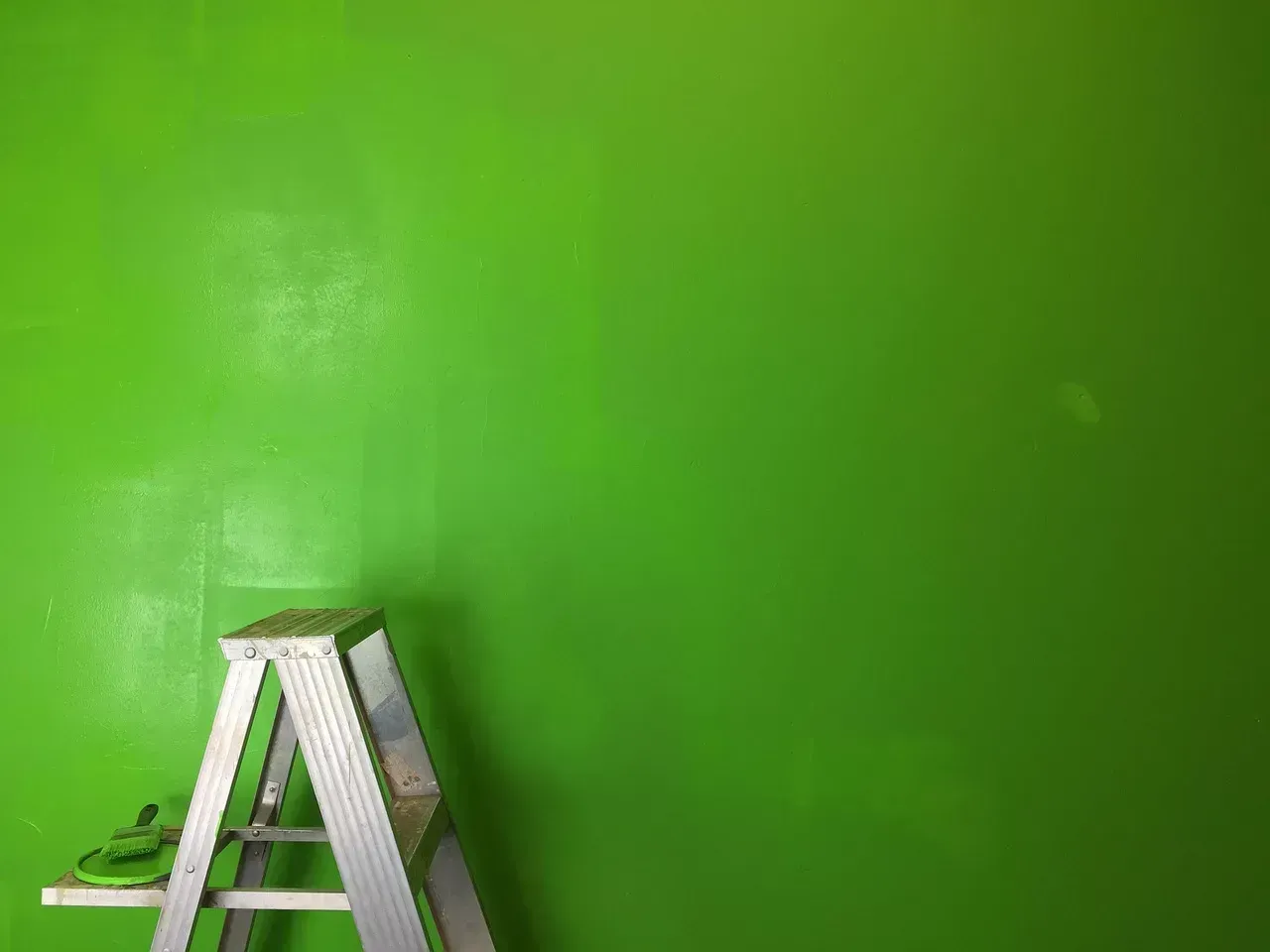
This superstition has an unusually concrete historical basis. Throughout the 18th century, synthetic green dyes were made with a newly discovered compound called cupric hydrogen arsenic. Yes, arsenic. Green-painted or papered walls could release toxic gases when damp, and some factory workers at the time fell ill and died from exposure to the dyes.
Though the widespread publication of the arsenic recipe in 1822 finally alerted the public to its dangers, some superstitious homeowners view green walls as a bad omen even today. Modern paints are entirely safe, of course, but the cultural memory has lingered. In many countries, green paint is associated with bad luck, poverty, and death. It is thought to be related to ancient customs that saw green paint as the color of death and unhappiness.
10. Broken or Chipped Dishes
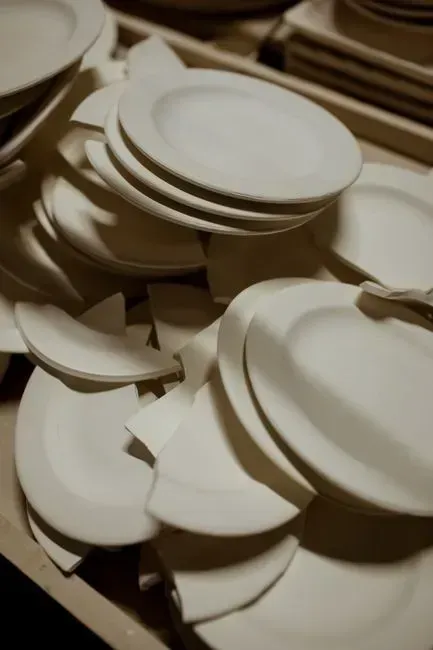
In the art of feng shui, where every object carries profound symbolism, dishes stand as emblems of wealth and health, representing abundance and nourishment within the home. Chipped plates or cracked bowls can usher in negative energy. The cracks, small as they may be, serve as conduits for discord, inviting misfortune into our lives.
These objects symbolize brokenness, imperfection, and poverty. Using a chipped mug or eating off a cracked plate quietly tells your subconscious that you are willing to accept a state of damage in your life. There are also very practical reasons to be concerned: cracks and chips create hiding places for bacteria and food particles that resist normal washing. These damaged areas become breeding grounds for harmful microorganisms that can cause foodborne illnesses.
11. Mirrors Facing the Bed
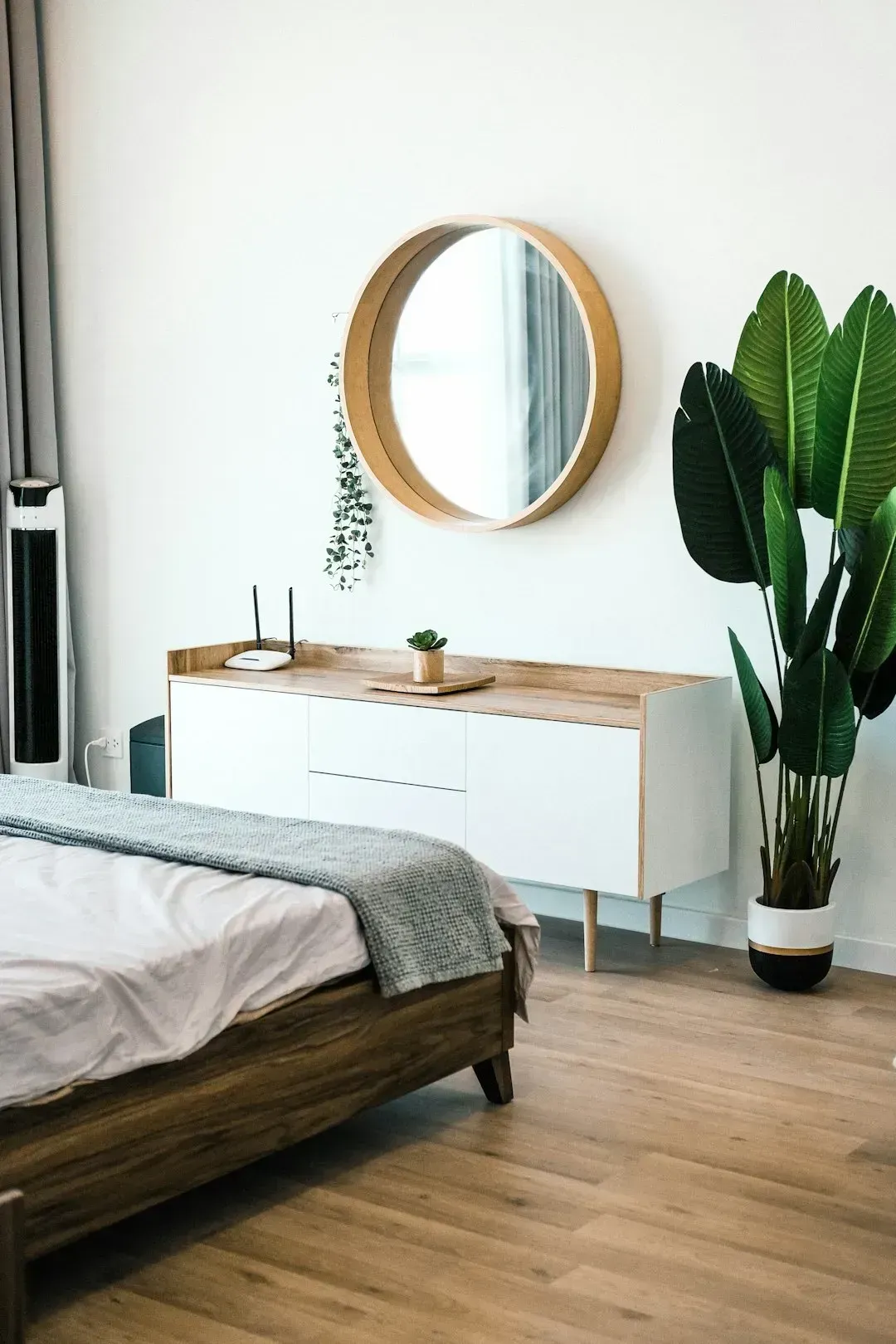
According to feng shui, a mirror facing the bed can lead to relationship problems, and a mirror facing the front door will prevent vital energy from flowing into the house. The bedroom concern is especially prominent across feng shui traditions. When a mirror faces your bed, this active energy can disrupt your sleep and drain your personal qi while you rest. It is also believed to invite the energy of a third party into a couple’s relationship.
Mirrors in bedrooms should be placed with care, and you should avoid putting them facing the bed. This is a “no-no” in feng shui because mirrors are believed to bounce energy around the room, which can cause restlessness and amplify worries while you sleep. The practical solution is simple enough: cover bedroom mirrors at night or reposition them so they don’t directly reflect the sleeping area.
12. Dark or Violent Artwork
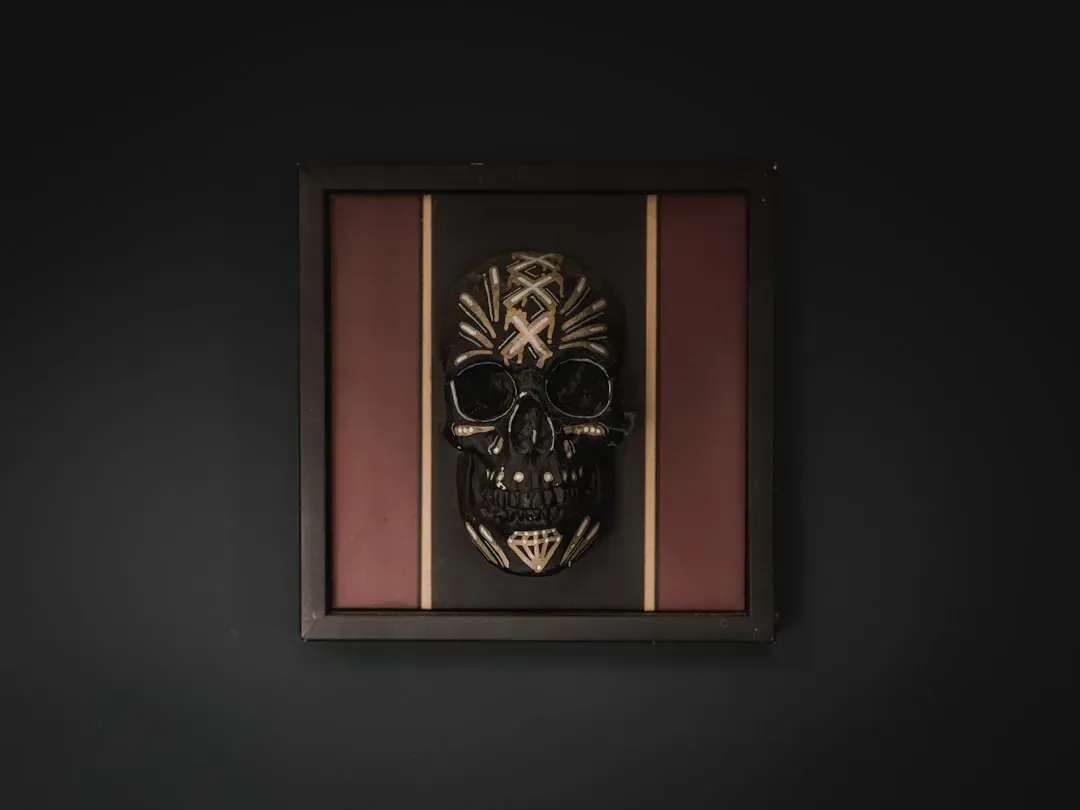
Images showing battles, shipwrecks, crying figures, or lonely landscapes constantly project that emotional energy into your room. You are what you see. This is one of the more psychologically intuitive items on the list. Some feng shui consultants advise against displaying a painting or photograph of a barren landscape or the aftermath of a natural disaster, shipwreck, or battle.
When choosing the artwork for your home, make sure you pick pieces that make you feel positive and energetic. Take this into account especially if you love a gallery wall, and think about the overall effect it has on your mood levels and energy, not just how it looks aesthetically. “Artwork and imagery play a significant role in feng shui, and it is advised to avoid pieces that convey negative emotions or themes.” The logic here doesn’t require any belief in the supernatural. Living with images of conflict or despair every day is simply not a neutral experience for most people.
Whether you take these beliefs literally or treat them as a lens for thinking about your environment, they share a common thread: our surroundings affect us in ways we don’t always notice. Objects carry associations, and those associations shape mood, behavior, and how a space feels day to day. Clearing out a broken clock or swapping a wilting plant for a healthy one costs almost nothing. What that small act does to the atmosphere of a room is, at the very least, worth paying attention to.

Leave a Reply