
Some meals end with everyone pushing back from the table satisfied. Others end in a mild argument about whether a certain topping belongs anywhere near a pizza. Food has always carried strong opinions, but a handful of ingredients and dishes go further than preference. They split rooms. They restart old debates. They make people genuinely wonder how someone they otherwise respect could eat that.
The top qualifications for food controversy include smell, strong flavor, texture, and visual appearance – a combination that science, culture, and childhood memory all shape in surprisingly different ways. People may dislike certain foods due to a combination of factors including genetics, cultural influences, and past experiences – some individuals even have a genetic predisposition to be more sensitive to bitter flavors, making them more likely to dislike foods like Brussels sprouts or black coffee. These are the eleven foods that never fail to start something at the table.
1. Pineapple on Pizza

Adding pineapple to pizza has sparked passionate reactions around the world. Some people appreciate the contrast between the juicy, sweet pineapple chunks and the savory tomato sauce and cheese, finding the combination refreshing and unexpected. Others argue that fruit doesn’t belong on pizza, feeling it disrupts the traditional flavors and textures that define the dish. Few food debates have achieved the same cultural staying power.
Surveys have found that roughly half of respondents actually want pineapple on their pizza, meaning just over half of pizzas remain free from its sweet intrusion. That near-even split is exactly what makes the argument so stubborn. One side proclaims that pineapple’s sweetness balances with the saltiness of other ingredients, signaling a chemical process in the brain; the other declares the fruit unnecessary, because pizza is supposed to be a savory dish whose integrity shouldn’t be disrupted.
2. Cilantro
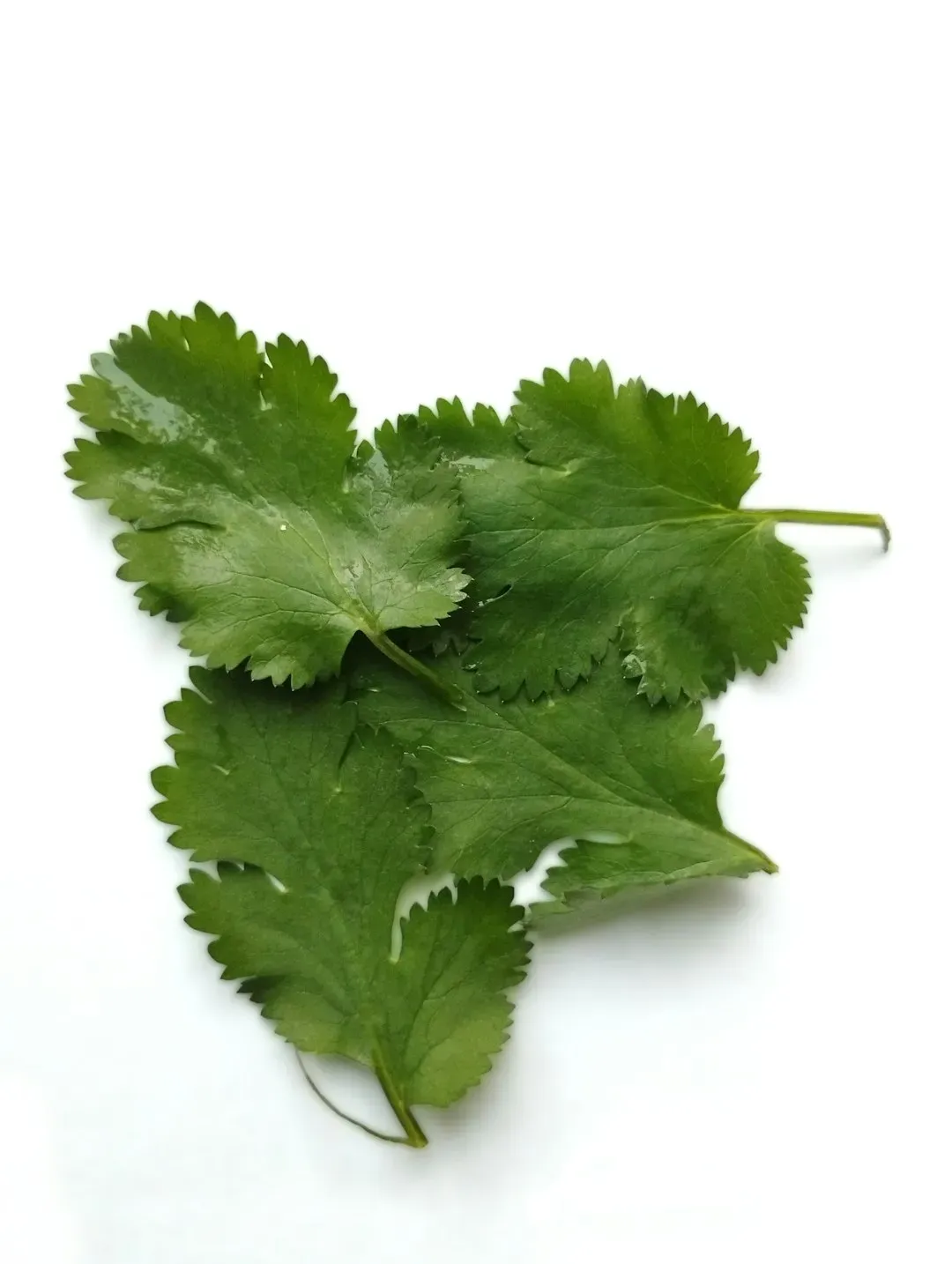
Cilantro, also known as coriander in some regions, often finds itself at the center of culinary debates. For some, it’s a fresh, citrusy herb that elevates dishes. However, a genetic variation causes others to perceive the taste as soapy or metallic. It’s one of the few food disagreements with a clear biological explanation rather than just a matter of stubbornness.
A study conducted by the University of Edinburgh and the Human Technopole research institute in Milan identified 401 unique genetic variants that influence which foods people like, and in the largest study of its kind, researchers collaborated with UK Biobank to gather data on more than 150,000 people’s fondness for 139 specific types of food and drink. Cilantro was among the most genetically contested. The debate over cilantro is more than just preference; it’s about how genetics influence taste, making cilantro a fascinating topic in the culinary world that sparks debates at dinner tables.
3. Brussels Sprouts
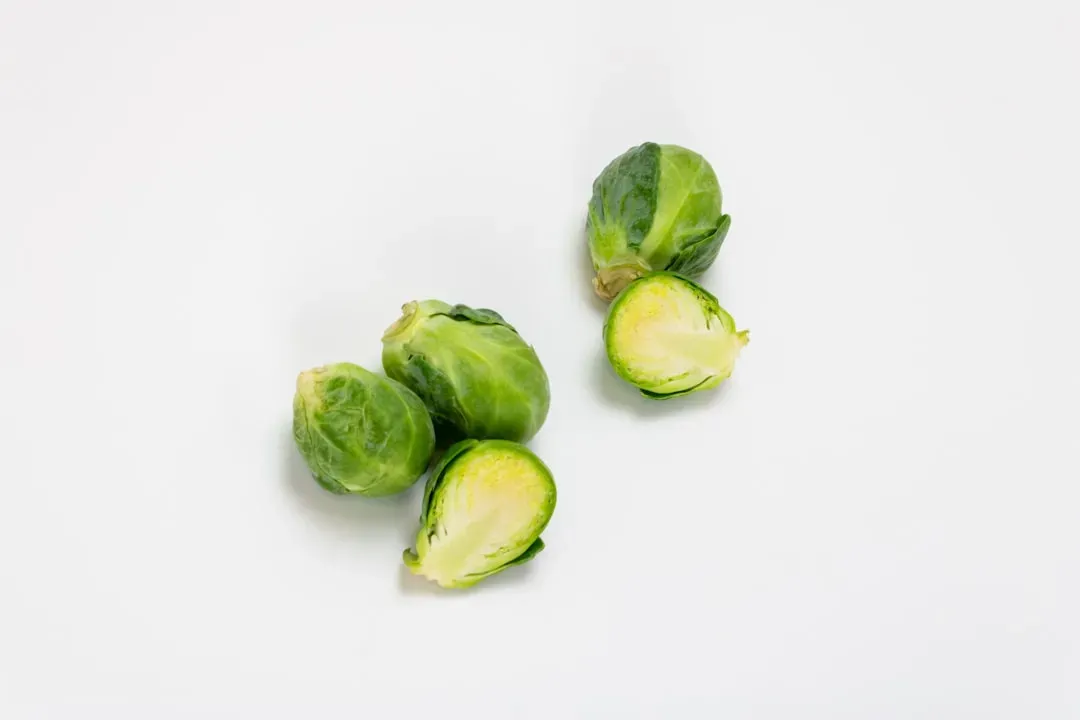
For many, Brussels sprouts and other leafy vegetables share a distinct bitterness that divides opinions. While some eagerly tuck into their meal, others push the greens around their plate to avoid them altogether. Researchers have tried to get to the root of how and why people experience the same vegetables so differently and how to make these flavors more enjoyable.
Although everyone has the TAS2R38 gene, also known as the “taster gene,” the variants someone inherits determine their sensitivity to compounds like PTC, PROP, and glucosinolates. Those with two copies of a “sensitive form” of the gene are considered “supertasters” and may find certain greens to have an intense bitterness, while those with one or two copies of other variants may experience a milder flavor. Over the last 30 years, farmers have selectively bred new varieties of Brussels sprouts that produce lower levels of glucosinolates – so the vegetable you eat today is genuinely less bitter than the one your parents forced on you as a child.
4. Anchovies
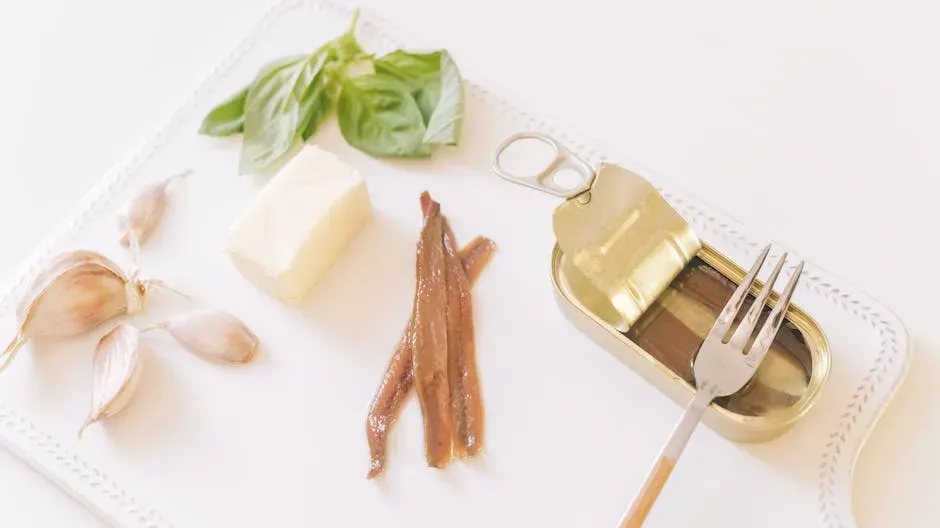
According to a Harris Poll survey with Instacart, anchovies top the list of foods Americans love to hate, with roughly half of Americans disliking them – and that figure rises for those aged 45 and older. Their intensity is the issue. Anchovies possess a briny, fishy flavor profile, and on top of that, they present a chewy texture that can prove challenging for certain people.
These tiny fish are salty and oily, delicious to some and repulsive to others. They’re also more common than you might realize, playing a key role in Caesar salad dressing and popping up in fish sauce. There’s a difference, admittedly, between enjoying the essence of anchovies and eating them whole. Fans tend to love how a single anchovy fillet can deepen an entire dish with umami depth. Critics tend to push the plate away before they even get a bite.
5. Blue Cheese
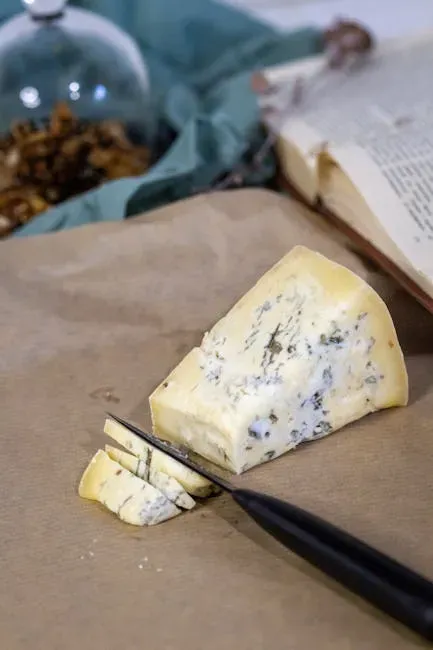
Blue cheese, with its bold and tangy flavor, is a polarizing dairy product. Some revel in its pungency and complexity, while others can’t stand its strong smell and taste. It’s either a gourmet delight or a stinky nightmare. The fact that it’s visibly veined with mold doesn’t help its case with skeptics.
Blue cheese looks like it’s covered in green mold – because it literally is. The blue-green veins running through it come from Penicillium cultures that give it that funky appearance, and many people avoid it thinking it’s spoiled food. The mold, however, creates a sharp, tangy flavor that pairs perfectly with honey, nuts, and wine, making it a gourmet favorite. Surveys suggest blue cheese is a riskier inclusion at any gathering, with only around half of guests finding it acceptable.
6. Oysters
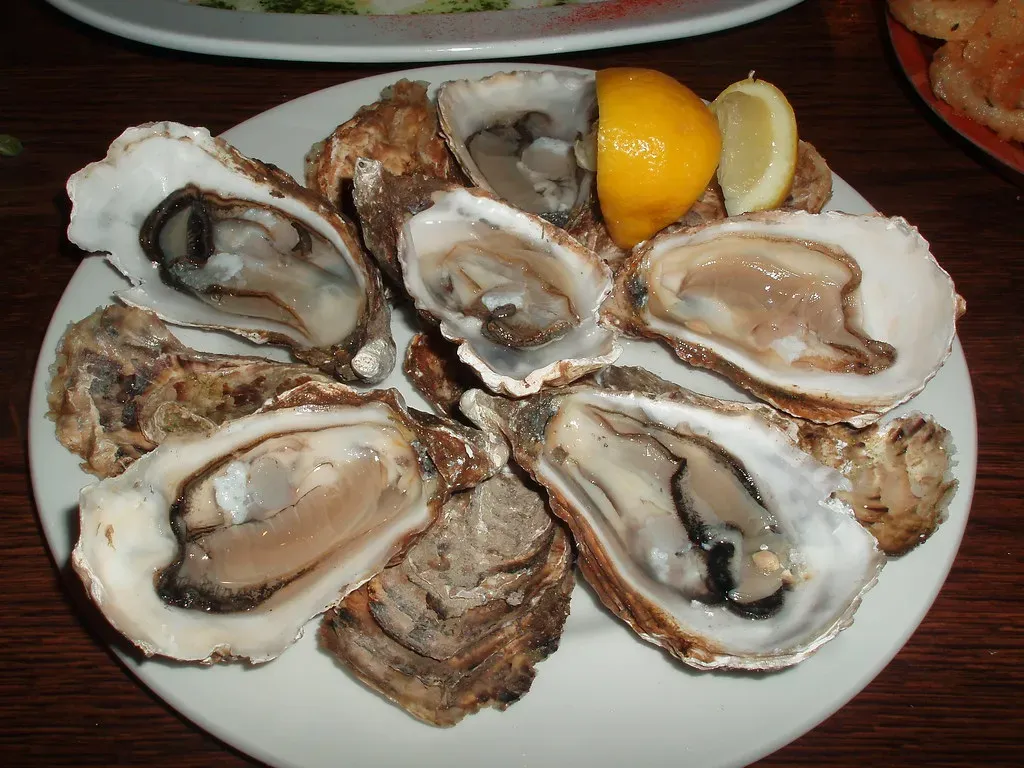
Oysters are a delicacy in many cultures, prized for their briny, oceanic flavor. They are often eaten raw, which can be a barrier for those unused to the texture and taste of uncooked seafood. Oyster aficionados, however, cherish their unique taste and texture. Raw shellfish is a category that demands a certain commitment from the eater.
Survey data has found that roughly two in five Americans actively dislike oysters, with women more likely than men to give them a hard pass. Curiously, three of the five top states that order the most oysters are completely landlocked, while three of the five states that order the fewest oysters are located in New England with much closer access to the ocean. Geography and habit, it turns out, shape the oyster divide just as much as the flavor itself.
7. Mayonnaise
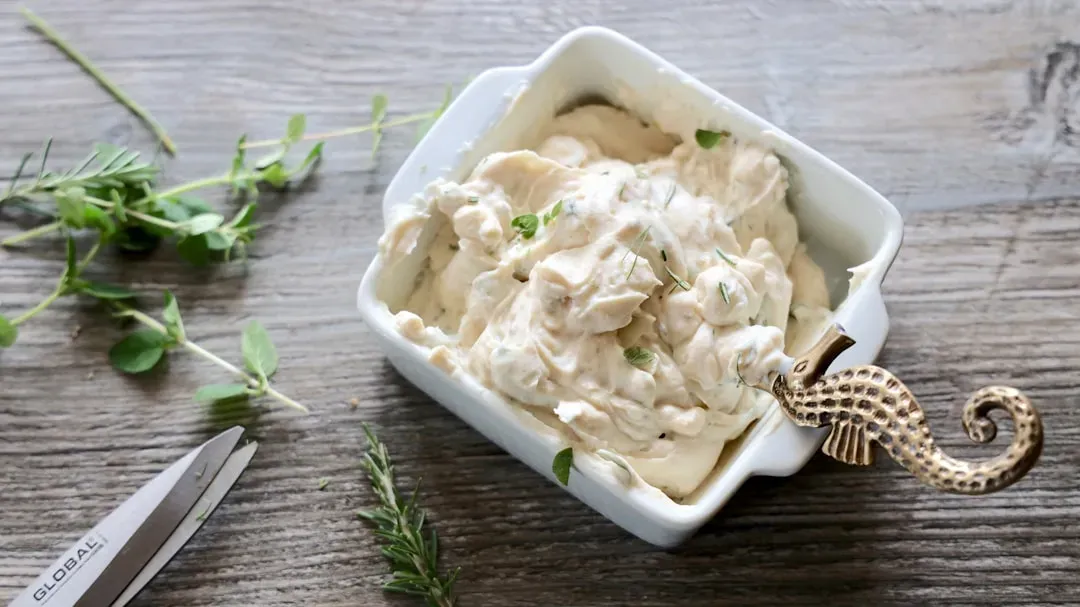
Mayonnaise has a distinctive taste and texture that can be polarizing. Some people find its creamy and rich consistency appealing, while others may perceive it as heavy, greasy, or even slimy. The tangy flavor of mayonnaise, derived from ingredients like vinegar or lemon juice, may also be off-putting to some. Few condiments inspire such visceral reactions on both ends.
Despite the controversy, surveys consistently show that the vast majority of Americans declare love for the versatile spread. From burgers to hot dogs to french fries, it’s hard to run out of ways to use it. The debate isn’t really about mayo on its own terms. It’s about where it ends up – on sandwiches, poured into potato salad, spread onto toast – and whether that feels like comfort or culinary excess.
8. Durian
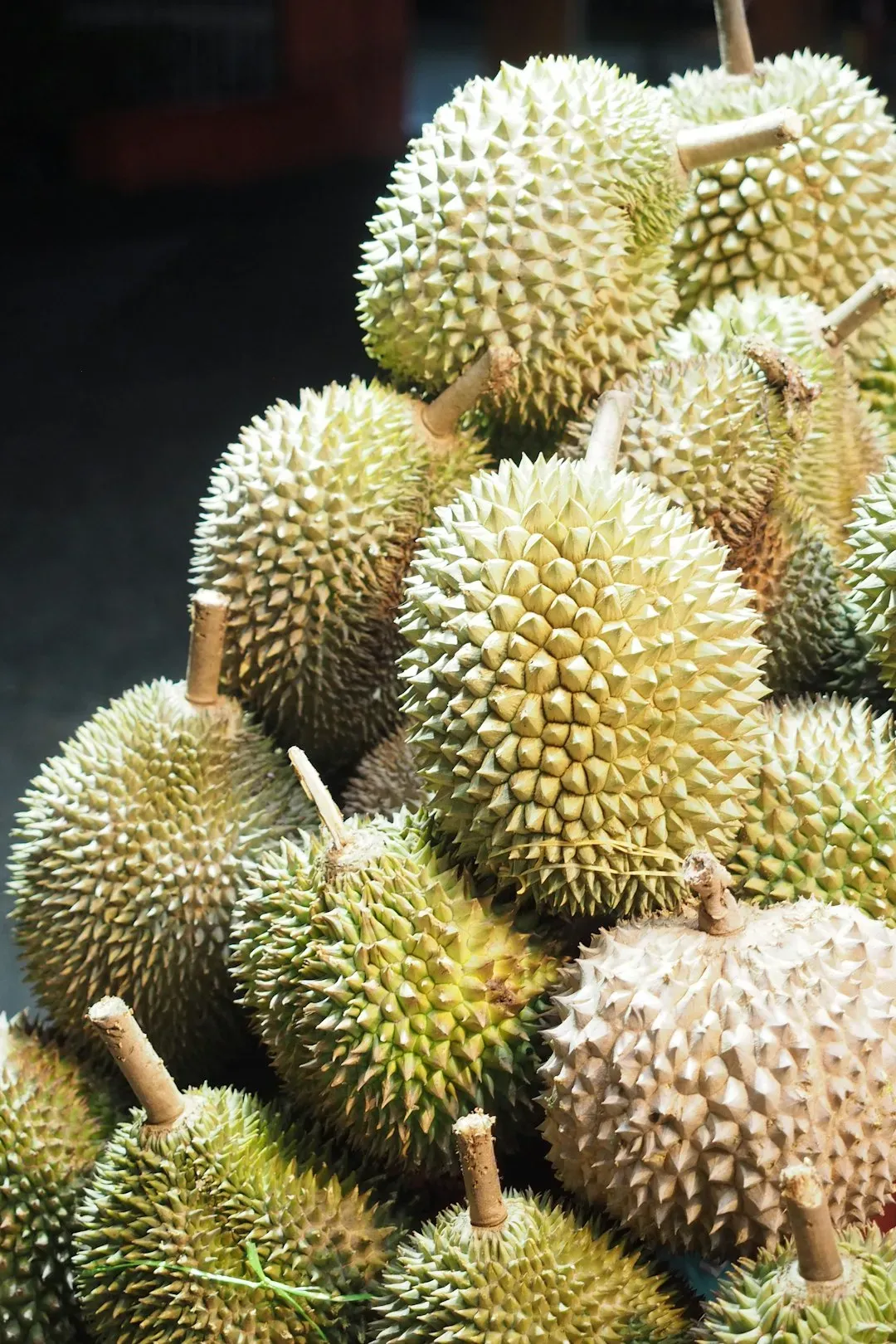
Known as the “king of fruits,” durian’s reputation precedes it. Its strong smell has led to bans in public places in some countries. Durian is a tropical fruit known for its strong odor, often described as resembling rotten onions or turpentine. Despite its pungent smell, some people enjoy the custard-like texture and sweet taste of durian, while others can’t get past the smell.
Feelings about durian generally seem to take an East-West divide, proving that cultural context is an important factor in how foods can polarize. The smell is so strong that the fruit is banned from hotels and public transport in Singapore, but locals consider it a delicacy worth considerable expense per fruit. Whether it’s a treat or a trauma depends almost entirely on where and how you grew up.
9. Black Licorice
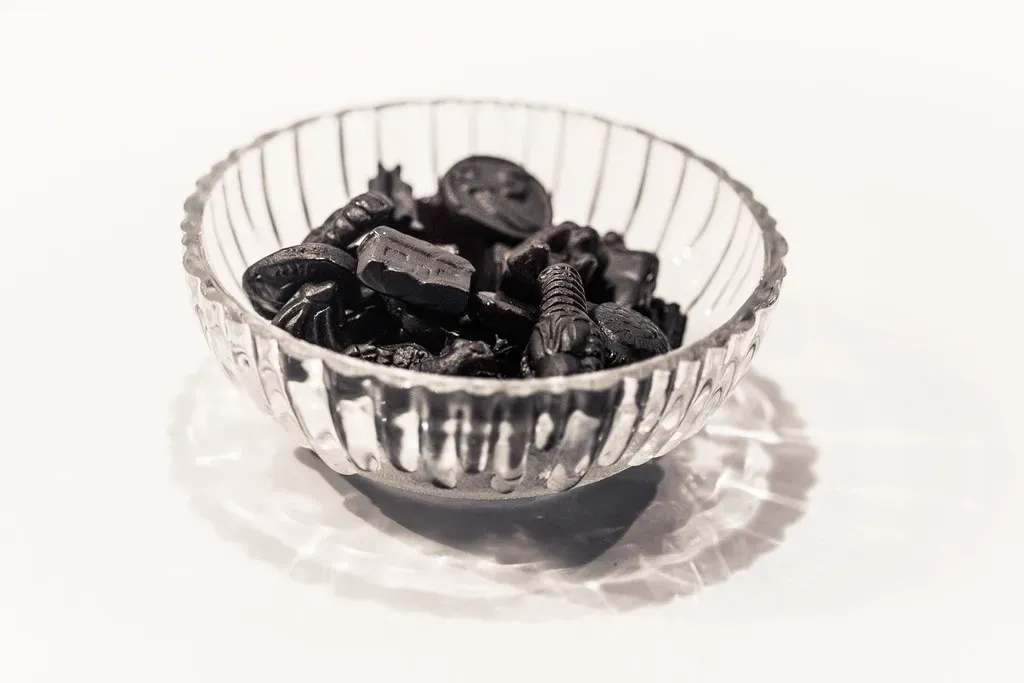
Black licorice has a distinct and polarizing flavor profile characterized by a strong, herbal, and slightly sweet taste with hints of anise or fennel. This unique flavor can be an acquired taste that not everyone enjoys. Some individuals may find it overpowering, medicinal, or simply unappealing. It’s the kind of candy that fans reach for enthusiastically while everyone else quietly shuffles the bowl away.
Some find it sweet, while others find it sickening. The flavor reminds some people of fennel, but it actually comes from glycyrrhizin, a key component of the licorice plant. There’s also the chewy texture and strong aroma. If you do enjoy licorice, enjoy it responsibly – glycyrrhizin is a powerful ingredient, and too much can result in serious health consequences. That last point rarely comes up in the debate, but it probably should.
10. Tofu
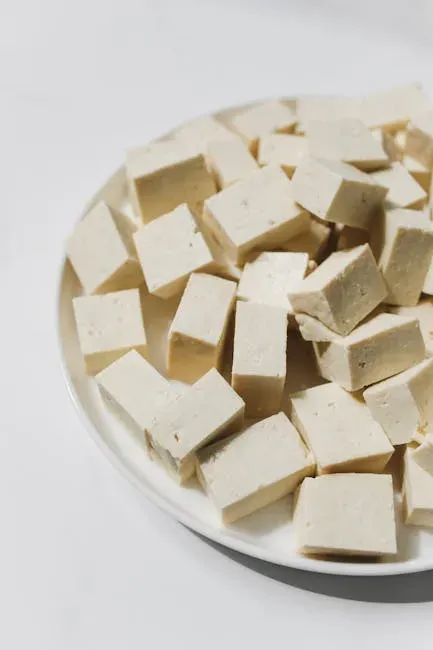
Tofu, a staple in many Asian cuisines, often divides opinion due to its relatively bland taste and unique texture. While some appreciate its versatility and ability to absorb flavors, others find its texture unappealing or too bland. The criticism almost always circles back to the same two words: bland and spongy.
Those who embrace tofu appreciate its versatility and ability to absorb flavors. However, if you’re new to it, it might take some experimenting to find a preparation style that suits your palate, as opinions are sharply divided. The irony is that tofu’s blandness is precisely the point for those who use it well. It becomes whatever you make it. Critics, though, tend to encounter it before anyone has made it anything at all, and that first impression tends to stick.
11. Marmite

Marmite is a spread made from yeast extract with a very distinctive taste. Its slogan, “Love it or hate it,” perfectly captures the public’s reaction. Vegemite and Marmite, yeast extract spreads popular in Australia and the UK respectively, are known for their strong, salty flavor. They are typically spread thinly on toast and are an acquired taste. People either love the umami-rich flavor or find it overwhelmingly intense.
Marmite is usually consumed for breakfast on toast with butter. It’s known for being incredibly salty and packed with vitamin B. However, that doesn’t stop those who dislike it from claiming it should be banned from the breakfast table entirely. Its brand even built an entire marketing identity around the division it creates – which says something about how deeply the disagreement runs. It’s one of the few foods that turned being controversial into a competitive advantage.
What’s striking about this list is how rarely the disagreement is simply about taste in isolation. Genetics nudge some people toward intense bitterness where others taste nothing. Culture shapes whether a fermented smell reads as comfort or threat. Childhood memories of overcooked vegetables or first encounters with raw shellfish leave impressions that no amount of good cooking fully erases. The dinner table debate, in most cases, isn’t really about the food at all. It’s about who you are and how you got there.



Leave a Reply