
Every December, the same spread shows up at holiday tables with an almost stubborn consistency. Some of it is genuinely delicious. Some of it, though, gets quietly pushed to the edge of the plate, covered with a napkin, or politely complimented before being left entirely untouched. Nobody wants to be the person who ruins Christmas dinner by criticizing Grandma’s recipe, so the complaints stay mostly silent.
The foods on this list aren’t evil. A few of them have genuinely fascinating histories. Still, year after year, surveys and dinner table confessions reveal that plenty of people wish these particular dishes would quietly bow out of the holiday season. Here’s who made the list.
1. Fruitcake
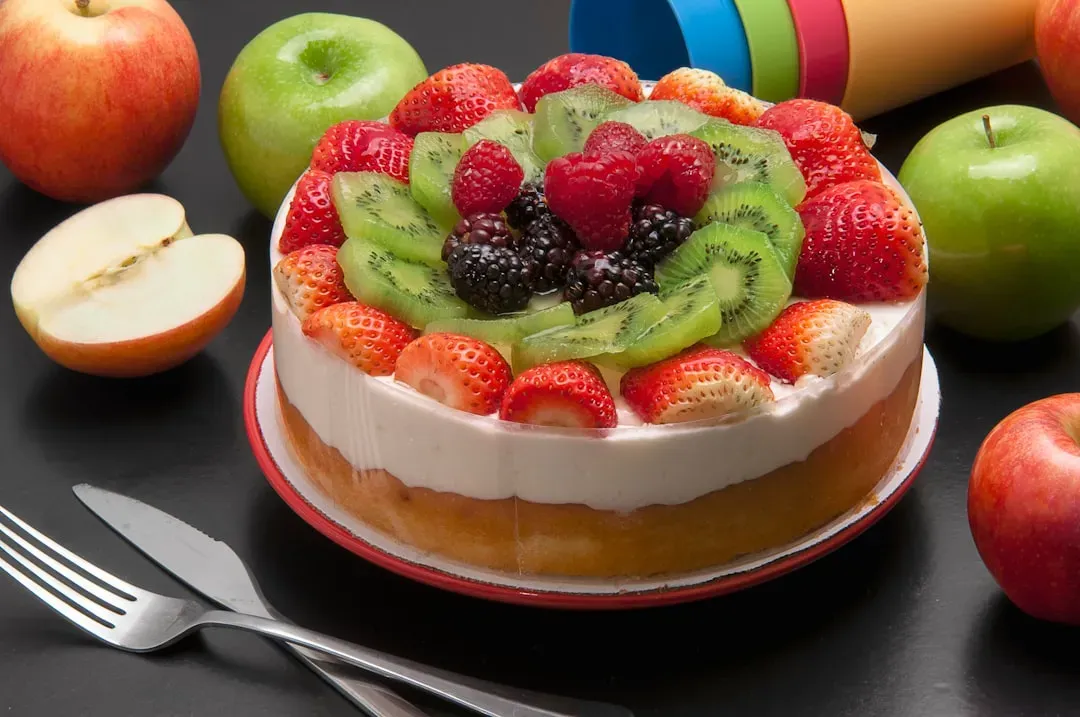
Fruitcake consistently ranks among the least popular Christmas foods in the United States. Its reputation has been battered for decades, partly through culture and partly through sheer repetition. Over time, fruitcake garnered a reputation as an easy-yet-thoughtless Christmas gift, and jokes about using it as a doorstop or regifting the same cake for decades became the norm.
One nail was driven into the coffin in the early 20th century when mass-produced mail-order fruitcakes became available, creating the regrettably classic image of a dry, leaden cake encrusted with garish candied fruits and pecans. Some of fruitcake’s most outspoken 21st-century detractors have never even tasted the real deal, and one article summed it up by noting that “people just hate fruitcake because they’ve been taught to hate fruitcake.” Fair point, though the damage to its image is likely permanent.
2. Eggnog
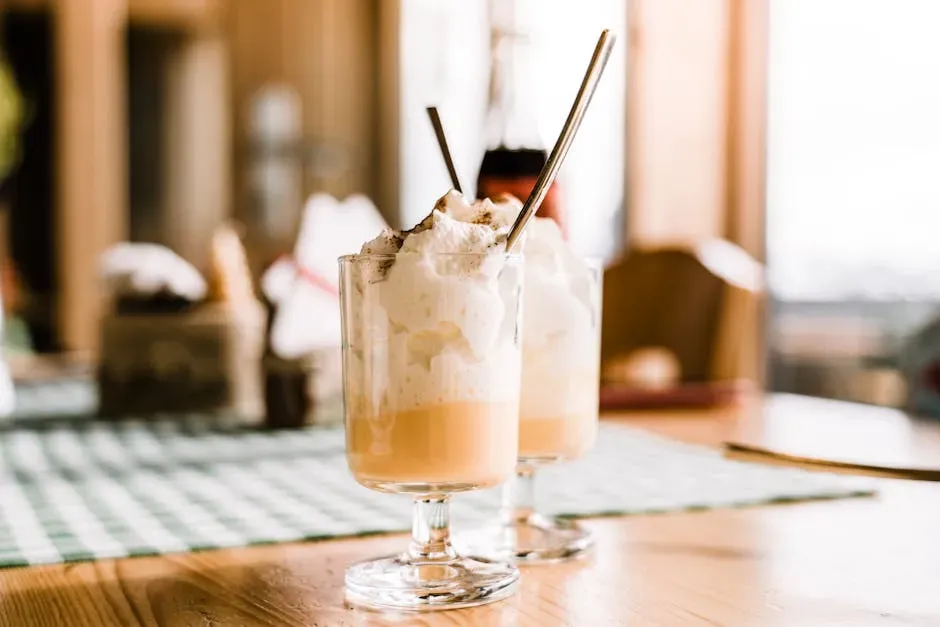
Eggnog is one of those holiday drinks that people either absolutely love and will chug with gleeful reckless abandon, or it makes someone’s face turn a faint shade of green when it’s broken out for a post-dinner refreshment. The divide is remarkably sharp for something that shows up everywhere from December onward. While eggnog isn’t universally loved in the U.S., Americans nonetheless consume more than 15 million gallons of eggnog annually.
The creamy, spiced beverage is believed to have originated in medieval Britain as a “posset,” a comforting mixture of hot milk or cream, wine or ale, and spices. Even George Washington had his own famous recipe, a potent concoction calling for rum, whiskey, and sherry alongside the usual eggs, cream, and sugar, and his version was said to be so strong that guests were cautioned to drink carefully. History aside, the thick, custardy texture is simply not for everyone.
3. Brussels Sprouts Casserole
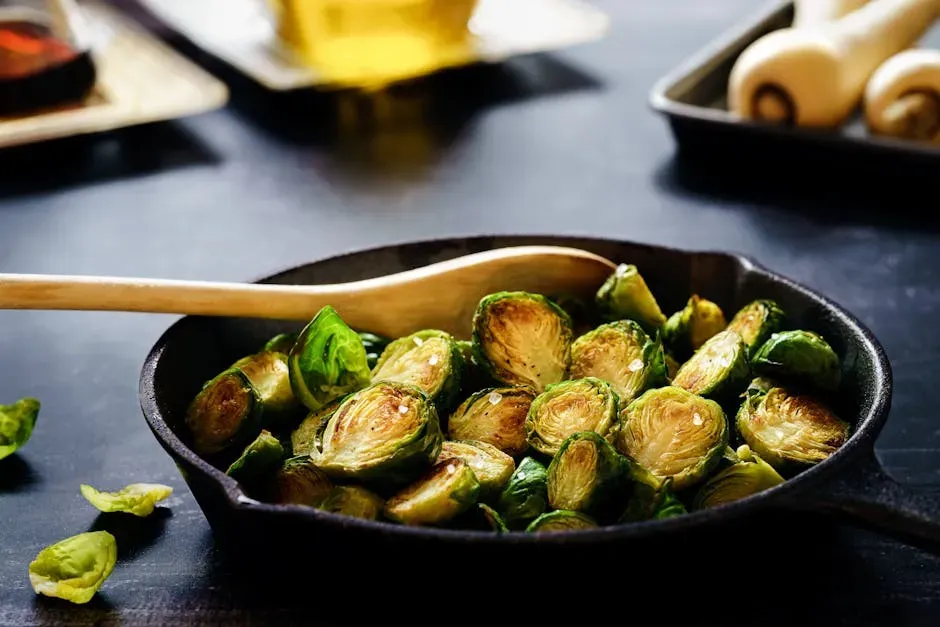
The most-hated Christmas dish in a Mashed survey was Brussels sprouts casserole, with more than 38 percent of respondents saying it was the worst dish. Plain Brussels sprouts are already divisive enough on their own, but smothering them in cheese and cream sauce doesn’t appear to win any converts. Plain Brussels sprouts were also voted the least-favorite Thanksgiving dish, and it looks like dressing those sprouts up with cheese and cream can’t help their reputation. In fact, hatred of Brussels sprouts might even be genetic.
The casserole format, which turns perfectly identifiable vegetables into an unrecognizable beige mass, tends to make things worse rather than better. Whatever goodwill Brussels sprouts have earned among food culture enthusiasts in recent years hasn’t translated to the Christmas table. For a large portion of dinner guests, this dish remains the one they hope doesn’t appear.
4. Christmas Goose
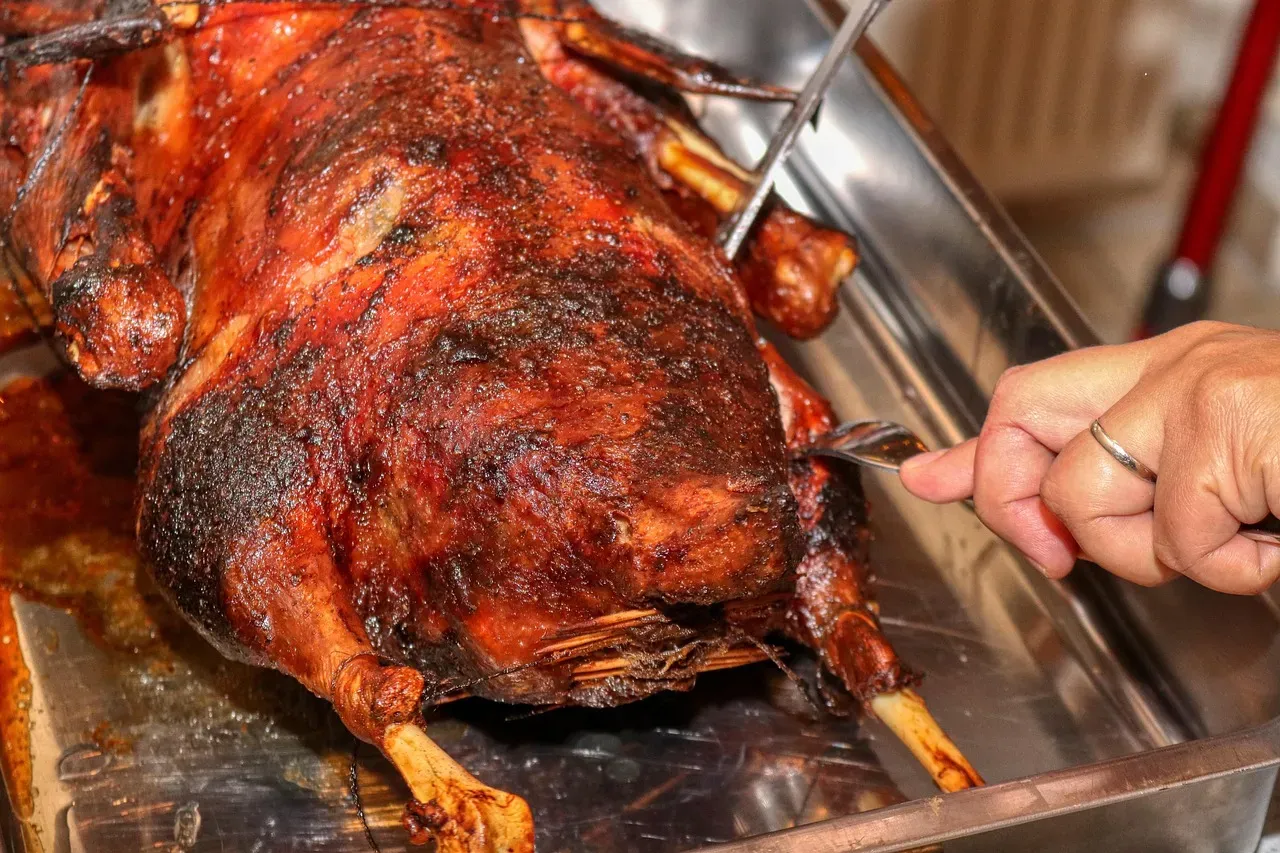
One of the most reviled classic Christmas dishes is Christmas goose. Goose is hard to cook if you aren’t used to it, because it’s full of fat, and it’s essentially an outdated dish that’s more complicated to cook than most other meats, with over a quarter of survey respondents calling it the worst classic Christmas dish. Despite its Charles Dickens-era charm, the bird never made a serious comeback in modern kitchens. According to a 2020 YouGov survey, Americans’ top five favorite Christmas foods are roast potatoes, mashed potatoes, turkey, bread or rolls, and stuffing, while goose sits near the very bottom of the list.
There’s something almost theatrical about Christmas goose. It sounds impressive, it has centuries of tradition behind it, and practically nobody wants to eat it. Pennsylvania’s least favorite Christmas food in one regional survey was goose, reinforcing just how broadly the bird is disliked. Cooking a goose well requires significant skill, and the payoff for most dinner tables simply doesn’t justify the effort.
5. Mince Pies
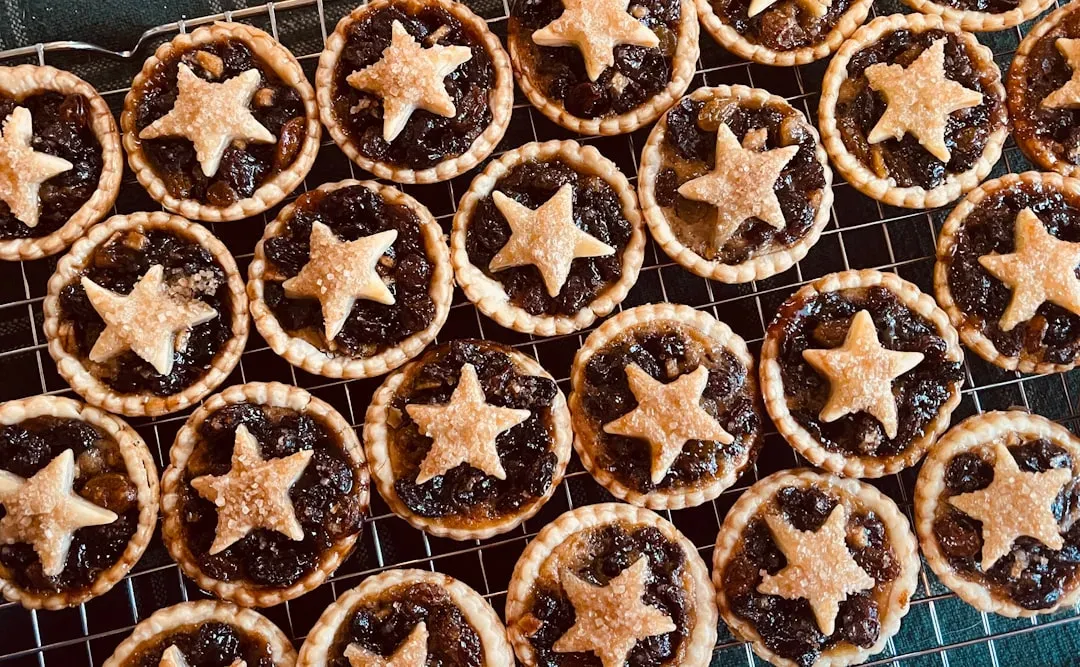
In a poll of 2,000 adults who celebrate Christmas, it’s mince pies that took the top spot as the most disliked festive food, with Brussels sprouts coming in fifth place behind cranberry sauce and Christmas cake. That’s a striking result for a pastry so firmly associated with the holiday season. The filling, which is actually a mix of dried fruits and spices rather than meat, is technically called “mincemeat,” but that detail doesn’t make the British delicacy any more universally appealing.
For those who didn’t grow up with them, mince pies can be difficult to appreciate. The dense, sticky filling packed with raisins, currants, and mixed peel has a concentrated sweetness that sits heavily. Christmas pudding, Christmas cake, and trifle are all among the least-loved festive foods, with more than half of respondents in one Aldi survey describing them as “dated.” Mince pies sit comfortably in that same “obligatory but unloved” category for a surprisingly large portion of holiday guests.
6. Cranberry Sauce
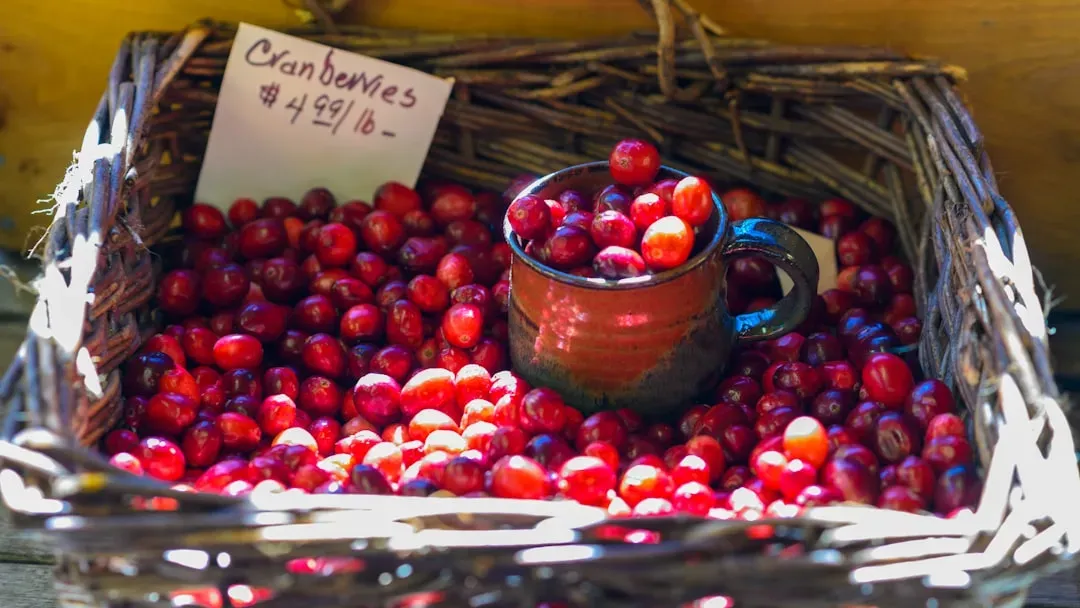
Cranberry sauce ranks as the most hated Christmas food in several U.S. states, including Connecticut, Georgia, and Louisiana, among others. It’s the dish that appears on nearly every table yet gets bypassed by a significant share of guests. The bright red color looks festive, but the taste, which swings between bracingly tart and cloyingly sweet depending on the version, leaves many people cold.
The canned variety, which arrives at the table in a perfectly ridged cylinder that holds the shape of the tin, has become something of a cultural joke in its own right. Homemade versions fare better in reputation, though not always in consumption. To determine the most and least popular holiday foods across the country, one survey covered over 2,100 Americans asking their opinions on Christmas foods including entrees, sides, desserts, and drinks. Cranberry sauce’s persistent appearance across least-favorite lists in multiple states suggests it has a broader problem than just personal preference.
7. Candy Canes

We cannot picture Christmas without the onslaught of candy canes; however, their sheer abundance during the holiday season has made them feel more like an obligatory prop rather than a candy we actually crave. That description captures the situation about as well as anything. The origin of candy canes has been traced back to western Germany, when in 1670, a choirmaster at the Cologne Cathedral passed out sugar sticks to occupy restless choirboys during a live nativity ceremony.
Candy canes rank low on the list of Americans’ favorite Christmas candy, and yet there always seems to be one just an arm’s reach away. The peppermint flavor, which floods supermarkets and coffee shops from November onward, reaches a kind of saturation point that turns mild enjoyment into quiet exhaustion. New York’s least favorite Christmas food in one regional survey was specifically peppermint bark, which shares the same dominant flavor. At a certain point, the ubiquity of the candy cane stops feeling festive and starts feeling inescapable.
None of these foods are going anywhere soon, of course. Tradition has a powerful gravitational pull, and the fact that something appears on a least-favorites list doesn’t mean the people who love it are wrong. Holiday tables have always been a negotiation between personal taste and inherited ritual. Still, if a few of these dishes quietly disappeared from the rotation, more than a few guests would breathe a small, relieved sigh over their dinner plates.
Leave a Reply