
Switzerland
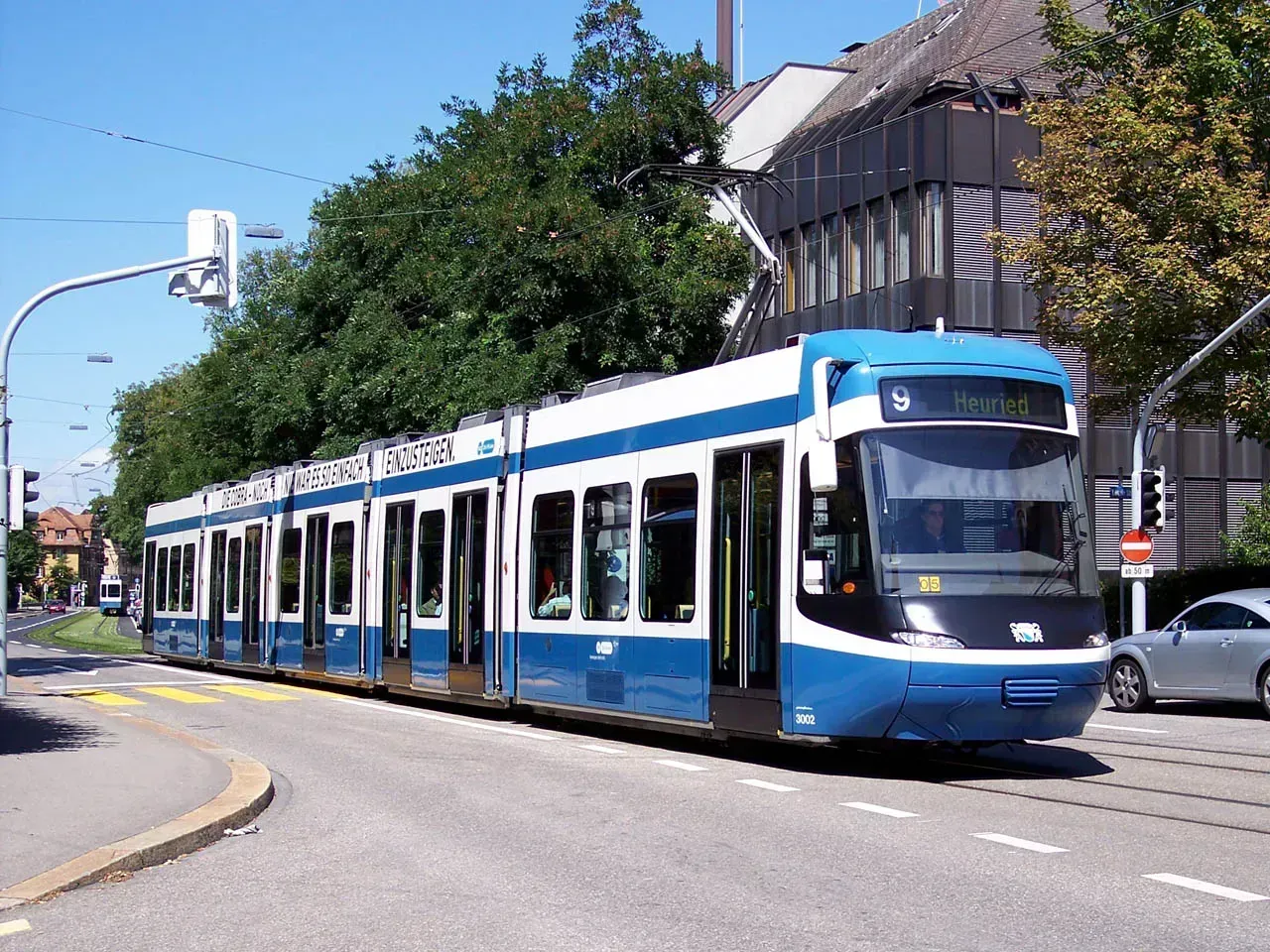
Switzerland runs what might be the most tightly coordinated transit network on the planet. The share of public transport in total motorised land transport in 2024 rose by 0.4 percentage points compared to the previous year to 22.9 percent, a new record for the second year in a row. That’s a meaningful share in a country known for mountain roads and car-friendly highways.
Zurich alone tells the story well. Public transport in Zurich serves the city through boat, bus, train, and tram, with daily ridership topping 1.3 million and annual ridership exceeding 500 million trips. Add in the fact that residents typically live within 400 metres of a bus, tram, or railway station, and it becomes clear why so many Swiss households simply never bother buying a car.
Japan
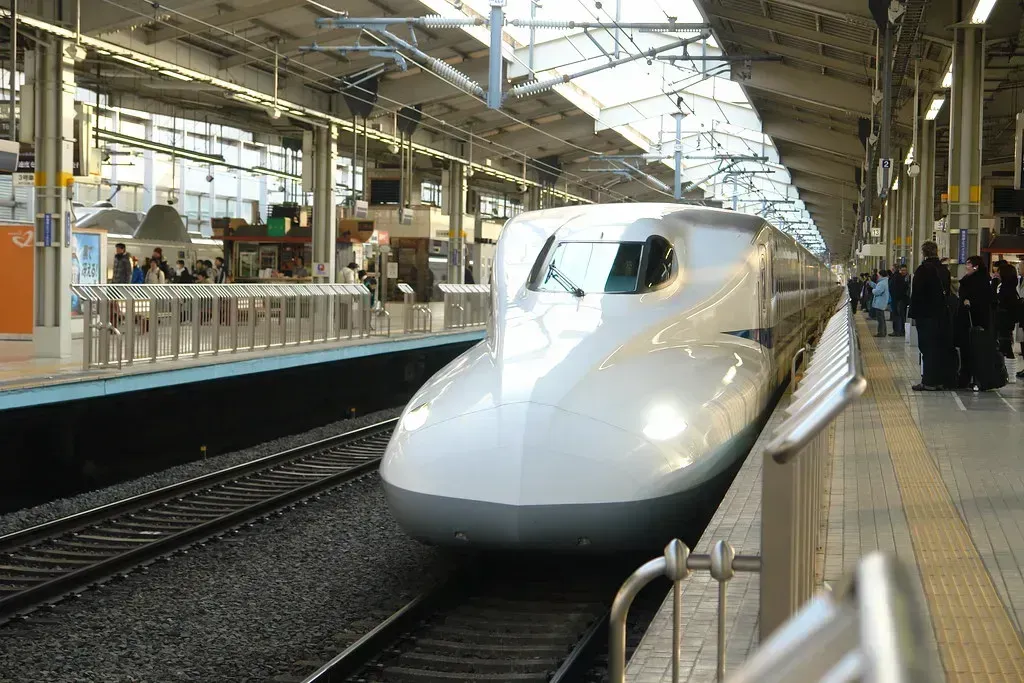
Japan’s rail reputation isn’t hype, it’s measurable. In 2024 the Tokaido Shinkansen, which runs from Tokyo to Osaka, had an average delay of just 1.6 minutes per train in service. Some networks do even better, with JR Central reporting that the high-speed rail network averages about 0.9 minutes of delay per train annually.
This isn’t a one-line achievement either. Japan’s rail network has maintained an average delay of under one minute per train for decades. When trains this reliable connect nearly every corner of the country, from bullet trains between cities to dense subway lines within Tokyo and Osaka, the case for owning a car largely evaporates for city dwellers.
Singapore
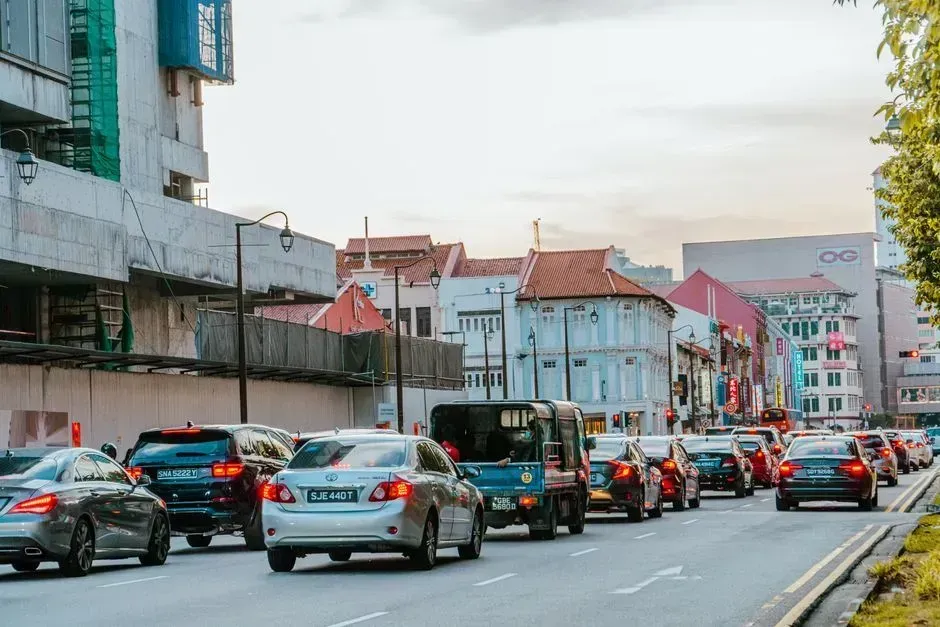
Singapore has essentially engineered car ownership out of reach for most residents, and the numbers back that up. The COE for Category A cars, those with an engine capacity below 1.6 liters, hit a record S$129,000 during a recent round of bidding, an amount approaching the median household income in the city-state. That’s before you’ve even paid for the vehicle itself.
Meanwhile, the alternative is remarkably cheap by comparison. Owning and running a car in Singapore costs roughly fifteen to twenty five times more per month than using public transport. With the MRT network expanding steadily and buses covering nearly every neighborhood, most commuters simply have no financial reason to fight for a Certificate of Entitlement.
Hong Kong
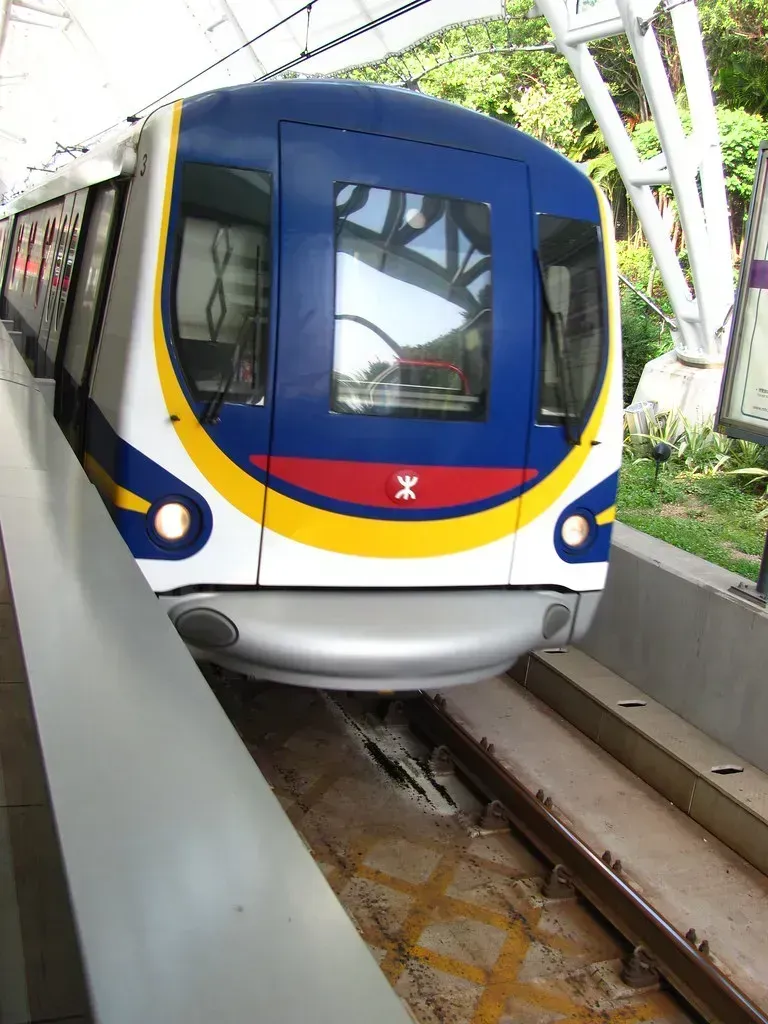
Hong Kong’s geography does a lot of the work here. Owning a car in Hong Kong is expensive, and as a result the city has one of the highest public transit ridership levels globally, with a modal split of 70 percent. Dense housing towers built around train stations make walking to a platform far easier than finding parking.
Despite that dominant modal share, car numbers have crept upward in recent years anyway. The private car parc in Hong Kong increased from around 472,000 in 2011 to 645,351 in 2023. Even so, for the average commuter, the MTR remains faster, cheaper, and considerably less stressful than sitting in cross harbour traffic.
Germany

Germany’s answer to expensive, fragmented regional tickets was refreshingly simple: one nationwide pass. The Deutschlandticket is a monthly ticket for local and regional public transport in Germany, valid nationwide and allowing unlimited travel on participating services. It launched as a follow up to an even cheaper summer experiment that proved wildly popular.
Pricing has crept up since the early days, though it remains a bargain for anyone commuting regularly. The ticket cost 49 euros per month at launch, increased to 58 euros in January 2025, and rose again to 63 euros in January 2026. Even at the higher price, one flat monthly fee covering trams, buses, subways, and regional trains across the entire country is hard for private car costs to match.
Netherlands
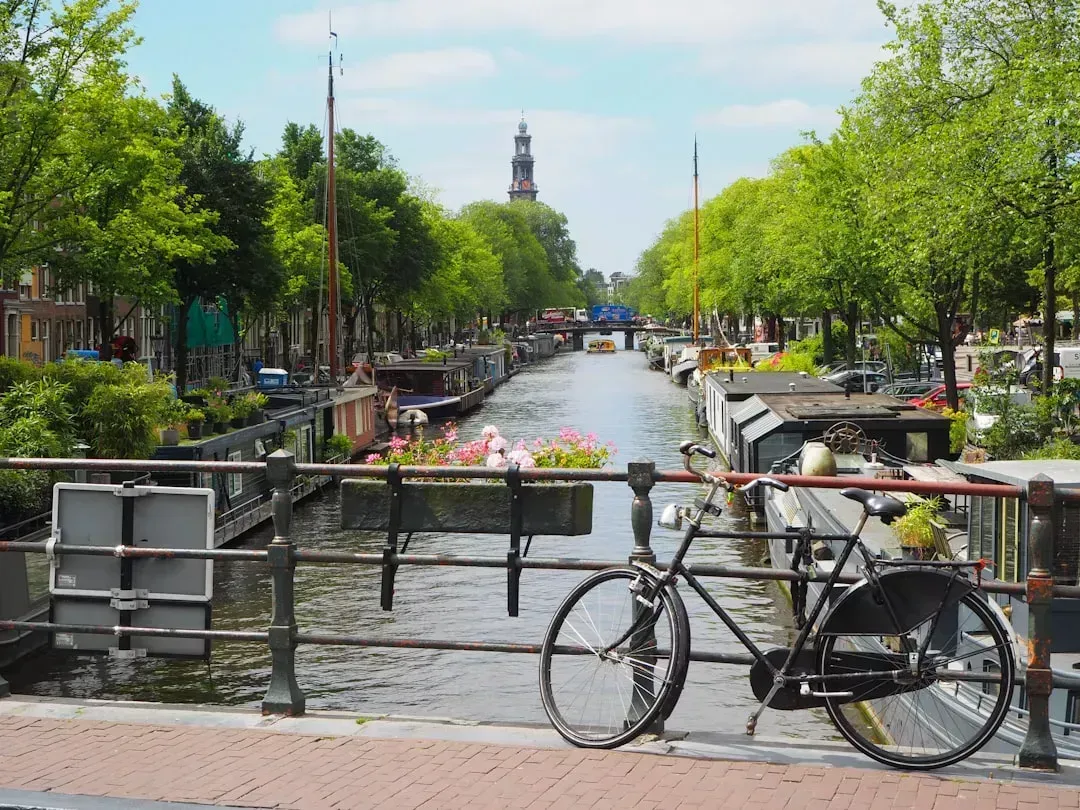
The Dutch approach blends two things most countries treat as separate: cycling and rail. Trains run frequently between cities that are rarely more than an hour or two apart, and nearly every station has secure bike parking so commuters can pedal the first and last mile of their journey. That combination removes much of the friction that usually pushes people toward driving.
Dutch cities are also compact and dense by design, which makes car ownership feel more like a burden than a convenience once you factor in parking costs and narrow streets. The national OV-chipkaart system ties buses, trams, metros, and trains together under one payment method, so switching modes mid journey doesn’t require buying a new ticket every time. For a lot of Dutch households, a bicycle plus a rail pass simply covers everything a car would, minus the insurance bill.
South Korea
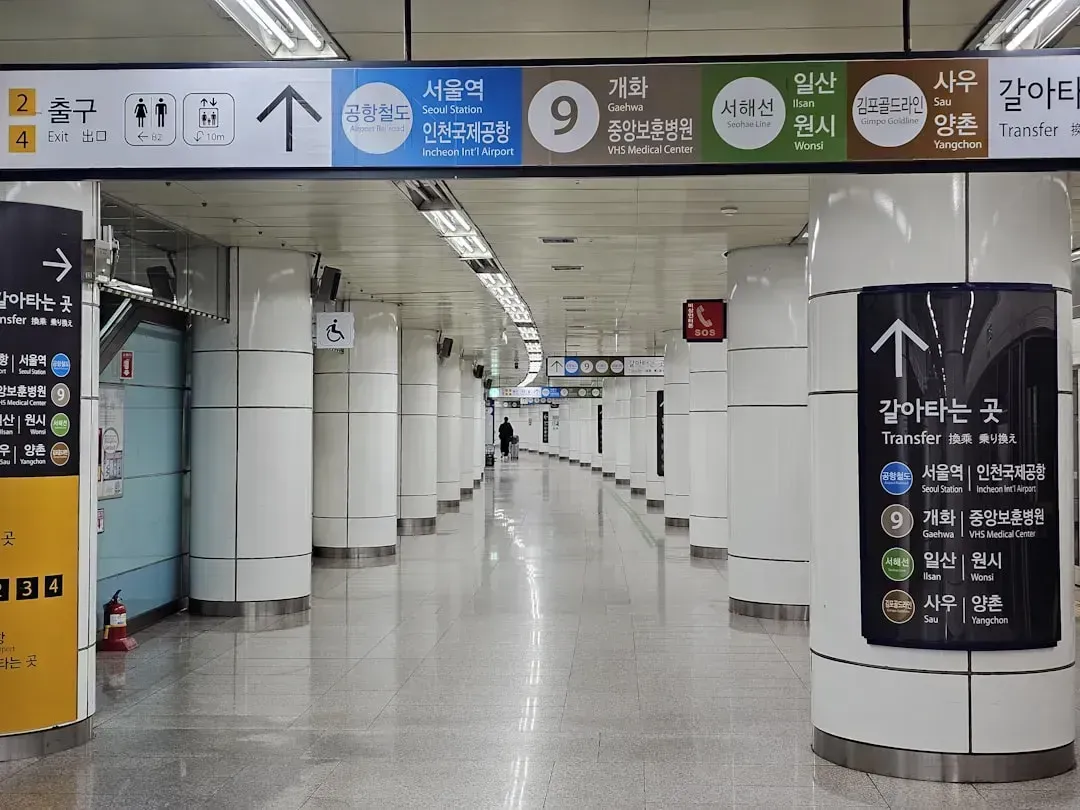
Seoul’s subway system is one of the most extensive in the world, and it’s built to move enormous numbers of people quickly through a city where private parking is scarce and expensive. The T-money card system lets riders tap between buses and trains without worrying about separate fares, which keeps daily commuting simple and affordable. Trains also run late into the night, reducing the temptation to drive just to avoid missing the last train home.
Outside the capital, high-speed KTX trains connect major cities in a fraction of the driving time, making long distance travel by rail the obvious choice for business trips and family visits alike. Add in notoriously congested Seoul traffic and steep parking fees in the city center, and the math rarely favors car ownership for anyone living and working within the metro area.
Austria
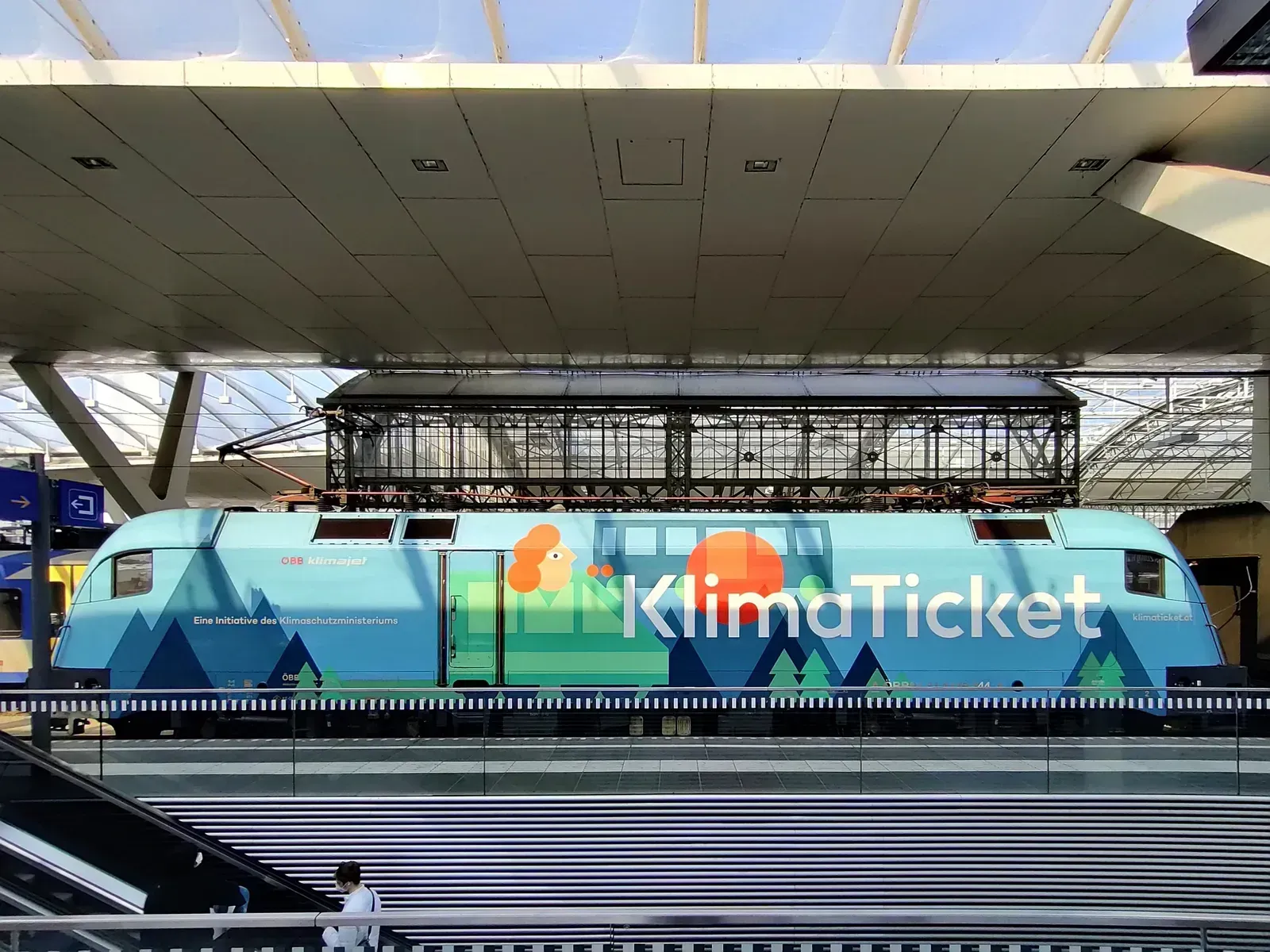
Austria took a page from Germany’s playbook, only earlier. The country’s nationwide Klimaticket, introduced as an annual pass covering nearly all public transport across Austria, was famously marketed around the idea of costing about three euros a day for unlimited travel on trains, trams, and buses nationwide. That kind of pricing turns a yearly subscription into something that competes directly with the cost of fuel alone for most drivers.
Vienna in particular has leaned into this for decades, with a dense U-Bahn and tram network that makes owning a car in the city center more hassle than benefit. Parking permits are limited and pricey in many districts, which nudges residents further toward transit. Combined with the countrywide pass, Austria has built one of the more coherent transit to car cost gaps in Europe.
France
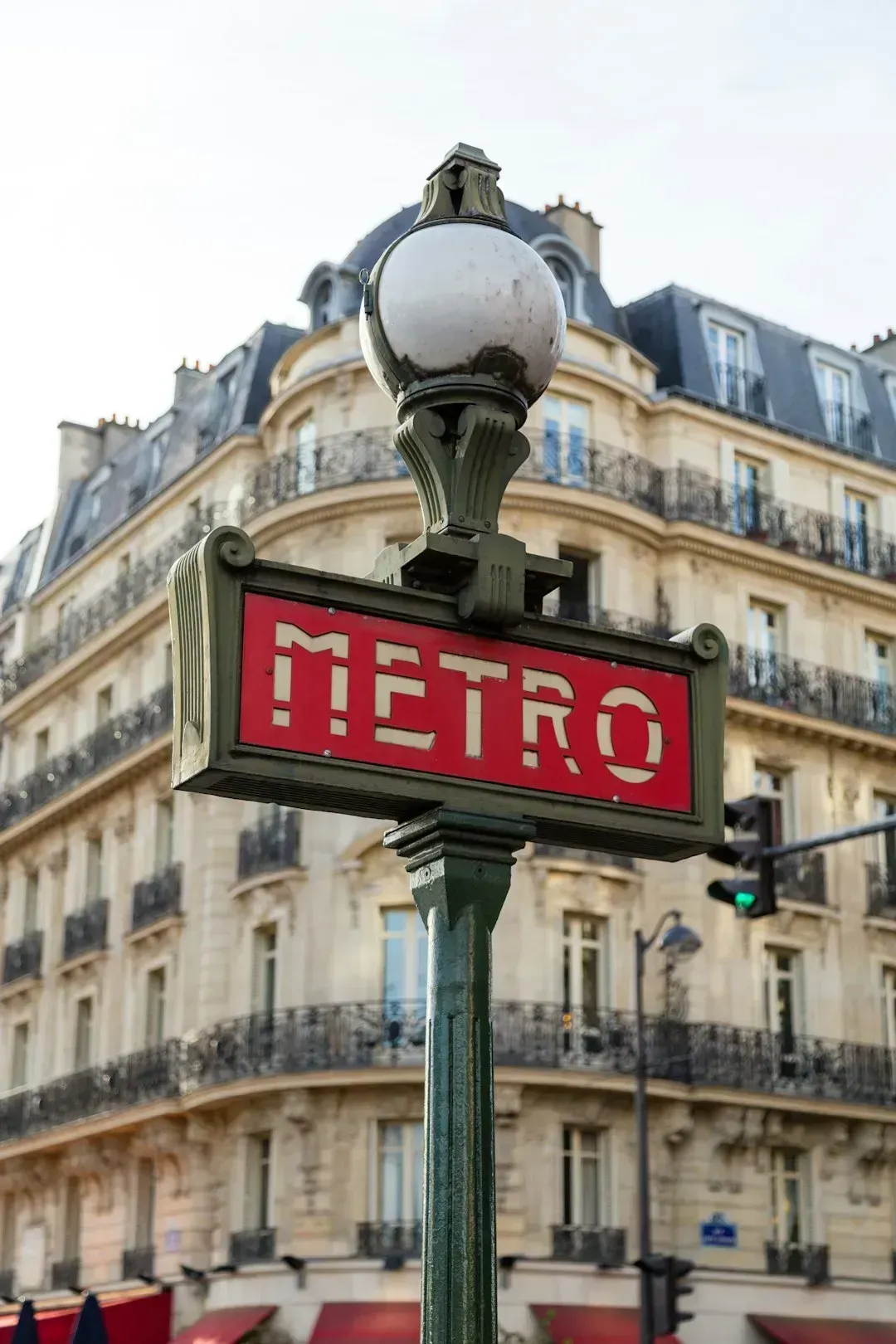
Paris runs on a Metro system that’s dense enough to put most residents within a short walk of a station, and the Navigo pass bundles buses, trams, and trains into one manageable monthly cost. Intra muros car ownership rates in the French capital have fallen for years as city policy has steadily reduced parking and expanded pedestrian and cycling zones. For many Parisians, a car is more of a weekend rental need than a daily necessity.
Beyond the capital, the TGV high-speed rail network connects major French cities fast enough that flying or driving rarely makes sense for trips under a few hours. Lyon, Marseille, and Bordeaux are all reachable from Paris in roughly the time it would take to just get out of city traffic by car. That intercity speed, paired with strong urban transit, gives France an unusually complete case against car dependence.
Denmark
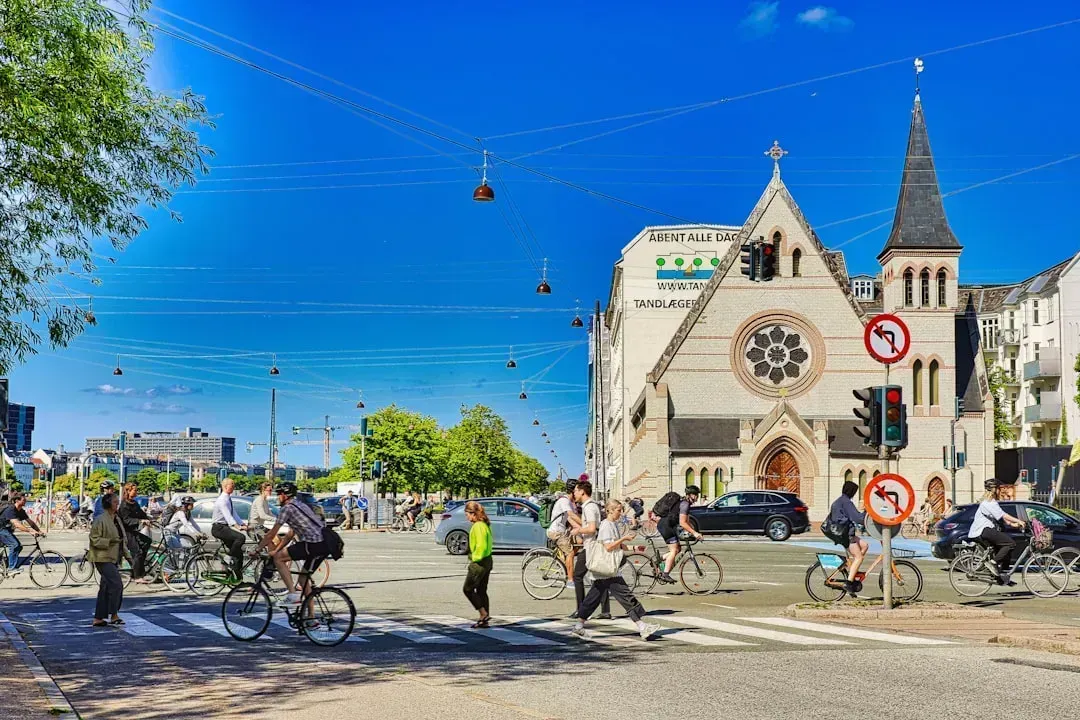
Copenhagen’s driverless metro runs frequently enough that waiting more than a few minutes for a train is unusual, and it connects smoothly with the city’s S-train commuter rail network. What really sets Denmark apart, though, is how thoroughly cycling has been woven into daily transit rather than treated as a separate hobby. Wide, protected bike lanes make pedaling to a train station a normal part of the commute rather than a workaround.
High registration taxes on new vehicles have historically kept car ownership costs steep in Denmark, which reinforces the appeal of transit and cycling as the default. Copenhagen’s city planners have also prioritized closing off central streets to car traffic over the years, further tilting the balance. The result is a capital where getting around without a car doesn’t feel like a compromise.
Spain
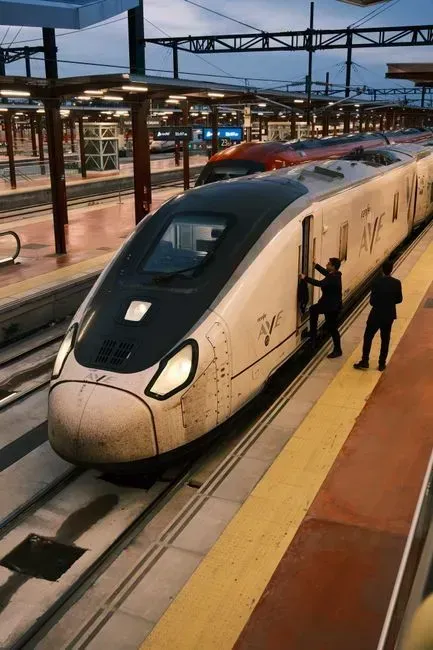
Spain’s AVE high-speed rail network is one of the largest in Europe, linking Madrid to cities like Barcelona, Seville, and Valencia in journey times that often beat flying once airport transfers are factored in. Fares are competitive enough that many Spaniards default to rail for trips between major cities rather than driving or booking a flight. That intercity convenience pairs well with strong urban systems in Madrid and Barcelona, both of which run extensive metro networks.
City living in Spain also tends to favor density over sprawl, with older neighborhoods built long before cars were part of daily life. Narrow streets and limited parking in historic centers make driving impractical even for those who own a vehicle for weekend trips. Between the rail network and compact urban design, Spain offers a genuinely workable alternative to car dependence across much of the country.
Taken together, these eleven countries show that the case against car ownership isn’t really about giving something up. It’s about living somewhere the alternative was built with enough care that it simply works better. Dense housing near stations, integrated fare systems, and trains that show up when they say they will end up mattering more than any single subsidy or tax policy. For residents in these places, the car in the driveway has quietly become optional rather than essential.




Leave a Reply