
1. Used Motor Oil
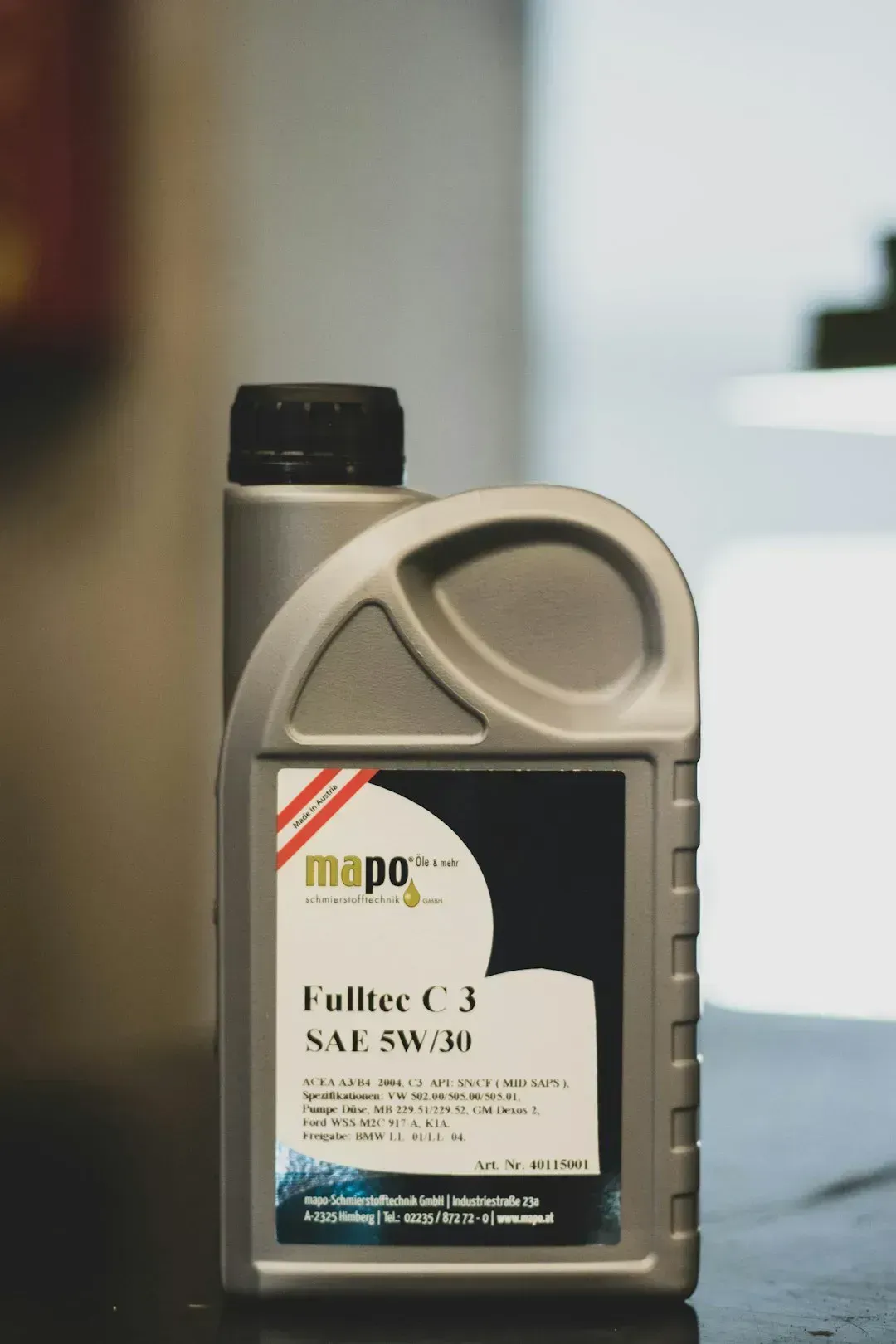
Used motor oil is one of the most regulated common household waste products. Virginia’s Department of Environmental Quality explicitly states: do not dispose of fluids by placing them into or on driveways, ditches, dry wells, surface water, roadways, or storm sewers. It sounds like obvious advice, yet old oil still ends up poured out on driveways with some regularity, especially after DIY oil changes.
Pouring used oil onto roads or driveways is illegal since used oil may contain heavy metals and additives that can lead to soil and water contamination. The right move is to drop it off at a vehicle service center that accepts used oil, where it can be refined into lubricants, processed into fuel oils, or used as raw materials for the petrochemical industries.
2. Old Tires
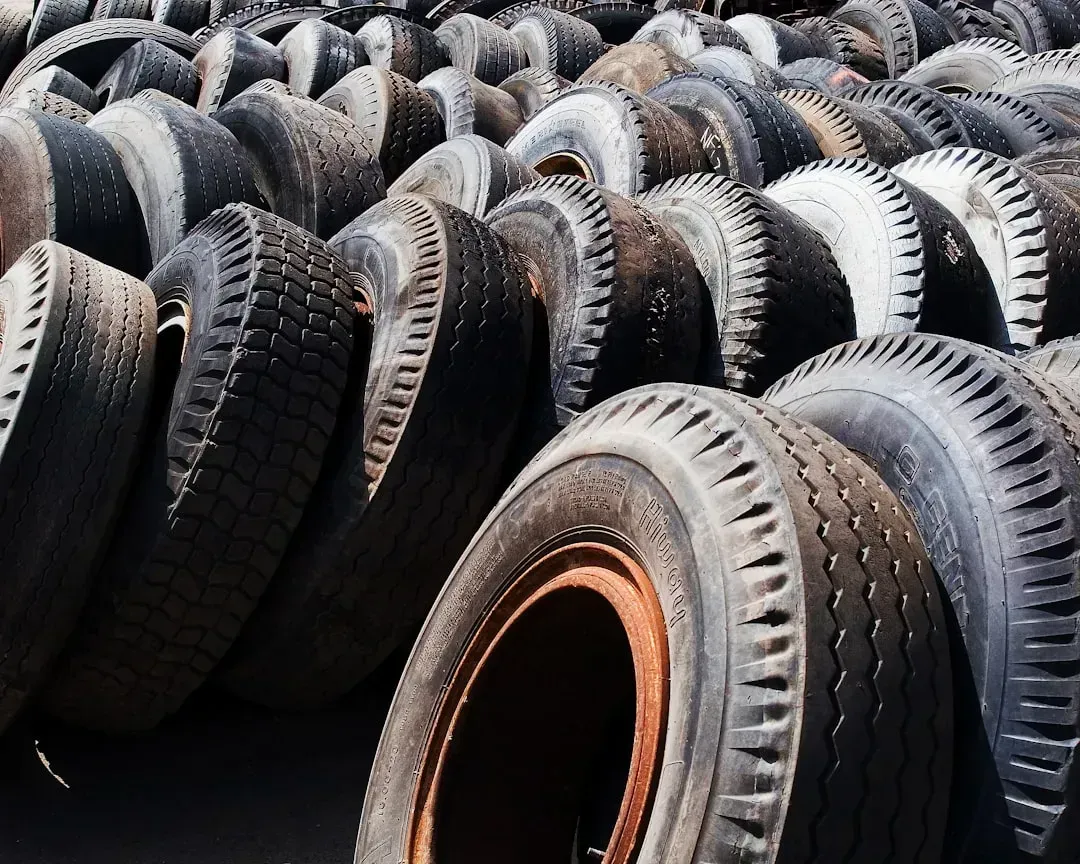
Nearly 300 million worn-out tires are discarded each year in the United States. They are banned from landfills in most states because they have a tendency to rise to the surface of the landfill, their shape invites a watery home for disease-carrying insects, and they pose a fire risk. Leaving them piled in a driveway creates the exact same problems.
Discarded tires and other waste materials capture and hold rainwater. Standing water is a prime breeding ground for mosquitoes, which can carry West Nile Virus. In addition, discarded waste attracts rats and endangers children who play in it. Tire retailers typically accept your old car tires when you purchase new ones. Some states also have special tire recycling facilities that will take them. They can be recycled into rubber-modified asphalt, automotive products, landscaping mulch, and tire-derived fuel.
3. Car Batteries and Lead-Acid Batteries
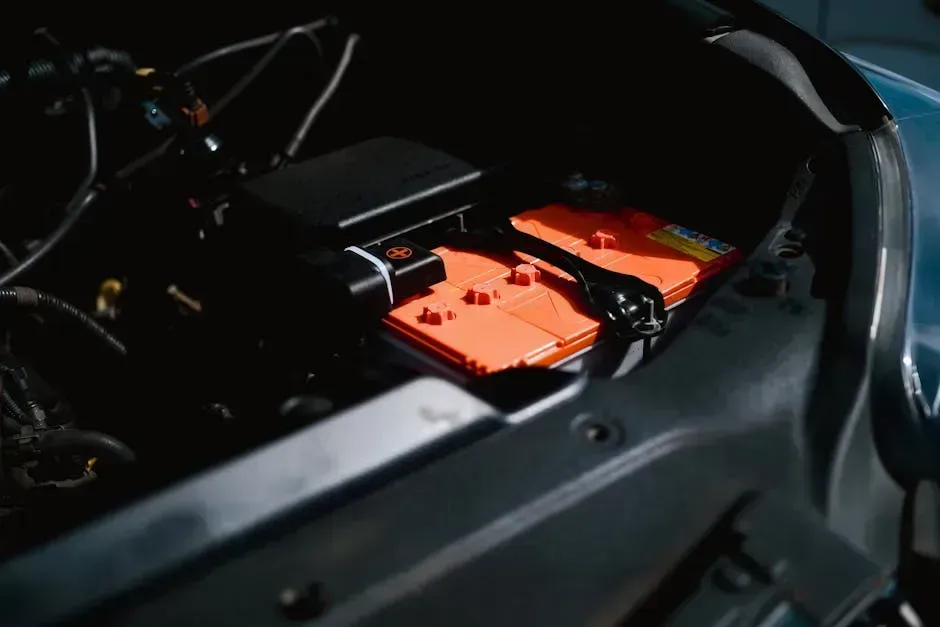
Car batteries and lead-acid batteries are packed with toxic chemicals like sulfuric acid and lead. When dumped improperly, they can leak and contaminate soil and groundwater, posing long-term health hazards. Most states ban their disposal in regular trash or landfills. Still, people routinely toss old batteries at the edge of a driveway when swapping them out for new ones.
The type of waste is relevant here. Illegally disposing of a toxic chemical or hazardous item such as a car battery may constitute illegal dumping, even though the volume or size of the waste material is relatively small. Bringing rechargeable and lead-acid batteries to a local hazardous household waste collection site is the proper route. Batteries often contain valuable minerals that can be recovered for reuse.
4. Old Electronics and E-Waste
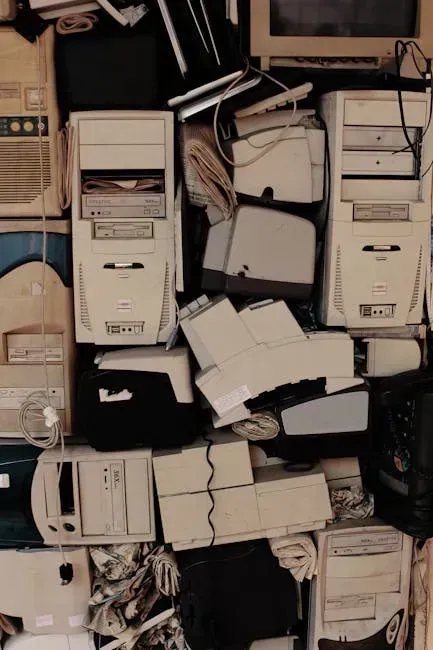
Old computers, TVs, printers, and other electronics contain heavy metals like lead and mercury. These substances are banned from landfills under state law. Dumping electronics on your driveway is a form of illegal dumping and carries enforcement risk. The casual habit of leaving a broken television at the end of the driveway for someone to “take if they want it” is far more legally complicated than it looks.
CRT monitors in older TVs and computer screens contain lead concentrations high enough to qualify as hazardous waste on their own. Roughly half the states have enacted express landfill bans on electronic devices, and even where no ban exists, most facilities refuse them. Recycling your electronics with a licensed electronics recycler or taking them to a community e-waste collection event is the safe and legal alternative.
5. Oil-Based Paint and Paint Thinner

Wet paint, paint thinners, and lacquers contain hazardous solvents and are banned from disposal in landfills. Even with a quick paint job, leftover cans can’t be tossed in regular trash. The distinction between paint types confuses a lot of people because both sit next to each other on the hardware store shelf.
Latex paint is not classified as hazardous. If you let it dry out completely by leaving the can open or mixing in shredded newspaper, you can throw it in the regular trash. Oil-based paint is a different story entirely; it’s considered hazardous waste and needs to go to a household hazardous waste collection event or facility. This catches people off guard because both types look nearly identical at first glance.
6. Refrigerators, Freezers, and Air Conditioners
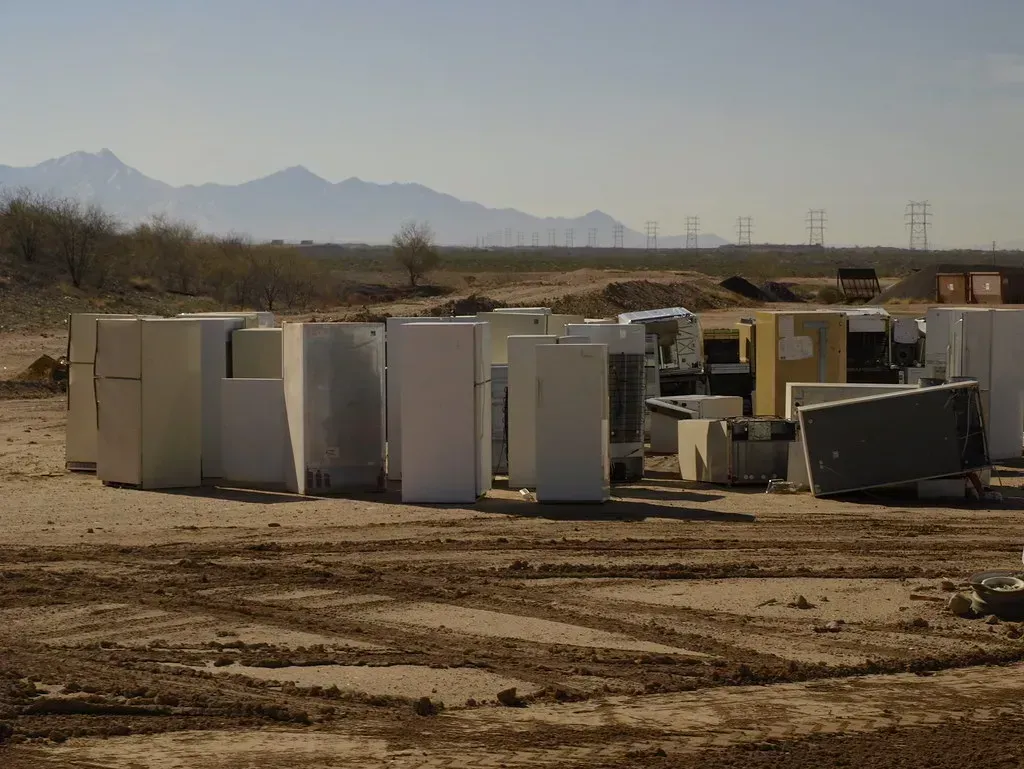
The issue with refrigerators, freezers, and air conditioning units isn’t their size. It’s the refrigerant inside them. Under Section 608 of the Clean Air Act, refrigerant must be recovered from appliances before final disposal. Dragging an old fridge to the driveway and leaving it there isn’t just an eyesore. It’s a federal violation waiting to happen.
Household appliances may contain components that are harmful to the environment, like mercury switches, chlorofluorocarbon (CFC) refrigerant gas (commonly known as Freon), and polychlorinated biphenyls (PCBs). These large appliances, such as refrigerators, air conditioning units, freezers, ranges, and water heaters, are sometimes called white goods. Appliances still in working condition should be donated. If you’re purchasing a new appliance, ask the retailer if they will take away your old one, as many do.
7. Pesticides, Herbicides, and Pool Chemicals
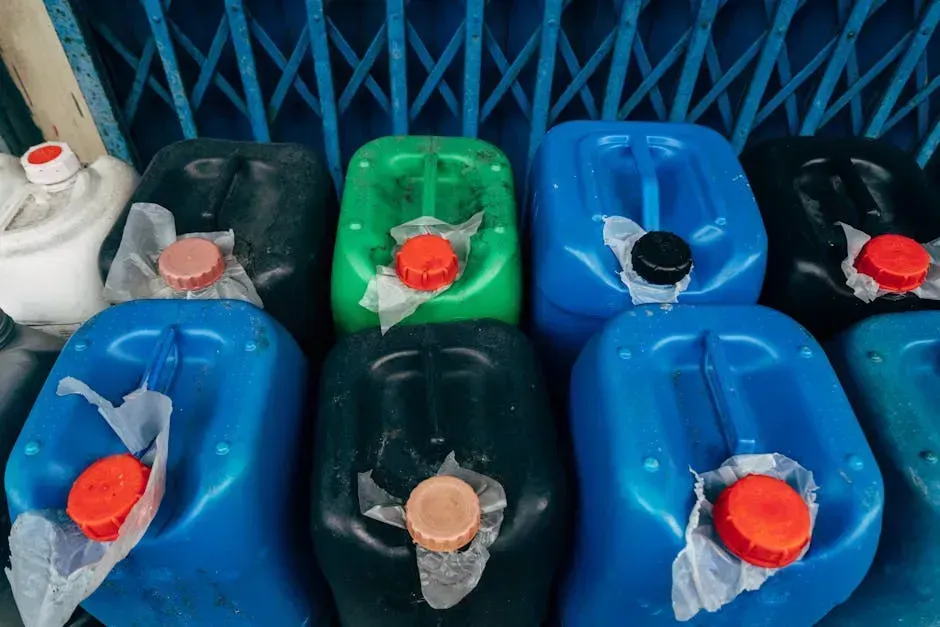
Items like paint, solvents, pesticides, pool chemicals, and driveway sealers often contain flammable, corrosive, or toxic ingredients. In North Carolina, they’re banned from landfill disposal. Dumping them on your driveway or anywhere else is a violation and a safety risk. The proper option is to bring these items to local household hazardous waste collection sites or events.
Some everyday household products qualify as hazardous waste because they’re flammable, corrosive, reactive, or toxic. The EPA specifically identifies paints, cleaners, oils, batteries, and pesticides as household hazardous waste that requires special disposal care. Items like oil-based paints and paint thinner, lawn chemicals, cleaning products, and pesticides can pose dangers to humans and the environment when thrown away improperly. Labels that say “warning,” “hazardous,” “toxic,” “flammable,” or “corrosive” are a clear signal that regular trash disposal is off the table.
8. Pressurized Aerosol Cans (Partially Full)
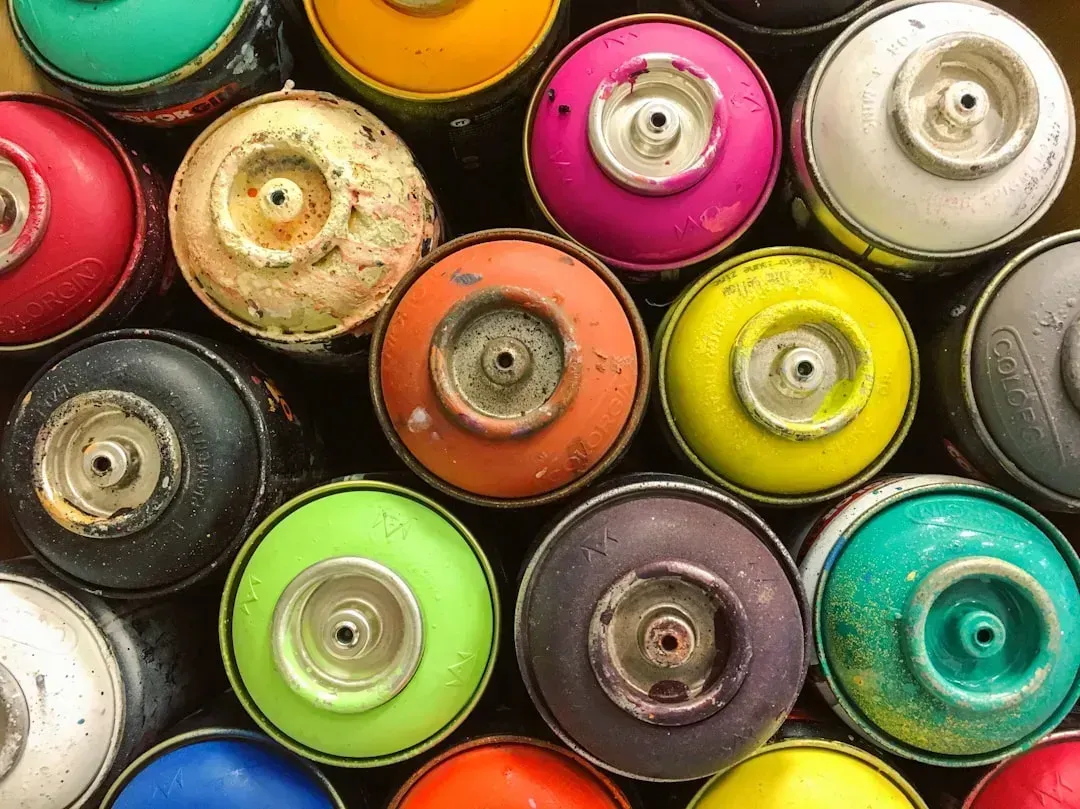
Full or partly full aerosol cans are considered pressurized containers and can explode if crushed or heated. Dumping these on your driveway is unsafe and likely illegal. It’s the kind of item that gets tossed outside during a garage cleanout without a second thought, partly because empty aerosol cans often do qualify for regular trash.
Empty aerosol cans with no residue and dried-out paint cans are generally acceptable in standard disposal, but anything with liquid content or chemical residue is off the table entirely. Flammables and poisons, including solvent-based paints and reactive and explosive materials, should be brought to your local household hazardous waste facility. The contents matter as much as the container itself.
9. Propane Tanks
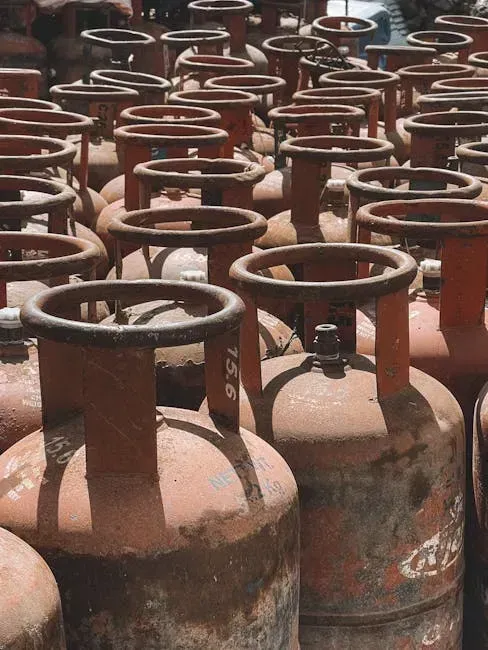
Propane tanks, stains, varnishes, and other flammables are dangerous to dump as they can explode or ignite in transit or at landfills. Dumping them on your driveway could be illegal or even criminal. Instead, take them to gas retailers, hazardous waste centers, or fire department-sponsored disposal days.
Compressed gas cylinders, including propane tanks used for BBQ, camping, or plumbing, fall under the category of items requiring special handling. Motor oil, gasoline, solvents, and paint thinner, along with propane tanks, lead-acid batteries, mercury-containing devices, pesticides, herbicides, and medical or biohazardous waste, are among the most common problem materials that do not belong in standard disposal channels. A used grill tank sitting on the driveway for weeks is more than a neighbor complaint waiting to happen.
10. Pressure-Treated Wood and Railroad Ties
Railroad ties and pressure-treated wood contain toxic preservatives like creosote. They’re banned from residential dumping and must be handled via special facilities. These materials can leach chemicals into soil, which is bad news for gardens or groundwater. People often inherit old railroad ties from landscaping projects and leave them on the driveway for months, assuming someone will eventually pick them up.
Treated wood with chemical preservatives, used to protect it from insect and fungal decay, must be managed as hazardous waste. California law also specifically includes rocks, concrete, dirt, and asphalt among objects it is illegal to dump on private or public property without consent. The “it’s just wood” assumption doesn’t hold up when the wood has been chemically treated for outdoor longevity.
11. Bulk Yard Waste (Grass Clippings, Branches, and Debris)
You might think grass clippings and branches are harmless, but many counties ban yard waste from regular landfills due to methane and volume concerns. Dumping them on your driveway or roadside is illegal and unsightly. It happens constantly after heavy pruning sessions or storm cleanups, when homeowners pile debris at the edge of the property and walk away.
Many states ban yard waste from trash and recycling bins altogether. While grass clippings and branches may seem harmless, dumping them on your driveway or roadside is illegal in many jurisdictions. Composting them or using municipal collection services is the right approach. Some areas also offer mulch or composting drop-offs to help turn yard waste into a useful resource. What looks like a temporary pile has a habit of becoming a long-term problem for both you and your neighbors.
The common thread running through all 11 of these items is how unremarkable they seem. None of them are exotic or industrial. They’re the ordinary leftovers of home maintenance and weekend projects. For misdemeanor violations, the fine may be as little as a traffic ticket, but for felonies, fines can add up to thousands of dollars. Some fines accrue daily until the illegally dumped waste is cleaned up. That slow accumulation of daily fines is what catches most people off guard, not the initial citation.
Fewer defenses exist for environmental crimes like illegal dumping than for other criminal offenses. Many states adopt a “strict liability” approach, meaning someone charged with illegal dumping can be found guilty regardless of their state of mind. Knowing what belongs on your driveway, and what doesn’t, is a lot cheaper than finding out the hard way.



Leave a Reply