
There’s something quietly fascinating about looking at what used to fill American dinner plates every single night of the week. Not exotic delicacies or holiday specialties – just the ordinary, everyday stuff that families ate without much thought. The kind of meal that appeared on a Tuesday because it was cheap, filling, and everyone knew how to make it.
Convenience foods, restaurant meals, and prepared grocery items increasingly replaced labor-intensive recipes that were once staples in American kitchens. As schedules became busier and tastes evolved, many classic dishes slowly faded from everyday menus. Some of these departures made perfect sense. Others, though, feel like quiet losses. Here are twelve foods that were once completely ordinary on American tables and have since nearly disappeared.
1. Creamed Chipped Beef on Toast

Once a diner staple and military mess hall favorite, creamed chipped beef on toast showed up on countless American tables for decades. Thin slices of salty dried beef were folded into thick white gravy and poured over toast until breakfast felt especially heavy. It was cheap, filling, and easy for a crowd. The dish earned a crude but memorable nickname in military dining halls that most veterans would immediately recognize.
Newspaper retrospectives note that creamed chipped beef went from a school cafeteria favorite and a frozen dinner staple to a rare nostalgic menu item as tastes and health priorities changed. Most people now find the high sodium content a bit too much for their modern sensibilities and prefer fresh protein instead. It remains a nostalgic memory for some, but it has largely vanished from the standard restaurant menu.
2. Gelatin Molds and Jell-O Salads

Bright, jiggly, and sometimes filled with vegetables or meat, gelatin molds ruled dinner parties throughout the 1950s and 60s. Hostesses competed to create the most elaborate designs, layering fruits, vegetables, and even seafood inside colorful gelatin rings. Back then, these shimmering creations symbolized modern convenience and sophistication. It’s hard to imagine now, but a perfectly executed Jell-O mold was once a genuine point of domestic pride.
After Jell-O was invented in the late 1800s, making it easy to create gelatin-based foods, the first Jell-O mold popped up in Pennsylvania in 1904. The Jell-O salad became popular in the 1950s but declined in popularity in the 1960s and 70s. The shift toward natural, unprocessed foods in the 1980s basically sealed the fate of these colorful molds. Now they’re mostly a punchline in retro cooking videos.
3. Liver and Onions
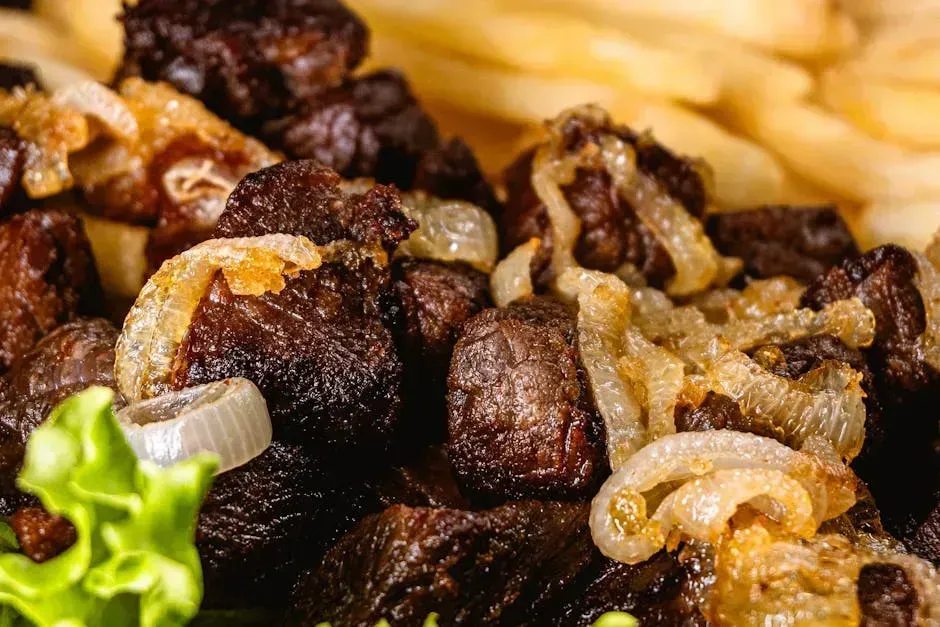
Once upon a time, liver and onions was a common household meal across America. Parents praised its high nutritional value and affordable price tag. The dish was a staple in many family cookbooks, often served with a side of mashed potatoes. Many meats were rationed during World War II, but so-called “variety” meats like liver, kidney, and tongue required fewer ration points, so they became a regular part of many Americans’ diets during the war years.
As time passed, organ meats fell out of favor with the general public. Now, liver and onions is rarely seen on restaurant menus or family dinner tables. Liver’s strong flavor and unique texture turned off many people, especially younger generations with more food options. Modern Americans rarely cook organ meats at home, making this once-common dish nearly extinct from family dinner tables.
4. Ambrosia Salad

Miniature marshmallows mixed with canned fruit and coconut created this sugary concoction that dominated potluck tables for decades. Church gatherings, family reunions, and holiday dinners always featured at least one bowl of this sweet, creamy mixture. The name itself suggested something heavenly and special. Grandmothers passed down their secret ingredient ratios, adding maraschino cherries or pecans for extra flair.
Popular from the early 1900s through the 1980s, it represented a time when canned fruits were considered convenient and modern. Today’s preference for fresh ingredients and less sugary sides has made ambrosia seem outdated and overly sweet. You might still spot it at Southern gatherings, but it’s mostly a nostalgic memory now.
5. Tomato Aspic
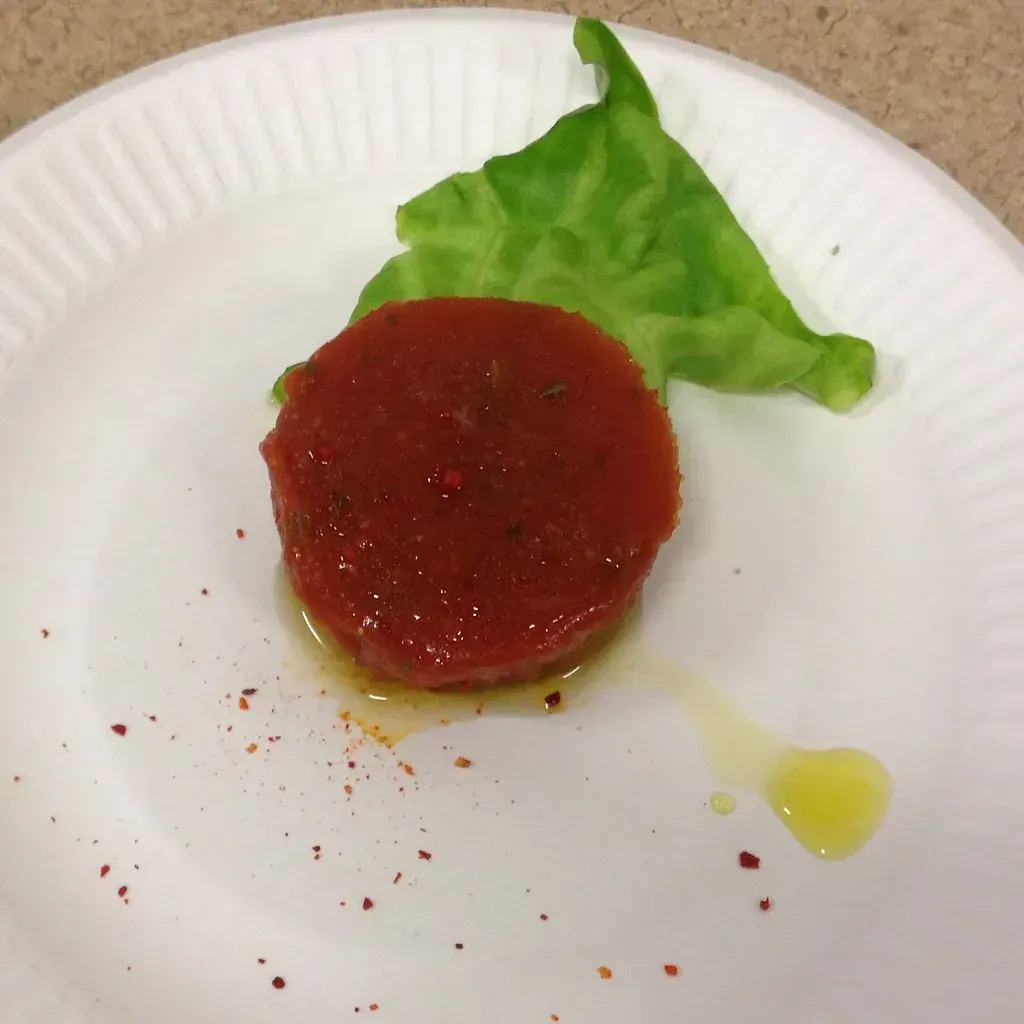
Tomato aspic might sound like a dare today, but for decades it was a prized centerpiece on mid-century American tables. This wobbly, tangy dish had its heyday in the 1950s and early 60s, when molded gelatin creations were the height of domestic sophistication. This savory gelatin dish combined tomato juice with unflavored gelatin, creating a jiggly mold that often contained vegetables like celery, onions, or olives. Families proudly displayed their aspics in fancy ring molds or decorative shapes.
Its popularity even inspired one of the most unusual Jell-O flavors of all time: seasoned tomato, a real product introduced by Jell-O in the 1960s. The dish fell out of favor as tastes changed and people began associating gelatin more with desserts than savory foods. Today, most Americans under fifty have never encountered it at all.
6. Chicken à la King
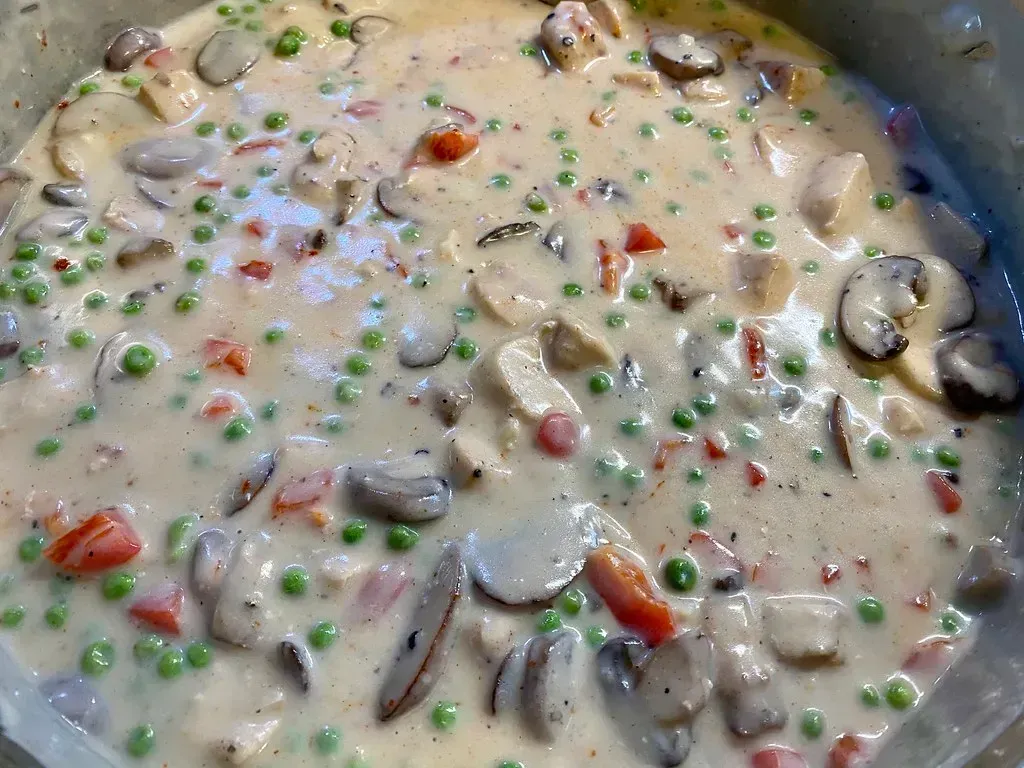
Creamy, rich, and loaded with chicken chunks, this dish once ruled the menu at fancy hotels and diners across America. Chicken à la King featured diced chicken in a thick cream sauce with mushrooms, peppers, and pimentos, typically served over toast, rice, or puff pastry shells. The dish supposedly originated in the late 1800s, though its exact creator remains disputed. It became especially popular in the mid-1900s as a quick, elegant meal option.
As dietary preferences shifted toward lighter, less cream-heavy foods, this indulgent classic lost its appeal. You might still find it at old-fashioned diners, but it’s rare nowadays compared to its golden age. The whole category of cream-sauced dishes over toast fell from grace together, taking Chicken à la King right along with it.
7. Succotash
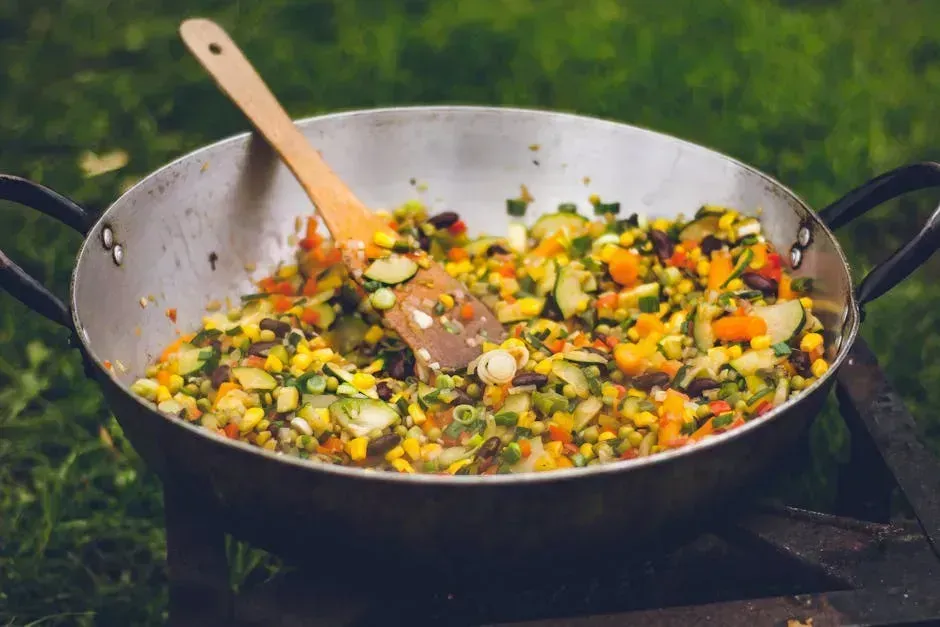
Once a popular dish dating back to the 17th century, succotash isn’t the type of dinner side you see on the table these days. Evolved from the word msíckquatash from the Narragansett tribe, meaning “boiled corn kernels,” this dish typically contained a variety of ingredients including onions, tomatoes, lima beans or other legumes, bell peppers, turnips, and sometimes cubed meat like corned beef or pork.
The dish has deep Indigenous American roots, predating European colonization by centuries. Its decline mirrors a broader trend of traditional Native American foods being pushed aside despite their historical significance. While you might still find it occasionally at Southern barbecues or Thanksgiving tables, it’s become more of a novelty than a staple most families rely on regularly. Succotash has become a word people recognize more from old cartoons than from menus at local eateries.
8. Fried Bologna Sandwich
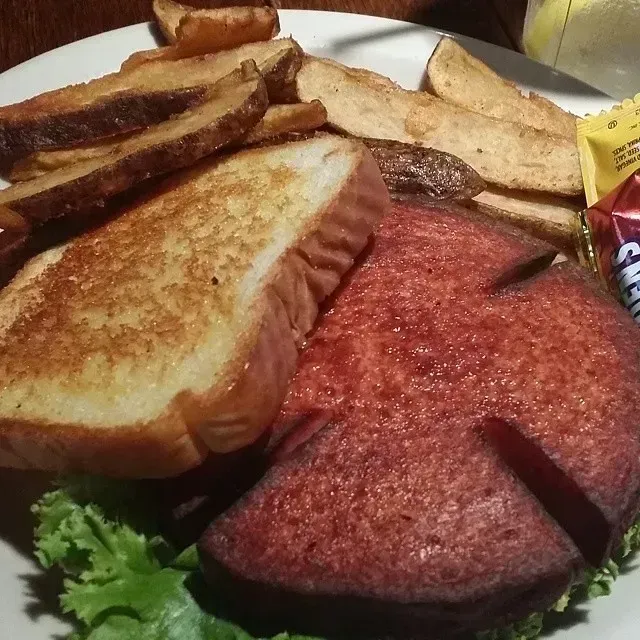
In many blue-collar households, a thick slice of fried bologna on white bread was the ultimate lunch of champions. The meat would curl up into a little bowl in the pan, waiting for a generous dollop of yellow mustard to finish it off. It was a simple and honest meal that fueled a generation of builders and factory workers across the nation.
The modern bologna market has shifted toward premium and nitrate-free versions, reflecting a push from health-conscious consumers for “better” processed meats. People are now more likely to reach for roasted turkey or avocado than a slice of bright pink deli meat. The fried bologna sandwich has become a rare indulgence rather than a daily fuel source for the working class.
9. Beef Stroganoff
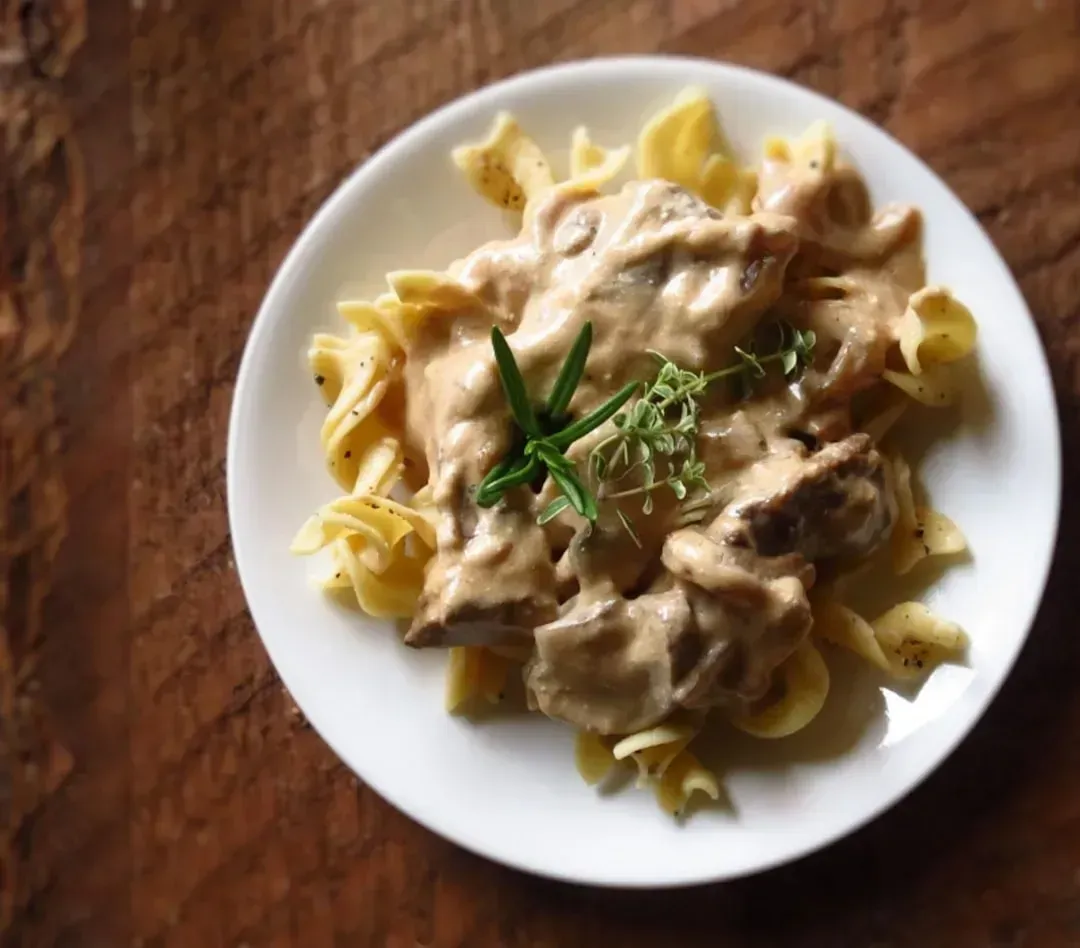
This Russian-inspired dish became an American dinner party favorite throughout the 1960s and 70s. Beef stroganoff combined tender strips of beef with mushrooms and onions in a rich sour cream sauce, usually served over egg noodles. Busy homemakers loved it because it looked fancy but was actually quite simple to prepare. The dish appeared in countless cookbooks and women’s magazines of that era.
As food trends moved away from heavy cream sauces and toward fresher, lighter cuisines, stroganoff’s popularity faded. While some families still make it occasionally, it’s nowhere near as common as it once was in American kitchens. The rise of global cuisine gave home cooks a wider world to explore, and stroganoff simply got left on the shelf.
10. Salisbury Steak
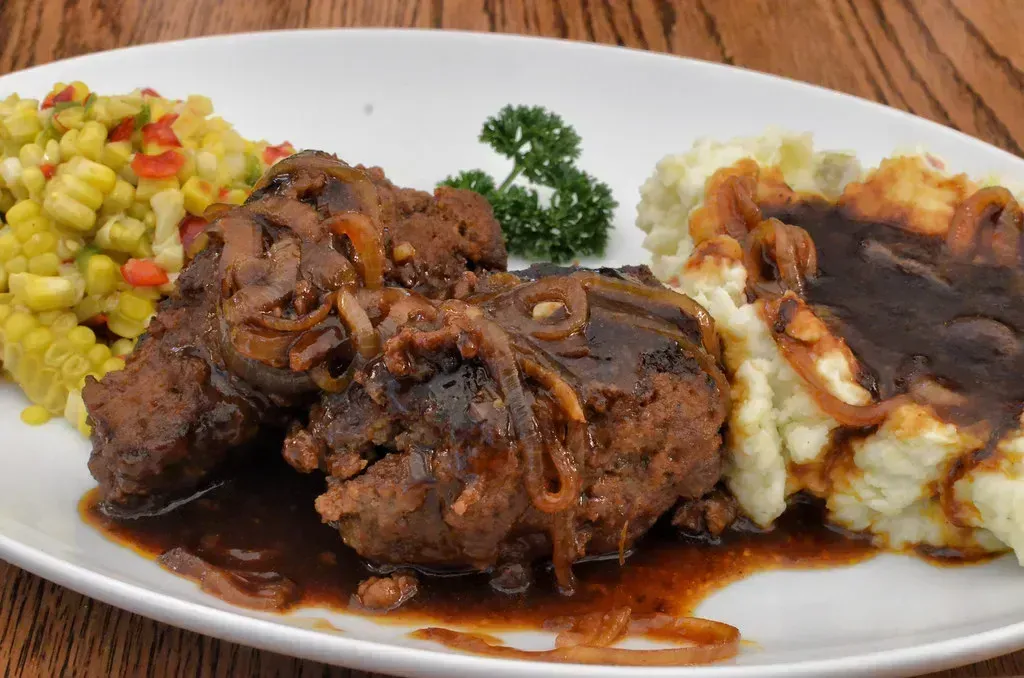
James Henry Salisbury, an early pioneer of germ theory, founded the dish and claimed that a diet high in beefsteak and coffee could help cure digestive diseases. The claim was that beef was easier to digest compared to root vegetables. It became a common dish served to troops in World War I and became a staple on American tables for decades. This dish is made from ground beef patties smothered in a gravy sauce.
As food culture moved away from processed and institutional meals, Salisbury steak lost its appeal. Today, it’s mostly associated with frozen dinners or nostalgic meals. The once-popular TV dinner format it rode to fame also isn’t a regular purchase for grocery shoppers anymore. TV dinners increased in popularity when television sets became a staple in U.S. households in the late 1950s. Both faded in similar fashion, one taking the other down with it.
11. Pickled Herring
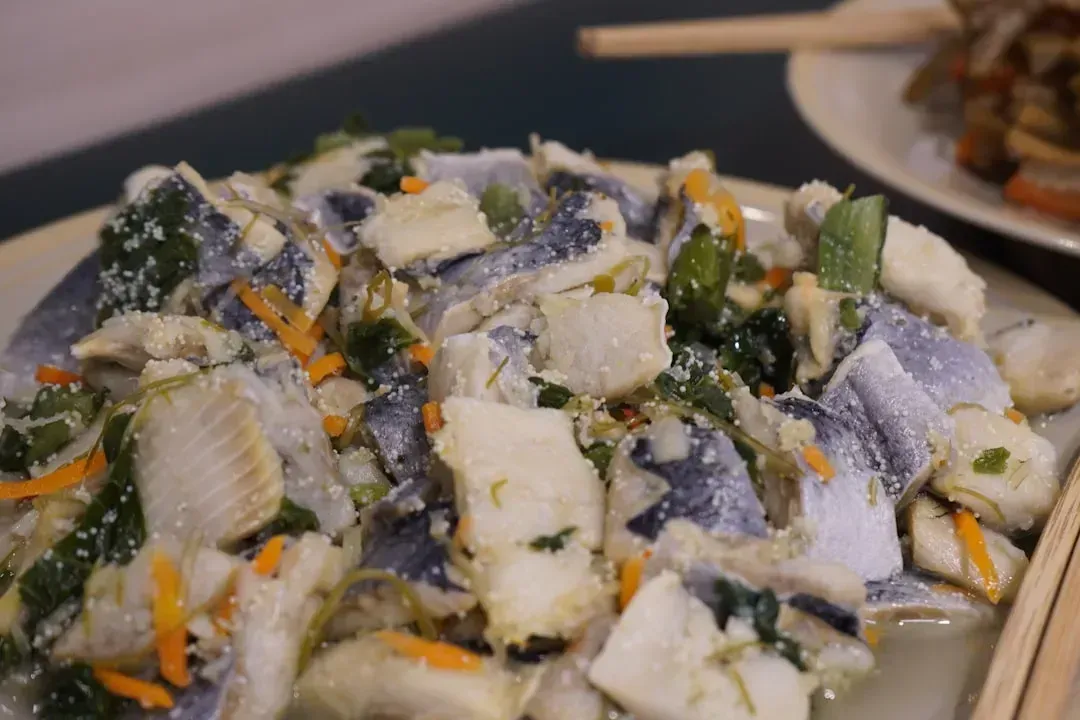
Originally a staple in Northern European countries given how easy it was to store and transport fish without it going bad, pickled herring became a staple in America due to European migrants who settled in the Midwest and brought their love for this preserved fish. The silvery fillets packed in vinegar and spices were once common at delis and family gatherings. For immigrant communities from Scandinavia, Germany, and Eastern Europe, a jar of pickled herring in the refrigerator was simply part of life.
As those communities assimilated across generations and traditional European food habits blended into the broader American diet, the taste for pickled fish gradually faded. Younger generations raised on milder flavors found the sharp brine and oily texture unappealing. Other foods that were once popular on tables across America have either dimmed in popularity or disappeared completely, as culinary tastes evolved towards simpler, more natural flavors and health consciousness grew.
12. Morning Orange Juice

For around 50 years, orange juice was present at most breakfast tables. At its peak, an average of roughly three quarters of American households had orange juice in the fridge all the time. The drink’s heyday started after World War II, when scientists finally discovered how to process it and get it to your table while making sure it still tasted like oranges. Orange juice was known to contain two sought-after nutritional properties, calcium and vitamin C. By the 1930s, it was the second-most-popular breakfast drink after coffee.
In the late 1990s, price increases due to insect blight, a decline in the number of people who eat breakfast, and an increased awareness of just how much sugar is in orange juice started a steady decline. Today, many nutritionists point to the high natural sugar content as a reason to skip it entirely. The glass of OJ that once anchored every American morning has quietly become a relic, replaced by bottled water, coffee, and smoothies on the kitchen counter.
What these twelve foods share isn’t just age or unfashionability. Most of them disappeared for overlapping reasons: shifting health priorities, changing economic realities, the rise of global flavor influences, and a growing preference for fresher, less processed ingredients. The disappearance of these classic dishes tells a story of how our culture, health goals, and daily schedules have evolved over time. A meal that once felt perfectly normal to an entire generation can become completely foreign to the next. That’s not necessarily a bad thing. It’s just a reminder of how quickly the ordinary can slip away.



Leave a Reply