
There’s a quiet shift happening in living rooms and backyards across the country. After roughly two decades of intensive, over-scheduled, screen-assisted parenting, a growing number of families are pulling back and returning to simpler, older ways of doing things. Not out of nostalgia, but out of a genuine recognition that something important has been lost.
Parents are leaning into a mix of gentle guidance plus firm, age-appropriate boundaries, realizing that warmth and structure can coexist. After years of jam-packed schedules that left kids and parents frazzled, there’s a welcome comeback for old-school “analog” habits and even a little boredom, because creativity and resilience actually grow when kids have space to explore on their own. These seven habits, once considered standard, are finding their way back into modern homes for very good reason.
1. Unstructured Outdoor Play

The average American child spends only four to seven minutes a day in unstructured outdoor play, while logging a staggering seven and a half hours in front of electronic screens. This shift toward screen-based activities not only disconnects children from nature and each other but also poses significant risks to their physical and mental health. That contrast alone is enough to give most parents pause.
Outdoor play encompasses a multitude of enriching experiences that foster physical, cognitive, and socio-emotional growth. By venturing outside, children partake in imaginative endeavors, honing their creativity and problem-solving abilities. Additionally, exposure to the natural environment augments their sensory development and cultivates an appreciation for biodiversity. The push to get kids back outside isn’t a trend. It’s a correction.
2. Assigned Household Chores
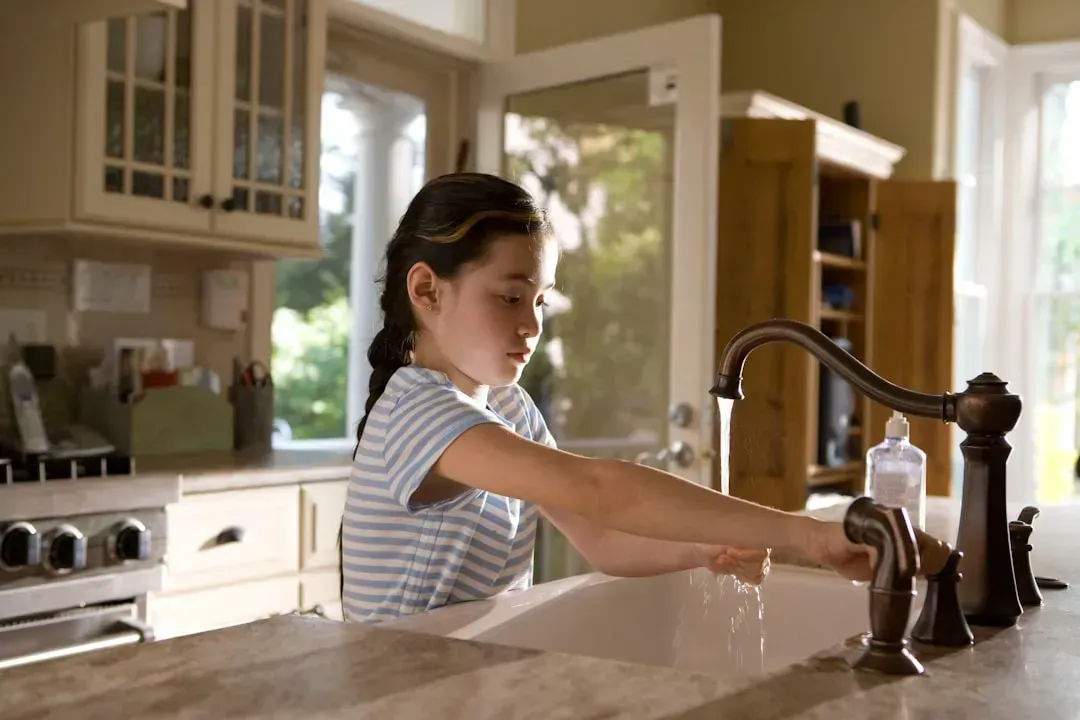
Decades of research reveal that children who participate in age-appropriate household chores and contribute to their broader communities develop significantly enhanced executive functioning skills, achieve greater academic and career success, and form more equitable, successful partnerships in adulthood. This is grounded in over four decades of longitudinal studies showing that early chore participation lays the groundwork for responsibility, a strong work ethic, and collaborative skills.
Research demonstrates that kids who have regular chores do better in school, have higher life satisfaction, and better know how to care for themselves. Research suggests there are benefits to including chores in a child’s routine as early as age three. Children who do chores may exhibit higher self-esteem, be more responsible, and be better equipped to deal with frustration, adversity, and delayed gratification. These skills can lead to greater success in school, work, and relationships.
3. Regular Family Meals at the Table
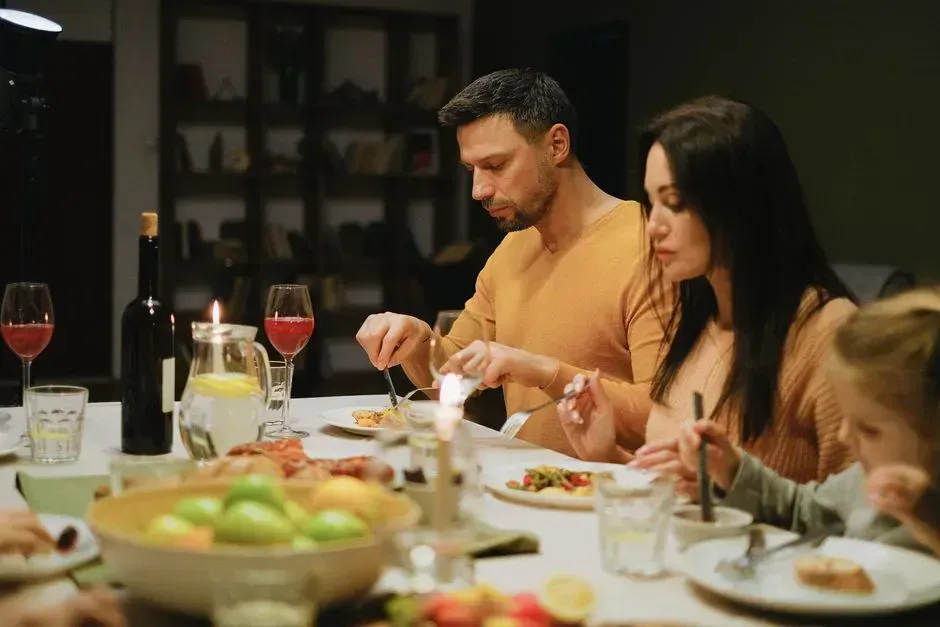
Eating dinner together as a family probably isn’t nearly as prioritized as it once was. With school, work, extracurriculars, and the general demands of everyday life becoming increasingly nonstop, something as simple as gathering at the table can easily fall off the to-do list. Yet the evidence for bringing it back is hard to argue with.
Multiple published studies demonstrate that family meals are associated with reduced symptoms of depression, fewer incidents of violent behavior, and reduced thoughts of suicide in youth, as well as a reduction in patterns of disordered eating. Additional studies support the link between increased family meals and more prosocial behavior and feelings of life satisfaction among adolescents. A 2024 review found that frequent, friendly, and lively sit-downs with families are linked to mental health resilience into young adulthood. The emotional connection and security built around shared meals can shape how children relate to others for years to come.
4. Letting Kids Resolve Their Own Conflicts

Allowing kids to experience discomfort, conflict, and confrontation means they can develop the necessary skills to process and navigate that conflict and, with guidance before and correction after, learn to compromise when necessary and resolve conflicts effectively. This approach fell out of fashion during the era of intensive hovering, but child development experts have long supported it.
Giving kids enough space to fail and then try to figure things out on their own is more valuable than it looks. Many parents solve their children’s problems without giving them a chance to find their own solution, and natural consequences are often the best teachers for some lessons. Stepping back is harder than it sounds, but the payoff for the child’s resilience is real and lasting.
5. Firm, Consistent Boundaries Without Guilt

Authoritative parenting, characterized by high direction and high warmth and support, has long been shown to be the most effective parenting style, helping children gain confidence and feel loved and supported while also holding them to high standards and values and directing them in how to live up to them. This style is precisely what many parents are returning to after years of boundary-free, approval-seeking approaches.
Confident, calm, and kind parenting that includes clear limits is gaining traction in 2026, according to top parenting experts including clinical psychologist Becky Kennedy and psychologist Jonathan Haidt. Parents are leaning into a mix of gentle guidance plus firm, age-appropriate boundaries, realizing that warmth and structure can totally coexist. The idea that saying “no” undermines a child’s wellbeing is increasingly being questioned by researchers and parents alike.
6. Screen-Free Time as a Daily Non-Negotiable

Families are getting smarter about screens and social media, drawing clearer boundaries to protect kids’ attention, mental health, and overall wellbeing. Concerns about technology’s impact on social development are driving parents to more actively encourage face-to-face interactions, unstructured play, and community involvement. The “digital detox movement” inherently promotes engagement with the tangible, non-digital world, fostering a renewed appreciation for outdoor play, creative pursuits, dedicated family time, and hands-on experiential learning.
Not letting a small child have unrestricted access to the internet or a device is sometimes seen as strict or no-fun parenting. But the parents who enforce these limits are recognizing that the internet isn’t a safe or developmentally appropriate space for young children to freely explore. What was once just considered normal is now being treated as a deliberate, protective choice, and that reframing matters.
7. Teaching Basic Manners and Courtesy

Simple courtesies make a big difference, and practicing them every day adds up. Kids who are expected to say “please” and “thank you” and greet people respectfully carry those habits into every part of their lives. It sounds almost too simple to be worth discussing, but the retreat from teaching manners over recent decades has been noticeable.
It’s not about being overly proper. It’s about being kind and aware of others. Modeling those behaviors consistently at home plants roots that grow quietly but steadily. Eventually, those small words and gestures turn into something much bigger: character. These old-school values weren’t about being harsh or strict. They were about preparing kids for the real world, and the wisdom behind those principles is still just as relevant today.
None of these habits require a dramatic lifestyle overhaul. Most of them are simply about pulling back: less scheduling, less intervening, less screen time, and more presence at the table and trust in the backyard. The research backing them has been there for years. The difference now is that more parents are actually listening to it.




Leave a Reply