
Most people have rinsed something questionable down the kitchen sink without a second thought. It feels harmless in the moment – it’s a liquid, it disappears, problem solved. The reality is that your drain connects to a complex system of pipes, municipal infrastructure, and even natural waterways that were never designed to handle everything we throw at them.
Plumbers and environmental experts consistently flag the same culprits behind the majority of residential clogs, costly repairs, and water contamination incidents. What follows are 12 things that should never make their way down your kitchen drain, and the real reasons why.
1. Cooking Grease and Bacon Fat
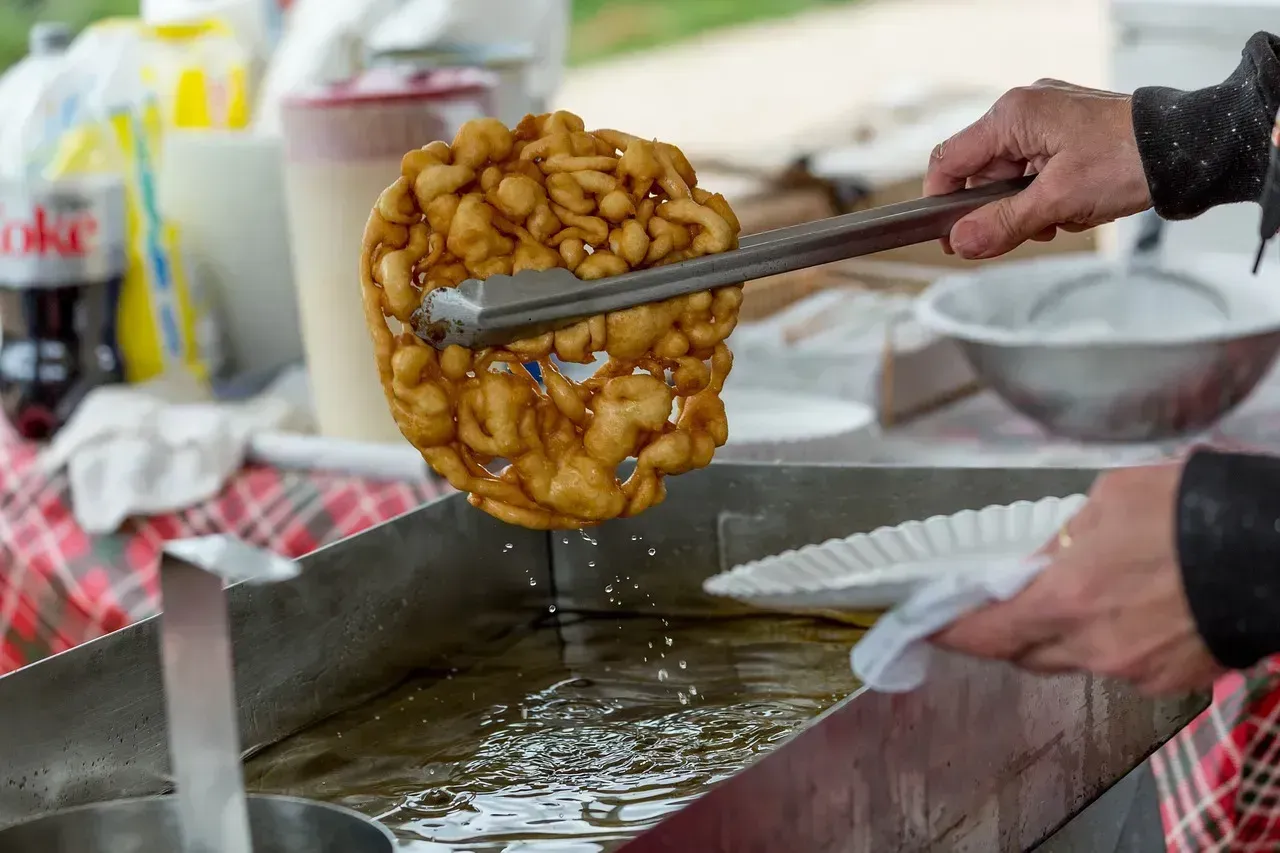
Grease and oil might seem innocent in liquid form, but their nature changes dramatically when they cool down. Fats like bacon grease, butter, and lard can solidify at room temperature, and when poured down the drain, they eventually transform into solid masses that cause severe blockages in your plumbing system. This isn’t a slow, gradual inconvenience – it’s a compounding problem that builds silently over months.
Pouring cooking oil down the drain is one of the most common causes of serious residential plumbing problems, and the damage it causes builds silently over time until you’re dealing with a rancid drain pipe. The large masses of solidified fat that form are known as “fatbergs,” and they take extensive effort to remove. As fatbergs get larger, they can obstruct waste, trash, and non-biodegradable items, causing a severe clog. The best disposal method is simple: let the grease cool in a container and throw it in the trash.
2. Coffee Grounds
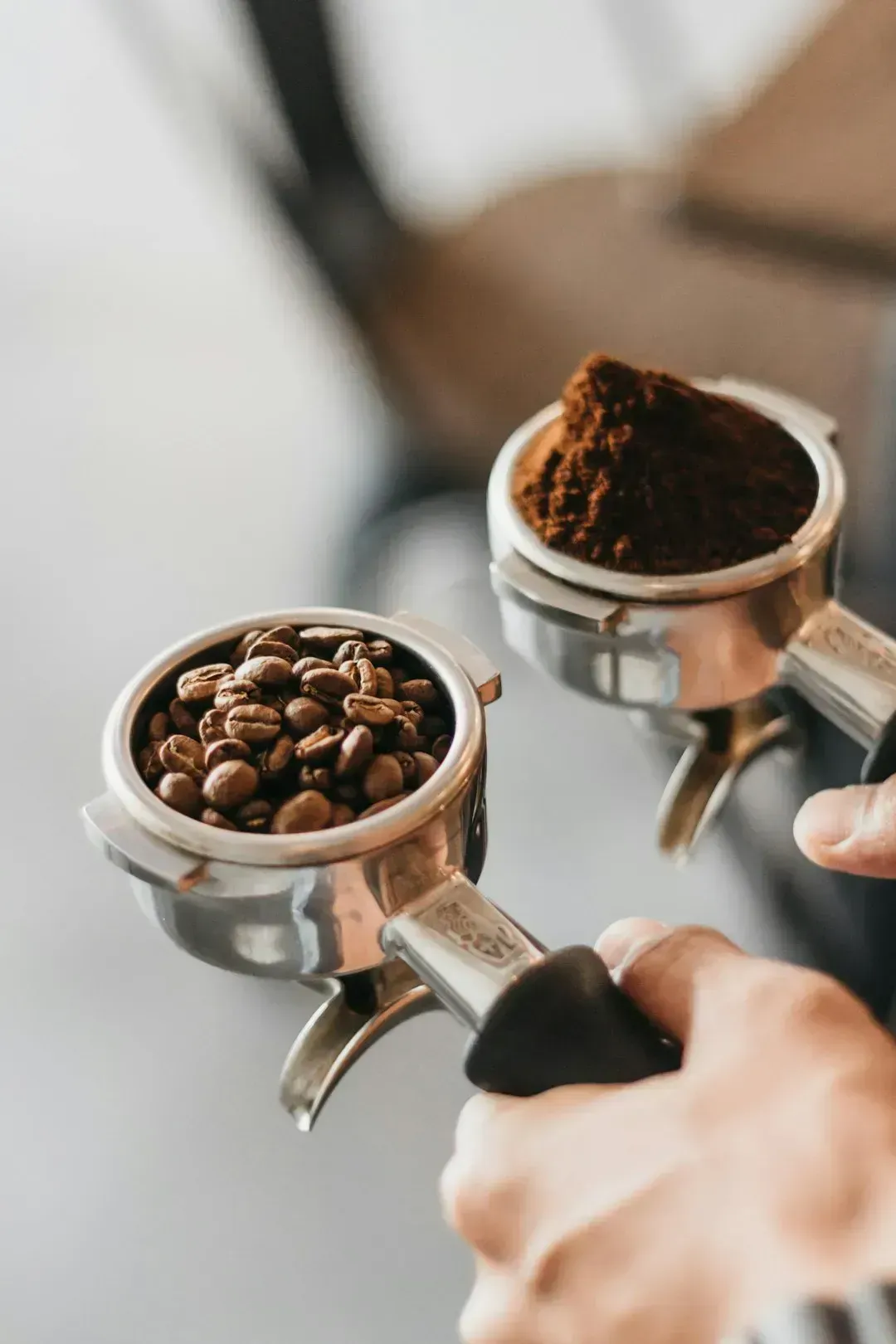
Coffee grounds are one of the most common causes of kitchen sink blockages. They are harsh on pipes and do not get properly ground by garbage disposals. Unlike other types of food, the grounds won’t dissolve or break down in water. On the contrary, as water runs over them, the coffee grounds will start to clump and can eventually build up to cause a blockage in your sink.
Coffee grounds are also acidic enough to corrode certain types of pipes over time, particularly in homes with older plumbing materials. If you don’t want to throw coffee grounds in the trash, they can actually be repurposed as garden fertilizer, providing plants with nitrogen, phosphorus, and micronutrients. That’s a far better outcome than a blocked drain.
3. Flour
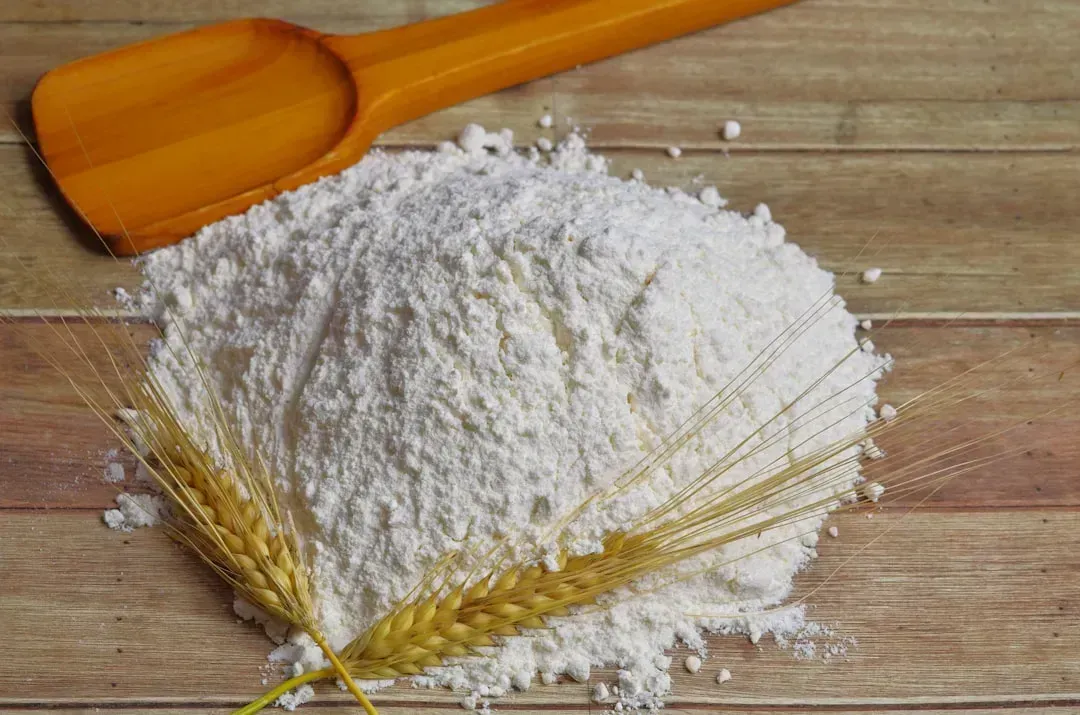
When flour is mixed with water, it creates a really sticky, glue-like substance. If it builds up on the sides of your pipes, it will cause a clog. It can also cause other food waste to stick to it on the way down. The more you rinse away, the worse the accumulation becomes.
When mixed with water, flour coagulates and becomes a thickened mass. It will clog your pipes by coating the inside, creating a system that catches all other bits trying to make their way down the drain. The simple fix: wipe flour residue into the trash before washing bowls or counters. It takes five seconds and saves you a plumbing call.
4. Rice and Pasta
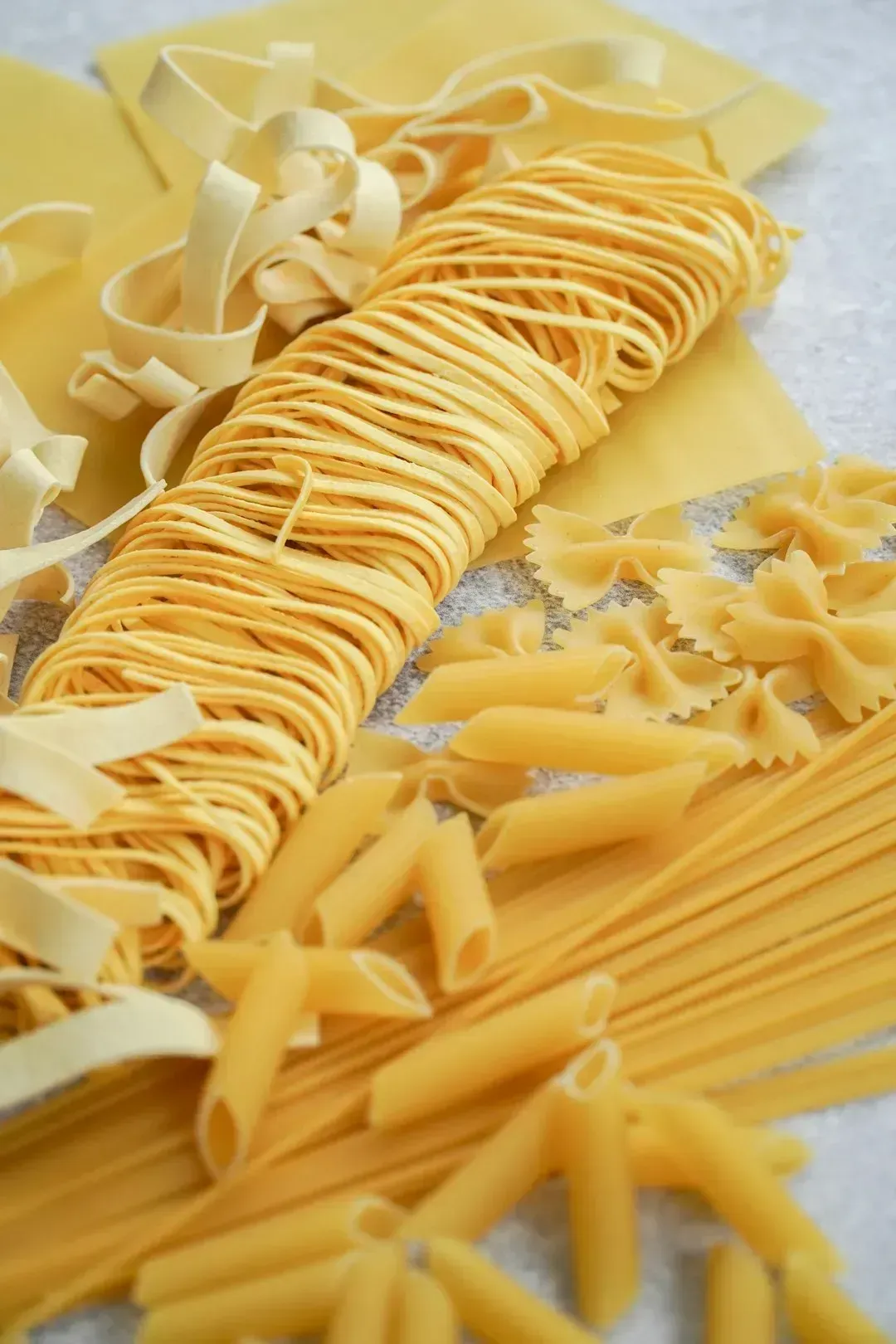
Pasta and rice continue expanding when exposed to water even after cooking. If they slip down the drain, they keep absorbing moisture and turn into a sticky mass that can clog pipes quickly. Starch from pasta can form a sediment-like buildup, which adheres strongly to pipes’ inner surfaces, potentially resulting in long-term plumbing issues.
Pasta and rice expand when mixed with water, and these two foods can lead to a blockage by expanding in the pipes. Additionally, pasta is made with flour, so it becomes sticky and catches other debris going through the pipes, which can cause a clog. This type of blockage generally happens out of sight, deep inside your home’s plumbing, potentially leading to serious complications and costly plumbing repairs.
5. Eggshells
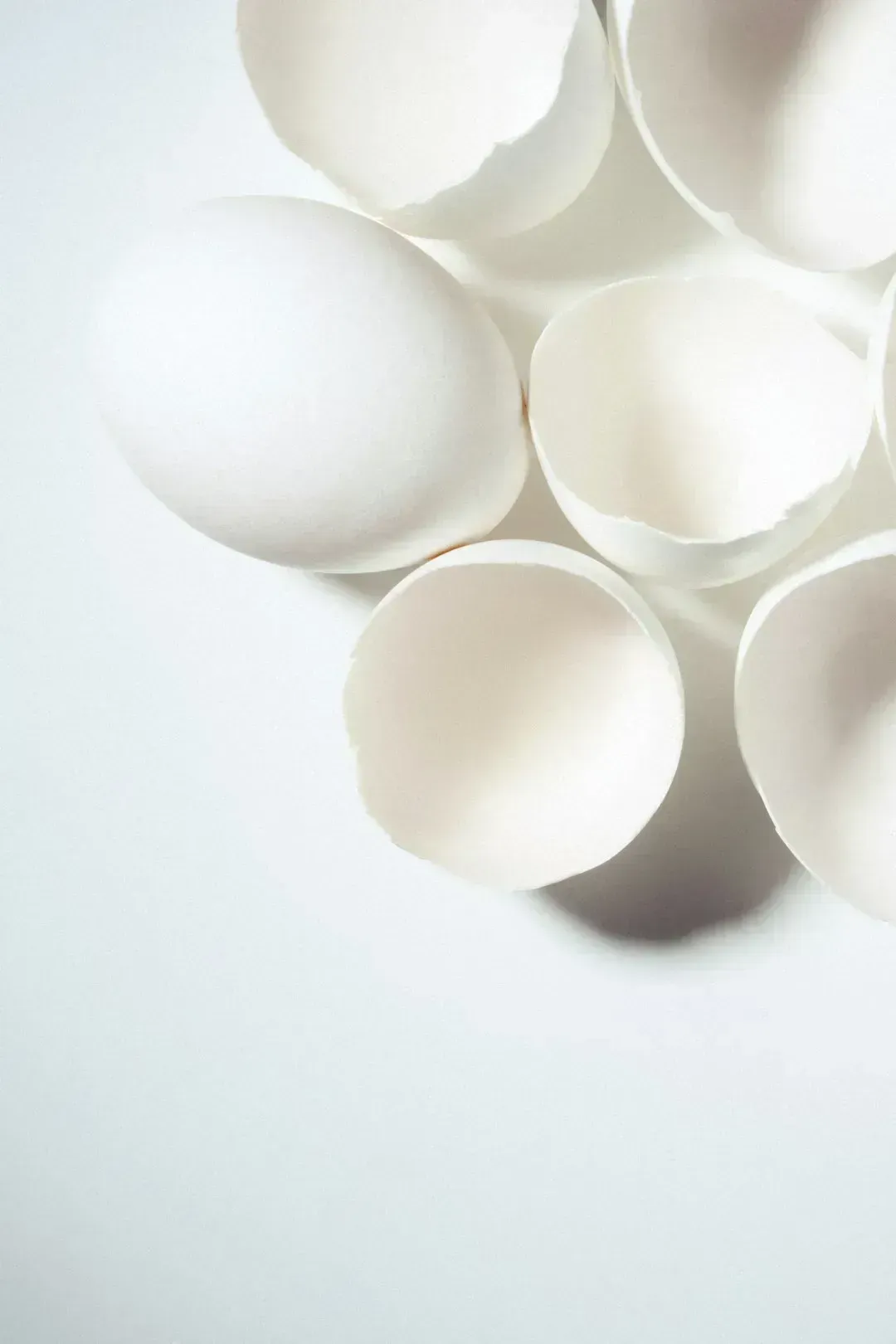
The membrane inside eggshells doesn’t break down in water and wraps around other debris in your pipes. Small fragments might pass through, but larger pieces create collection points for everything else. Many homeowners assume a garbage disposal takes care of this problem, but that’s not quite accurate.
Ground eggshells feel harmless, but they settle in pipe joints and low points where water flow slows down. Over time, they build into dense masses that require professional removal. These microscopic shell particles layer on pipe walls or mix with grease and other debris to form a stubborn sludge that narrows the passageway for wastewater. The compost bin is a much better destination.
6. Dairy Products and Milk
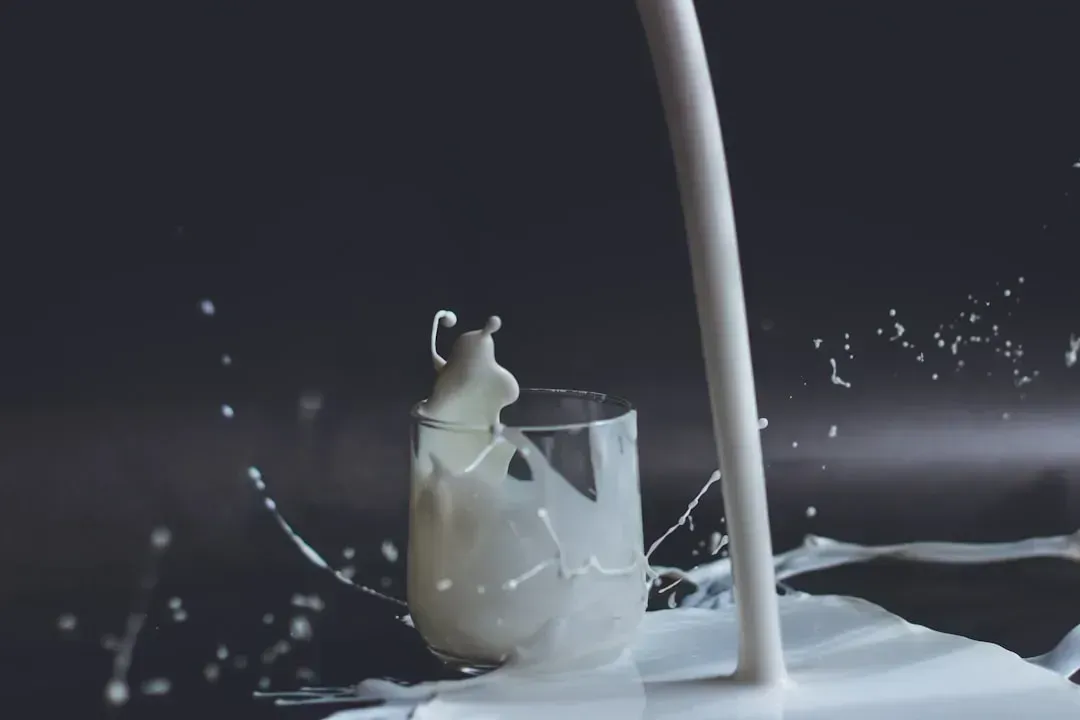
Milk and dairy products coat pipe walls and turn rancid in warm, humid drain conditions. The fat content means they stick to surfaces and catch other debris flowing past. Large quantities of milk poured down the drain are also an environmental concern, not just a plumbing one.
Pouring milk out can have a significant environmental impact, so much so that businesses in the UK can be fined for doing exactly that. Dairy at scale overwhelms water treatment systems by creating a high biological oxygen demand, which depletes oxygen in waterways. Small household amounts may seem trivial, but the principle holds: dairy belongs in the bin or compost, not the drain.
7. Cooking Oils (Including “Liquid” Oils)

Cooking oils that remain liquid at room temperature can still cause problems and risk damaging your pipes. Olive and canola oils will still coat your pipes and result in blockages even if you flush them with water. This surprises a lot of people who assume a liquid oil poses less risk than solid bacon grease.
The primary problem with discarding oil down the drain is that liquid oils float in water. As oil moves through your sewer pipes, it creates a greasy film along the side that is not easy to remove. Over time, this film can grow thicker as more grease accumulates. Let oils cool, then pour them into a container and dispose of them in the trash.
8. Fibrous Vegetables and Potato Peels
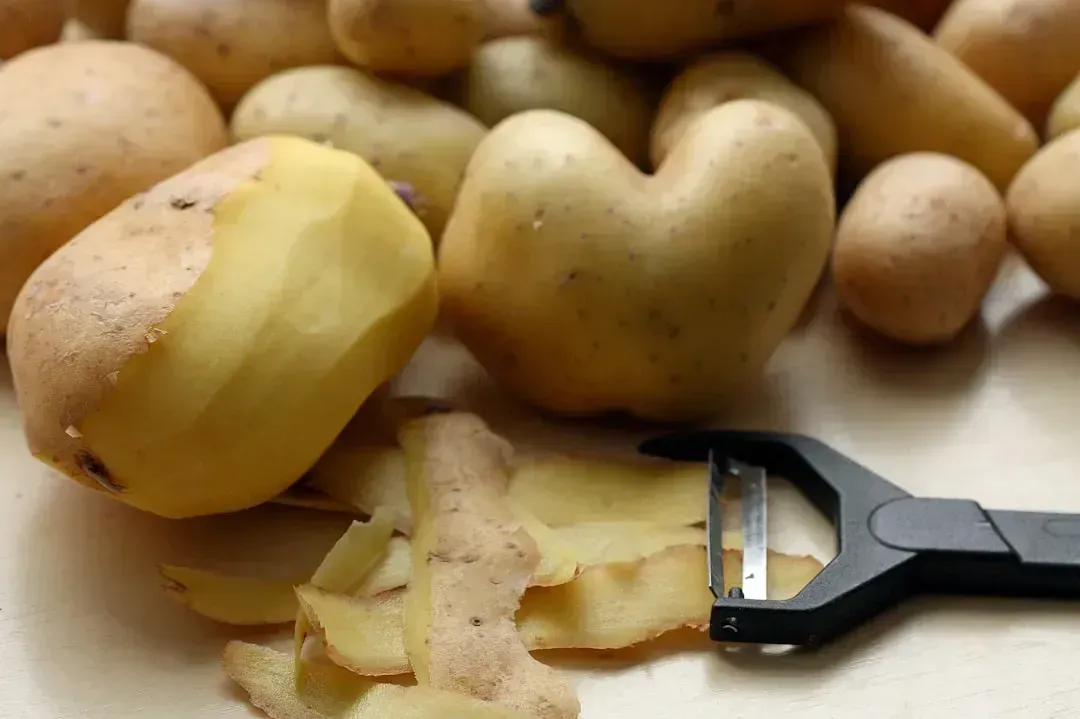
Produce like pumpkin, corn husks, and other tough-shelled fruits and vegetables can easily clog your kitchen sink. Trash or compost them instead. The fibers in these foods don’t break down in water – they tangle and bunch together, forming physical blockages over time.
Potato peels seem innocent enough, but it only takes a few to clog a drain. Since they’re so full of starch, they have a tendency to clump together and can congeal into something almost like a paste. Celery, asparagus, corn husks, onion skins, and similar vegetables all contain tough fibers that behave the same way. Scrape them into the trash or a compost bin instead.
9. Harsh Chemical Drain Cleaners
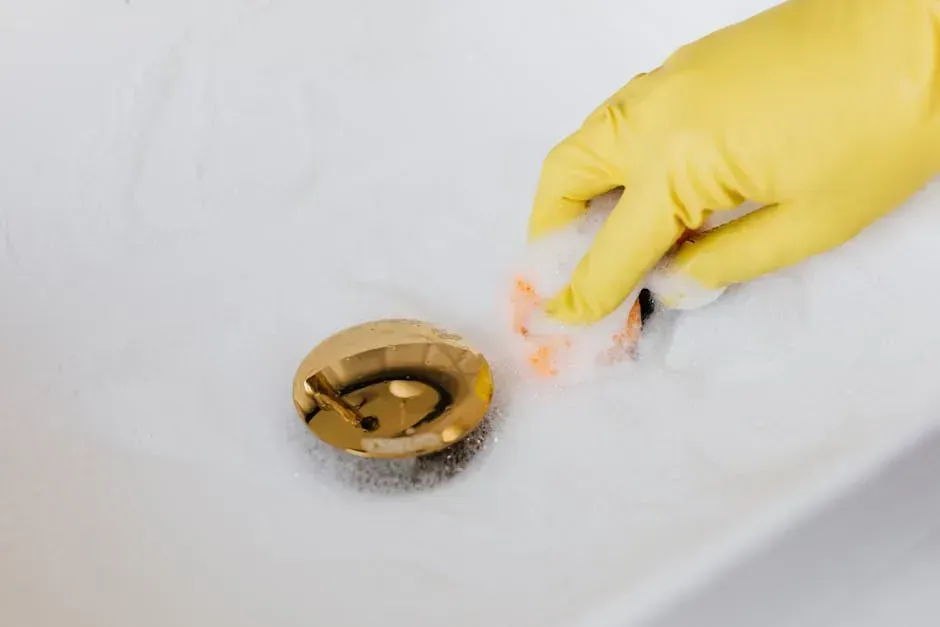
Chemical drain cleaners contain harsh chemicals like sulfuric acid or sodium hydroxide, which can corrode pipes, especially older ones made of cast iron or PVC. There’s a certain irony in using a product sold to fix drain problems that actually accelerates pipe deterioration over time.
Household cleaners contain compounds that can react with each other in unexpected ways once they mix in your drain system. Some combinations produce toxic gases or corrosive substances that damage pipes from the inside. Certain chemicals, particularly those containing phosphates or ammonia, contribute to algae blooms and oxygen depletion in rivers and lakes where treated water eventually ends up. Mechanical methods like plungers or drain snakes are far safer for both your pipes and the environment.
10. Paint and Solvents
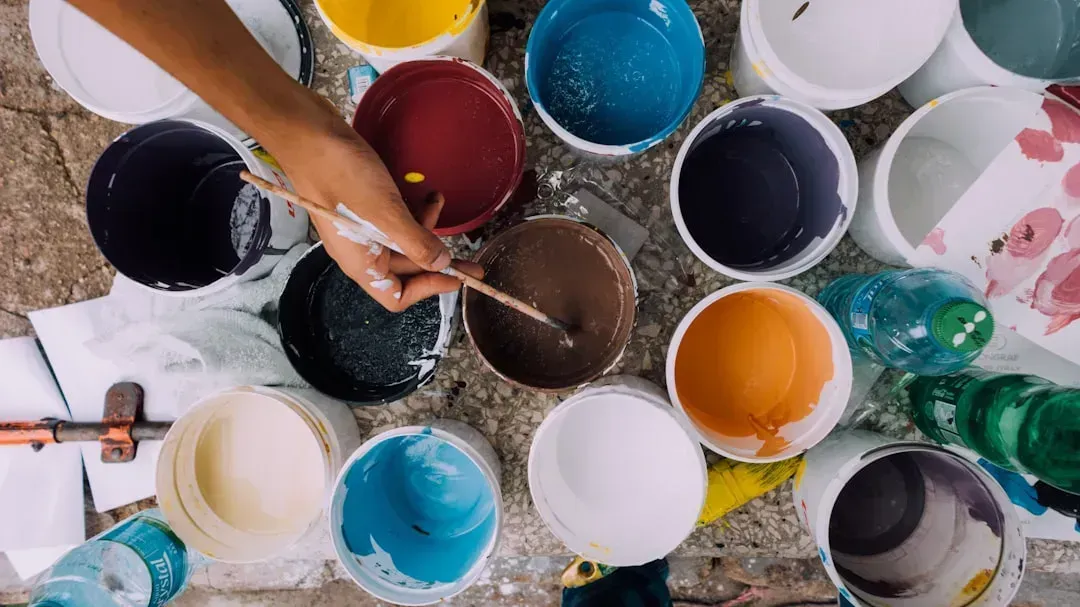
Paint belongs in hazardous waste disposal, not your drain system. Even small amounts contaminate water treatment facilities. Most paint contains heavy metals and chemicals that don’t break down in water processing. The environmental impact reaches far beyond your kitchen.
Paints and solvents contain toxic chemicals that can contaminate water supplies and harm aquatic life. These substances can also solidify and adhere to the insides of your pipes, causing blockages. Dispose of leftover paints and solvents at designated hazardous waste disposal sites. Most municipalities host periodic collection events specifically for this purpose.
11. Medications and Pharmaceuticals
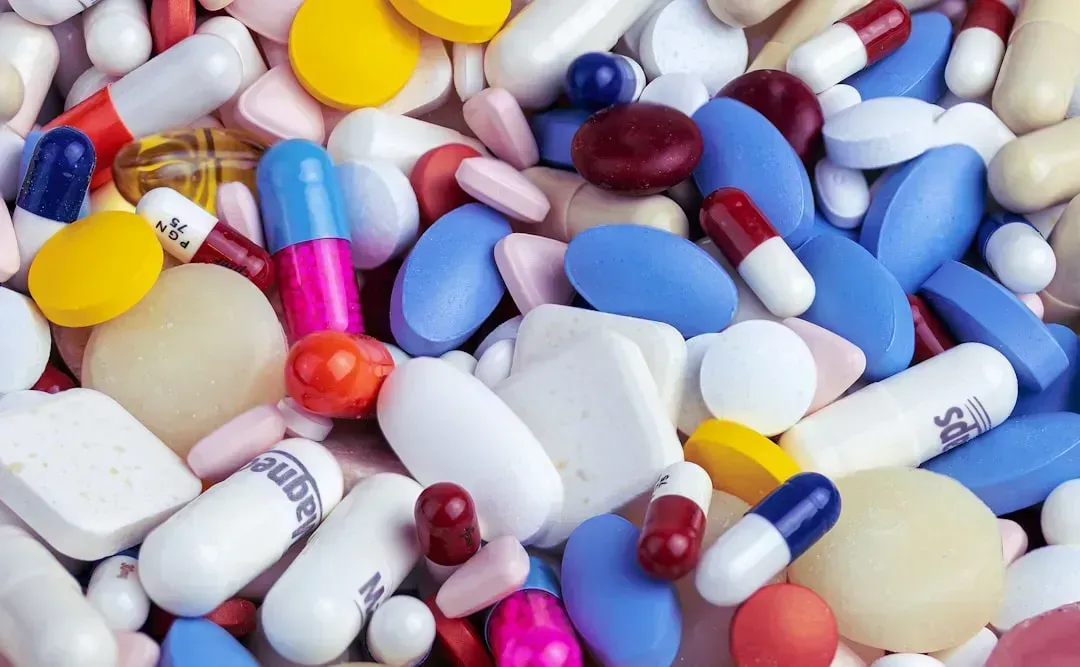
Pharmaceutical compounds survive water treatment and end up in drinking water supplies. The concentrations might be low, but the effects accumulate over time in ways that researchers are still discovering. This applies to both liquid medications rinsed down the sink and pills dissolved in water.
Flushing medications can introduce pharmaceutical compounds into the water supply, which can be harmful to both humans and wildlife. Wastewater treatment plants are not equipped to remove all pharmaceutical compounds from the water. The FDA recommends using medication take-back programs wherever available, or following specific disposal instructions on the label. The drain should be a last resort, not a default.
12. Starchy Foods Like Oatmeal and Cornstarch
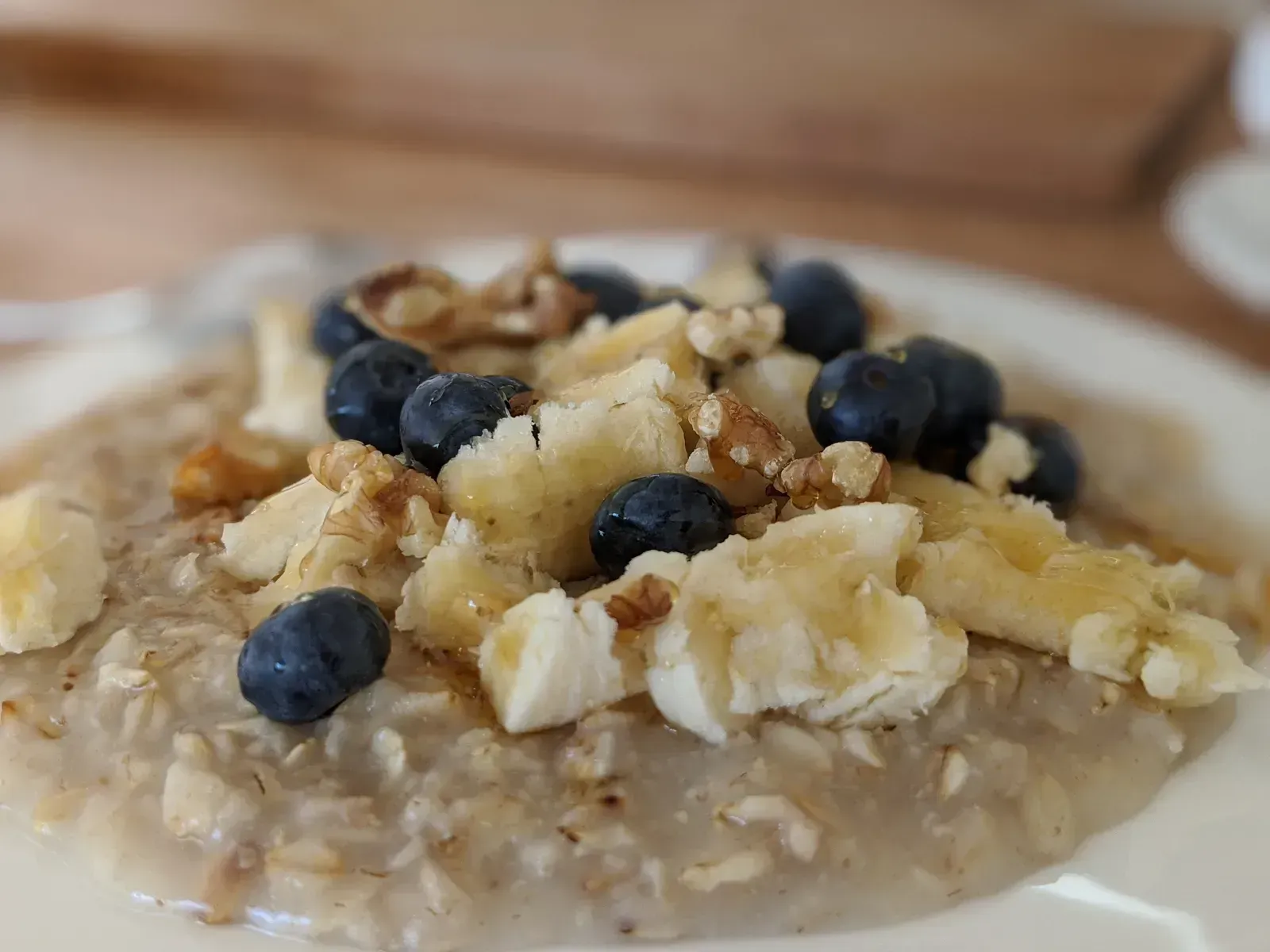
Oatmeal, cornstarch, and flour get sticky when moist, much like pasta and rice. They harden into the consistency of cement, clogging your pipes and causing plumbing problems. It’s one of those cases where the damage happens gradually, often going unnoticed until water starts backing up.
Pouring cornstarch, oatmeal, or flour directly into the drain will ensure that you end up with a drain issue. When wet, these substances are really sticky, and once they dry, they become incredibly hard. If they stick to the side of bigger drainage pipes, they can cause water damage to the entire house, including flooring and furniture. A quick scrape into the trash takes seconds and spares you the kind of repair bill that ruins a weekend.
The kitchen drain handles a tremendous amount every single day, and most of the time it does so invisibly and without complaint. The problems only surface when months of accumulated buildup finally tip the scale. Understanding what belongs in the trash, the compost, or a hazardous waste facility rather than the sink is one of the simplest and most effective ways to protect both your home’s plumbing and the broader water system that everyone shares.

Leave a Reply