
Walk into any family gathering where multiple generations are present, and it won’t take long before someone raises an eyebrow at how the kids are being handled. Boomer grandparents and millennial parents often operate from entirely different rulebooks, and what’s striking is just how wide that gap has become in a single generation. The shift isn’t just about style preferences. It reflects real changes in research, culture, economics, and our understanding of child development.
In a 2024 poll of millennial parents, roughly nine in ten admitted that their parenting style was different from how their own parents raised them. That’s a staggering level of conscious departure from one generation to the next. Some of what changed is undeniably positive. Other shifts are more complicated. Here are thirteen specific habits boomers practiced that most millennials have quietly set aside.
1. Using Corporal Punishment as a Standard Discipline Tool

A strong distinction between the two generations’ parenting styles is the use of corporal punishment. While spanking or washing a child’s mouth out with soap may not have seemed like a big deal in the past, many millennial parents today are against all forms of corporal punishment. This represents one of the most fundamental breaks between the generations, and it’s not a subtle one.
Millennials typically favor a relationship-based approach to parenting. They tend to view discipline as an opportunity for dialogue and understanding, focusing more on empathy and open communication than strict rule enforcement. Millennials are more likely to engage in conversations about why certain behaviors are inappropriate, encouraging children to understand the consequences of their actions. The rod has largely been replaced by the conversation.
2. Sending Kids Outside All Day Without Supervision

Boomer childhoods were filled with risky freedom. Kids rode bikes without helmets, climbed unstable trees, swam in unsupervised rivers, and built makeshift treehouses with nails and scrap wood. For an entire generation, this kind of independence was simply childhood. Nobody thought twice about it.
For millennial parents, the idea of letting kids roam unsupervised feels terrifying. Many track their kids’ locations through apps, require helmets for every bike ride, and schedule playdates rather than letting kids wander off. While modern parents value safety, boomers might argue that younger generations are missing out on the resilience that came from managing risks on their own. Research has noted this tension too, with studies finding that limiting children’s access to outdoor risky play can pose challenges for healthy child development.
3. Enforcing Strict, Non-Negotiable Bedtimes

Boomer parents enforced strict bedtimes, often without exceptions. Whether it was 7 or 8 p.m., kids knew it was time to wind down, and there were few allowances. Parents enforced this routine not only to ensure rest but to maintain structure and discipline. The clock was essentially law in those households.
Today’s parents, however, are more likely to allow their children to have flexible bedtime schedules, often prioritizing their child’s needs or preferences. Millennials tend to view bedtime as one part of a broader conversation rather than a line in the sand. Whether flexibility benefits sleep outcomes remains debated among pediatric specialists, but the rigidity of the boomer approach has clearly softened.
4. Assigning Heavy, Gender-Typed Household Chores
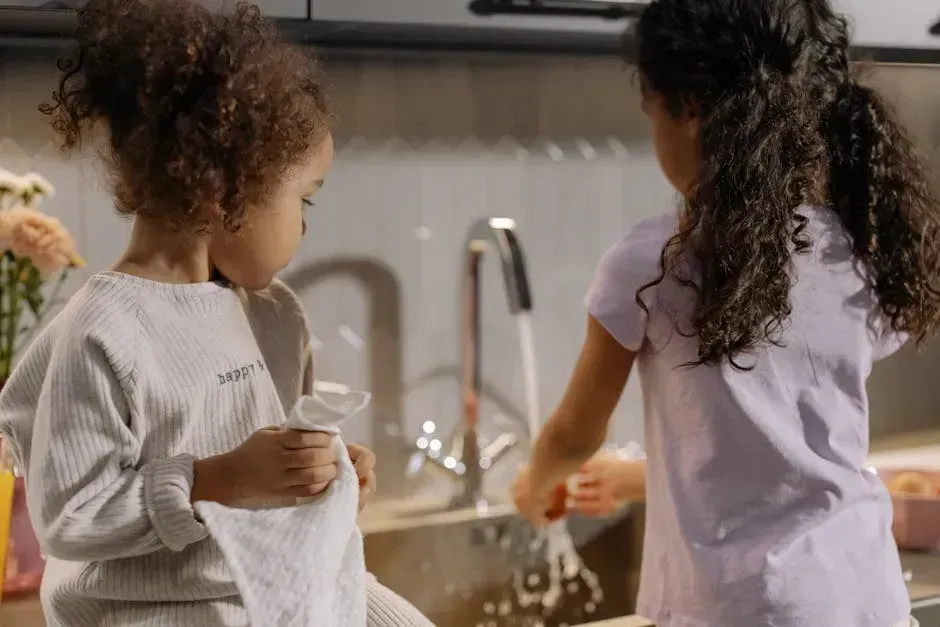
When boomer children were eight or nine years old, they were making their beds, doing dishes, and helping around the house. It is no surprise that boomers instilled those values in their children as well. Boomer children were often given chores to teach responsibility and to learn about pulling their weight in the household. These roles, often gender-stereotypical, were usually things such as cleaning the dishes, setting the table, mowing the grass, helping with the laundry, and taking out the trash.
One of the main reasons that millennial parents tend to stray from making their children do chores is that they often do not encourage gender-stereotyping roles. According to TIME, roughly half of millennial parents have purposefully bought gender-neutral toys for their children. In an attempt to avoid placing gender roles on their children, many younger parents may avoid giving them chores that could be seen as stereotypical. Instead, many children now are only asked to do the most trivial responsibilities, such as feeding a pet, cleaning the table, or tidying up after themselves.
5. Maintaining an Authoritarian “Because I Said So” Approach

Boomers were raised under a more authoritarian parenting paradigm, marked by strict rules and less emphasis on dialogue. As a result, when both generations are involved in raising the same child, conflicts can arise due to conflicting parenting philosophies. The phrase “because I said so” was not a conversation stopper in boomer households. It was an accepted conclusion.
Authoritarian parenting was a very common style during the baby boomer era. This strict style places high expectations on children with mainly a one-way dialogue. The parent sets expectations and rules, and the child obeys them. Boomers swear by this style and say it keeps children well-behaved. While children from authoritarian households are usually good at following instructions, they also tend to have higher levels of aggression, are shy, and are usually unable to make their own decisions.
6. Rarely Talking About Mental Health

In boomer childhoods, emotional struggles were rarely addressed openly. Mental health wasn’t part of the conversation, and kids were often told to “toughen up” or “stop crying.” Emotional resilience was valued over vulnerability. Feelings were largely treated as inconveniences, especially for boys.
There is a stark contrast between the generations when it comes to discussing mental health: roughly two in three millennial parents say their own parents never talked with them about mental health, while nearly all millennial parents talk with their children about it. Despite some hesitation about judgment, the vast majority of millennial parents think discussions about mental health and emotional well-being are very important in shaping a child’s overall development.
7. Keeping Children Silent Around Adults
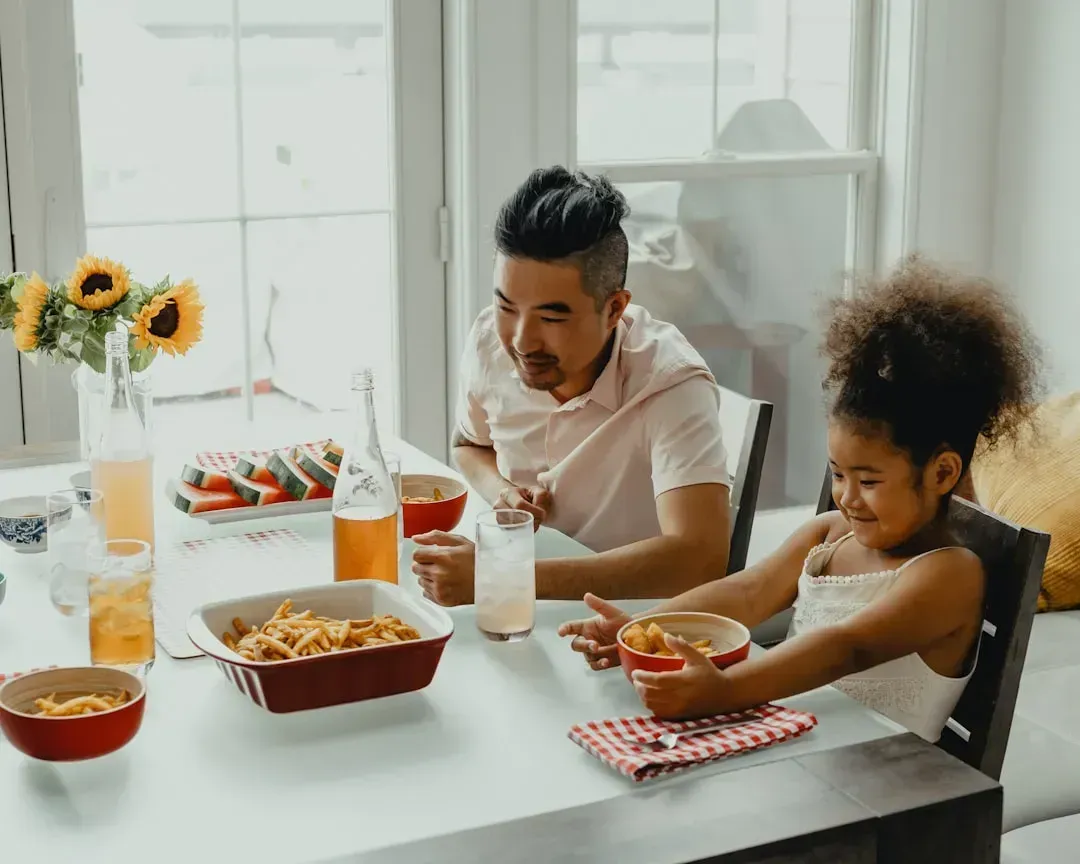
Back in the boomer era, kids often grew up under the rule that children should stay quiet when adults were around. Talking back, asking too many questions, or even joining in on adult conversations was seen as disrespectful. Many kids learned to sit silently at the dinner table while their parents carried the discussion. This style of parenting reflected a larger cultural emphasis on hierarchy and obedience.
Millennials have largely moved away from this hierarchy. In millennial households, children often have more influence on family decisions, and open discussions are commonplace. This shift has been attributed to millennials’ increased understanding of emotional health, empathy, and mental well-being, as well as a desire to create a supportive family dynamic where children feel valued and heard. The dinner table conversation now frequently includes the kids.
8. Taking a Hands-Off Approach to School Involvement

Boomer parents rarely attended school events or parent-teacher conferences. While today’s parents are highly involved in their children’s education, boomers typically kept a hands-off approach when it came to school affairs. Parent-teacher conferences, open houses, and volunteer opportunities were far less common. Parents often trusted the school system to handle their children’s education and didn’t feel the need to be deeply involved.
More than any other generation, millennial moms and dads believe it is extremely important for kids to grow up ambitious. Millennial moms, in particular, also believe there’s no such thing as too much involvement in children’s education, from supervising homework to engagement with the schools. For millennials, being present at school isn’t optional. It’s part of the job description.
9. Reinforcing Rigid Gender Roles in Parenting Duties

Gender roles were deeply embedded in boomer households. Boys were raised to be tough and unemotional, while girls were often steered toward domestic responsibilities. These roles shaped everything from chores to hobbies to career paths. The assumption was that a mother raised the children and a father provided financially, with little crossover expected.
A survey conducted by the Working Mother Research Institute looked at the division of domestic labor. Millennial men are stepping up more than their parents’ generations. Millennial fathers are more likely than boomers to handle the laundry, plan summer camps, fill out school forms, and take time off work to take their children to appointments. The co-parenting model has become a defining feature of how millennials organize family life.
10. Leaving Kids to Manage Their Own Social Lives Entirely

Kids had to figure out their own social arrangements without much parental interference. Boomer parents weren’t as focused on organizing their children’s social lives. Playdates and extracurricular activities weren’t as common, and kids were often expected to make friends and plan their own activities. Friendships formed organically, often through proximity and shared neighborhood territory.
Today’s parents, however, often schedule playdates, coordinate group activities, and ensure their kids are socially engaged at all times. This shift reflects a broader millennial tendency toward intentional parenting. Every interaction is seen as an opportunity for social development, which is a very different mindset than just sending kids out to figure it out themselves.
11. Practicing a “Don’t Ask, Don’t Tell” Approach to Kids’ Feelings
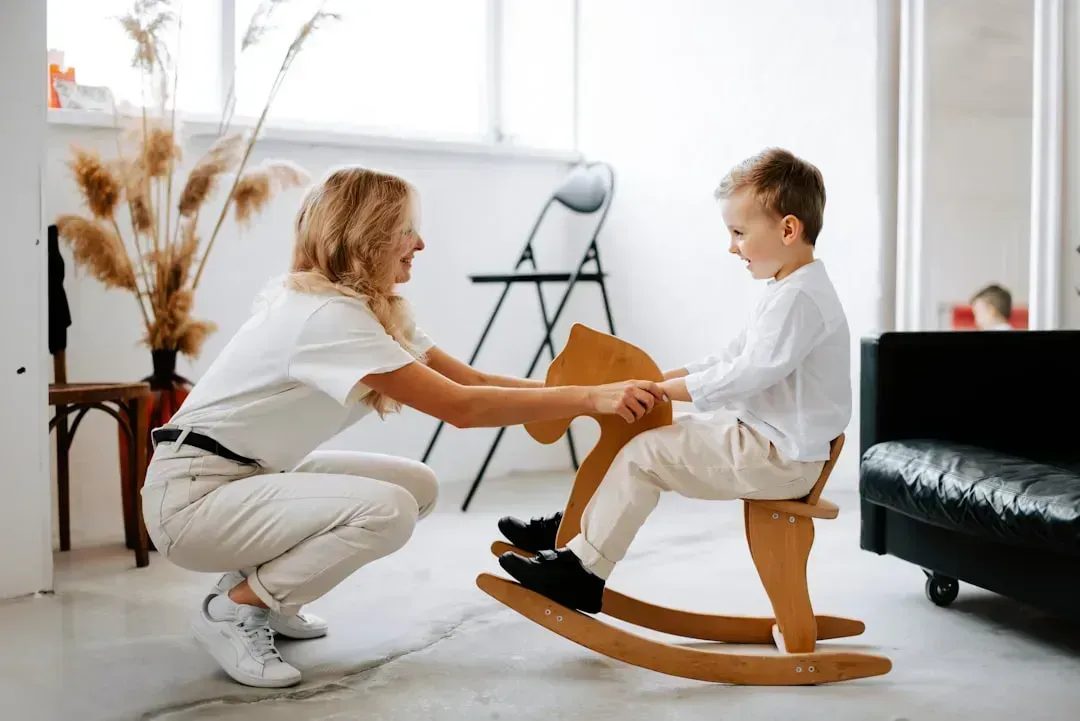
Boomer culture prized toughness over vulnerability. Boys, especially, were taught to suppress fear and sadness, while girls were told to endure silently. From the post-war era through the 1970s, emotional conversation within families was rare. Therapy carried a heavy stigma and was mostly reserved for extreme cases. Children processed grief, confusion, and stress alone.
Among millennial parents, nearly half report having a child who experiences anxiety, and roughly one in eight currently have a child in therapy. Among parents with children in therapy, one in five hesitate to tell others for fear of judgment. Still, the conversation is happening. That alone marks a major cultural departure from the emotional silence that characterized the boomer approach to child-rearing.
12. Relying on Books and Personal Judgment Over Outside Research

Whether they have questions about screen time, co-sleeping, all-natural remedies for diaper rash, or any other issue, millennials are twice as likely as boomers to say they look to Google most often for instruction, and half as likely to say they look to books. Boomers raised their children largely from instinct, family tradition, and perhaps a single trusted pediatrician. The idea of researching a parenting decision online simply wasn’t an option.
In a TIME survey, more than half of millennial parents found the information available to them somewhat, very, or extremely overwhelming, compared with just over four in ten boomers. The irony is real. Millennials have access to more parenting information than any generation before them, yet that abundance often creates more anxiety rather than more confidence.
13. Expecting Kids to Work Summer and After-School Jobs Early

Kids used to get themselves around the neighborhood and take on summer jobs and chores. Today, only about one in ten kids walk or bicycle to school, a steep decline from decades past. Forty years ago, nearly six in ten teenagers held summer jobs. Today, only roughly a third do, and the after-school job has become an even rarer species. Work was once viewed as a natural and expected part of growing up.
Boomer households expected children to contribute real labor, not symbolic chores. From the early 1950s through the 1970s, kids routinely stacked firewood, worked family farms, watched younger siblings, cooked meals, and repaired household items. This wasn’t framed as discipline. It was survival and necessity. Many worked before and after school with no exceptions. Parents who grew up during the Great Depression passed down strict work ethics. Millennials, shaped by different economic realities and a stronger emphasis on childhood as a protected stage of life, tend to let kids be kids for longer.
The distance between boomer parenting habits and what millennials practice today isn’t simply a matter of one generation being right and the other being wrong. It reflects genuine shifts in research, cultural values, economic circumstances, and our evolving understanding of what children actually need. Some boomer habits built grit. Some millennial practices build emotional intelligence. The real picture, as with most things in family life, sits somewhere in the middle of both extremes.




Leave a Reply