
Ask most people what women want in a relationship and you’ll get a fairly predictable list: someone kind, funny, honest. Those things are real, of course. The trouble is that the most meaningful qualities rarely make it into a profile description or a first-date conversation. They’re the ones felt over time, recognized in small moments, and quietly measured against a standard that often goes unspoken.
Research reveals some striking discrepancies between what people actually want in a potential partner and what the opposite gender imagines they want. That gap is worth taking seriously. What follows isn’t a list of surprises so much as a clearer look at the desires that tend to stay beneath the surface, even when they shape nearly every decision a woman makes about a relationship.
Emotional Availability, Not Just Emotional Expression

There’s a difference between a partner who occasionally talks about feelings and one who is consistently emotionally accessible. Research consistently shows that modern women value emotional intelligence, kindness, and psychological maturity more than the traditional strong and silent archetype, and that emotional health provides the safety and trust needed for lasting relationships. It’s less about grand vulnerability and more about the steady sense that a partner is actually present.
While many women won’t come right out and say it, emotional availability is often at the top of their unspoken wish list, and many keep this desire tucked away because they don’t want to be labeled as needy. The irony is that this is one of the most universally felt needs in long-term relationships, regardless of how rarely it gets named directly.
To Be Truly Heard, Not Just Listened To
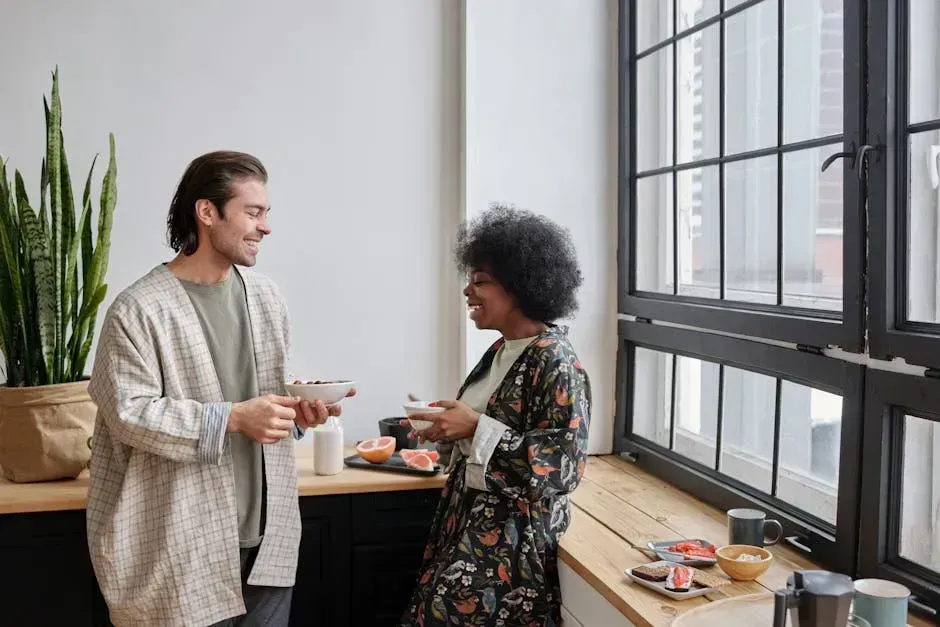
Hearing and listening are not the same thing, and most women know the difference within the first few months of a relationship. Hidden feelings start to fester, which often creates emotional distance and erodes trust, and when important matters are left unsaid, misunderstandings occur more often and the connection between partners starts to weaken. Active listening is the antidote to that slow erosion.
Research shows that women, compared with men, want greater increases in their partners’ emotional and companionate behaviors, instrumental support, and parenting involvement. What that often means in practice is wanting a partner who actually tracks the conversation, remembers what was said last week, and responds to the feeling behind the words, not just the words themselves.
Consistency Over Grand Gestures

The majority of women are now placing greater value on stability, seeking partners who are emotionally consistent, reliable, and have clear life goals, with a significant portion pushing these practical conversations to happen earlier in relationships than before. That’s a meaningful shift. It suggests that the sweep-you-off-your-feet moment matters far less than showing up the same way on a Tuesday as on a Saturday.
Trust has been found to be associated with commitment and relationship stability, where trust involves predictability, or the belief that a partner’s behavior is consistent, and the conviction that the partner is motivated to be responsive and caring. Women may not describe what they want in those clinical terms. Still, what they’re feeling for is exactly that predictability, that quiet reliability that makes a relationship feel safe enough to grow in.
Kindness as a Core Trait, Not a Courtesy

In one of the most comprehensive surveys of women’s partner preferences, the most important quality was simply this: kindness. A 2023 Human Nature study of over seventeen thousand single heterosexual women across nearly 150 countries found that kindness and supportiveness ranked as the single most valued trait in a long-term partner. That’s a result consistent across cultures, ages, and relationship histories.
According to Ipsos research, while young men believe women prioritize attractiveness and financial status, women actually value kindness and humor more highly. Kindness here isn’t politeness toward strangers. It’s how a partner handles conflict, how he speaks about people he disagrees with, and whether his baseline disposition toward others is genuinely warm. That quality is hard to fake over time, which may be exactly why it carries so much weight.
A Partner Who Has His Own Life

It sounds counterintuitive, but one thing women often don’t say aloud is that they don’t want to be someone’s entire world. What women want but don’t always express is the reassurance that they’re with someone who isn’t trying to merge entirely into their shadow. Though women value closeness, they also appreciate when a partner maintains his own world, because independence brings a touch of mystery and prevents the relationship from feeling suffocating.
A partner with friendships, interests, and ambitions of his own is not only more interesting to be around. He’s also less likely to place the full emotional weight of his wellbeing on the relationship. Beyond superficial appeal, qualities like kindness, honesty, compassion, compatibility, and the way a prospective partner makes someone feel about themselves rank as genuinely important when sparking and sustaining romance. A partner who is secure enough to have his own identity contributes directly to how good a woman feels about herself within the relationship.
Emotional Security and Practical Stability Together
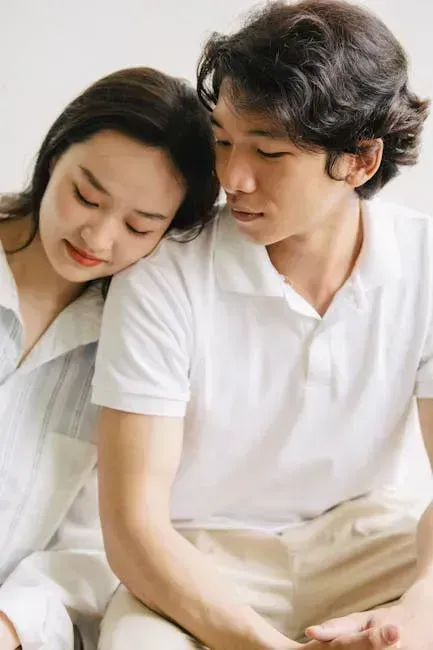
If life throws an unexpected curveball or if a woman chooses to step back from work to focus on family, she wants to know she will still be secure. Security and stability from a partner isn’t just about a paycheck. It’s about emotional steadiness, reliability, and consistency. These two dimensions, financial and emotional, are rarely separated in how women actually experience a partnership, even if they discuss them that way in theory.
Psychological wellbeing in romantic relationships is influenced by several factors, including empathy, relationship stability, and quality of shared life. Stability doesn’t mean rigidity or having everything figured out. It means a woman can look at her partner and reasonably predict that he’ll be in her corner not just today but in the harder moments that come later. That forward-looking trust is quietly foundational.
To Be Desired, Not Just Loved

There’s a version of long-term love that becomes comfortable to the point of feeling invisible, and many women feel it long before they can name it. When the language of physical closeness goes unspoken, partners often begin to question their own desirability or worth. Being loved as a partner is meaningful. Being genuinely desired as a person is something different, and the distinction matters deeply.
Research has shown that sexual communal strength, meaning being attuned to and motivated to meet a partner’s needs, can buffer against lower sexual and relationship quality even when other challenges exist. Women rarely lead with this need in early conversations about what they’re looking for. Over time, though, the absence of that attentiveness tends to register more loudly than almost anything else.
Shared Values More Than Shared Interests
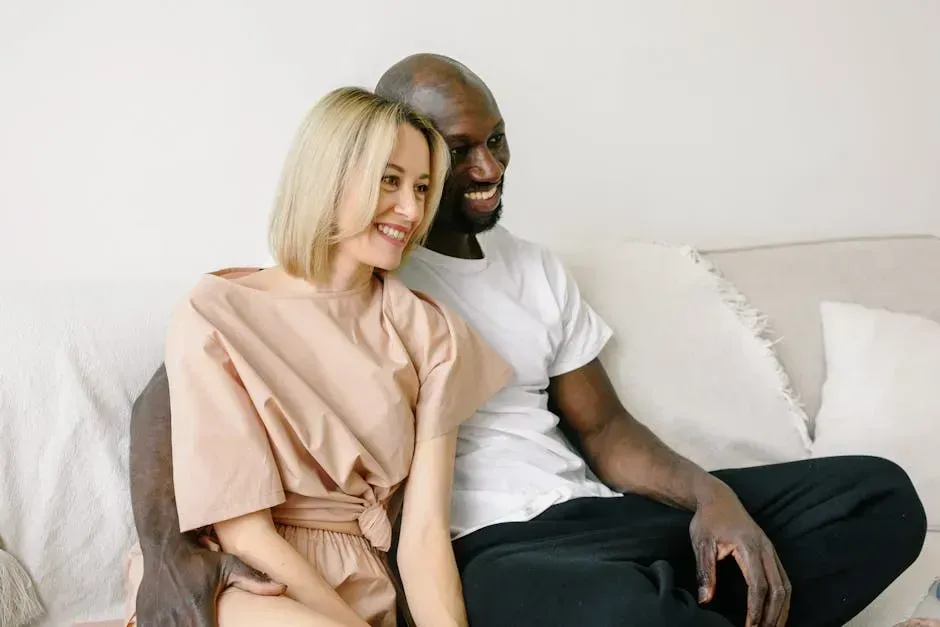
Couples who love the same movies or travel to the same places can still find themselves fundamentally misaligned in ways that quietly wear a relationship down. Researchers agree that partner preferences are a function of recurrent human needs, and among these, seeking compassionate partners affords greater safety and a sense of being genuinely cared for. Those deeper compatibilities, around how to handle money, how to treat people, what kind of life to build, tend to matter far more across a decade than any surface-level shared hobby.
Political and values alignment has emerged as a significant factor in modern dating, with nearly half of young adults between 18 and 34 now considering values alignment important when choosing romantic partners. Longitudinal research has found that patterns of which traits individuals prefer in a partner are surprisingly stable over time, with warmth and trustworthiness consistently ranking higher than status or resources. Women may not always articulate it as “shared values,” but they feel it clearly when those values are missing.
What makes these eight things worth naming is not that they’re secret. It’s that they’re rarely the first thing said. Social expectations, fear of seeming too demanding, and the general noise of early dating all conspire to push the most important needs to the back of the conversation. The wants outlined here tend to reveal themselves slowly, through what a woman notices, what she appreciates, and what she quietly grieves when it’s absent.




Leave a Reply