
There’s a quiet gap between what people assume women enjoy and what research and lived experience actually reveal. Some of these things are trivial annoyances. Others carry a real psychological weight. Together, they paint a picture that’s worth taking seriously, especially since many of them keep showing up, year after year, in workplaces, on streets, and in everyday conversations.
What follows isn’t a list of complaints. It’s a collection of patterns that have been documented across surveys, behavioral studies, and social research. Individual experiences vary, of course, but the trends are consistent enough to be worth examining honestly.
1. Unsolicited Advice and Mansplaining
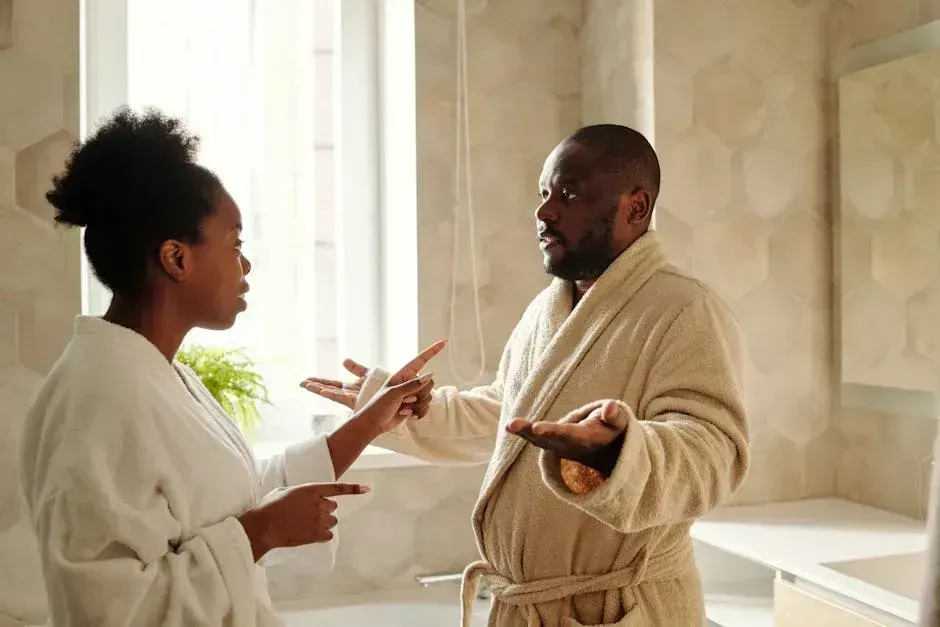
Research has found that unresponsive advice, defined as advice that is unsolicited, generic, and prescriptive, makes women feel less respected, powerful, and listened to. This is the dynamic most people recognize as “mansplaining,” though the study found the effects aren’t exclusive to men. Using both vignettes and live interactions, researchers showed that unresponsive advice from men negatively affected women’s self-perceptions, leaving them feeling less respected, powerful, and trusting.
A 2020 survey of 2,000 women in the workplace found that the average woman gets mansplained to while on the job six times each week, which adds up to 312 such moments each year. Separate research found that men mansplain personal finance to women roughly eleven times a month, and as a result, nearly six in ten women actively avoid talking about money because they’re wary of receiving unsolicited tips.
2. Being Interrupted Mid-Sentence

Women are about a third more likely to be interrupted than men and roughly a fifth less likely to receive credit for their contributions. They are also four times as likely to be questioned, corrected, or dismissed, leading many to hesitate before speaking. The pattern shows up not just in casual settings but in the highest levels of government as well. Researchers who reviewed transcripts from more than 24,000 Congressional hearings spanning 25 years found that women in Senate committees were ten percent more likely to be interrupted than men.
Women don’t just face interruptions in meetings. They also deal with what might be called selective deafness: they can share an idea, only for the conversation to roll on as if they never spoke. Multiple studies have shown that during in-person meetings, men are more likely to interrupt women, subvert or take credit for their ideas, talk longer and at louder volumes, and be argumentative or critical.
3. Being Told to Smile

There is a glaring double standard in the “smile” comment: men are rarely asked to smile, as this remark is almost always directed toward women. A survey found that the vast majority of women, nearly all respondents, reported being told to smile at work at some point in their lives, with a notable share saying the occurrence happens weekly or more frequently. It’s a demand that feels small on the surface but carries a consistent message about emotional performance. From a young age, girls are taught to smile, defuse anger and pain, and disguise unhappiness, and by age five they are already more likely than boys to smile on receiving a disappointing gift.
So often women and girls are instructed to change their facial expression for the comfort of others, to look nice, approachable, and pretty. Women report being told by male co-workers to smile more and are criticized when they do not, and to fit in, many engage in what is sometimes called “smile work”: actively working to appear agreeable. The request isn’t neutral. It’s a kind of management of women’s expressions that simply doesn’t apply to men in the same way.
4. Having Their Ideas Credited to Someone Else
Women can share an idea in a meeting, only for the conversation to roll on as if they never spoke, and then a male colleague repeats the same point, slightly reworded, and suddenly it becomes a brilliant idea worth discussing. This experience is common enough that it has its own informal vocabulary in some workplaces. In documented cases, group members have simply repeated a woman’s statements, effectively presenting her ideas as their own.
Research has noted that society tends to take men more seriously by default. People assume men know what they’re talking about until proven otherwise, while women must prove their competence before earning the same respect. This constant skepticism leads to more interruptions, dismissals, and roadblocks for women trying to establish authority. Having your contribution absorbed and reassigned, without acknowledgment, is one of the more quietly demoralizing experiences in professional life.
5. Workplace Microaggressions

Microaggressions, which are subtle and often unintentional comments or behaviors that reinforce stereotypes, disproportionately affect women. These interactions can range from assumptions about capabilities based on gender to comments that question women’s authority, and over time they erode confidence, decrease engagement, and contribute to a hostile work environment. The data on frequency is striking. College women in the United States endure everyday sexism about one to two times per week in the form of prejudiced statements about their appearance and abilities.
Women in rooms full of non-women face a disproportionate share of microaggressions, with roughly four in five in such settings experiencing subtle actions or statements of discrimination. Those who regularly experience microaggressions are more likely to leave their jobs due to consistent stress and feeling undervalued. What often gets dismissed as “just a comment” adds up to something much heavier over time.
6. The Gender Pay Gap

Despite progress, gender discrimination remains a persistent issue worldwide, and women are paid less per hour than men even when doing the same jobs while holding the same level of education. The long-term financial consequences are significant. At the current rate of change, it is estimated it will take roughly 132 years to close the global gender pay gap, and a 20-year-old woman starting full-time work in 2024 stands to lose hundreds of thousands of dollars over a 40-year career compared to her male counterpart.
Women also face challenges advancing in their careers, with only about a third of leadership positions globally held by women. The 2024 Women in the Workplace report showed that while women’s representation in leadership continued to rise, progress remained uneven, and early career advancement is slow while women of color still face persistent bias and microaggressions. The pay gap isn’t just a number. It’s a daily lived reality.
7. Being Evaluated on Appearance Rather Than Performance

Comments that reduce a woman’s worth to her appearance or that sexualize her without consent are among the most commonly reported forms of disrespect. Professional environments are far from immune. Women in the workplace are often expected to conform to gender stereotypes about ladylike appearance and behavior. Research from Northeastern University found that students evaluated male professors as knowledgeable while criticizing female professors for not smiling enough, a judgment tied entirely to appearance rather than competence.
Many still expect women to be agreeable, warm, and accommodating, even in professional settings. When women stop letting others interrupt them and decide to take a stand, they get labeled as “bossy,” “difficult,” or “too aggressive,” and nearly half of women leaders in research samples were labeled as being aggressive. The standard shifts depending on who’s in the room, and women navigate that double standard constantly.
8. Stereotype Threat in Conversations

When unsolicited advice comes from a man, women expect to feel as though they are being seen through the lens of a negative stereotype. In other words, unsolicited, generic, heavy-handed advice from men tends to make women more concerned that gender played a role in the interaction. This effect has a real name in psychology. What’s unique to men mansplaining is that women experience what psychologists call “stereotype threat,” becoming concerned that they are being seen through the lens of a negative stereotype.
In the United States, men are often afforded more status than women, and one subtle but potentially powerful way this gender-related inequality is perpetuated is through everyday conversations between men and women. The cumulative effect of these small interactions, each one easily dismissed on its own, shapes how women see themselves in professional and social contexts. That’s not trivial.
9. Being Dismissed or Talked Over in Meetings
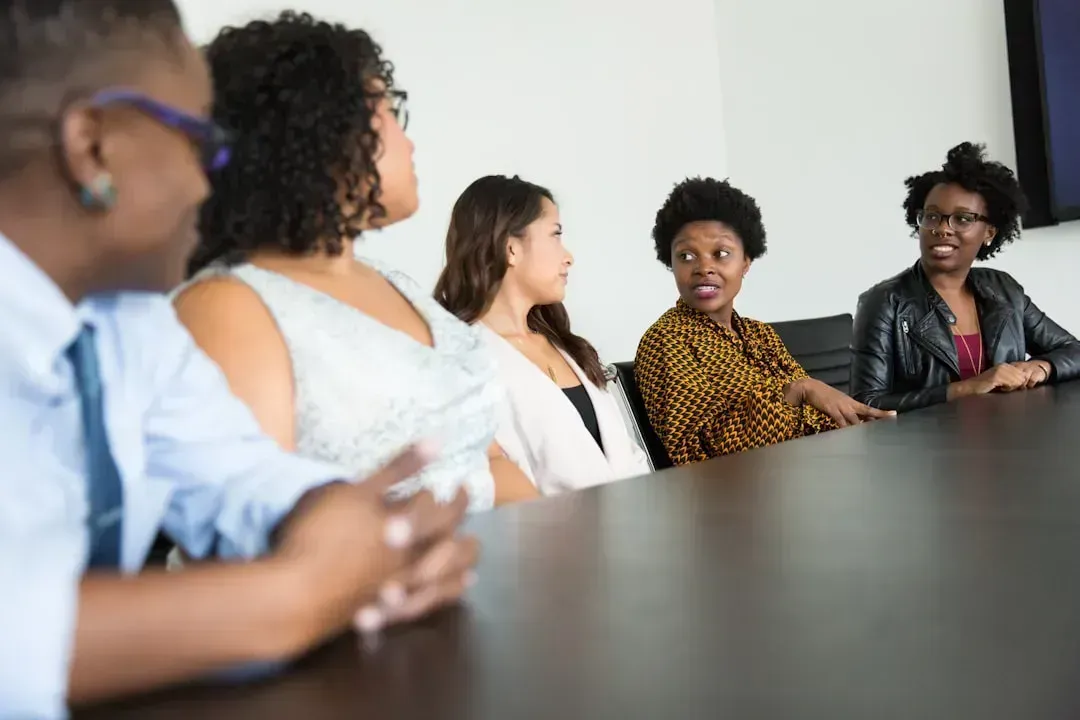
Research has found that women’s influence in meetings is systematically lower, they speak less, and when they do speak up, they are not listened to as much and are interrupted more frequently. This holds even when women enter those settings with stronger credentials. In teams where women were outnumbered, researchers discovered they were routinely seen as the least competent and influential in the group. The problem is not necessarily intentional bias or misogyny. It is instead a systemic issue where cultural norms and gendered messages shape the rules of engagement.
While a significant portion of men in leadership roles feel valued for their input, far fewer women share that experience. Evidence consistently shows that women are often less heard in the workplace compared to men, not only because of being interrupted or talked over, but also because their contributions, even when heard, are sometimes not fully acknowledged or acted upon.
10. Unsolicited Comments About Body or Weight
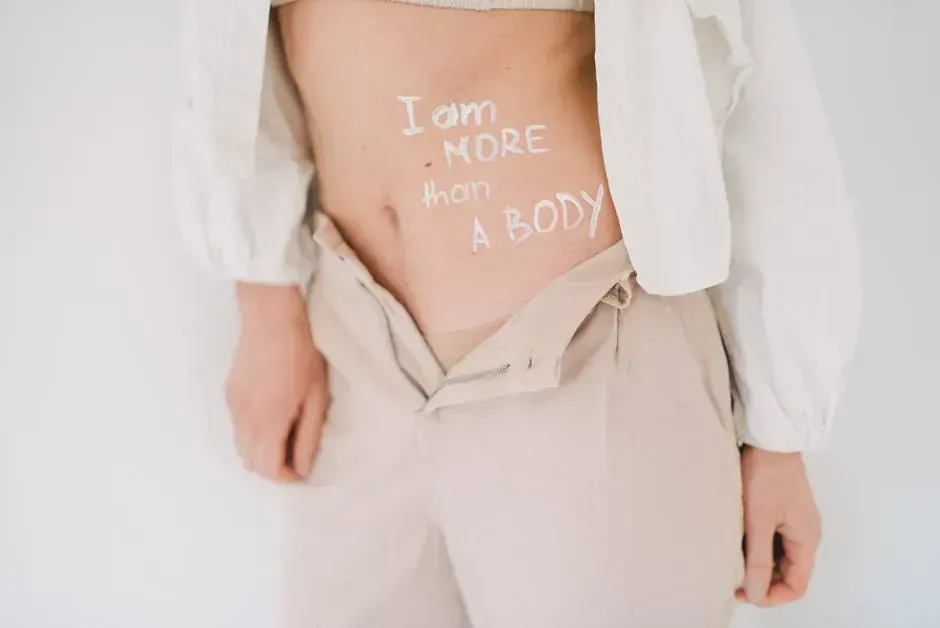
Comments that reduce a woman’s worth to her appearance are among the most frequently cited forms of everyday disrespect women experience. The pattern of commenting on women’s bodies in personal and professional settings remains persistent. Such commentary comes in many forms, from lewd remarks on the street to discussions with well-meaning relatives about how much “prettier” a woman might look with a different hairstyle, and women have long fought against these recurring indignities.
Unlike men, women face a near-constant stream of feedback about their physical presentation, whether they are perceived as too large, too thin, too made-up, or not enough. Women continue to face different standards than men, including far too much attention paid to their appearance, across personal, celebrity, and workplace contexts. The effect over time is not neutral. It shapes how women present themselves and how much mental energy gets spent managing those perceptions.
11. Being Treated as a Stereotype Rather Than an Individual
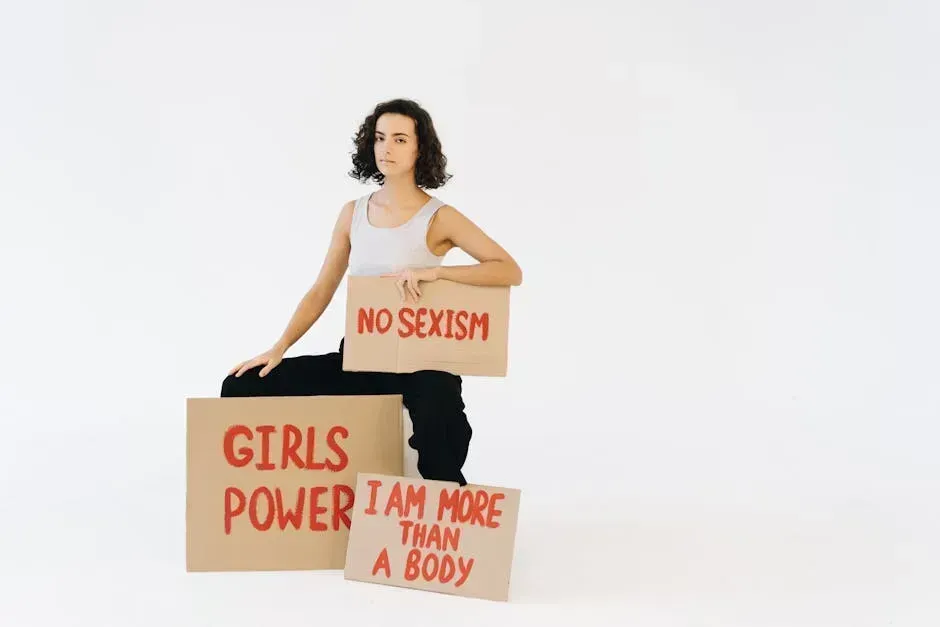
Preferences vary widely among women because individuals differ by personality, culture, age, and experience. However, patterns emerge from social research, surveys, and common interpersonal experience, and many women report being placed into categories rather than treated as full individuals. Being treated as a stereotype or as a possession rather than as a full person is one of the most consistently reported sources of frustration across cultures and contexts.
From an early age, people learn social scripts where “men say important things” while “women’s words carry gossip,” and even women, conditioned by the same societal norms, may find themselves subconsciously giving more credibility to male voices. The result is a dynamic where individual women constantly have to counter assumptions that have nothing to do with who they actually are, which takes a quiet but real toll.
12. Feeling Unsafe in Public Spaces
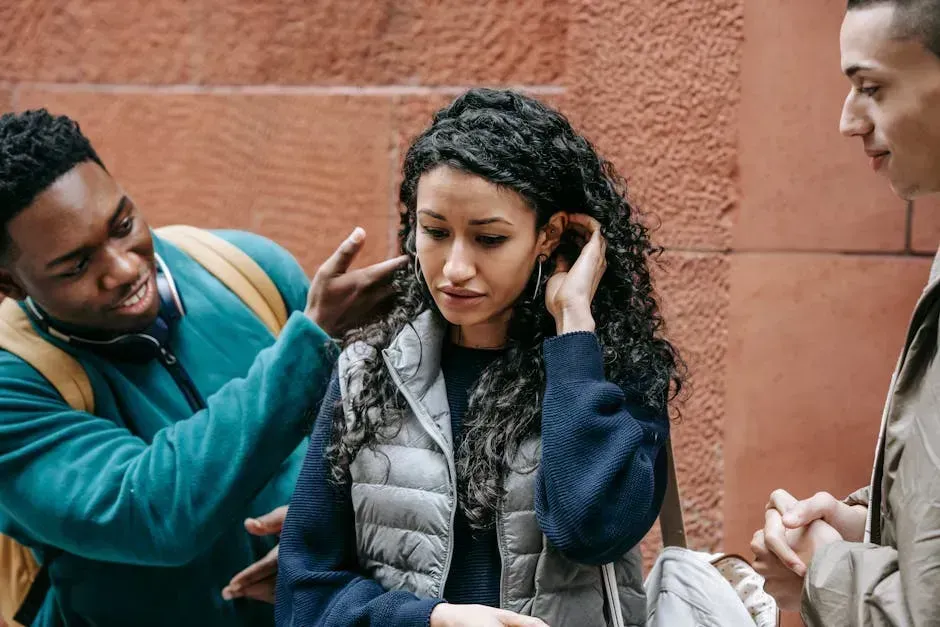
Black, Latina, and White women were all found to be more critical of street harassment behaviors than men in their respective racial or ethnic groups, and women across racial and ethnic groups interpreted harassment scenarios similarly, with only minor nuances. The feeling of being watched, followed, or commented upon in public is not an occasional event for many women. Street harassment takes many forms and happens everywhere, and it makes women feel deeply uncomfortable rather than flattered.
Research has argued that even the “smile genre” of street harassment is a form of domination, as it controls women’s emotional and intellectual space in public. In a post-awareness world, women resort to changing walking routes or walking quickly to avoid becoming the target of harassment, and passive-aggressive comments or unwanted interactions in everyday micro-encounters can create lasting tension and psychological stress.
13. The Expectation to Manage Everyone Else’s Emotions

Many of the things women report disliking fall into the broader categories of disrespect, dishonesty, and a lack of emotional competence from those around them. One recurring thread is the unspoken expectation that women should regulate the emotional atmosphere of any group they’re in, at home, at work, or socially. Women are more likely to apologize for speaking up or having opinions, tend to be self-deprecating, and make brief contributions to group discussion, often to smooth over tensions that they didn’t create.
Studies show that women frequently prioritize inclusivity, collaboration, creativity, and compassion, which are valuable for driving innovation and navigating complex situations. Yet these same qualities are often taken for granted rather than recognized as work. Despite advances in gender equity, women continue to navigate environments shaped by deep-rooted disparities that impact their daily lives, and as they progress in their careers, they frequently encounter barriers that limit their full potential. The expectation to absorb and manage emotional friction on top of everything else is one of the less visible but most exhausting parts of that reality.
Taken together, these thirteen things form a pattern that is less about dramatic incidents and more about accumulated, everyday friction. Most of them aren’t dramatic events. They’re quiet, recurring experiences that require energy to navigate, often without acknowledgment that navigation is even happening. The gap between what’s assumed to be fine and what’s actually experienced is worth closing, one conversation at a time.




Leave a Reply