
Words move fast, especially in a busy household. A parent gets tired, a situation escalates, and something slips out before there’s time to think twice. Most of those moments pass without lasting damage. Some, though, stick around longer than anyone intended, quietly shaping the way a child sees themselves and the world around them.
The ways in which we speak to our kids becomes their inner voice. That’s not a guilt trip – it’s just how child development works. Words land differently on kids. They absorb tone, timing, and the tiny signals behind the sentence. A quick comment can stick because kids use your voice to build their inner voice. The good news is that awareness alone can shift things. Knowing which phrases to avoid – and why – is already more than halfway there.
1. “You’re So Stupid” (or Any Variation of It)
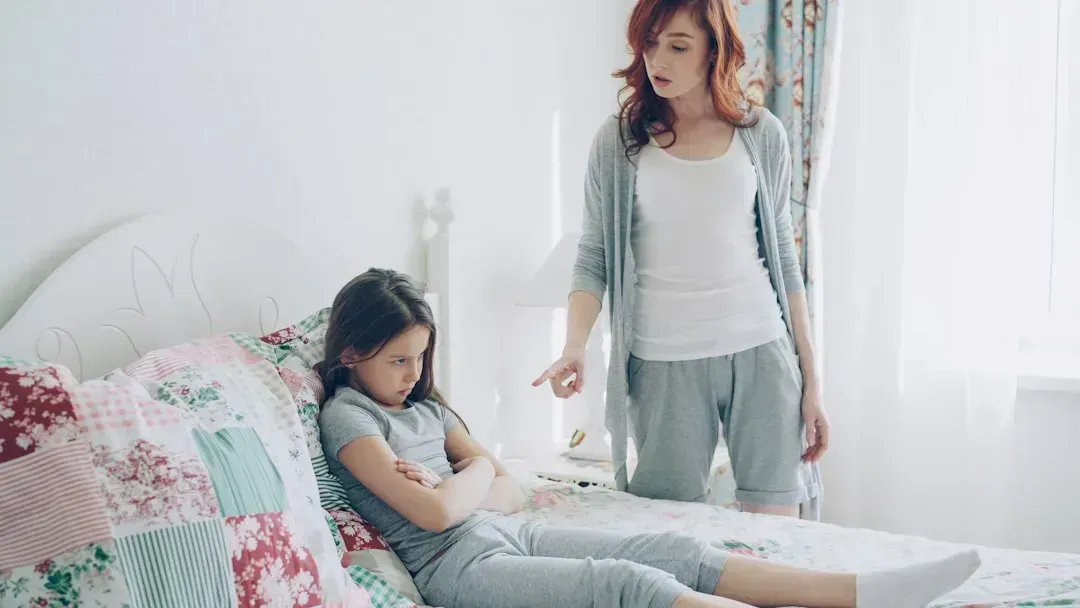
The ways we speak to our kids becomes their inner voice. If we tell them that they are stupid, or any other critical statement, they will believe us. This isn’t just a matter of hurt feelings in the moment. Criticism, ridicule, or verbal abuse can activate the fight-or-flight response in the brain and trigger the release of cortisol, a stress hormone.
This shame-inducing approach tells kids that they are flawed and focuses their attention on what’s wrong with them as a person, rather than on what they can do differently in the future to help create a more positive outcome. Redirect toward the behavior, not the child’s character. Saying “that wasn’t a careful choice” is miles away from “you’re so careless.”
2. “Why Can’t You Be More Like Your Sister?”

Comparisons are toxic and they serve no positive purpose. Comparing your child to their brother, sister, or friend only tears down your child and makes them feel like they’re not good enough or don’t measure up. Treat each child as an individual. Every child develops at a different pace and excels in different areas. Holding one up as the model only creates resentment between siblings and chips away at each child’s sense of identity.
Comparing children to their siblings or close friends can create a sense of rivalry and make the child feel like they are not accepted for who they are. A better approach is to acknowledge what each child does well on their own terms, without dragging anyone else into the comparison.
3. “You’re So Smart”
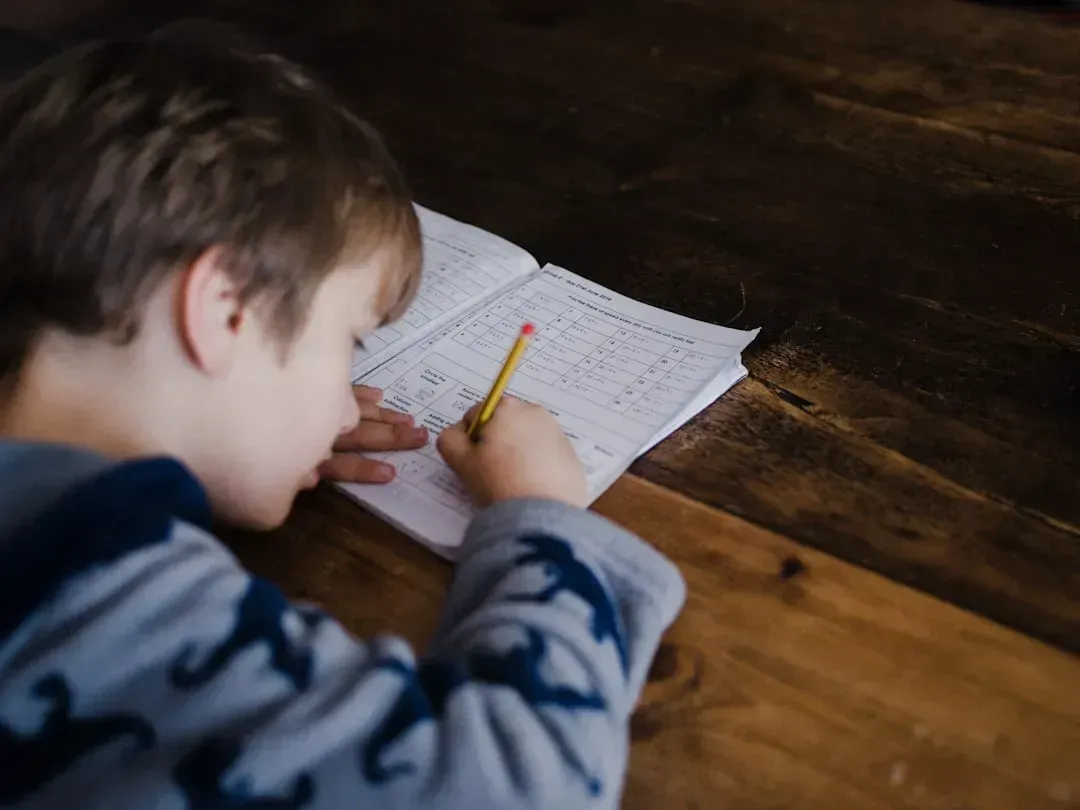
This one surprises people, but the research behind it is solid. Contrary to popular wisdom, when you praise intelligence, it backfires. It puts kids into a fixed mindset and right away, they don’t want a challenging task. If instead the adult praises the child’s process, the effort or strategy, and ties it to the learning they’ve done, that puts kids into more of a growth mindset.
Children who view themselves as smart are both in danger of coasting on their perceived talents and avoiding truly hard tasks that might dent their reputation for brilliance. Saying that kind of thing to children can actually work against their striving to learn. Try “I can see how hard you worked on that” instead. It’s a small shift with a meaningful difference.
4. “Stop Crying – Big Kids Don’t Cry”

Both phrases like this lack empathy and teach children to deny or repress their feelings, which is bad for long-term emotional development and well-being. When children consistently get dismissed or made to feel like they can’t express their emotions, they’ll learn to stay silent to avoid any more hurt. Eventually, this can lead them in adulthood to bottle up their emotions, which can negatively impact their relationships later in life.
Tears are not a sign of weakness, in children or adults. They’re a sign that something matters. Acknowledging that feeling, even briefly, teaches a child that their emotional world is valid and that they don’t have to hide it to earn approval.
5. “You Always Do This” or “You Never Listen”

Words like “always” and “never” feel final. They turn a single mistake into an identity. A kid who hears this enough may stop trying, because why risk confirming the label? When every misstep becomes a sweeping character verdict, the child stops believing that change is possible. The label becomes the ceiling.
Your child needs room for learning from mistakes without fear of character judgment. A better target is the specific behavior. “You didn’t listen this morning” is honest and correctable. “You never listen” is a story that’s hard to shake, especially for a young child who takes parental words at face value.
6. “Because I Said So”

The phrase can land as, “Questions are unsafe here.” Kids learn reasoning by hearing reasoning. A short explanation builds trust and cooperation. It also shows your child that rules have a purpose, which makes them easier to follow later. This doesn’t mean every decision needs to turn into a negotiation. It just means a brief “because it keeps you safe” or “because it’s respectful” goes a long way toward teaching cause and effect.
It’s important to validate a child’s feelings and offer an age-appropriate explanation of why we are making the decisions we are making. Children who understand the reasoning behind rules are generally more likely to internalize them – and more likely to trust the parent who explains things honestly.
7. “You’re Making Me So Angry”

This line hands your emotions to your child like a heavy backpack. Kids can start to believe they control your mood. That can create anxiety, people-pleasing, or secretiveness. As parents we want to be very cautious of being the source of fear. It’s a very scary place for a child to know you are angry and feel to blame for your feelings of intense anger.
Try to be as specific and nuanced as possible with your feelings – rather than using the broad “I feel bad,” say, “I feel frustrated” – as you are modeling something called emotional granularity, which research shows is beneficial to mental health. This language also makes it clear that your feelings are not about the child, but about a specific, changeable behavior. That distinction matters enormously.
8. “You’re Such a Failure”

If you want your children to learn from their mistakes, address their mess and how it can be fixed without hanging it on them. The label of failure is a heavy load to carry, and most kids won’t hold up. Framing a poor result as a permanent identity is one of the more damaging things a parent can do – not just in the immediate moment, but over time, as that label gets reinforced with each new stumble.
Low self-esteem isn’t just temporary; it can impact all areas of someone’s life, even into adulthood. It can make it harder for them to speak up for themselves, make decisions, and build any sort of healthy relationships in the future. Separate the behavior from the person, every single time.
9. “You’re So Lazy”
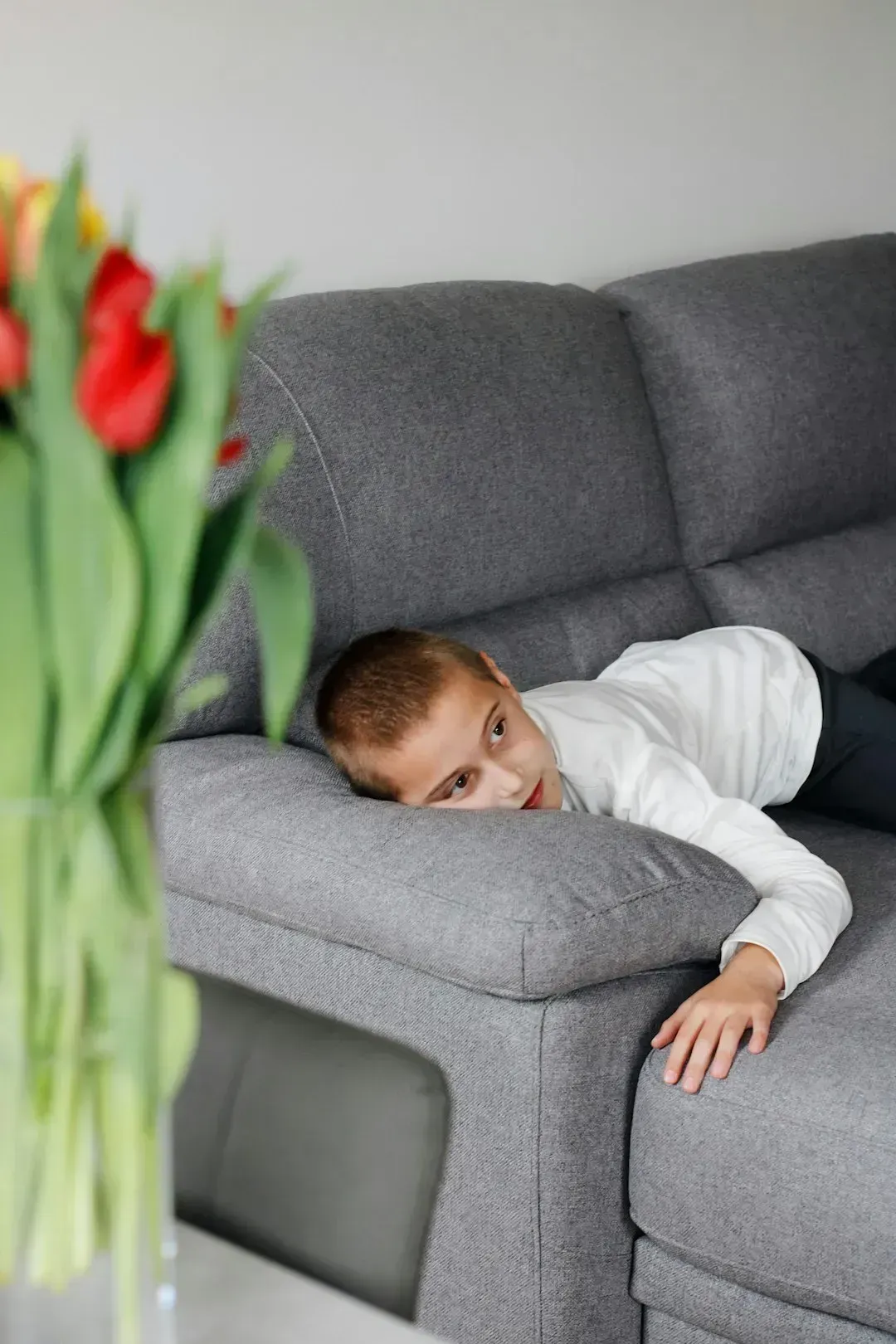
When you call a child lazy, you run the risk of the child internalizing the label. Think about the Pygmalion effect: positive expectations lead to better performance. Research has shown this is a potent idea in both the classroom and workplace. Conversely, negative expectations lead to worse performance. So calling a child “lazy” isn’t the motivation you might think it is.
Oftentimes, if kids are dawdling or procrastinating, it’s not out of laziness but, rather, because they lack the know-how to get something done. Using negative labels like “lazy” can demotivate a child and reinforce a fixed mindset, inhibiting their potential for personal growth and development. Ask what’s getting in the way before attaching a label that may follow them for years.
10. “I’m Disappointed in You”

There’s a subtle but important difference between being disappointed by a behavior and being disappointed in a person. A shame-inducing phrase tells kids that they are flawed and focuses their attention on what’s wrong with them as a person, rather than on what they can do differently in the future to help create a more positive outcome. This is a recipe for impaired well-being.
Children already feel bad when they’ve let someone down. Piling on with personal disappointment can deepen shame rather than motivate reflection. A steadier message sounds more like: “That behavior wasn’t okay, and I know you can do better.” It’s honest without being crushing.
11. “You’re Too Sensitive”

Excessive or harsh criticism can be harmful to a child’s psychological development. It can create feelings of inadequacy. This could contribute to feelings of low self-esteem or anxiety. Telling a child they’re “too much” of anything – too emotional, too sensitive, too dramatic – sends the message that their natural responses are a problem to be corrected rather than feelings to be understood.
Dismissing a child’s thoughts, feelings, or opinions invalidates their experiences and prevents healthy communication, potentially leading to difficulties in expressing themselves in the future. Sensitivity in children often signals deep empathy and awareness. Labeling it as a flaw is a missed opportunity to nurture one of their most valuable traits.
12. “I Wish You Were More Like When You Were Little”
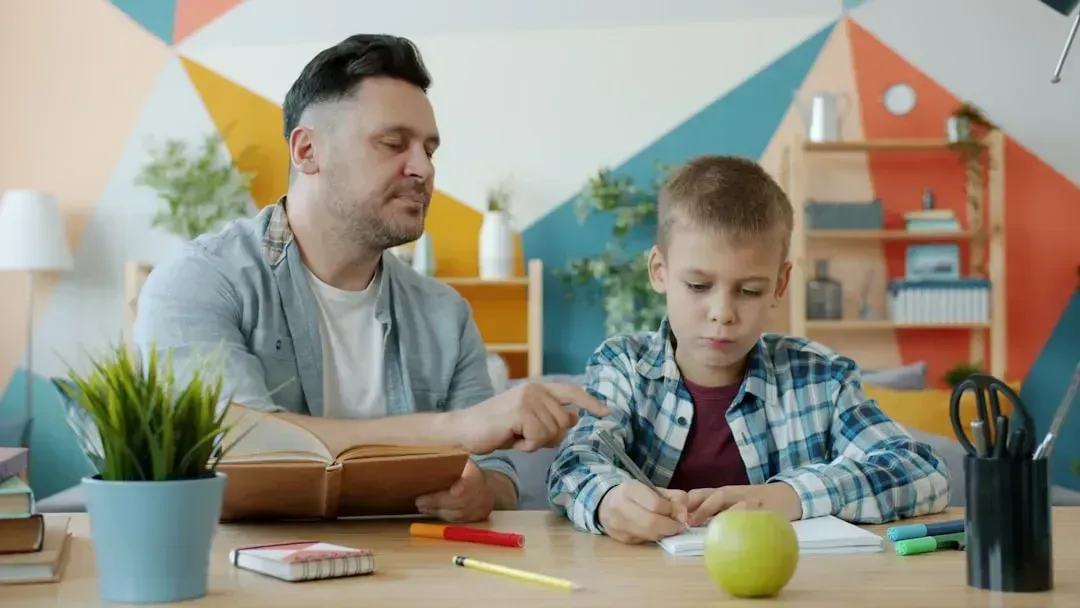
Nostalgia has its place, but not when it’s aimed at a child who is trying to grow. Phrases that idealize an earlier version of a child can make them feel that growing up itself is somehow wrong. Children’s earliest experiences shape their developing brains and establish patterns that can last a lifetime. Parents play a significant role in their child’s development, and their actions and behaviors can have a profound impact on a child’s future outcomes.
Adolescents especially need room to push limits, try on different identities, and occasionally be difficult. That’s not malfunction – that’s development. Meeting those phases with resentment instead of patience can fracture the relationship at exactly the moment a young person needs anchoring the most.
13. “You’re Ruining Everything”
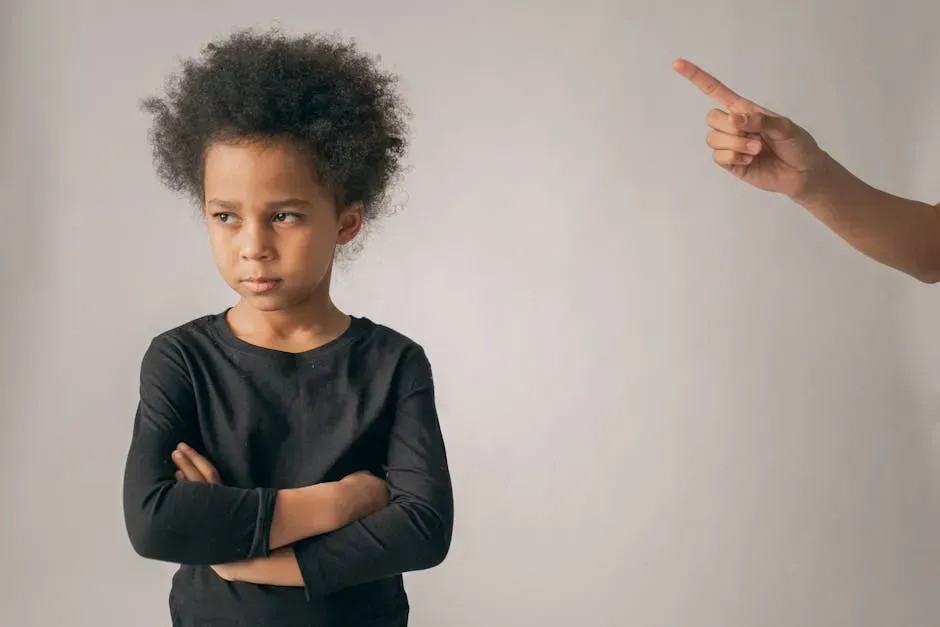
Never blame your kids for all the mistakes and minor accidents in the house. Constantly blaming children for all the faults will increase the burden among themselves. Saying such phrases each time any item broke or any mishap happened will make kids guilty about things they might not have done.
When kids constantly get blamed for everything at home, they will start to do the same with their peers, and they will even learn to shift their blame onto others. Similarly, children will feel skeptical about all their activities and will feel cautious about everything they do. Neither outcome is what any parent is actually hoping for.
14. “Wait Until Your Father/Mother Gets Home”
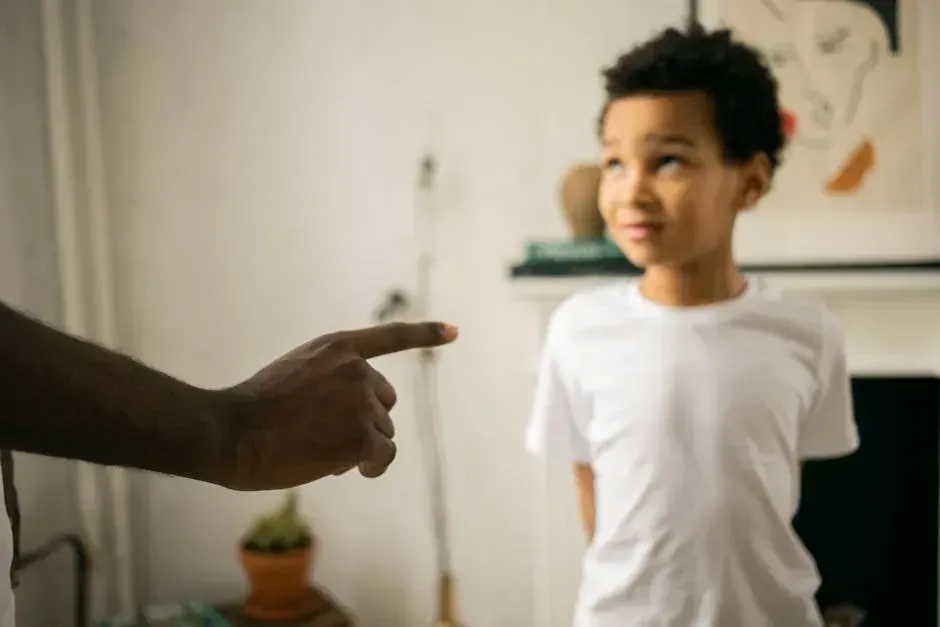
This phrase, and others like it, uses fear to motivate change. It relies on aggression and intimidation. Someday your children will be a lot larger and more independent, so if this is your go-to strategy it will one day cease to be effective. Beyond that, it delays resolution until a moment that’s already disconnected from the original behavior, making it harder for younger children to understand the link between action and consequence.
What’s most problematic about this strategy is that it teaches kids, via behavior modeling, to get what they want through aggression and intimidation. Over time this phrase is likely to erode the trust and respect in your relationship with your children. Addressing issues directly and calmly, in the moment, is almost always the more effective path.
15. “You’re Not Loved” (or Anything That Implies It)
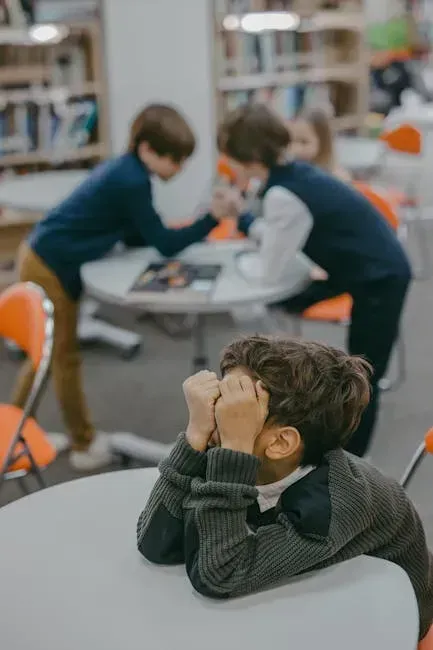
Perhaps one of the worst things you should never say to your children is that they are not loved or wanted. This can create ingrained feelings of rejection and abandonment and may lead to long-term emotional issues such as anxiety, depression, and low self-esteem. Even said in anger, even said as what feels like an obvious exaggeration, these words carry extraordinary weight.
Research following children over many years found that those who had been exposed to much criticism or any hostility in childhood had much lower self-confidence and self-esteem as adults, and more depression. A child’s understanding of their own worth is constructed largely through what the people closest to them reflect back. Making unconditional love feel conditional – even briefly – is one of the hardest things to undo.
Most parents on this list have said at least one of these things, probably more than once. That’s not a verdict on who you are as a parent. Parenting is relentless, and language under pressure is imperfect. What matters is the direction of travel: toward more awareness, more repair when things go wrong, and a genuine understanding that the words children hear most often become the words they say to themselves. That’s worth paying attention to, every single day.




Leave a Reply