
There’s a certain quiet shift that happens around 50. The body starts sending clearer signals, the margin for error on bad habits narrows, and choices that felt consequence-free at 30 begin leaving a more obvious mark. It’s not doom and gloom – it’s biology, and knowing what to expect makes a real difference.
The choices men make in their 40s and 50s have an outsized impact on quality of life in their 60s, 70s, and beyond. Some of the habits worth dropping aren’t dramatic vices – they’re everyday patterns that have simply aged out of being harmless. Here are 13 of the most important ones to leave behind.
1. Skipping Strength Training

Starting around age 40, men begin losing roughly one percent of their muscle mass every year, and that rate increases in their 50s. This loss, called sarcopenia, directly impacts strength, balance, metabolism, and independence. Relying only on cardio or avoiding the weights altogether stops making sense at this stage of life.
While cardio exercises like running or cycling are great for cardiovascular health, strength training helps build or maintain muscle mass. The Centers for Disease Control and Prevention recommends muscle-strengthening activities on two or more days a week. Even modest resistance work – squats, lunges, or bodyweight exercises – can meaningfully slow the decline.
2. Smoking

Cigarette smoking sits at the top of the risk factor table for almost everything men don’t want to have, including cardiovascular disease, increased risk of heart attack and stroke, various cancers, and COPD. It remains one of the most consequential habits a man over 50 can still be carrying around.
Blood oxygen levels increase within the first 12 hours after smoking cessation. After one week, circulation improves, and after one month, lung function significantly recovers. The body starts repairing itself almost immediately, which means it’s genuinely never too late to stop.
3. Drinking More Than the Body Can Handle

Alcohol consumption is associated with a variety of short and long-term health risks, including high blood pressure and various cancers. Dietary guidelines recommend that men who choose to drink limit intake to two drinks or less on the days they drink. The key word there is “limit” – not eliminate, but be honest about the actual amount.
An incredibly common mistake individuals over 50 make is not realizing how harmful alcohol consumption can be. Metabolism slows with age, the liver processes alcohol less efficiently, and the risk of alcohol-related conditions rises considerably. Many men are still drinking like they’re 35 without accounting for how much the rules have changed.
4. Ignoring Annual Physicals and Screenings

At age 50, annual physicals become more important because the risk for certain diseases is going up. It is not too late to protect long-term health. Men are historically more likely than women to skip routine checkups, and that pattern becomes genuinely costly after 50.
Colorectal cancer is the third most common cancer affecting both men and women, and also the third leading cause of cancer-related deaths in the U.S. Because this risk is high, doctors recommend a colonoscopy beginning at age 45. Catching problems early is the whole point. Avoiding the doctor’s office doesn’t make the risks disappear – it just delays finding out about them.
5. Eating a Diet Built Around Processed and Inflammatory Foods

Research shows that consuming too many inflammatory foods can speed up brain aging, which could result in dementia. Another study found that individuals who followed an anti-inflammatory diet containing more beans, vegetables, fruits, and coffee or tea experienced a decreased risk of dementia over time. The brain pays the price for what’s on the plate, not just the waistline.
A healthy diet provides many more benefits beyond helping keep weight in check. It can help men over 50 reduce their risk of heart disease, type 2 diabetes, obesity, and some types of cancer. What a man eats directly influences his risk for chronic diseases that often begin developing silently in his 50s before causing any symptoms.
6. Avoiding the Doctor Because “Nothing Feels Wrong”

Beginning around age 50, a man’s body starts becoming more susceptible to ailments and disorders that can derail health, happiness, and even life itself. The tricky part is that many of the most serious conditions, from high blood pressure to certain cancers, develop quietly. Feeling fine and being fine aren’t always the same thing after 50.
What men can control often affects health much more than the factors they can’t. For all the media coverage of new genetic discoveries, the tried-and-true advice about diet, exercise, and preventive care matters more in the end. Skipping appointments because nothing hurts is exactly the kind of reasoning that allows small problems to become big ones.
7. Letting Stress Go Completely Unmanaged

Stress is often overlooked, but chronic worry takes a real toll on health. Elevated stress hormones increase the risk of heart disease, stroke, and immune dysfunction. After 50, the body is less equipped to absorb prolonged stress without showing physical consequences, and many men still treat stress management as something optional.
Cardiovascular disease has been identified as a leading cause of premature mortality among middle-aged and elderly individuals. CVD and many cancers share pathogenic factors such as chronic inflammation and metabolic alterations, including elevated blood pressure and high blood glucose. Chronic stress feeds directly into those same pathways. Managing it isn’t soft – it’s strategic.
8. Living a Sedentary Lifestyle

People who spend all their time indoors without moving are at higher risk for stroke, heart disease, diabetes, and obesity. It is important to overcome a sedentary lifestyle and incorporate physical activity into daily routine. A desk job combined with a couch at home creates a pattern that compounds with every passing year after 50.
Muscles typically lose flexibility, strength, and endurance as men age, which can have a major impact on stability, balance, and coordination. In addition, stiff arteries and blood vessels make the heart work harder to pump blood properly throughout the body. Movement, even in modest daily amounts, keeps those systems functional. The longer men wait to start, the more ground they’re giving up.
9. Withdrawing from Social Connection

Life gets quieter for many people after 50, but isolation can quietly harm the brain. Limited social interaction is associated with faster memory decline and reduced cognitive performance over time. For men especially, the loss of workplace social structure after career changes or retirement can accelerate this withdrawal without it feeling like a deliberate choice.
Meta-analyses have found that social isolation or loneliness in older adults is associated with a significantly increased risk of developing dementia, coronary artery disease, and stroke. People who engage in meaningful, productive activities they enjoy with others feel a sense of purpose and tend to live longer. Staying connected isn’t just emotionally important – it’s physically protective.
10. Skimping on Sleep

In a study of more than 9,000 adults aged 50 and older, researchers found a significant link between loneliness and insomnia symptoms, such as difficulty falling and staying asleep, waking up too early, and nonrestorative sleep. Sleep problems after 50 are common but rarely inevitable, and many men normalize them when they should be addressing them.
A lack of sleep is known to raise the risk for cardiovascular disease and memory problems. Suboptimal sleep has been associated with increased mortality and morbidity as well as a number of comorbid physical and mental health issues. Late-night screens, alcohol before bed, and irregular schedules all erode sleep quality in ways that feel manageable until they aren’t.
11. Dismissing Mental Health as Someone Else’s Problem
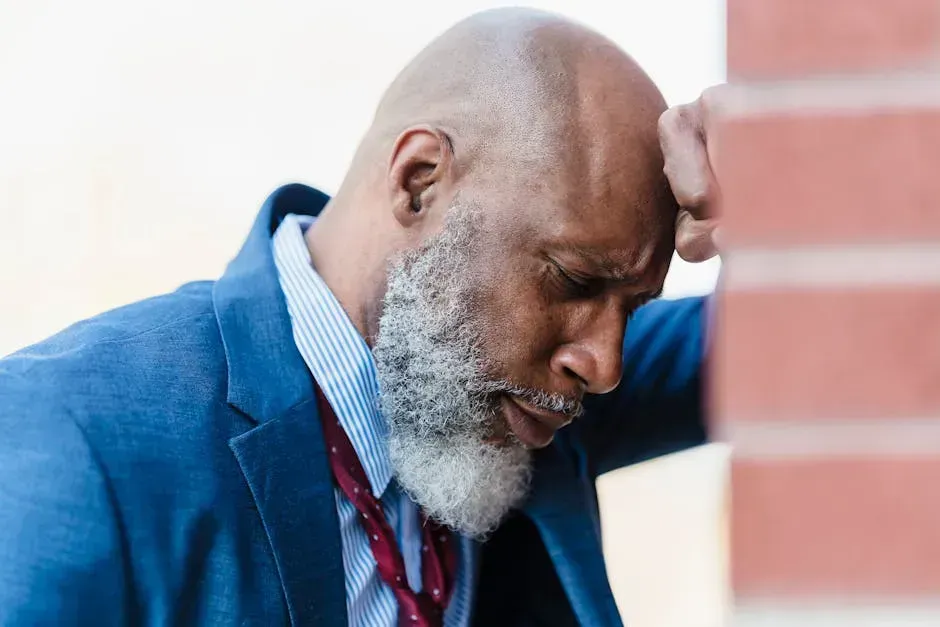
There are a number of issues men can start experiencing in their 50s that can be difficult to talk about, such as depression and erectile dysfunction. Depression may be common in older men because of stressful or sad situations, like losing a loved one or transitioning from work to retirement. When a person’s depression interferes with daily life, it could be a medical condition that needs to be treated.
Depression is one of the most common mental disorders in the United States among people 18 and over. Some people get down as they age when health problems crop up, loved ones are lost or move away, and other life changes happen. Toughing it out silently is a habit many men carry into their 50s, and it genuinely costs them. Getting help for mental health is no different than treating a physical problem.
12. Skipping Breakfast or Eating Late at Night

Eating right before bed can cause heartburn because lying down right after eating can cause stomach acid to back up into the esophagus. Late eating can also encourage unhealthy food choices, such as too many snacks or junk foods. After 50, the digestive system becomes less forgiving about timing, and the metabolic impact of late-night eating is harder to offset.
Aiming to fill half the plate with fruits and vegetables and opting for whole grains and lean protein sources supports energy and organ health. For heart health and weight management, it’s important to eat foods that are low in saturated fats, trans fats, cholesterol, salt, and added sugars. Meal timing matters as much as meal content, and small adjustments in when and what men eat can produce meaningful long-term results.
13. Assuming Physical Decline Is Inevitable and Unchangeable

Exercise can slow or even reverse the age-related decline in muscle mass. Studies show that even people who were very inactive were able to gain function by doing some strength training that fits their abilities. The most damaging belief a man over 50 can hold is that the body’s trajectory is simply fixed. It rarely is.
Genes load the gun, and lifestyle pulls the trigger. Men can avoid activating many disease-promoting genes by adopting healthy habits, and they can amplify the benefits of favorable genetics with positive lifestyle choices. Fifty is not a finish line. For men who quit the habits that no longer serve them, it tends to look much more like a starting point.




Leave a Reply