
There’s a particular look younger people get when a 60s kid tries to explain what ordinary life was actually like back then. It’s somewhere between fascination and quiet horror. Not because the decade was some dark era, but because so many things that felt completely routine would today require a risk assessment, a liability waiver, or a call to emergency services.
Some of it was genuine danger dressed up as childhood fun. Some of it was simply a world operating without the safety knowledge, technology, or cultural norms we now take for granted. Either way, the gap is real and it’s wider than most people imagine.
1. Hiding Under a School Desk to Survive a Nuclear Bomb
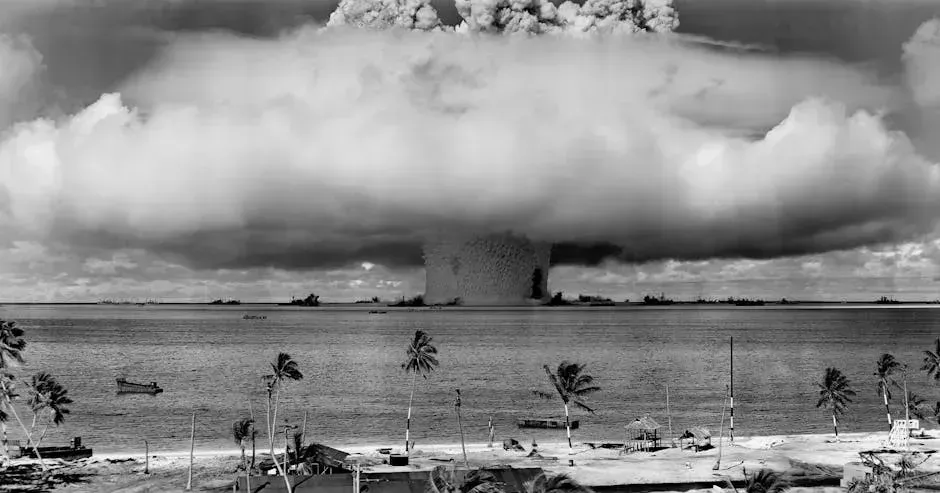
In the 1950s and into the 1960s, grade school students across the country practiced some form of “duck and cover,” a civil defense strategy intended to shield children from being mortally wounded from the immediate effects of a nuclear attack. During these drills, schools instructed students to hide under their desks and cover their heads with their arms. The sheer normality of it was the strangest part. Teachers called it out like a fire drill, and children complied without question.
By the early 1960s, the U.S.-Soviet arms race had heated up to the point that duck and cover came to look like an even more inadequate response to the nuclear threat. In 1961, the Soviets exploded a 58-megaton bomb dubbed “Czar Bomba,” which had a force equivalent to more than 50 million tons of TNT. Many children experienced fear when practicing the duck and cover drills, a feeling that stayed with them even into adulthood. A generation was quietly taught to expect annihilation as part of the school day.
2. Riding in Cars With Zero Safety Restraints at Highway Speed
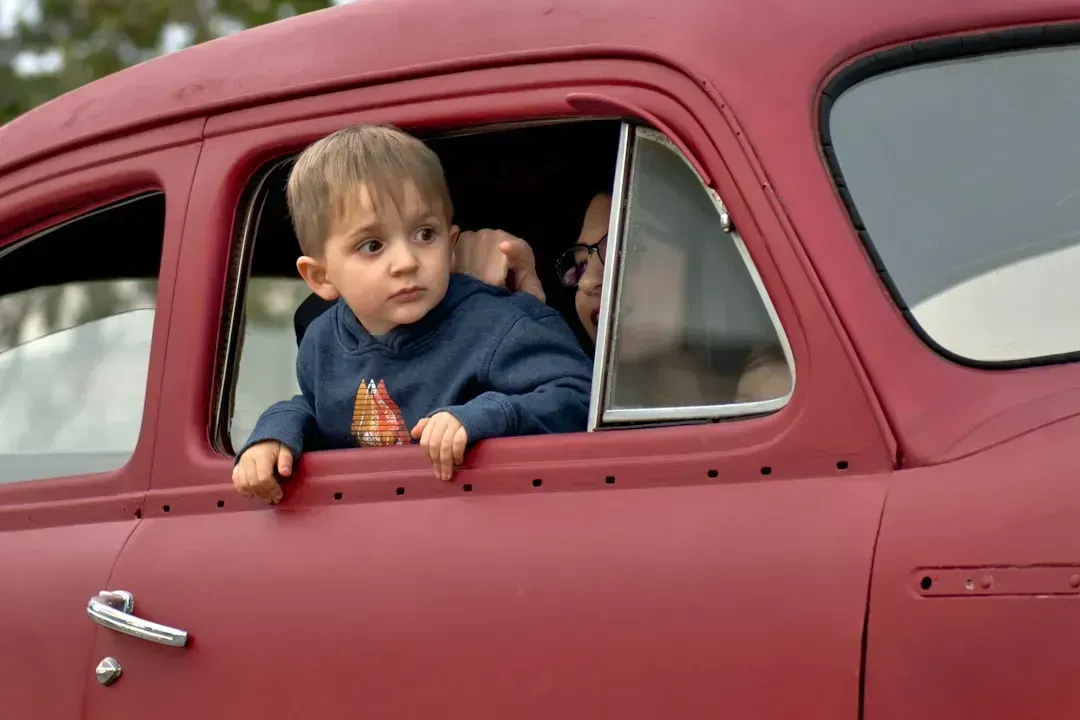
In the 1960s, it wasn’t unusual to see a bunch of kids piled into the backseat, maybe even the front seat, without a belt in sight. Cars often lacked full seat belt systems, and child car seats, if you had one, were more about keeping the kid in one place than actual crash safety. Kids would stand on the back seat, lean against the dashboard, or sleep across the rear window ledge on long drives. Nobody thought twice about it.
Cars in the 60s were, by today’s standards, genuinely dangerous. Families piled in with zero restraints, kids bouncing around the back seat like human pinballs, and nobody batted an eye when children crawled from seat to seat during highway drives. The idea that this was simply Tuesday is the part that stops younger generations cold.
3. Playing With Metal-Tipped Lawn Darts as a Family Game

Jarts, or lawn darts, were a popular outdoor game involving tossing weighted darts into a target. The problem was that they were essentially sharp metal projectiles thrown through the air. Unsurprisingly, the game was eventually banned for safety reasons. Lawn darts caused countless injuries over the years, some of them catastrophic. This was a toy sold at mainstream retailers, given as a birthday gift, and happily played in back gardens across the country.
No story on dangerous toys would be complete without Lawn Darts. The name itself tells any sane person all they need to know. Essentially, these were hard-to-see mini-javelins made for people with dubious athletic skill and depth perception, never a good combination. The remarkable thing isn’t that injuries happened. It’s that the game remained on shelves for as long as it did.
4. Growing Up With Lead Paint on Every Wall
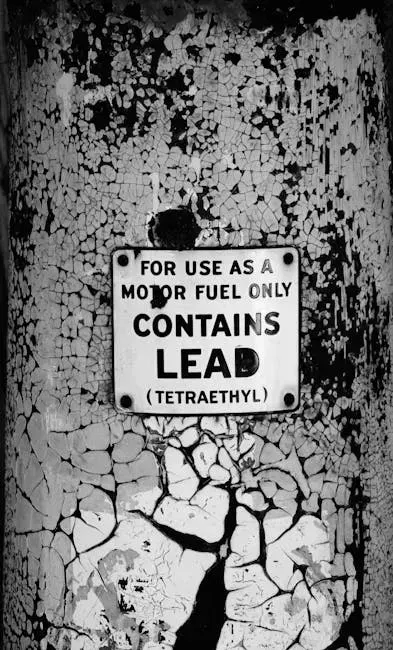
Homes built in the 1960s often had walls covered in lead-based paint, a standard material for decades. Kids might have grown up teething on crib rails coated with lead paint or living in rooms whose chipping paint flakes contained neurotoxic substances. There was no awareness, no warnings on the tin, and no reason for parents to suspect the colorful walls they had so carefully chosen were a health hazard.
Asbestos was the wonder material of the mid-20th century, cheap, fire-resistant, and found in everything from insulation to tile flooring. Kids played in basements or public buildings lined with asbestos, completely unaware of any hidden dangers. Over time, medical research revealed that asbestos fibers, when inhaled, can cause serious respiratory diseases. Two invisible threats, quietly present in virtually every home, and nobody knew.
5. Dialing a Rotary Phone With Your Finger for Every Single Digit
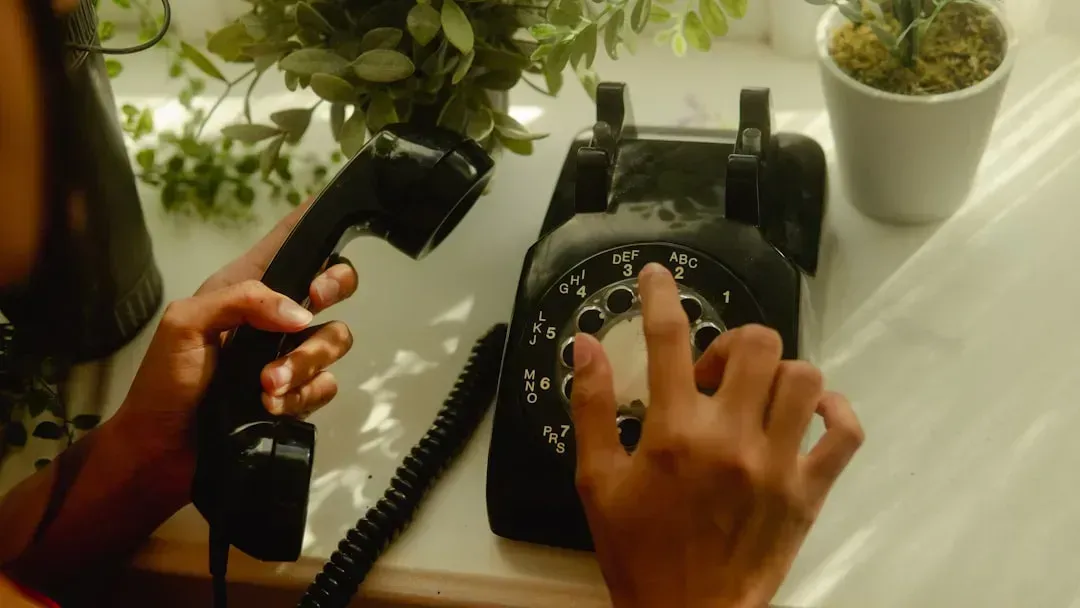
Back in the day, you had to stick your finger into a heavy plastic dial and rotate it for each digit. Rotary phones became household staples by the 1940s and were common in nearly every American home throughout the 1950s and 1960s, before push-button models started taking over in the 1980s. Imagine needing to stick your finger in a numbered hole and physically rotate a dial for each digit of a phone number. There were no touchscreens, no contacts list, just the mechanical click-click-click as the dial returned to position after each number.
Long-distance calls were expensive special events, often planned days in advance. Families would gather around to speak with relatives in other states. If you wanted to call your crush, you might have to work up the courage to ask their parents who answered first. The idea of a phone call requiring genuine preparation and social nerve is almost incomprehensible to anyone who grew up with a smartphone in their pocket.
6. Sharing a Telephone Line With Your Neighbors
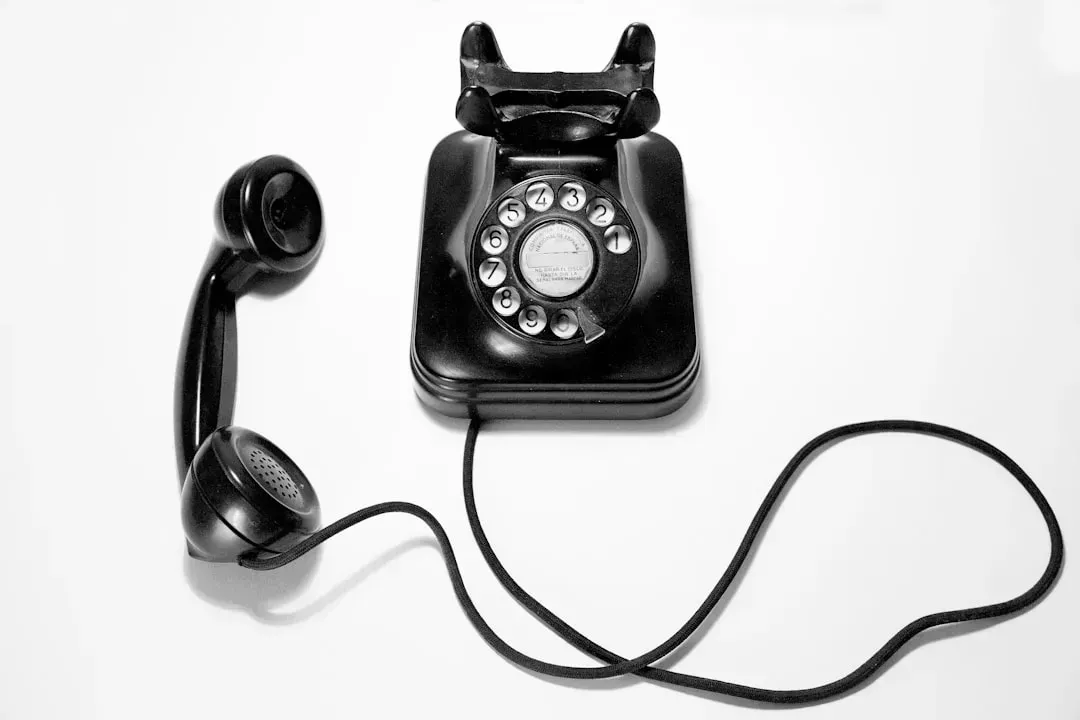
Before cellphones and private calls, there was the neighborhood party line. Several households shared a single phone connection, which meant if you picked up the receiver, you could hear your neighbor chatting away. Sometimes it was harmless fun; other times it was awkward. These shared systems served approximately forty percent of American residential customers at their peak, primarily in areas where infrastructure limitations prevented individual connections. Monthly fees for party lines cost about half the price of private service, making telecommunications accessible to budget-conscious families.
Making a call back then often meant waiting until neighbors completed their conversations, as party lines connected multiple households to shared circuits throughout rural and suburban America. Telephone companies assigned unique ring patterns to each residence, perhaps two short rings followed by one long tone, signaling which household should answer incoming calls. Privacy, as a concept, was essentially optional on these lines, and everyone quietly accepted it.
7. Toys That Were Basically Miniature Hazmat Incidents
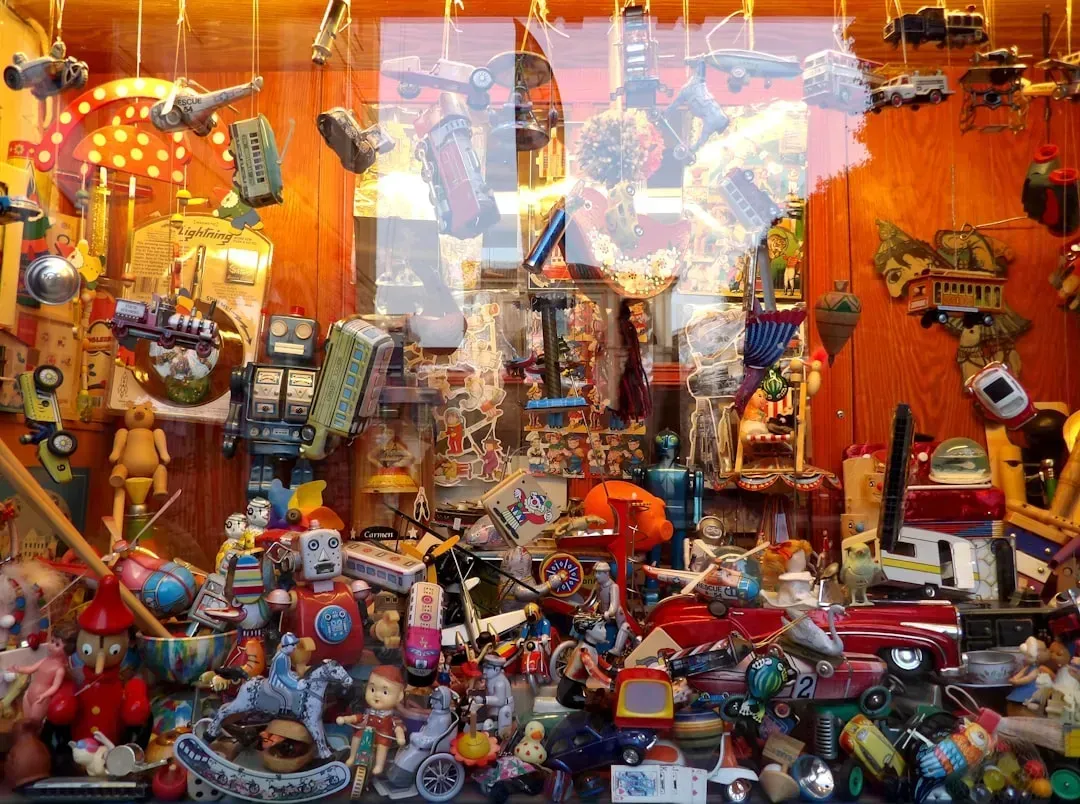
Believe it or not, there was a time when kids could play with radioactive materials. The Gilbert U-238 Atomic Energy Lab included real uranium ore samples. The intention was to educate youngsters about nuclear energy. Chemistry sets of the time often included chemicals that were hazardous if mishandled or inhaled. These were not underground novelty items. They were mainstream, advertised gifts listed in family catalogs alongside teddy bears and board games.
Chemistry kits included a variety of chemicals including iron filings, copper wire, magnesium ribbon, ammonium chloride, zinc dust, potassium nitrate useful in making gunpowder, copper sulfate, and much more. The kit also included essentials such as goggles, test tubes and racks, and a methylated spirit burner to heat up the chemicals. Often without adult supervision, many Baby Boomers remember hair-raising experiences when experiments didn’t go quite as expected, including blowing up kitchens, garages, and bedrooms.
8. Smoking Adults Everywhere, Including Around Children

In the 1960s, parents could light up in the living room while the kids watched TV, or a teacher might puff away in the teachers’ lounge as if that was the most natural thing in the world. It wasn’t until 1964 that the Surgeon General’s report definitively linked smoking to cancer, eventually leading to advertising restrictions that today’s kids have never experienced. Before that watershed report, smoking was not a vice to be hidden. It was simply what adults did, everywhere and around everyone.
Free sample cigarettes were distributed on street corners and college campuses to recruit new smokers. Celebrities enthusiastically endorsed cigarette brands, smoking on-screen in movies and TV shows. Younger folks hear stories of smoke-filled family cars and can’t believe it was tolerated. Yet it was part of everyday life, one more example of how public health awareness has shifted drastically over the decades.
9. TV That Simply Switched Off at Night
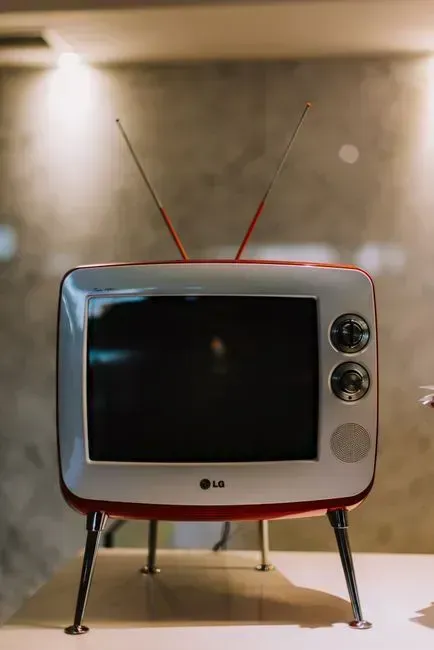
Television viewing was an entirely different experience. Most homes received just three networks, ABC, CBS, and NBC, plus maybe a fuzzy public television station if you were lucky. When reception got bad, someone had to stand by the TV adjusting the rabbit ear antennas while others shouted directions. Programs aired only at specific times with no way to record shows. Missing your favorite weekly program meant waiting for summer reruns to catch it.
The broadcast day actually ended. After the national anthem played around midnight, channels broadcast nothing but a test pattern until morning programming began. Late at night, after the stations signed off, the screen didn’t just go blank. Instead, a test pattern appeared, usually a series of colorful stripes or geometric shapes. These patterns hummed quietly in the background while you drifted off to sleep. Today’s 24/7 programming means younger generations will never know that strange comfort.
10. Hitchhiking as a Perfectly Normal Way to Get Around

Youth in the 1960s embraced hitchhiking as an adventurous way to travel from place to place. Taking a ride with a kind-hearted stranger was a widely accepted method of travel, especially for those traveling long distances. As years passed, safety concerns took hold, combined with a wider range of travel options, and hitchhiking is far from socially acceptable now. Teenagers did this without hesitation, and parents raised no serious objections.
Teens and even younger kids occasionally might catch a ride from a friendly passerby to get across town or even cross state lines. The culture around “stranger danger” wasn’t established yet. People assumed kindness was the norm, and sinister motives were the exception. Flash forward to now, and the idea of kids hitchhiking is downright alarming.
11. Clackers: The Toy That Could Shatter Into Your Face

Clackers consisted of two polymer balls attached to either end of a string. When swung, these two balls collided with each other, creating the satisfying clacking sound that gave them their name. They became very popular among American kids in the late 1960s, but there was one major problem: the balls had a tendency to shatter after prolonged or overly forceful contact, sending sharp plastic shrapnel flying like tiny glass grenades.
A growing number of reports of facial and eye injuries emerged, prompting the Food and Drug Administration to issue a public warning in 1971. Many schools banned the nefarious toy, but it continued to be sold in shops. Eventually, Clackers were banned entirely by the CPSC in 1985. The fact that they were sold for fifteen years after the warning was issued says a great deal about how differently risk was calculated back then.
12. Roaming the Neighborhood Completely Unsupervised All Day

In the 1960s, it was common for children to spend hours exploring their neighborhoods and beyond without constant adult supervision. From dawn until dusk, kids would roam freely, playing in parks, biking through streets, and making their own adventures. This independence fostered resilience, problem-solving skills, and a strong sense of community. There was no check-in system, no GPS, no hourly text to a parent’s phone.
There wasn’t as much emphasis on “stranger danger” back then, and parents were less worried about allowing their children the freedom to roam. As long as they were back before the sun went down, everything was fine. Parents in the 1960s worked until 5 or 6, so kids were home alone for a few hours. That was considered standard parenting, not neglect.
13. Using Film Cameras Where You Couldn’t See the Photos for Days
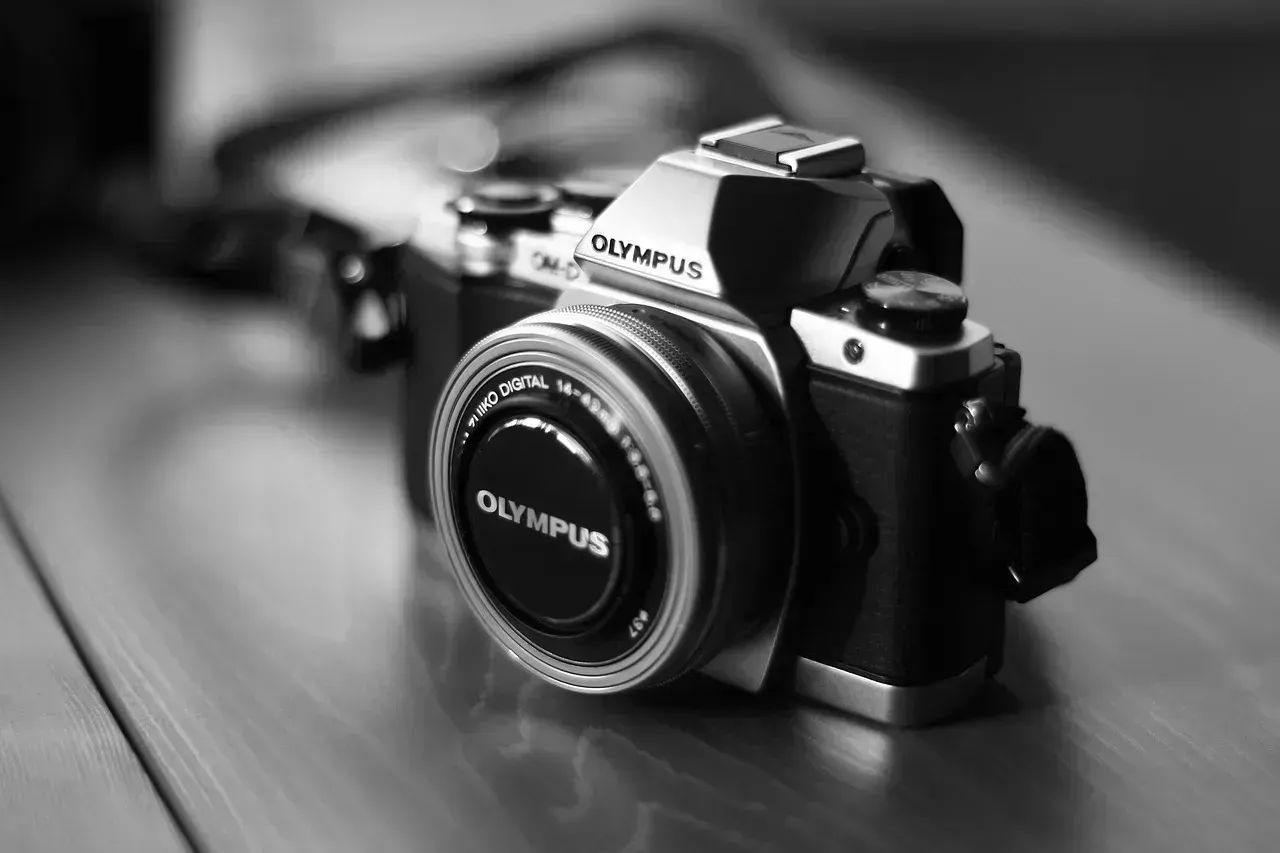
Cameras required film. Each roll had a limited number of shots, so you thought carefully before pressing the shutter. You couldn’t see your pictures until days later, after they were developed. The waiting was torture, but holding a stack of fresh prints was pure magic. There was genuine suspense attached to photography that is completely foreign today. You genuinely did not know what you had captured until a stranger at the drugstore developed it for you.
Every photo was a small commitment. A bad one wasted a precious frame you couldn’t get back, and a blurry birthday picture could simply never be retaken. What’s often forgotten in the hue of nostalgia is how different daily life really was. Your grandparents and possibly even your parents were kids before a wealth of emergency-room data and modern knowledge had been gathered. Photography being a slow, uncertain, expensive process is one of those details that genuinely lands differently in retrospect.
14. Full-Service Gas Stations Where Attendants Did Everything for You

Filling up the car was a different experience. An attendant pumped your gas, cleaned your windshield, and even checked your oil. It was a personal touch that made you feel like your car mattered as much as you did. Nobody pumped their own fuel. You pulled in, rolled down the window, and a uniformed attendant appeared at the car. It was so standard that the idea of doing it yourself would have seemed peculiar.
The shift away from full-service stations happened gradually through the 1970s, tied to the oil crisis and cost-cutting pressures. For 60s kids, the memory of sitting in the car while someone else handled everything at the pump is vivid and specific. Today’s equivalent would be a valet at every filling station, which would strike most people as either a luxury or an oddity, not a simple Tuesday errand.
15. The Milkman Arriving Before Dawn Every Morning

Early mornings in 1960s neighborhoods featured milkmen delivering glass bottles to doorsteps before dawn. Families would leave empty bottles and payment in metal boxes, sometimes with notes requesting extra items like eggs or cream. Similarly, bakery trucks followed regular routes, bringing fresh bread directly to homes. The distinctive sound of these delivery vehicles brought children running for fresh-baked treats.
For many Baby Boomers, mornings once began with the clink of glass milk bottles on the porch. Home milk delivery was standard in the early 20th century and still significant by the 1960s, with around thirty percent of milk in the U.S. delivered this way. The entire concept of a trusted regular visitor who quietly restocked your refrigerator before you woke up has essentially vanished from daily life, replaced by a supermarket trip or an app.
16. Looking Up Everything in an Encyclopedia Set That Cost a Small Fortune

Before Google, families invested in massive encyclopedia sets that occupied entire bookshelves. These multi-volume collections represented a significant household investment, often purchased through monthly payment plans from door-to-door salesmen. Before Google, there was the family encyclopedia set. Need to learn about dinosaurs or the planets? You flipped through massive, alphabetically organized books. Kids spent hours discovering things they didn’t even know they were curious about. These books were heavy, expensive, and often outdated, but they felt like portals to the world.
The tangible relationship with information, the heft of a volume, the scent of binding adhesive, the sound of pages turning, created an intellectual experience digital platforms have never fully recreated. The encyclopedia also had a hard cutoff date. Whatever happened after your edition was printed simply wasn’t in there. You could own a bookshelf full of knowledge and still have no idea what occurred last year. That quiet limitation is something no generation after the 60s will ever truly understand.
What makes the 1960s childhood so distinct isn’t just the absence of technology. It’s the combination of genuine physical risk, institutional anxiety about nuclear war, and a cultural trust in simplicity that shaped how an entire generation understood the world. Many who lived it wouldn’t trade the freedom, even knowing what they now know about the hazards that came with it.





Leave a Reply