
There’s a certain satisfaction in handling your own home repairs. Grab the right tool, watch a video, get it done. For plenty of jobs around the house, that approach works just fine. A dripping faucet, a squeaky hinge, a fresh coat of paint on the living room wall – these are genuinely manageable for most people with a bit of patience.
The problem is that confidence doesn’t always scale with complexity. Some repairs look straightforward but carry real consequences when they go wrong – structural collapses, house fires, serious injury, or damage that voids your insurance. The 17 items below are the ones where the weekend warrior instinct is worth putting aside.
1. Electrical Panel Replacement or Rewiring
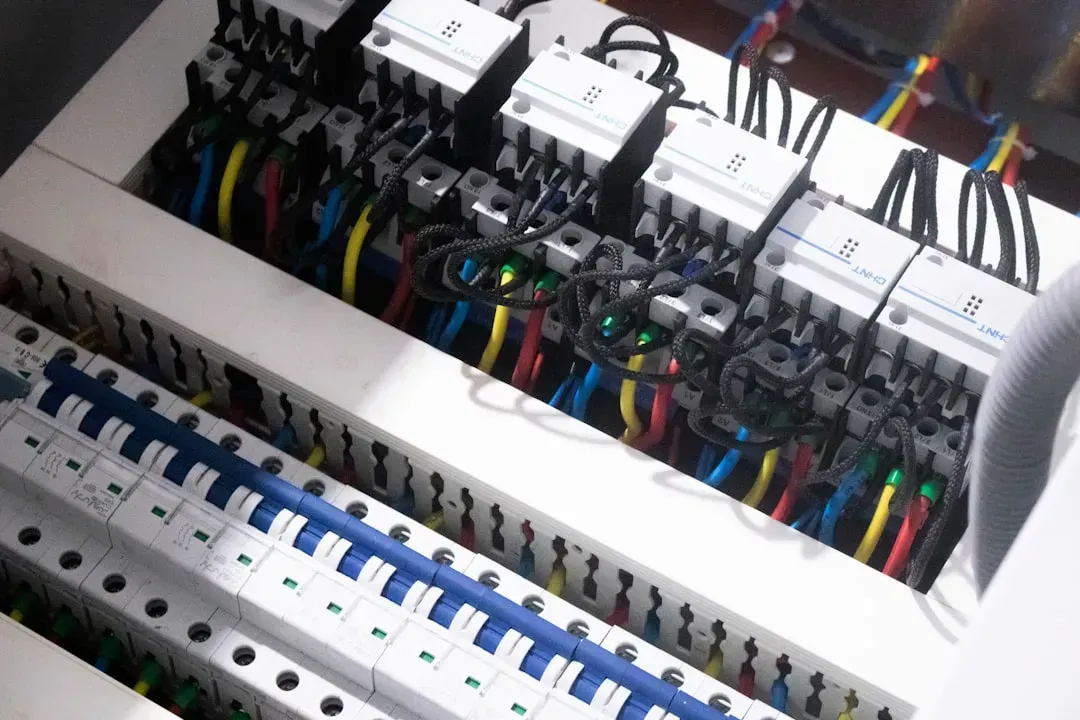
According to the Electrical Safety Foundation International, about 400 electrocutions occur each year in the U.S. A significant portion of these involve homeowners attempting their own electrical work. Working with electrical components without proper knowledge and experience increases the chances of injury, electric shock, and even fire, and faulty wiring, if undetected, can lead to a fire outbreak years later, posing a significant risk to your safety and property.
Working with electricity is not only dangerous but also heavily regulated – one wrong connection could result in serious injury, fires, or future failures that may be hidden behind your walls, and licensed professionals have the training and tools to handle wiring safely and by code. Improper electrical work can lead to fire hazards, failed inspections, or long-term safety issues that aren’t immediately visible.
2. Gas Line Repairs
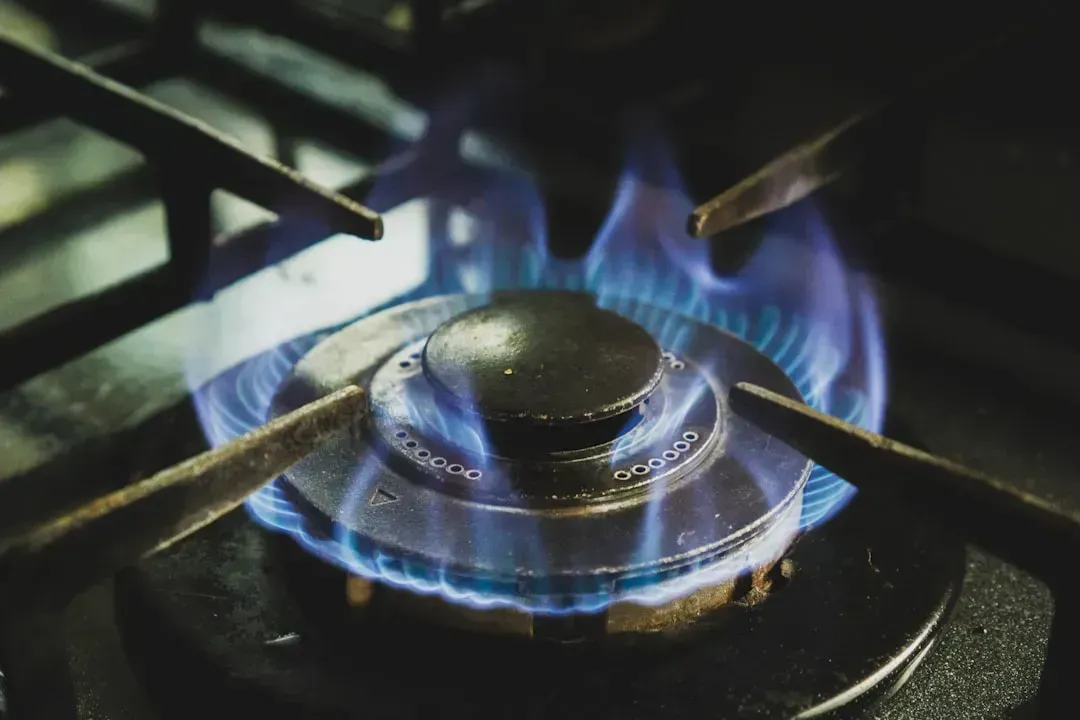
Gas is a dangerous substance that can cause carbon monoxide poisoning. If inhaled for long periods, natural gas can be lethal. When exposed to a spark or flame, gas can also be explosive. Never attempt to repair a gas line yourself, or it may result in serious injuries.
Gas leaks can be difficult to repair by yourself. Even if you have experience working with tools and equipment in general, dealing with something as volatile as natural gas requires special training and safety precautions that only licensed technicians know how to handle safely. The cost of getting it wrong here isn’t measured in dollars alone.
3. Roof Repairs and Shingle Replacement
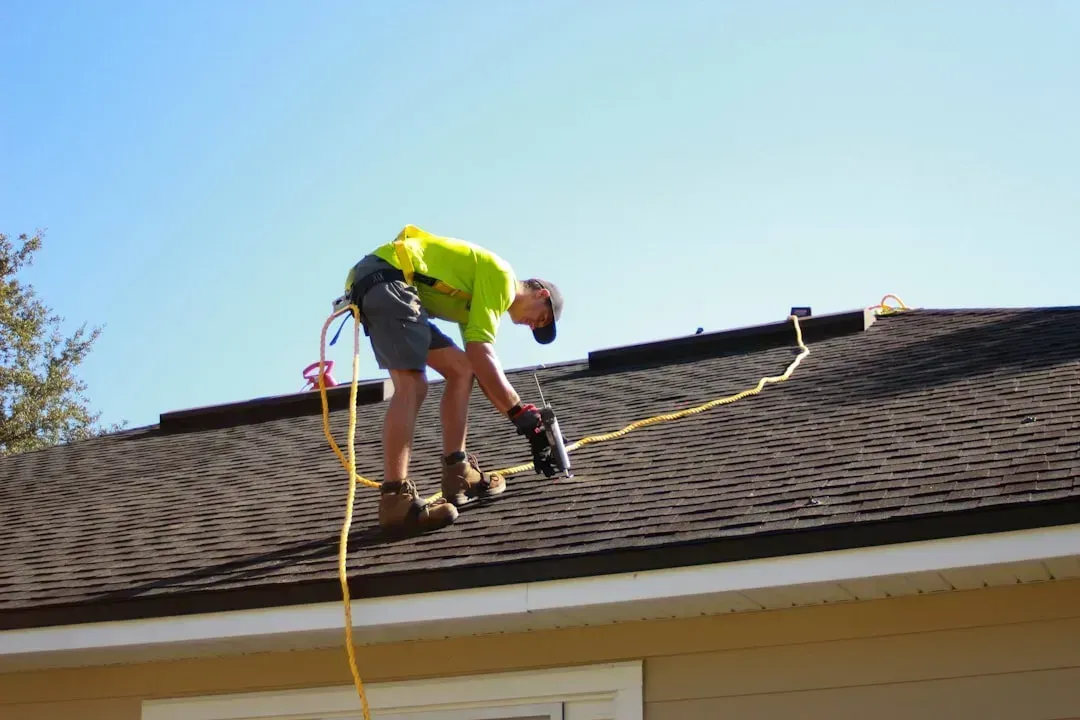
Roughly 97 percent of the 150,000 Americans who get injuries from roofing-related accidents each year are DIY homeowners. That’s a striking number. Roof repairs are a project where safety and experience matter – climbing onto a roof without proper equipment can lead to serious injuries, and even minor repairs require knowing how water flows across a roof to prevent future leaks.
The roofing structure is designed to handle more weight than it carries by default, but if your roof is suffering from mold and other moisture-related issues, its structural integrity will be compromised. If you go up on such a roof without knowing it’s compromised and weak, the added weight may lead to a total roof collapse, causing further damage to your house and, most often, collapsing your scaffolding as well – putting you in a potentially life-threatening situation.
4. Load-Bearing Wall Removal
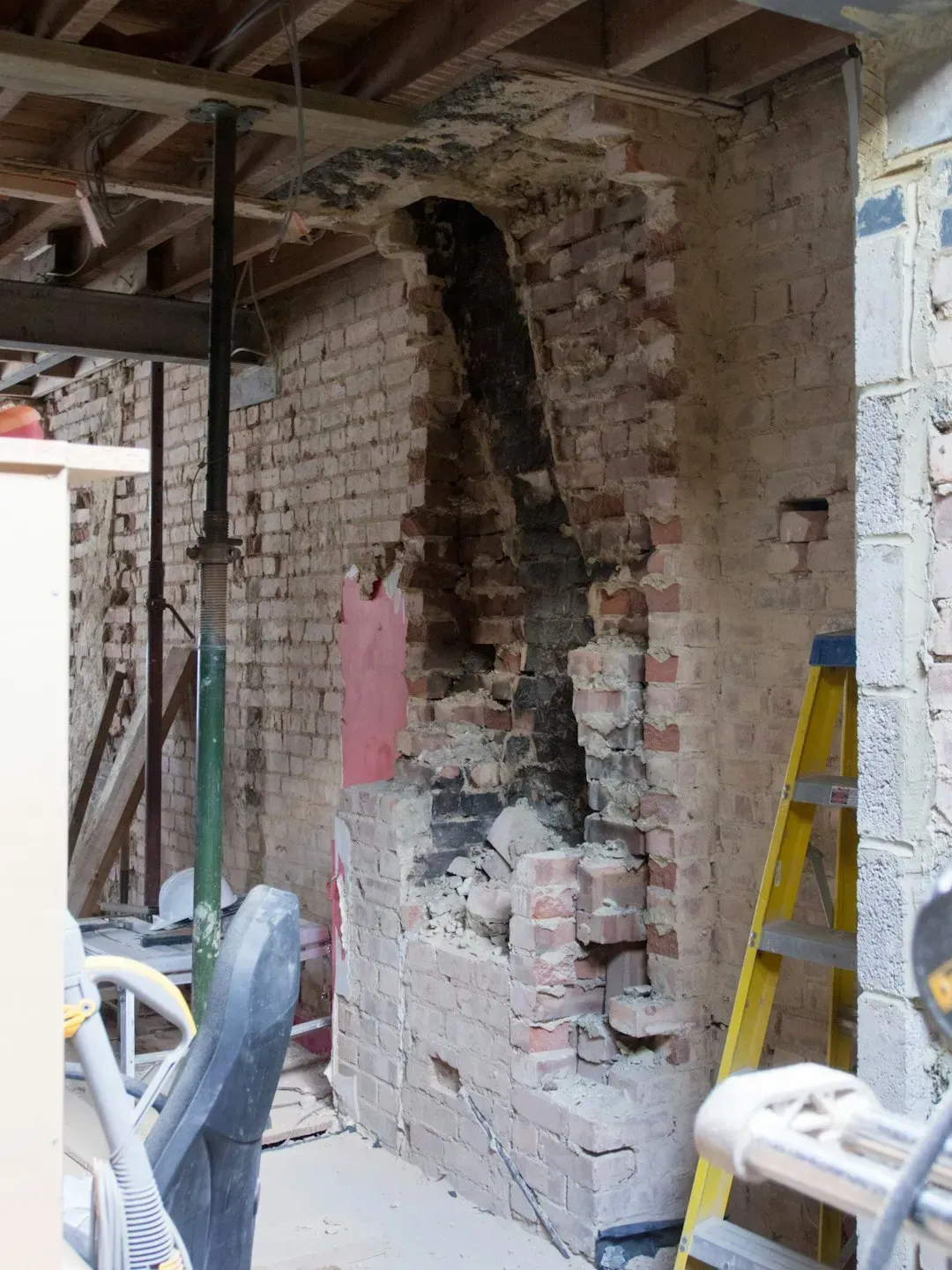
A load-bearing wall supports the weight of everything above it – floors, ceilings, and the roof – transferring those loads down to the foundation. In short, it’s part of the structural skeleton that keeps your home standing straight and stable, and removing or altering one without proper planning can affect the entire building. Many homeowners assume they can identify these walls by sight alone, but that’s a risky assumption.
A common myth is that you can save money by handling the removal yourself. Without a proper assessment, you risk causing sagging floors, cracked drywall, or even a catastrophic collapse. This isn’t a weekend DIY project; it’s a job that requires precise calculations and professional plans. Structural damage caused by a homeowner is not covered by homeowners insurance.
5. Large-Scale Plumbing Projects
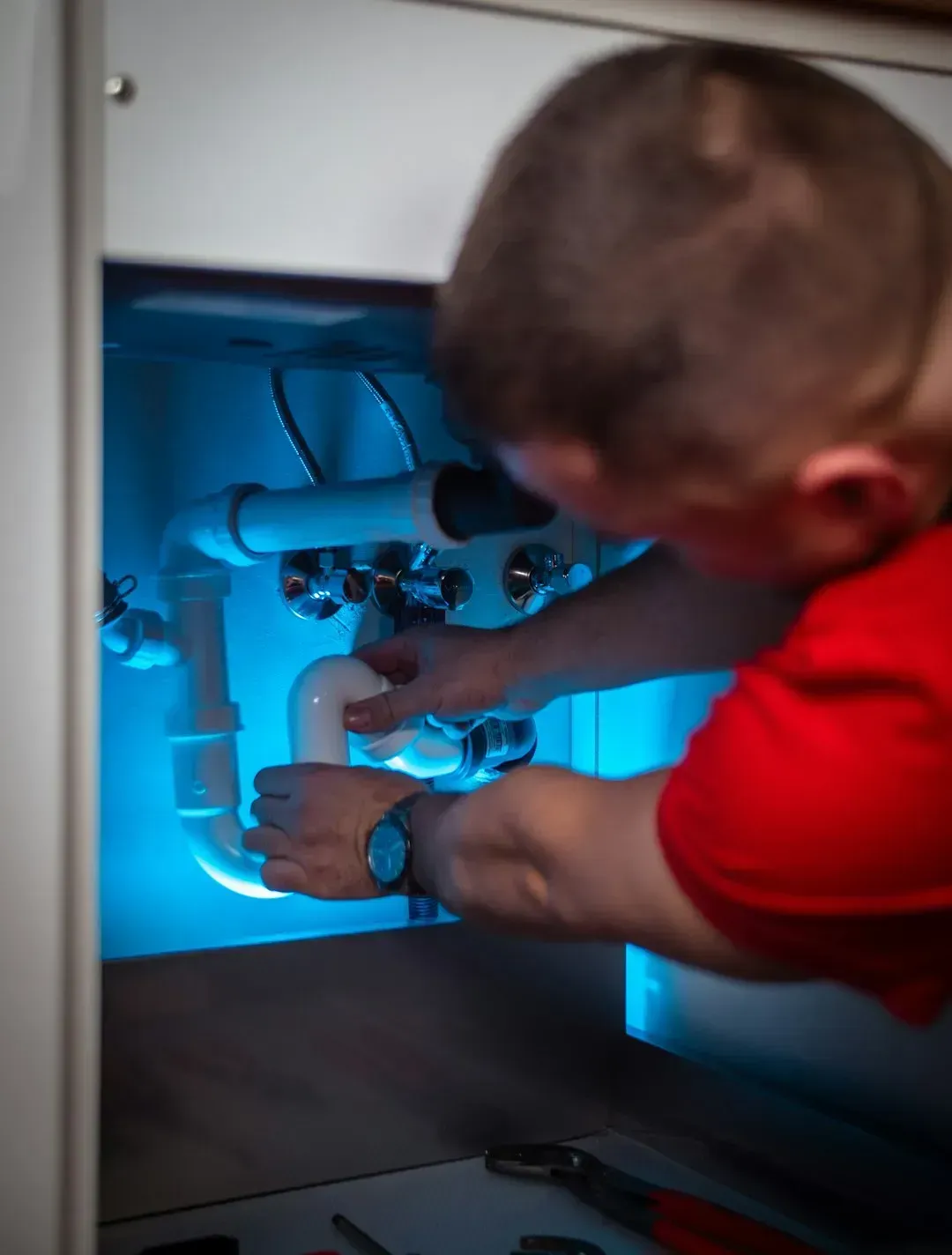
Larger plumbing tasks, like replacing a water heater, putting in new water lines, or moving pipes, call for more expertise and accuracy. Water damage, mold growth, and extremely high utility bills can result from even a minor mistake in pipe placement or pressure regulation.
Attempting to repair your plumbing DIY could cause the issue to become worse, leading to flooding and water damage. The cost of water damage could increase your price significantly, and you may not be eligible for reimbursement under your homeowner’s insurance policy if the damage was caused by your attempt to fix the issue yourself. A licensed plumber is cheap compared to replacing a flooded subfloor.
6. Asbestos Disturbance or Removal
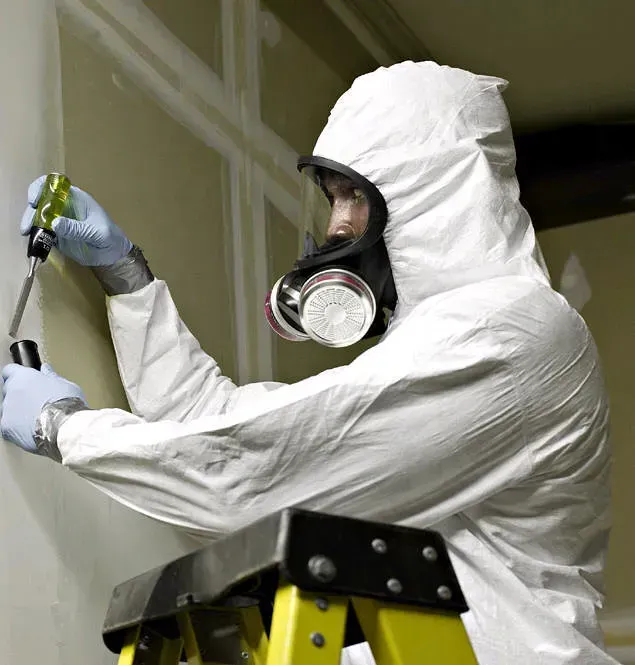
Asbestos becomes dangerous when it’s damaged or disturbed. Those fibers are microscopic – you can’t see or feel them in the air. Once inhaled, they lodge in lung tissue and never leave. The health consequences are severe. The CDC reports that diseases from asbestos exposure may not show symptoms for 10 to 40 years after exposure.
Many homes built before the 1990s still have asbestos, and you can find it in insulation, roofing, flooring, and ceiling tiles. The removal process is complex and must be done by a trained professional – a homeowner who tries to remove their own asbestos may expose themselves and members of their household to asbestos fibers. There’s no safe shortcut here.
7. HVAC System Installation or Replacement
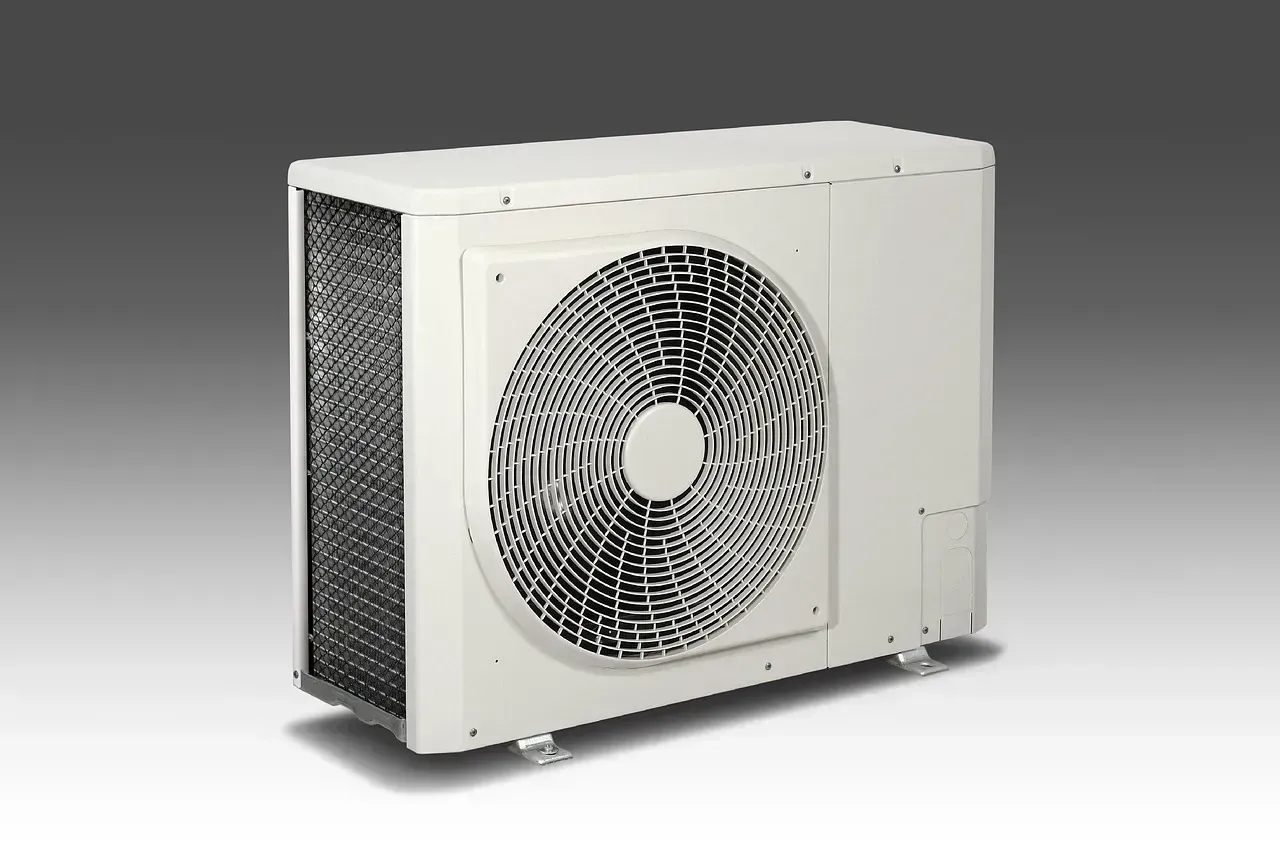
A common scenario involves a homeowner trying to replace their furnace without testing first. The contractor starts removing the old unit, asbestos insulation tears, fibers become airborne and get sucked into the duct system. Those fibers circulate every time the system runs, even after the new furnace is installed, and the contamination can persist for months or years without proper remediation.
When asbestos-containing materials are left undisturbed, they may not pose an immediate threat. However, as they start degrading over time or are damaged during maintenance, they can become a serious health hazard in the home. When disturbed, the fibers become airborne, and your HVAC system can then circulate them throughout the indoor space. HVAC work in older homes in particular should always involve a professional inspection first.
8. Foundation Repair
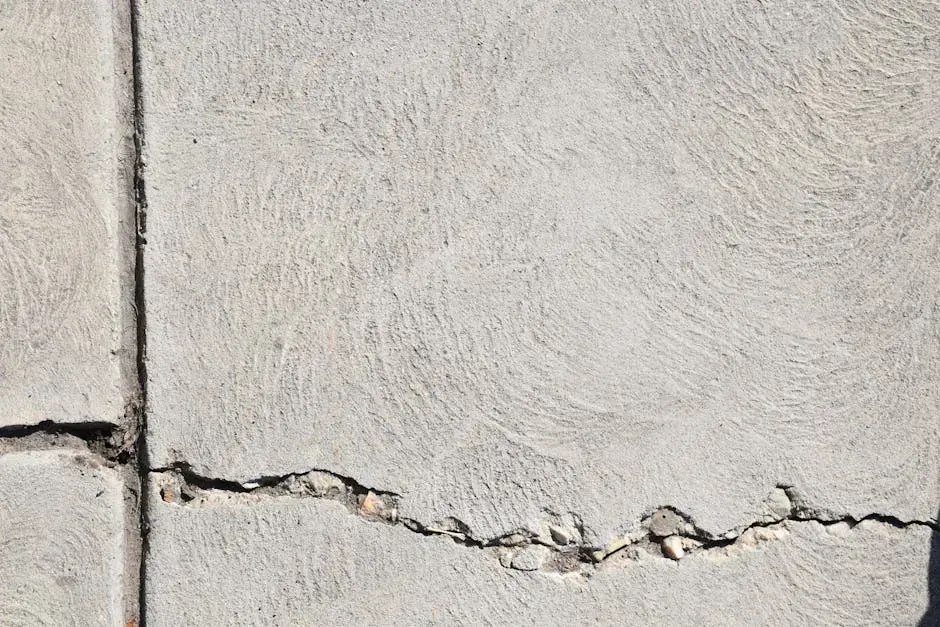
Foundation work is a big project, and there’s a reason why it’s so expensive – it’s potentially dangerous to do on your own. Foundation issues are also rarely what they appear to be on the surface. Cracks, shifting, and settling often signal problems that run much deeper than a simple patch job can address.
While many homeowners naturally focus on immediate repair costs, it is equally important to consider the financial impact of delaying or mishandling structural repairs. Minor framing movement can eventually lead to larger foundation problems, roof sagging, water intrusion, and interior damage that become much more expensive over time. Addressing structural issues early often preserves both safety and property value.
9. Chimney Cleaning and Repair
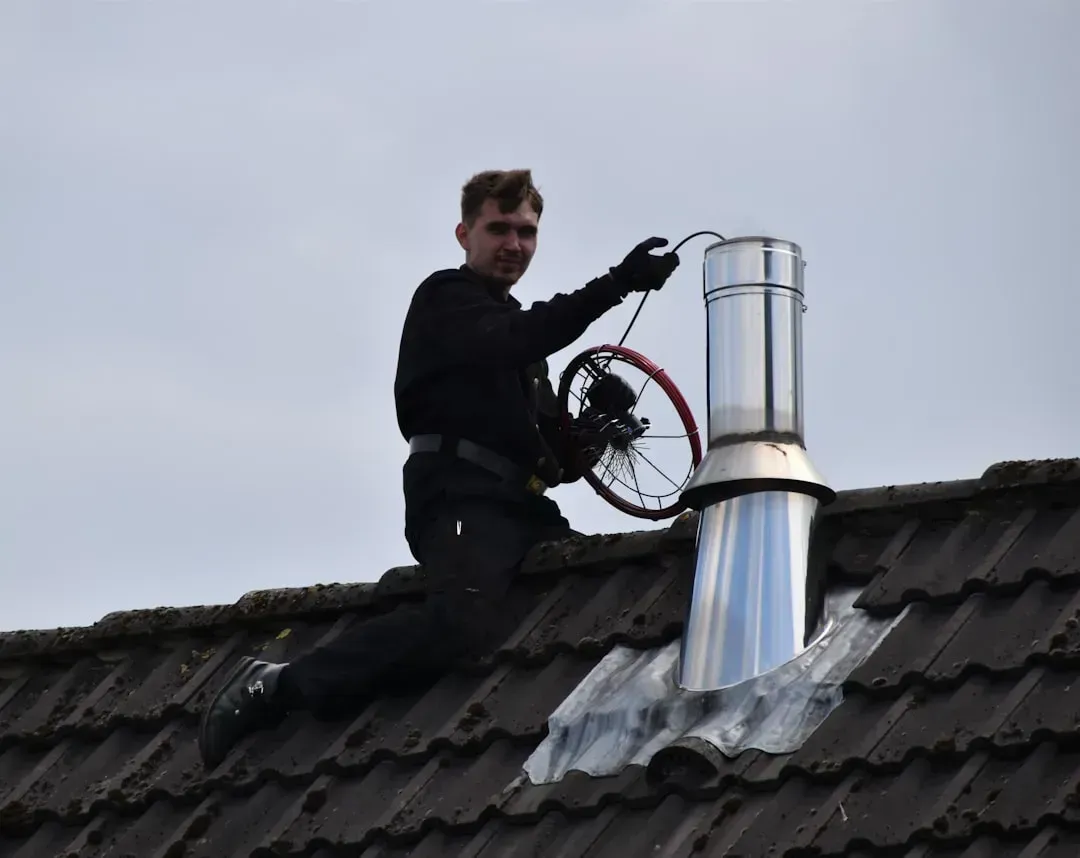
Chimney sweeping can help some appliances run more efficiently, and a skilled chimney sweep will have the training and knowledge to spot issues that could lead to chimney fires or inefficient burning, and will be able to alert you to these issues. Most homeowners aren’t aware of what a compromised flue liner looks like or how dangerous a blocked chimney actually is.
Most chimney sweeps will check your chimney from the roof for any potential problems. Even if you have a general notion of what to look for, attempting this on your own could be difficult, if not a dangerous task. A report on attic fires between 2006 and 2008 shows that roughly 10,000 residential building fires originated from the attic, and about 5,000 fires result from accidents or improper roof and chimney installation every year.
10. Deck Construction
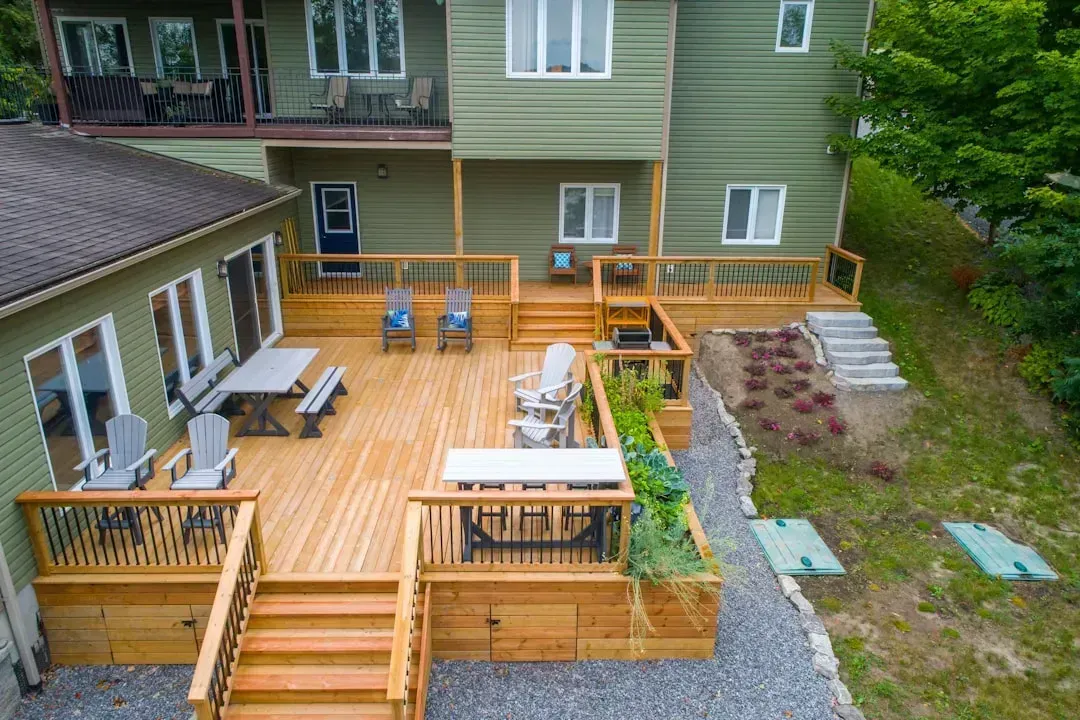
DIY decks are among the most frequent building violations and also one of the most dangerous. Many are not built even close to code, which is especially problematic with elevated decks. Getting a permit ensures your deck has all the necessary safety features and is attached to the house correctly.
Outdoor repairs often seem simple until you realize they involve hidden damage, rotting wood, or structural reinforcements. A handyman can evaluate the full scope of the problem and ensure repairs are durable and weatherproof. Proper sealing, weather-resistant fasteners, and structural alignment distinguish between a deck that lasts and one that leans by next spring.
11. Tree Removal Near the House
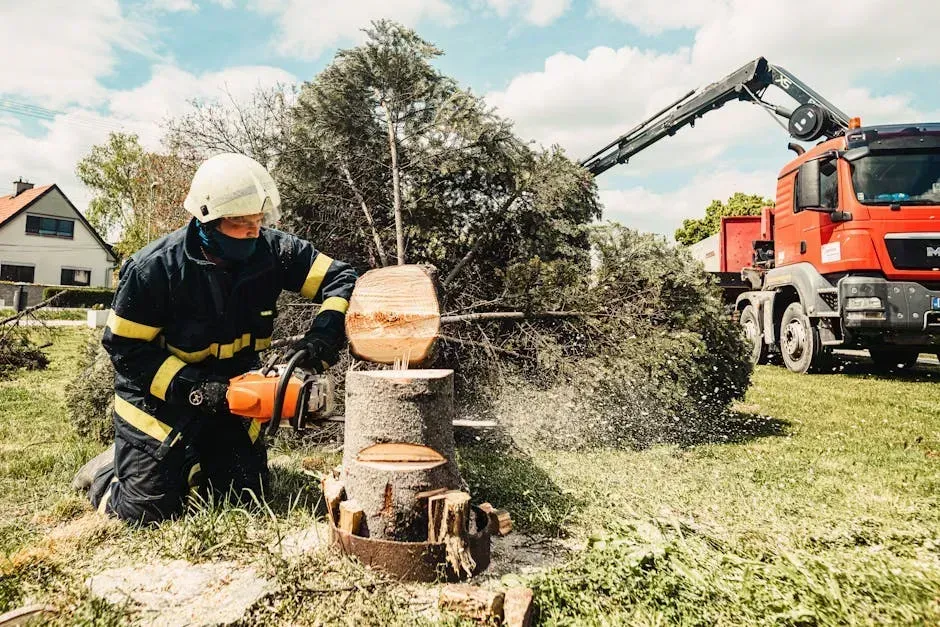
Common dangers associated with doing DIY tree work include injuries due to the improper handling of chainsaws, falls from ladders, or the tree falling onto people. Even a stray limb could fall on someone standing below. Electrocution from power lines is also common during DIY tree work.
You’ll need a quality chainsaw and a sturdy ladder if you want to do tree work yourself, which will cost you. It could also cost you much more if the tree accidentally falls on your fence, a power line, the roof, or a neighbor’s home. Tree removal that’s close to structures or utility lines is genuinely a job for an arborist with proper equipment and liability coverage.
12. Mold Remediation
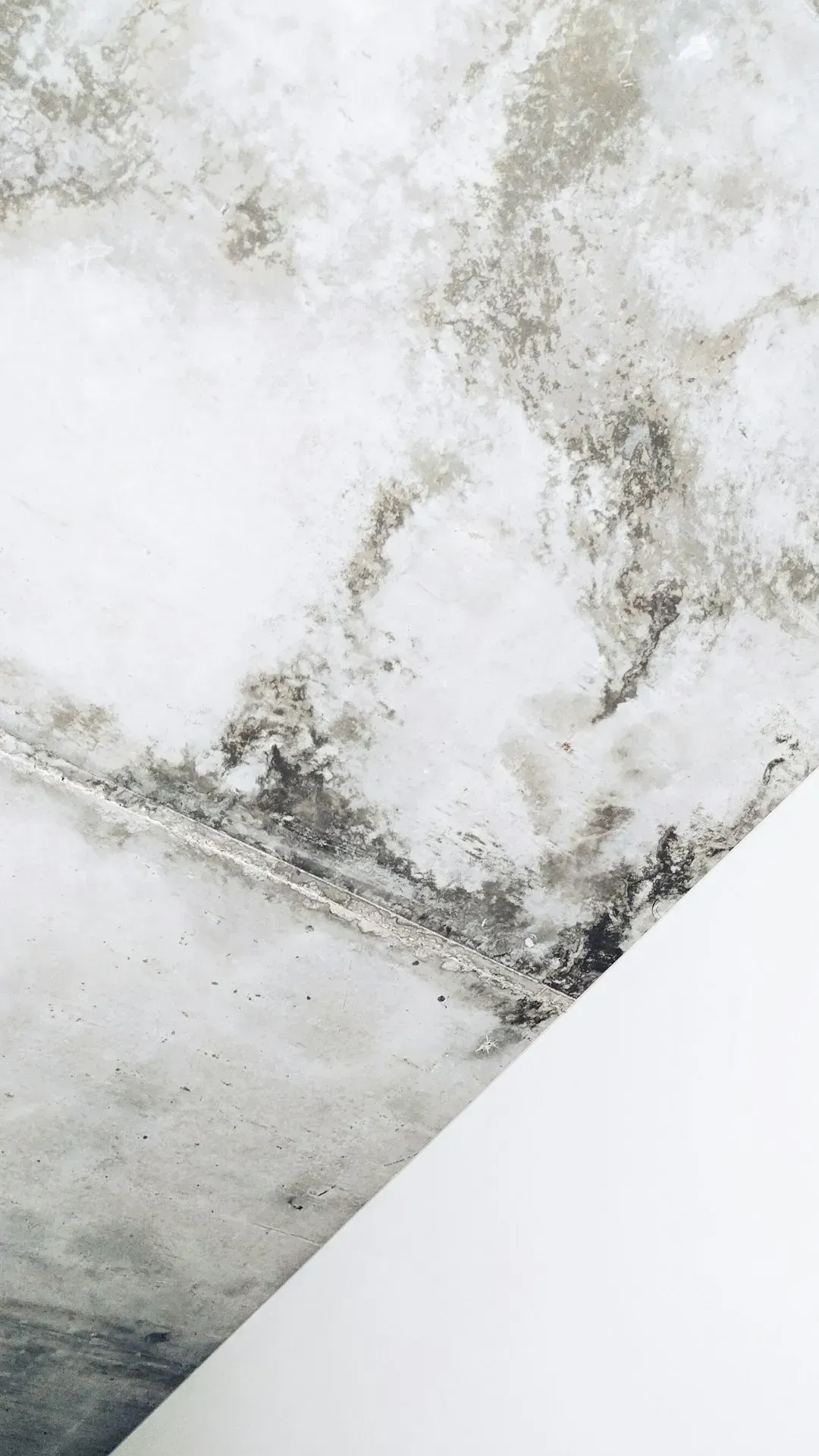
Scrubbing visible mold off a bathroom tile with bleach is one thing. Finding mold behind drywall, inside wall cavities, or spreading across ceiling joists is something else entirely. Even a small mistake with plumbing can lead to hidden leaks, mold growth, or water damage that becomes far more expensive to fix later. The same logic applies to mold itself – treating the surface without addressing the moisture source means it always comes back.
Mold remediation involving significant square footage requires containment barriers, negative air pressure equipment, and proper disposal protocols. Disturbing a large mold colony without those measures in place can spread spores to clean areas of the home. Water damage, mold growth, and extremely high utility bills can result from even a minor mistake in moisture and pipe management.
13. Wall Demolition
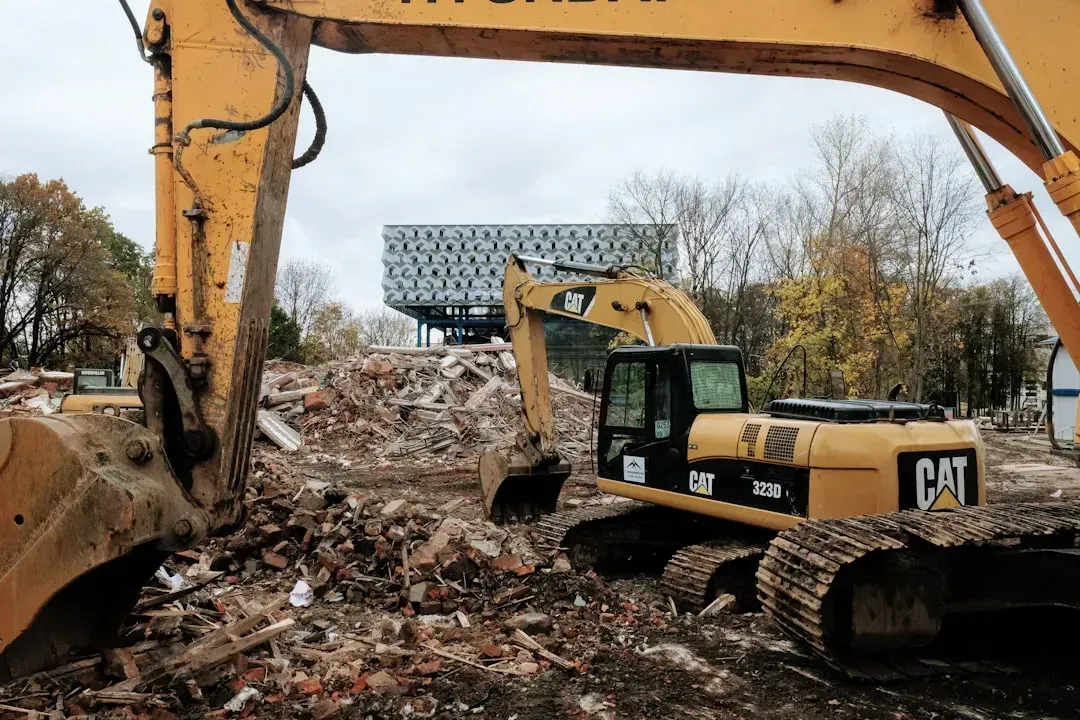
Wall demolition can compromise the house structure as well as plumbing and electrical wiring. Even a non-load-bearing wall can contain active plumbing pipes, live electrical wires, or HVAC ducts that aren’t visible from the outside. Swinging a sledgehammer without knowing what’s inside the wall is a gamble most people lose at some point.
Demolition of this kind is not a DIY project and must not be attempted by amateur repairmen or homeowners. Careful attention should be paid to electrical, plumbing, and HVAC systems that may be affected by the wall removal. Proper rerouting and reconfiguration of these systems are essential to ensure that the functionality of the home is not compromised.
14. Staircase and Railing Modifications
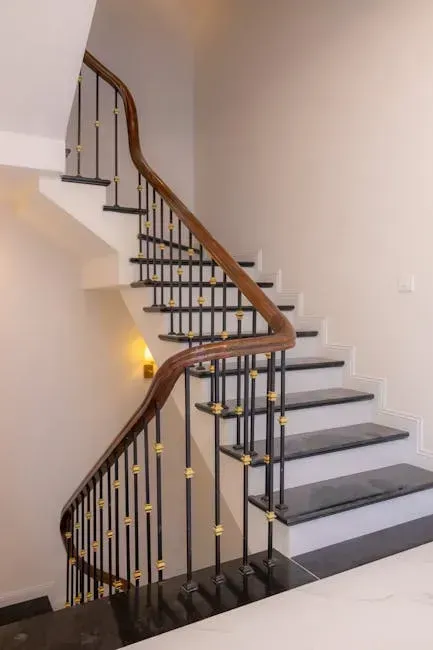
Removing handrails from staircases can put you at risk and also breaks building code. It sounds trivial, but building codes around stairs and railings exist because falls on stairs are one of the leading causes of serious injury inside the home. A poorly secured railing that gives way under pressure can result in a life-altering fall.
Staircase home improvement could prove especially dangerous if you miss a step. One case saw a homeowner remove railings and spindles to make it easier to carry things upstairs, never taking into account that a grandma or child may lose balance and need something to grab – that would be a hard fall. Structural modifications to stairs require permits in most jurisdictions and need a contractor who understands load distribution.
15. Gutter Replacement and Repairs
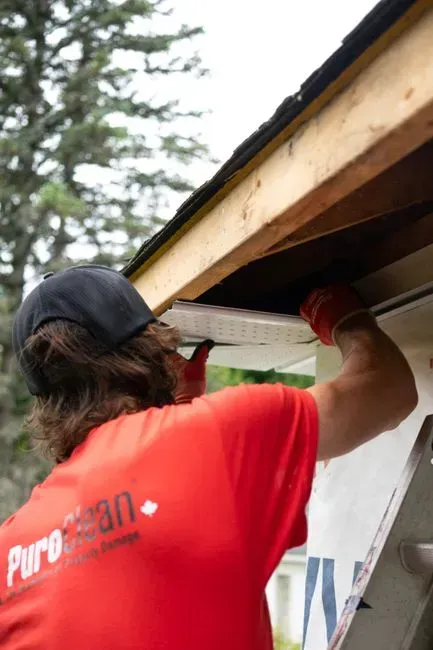
Climbing a ladder with tools isn’t only challenging but also dangerous. Gutter work involves balancing, sealing joints, and clearing clogs, which are best handled by a professional with the proper safety gear. Clogged or broken gutters lead to foundation damage, basement leaks, and roof issues.
Ladder falls result in nearly 165,000 emergency room visits each year across the U.S., with roughly 300 deaths, according to the National Safety Council. A significant portion of these involve homeowners working on gutters or roof edges. A professional will assess the drainage system, not just the visible issue – securing gutters properly, checking for slope alignment, ensuring clear downspouts, and directing water away from the home’s foundation.
16. Sewer Line Repairs
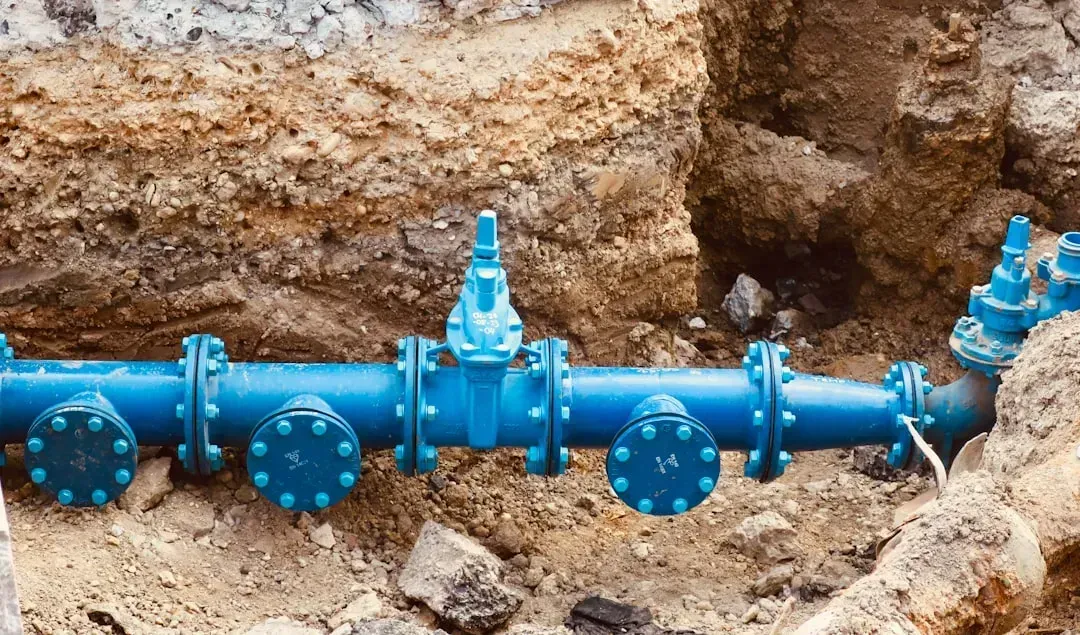
Plumbing and sewage lines are home improvement projects you should never DIY. They’re dangerous, and if you do a poor job installing them, they can cost you tons of money to fix. Many plumbing mistakes can cause flooding or damage your home’s foundation. Sewer lines in particular require specialized diagnostic equipment to locate blockages or breaks accurately.
Digging up a sewer line without knowing its exact location risks damaging other underground utilities, and improper repairs can allow sewage to leak into surrounding soil or back up into the home. Obtaining a permit will also help you avoid other mishaps, like digging through an electrical cable, because your permit will likely specify that you need the utilities marked before breaking ground. Sewer repairs done without permits can also complicate home sales down the line.
17. Electrical Sub-Panel Installation
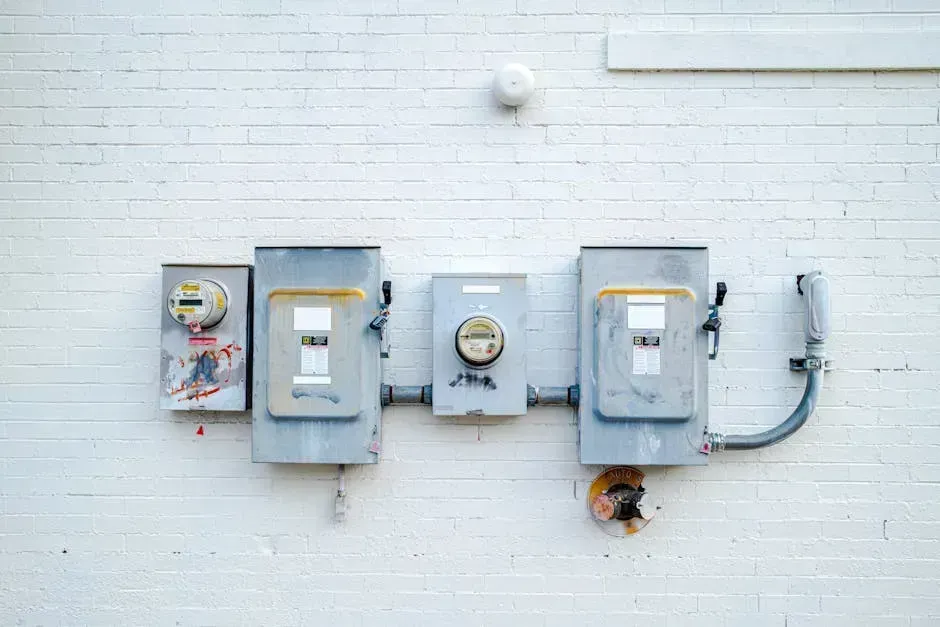
Skilled electricians charge between $75 to $100 per hour or more, depending on demand and location. Replacing a complete electrical panel may cost around $550 to more than $2,000. If you attempt to make electrical repairs yourself, you’ll likely pay more due to damage or incorrectly wiring something. A sub-panel installation involves working directly with the main service entrance, where the risk of a fatal arc flash or electrocution is substantial.
Two of the more severe injuries from homeowner DIY projects are electric shock and falls from ladders. Electric shocks can range from a mild, acute jolt to a powerful surge that stops your heart. Electric shocks are prevalent during house renovations, and they mainly happen when circuit breakers and wiring are replaced without the power being switched off. No amount of YouTube preparation fully substitutes for the hands-on training a licensed electrician brings to live panel work.
The common thread running through all 17 of these is not that men can’t be skilled or capable. It’s that certain jobs carry risks that only reveal themselves after something has already gone wrong. Knowing where your skills end is its own kind of competence – and calling in a professional when the stakes are real is often the smartest move in the house.


Leave a Reply