
Toys are supposed to be safe, fun, and maybe a little educational. Most of the time, they are. Throughout history, though, a surprising number of them slipped onto store shelves carrying ideas, designs, or hidden ingredients that no child should have been exposed to. Some were outright dangerous. Others sent subtle messages that only became obvious in hindsight.
From sharp projectiles to toxic beads, the history of the American toy box is littered with items that failed the safety test. Looking back, it’s almost hard to believe what ended up in so many living rooms, and many of these items reached millions of homes before any red flags went up. The lessons below range from the physically harmful to the quietly troubling.
1. Lawn Darts (Jarts)

In the history of dangerous toys, few are more infamous than lawn darts. This combination of horseshoes and darts went from a backyard pastime to a leading force in hospital visits. Over an eight-year span, lawn darts sent more than 6,000 Americans to the emergency room, and fewer than one in five of those patients were adults. The implicit lesson was brazen: it’s fine to hurl heavy, metal-tipped projectiles toward other people as part of normal outdoor fun.
They caused punctures, skull fractures, and permanent brain damage, and the tragedies eventually led to a total ban on the product. On December 19, 1988, the U.S. Consumer Product Safety Commission issued a complete ban on the sale of lawn darts in the United States. This wasn’t just a recall; it was an outright prohibition. The lesson kids absorbed while playing with them was that throwing weighted metal spikes at a target near other children was a perfectly reasonable afternoon activity.
2. The Gilbert U-238 Atomic Energy Lab
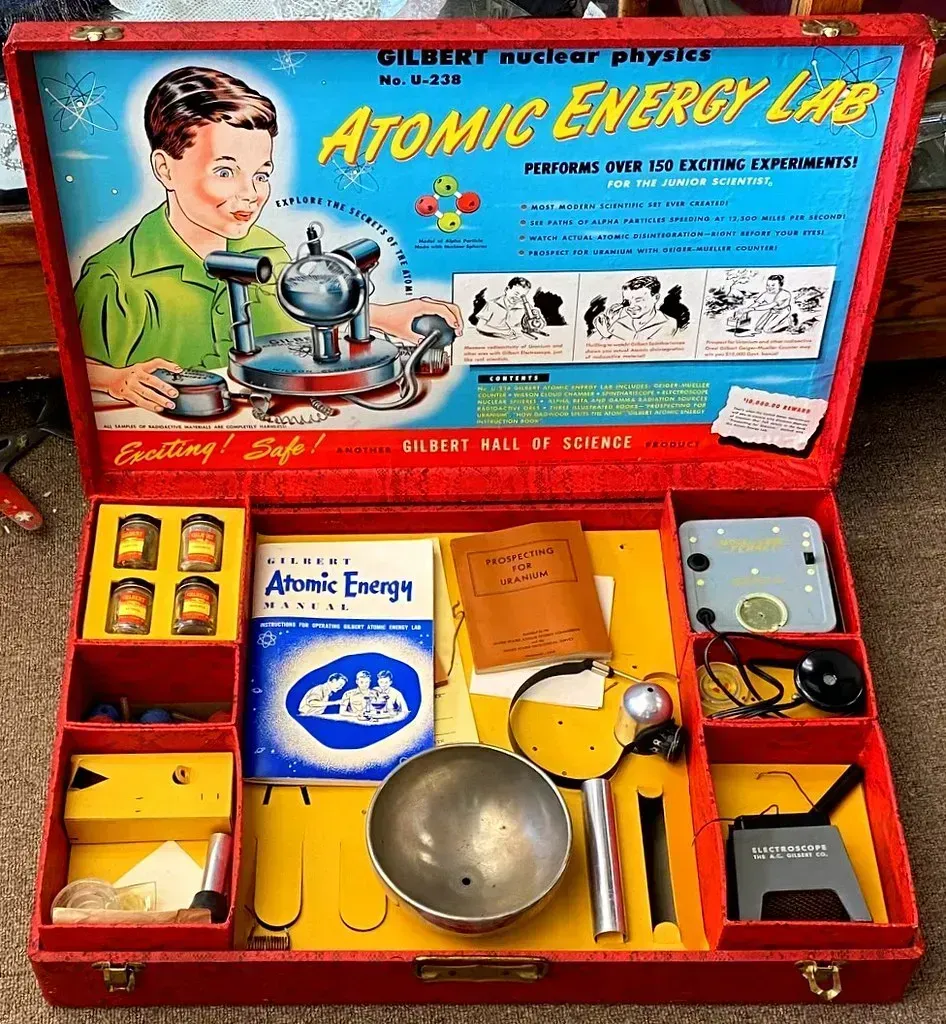
The Gilbert U-238 Atomic Energy Lab is a toy lab set designed to allow children to create and watch nuclear and chemical reactions using radioactive material. It was released by the A. C. Gilbert Company in 1950. The set came with four samples of uranium-bearing ores, as well as a Geiger-Mueller radiation counter and various other tools. The box confidently proclaimed it “Safe!” despite containing actual uranium ore.
Gilbert’s original promotions claimed that none of the materials could prove dangerous. In the 1950s, few consumer protection laws regulated the safety of toys in the United States. Instead, toy manufacturers responded to trends in popular opinion and consumer taste, which had been pro-science since World War II. The lesson it taught was one of misplaced confidence: that radioactive materials are no more alarming than a chemistry set, and that children can safely handle them at home without supervision.
3. Slumber Party Barbie’s Diet Book
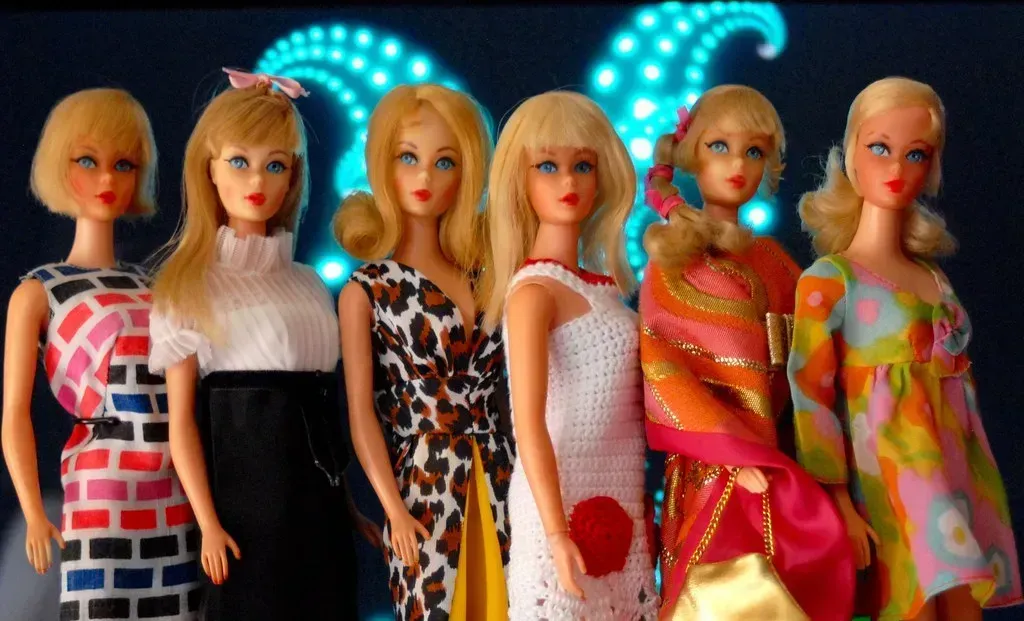
In 1963, the outfit “Barbie Baby-Sits” came with a book titled “How to Lose Weight” which advised: “Don’t eat!” The same book was included in another ensemble called “Slumber Party” in 1965 along with a pink bathroom scale permanently set at 110 pounds, which would be underweight for a woman 5 feet 9 inches tall. That is about as blunt as body-image messaging gets.
According to research by the University Central Hospital in Helsinki, Finland, Barbie would lack the 17 to 22 percent body fat required for a woman to menstruate. The scale was removed just one year later for a 1966 version renamed Barbie Sleepytime Gal, but she still came with the diet book. Girls who received this toy were receiving a very clear message that self-starvation was an aspirational lifestyle choice, not a medical emergency.
4. Aqua Dots
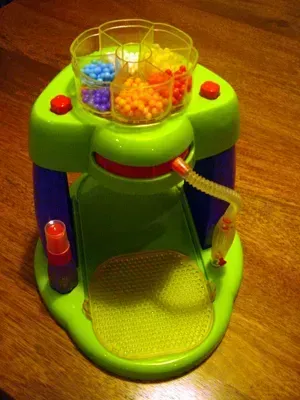
Aqua Dots were small, colorful beads that were part of a multidimensional design craft kit. However, these beads included gamma hydroxybutyrate, better known as GHB, in their chemical compound. GHB is also well-known as a date rape drug. Children who ingested Aqua Dots suffered respiratory depression and seizures. The toy’s packaging presented it as a harmless art activity.
Spin Master Corporation recalled 4.2 million units and suspended the toy from the market in November 2007. The wrong lesson here ran deep. Brightly colored craft beads are exactly the kind of thing young children put in their mouths, and the toy essentially trained kids to trust that anything sold in a children’s aisle was safe to handle. That assumption, in this case, could have proved fatal.
5. Buckyballs Magnetic Sets

Buckyballs are strong magnetic balls that children can manipulate with their hands and build shapes. Children could easily swallow these magnetic balls, and in the digestive system, the magnets attract each other through the intestines, creating a danger of bowel perforation or blockage. The product was marketed to older teens and adults but found its way into homes with young children constantly.
Countless reports of children ingesting the magnets caused a recall on the toy in 2012, forcing the company to issue hundreds of thousands of dollars in refunds. That didn’t stop the founder from trying again. A successor product called Speks is essentially the same toy with a new name and logo. The lesson communicated to kids: small, shiny, satisfying objects are made for playing with, and consequences are someone else’s concern.
6. The Easy-Bake Oven’s Front-Loading Design
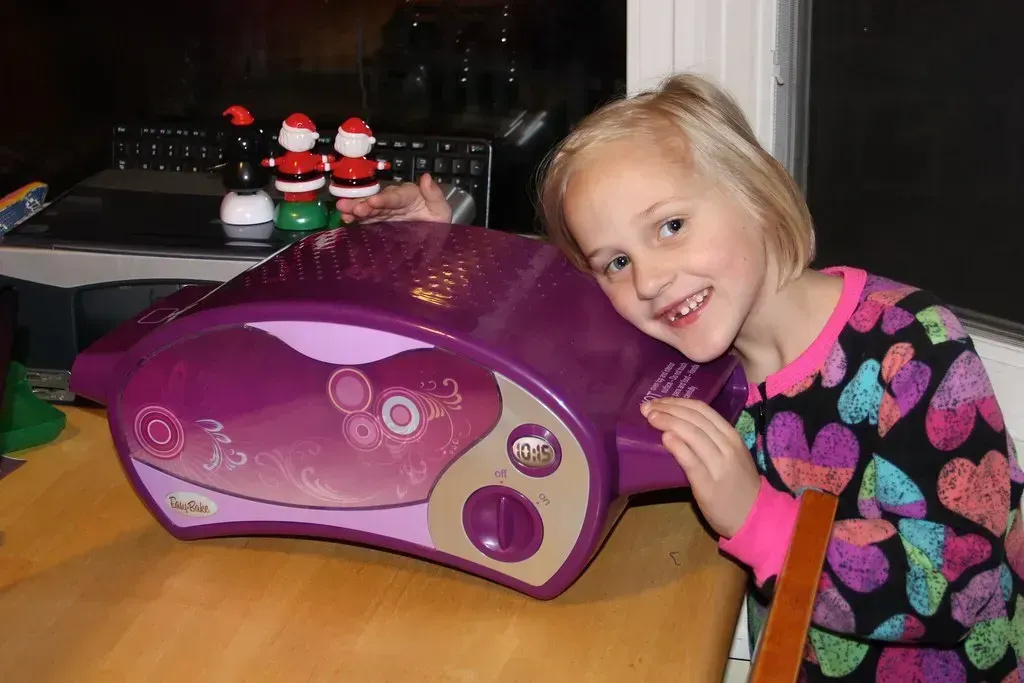
Easy-Bake toy ovens have been popular since the 1950s, and recent Hasbro models continued to have serious defects. Several children suffered burn injuries when their fingers got caught in the hot toy oven. A defective front-loading oven would trap tiny hands, inflicting third-degree burns on children’s hands and fingers. The product’s entire identity was built on the idea that young kids could safely cook real food unsupervised.
One five-year-old girl required a partial finger amputation. Hasbro recalled about one million ovens in 2007. The lesson the toy delivered, generation after generation, was that kitchen appliances requiring concentrated heat are perfectly manageable playthings for small children. It’s a lesson that conflates imaginative play with practical safety in ways that left real kids with real injuries.
7. Toy Guns and the Normalization of Aggression
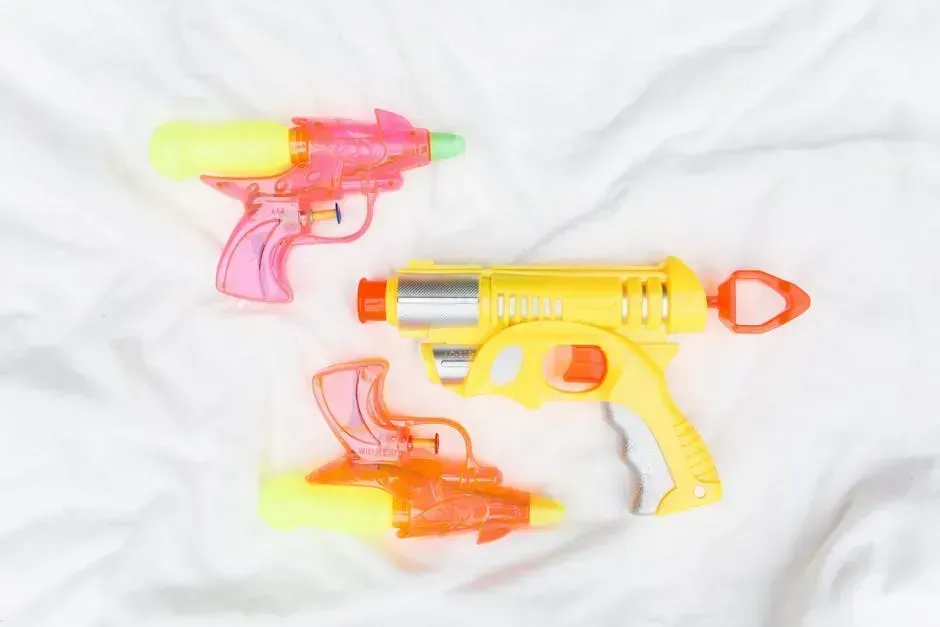
Toy guns have been a staple of childhood for generations, but the risk goes beyond physical accidents. They often taught children that dangerous risks were actually just part of the game. When children spend formative years aiming realistic replicas at each other and pretending to shoot, the behavioral modeling is worth taking seriously. The distinction between play and real threat can blur quickly, especially for very young kids.
There’s also a well-documented issue with realistic-looking toy guns being mistaken for real firearms in public settings, a problem that has had tragic outcomes. The lesson embedded in these toys was that pointing a weapon-shaped object at another person is a gesture of fun and connection, not one that carries any weight or consequence. That particular piece of make-believe has aged very poorly.
8. CSI: Crime Scene Investigation Fingerprint Kit
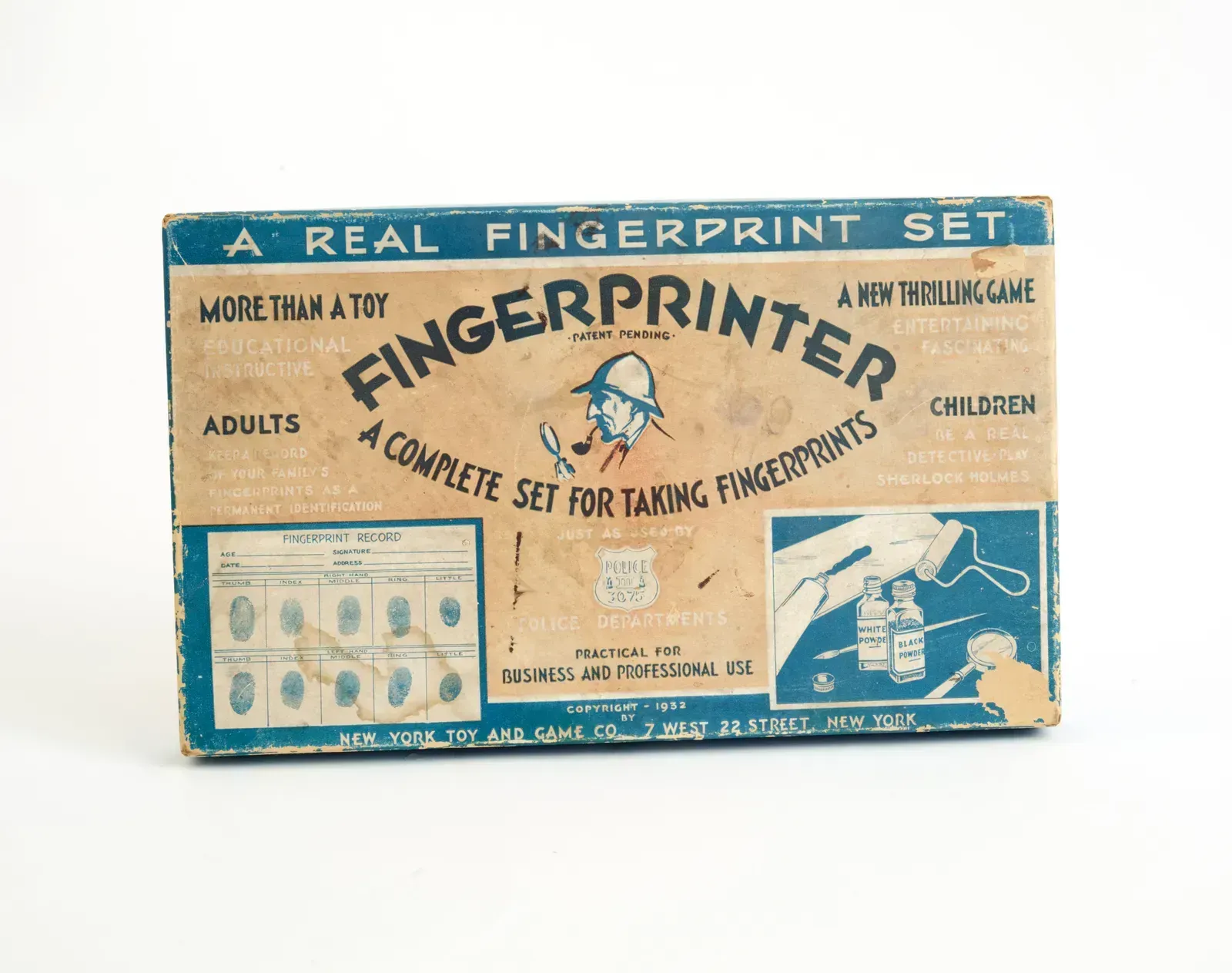
In 2007, the Environmental Working Group announced that the fingerprint dust included in CSI: Forensic Lab toy kits contained up to 7% tremolite, which is one of the most dangerous forms of asbestos. According to their report, inhaling the dust once could leave children vulnerable to developing lung cancer and mesothelioma later in life. The kit was sold as an educational toy that taught forensic science skills.
The toy company responded by saying they conducted their own tests, which did not detect asbestos. The lesson the toy inadvertently taught was that educational packaging is proof of safety, and that playing detective is a consequence-free activity. For the children who breathed in that fingerprint dust, the lesson couldn’t have been more different. It’s a reminder that “educational” on the box means very little without proper independent testing.
9. Cabbage Patch Snacktime Kids
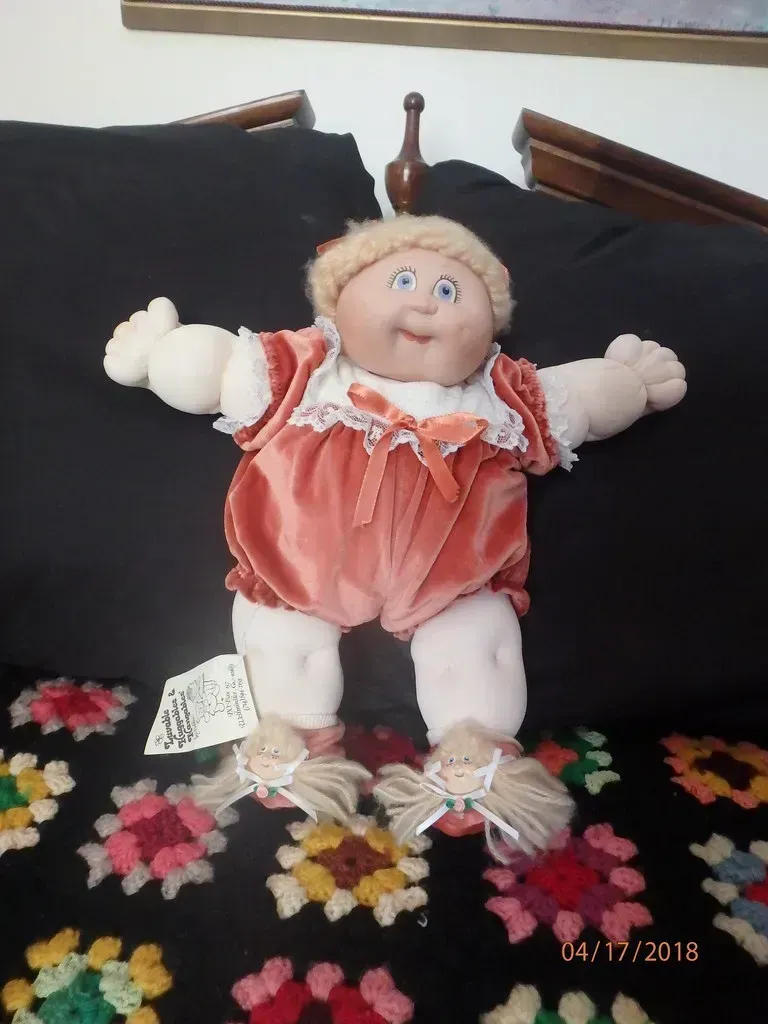
The Cabbage Patch Snacktime Kids doll had a mechanical mouth designed to “chew” pretend snacks. The problem was that it didn’t distinguish between plastic food and children’s fingers or hair. That led to lawsuits and a swift recall. The toy looked perfectly innocent: a chubby-cheeked doll that could munch on plastic carrots and cookies, designed to mimic the comforting ritual of feeding a baby.
Some Cabbage Patch dolls were more notorious than others. The Snacktime Kids chewed on more than fake food, resulting in a recall. The unintended lesson here was that mechanical mouths on dolls are predictable and safe to put body parts near. Children couldn’t be expected to understand that a motorized mechanism has no awareness of what it’s consuming. The design flaw was entirely on the adults who approved it for production.
10. Water Beads
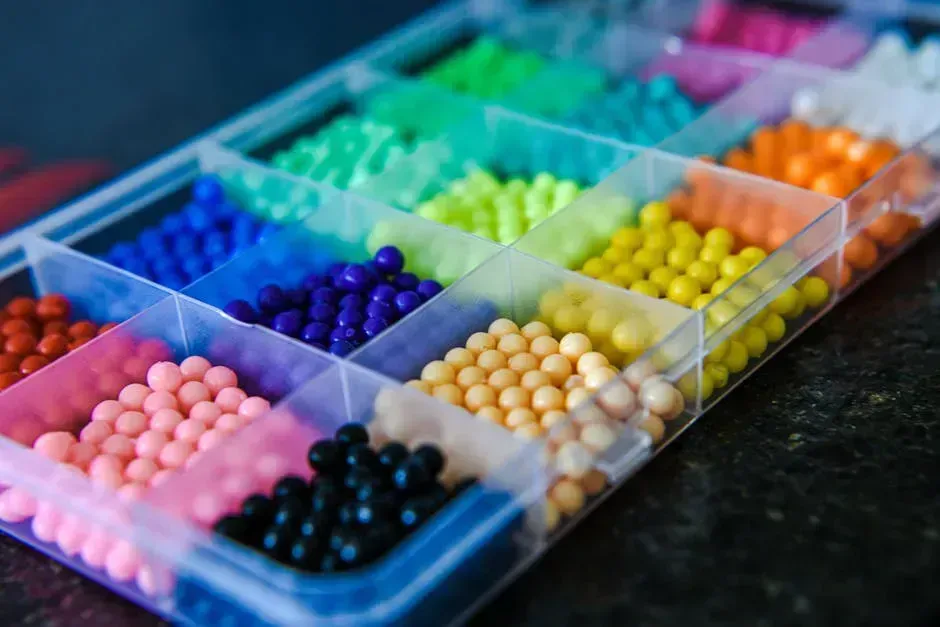
Water beads, when wet, can grow to one hundred times their original size. Since 2017, there have been an estimated 4,500 emergency room visits relating to water beads. They’re often marketed as sensory play tools for toddlers, which makes the danger particularly counterintuitive. A bead the size of a pea looks harmless when dry and still looks harmless once swallowed, because the expansion happens slowly, deep inside the body.
In September 2023, “Chuckle and Roar Ultimate Water Beads Activity Kits” were recalled nationwide after reports of two children swallowing the beads: a 10-month-old infant died, and a 9-month-old infant was seriously injured and required surgery. About 52,000 of these toys were sold. In August 2025, the CPSC approved a new federal safety standard for water beads to reduce the risk of injury and death to young children. The lesson these toys taught parents was the most dangerous one of all: that something colorful and squishy must be safe.
11. Mini Net Hammocks

Hammocks seem like the ultimate symbol of a relaxing afternoon. However, mini net hammocks designed without spreader bars became a nightmare for families in the eighties and nineties. Between 1984 and 1995, at least 12 children between the ages of 5 and 17 were strangled in these nets. The lack of a bar meant the net could twist and wrap around a child’s neck, and it happened so quietly that parents often didn’t realize anything was wrong until it was too late.
In 1996, 3 million of these units were recalled. The lesson these toys taught was a false sense of security in structural design. A child might think a piece of furniture is a safe place to nap, but without proper anchoring, it becomes a trap. The hammock’s whole appeal, that gentle swaying feeling of complete relaxation, turned into the very mechanism of danger when a child shifted position and the net began to close.
12. Clackers
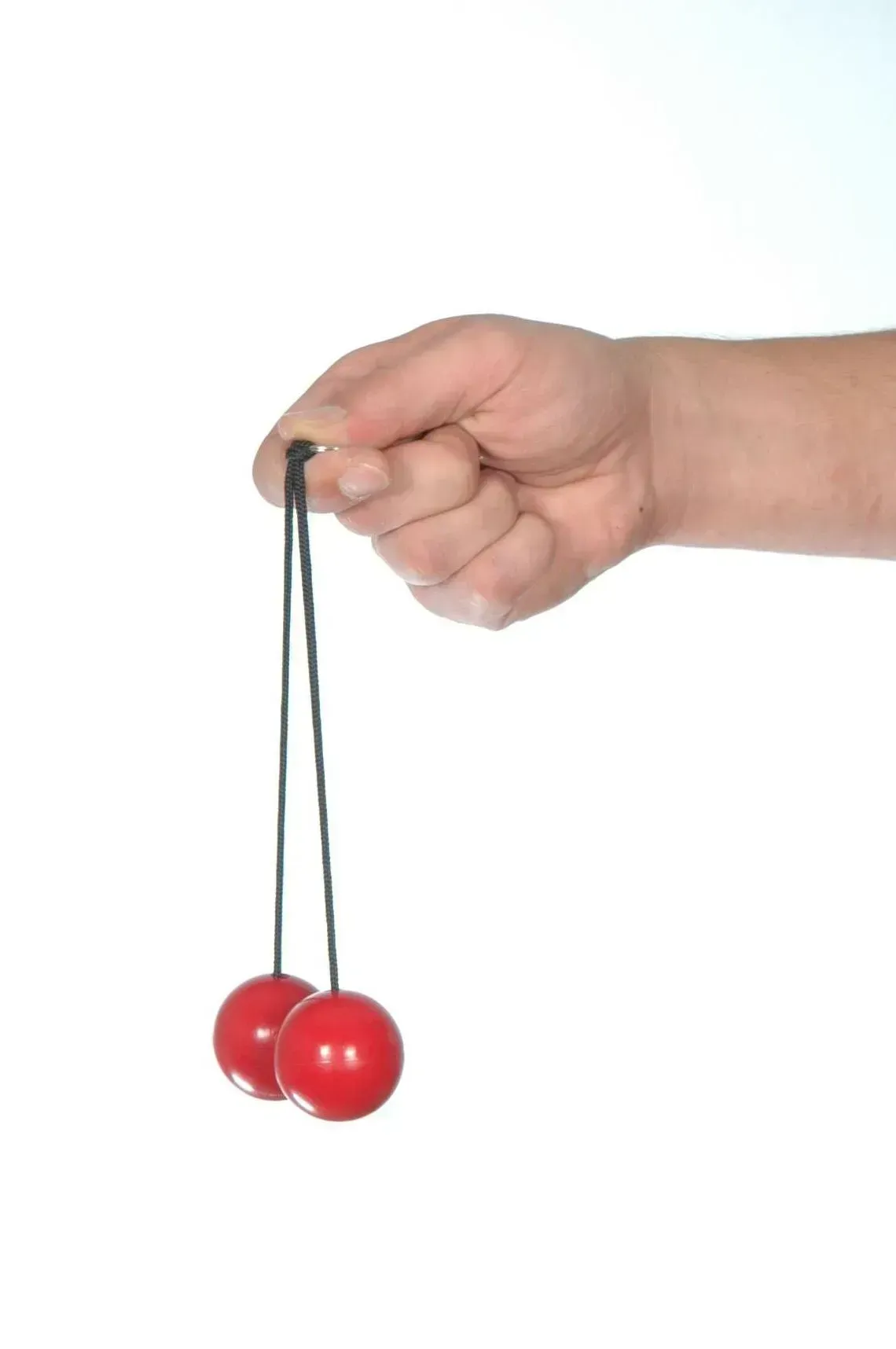
Clackers were two acrylic balls attached to a string that kids smashed together to make a satisfying clacking sound. The problem was that those balls could easily shatter and send shards flying. Yet, they were wildly popular before the dangers became too obvious to ignore. Their appeal was immediate and entirely sensory: the rhythm, the sound, the skill involved in keeping them going. Nobody thought too hard about what was actually happening.
When the balls shattered, which they did frequently due to the stress fractures caused by repeated impact, the acrylic fragments flew at considerable speed, close to children’s faces and eyes. The lesson clackers taught was that impressive physical coordination is its own reward, and that the object performing that coordination doesn’t need to be structurally sound. The toy was eventually pulled from the market, though it took years of injuries to get there.
13. Fidget Spinners

Fidget spinners soared in popularity in 2017, and their small, transportable, and addictive nature made them a significant classroom distraction. What had been originally considered a tool to help kids concentrate had become a potential inhibitor to academic progress. The idea behind them wasn’t entirely wrong: some research has supported the use of movement-based tools for children with attention challenges. The execution, though, created a frenzy that had nothing to do with focus.
Beyond the classroom disruption, many fidget spinners contained small parts and cheap bearings that failed quickly, creating choking hazards for younger siblings. Some units on the market also contained high levels of lead in their metal components. The lesson they delivered was perhaps the most modern one on this list: that any product labeled “therapeutic” or “for focus” can be trusted without question, regardless of its actual design or the age of the child using it.
14. Hasbro’s Yo-Yo Ball

Imagine a bungee cord attached to your hand with a fluid-filled ball on the end. That’s the concept behind the Yo-Yo Ball. It sounded innocent enough, but many issues arose from it, including the potential choking hazard if the cord was wrapped around a child in the wrong way. The stretchy bungee cord could loop around a child’s neck with unexpected ease, particularly during energetic play when kids weren’t paying attention to where the string was going.
The fluid inside some versions of the ball was also a concern, as it could leak when the ball was bitten or punctured, which young children regularly did. The lesson these toys communicated was that stretchy cords and small children make a natural combination, and that if something bounces back to your hand, the forces involved must be minor. Neither assumption held up under real-world use.
15. Power Wheels Electric Cars
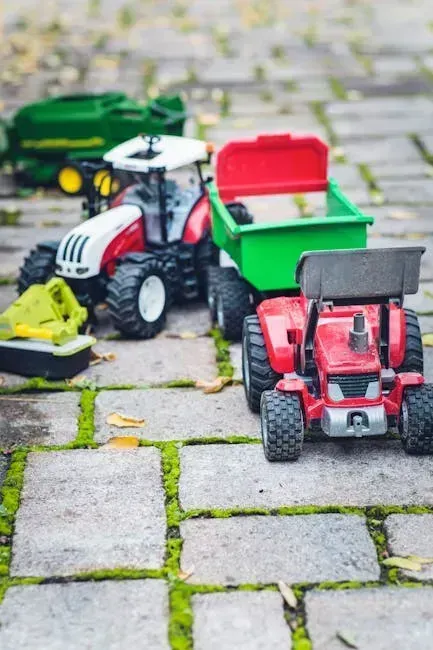
Fisher-Price had to recall 10 million of its iconic Power Wheels cars and trucks in 1998 after multiple reports of fire and injury. The product was one of the most beloved ride-on toys of its era: a battery-powered vehicle small enough for a young child to drive around the backyard, designed to simulate the thrill of real driving. The problem was a defective electrical system that could overheat and ignite.
Children were essentially being placed inside a vehicle with a failing battery system that could catch fire beneath them. The size and premise of the toy carried an implicit message: you’re in control, you’re driving, and this machine is built for you. That sense of empowerment was the entire marketing premise. What wasn’t communicated was that no child, or indeed most parents, had any way to identify the electrical fault before the toy became a fire hazard.
16. Hoverboards
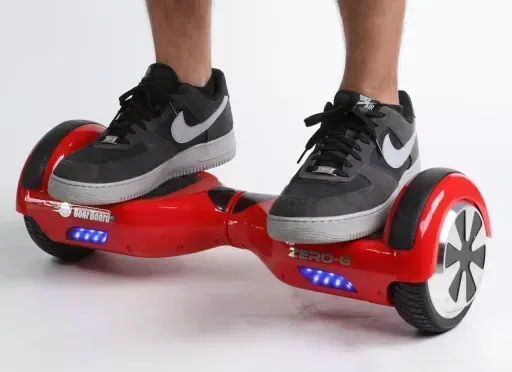
Hoverboards typically run on rechargeable batteries. Some of the defective hoverboards had battery packs that could explode or catch fire. Children suffered burn injuries, smoke inhalation, and even fatalities from house fires. There were multiple brand recalls from various hoverboards sold on Amazon and other online retailers. At peak popularity around 2015 and 2016, they were everywhere, and the recalls couldn’t keep up with the demand.
The lesson hoverboards delivered was an updated version of an old problem: that cutting-edge technology automatically comes with adequate safety standards. Kids and parents alike assumed that a product being sold at major retailers meant it had cleared rigorous testing. Enforcement agencies such as the CPSC face limited resources to police such a large industry, existing standards can be inadequate, and regulators often scramble to keep up with evolving technologies. The hoverboard craze made that gap painfully visible.
Taken together, these 16 toys reveal a pattern that repeats across decades: the packaging promises fun and safety, the marketing speaks to parents’ desire to give their children something special, and the actual risks hide in plain sight. In 2023 alone, emergency rooms across the United States handled nearly 232,000 injuries linked to toys, according to the U.S. Consumer Product Safety Commission. The toy industry has grown substantially safer over time, but history shows that “safe enough” has often been decided after the fact, by the children who paid the price first.




Leave a Reply