
1. Overpacking past the weight limit
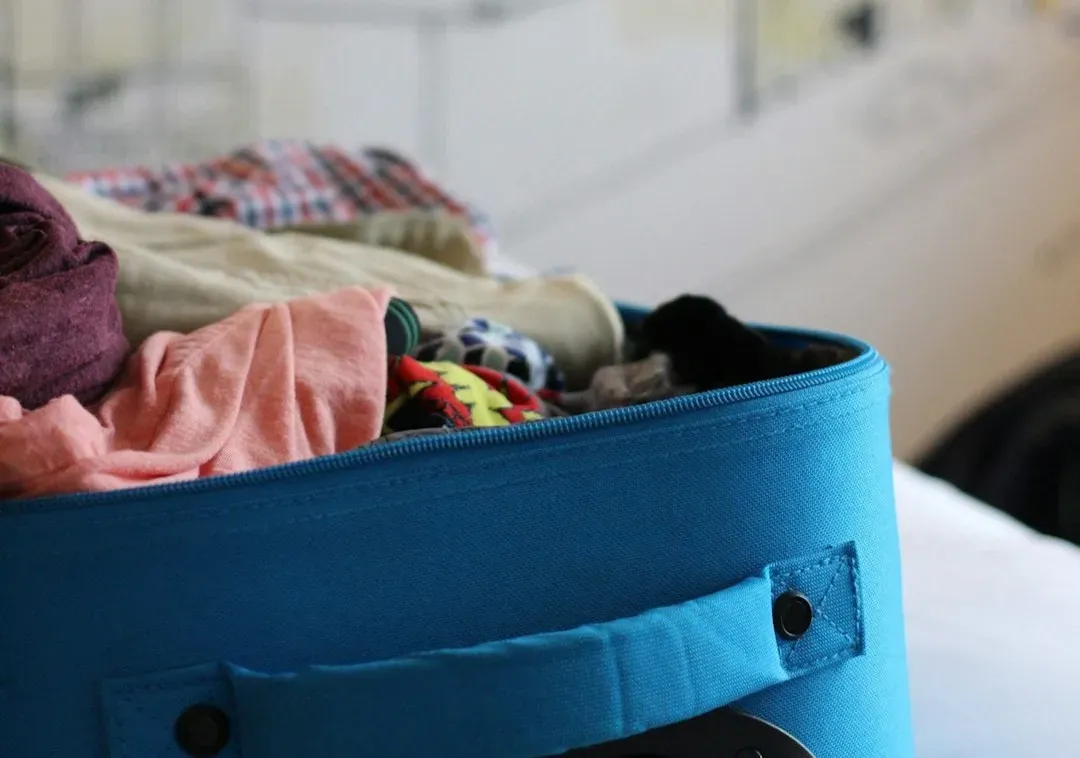
Most checked bags are supposed to stay under roughly 50 pounds, or about 23 kilograms, though some airlines allow a bit more depending on cabin class and route. Current industry recommendations suggest the maximum weight of any single piece of checked baggage should not exceed 23kg without prior arrangement, though some airlines will accept baggage up to 32kg. When a bag crosses that line, it usually needs a special “heavy” tag and often has to be handled manually rather than moving through automated systems.
That manual handling isn’t just an inconvenience for the airline. Overweight or oversized bags often require manual handling and bypass automated systems, which means more physical lifting for the person on the other end. Handlers aren’t being dramatic when they wince at an 80 pound suitcase; they’re thinking about their backs, and about how that single bag slows down loading for everyone behind it.
2. Leaving old tags and stickers stuck to the shell
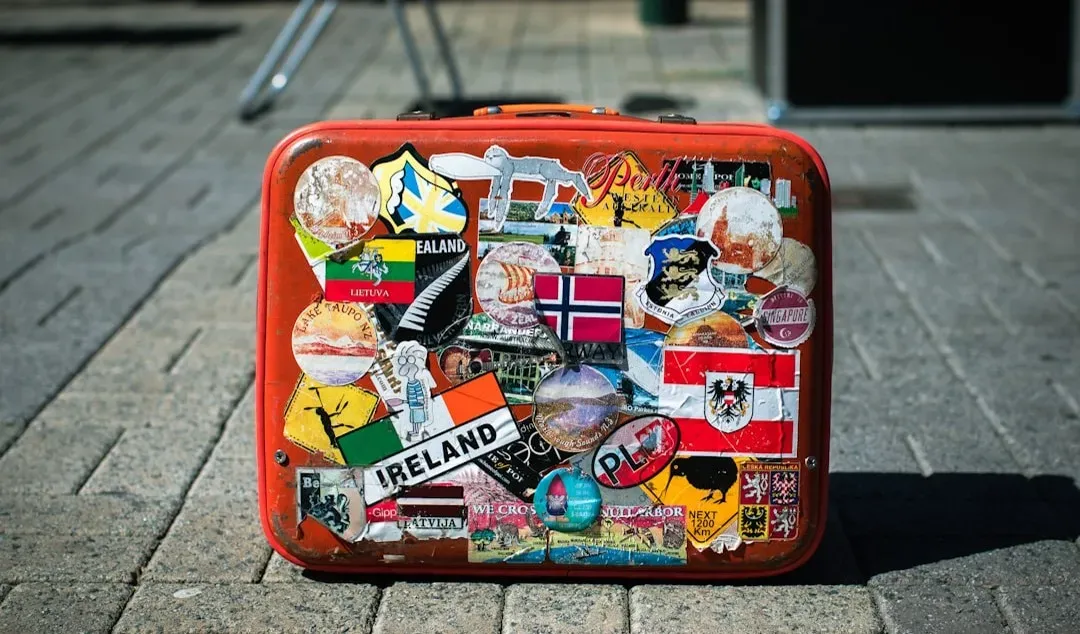
It seems harmless to leave last year’s flight sticker on your suitcase, maybe as a little travel trophy. Handlers see it differently. If a bag can’t be scanned automatically, it can end up in manual processing, and that could mean the bag doesn’t make it onto the flight at all, which is exactly why old stickers should be peeled off before you travel.
The barcode scanners that sort bags at major airports rely on clean, readable labels. That single overlooked detail sends more bags to manual handling than most travelers would ever guess, and manual processing takes longer, adds more human touchpoints, and increases the odds that something goes sideways. A quick peel of old adhesive before you head to the airport costs nothing and removes one more variable from the equation.
3. Letting straps and add-ons dangle loose
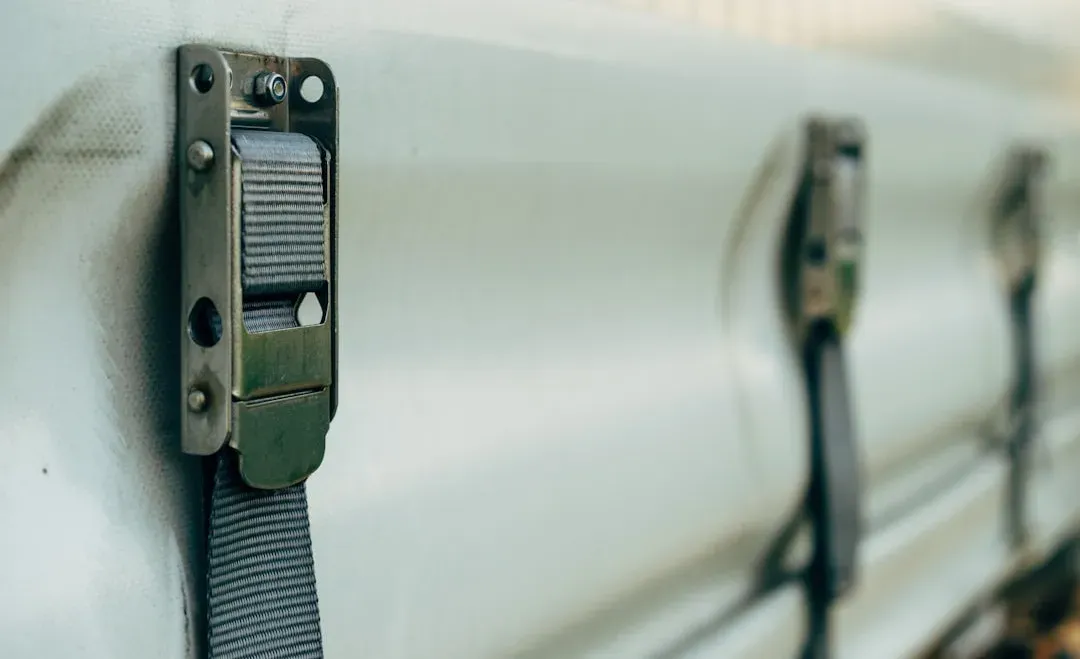
Travel pillows clipped to the handle, sleeping bags strapped underneath, loose duffel straps flapping around, all of it looks convenient at the check-in counter. On a conveyor belt, it’s a different story. A single snagged strap can jam a conveyor system and stall loading for an entire aircraft, and handlers routinely have to stop the line to physically free a strap that’s wrapped around moving machinery.
Beyond the jamming risk, dangling extras tend to disappear entirely. Handlers commonly advise avoiding add-ons like travel pillows, sleeping bags, or hoodies clipped to the outside of a bag, since the more that’s attached, the more likely it is something gets snapped off and lost. Tucking a strap in or buckling it down takes a few seconds and can prevent a delay that ripples through dozens of other passengers’ bags.
4. Trusting the checked hold with irreplaceable items
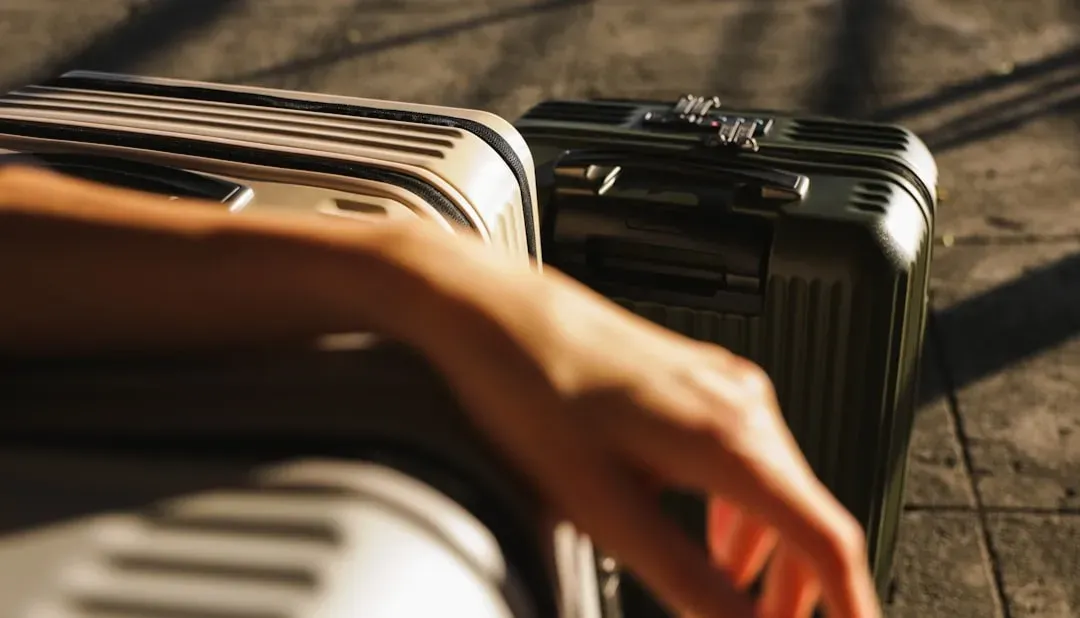
Jewelry, laptops, cameras, one of a kind souvenirs, they still turn up in checked luggage far more often than handlers think is wise. Jewelry, electronics, and one-of-a-kind souvenirs show up in checked bags every single day, and handlers say that’s a gamble most travelers wouldn’t take if they understood the odds.
The reasoning is simple once you picture the journey. A checked bag rides on carts, gets stacked, sometimes tossed, and sits in a hold with dozens of other pieces for hours. Anything genuinely irreplaceable, along with medications and important documents, holds up much better in a carry-on that stays within arm’s reach the entire trip.
5. Assuming full-size liquids will just stay put

Toiletry bottles at full size get crammed into checked bags all the time, on the theory that once the zipper closes, gravity and bad luck won’t find them. Handlers know better. Full-size shampoo, lotion, and toiletry bottles crammed into a checked bag are a leak risk multiplied by every bump, drop, and stack that bag endures.
A leaking bottle rarely stays contained to itself. It seeps into clothing, paperwork, and anything porous nearby, and once a bag is flagged as leaking, it often gets pulled aside for extra handling before it’s cleared to load. Sealing liquids in a separate bag inside the suitcase, or simply packing smaller travel sizes, avoids a mess that’s genuinely unpleasant to deal with on both ends.
6. Checking extra bags instead of consolidating
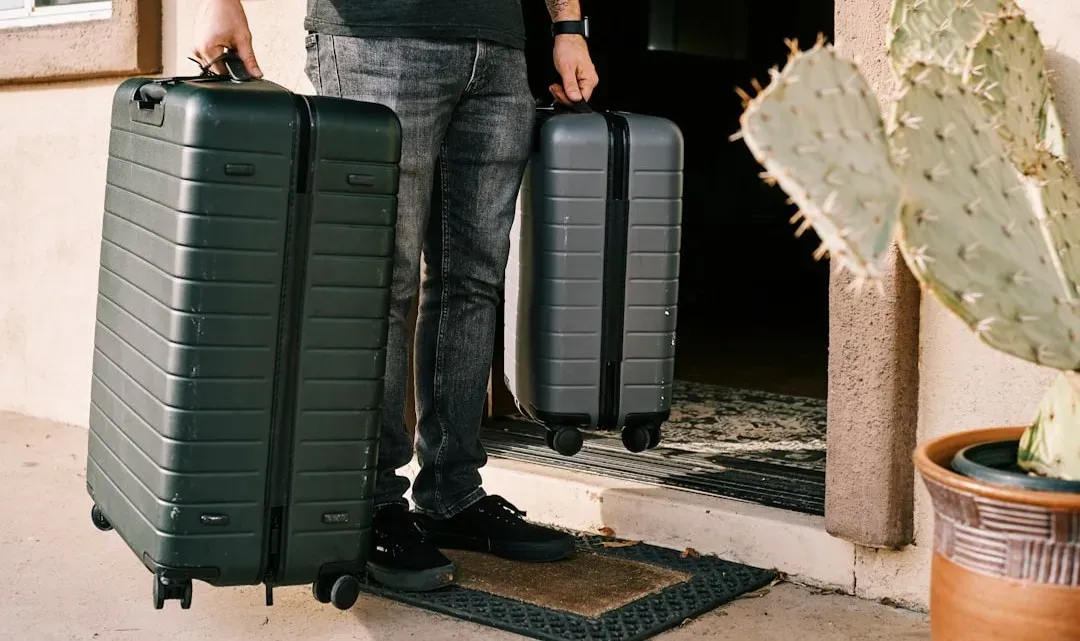
Splitting belongings across three or four smaller bags feels organized, but from a handling standpoint it multiplies the work. Extra pieces mean extra lifts, extra scans, and extra chances for something to get separated from your itinerary during a transfer.
Consolidation tends to work in the traveler’s favor too. Consolidating into fewer, well-packed bags is consistently easier for handlers to load correctly than splitting the same items across more pieces, and it also reduces the traveler’s own risk of one bag simply not making the connection. Fewer pieces means fewer chances for one to get left behind on a tight connection.
7. Skipping identification, inside and out
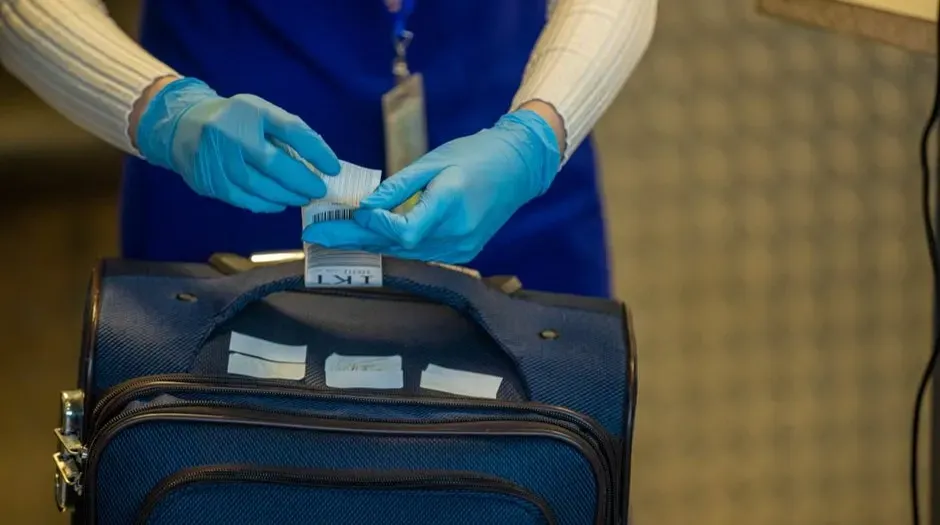
A bag without a name, phone number, or email attached is a bag that’s much harder to reunite with its owner if something goes wrong. A durable luggage tag with a name, phone number, and email on the outside of every bag, plus a second identification card placed inside, meaningfully reduces the risk of a mishandled bag.
It also helps to make a bag stand out visually, especially a plain black case that looks like a hundred others on the carousel. Making luggage distinctive helps travelers spot it easier and makes it less likely to get picked up by someone else at baggage reclaim, which is why attaching something like bright tape or a colorful bow to plain black luggage is worth the small effort. Combined with checking in early rather than at the last minute, since late-checked bags face tighter processing windows and higher mishandling rates, these small habits add up to a noticeably smoother trip through the system.
None of these habits require expensive gear or complicated planning. They’re mostly about respecting the physical reality of what happens to a bag once it leaves your hands, a journey that involves conveyor belts, carts, tight connections, and real people moving quickly under pressure. Paying attention to weight, labels, straps, and what actually belongs in the hold versus the cabin won’t guarantee a perfect trip every time, but it removes a surprising number of the small failures that turn into big headaches at baggage claim.


Leave a Reply