
Most people take a quick glance at the date on a package, shrug, and put it back on the shelf. It’s an easy habit to fall into, especially with foods that look and smell completely fine. The logic feels sound: if nothing seems wrong, nothing probably is wrong.
The reality is a little more complicated. Expired foods are products that have passed the date the manufacturer determined as the point after which the food may no longer be safe. That date is based on scientific testing for when the food is at its safest and freshest, and after that point it may develop harmful bacteria, lose nutritional value, or simply degrade in quality. Some pantry staples carry real consequences when ignored for too long. Here are seven you shouldn’t be keeping past their prime.
Whole Grain and Nut-Based Flours
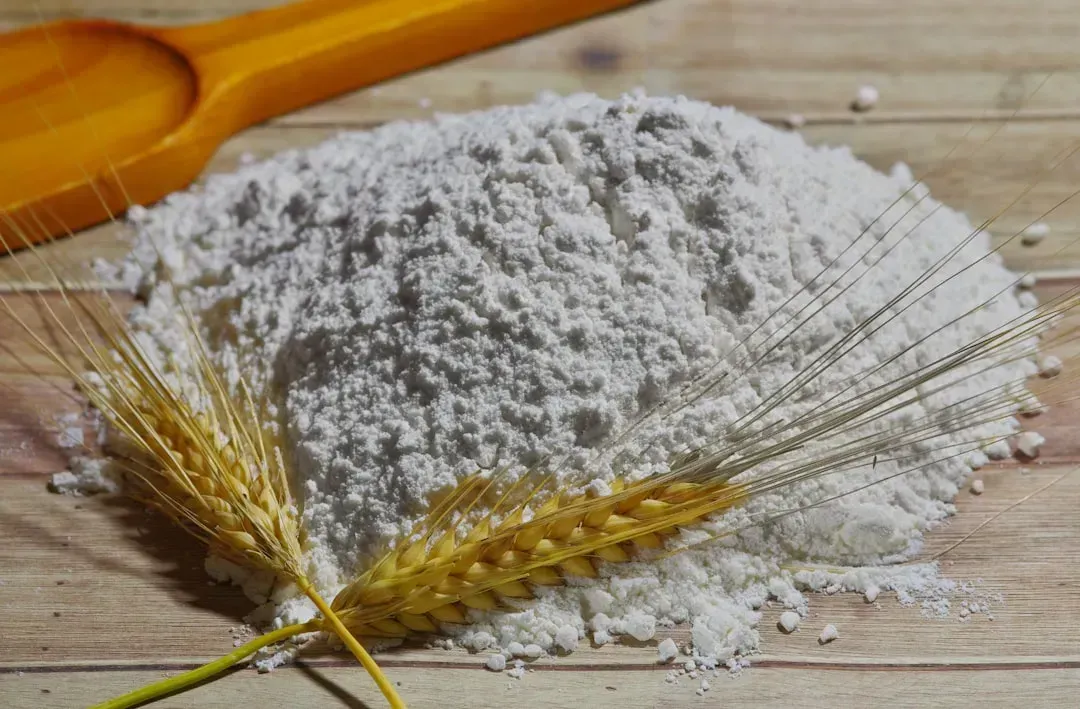
There are many types of flour, and each has a different expiration timeline. Whole grain flour contains more oils than refined flour, and gluten-free flour containing nuts is high in fat, so these varieties can become rancid more quickly. Most people assume flour is practically immortal in the pantry. It’s not, especially the more nutrient-dense kinds.
Eating rancid flour can cause symptoms of food poisoning like stomach pain, vomiting, or diarrhea, so it’s one of those items you don’t want to leave in the pantry too long. White flour can last about a year, but whole wheat varieties are only good for roughly three months due to their higher oil content. When in doubt, give it a sniff. When flour goes bad, it develops a musty, sour smell that’s unmistakable.
Rancid Cooking Oils
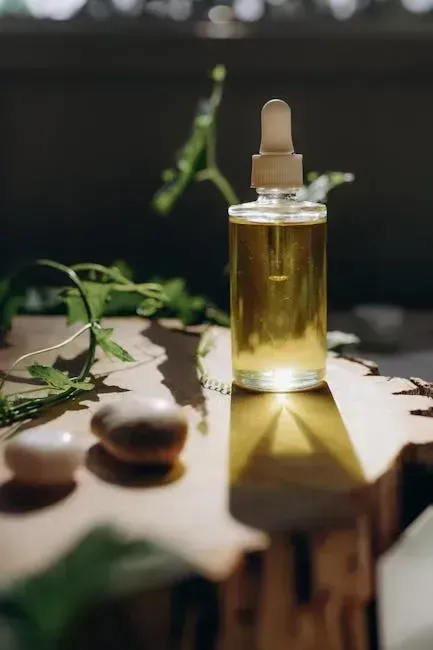
Using expired vegetable oil can affect both the taste of your food and your health. While it’s usually not harmful in small amounts, regularly using rancid oil can lead to the buildup of harmful compounds like free radicals, which may negatively impact your health over time. Most people keep their cooking oil long past its useful window without realizing it.
Vegetable oil shelf life can be up to twelve to eighteen months when unopened. After opening, it should ideally be used within six months, but it can last up to a year if stored properly. Signs of spoiled oil include unpleasant or rancid odors, a bitter or off taste, a darker or cloudy appearance, and a thick or slimy texture. If any of those match what’s in your cabinet, it’s time to let it go.
Brown Rice
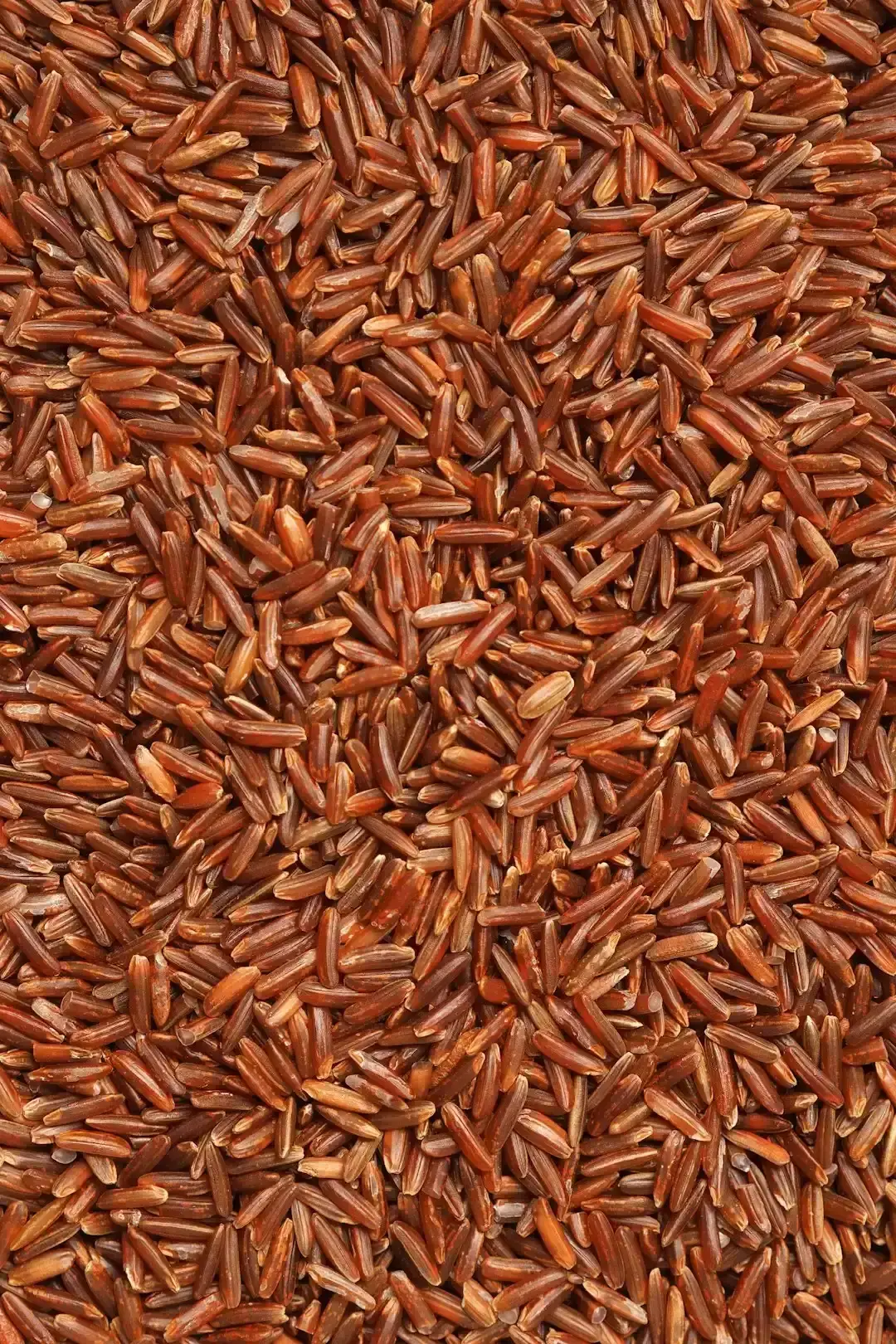
Rice varies greatly in shelf life depending on type. White rice, jasmine, and basmati can last years when stored properly, but brown rice expires much sooner because of the natural oils in its bran layer. After about six months, these oils can turn rancid, giving the rice a sour odor and an off taste.
Spoiled rice may also harbor mold if it’s been exposed to humidity. To preserve freshness, store rice in airtight containers away from light and moisture. For long-term storage, refrigerating or freezing brown rice extends its usability significantly. It’s a small step that makes a real difference, especially if you buy in bulk.
Nuts and Nut Butters
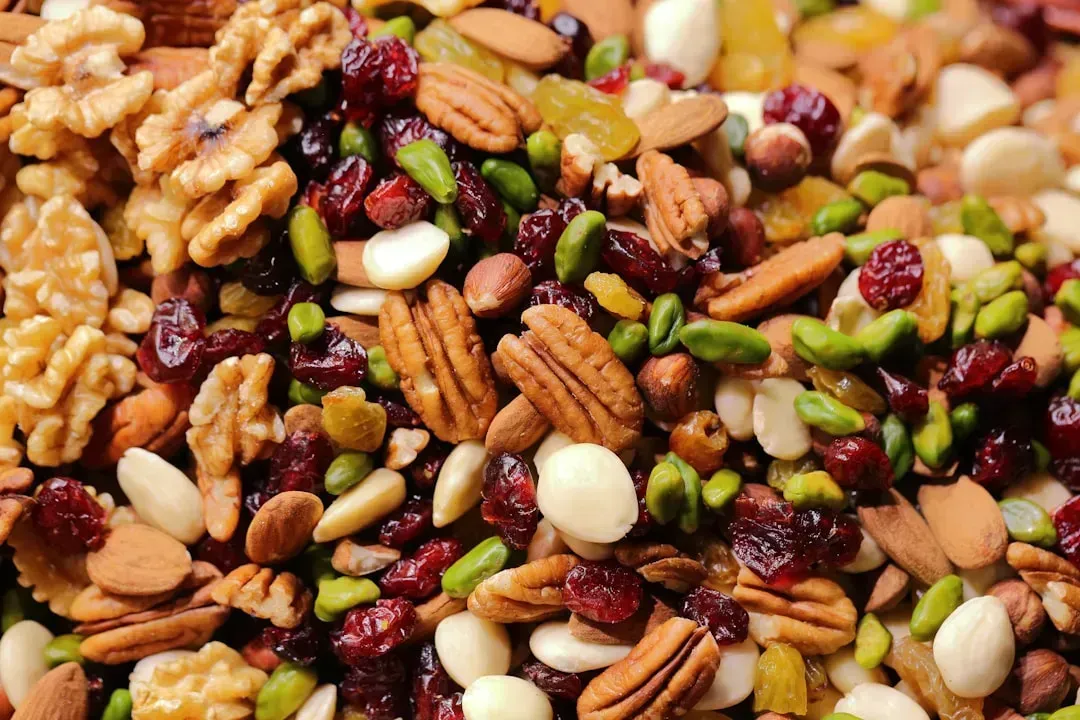
Because nuts are high in unsaturated fats, they tend to go rancid fairly quickly. Most nuts last around four to six months at room temperature when stored in an airtight container in a dark place, and when the oils oxidize, the nut produces a bitter or sour taste. That sharpness is your cue to toss them.
Nuts and nut-based products contain high levels of unsaturated fats, which sounds healthy until you realize these fats go rancid faster than almost any other pantry ingredient. When nuts turn rancid, they don’t just taste bad – they produce harmful compounds called peroxides and aldehydes that can damage cells and increase inflammation throughout the body. Rancid nuts not only taste awful but can also contribute to inflammation.
Bulging or Dented Canned Goods
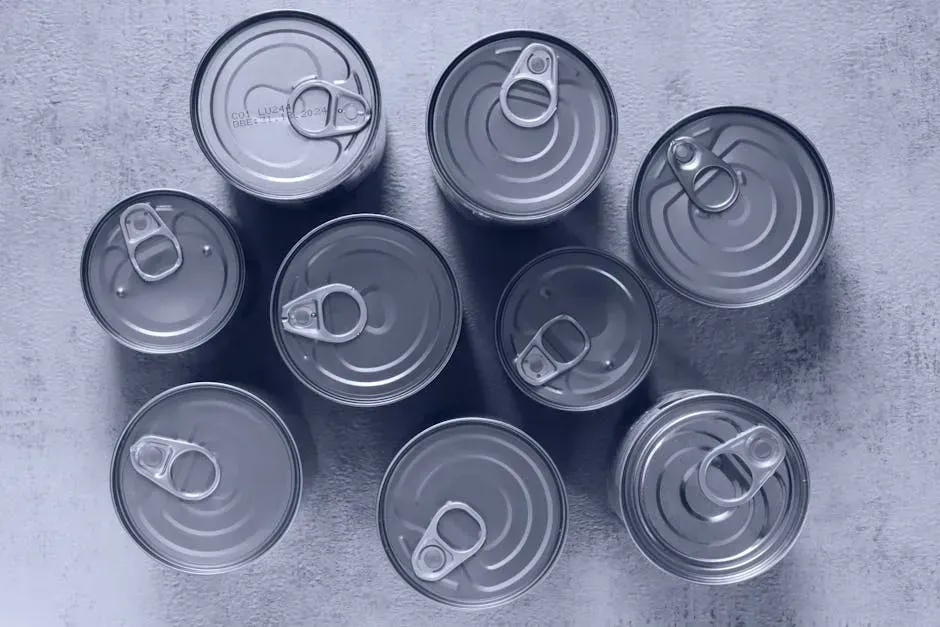
If a can is dented or bulging, don’t eat what’s inside. Cans that aren’t in great shape can indicate that what’s inside isn’t preserved properly, and for your safety, it’s best to avoid them entirely. Most canned goods last longer than people expect, but physical damage changes that equation completely.
Judging a book by its cover is a good rule of thumb for any containers that are dented, bulging, or rusted. Denting and rusting indicates a package that was damaged at some point and may be more susceptible to bacteria. One of the most serious concerns for a bulging can or jar is botulism, a dangerous food toxin. Toxins in poorly stored canned goods can induce botulism, a potentially fatal illness.
Baking Powder and Baking Soda
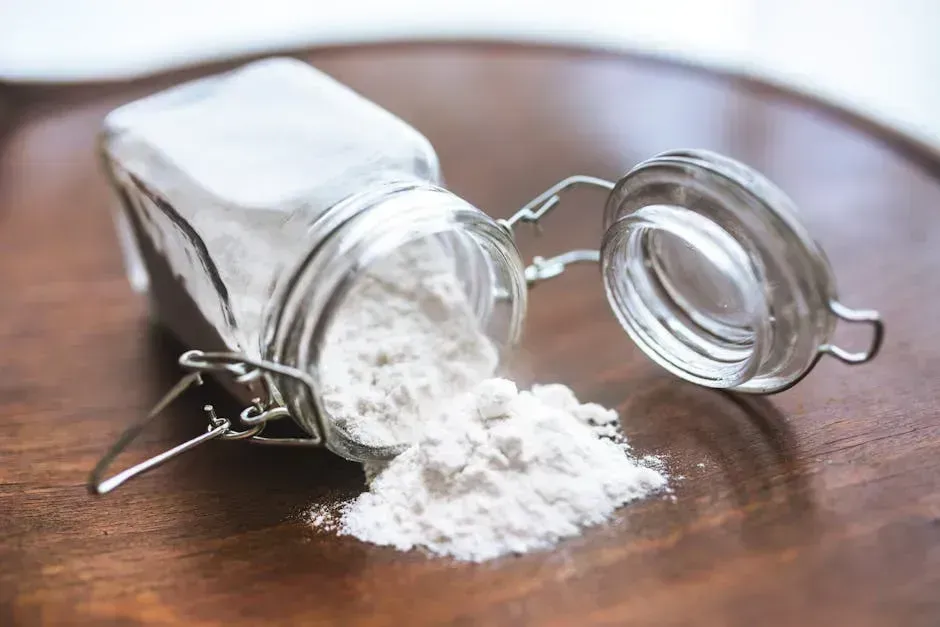
Both baking powder and baking soda are critical for baking, yet they lose effectiveness quietly over time. When they expire, baked goods turn out flat or dense instead of rising properly. Baking powder usually lasts six to twelve months after opening, while baking soda can remain active for about eighteen months if stored well.
Baking soda is used as a leavening agent and also absorbs odors, meaning it can take on the smells of your fridge or pantry over time. Baking soda can take on those odors and lose its fizzing power, making it largely useless. To test their freshness, drop a teaspoon into hot water. If it fizzes immediately, it’s still good to use. If not, it’s time for a replacement.
Old Ground Spices
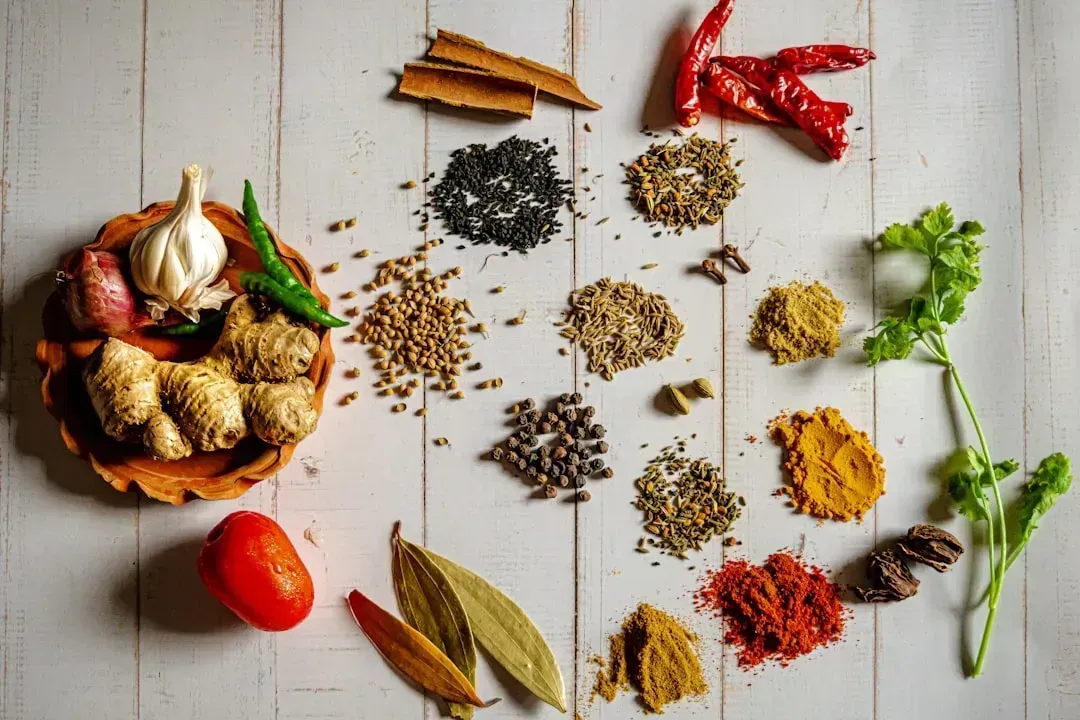
Your favorite ground spices like turmeric, paprika, and nutmeg generally lose their potency after about two to three years. Eating old spices isn’t usually harmful to your health, but they won’t add meaningful flavor to your recipes anymore. That jar of cumin from years ago isn’t doing your cooking any favors.
When spices are ground, they have more surface area and are exposed to air, moisture, and light, which makes them spoil faster. Spoiled spices don’t just taste dull – they can also be a real health risk, and using them could mean adding hidden toxins to your food. As a general rule of thumb, replace ground spices every one to two years and whole spices every three to four. It’s a small and cheap fix that pays off every time you cook.
Going through a pantry isn’t the most exciting Sunday activity, but it’s one of those tasks that quietly protects both your health and the quality of what you eat. The foods on this list aren’t dangerous because they’re dramatic – they’re dangerous precisely because they look ordinary. A five-minute check every few months is all it takes to know what’s genuinely worth keeping.




Leave a Reply