
The dating landscape looks nothing like it did twenty years ago. Women are finishing college at higher rates than men, building independent lives earlier, and arriving at relationships with a clearer sense of what they actually want. That shift doesn’t happen quietly. It collides, sometimes sharply, with the values and expectations that some men still bring to the table.
This isn’t about declaring one side right or wrong. It’s about understanding a real tension that’s showing up in countless relationships right now. New research shows that roughly seven in ten singles believe there’s a growing gap between men and women in their dating expectations, behaviors, and relationship preferences. That gap has causes worth looking at honestly.
1. Financial Independence Has Changed the Equation

For generations, economic necessity kept the traditional dynamic intact. A woman who couldn’t support herself financially had strong practical reasons to accept a relationship built around a male provider. That calculus has shifted. Women are sharper, more educated, and more socially mobilized than ever, yet they are simultaneously facing stagnant wages and a high cost of living that makes the traditional domestic partnership look like a bad investment.
When a woman earns her own income, pays her own bills, and builds her own savings, she simply doesn’t need a provider in the traditional sense. What she wants instead is a genuine partner. A man who primarily defines his role through financial control or who expects deference in return for money is offering something that no longer fills the gap it once did.
2. The Emotional Availability Gap Is Real
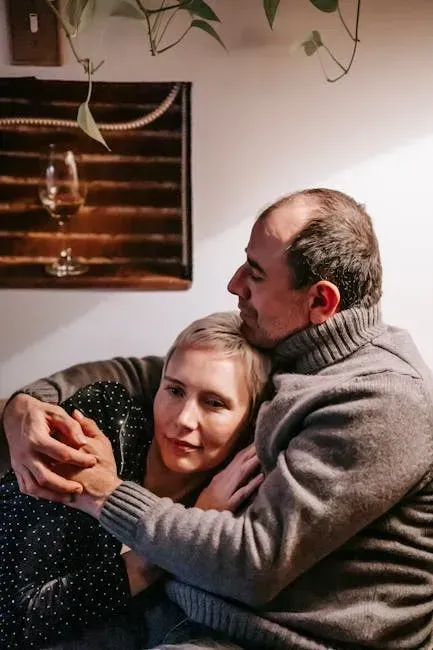
In past generations, women often prioritized strong, stoic men due to survival and social needs. Today, with greater safety and independence, women place higher value on emotional availability, communication, and shared partnership. That isn’t a small stylistic preference. It’s a foundational shift in what women consider a worthwhile relationship.
It’s a disconnect between traditional masculinity and modern relationship expectations. Women are raising their standards, looking for men who can connect emotionally, communicate openly, and show vulnerability. Many men weren’t taught these skills, leaving them feeling stuck, confused, or left behind in the dating world. A man who has never been encouraged to develop emotional fluency can struggle to meet that expectation, no matter how well-intentioned he is.
3. Political and Values Misalignment Is a Dealbreaker
Shared values used to mean shared religion or shared neighborhood. Now it increasingly means shared politics. Political divisions have emerged as a significant factor in modern dating, with nearly half of young adults aged 18 to 34 now considering political alignment important when choosing romantic partners. That’s not a fringe view anymore. It’s close to becoming a majority position among younger generations.
The political dating divide reveals stark gender differences. Research shows men are more likely than women to identify with conservative positions, creating a mismatch in an increasingly polarized landscape. A man who holds strongly traditional views on gender roles, women’s rights, or social policy will often find himself fundamentally at odds with women who have built their identity around equality and self-determination.
4. The Provider Role Feels Controlling, Not Caring
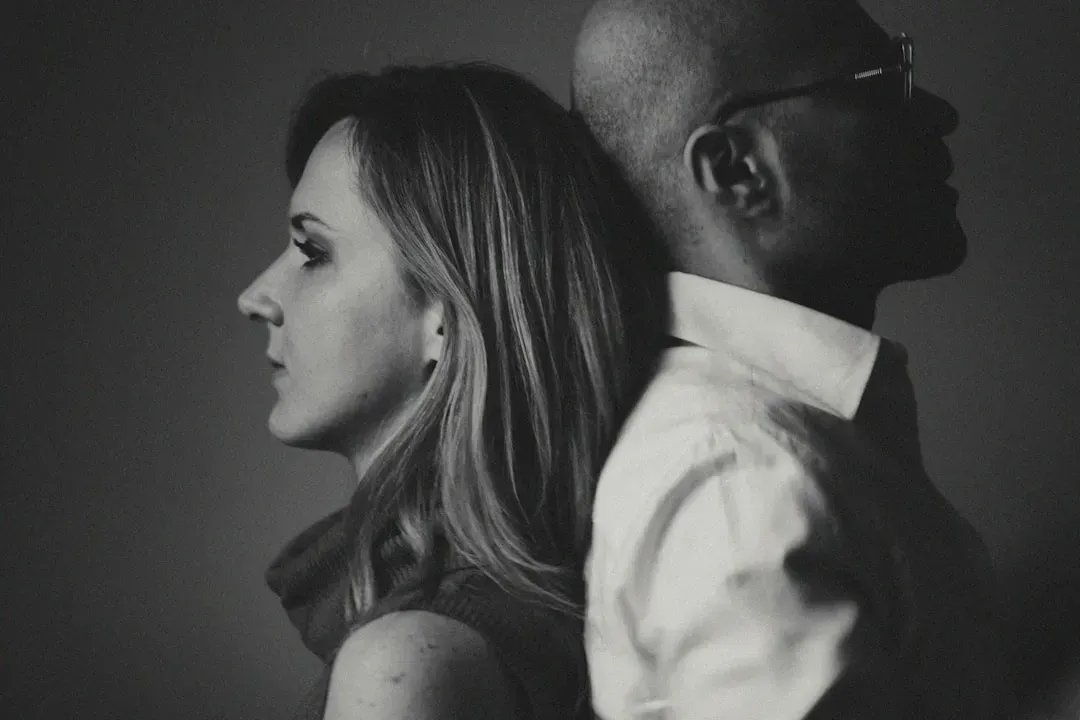
There’s a difference between being generous and being controlling through generosity. Some women find that men who lean hard into the provider identity attach expectations to it: expectations about decision-making, about who leads, about how gratitude should be expressed. Over the past few decades, societal norms that traditionally defined the roles of women as caregivers and men as providers have evolved. Modern relationships emphasize equality, open communication, and shared responsibilities.
When financial contribution comes bundled with a sense of ownership or authority, many women read that not as protection but as a power structure. Nearly two thirds of women say they are being more honest with themselves and no longer making compromises in relationships. That honesty makes it harder to stay in arrangements that feel unequal, even when the man believes he’s simply playing his natural role.
5. Education Has Rewired Expectations
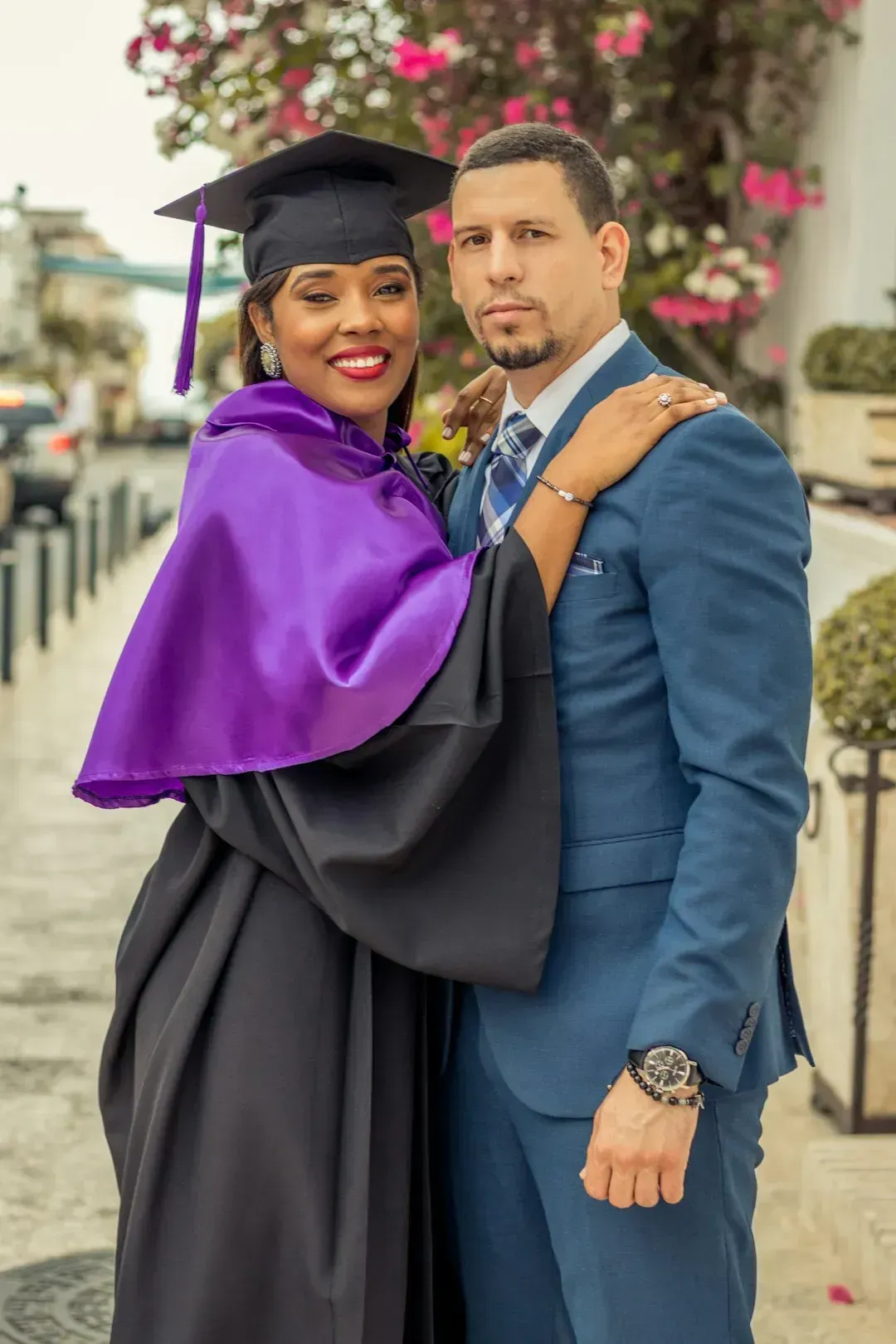
Women now earn the majority of bachelor’s and master’s degrees in several major economies. That educational reality reshapes self-perception in ways that go far deeper than credentials. As women’s educational attainment and economic status rise, the traditional family fertility patterns are undergoing significant shifts, leading to a substantial decrease in women’s average desire to bear children. The ambitions women develop in university don’t disappear after graduation.
A highly educated woman who has spent years developing critical thinking and professional confidence is unlikely to find it comfortable when a partner assumes she’ll defer to his judgment on major life decisions. Exposure to female classmates from areas with more egalitarian gender culture significantly increases women’s labor supply and career engagement. Women who’ve been educated in egalitarian environments carry those norms into their personal lives, making traditionally structured relationships feel like a step backward.
6. Single Life No Longer Carries Social Stigma

The old social pressure to find a partner by a certain age and settle into domestic life has weakened dramatically. Being single used to mean something was wrong. Now it’s increasingly framed as a legitimate, even appealing, choice. The most dangerous thing a woman can do for the traditional patriarchy is to realize she can navigate the world, both geographically and emotionally, without a chaperone. After a decade of systemic betrayals and cultural stagnation, women have stopped trying to reform a broken social contract and have simply started building their lives without it.
Fully ninety-five percent of singles report that worries about finances, job security, housing, and climate change are impacting who and how they date. When a relationship adds stress rather than reducing it, the calculus becomes brutally simple. A woman who is comfortable alone, has her own income, and faces no social penalty for staying single has very little reason to accept a dynamic that feels like a compromise on her autonomy.
7. Emotional Maturity Is Now a Baseline Expectation
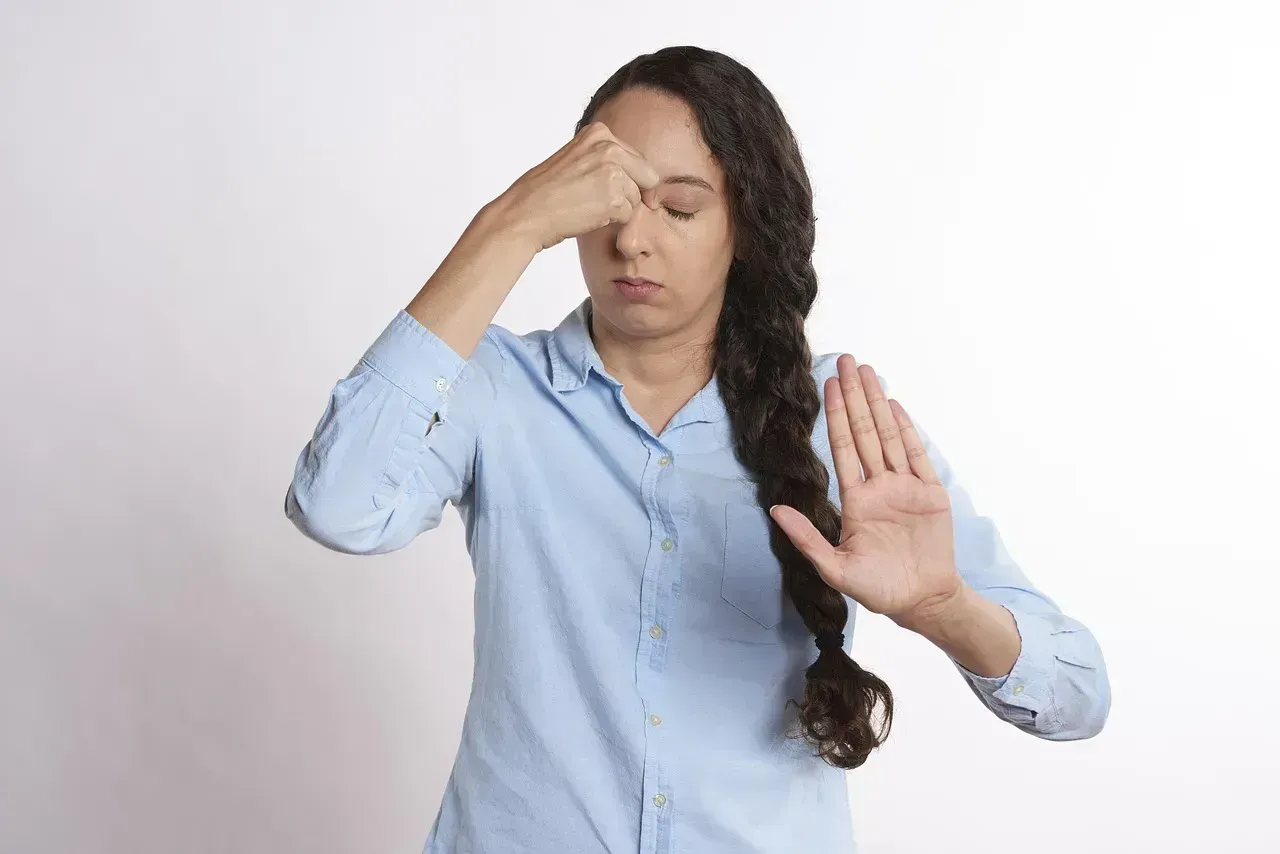
A study found women prefer partners capable of cognitive reappraisal, that is, reframing negative emotions constructively, because it fosters healthy communication and conflict resolution. Emotional intelligence is no longer a “bonus trait.” It’s a central expectation in long-term relationships. A man who shuts down during conflict, stonewalls difficult conversations, or dismisses emotional needs as weakness is going to lose ground quickly.
Women are increasingly prioritizing partners who offer consistency, communication, and emotional stability. If you’re ghosting, breadcrumbing, or emotionally inconsistent, expect to get called out, or left behind. Traditional masculinity, in its more rigid forms, often treats emotional restraint as a virtue. Expectations have shifted, emotional intelligence is valued more than ever, and successful women want partners who are intentional, self-aware, and confident. What once read as strength can now easily read as unavailability.
None of this means that traditional values are inherently incompatible with modern relationships. Many couples navigate that tension well. What it does mean is that women’s options, standards, and self-perception have changed enough that any man relying on an old playbook is likely to find it isn’t working the way it once did. The shift isn’t a rejection of men. It’s a recalibration of what a relationship is actually for.



Leave a Reply