
Ordering seafood at a restaurant requires a certain kind of trust. You’re relying on the kitchen to handle some of the most perishable food in existence, store it correctly, and serve it at peak quality. That’s a tall order, and not every restaurant pulls it off.
Experienced chefs know exactly what to look for when they walk into a seafood spot, and the warning signs are often hiding in plain sight. From the way the menu is written to the smell that greets you at the door, here are seven things that should have you putting your coat back on.
1. The Place Smells Strongly and Unpleasantly Fishy
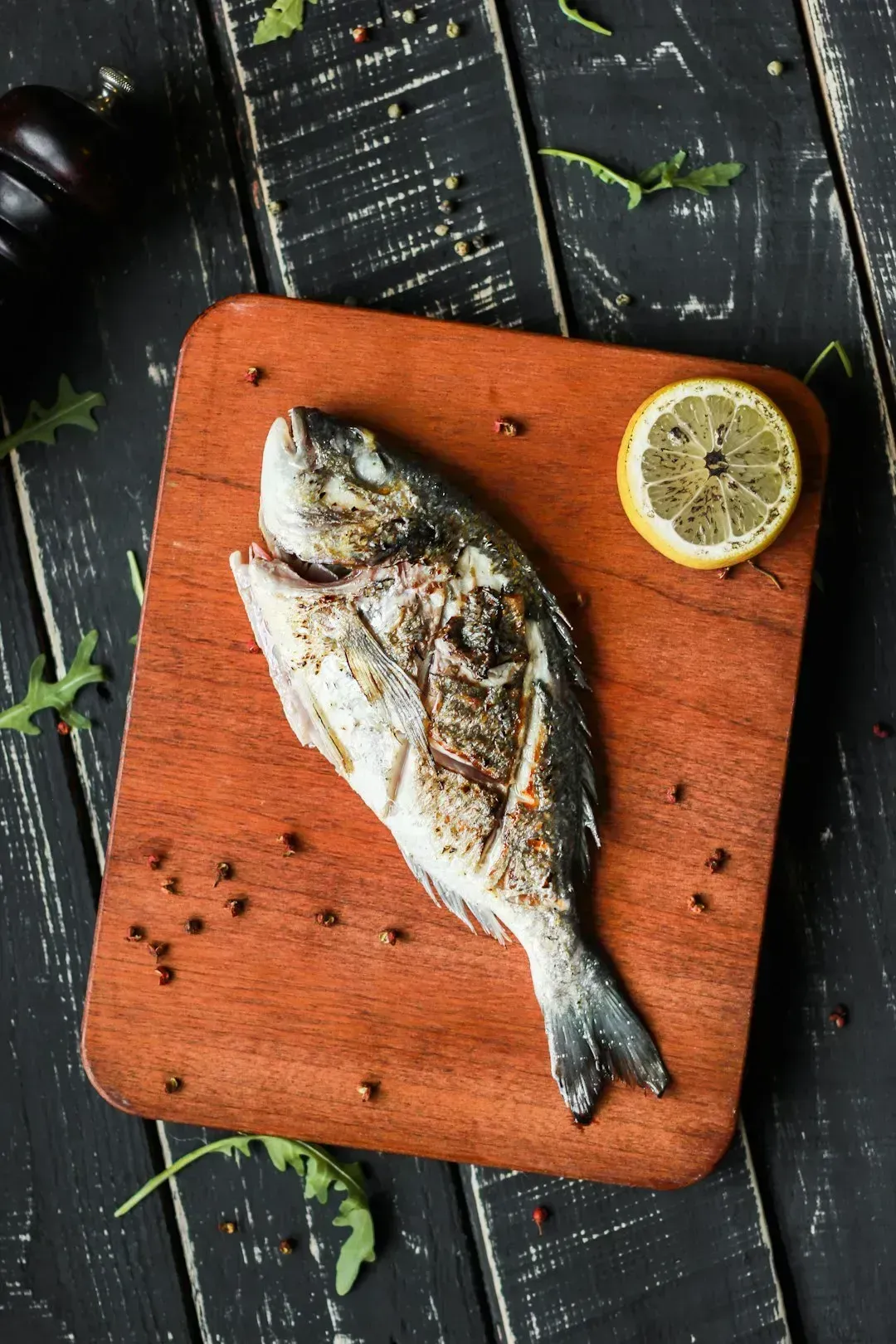
Fish carries an unfair reputation for smelling fishy, and most people do a quick sniff test when picking up fresh fish from the store. Truly fresh fish shouldn’t smell fishy at all. At best, it smells clean, maybe faintly briny. That’s the standard a good seafood restaurant should meet the moment you walk through the door.
A strong, rotten fish smell is an immediate red flag that the meal you order may not be optimal, or could cause food poisoning at worst. Alternatively, if you smell ammonia or bleach instead of rotten fish, that doesn’t necessarily mean the place is extremely well cleaned. It could indicate an overuse of cleaning products to mask foul odors. Either way, your nose rarely lies in a seafood restaurant.
2. Every Dish Is Fried or Heavily Sauced

Any hopes of detecting the telltale signs of seafood spoilage tend to end at the fryer. Bold seasonings can cover up a lot, and the Maillard reaction works its magic on color, turning dull-looking fillets into dazzling shades of golden brown so any discoloration goes completely unnoticed. That’s exactly why chefs treat a menu full of fried and heavily dressed options with suspicion.
It’s a red flag when a seafood restaurant only offers marinated or heavily spiced dishes. If a restaurant is being too forceful with its additional flavors, it could be a sign that it doesn’t have confidence in the quality of the fish it’s serving or the ability of the chefs to prepare it correctly. As one food safety expert puts it, restaurants can use seasonings and sauces to cover up the smell of spoiled fish.
3. The Menu Is Enormous and Never Changes

A sprawling menu is one of the biggest red flags you can encounter at a seafood restaurant. When a restaurant promises dozens of species at once, it usually means the kitchen is stocking multiple kinds of fish simultaneously. Since not every item sells at the same pace, some of those fillets are bound to linger in storage longer than they should. In the worst cases, that aging fish may find its way onto unsuspecting plates.
A seafood menu that remains static throughout the year is a potential red flag regardless of the season. Seasonal variation in seafood offerings is not just about variety – it’s often a direct indicator of freshness and quality. Limited seasonal changes to a menu can suggest a heavy reliance on frozen seafood. Just like with produce, you should expect to see major menu changes at least quarterly to account for seasonality.
4. Prices Seem Suspiciously Too Low

Quality seafood is costly from the start, and cutting corners on price often means it is frozen for long periods or consists of lower-grade imports. Cooking seafood well often requires specialized knowledge and techniques on the part of the chef. Restaurant owners need to pay more for that skill, and then reflect that in menu prices. When the math doesn’t add up, something usually isn’t right.
Any catch that hasn’t been properly refrigerated can cause a particularly dangerous type of food poisoning called scombroid, which can cause itching, face redness, nausea, diarrhea, heart palpitations, and blurred vision. Low prices can also be a sign that the restaurant is using unsustainable seafood, which can be significantly cheaper than more responsible options. A bargain on the menu board can come with a real cost.
5. Staff Can’t Tell You Where the Fish Comes From

When a server can’t tell you the specific type of fish being served as the daily special, it’s a red flag regarding seafood freshness. Truly fresh fish usually comes with a name and a clear preparation style that changes based on what was available at the docks that morning. You should probably skip the mystery seafood.
Uneducated staff should raise fair doubts about how seriously an establishment takes quality control and regulatory compliance. Traceability matters enormously for food safety. Regulators rely on sourcing data to trace contamination and issue recalls. If a restaurant can’t track its seafood properly, diners could end up eating products linked to recalls involving hazards like histamine spikes, salmonella, listeria, or even foreign objects.
6. The Fish Has a Mushy or Soft Texture When It Arrives
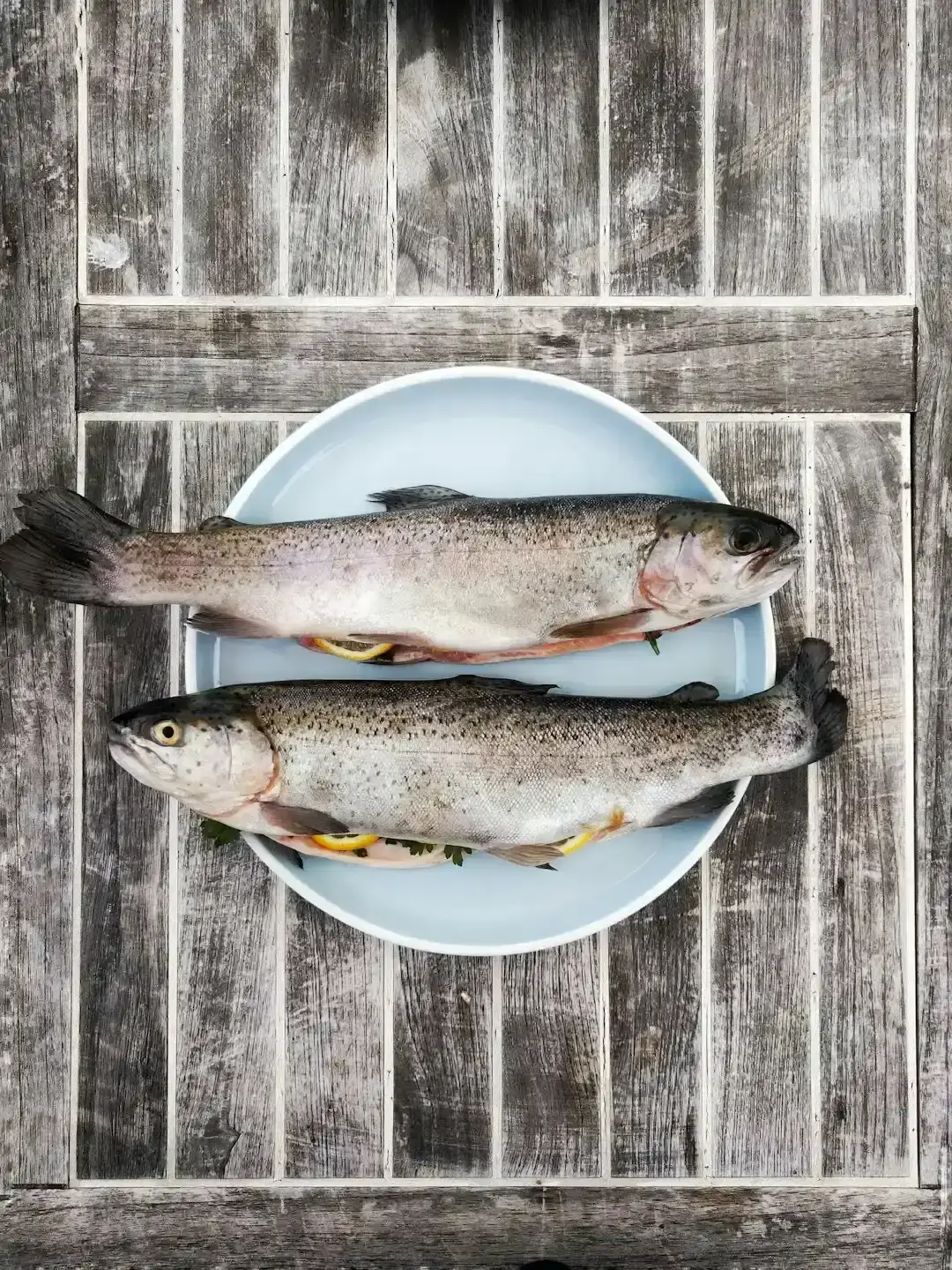
The most telling sign of fish past its due date is texture – specifically, softness. After harvest, fish undergoes a cascade of biological processes that gradually erode structural integrity if not curbed through proper chilling. The flesh also undergoes proteolysis, the breakdown of muscle proteins, which reduces its ability to retain moisture and results in mushiness.
Unusually soft or mushy texture often signals improper handling or storage. As one executive chef warns, if a fillet has a mushy texture, that means the fish has not been treated well, and is most likely the result of being frozen and thawed improperly. The flesh of fresh seafood should be firm and spring back when gently pressed. If the meat feels soft or mushy, it’s likely not fresh.
7. The Live Tank Looks Dirty or Has Inactive Animals
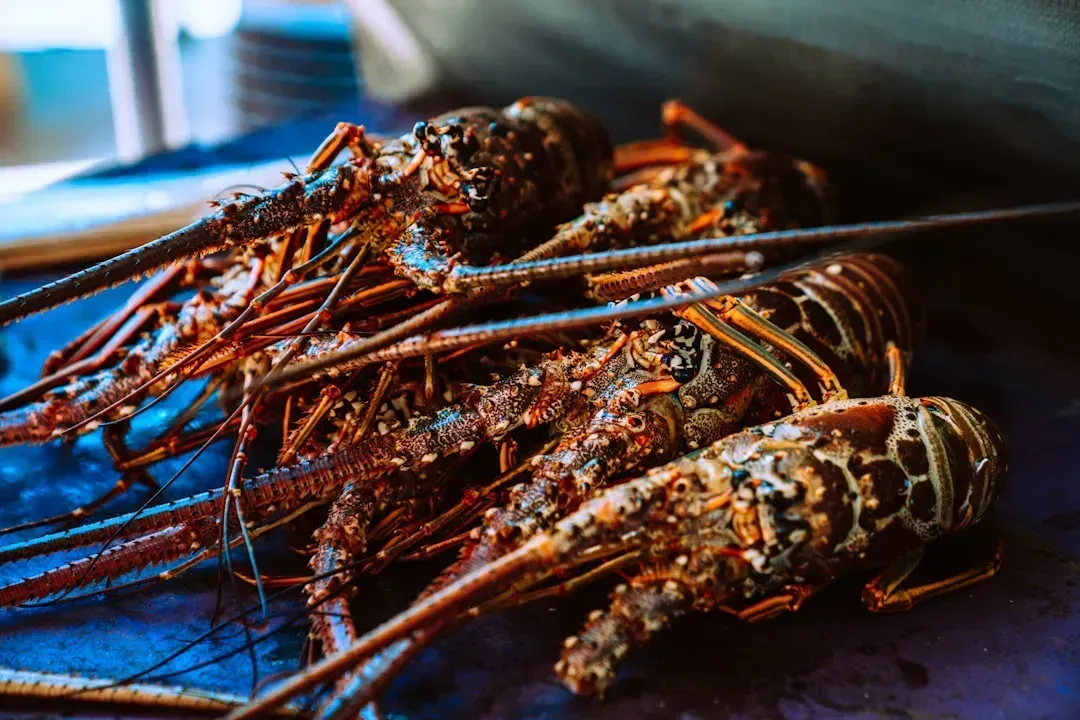
Dead lobsters or crabs floating in a tank are never a good sign. For the freshest flavor, you want to cook a lobster when it’s alive. While some seafood stores claim a lobster can be safely consumed up to 24 hours after death, dead lobsters should never be floating around in the tank. The longer dead crustaceans linger, the more likely they are to leach harmful bacteria into the water. Seafood begins decaying the moment it dies, which exposes nearby live creatures to that bacteria as well.
The visual allure of live tanks can be misleading. Scientific studies in the International Journal of Food Microbiology suggest these systems may act as reservoirs for human pathogens and antibiotic-resistance genes, particularly when maintenance protocols are relaxed. Biofilms can accumulate on interior surfaces, creating protective niches where bacteria evade sanitation and continue to proliferate. A murky, neglected tank tells you something important about how that kitchen runs overall.
Seafood dining at its best is genuinely one of the great pleasures of eating out. The difference between a great experience and a risky one often comes down to details most diners walk past without a second glance. Trust your senses, ask a few questions, and remember that a kitchen confident in its product rarely needs to hide it under a heavy sauce or an impossibly long menu.




Leave a Reply