
There’s a particular kind of order to how people used to eat that’s almost impossible to picture now. Not the food itself, which has changed plenty, but the rituals surrounding it – the pauses, the formalities, the unspoken rules that governed every meal from the moment the table was laid to the moment the last dish was cleared. These weren’t special-occasion customs reserved for holidays. They were daily.
For households in the early 1900s, mealtime was as much a social performance as a physical necessity. Mealtimes at the turn of the 20th century were a reflection of social status, with wealthy families emulating the latest British etiquette while farm families held to traditional agrarian standards. Most of that layered ritual has quietly dissolved across the decades. What follows are nine of the most meaningful customs that have all but vanished.
Saying Grace as a Non-Negotiable Opening

In many households, saying grace before meals was a spiritual practice that united families. This moment of reflection was more than a religious obligation; it was a time to express gratitude. It wasn’t rushed or mumbled. It was the signal that the meal was beginning, and no one reached for so much as a bread roll before it was done.
A grace is a short prayer or thankful phrase said before or after eating, and some traditions hold that saying it imparts a blessing which sanctifies the meal. In early 20th century households across faith traditions, this pause anchored the meal in something larger than appetite. Studies have shown that during the 1930s and 40s there was a marked decrease in family worship, including saying grace at meals, suggesting the decline began well within living memory of that era’s households.
The Head of the Household Carving the Meat at the Table
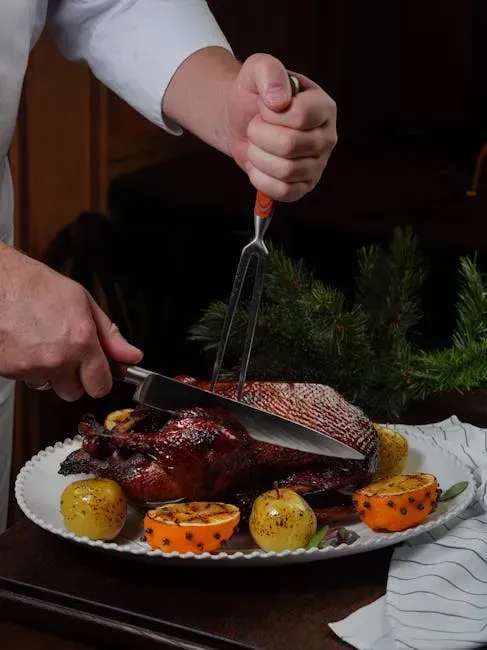
Few rituals were as visually charged as the carving of the roast. The third course of a formal dinner introduced the principal dishes of roast and boiled meats and fowl, and increasingly the “French fashion” was followed where meat was carved on the sideboard by servants and handed around, which relieved the host of the responsibility of carving, although it was advised that every gentleman should acquire the art of competent carving. In ordinary middle-class homes, the host himself typically did the carving at the table, which was understood as an expression of authority and domestic competence.
There was also a clear element of power to carving: the carver had to cut the meat according to a rigid hierarchy. The best cuts went first to the most distinguished at the table. Guests were expected to answer promptly and confidently when asked what cut of meat they would like. The whole choreography – the sharpening of the carving knife, the presentation of the joint before slicing – was a kind of domestic theatre that millennials would be hard-pressed to recognize today.
The Strict Placement of Every Piece of Cutlery
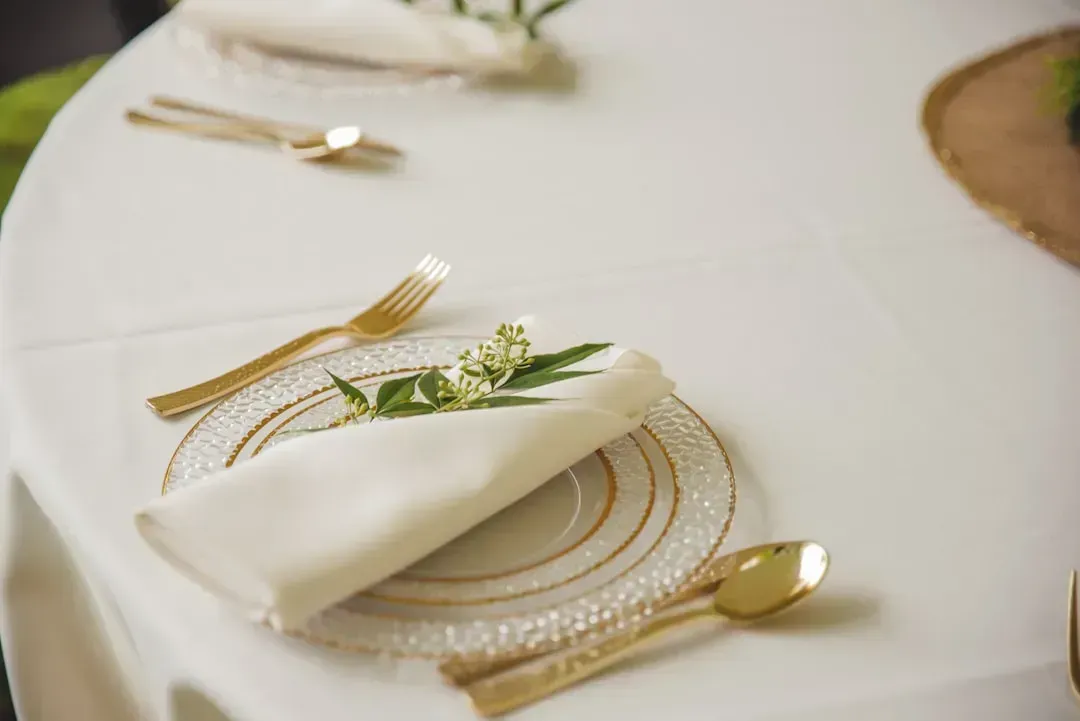
Accompanying the decorations was the “cover,” which was the place laid at the table for each person, and consisted of a spoon for soup, a fish knife and fork, two knives, two large forks, and glasses for the wines being served. Every single item had a designated position, and the host or hostess was expected to know exactly where each piece belonged. This wasn’t fussiness for its own sake – it was a legible map of what was coming.
Soups were eaten with a soup spoon, spooning away from oneself and never slurping. Fish was eaten with the fish knife and fork, and all made dishes were eaten with a fork only. Poultry and game were eaten with a knife and fork, as was asparagus and salads. Each course had its proper implement, and using the wrong one carried real social consequences in homes where guests and family alike were expected to know the rules.
Waiting for the Hostess Before Touching Anything
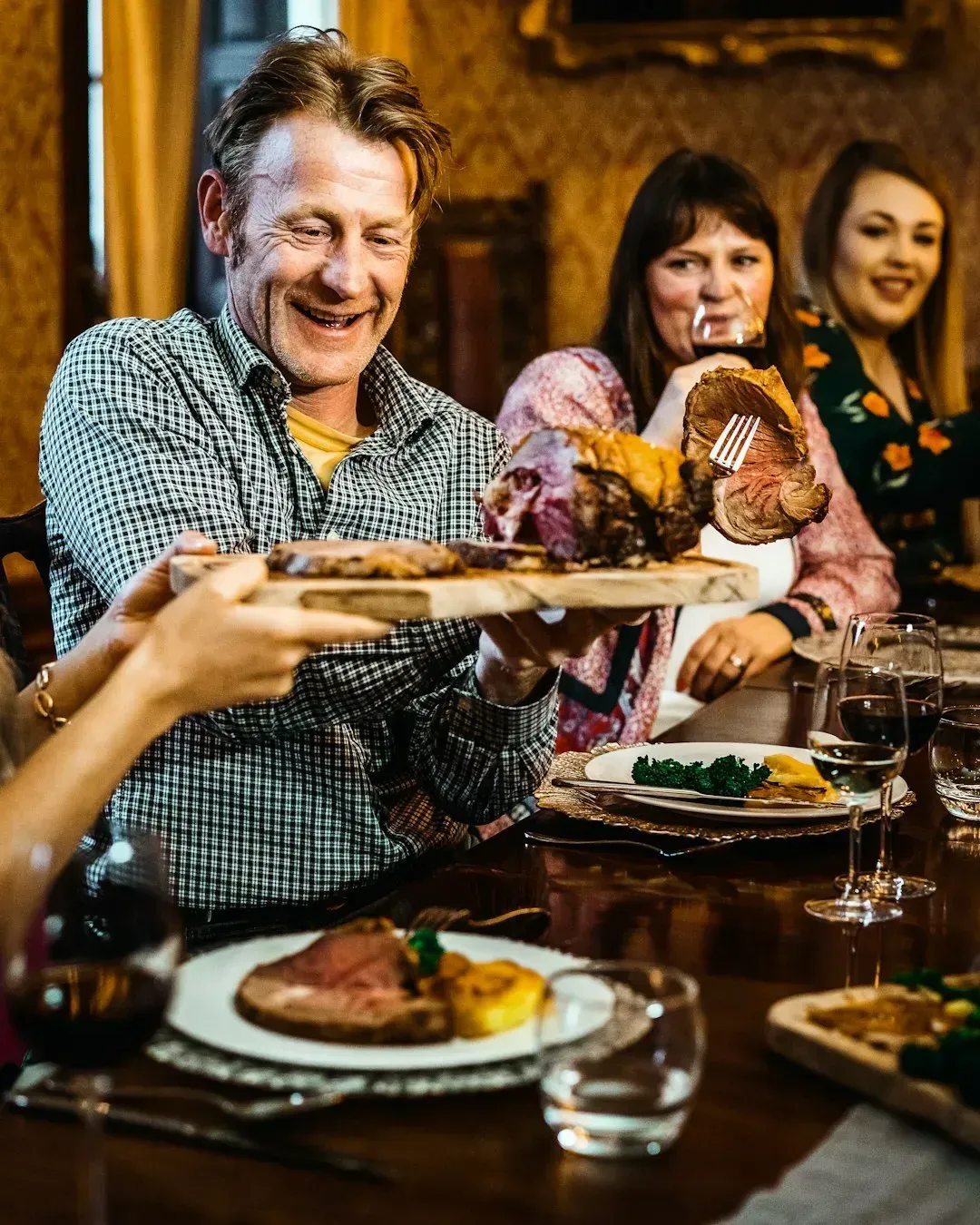
Before dinner even began, guests awaited a silent signal: the hostess’s gentle cough meant it was time to take their places. Any delay risked offending the family’s social standing. Once seated, guests maintained perfect posture, with no slouching or leaning back, lest they be accused of poor breeding. Nobody simply sat down and started eating. The signal to begin always came from the woman presiding over the meal.
This wasn’t about power so much as synchronized respect. Eating before others were served was considered one of the more obvious social blunders a person could commit. Proper form dictated that one sit erect at the table, keep their hands in their lap between courses, and sit quietly. The table was a performance, and everyone had a cue.
The Ritual Use of Finger Bowls Between Courses

By the 18th and 19th centuries, this ritual evolved into the refined custom of finger bowls, with guests offered delicate basins of warm water, subtly infused with rose petals, citrus peel, or orange blossom, between dessert and fruit courses to refresh their fingertips. In prosperous early 20th century households, the finger bowl remained a standard feature of the more formal meals, placed on a small doily and expected to be used with quiet discretion.
Between courses, water in finger bowls allowed hands to be washed as fingers were probably used as frequently as forks. During dinner, a gentleman entertained the ladies nearest him with engaging conversation. Today the finger bowl has virtually disappeared except in the most formal fine dining establishments. Most millennials would be genuinely uncertain what one was for if it appeared beside their plate.
Crumb Scraping Between Courses
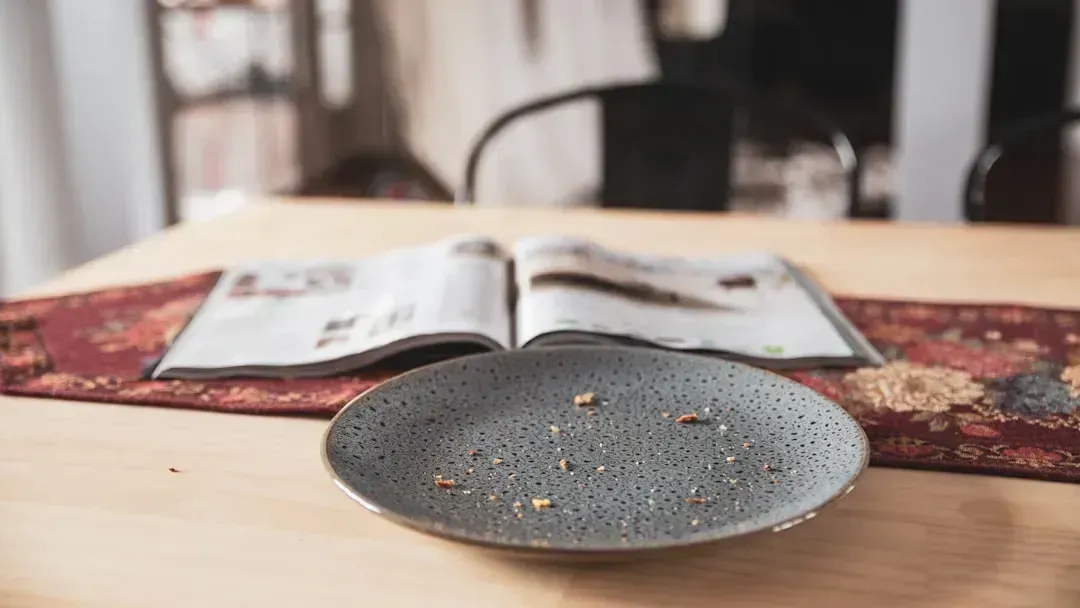
After the entrée, it was customary to remove crumbs from the tablecloth using a tiny brush and pan that the butler would discreetly bring around. In households without a butler, this job fell to whoever was serving. The tablecloth was considered a guest’s environment and it needed to be maintained between courses, not simply tolerated in its increasingly disheveled state until everything was over.
This practice reflected a broader philosophy about meals: each course deserved a clean slate, both literally and figuratively. For table decoration, there were a number of variations available, though they were largely a matter of taste. The basic table setting included a mixture of high and low centerpieces, specimen glasses placed the length of the table, and trails of creepers and flowers laid on the tablecloth. The overall effect was one of a carefully maintained environment, refreshed as the meal progressed, not left to accumulate disorder.
Formal Napkin Etiquette Observed at Every Meal
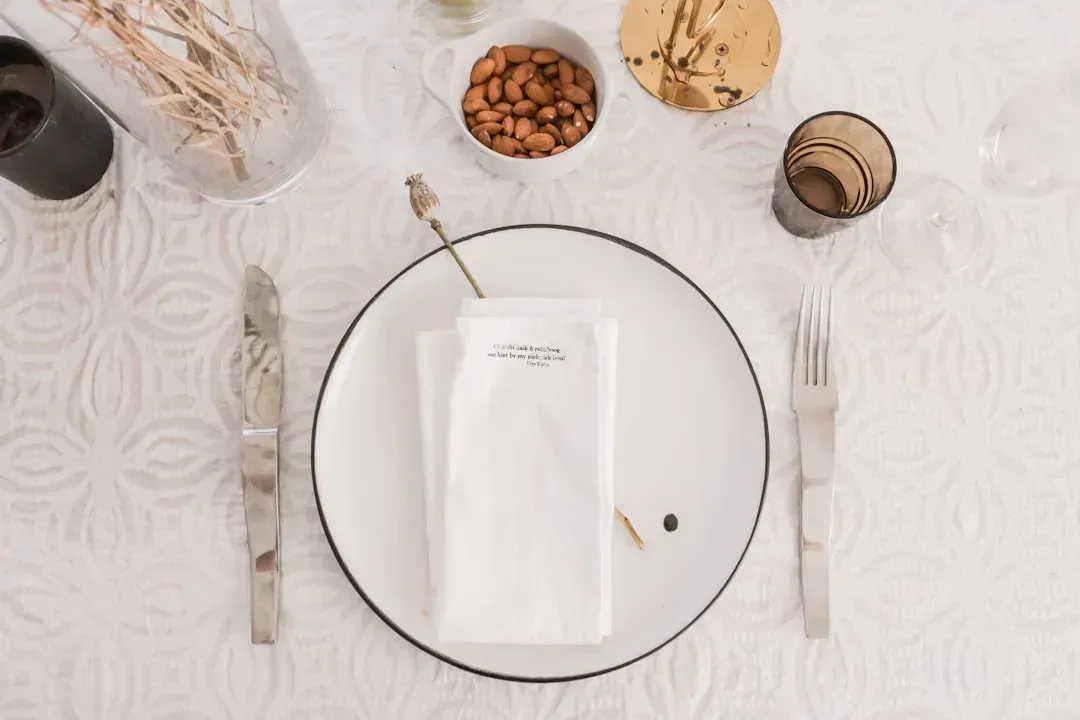
Emily Post was often looked to as the fountain of all knowledge when it came to proper etiquette. The author and socialite wrote “Etiquette in Society, in Business, in Politics, and at Home” in 1922, which spawned ten new editions before her death. Many referred to these editions to stay up to date with the rules of polite society. The napkin alone had its own entire chapter of expectations.
The napkin was to be unfolded just once when taking one’s place at the table, and laid lengthwise across the lap. If one expected to return after stepping away, the napkin was to be folded neatly when rising. Draping the napkin over one’s chair back was strictly forbidden, as it suggested the diner planned to leave immediately after eating. The napkin was treated not as a practical cloth but as a running signal of one’s social intentions throughout the entire meal.
The Post-Dinner Separation of Men and Women
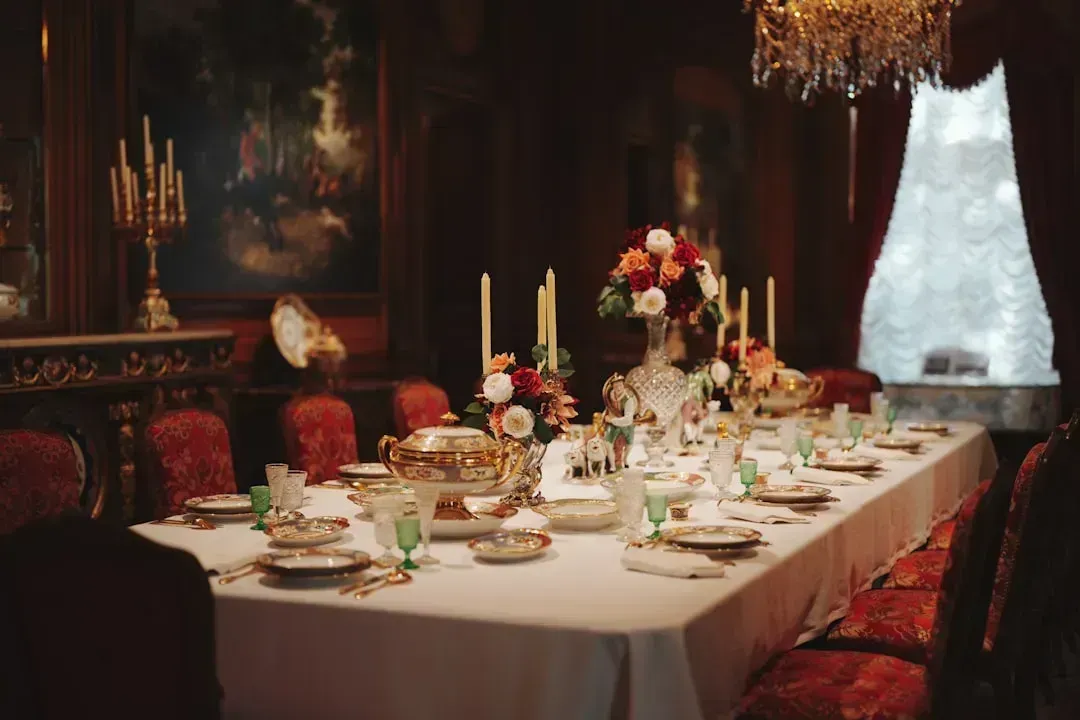
Once the ladies rose from the dinner table, the gentlemen were left to their port and claret while the ladies retired to the drawing room for coffee. While the ladies drank their coffee, a servant took the coffee to the gentlemen, and after a few more rounds of wine and cigars were smoked, they joined the ladies. This was not an informal drift – it was an expected and orchestrated conclusion to the meal itself.
This custom shortened by around 1910 or so, and at times the practice of ladies and gentlemen separating after dinner was abandoned by smarter hostesses. Still, it lingered in many households well into the first decades of the 20th century as a default closing act to any dinner of some formality. It was expected that guests would linger for two or three hours after dinner, and in any event, no one could politely depart until at least one hour had passed. Leaving early was simply not an option.
The Fixed Structure of Multiple Daily Courses
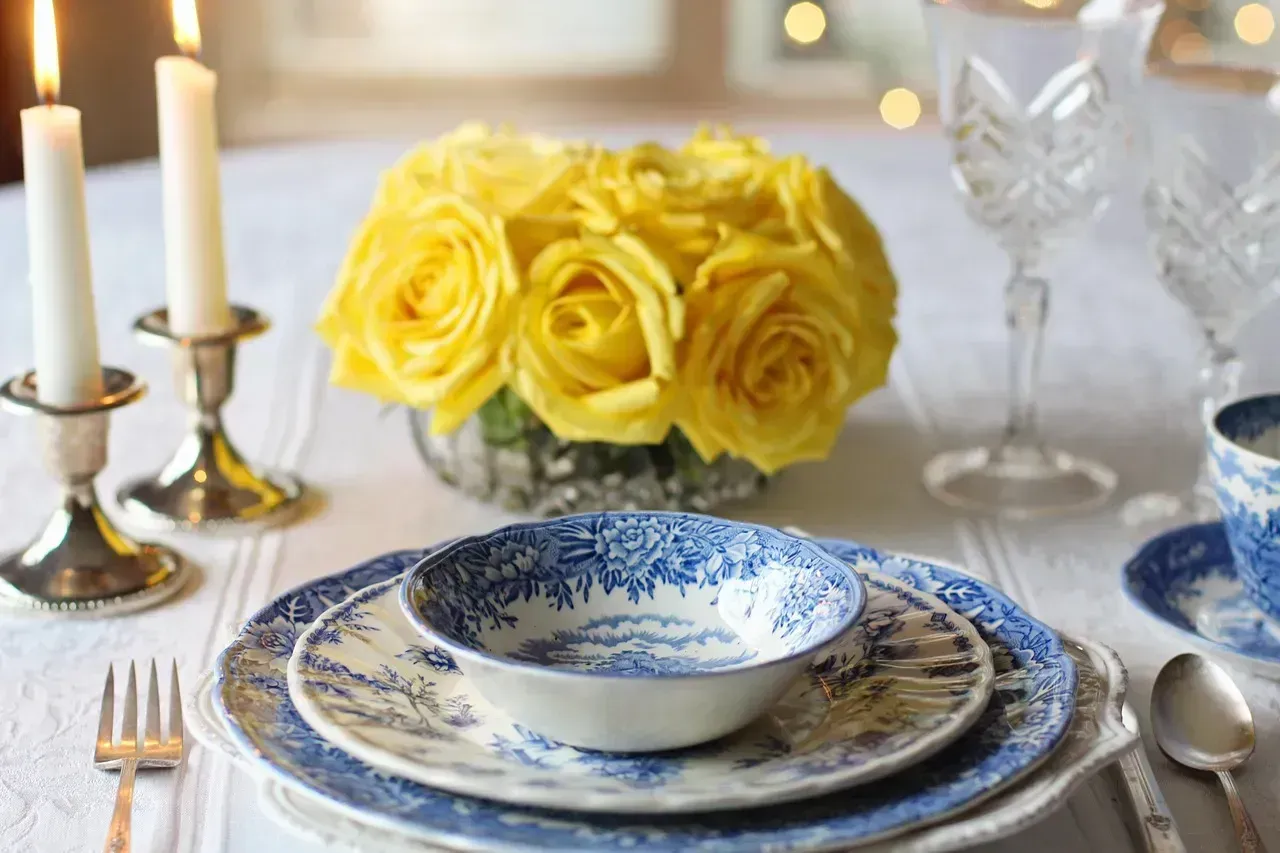
The prescribed sequence for a formal dinner began with oysters or clams, followed by a soup, a fish course, a few small dishes called hors d’oeuvres, and a joint of roast meat. Then came a series of entrées from the heaviest to the lightest, each served with a vegetable or two. An iced punch or sherbet marked the end of the first service. Even everyday middle-class households maintained a version of this structure, with soup, a main, and a pudding considered the bare minimum of a proper meal.
A very antiquated rule known as “matched ordering” referred to each diner ordering exactly the same number of courses at a meal. The practice ensured that the dinner was well-paced, the food came out at the same time, and the server kept track of all the food being distributed. The idea of arriving home and simply eating whatever was available, in no particular order, without a set sequence, would have struck the early 20th century household as something close to chaos. Structure wasn’t just preferred – it was the meal itself.
What’s striking, looking back at all of this, isn’t how rigid these rituals were. It’s how much intention they required. Every meal, even a quiet weekday dinner, was shaped by dozens of small deliberate acts. The table was set a certain way for a reason. The carving happened in a particular order. The napkin was folded just so. These rituals weren’t obstacles to eating. They were the framework that made a meal feel like something worth gathering for.




Leave a Reply