
1. Essential Items Are Buried at the Back of the Store
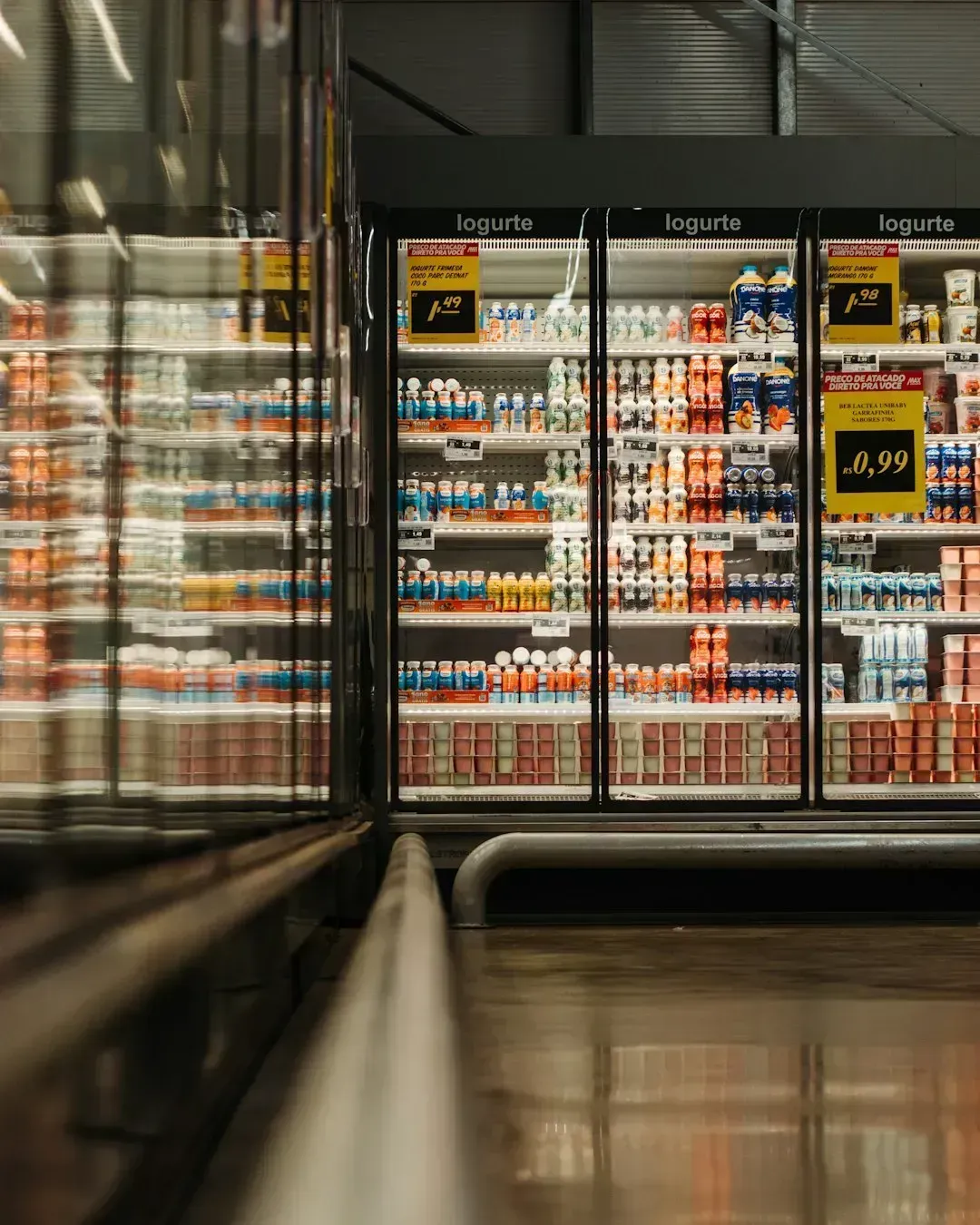
Most supermarkets deliberately position essential items such as milk, bread, and eggs at the far end of the store, which forces shoppers to walk past numerous aisles filled with tempting products, increasing the likelihood of impulse purchases. It’s one of the oldest tricks in the retail playbook, and it still works reliably on almost everyone.
Common “anchor” items include dairy products, meat, produce, and frozen foods, and these are often placed against the back and side walls, requiring shoppers to travel the full length of the store. From the moment shoppers step inside, the floor plan quietly guides them through a narrative shaped by impulse triggers, necessity-driven anchors, and sensory cues. The longer the route to your staples, the more products you pass, and the more opportunities there are for something to land in your cart.
2. Oversized Shopping Carts Create a “Fill It Up” Impulse
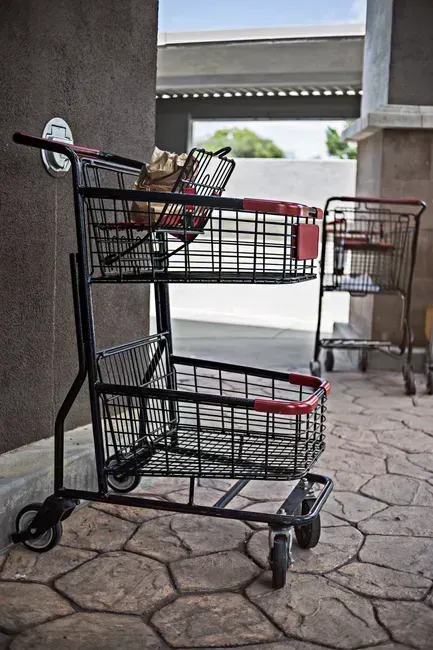
Shopping carts have tripled in size since the 1940s to encourage more purchases. That growth wasn’t driven by customer demand. It’s a deliberate strategy to influence purchasing habits: a larger cart seems emptier with just a few items in it, subconsciously encouraging shoppers to add more products to fill the space.
The design of shopping carts takes advantage of the cognitive principle of anchoring and adjustment, which refers to the tendency of people to rely heavily on an initial piece of information when making subsequent judgments. The size of the cart serves as that anchor, and shoppers may unconsciously adjust their purchasing decisions based on the available space, leading to a “shopping momentum” effect where they feel motivated to keep filling the cart and potentially spending more than they intended. A simple swap to a handheld basket on smaller trips can noticeably cut the bill.
3. Slow Music and Curated Scents Keep You Lingering
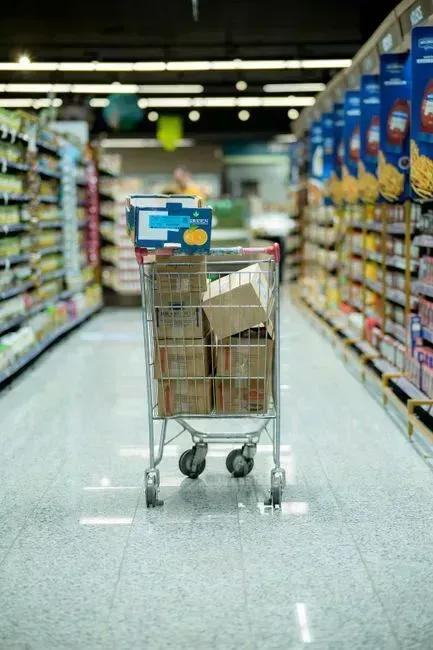
The slow, soothing music playing in the background isn’t just for ambiance; it’s intended to make shoppers slow down, and studies have shown that shoppers who move at a more leisurely pace tend to spend more money. Much like the strategic placement of essential items, the sonic soundscape of the supermarket encourages a leisurely stroll through the aisles, and the tempo and rhythm of the music can also influence the rate at which shoppers move through the store.
The smell of rotisserie chicken or freshly baked bread is often deliberately pumped through the store to make shoppers feel hungry, and a hungry shopper is an impulsive shopper who is more likely to fill their cart with high-margin prepared foods and snacks. Supermarkets also manipulate lights, humidity, color patterns, room temperature, and background music as a combined sensory toolkit. Most shoppers don’t notice any single element. That’s precisely the point.
4. Eye-Level Placement Steers You Toward Pricier Products
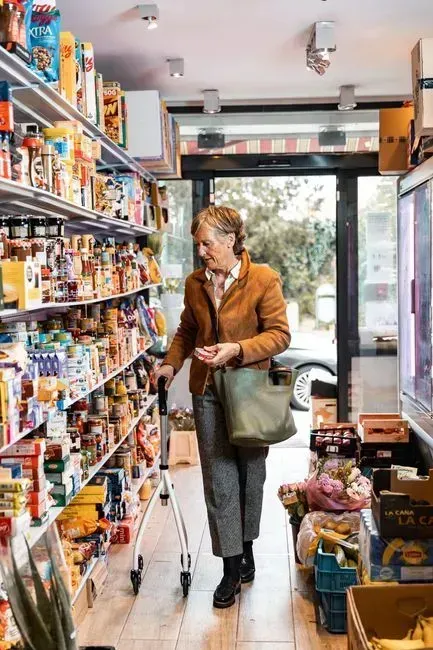
Expensive name-brand items are always at eye level, with cheaper brands and generics positioned on the top or bottom shelves where shoppers are less likely to see them. This is not an accident of logistics. Product placement is used to influence shoppers in the middle aisles, with higher-margin items at an optimal height to manipulate purchasing behavior.
One notable exception is the sugary cereal aisle, where the most expensive products are placed at children’s eye level and are likely to catch kids’ attention specifically. Eye-level product placement subtly extends browsing time and steers purchasing decisions without shoppers noticing. Taking a moment to scan the top and bottom shelves before grabbing the first thing in your line of sight can make a real difference to what ends up in the cart.
5. Produce at the Entrance Creates a “Health Halo”
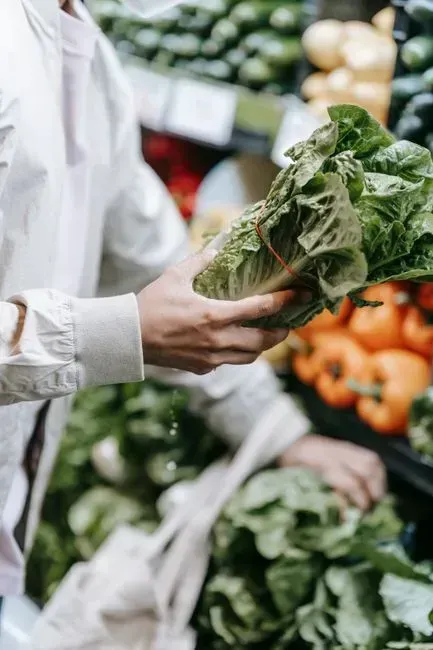
Fresh produce creates an immediate impression of quality, health, and abundance. Bright colors, natural textures, and sometimes even misting systems make the section visually appealing, and behavioral researchers suggest that seeing healthy foods first can positively influence a shopper’s mood, creating a sense of satisfaction early in the trip.
Some studies even indicate that starting with healthier choices can psychologically justify later indulgences elsewhere in the store. In other words, dropping some broccoli and apples into the cart early on can actually make you more likely to reach for a premium snack or a bottle of wine later, because you’ve already “earned it.” Critics believe the arrangement is carefully engineered to create a pleasant atmosphere that encourages shoppers to stay longer and feel comfortable spending more.
6. Shrinkflation Quietly Raises Your Per-Unit Cost
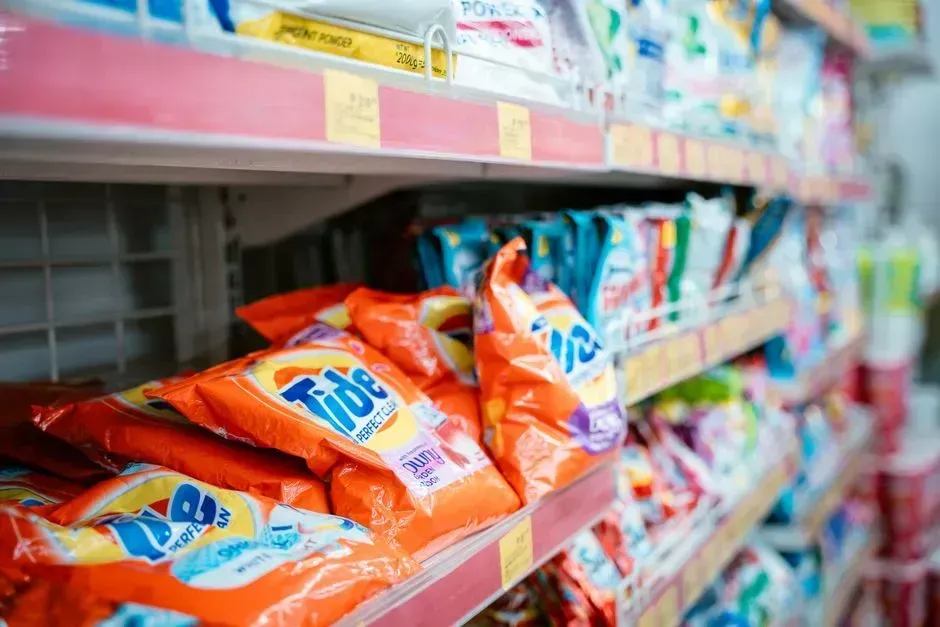
Instead of increasing prices and risking consumer backlash, brands subtly reduce portion sizes to maintain “sticker stability.” A 16-ounce bag becomes 14.5 ounces, but the shelf price stays identical, creating an illusion of consistency. It’s one of the most frustrating trends in today’s grocery aisles, and consumers are essentially paying more per ounce, bag, or roll without realizing it.
Cereal boxes have lost inches in depth, chip bags contain more air than product, and ice cream cartons that once held a full quart now stop short at 14 or 15 ounces. Cleaning products and detergent bottles are also shrinking, forcing families to buy more frequently. When faced with inflation fatigue, people also develop “price blindness,” assuming products cost roughly what they always have, which is exactly what makes shrinkflation so effective as a quiet revenue strategy.
7. Checkout Zones Are Engineered for Last-Minute Impulse Buys
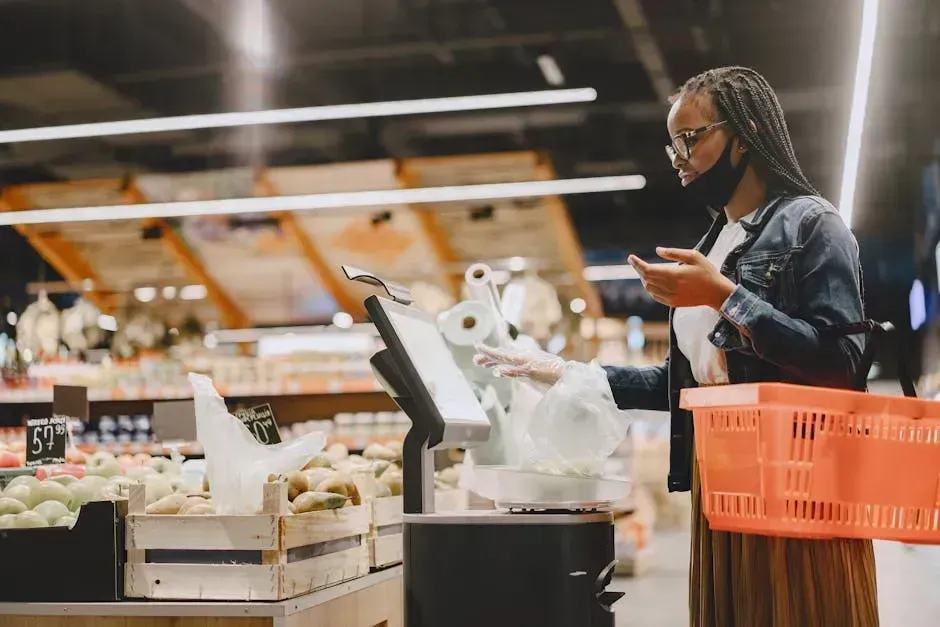
Grocery stores don’t want shoppers zooming through the checkout lanes, because this is where overpriced impulse items like candy, soda, and magazines are located. Decision fatigue hits hardest at checkout, where impulse items exploit shoppers’ depleted mental energy to drive last-minute unplanned purchases. After navigating a full store, the brain is genuinely more susceptible to small, cheap-looking additions.
After more time spent shopping, the brain gets tired and ceases to form rational thoughts, which is key for supermarkets to manipulate spending decisions. Retailers engineer charm pricing ending in .99 to push shoppers into spending more than planned, and nowhere is this more visible than at the checkout, where a $2.99 chocolate bar feels trivial after a cart full of groceries. The whole sequence, from entry to exit, is a carefully considered system.
The good news is that awareness genuinely helps. Always shopping with a list, avoiding the store when hungry, and being skeptical of prominent displays and sale signs are practical defenses that cost nothing. Once you see the architecture behind the experience, the spell breaks a little, and the cart stays a little lighter.




Leave a Reply