
1. Bottled water and soft drinks

A single bottle of water inside most parks can run three to five dollars, sometimes more during peak season, even though the same bottle costs a fraction of that at any grocery store. Parks know that after an hour in the sun, guests aren’t going to walk back to their car for a drink. That captive audience effect is exactly why beverage prices stay so high year after year.
Soda isn’t much better, and refill programs, while occasionally worth it for multi-day visitors, still require an upfront cost that assumes heavy use. Many parks allow guests to bring in empty reusable bottles and fill them at water fountains, which remains one of the few reliable workarounds. Without that step, hydration becomes one of the most avoidable daily expenses of a park visit.
2. Character or theme-branded merchandise
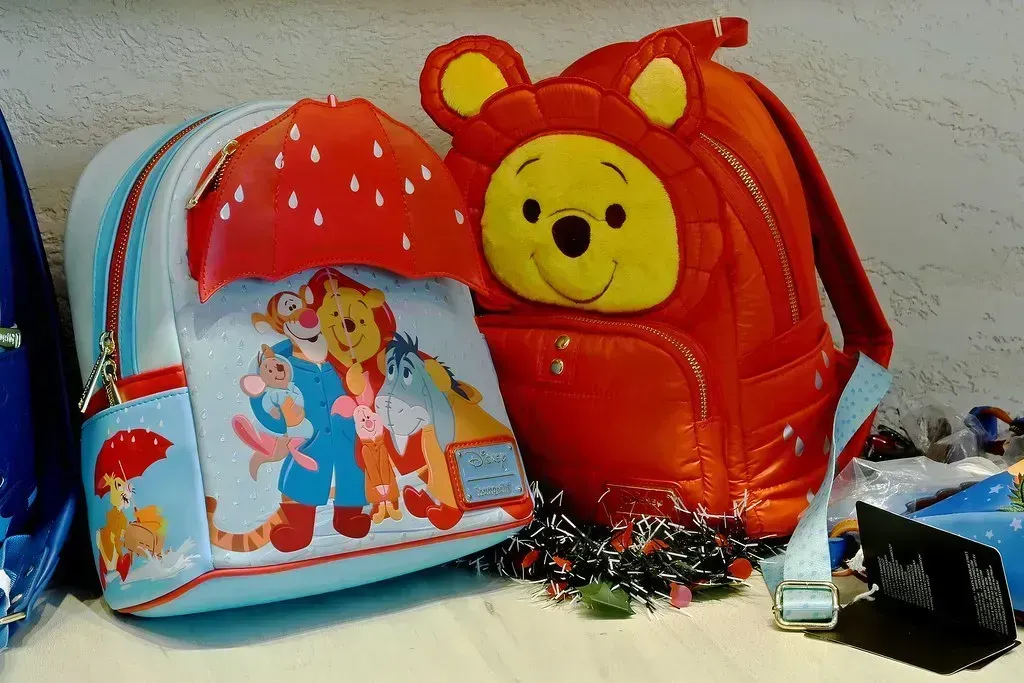
A plain t-shirt with a park logo or a beloved character printed on it often costs two to three times what a similar shirt would cost outside the gates. The markup isn’t really about the fabric or printing cost, it’s about the exclusivity of buying it in that moment, inside that specific location. Limited edition pins, plush toys, and anniversary items push this even further, sometimes commanding prices closer to collector’s items than everyday retail.
Parks also rotate merchandise frequently, which creates a sense of urgency that pushes impulse buys. Once a design or limited run sells out, it typically doesn’t come back, and that scarcity is baked into the pricing strategy from the start. It’s a smart business model, but it’s rarely a good value for the shopper.
3. Quick-service meals
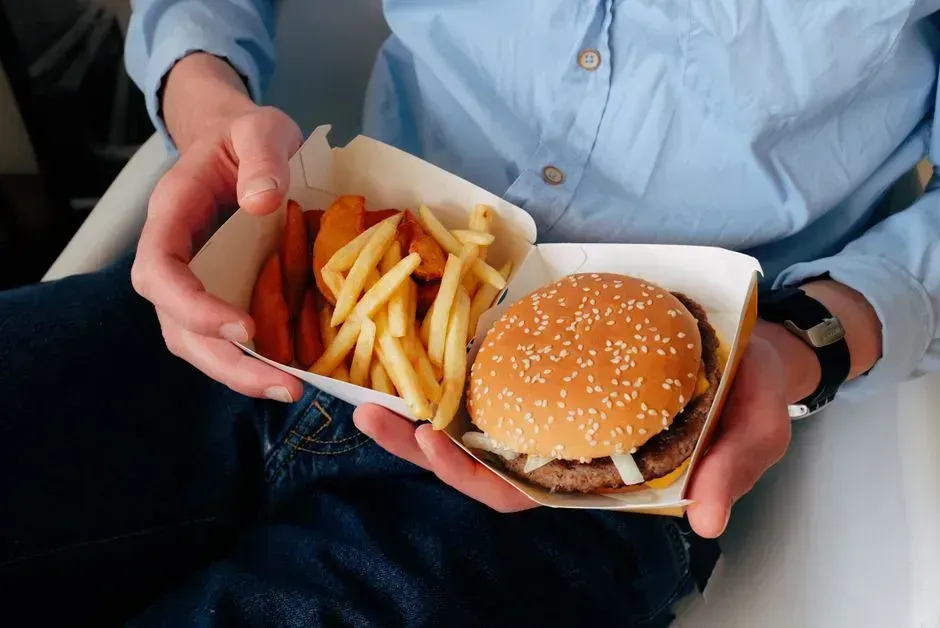
A basic burger, fries, and a drink combo at most major parks now regularly costs between fifteen and twenty five dollars per person, a price point that has climbed steadily over the past several years. Portion sizes haven’t necessarily grown to match, and the food itself is often comparable to what you’d find at a fast food chain for a much lower price. Because dining options inside the gates are limited and outside food is frequently restricted, guests have little choice but to pay whatever is charged.
Some parks have introduced mobile ordering and quick-service meal plans to streamline the experience, but the underlying cost per meal generally hasn’t dropped. Families of four or five can easily spend more on a single meal than they would on a nice sit-down dinner elsewhere. It’s one of the clearest examples of captive market pricing in the entire industry.
4. Souvenir photo packages
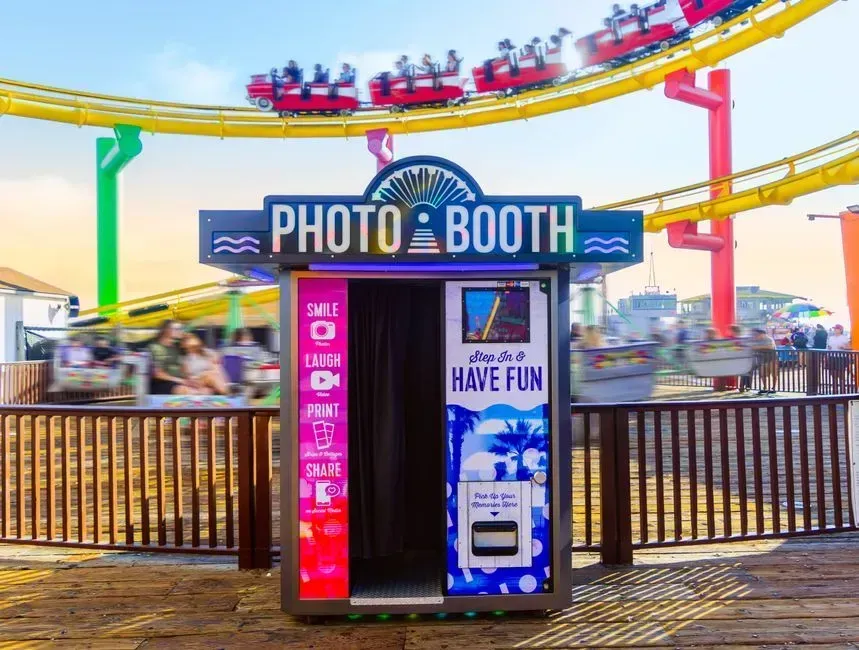
Ride photography, whether it’s a roller coaster drop shot or a professional photo at a character meet and greet, typically comes bundled into photo packages priced anywhere from twenty to eighty dollars depending on the park and package tier. A single printed photo alone can cost fifteen dollars or more, which is a steep price for a piece of paper. Digital download packages have become more common, but they still carry a premium price tag that assumes guests will feel emotionally compelled to buy in the moment.
The psychology here is straightforward. Guests see themselves mid scream on a coaster or smiling next to a beloved character, and the emotional pull in that instant often outweighs rational cost comparisons. Parks understand this completely, which is why photo booths and viewing stations are placed right at the exit of the most popular attractions.
5. Parking
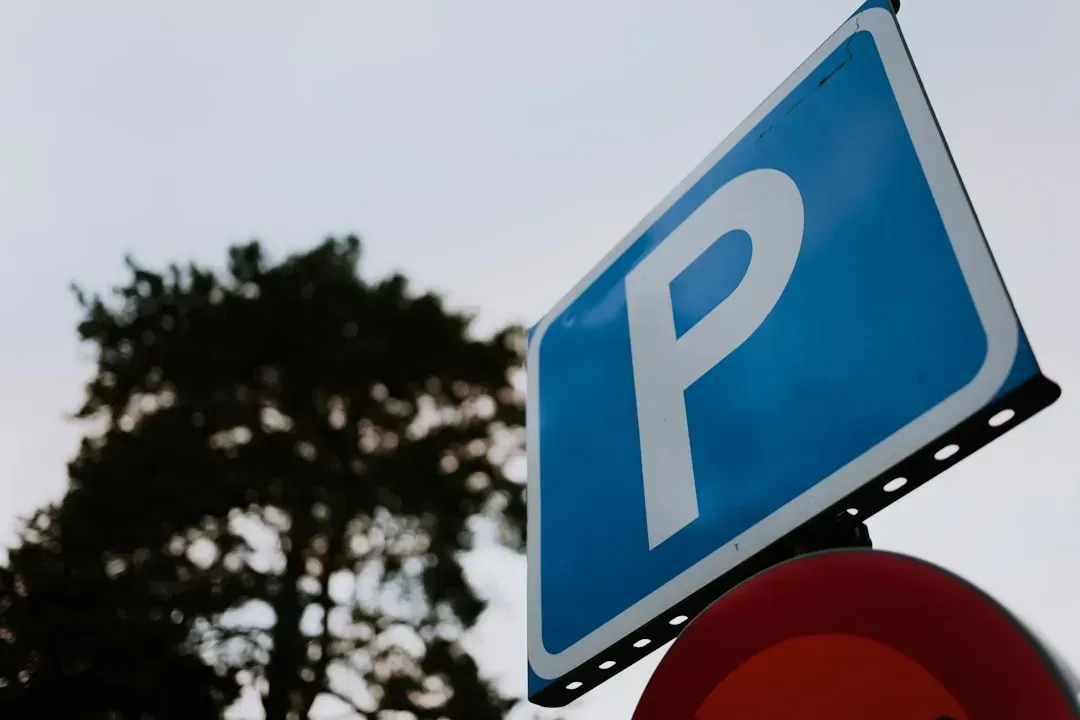
Standard parking fees at many large resort-style parks now sit in the twenty five to thirty dollar range per day, with preferred or premium parking closer to the entrance costing even more. This is a cost guests often forget to factor into their overall budget until they’re already pulling up to the toll booth. Multi-day visitors sometimes pay this fee more than once depending on the park’s policies, which adds up quickly over a family vacation.
A few parks have introduced free parking as a perk for annual passholders or hotel guests, which softens the blow somewhat. Without that benefit, though, parking alone can add a meaningful percentage to the total cost of a single day visit before a guest has even scanned a ticket.
6. Locker rentals and storage
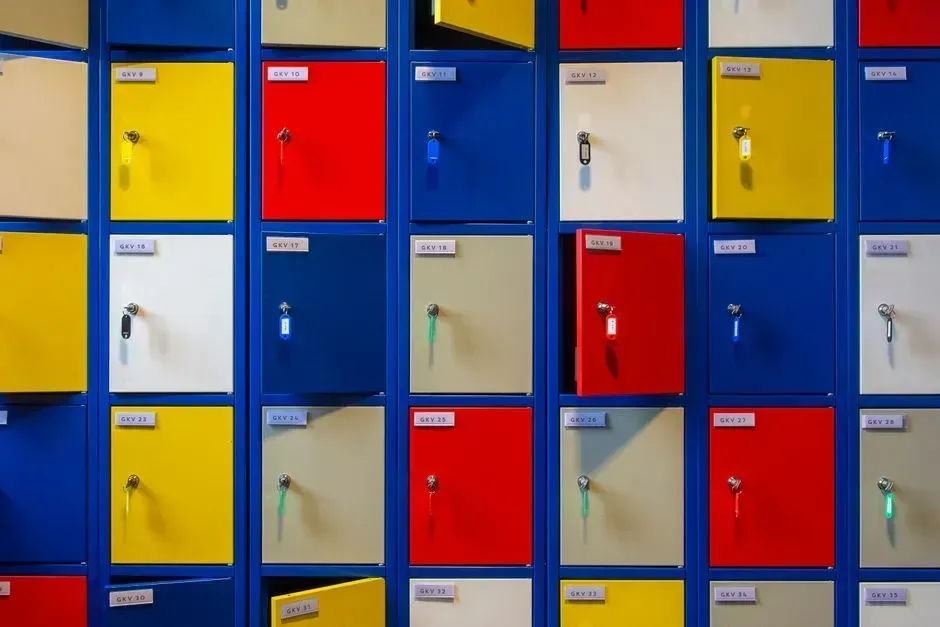
Locker rentals near major thrill rides, especially those with loose article requirements, often cost between ten and twenty dollars for a single use, with prices climbing for larger lockers or all day access. This fee exists mainly because certain rides legally require guests to store bags, phones, and other items before boarding for safety reasons. Guests aren’t really choosing to rent a locker for convenience, they’re being required to in order to ride at all.
Some parks bundle locker access into ride queues efficiently with tap to pay systems, which speeds things up but doesn’t reduce the price. Over a full day visiting several thrill rides, locker fees alone can add up to a surprising total. It’s a cost that rarely gets mentioned in park marketing but shows up fast in practice.
7. Sunscreen, hats, and weather-related essentials

Forget your hat or run out of sunscreen halfway through the day, and you’ll likely pay double or triple the normal retail price to replace it inside the park. A small bottle of sunscreen that costs six or seven dollars at a pharmacy can run fifteen dollars or more at a park gift shop. The same goes for ponchos during sudden rain showers or hats during unexpectedly sunny stretches, items that become urgent purchases the moment weather shifts.
Parks aren’t necessarily doing anything unusual here, plenty of tourist destinations mark up weather gear the same way. Still, it catches a lot of families off guard, especially those visiting a new climate or region for the first time. Packing these basics ahead of time remains one of the simplest ways to avoid an unnecessary in-park purchase.
The common thread across all seven of these categories is captivity. Once guests are inside the gates, walking back out for a cheaper option somewhere else simply isn’t practical, and parks have built entire pricing models around that reality. Knowing where the markups tend to hide is the easiest way to plan ahead and keep a fun day from turning into an unexpectedly expensive one.
Leave a Reply