
Ask anyone who spends more time in airports than they’d like to admit, and they’ll tell you packing isn’t really about clothes. It’s about systems. The travelers who glide through security lines and never seem to be missing a charger or a clean shirt aren’t lucky, they’ve just built habits that work trip after trip.
These aren’t complicated hacks or gimmicky gadgets. They’re small, repeatable routines that save time, reduce stress, and make the whole process of leaving home feel less like a chore. Here’s what the most experienced travelers actually do before they zip up that suitcase.
1. They pack by outfit, not by category
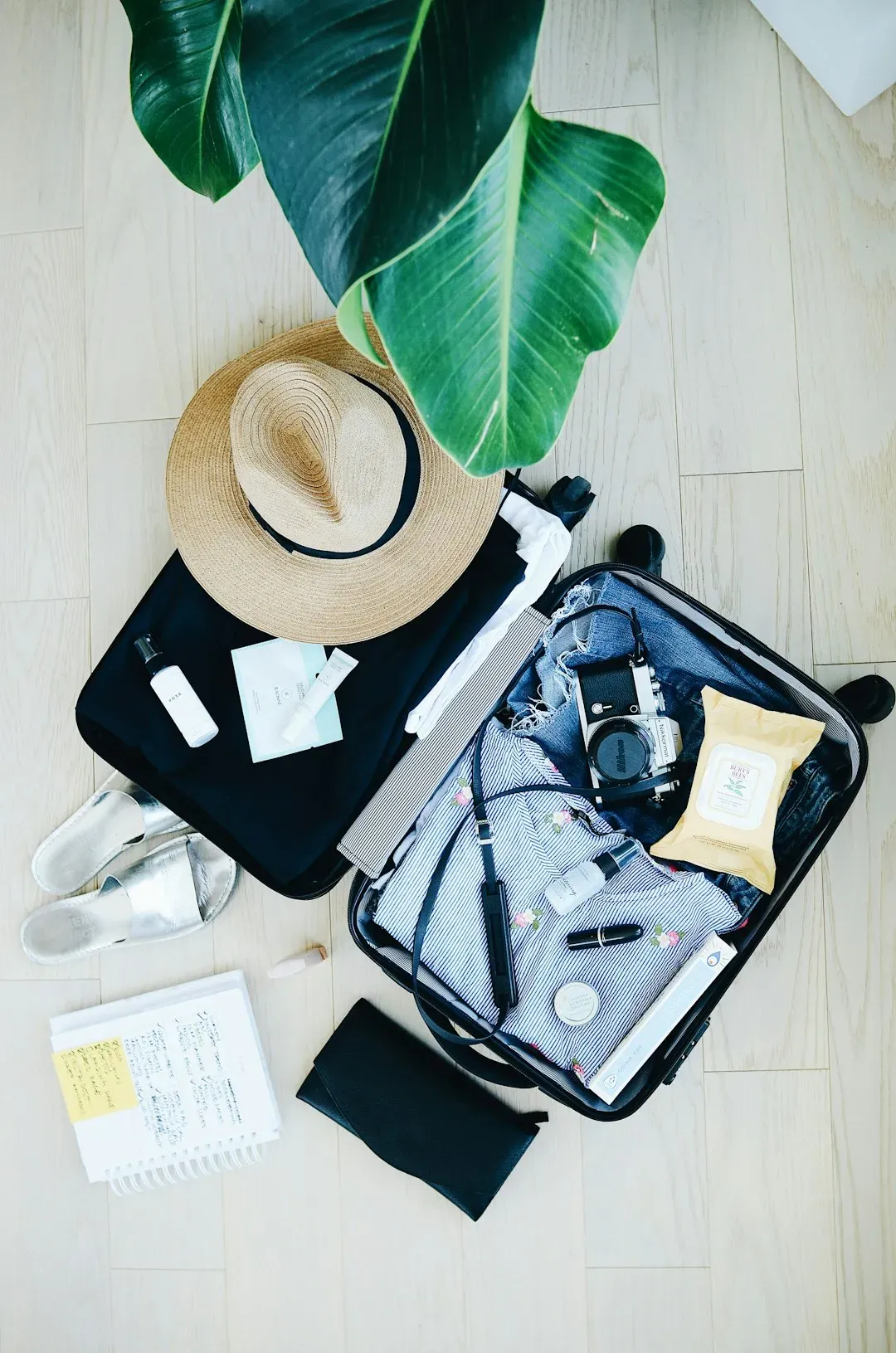
Instead of tossing in a stack of shirts, a stack of pants, and hoping it all mixes and matches later, frequent travelers plan complete outfits before anything goes in the bag. This means laying out each day’s look, including layers and shoes, and only packing what actually gets worn together. It sounds simple, but it eliminates the classic problem of ending up with plenty of tops and nothing that pairs with them.
This method also naturally limits overpacking, since it’s harder to justify an extra piece if it doesn’t fit into a planned outfit. Many travel writers and packing coaches recommend this approach specifically because it forces intentionality rather than impulse packing. The result is a bag that’s lighter and easier to live out of for the whole trip.
2. They roll clothes instead of folding them

Rolling clothes rather than folding them has become something close to gospel among experienced packers, and for good reason. Rolled items take up less space than folded stacks, and they tend to wrinkle less because there are fewer sharp creases forming in the same spot repeatedly.
This technique works especially well for casual fabrics like cotton, denim, and knitwear, though structured items like blazers still benefit from folding. Airlines have tightened carry-on enforcement in recent years, and travelers packing lighter loads have found rolling helps them stay under strict size and weight limits without sacrificing what they bring. It’s a small adjustment that adds up to real space savings over a full suitcase.
3. They use packing cubes to compartmentalize everything
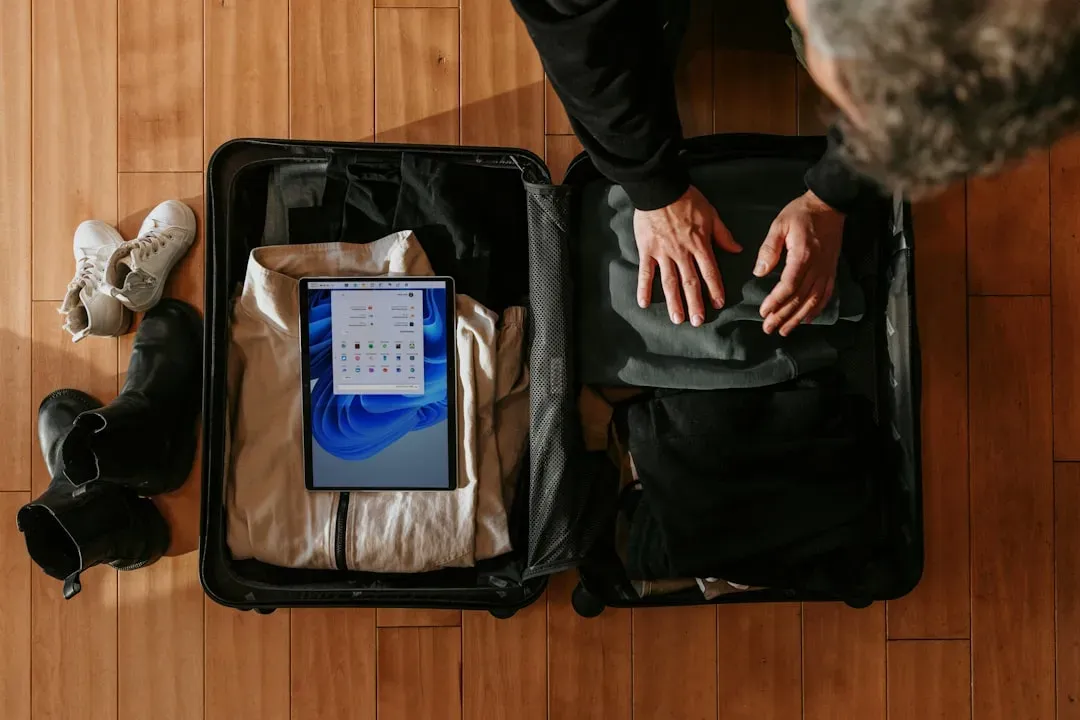
Packing cubes have moved from niche travel-gear forums into mainstream luggage sections, and seasoned travelers rarely pack without them anymore. These fabric organizers let people separate categories, like underwear, workout clothes, or electronics, into distinct compartments instead of one jumbled bag.
Beyond organization, cubes compress clothing slightly, which frees up extra room for souvenirs or layers added mid-trip. They also make security checks and hotel unpacking faster, since travelers can just pull out one cube instead of digging through everything. For anyone who’s ever rummaged through a suitcase looking for a single sock, the appeal is obvious.
4. They keep a dedicated toiletry bag ready year-round
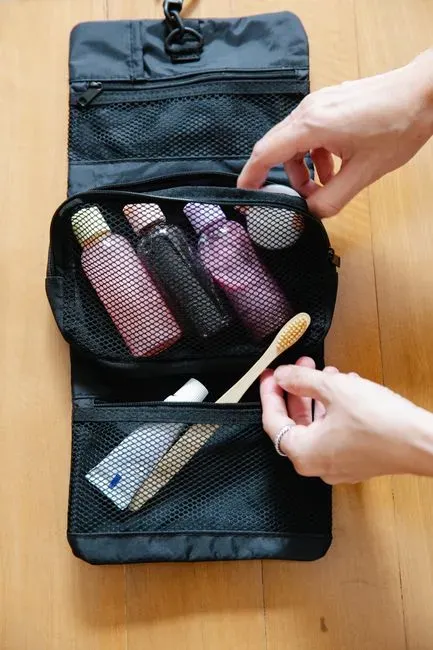
Rather than restocking toiletries before every trip, frequent flyers keep a separate, pre-filled toiletry bag on standby at all times. It stays stocked with travel-size versions of everyday essentials, so there’s no last-minute scramble the night before a flight.
This habit also helps with TSA compliance, since the bag is already organized around the 3-1-1 liquids rule that limits containers to 3.4 ounces each within a single quart-size bag. Keeping it separate from daily bathroom supplies means it’s always packed and ready, cutting prep time down to almost nothing. It’s one of those small conveniences that feels minor until a trip gets booked with only a day’s notice.
5. They weigh their bag before leaving the house

Checked baggage fees and weight limits have only gotten stricter, with many international carriers capping checked bags around 50 pounds and charging steep overage fees beyond that. Experienced travelers avoid the stress of an airport counter surprise by weighing their luggage at home using a simple handheld luggage scale.
This habit takes maybe thirty seconds but can save real money, especially on budget carriers where overweight fees sometimes exceed the cost of the ticket itself. It also encourages more disciplined packing overall, since knowing the number in advance makes it easier to remove an item or two before it becomes a problem at check-in. For frequent flyers juggling multiple flights, this small check has become as routine as locking the front door.
6. They always pack a change of clothes in their carry-on
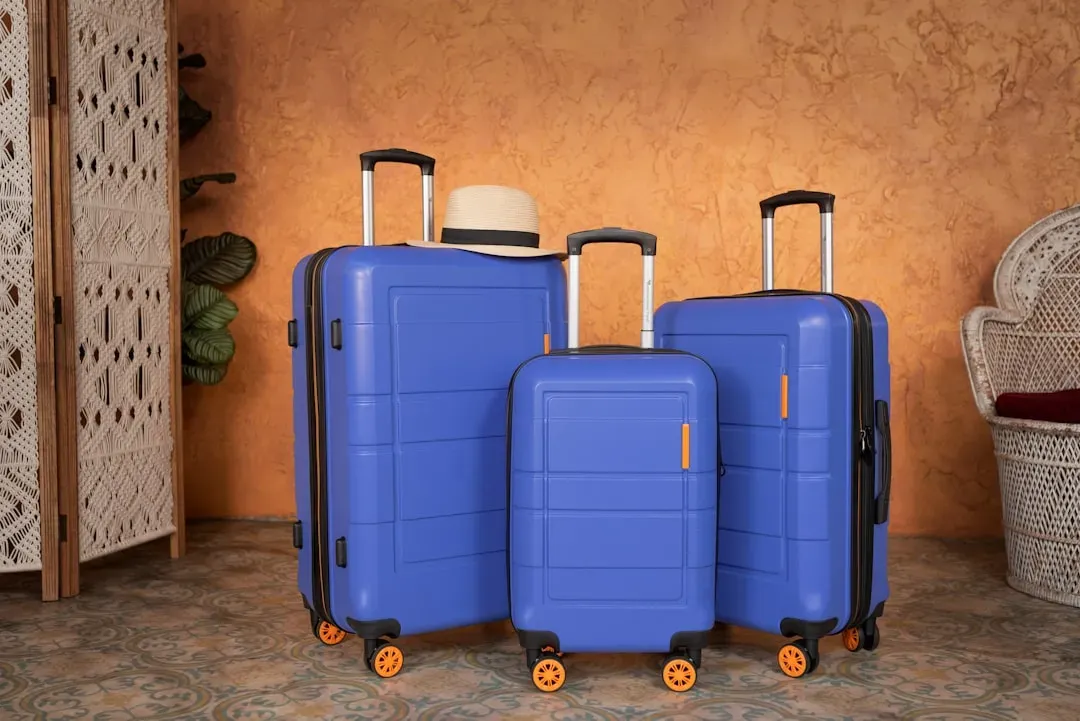
Checked luggage gets lost, delayed, or misrouted more often than travelers would like, and airlines mishandle a measurable share of bags every year according to industry baggage reports. Seasoned travelers protect themselves by keeping at least one full outfit, plus basic toiletries, in their carry-on rather than trusting everything to the cargo hold.
This habit isn’t about paranoia, it’s about practical risk management for something that genuinely happens with some regularity on connecting flights and international routes. Having a backup outfit ready means a delayed suitcase becomes an inconvenience instead of a full-blown crisis. It’s a small precaution that costs nothing and occasionally saves an entire trip.
7. They screenshot and download everything before departure
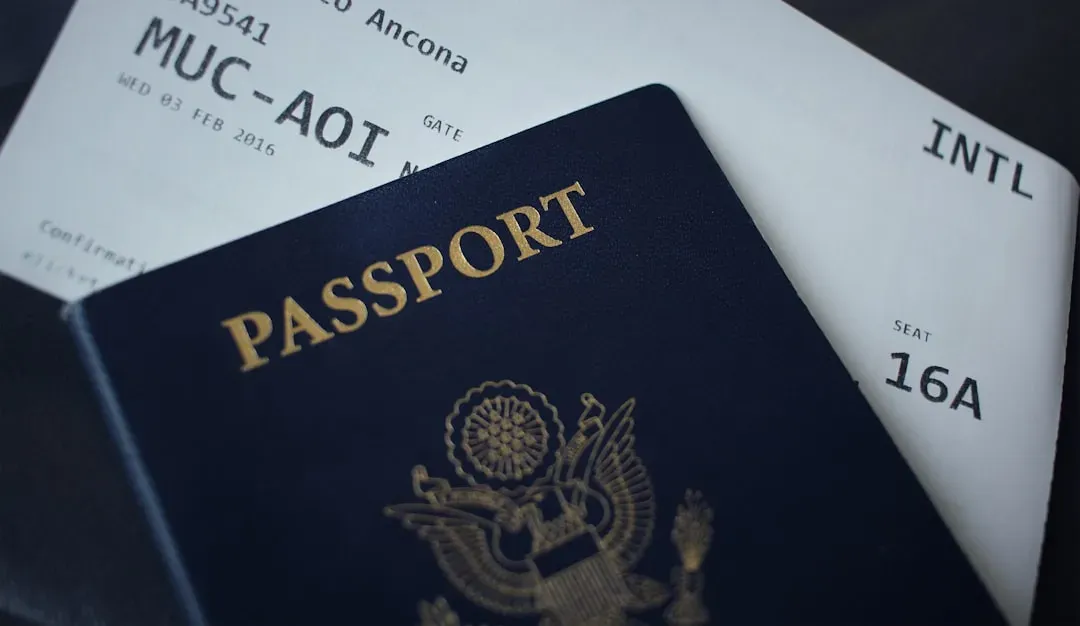
Reliable travelers no longer rely on hotel Wi-Fi or foreign data plans to access important documents mid-trip. Before leaving, they screenshot boarding passes, hotel confirmations, and offline maps, and download key documents directly onto their phones in case connectivity fails.
This habit has become more important as airlines shift toward mobile boarding passes and digital check-in systems that assume constant connectivity. Having offline access to addresses, confirmation numbers, and maps means a dead phone battery or spotty airport Wi-Fi doesn’t turn into a logistical nightmare. It’s a habit born from experience, usually after at least one stressful moment trying to load an email in an area with no signal.
8. They leave empty space for the return trip
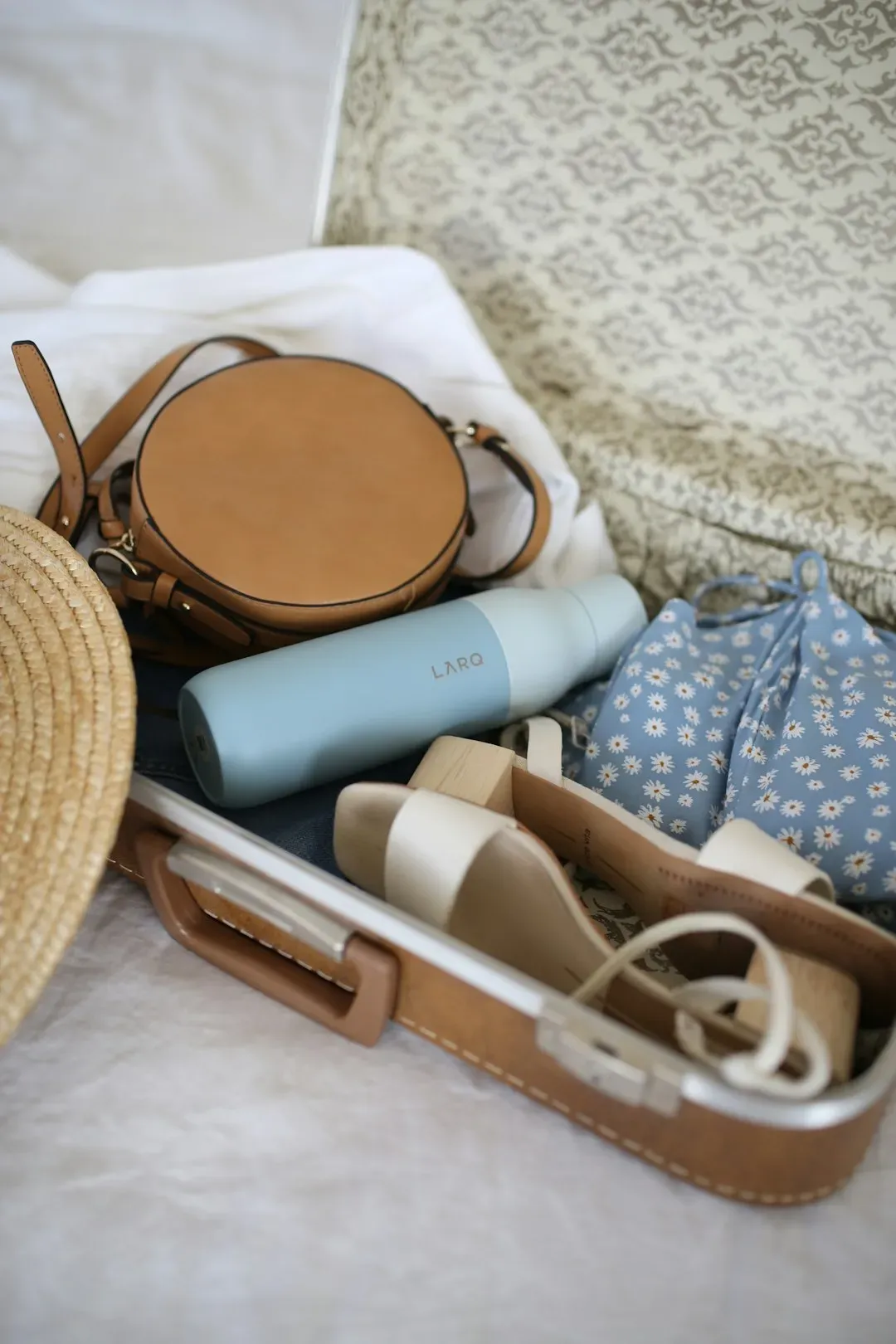
One of the most consistent habits among frequent travelers is resisting the urge to pack a suitcase completely full on the way out. Leaving even a modest amount of extra room, often by using compression bags or simply packing slightly lighter than capacity, makes room for souvenirs, gifts, or new clothing picked up along the way.
This habit also provides flexibility if laundry needs to be done less often or if plans change mid-trip and extra layers become necessary. Travelers who ignore this tend to end up wearing bulky items on planes just to make suitcases close, which is rarely comfortable and often avoidable. Planning for the return leg from the very start tends to make the whole trip feel less rushed at the end.
These eight habits share a common thread: they’re all about removing friction before it happens. None require expensive gear or dramatic lifestyle changes, just a bit of foresight and repetition until they become second nature. For travelers who move through airports several times a month, habits like these aren’t extra effort, they’re simply how packing gets done.


Leave a Reply