
1. The pre-existing condition lookback period

Most comprehensive plans do not simply exclude “pre-existing conditions” in a vague sense. They apply a specific lookback window, typically a window of time typically between 60-180 days before your policy purchase date, during which your medical history gets reviewed. If your condition was treated, changed, or flared up during that window, it can be classified as pre-existing even if you feel perfectly fine when you book the trip.
The tricky part is that this classification doesn’t automatically mean a denied claim. Rather, it determines how eligibility is reviewed under the plan’s terms and whether additional features, such as an exclusion waiver, apply. Many travelers only learn this after a claim gets scrutinized, not before.
2. The narrow purchase window for a pre-existing condition waiver

Waivers that remove the pre-existing condition exclusion are not something you can add anytime before departure. Insurers generally require you to buy the plan within a strict window tied to your first trip payment, often somewhere in usually 7 to 21 days after making your initial trip deposit. Miss that window, and the option often disappears entirely for that trip.
This detail matters most for travelers managing chronic conditions like diabetes, asthma, or heart disease. Buying the plan late is a common misstep, and one industry breakdown notes that waiting until close to departure or after non-refundable payments is a frequent reason coverage falls short. It’s a small calendar detail with outsized consequences.
3. Cancel For Any Reason has hard limits, not full flexibility

Cancel For Any Reason, or CFAR, sounds like a blank check. It isn’t. Most plans reimburse only a portion of costs, with providers noting that CFAR typically reimburses up 50% to 75% of your nonrefundable trip costs, depending on the plan, and no policy on the market currently offers full reimbursement.
There’s also a timing rule that trips people up: cancellations usually need to happen well before departure. As one insurer explains, travelers typically only get up to 50% or 75% of their trip costs reimbursed, and must cancel at least 48 hours before departure. Some plans require 72 hours. Cancel the morning of your flight, and CFAR protection generally will not apply at all.
4. Named storms get excluded once they’re named
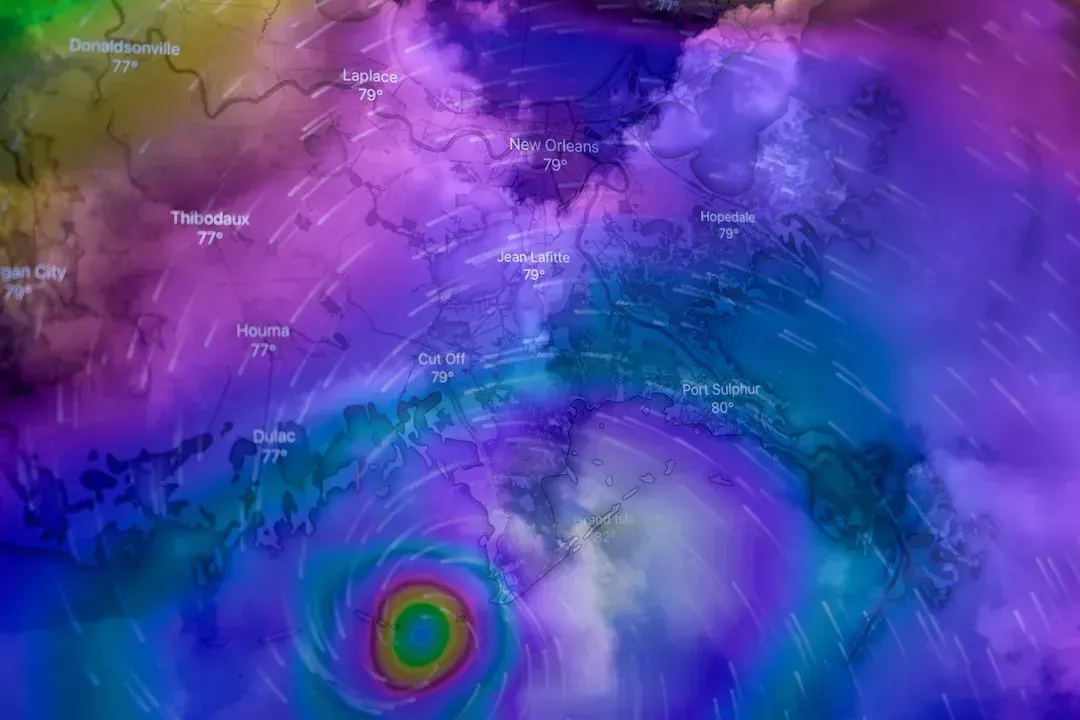
Hurricane season travelers often assume their policy will cover storm-related cancellations no matter when they buy. That assumption can backfire. Once a storm receives an official name, any policy purchased afterward for a trip in that storm’s path is typically excluded, which is why experts advise it’s smart to buy early, before storms are named and excluded from new policies.
This is one of the more time-sensitive details in the entire policy. A booking made in June for a September trip can be fully protected against storm disruption, while the same policy purchased in late August, after a storm has formed and been named, may offer no storm coverage whatsoever for that specific system.
5. Medical coverage may be secondary, not primary

Not all travel medical coverage pays out the same way. Some plans are primary, meaning they pay claims directly. Others are secondary, meaning they only kick in after your regular health insurance or another applicable policy has paid its share, and only for the remaining balance.
Buyers rarely notice this distinction because it’s usually buried in definitions rather than the benefits summary. When comparing baggage and medical benefits, insurers advise checking whether coverage is primary or secondary, since primary coverage means travel insurance pays before other providers, so it can make getting reimbursed easier. For travelers with high-deductible domestic health plans, this detail alone can determine whether an overseas hospital bill gets paid quickly or turns into months of paperwork.
6. High-risk activities need a separate rider

Skiing, scuba diving, zip-lining, and similar activities are often assumed to be covered under a standard comprehensive plan. They frequently are not. Insurers commonly list sports and adventure activities as often excluded from basic plans, though some comprehensive trip insurance can cover you for these if you add the right rider.
The exclusion isn’t limited to extreme sports either. Even moderate activities can fall outside a base policy, and coverage details like Sports Equipment Loss, Sports Equipment Delay, and Search and Rescue are usually sold as add-ons rather than included automatically. Travelers planning an active trip should check this line item specifically rather than assuming general trip protection covers it.
7. Baggage coverage has per-item caps and exclusions

Lost luggage coverage rarely means what people think it means. Policies typically apply per-item and per-person limits, and certain valuables are excluded outright, with common carve-outs including items excluded from coverage, such as cash and credit cards. A single expensive camera or laptop can easily exceed the per-item cap even if the total claim falls within the overall baggage limit.
Documentation requirements add another layer that catches people off guard. Filing a claim usually involves requirements for reporting lost or stolen items, which may include needing to file a police report. Skipping that step, even for a legitimate loss, can result in a reduced payout or outright denial.
8. Coverage disappears once a government advisory is issued

Travelers sometimes book trips to destinations already under an official warning, assuming insurance will still apply if something goes wrong. Most policies say otherwise. A common exclusion involves travel against government advisories, where trips taken despite existing warnings are typically not covered.
The risk increases with the severity of the advisory. Coverage denials become more likely specifically because travelers are more likely to be met with a denial if they’re traveling to an area with a current travel advisory or warning. Since advisory levels can change between booking and departure, it’s worth checking government travel advisory pages close to the trip date rather than relying on conditions at the time of purchase.
Reading a travel insurance policy in full sounds tedious, and it usually is. Yet nearly every disputed claim traces back to one of these details sitting quietly in the certificate of insurance, unnoticed until the moment it mattered most.




Leave a Reply