
Most people think of candy as the obvious blood sugar villain, the thing to avoid if you’re trying to keep your energy steady through the day. But a lot of snacks marketed as “healthy” behave almost identically in your bloodstream, sometimes worse. The difference between a snack that steadies you and one that sends you crashing an hour later usually comes down to three things: protein, fiber, and fat.
Below is a practical look at eight snacks that genuinely support stable blood sugar, followed by three that quietly do more damage than a candy bar despite their reputation for being better choices.
1. Greek yogurt with berries
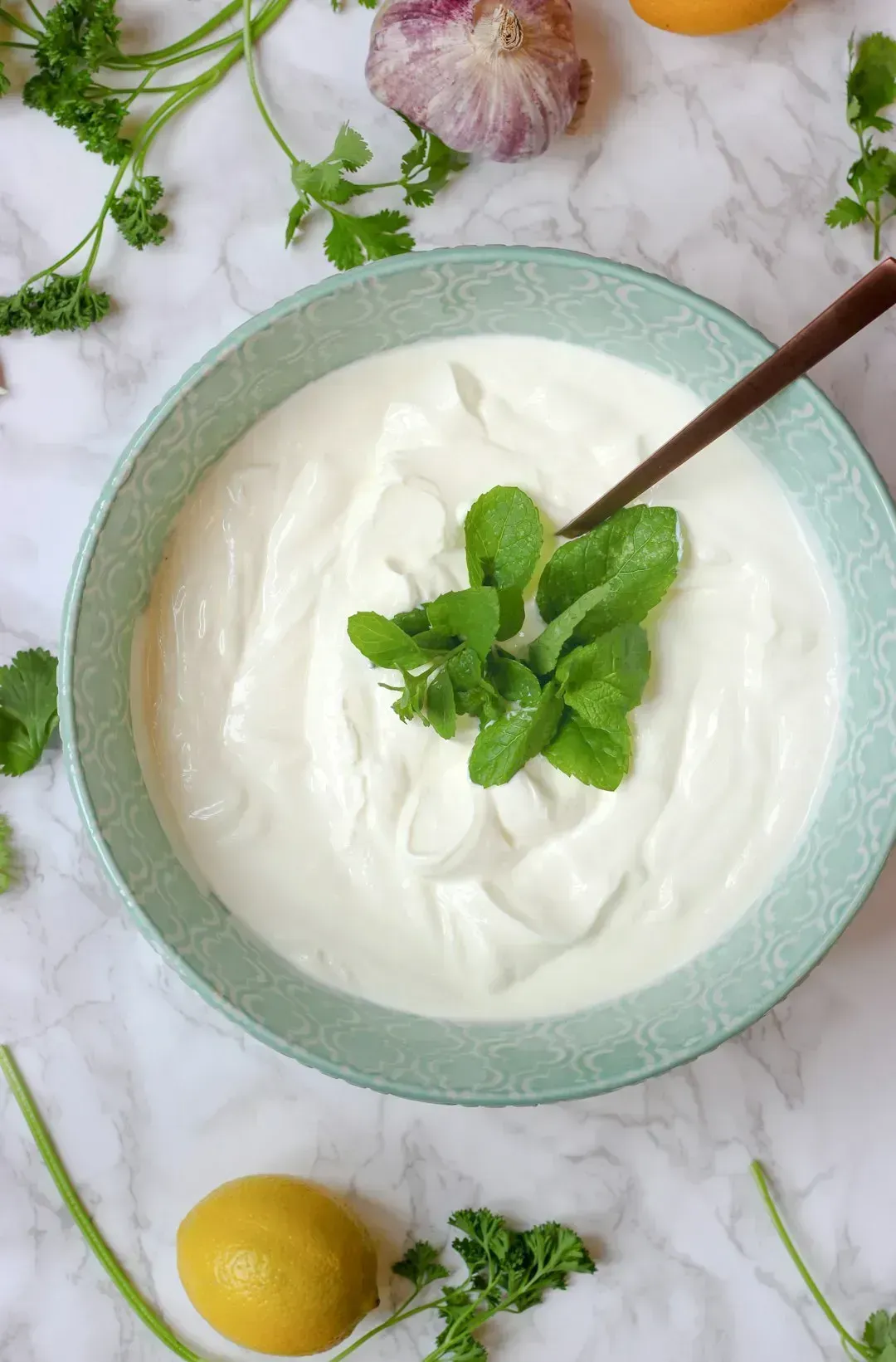
Plain Greek yogurt is one of the more reliable snack choices for people watching their glucose response. This very versatile snack is high in protein and lower in sugar compared to regular yogurt, and it’s an excellent option for people with high blood sugar, as protein can help slow the absorption of carbohydrates, thereby preventing spikes. Adding berries brings natural sweetness without the sugar load of most fruit.
For a more filling snack, add a handful of nuts or fresh berries to a cup of Greek yogurt. The combination works because the protein in the yogurt slows how quickly the fruit’s natural sugars hit your bloodstream. It’s an easy one to prep ahead, too, since it holds up fine in the fridge for a day or two.
2. Apple slices with almond butter
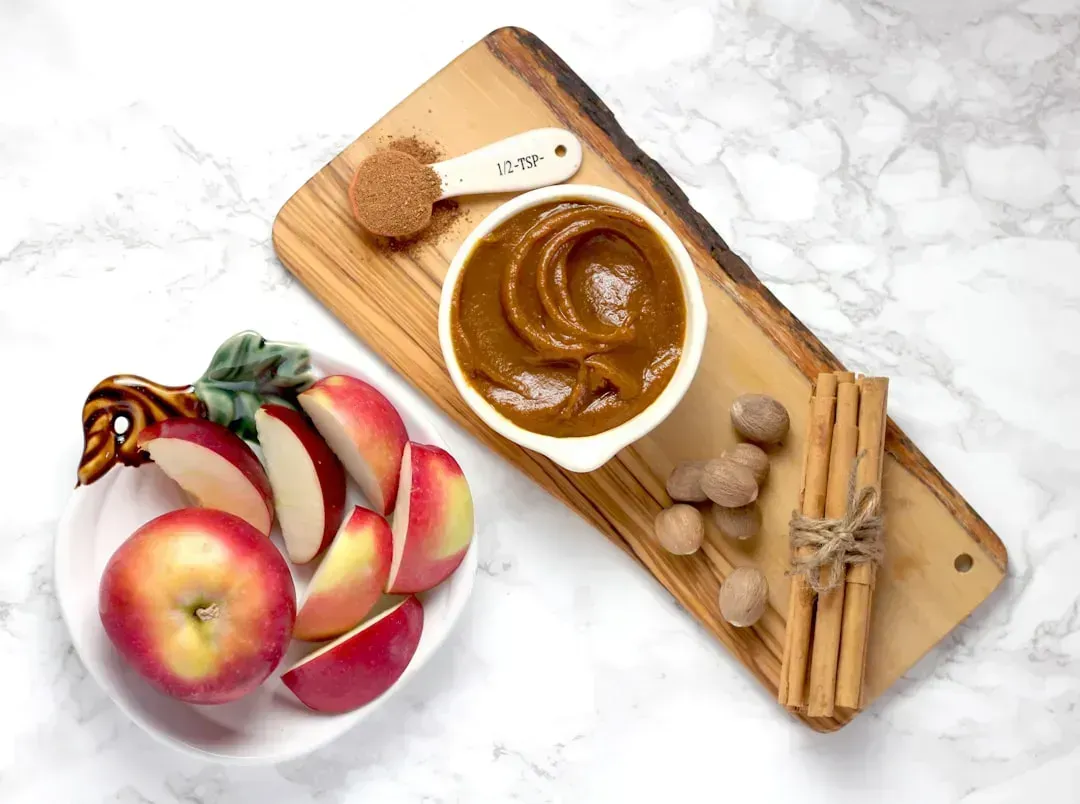
This pairing shows up in nearly every list of blood sugar friendly snacks, and for good reason. Apple slices spread with a thin layer of almond butter combine fiber from the apple with the healthy fats and a bit of protein that almond butter contributes. That combination matters more than either food eaten alone.
This pairing helps slow the absorption of natural sugars from the apple, resulting in a more gradual increase in blood sugar levels, a simple yet effective way to satisfy cravings. Beyond the sugar-blunting effect, apples also carry compounds that may support pancreatic health over time. Apple contains polyphenol antioxidants that can protect pancreatic cells from damage, and damaged pancreatic cells usually make diabetes worse.
3. Hard-boiled eggs
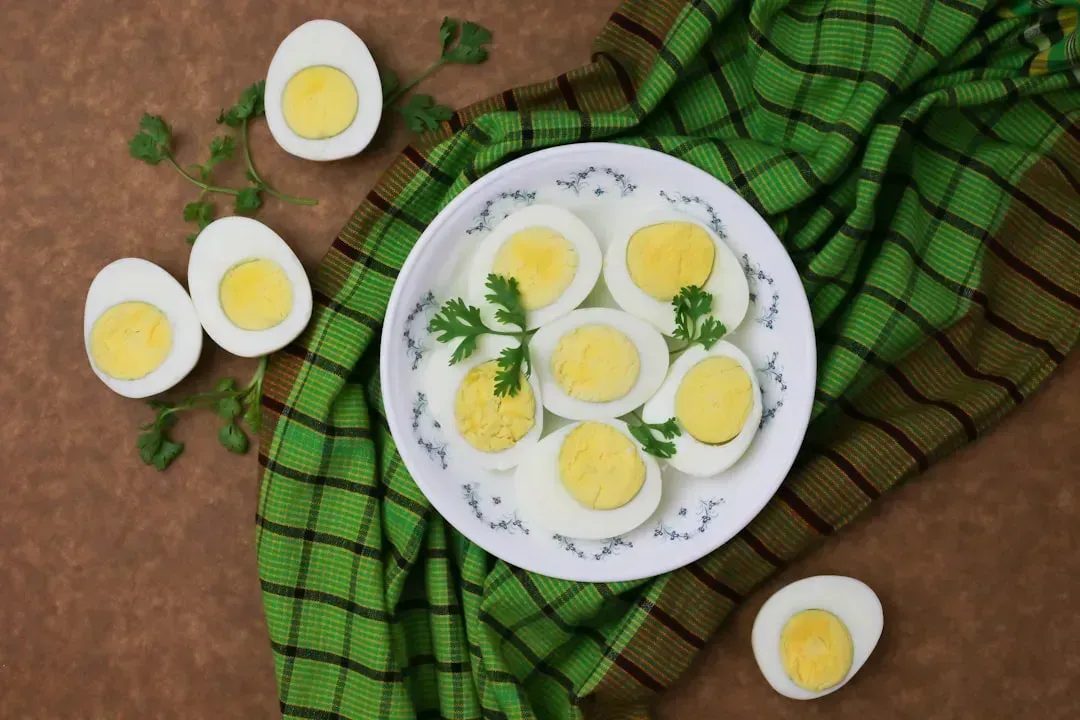
Eggs are about as close to a zero-carb snack as you’ll find, which makes them a dependable option when you want something filling without any glucose consequences. Eggs are a powerhouse of protein and essential nutrients like vitamin D and choline, and their zero-carb profile makes them ideal for people managing blood sugar. They travel well too, which helps if you’re snacking away from home.
Hard-boiled eggs are a simple and convenient snack option packed with high-quality protein and healthy fats, and they can help stabilize blood sugar levels and keep hunger at bay. Pairing them with something crunchy, like cucumber slices, adds volume and a bit of hydration without adding meaningful carbohydrates.
4. Hummus with vegetable sticks
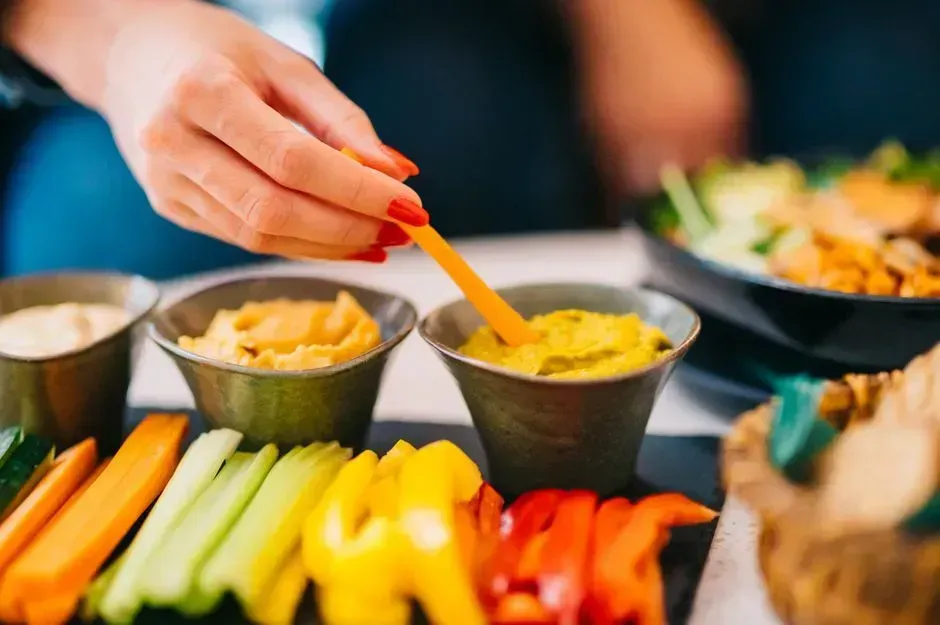
Raw vegetables paired with hummus give you crunch, fiber, and plant-based protein in one bite. Crunchy vegetables like cucumbers, bell peppers, and celery are low in carbs and high in fiber, and pairing them with hummus adds plant-based protein and healthy fats, creating a balanced snack that keeps blood sugar steady. Portion size still matters, but this one is fairly forgiving.
A quarter-cup serving of hummus contains only about 10 grams of carbs, making it an excellent choice. Chickpeas, the base of most hummus, also bring their own fiber to the mix, which slows how quickly the meal’s carbohydrates get absorbed.
5. Mixed nuts and seeds
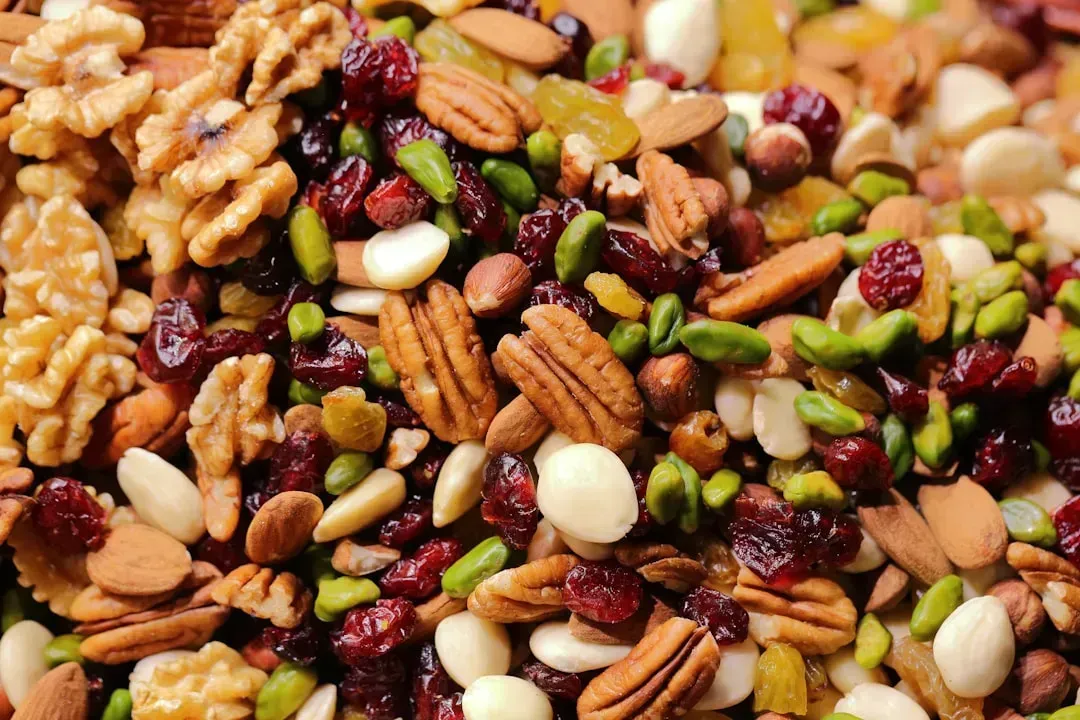
A small handful of nuts is one of the simplest ways to avoid a glucose spike between meals. Snacks high in protein, fiber, and healthy fats such as nuts and seeds are a healthy choice for people looking to manage their blood sugar, since almonds, walnuts, flaxseeds, and chia seeds are rich in fiber, healthy fats, and protein that help stabilize blood sugar levels, and a handful of almonds or a tablespoon of chia seeds in a smoothie can keep you feeling full and satisfied without causing a spike. There’s no cooking involved, which makes this one of the easiest options to keep stocked at a desk or in a bag.
Portion control still matters here, since nuts are calorie-dense. Sticking to roughly a small handful, rather than snacking straight from a large bag, keeps the benefits without the excess.
6. Edamame
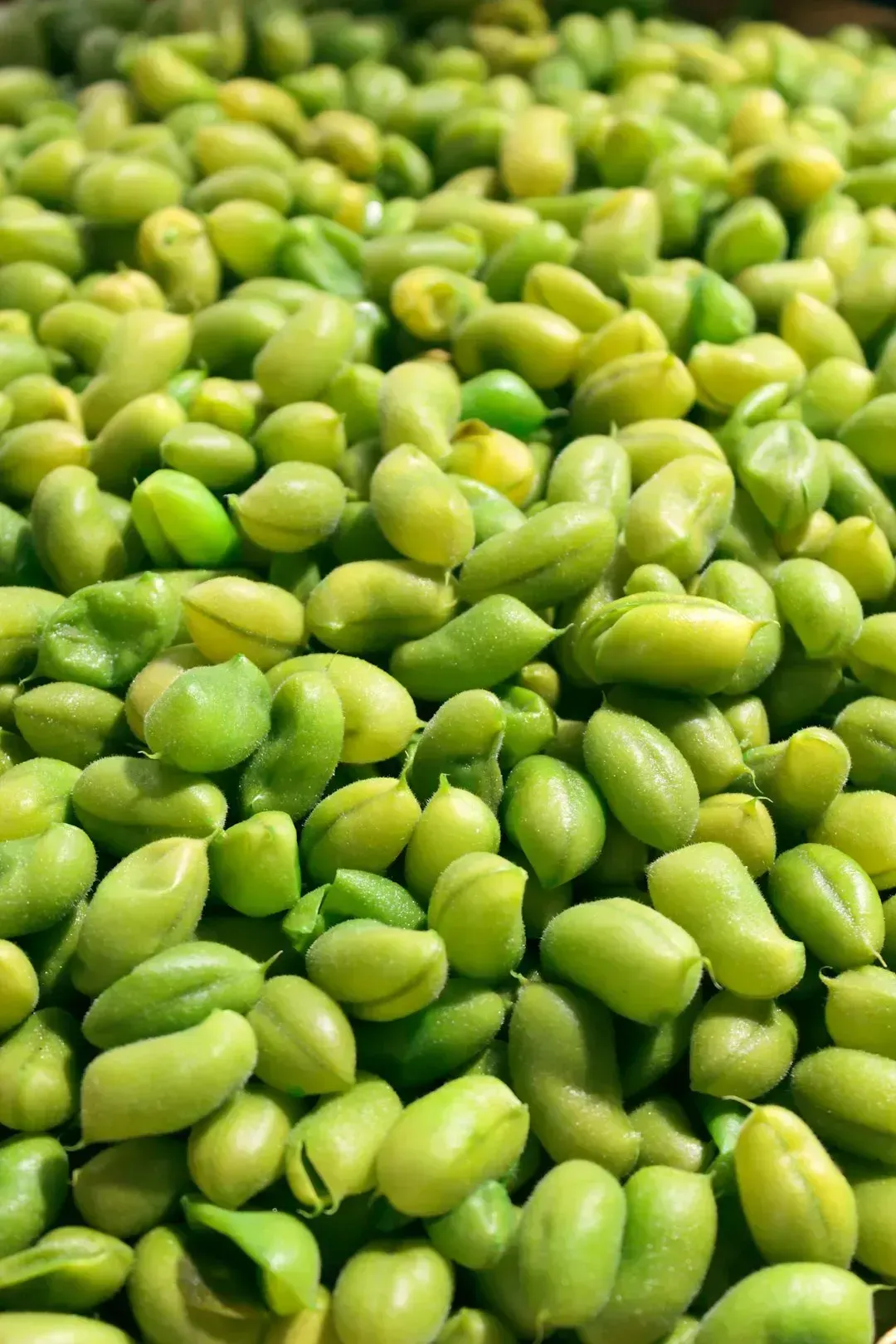
Steamed soybeans don’t get as much attention as other snacks, but they hold up well nutritionally. Edamame, also known as steamed soybeans, is an excellent snack choice for those managing blood sugar. A cup delivers a meaningful amount of protein and fiber for relatively few carbohydrates.
The nutritional profile is genuinely impressive for a plant food. A one-cup serving carries around 190 calories, 18 grams of protein, 13 grams of carbohydrate, 8 grams of fiber, and 8 grams of fat. That fiber-to-carb ratio is exactly what keeps the sugar response gentle rather than sharp.
7. Whole-grain crackers with cheese or avocado
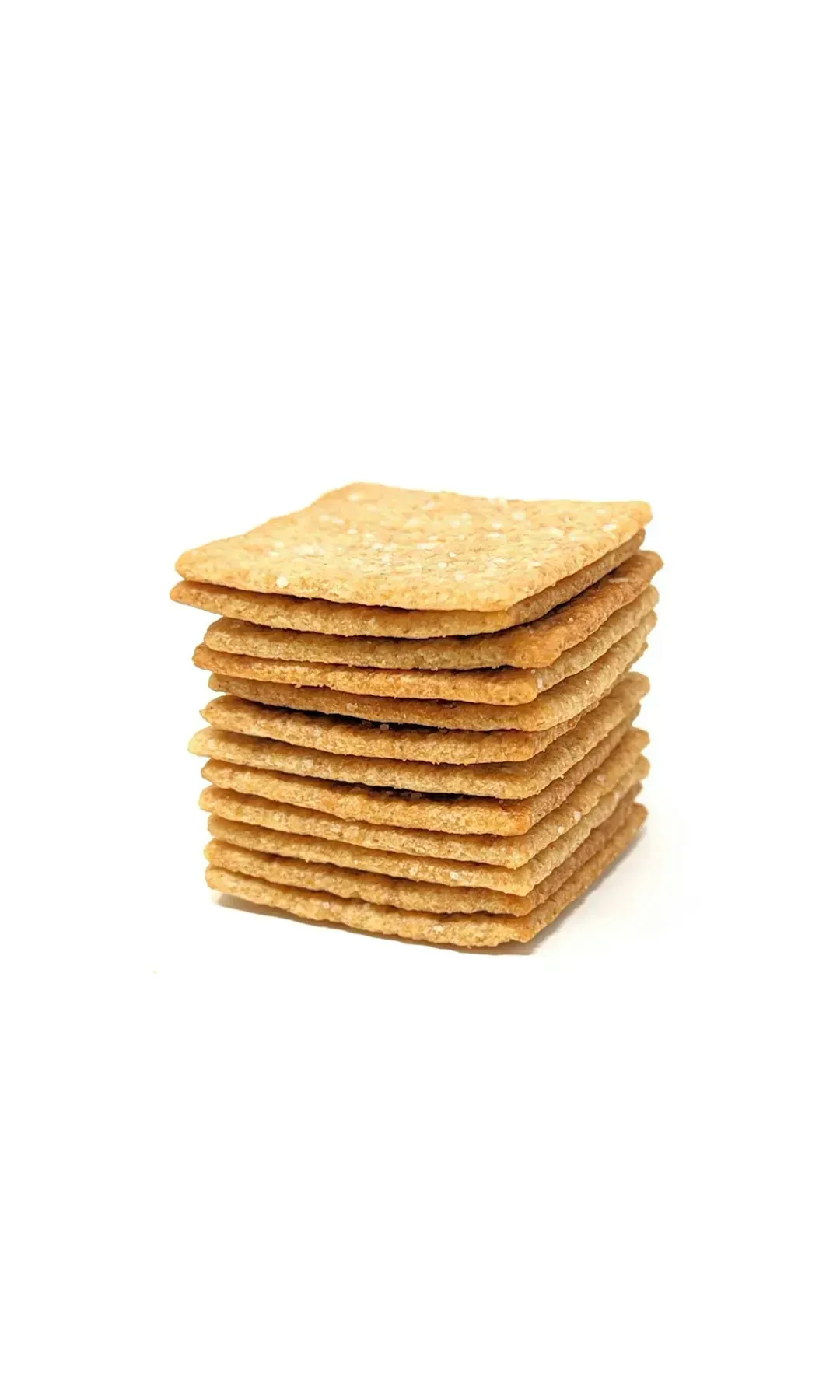
Crackers alone can be a mixed bag depending on the flour used, but pairing them with cheese or avocado changes the equation. Whole-grain crackers paired with slices of low-fat cheese work well because the complex carbohydrates in whole-grain crackers help provide lasting energy, while the cheese offers protein and calcium. The fat and protein slow down how quickly the cracker’s carbs are absorbed.
Avocado works similarly. Whole grains help slow digestion, preventing sudden increases in blood sugar levels, while avocados offer monounsaturated fats that are heart-healthy and satisfying. Look for crackers where whole grain is the first ingredient rather than refined wheat flour, since that’s usually where the fiber content lives.
8. Salmon and avocado on whole-grain crackers

This is a slightly more substantial snack, closer to a mini-meal, but it delivers a well-rounded nutrient mix in one small serving. This combination offers healthy fats from avocado and salmon, protein from the fish, and fiber-rich carbs from whole-grain crackers. Each component plays a different role in keeping digestion slow and steady.
Canned salmon makes this easy to throw together without much prep. It’s a good option for anyone who wants a snack with enough staying power to bridge a longer gap between meals, since the combined protein and fat take longer to digest than a carb-only snack would.
Energy and granola bars
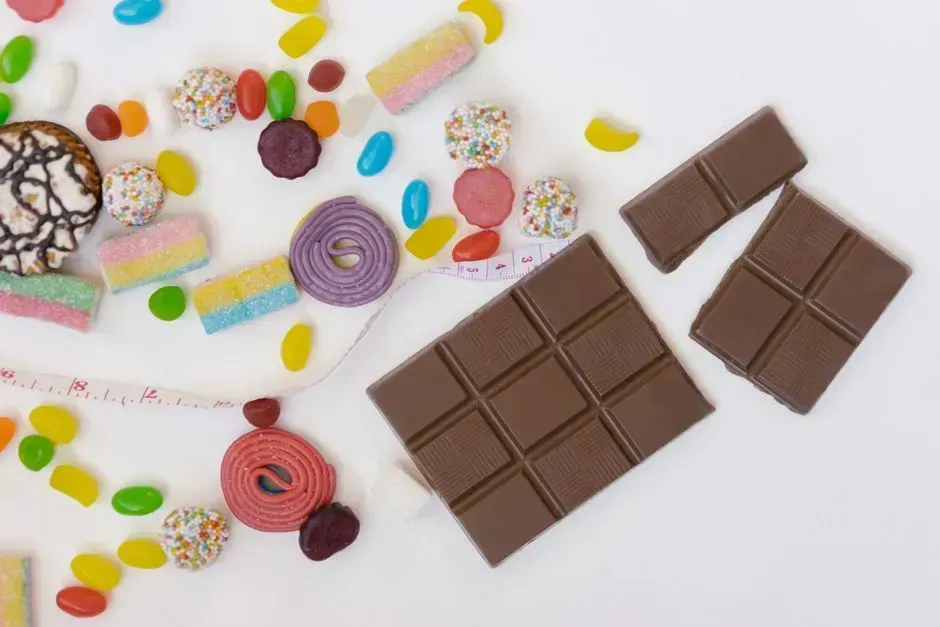
Energy bars have a health halo that often doesn’t match what’s actually inside the wrapper. While convenient, energy bars are also known for containing as much or more sugar and carbs as some candy bars, with syrups and other sweeteners like brown rice syrup, corn syrup, and cane sugar often listed as primary ingredients. Many rely on dates or sweet coatings to hit that dessert-like taste people expect from a bar.
The numbers on some bars are genuinely startling. Because of all the added sugar, some energy bars may as well be labeled candy bars, since a single bar can carry a glycemic load over 49, more than a king-size Snickers bar. Reading the label matters here more than almost any other snack category, since the marketing rarely lines up with the nutrition panel.
Plain rice cakes

Rice cakes have a reputation as a light, guilt-free snack, but that lightness is part of the issue. These snacks feel light, but that’s part of the problem because they’re mostly refined starch, easy to chew fast, and they don’t bring much fiber to slow digestion, and high-glycemic foods tend to cause a quicker rise in blood sugar than foods with more fiber or less processing. Eaten on their own, they behave a lot like eating pure starch.
The fix is simple, though it does mean rice cakes can’t really stand alone as a snack. If you eat rice cakes, treat them like a base and add peanut butter, cottage cheese, or avocado, since that simple topping change turns them from airy crunch into a real snack. Without that addition, they’re closer to eating a puffed-up piece of white bread.
Fruit juice and dried fruit

These two get grouped together because they share the same underlying flaw: concentrated sugar with the fiber removed or reduced. Mayo Clinic notes that fruit juices and dried fruits are concentrated sources of natural sugar and calories, which makes portion size matter a lot. A cup of grapes takes a while to eat and fills you up along the way. A cup of grape juice takes seconds to drink and delivers the same sugar load without the fullness.
The comparison to whole fruit makes the point clearly. Eating a whole apple requires chewing, which slows down the digestion process and leads to a gradual release of sugar into the bloodstream, while drinking apple juice can spike blood sugar quickly, because it’s already in liquid form. An endocrinologist quoted on the subject put it plainly when discussing how people overlook sugary drinks. People often forget about the things they are drinking and don’t realize how much dissolved sugar is in drinks like fruit juices and sodas. If dried fruit is a favorite, pairing a small amount with almonds or plain yogurt at least slows the impact rather than eating it straight from the bag.
The pattern across all of this is fairly consistent. Snacks that combine protein, fiber, and healthy fat tend to keep blood sugar on an even keel, while snacks stripped of fiber or loaded with hidden sweeteners can behave worse than the treats they’re supposedly healthier alternatives to. Reading labels and thinking about what a snack is paired with usually matters more than whether it’s labeled “healthy” on the package.



Leave a Reply