
1. They never make eye contact with the server
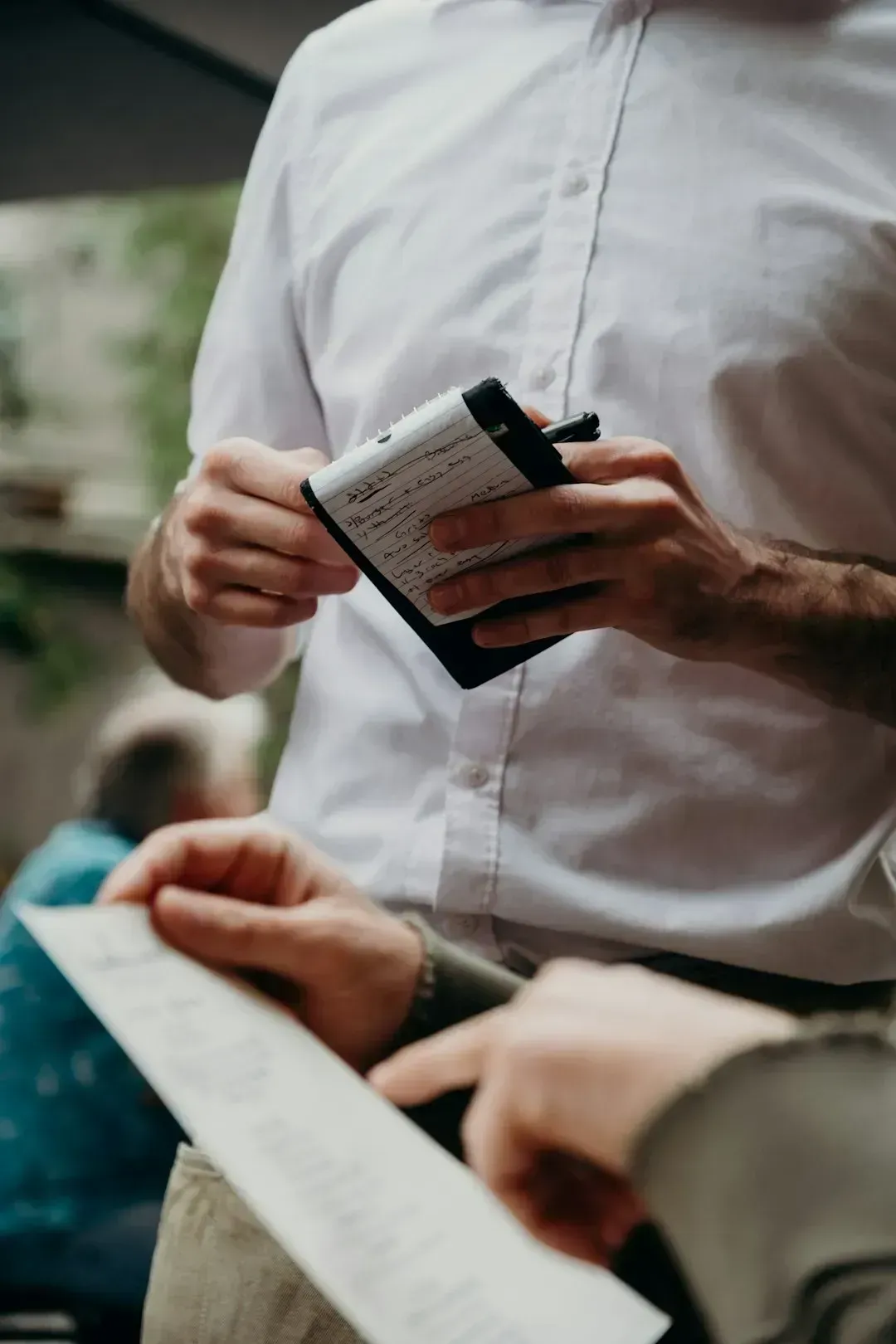
The first thing many servers notice has nothing to do with the menu or the order. It’s whether a guest looks at them at all while speaking. Failing to make eye contact, never saying please or thank you, or talking about servers like they’re not there sends a clear message.
It sounds small, but it sets a tone for the entire interaction. A server who feels invisible from the first greeting tends to expect more friction later, whether that shows up as complaints, impatience, or a thin tip at the end.
2. Snapping fingers or waving instead of a simple signal
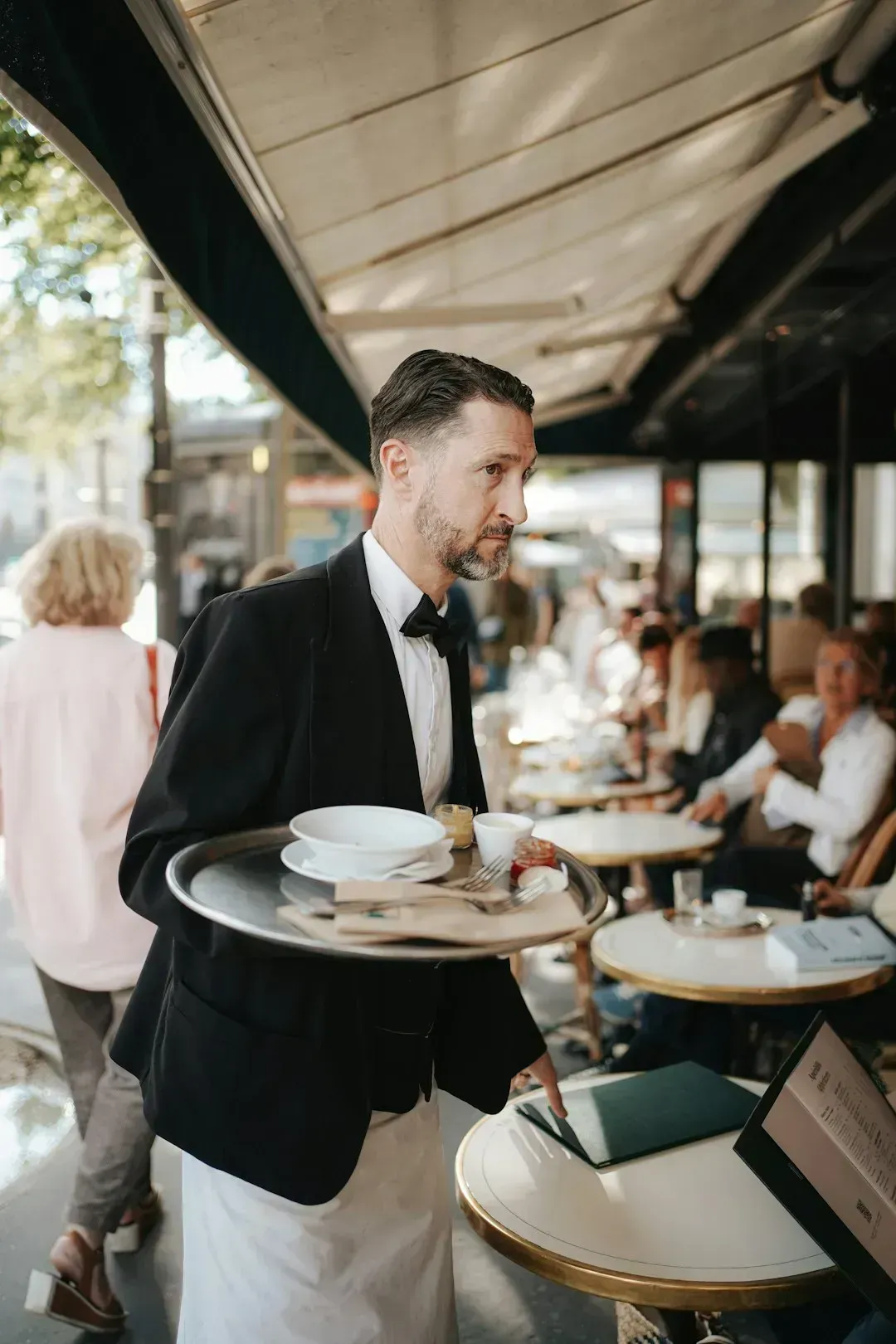
There is a right way and a wrong way to get a server’s attention, and every waiter knows the difference instantly. Snapping fingers, whistling, or waving both hands to flag someone down comes off as dismissive and disrespectful, while a simple glance or raised hand works perfectly.
Most guests do not realize how quickly this move gets noticed by the whole floor, not just the one server involved. Snapping or whistling immediately puts you in the difficult table category, and servers purposely deprioritize customers who resort to it.
3. One person orders for the entire table
A guest who takes it upon themselves to answer for everyone else at the table sends a signal that has little to do with the food. Someone who insists on ordering for the whole table, makes fun of what someone else eats, dominates the conversation, or orders the waitstaff around like servants are telltale signs that a server files away for the rest of the visit.
It is not just an odd habit. It often points to a dynamic where the same person will later dictate how the bill gets split, question every charge, or speak over their companions when something needs fixing. Servers who have worked a few hundred shifts learn to keep half an eye on that person specifically.
4. Arriving with a timeline that does not match the kitchen
Guests who walk in expecting a full meal in twenty minutes during a Saturday dinner rush are setting up a conflict before they even sit down. During peak dining hours, servers notice guests often underestimate the time needed for their meals, and that mismatch tends to surface as frustration well before the entrees arrive.
Restaurants running a full house simply cannot compress cook times without sacrificing quality, and most kitchens will not try. A server who hears “we’re in a rush” at a packed table on a Friday night already knows there is a decent chance of tension at the check.
5. Turning a menu item into an entirely different dish
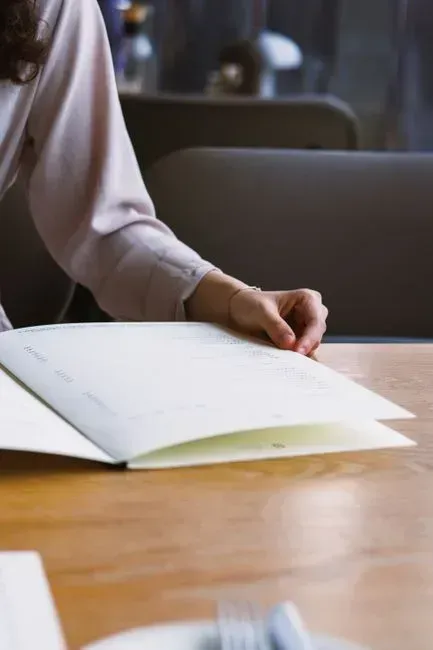
A small tweak here and there is normal and expected. What catches a server’s attention is when a guest starts substituting nearly every component of a plate before they have even finished ordering. Asking for one protein swapped for another, no sauce, extra dressing, and a different side isn’t really a request anymore, since a few tweaks are reasonable but an entire overhaul earns a mental eye roll and possibly a kitchen groan.
The distinction that matters here is between an allergy and a preference. Servers recognize the difference between dietary restrictions and someone who just wants to redesign the entire menu, and legitimate allergies get respect and accommodation while excessive customization gets marked as trouble.
6. Being rude to their own dining companions
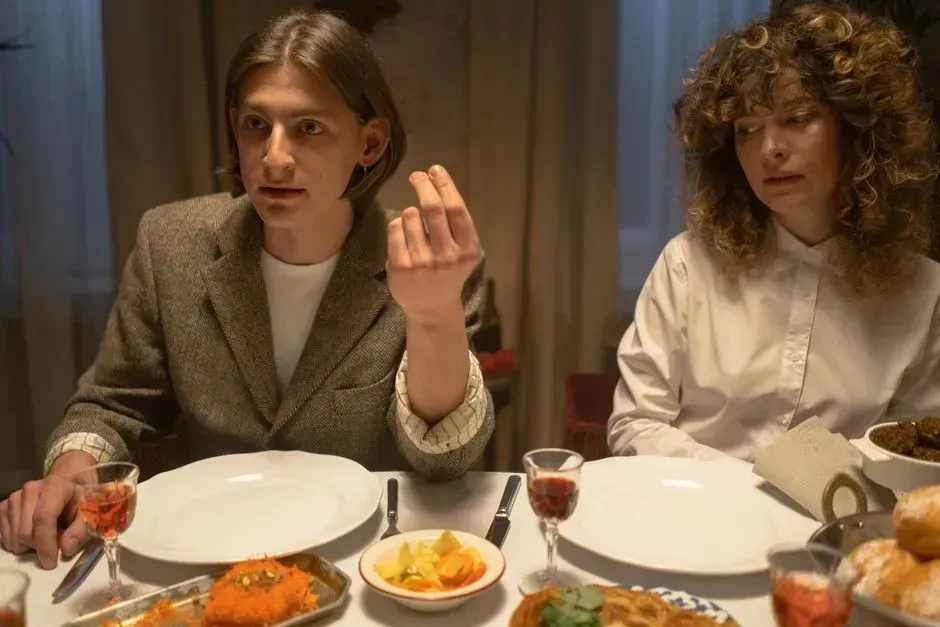
How a guest treats the person across the table often says more than how they treat the server. When guests show dismissive behavior toward their companions, servers note this as a potential indicator of how they might treat the staff, and it is one of the subtle but telling signs experienced waitstaff clock immediately.
A server watching one guest snap at their partner or talk down to a coworker across the table is usually not surprised when that same energy gets directed at the floor later. It rarely stays contained to just one relationship for the whole meal.
7. Asking to speak with the manager before anything has gone wrong

Most complaints happen after a mistake. A smaller group of guests ask for the manager as a first move, sometimes within minutes of sitting down, often over something as minor as a table location or a wait time that was clearly posted at the host stand.
Experienced servers tend to read this as an early attempt to establish leverage rather than an actual problem needing a solution. It does not guarantee a difficult night, but it usually shifts how closely the whole shift keeps an eye on that table going forward.
8. Studying the check or menu prices with unusual intensity

There is a difference between a guest checking a price out of simple budgeting and one who lingers over every line, running quiet math before they have even ordered a drink. Servers who have worked in both casual and upscale settings notice this shift in body language fairly quickly, since it often signals that the final bill is going to get scrutinized item by item.
This is not necessarily a red flag about generosity. Sometimes it simply means questions are coming later about a specific charge, a shared appetizer, or how gratuity gets split among a large party. Servers who spot it early tend to over explain pricing up front just to head off confusion at the end.
9. Letting kids treat the dining room like a playground
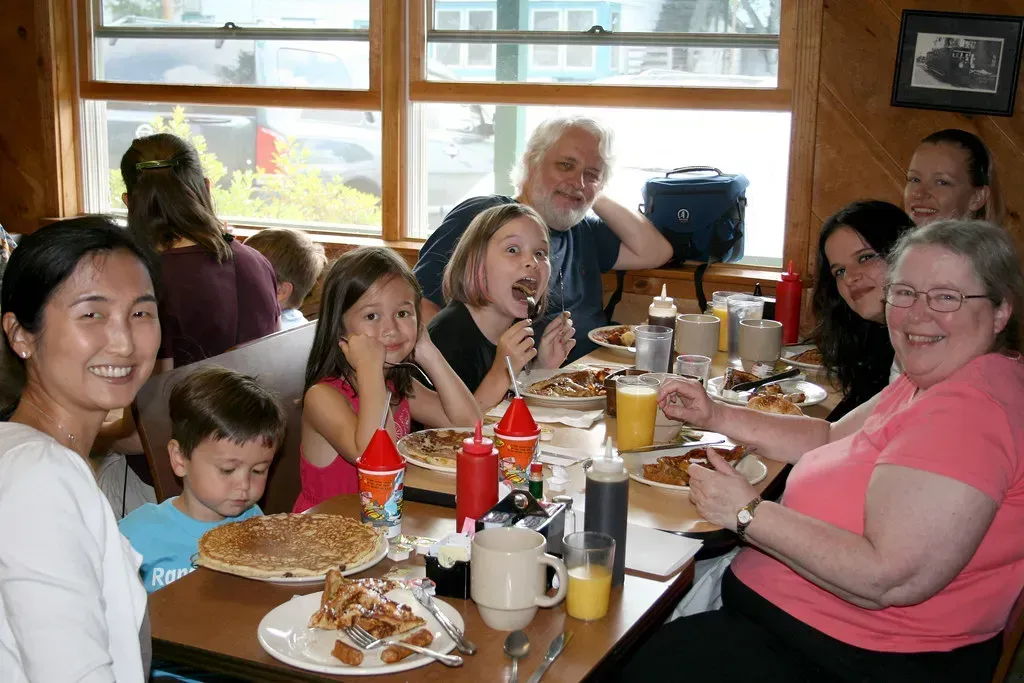
A family settling in and immediately letting young children stand on booth seats, run between tables, or bang silverware sends a clear signal about how the next hour is going to go. Servers notice this within the first few minutes, long before any food has even reached the kitchen.
It is less about judging parenting and more about practical risk. Hot plates, moving trays, and unsupervised kids near a server’s path are a genuine safety concern, and most waitstaff quietly adjust their route through the dining room the moment they spot it.
None of these signs guarantee a bad table or a bad tip. Plenty of guests who trip one or two of these wires still turn out to be perfectly pleasant, and plenty of quiet, polite tables still end up complicated for reasons nobody could have predicted at the door. What experienced servers will say, almost universally, is that the first few minutes at a table tend to set a tone that rarely reverses itself completely by the time dessert arrives.


Leave a Reply