
History is full of answers, but some of its most fascinating chapters refuse to close. Buried in shipwrecks, palace ruins, and desert sands are objects that do not fit neatly into the story we think we know about the ancient world. They are too advanced, too strange, or simply too ambiguous to be explained away by any single theory.
Honestly, what makes these artifacts so captivating is not just the mystery itself – it is the unsettling feeling that our ancestors might have known things that were later completely lost. From a clockwork machine pulled out of the ocean to a medieval book written in a language nobody has ever spoken, here are ten strange ancient artifacts that continue to challenge, confuse, and fascinate researchers to this day. Let’s dive in.
1. The Antikythera Mechanism – The World’s First Computer That Might Have Jammed
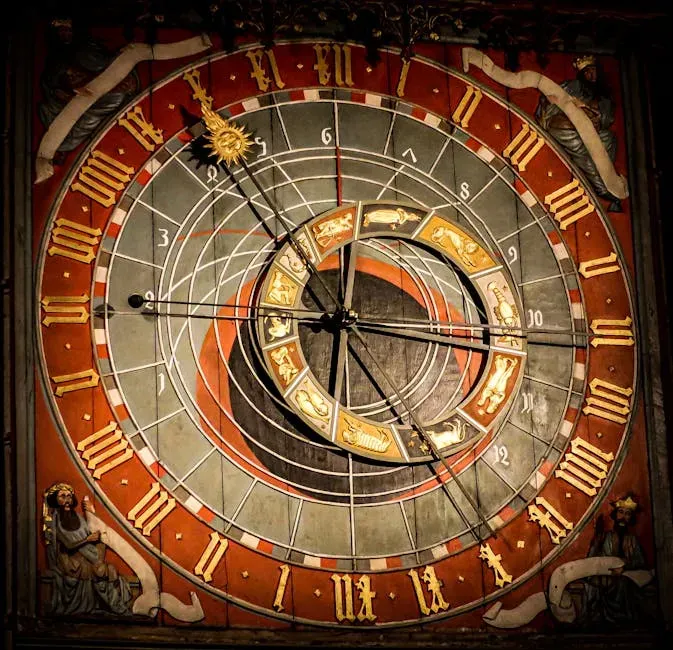
More than a century ago, a group of sponge divers discovered a shipwreck near the Greek island of Antikythera – and it turned out to be the ruins of a cargo vessel dating back some 2,000 years, hiding a wealth of archaeological treasures. Among those treasures was an object that would take scientists decades to even begin to understand. The Antikythera Mechanism is generally referred to as the first known analogue computer, and the quality and complexity of its manufacture suggests it must have had undiscovered predecessors during the Hellenistic period.
Here is the thing – even as we celebrate its brilliance, recent research in 2025 has thrown a curveball. Computer simulations that reproduced the device’s current design suggested that the gear teeth may have routinely disengaged, causing the machine to jam, and it is estimated that it could only be cranked about four months into the future before the gears slipped and required resetting. Researchers note that current measurements of the gears and teeth might be off, since CT scans can only provide a certain level of resolution and two thousand years of corrosion may have warped the components far beyond their original state. The debate is far from over.
2. The Voynich Manuscript – A Book Nobody Can Read
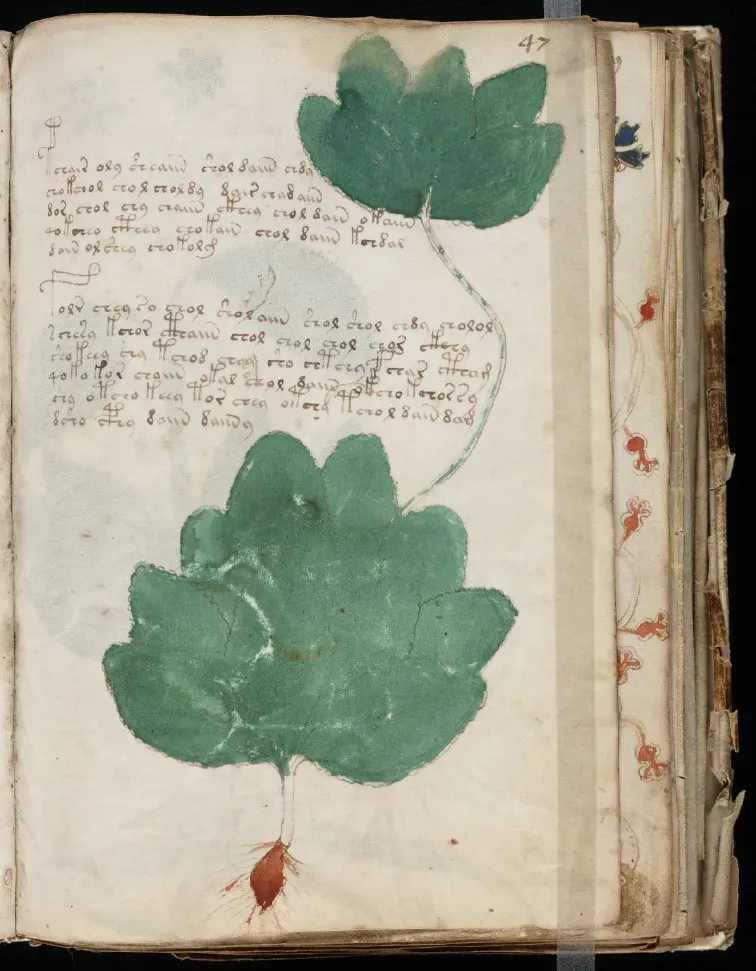
The Voynich Manuscript is an illustrated codex, hand-written in an unknown script referred to as Voynichese, and the vellum on which it is written has been carbon-dated to the early 15th century, between 1404 and 1438. Think about that for a moment. We are talking about a book that has sat in libraries, been studied by codebreakers, linguists, and historians for centuries – and nobody has cracked a single word. The manuscript has been studied by both professional and amateur cryptographers, including American and British codebreakers from both World War I and World War II, and codebreakers Prescott Currier, William Friedman, Elizebeth Friedman, and John Tiltman were all unsuccessful.
The Voynich Manuscript is one of the world’s most perplexing books, filled with mysterious illustrations of unknown plants, star charts, and bathing women, with pages covered in a script no one has ever been able to read, while its origins, language, and intent remain hotly debated. The origins, authorship, and purpose of the manuscript are still debated, with hypotheses ranging from a script for a natural language or constructed language to an unreadable code, cipher, or other form of cryptography, or perhaps even a hoax. It is kept at Yale University’s Beinecke Rare Book and Manuscript Library and published online since 2020 – so anyone can look at it, yet nobody can understand it.
3. The Phaistos Disc – A Spiral of Silence
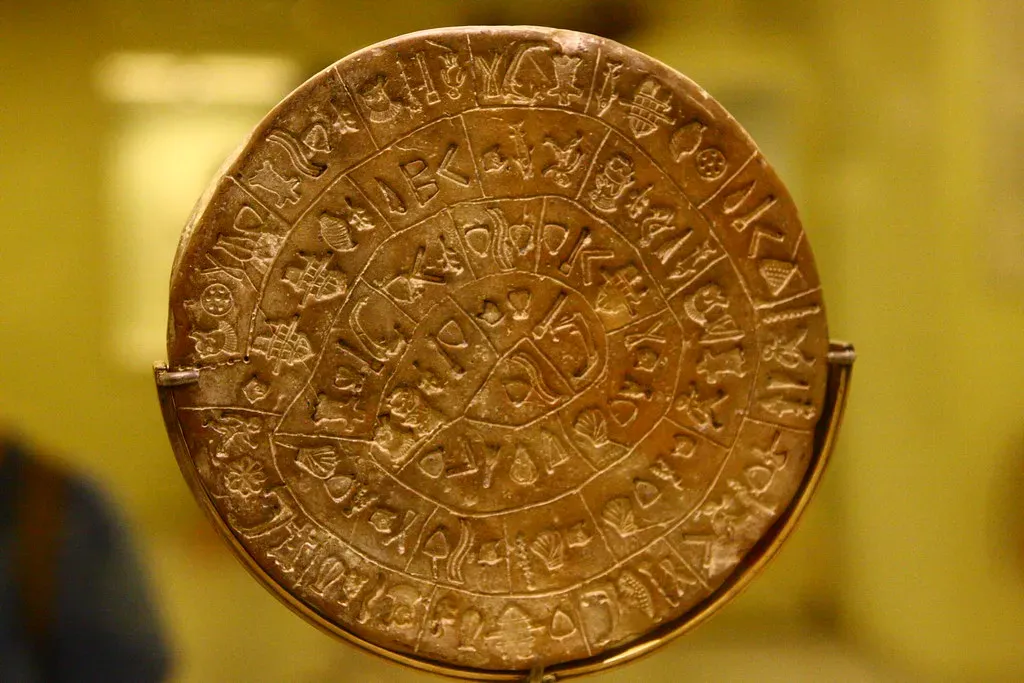
The Phaistos Disc, discovered in Crete in 1908, remains one of archaeology’s most puzzling artifacts due to its unique symbols – you encounter a circular clay disc stamped with 45 distinct signs arranged in a spiral. Unlike most ancient writing systems, these symbols appear to have been stamped into the soft clay before firing, rather than scratched. The disc, made of fired clay, contains a series of mysterious hieroglyphs in an unknown language, and specialists believe they had been stamped on, making them possibly the earliest form of print ever discovered.
Unearthed in 1908 at the Minoan palace of Phaistos on the island of Crete, the disc’s purpose and the meaning of its inscription remain unknown despite extensive study, with some scholars suggesting it could be an ancient form of writing while others believe it might be a game board or calendar. The lack of similar discoveries makes it especially difficult to contextualize the disc within Minoan culture, further adding to its mystique. It remains the only one of its kind ever found – which, when you think about it, is almost weirder than the symbols themselves.
4. The Roman Dodecahedrons – Hundreds Found, Zero Explanations
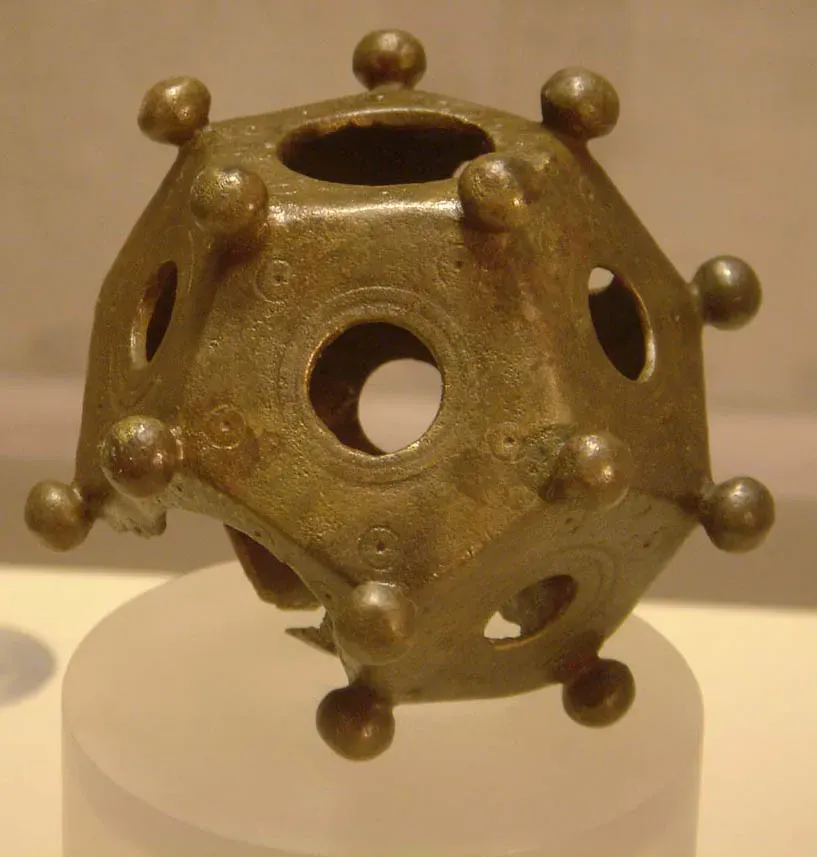
Imagine holding a beautiful bronze object in your hands, intricate and clearly valuable, with absolutely no idea what it does. The first of these enigmatic objects was unearthed in 1739 in a field in the English countryside alongside a collection of ancient Roman coins, and it was presented to the Society of Antiquaries in London where no one had any idea about what it represented or how it might have been used. From Hadrian’s Wall to Hungary, over 130 have been found, yet while the Romans had a propensity for documenting almost every aspect of their remarkable lives, there is no written or pictorial description of the dodecahedra, no consensus on what they might have been used for, and they are devoid of inscriptions or markings.
They are small and hollow objects with 12 faces made from copper alloy, and with no inscriptions, their purpose is unknown – as a result, more than 50 possible explanations have been published to date. Theories range from knitting tools to military rangefinders to candleholders to religious objects. Most of the Roman dodecahedra have been found in Roman military camps, baths, tombs, theatres, and temples, with some found in coin hoards – yet perhaps the most fascinating aspect is that none have been found in the traditional Roman heartlands of Italy, Spain, Africa, or around the Mediterranean Basin.
5. The Baghdad Battery – Ancient Electricity?
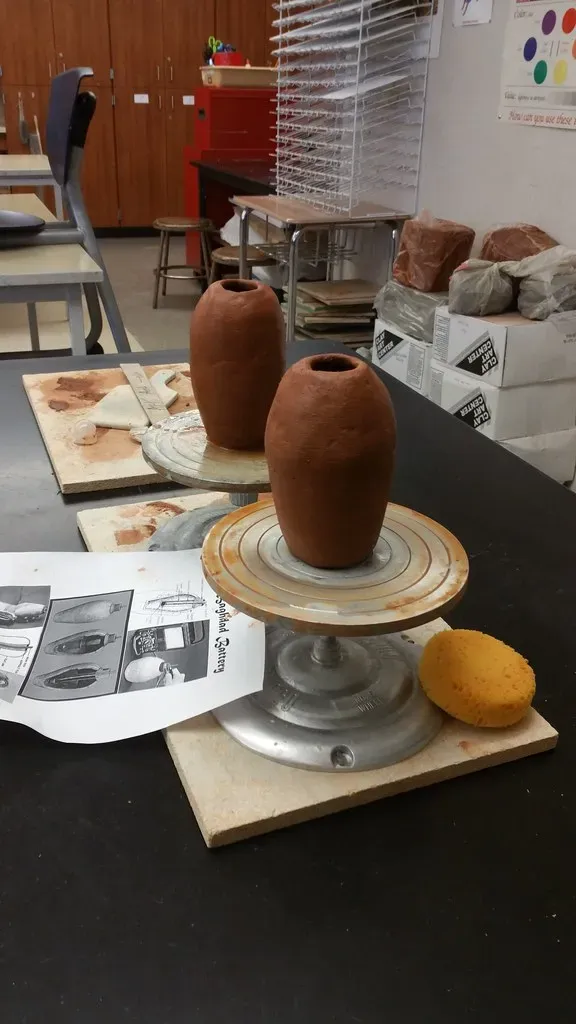
Let’s be real: the idea of electricity existing in ancient Mesopotamia sounds like the plot of a bad science fiction movie. Yet the evidence is surprisingly hard to dismiss. The Baghdad Battery is an ancient artifact that resembles a primitive battery, discovered in Iraq, dating back to the Parthian or Sassanid period, and it consists of a clay jar with a copper cylinder and an iron rod. When filled with an acidic substance like vinegar or grape juice, the construction is capable of generating a small electrical current. Experiments have shown that the Baghdad Battery could indeed generate a weak electrical current when filled with an acidic substance.
Some suggest it generated ancient electricity for simple tasks like electroplating or medicinal purposes, while others believe it served in religious or ritualistic contexts where small electrical charges were applied, and while no direct evidence confirms these uses, its design implies it could produce a mild electric current. The problem is nobody truly knows. Understanding its possible applications challenges assumptions about ancient technology and encourages us to rethink early human innovation. It is the kind of object that forces you to quietly ask: what else did the ancient world know that we no longer do?
6. The Nazca Lines – Giant Art for Nobody to See
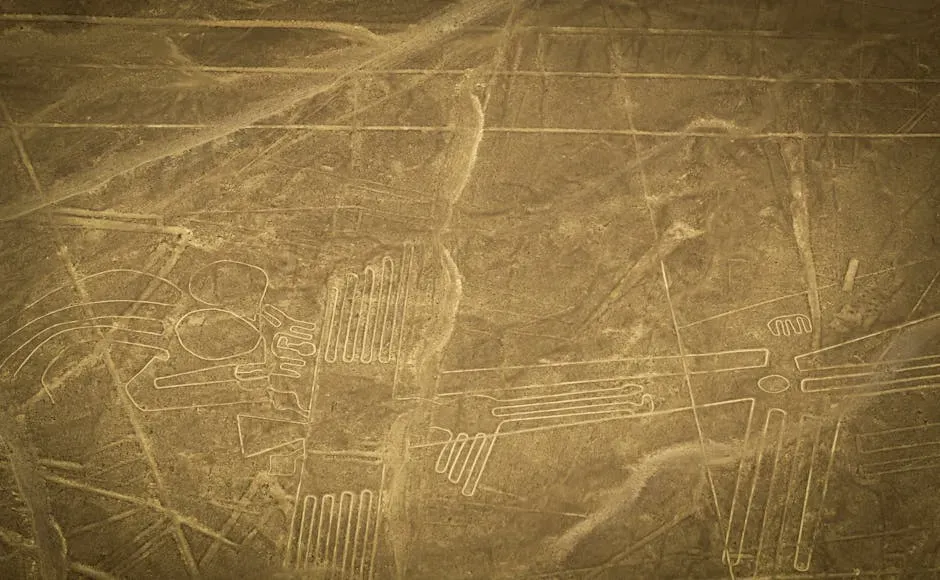
The Nazca Lines stretch across Peru’s arid plains, forming massive shapes of animals, plants, and intricate geometric patterns – visible only from high above – and present historians with a compelling enigma: how and why were they made? Created by the Nazca culture between 500 BCE and 500 CE, the lines are best viewed from the air, which immediately raises questions about their purpose and meaning. The ground-level creators had no aircraft, no satellite imagery, no way to see the full picture they were drawing. That alone should stop you in your tracks.
A 2024 AI-assisted study identified 303 previously unknown geoglyphs in the Peruvian desert. So we are not just dealing with the original famous shapes – the catalog keeps growing. The purpose behind the creation of the Nazca Lines remains a subject of debate, with some theories proposing that they served as a form of worship or ceremonial pathways, while others suggest they were astronomical calendars or even messages to extraterrestrial beings. Most mainstream researchers lean toward ritual and astronomical explanations, but the honest answer is that we still do not know.
7. The Piri Reis Map – Geographic Knowledge Before Its Time
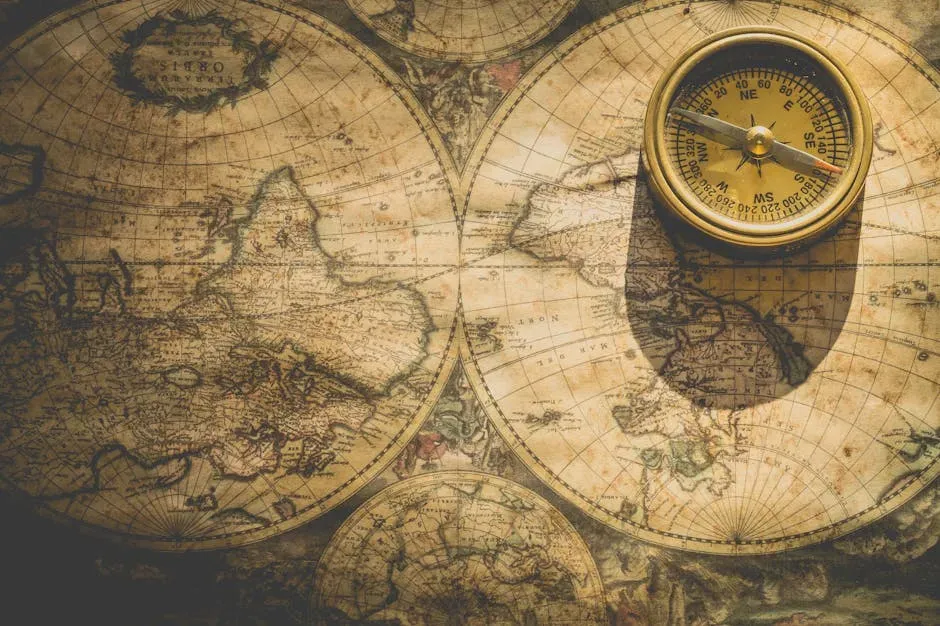
Drawn in 1513 by Ottoman admiral and cartographer Piri Reis, this map was compiled from older source maps and purports to show the coastlines of Europe, Africa, and even what appears to be Antarctica – centuries before the continent was officially discovered in 1820. The accuracy of some of the coastlines shown on the map is startling, especially considering the navigational tools available at the time. Some scholars believe the map reflects access to far older, now-lost geographic knowledge.
The most controversial aspect of the Piri Reis map is the southern landmass. Some researchers argue it matches Antarctica’s subglacial coastline – the shape beneath the ice – with a degree of precision that should have been impossible in 1513. Mainstream historians are skeptical and suggest the southern land is simply a misrepresentation of South America or a speculative addition. The argument cuts both ways, and that is precisely what makes this map such a persistent puzzle. It refuses to be dismissed, and it refuses to be fully explained.
8. The Plain of Jars – Thousands of Stone Vessels, No Clear Purpose
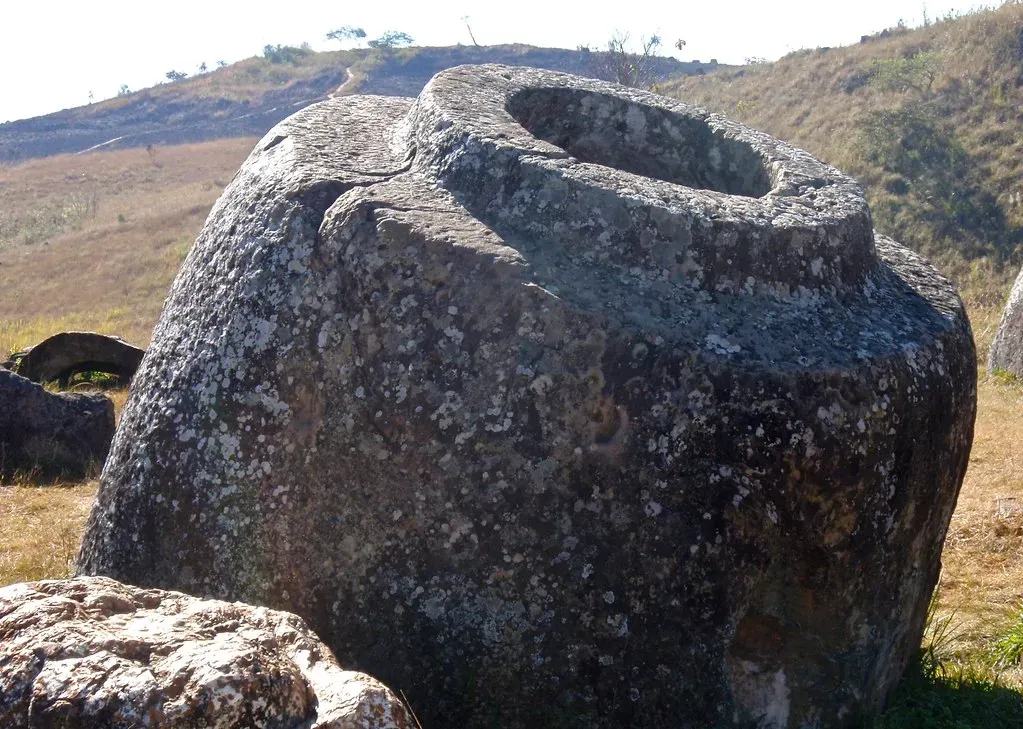
Across the Xieng Khouang plateau of Laos lie thousands of ancient stone jars carved from solid rock, ranging from human-sized to massive carved monoliths weighing over 30 tons, and their sheer number, size, and arrangement into clusters and rows indicate an immense prehistoric effort – but their original purpose remains unknown. They are not clustered in one location. They are spread across multiple sites, oriented in different directions, fashioned from different types of stone. The scale of the effort to carve and move them is staggering.
The most widely held theory is that the jars were used in funerary rituals – perhaps as containers for the dead before secondary burial. Excavations have found human remains, bones, and burial goods nearby, which lends weight to this view. However, not all jars show evidence of funerary use, and many appear deliberately arranged to face specific directions or align with landscape features. The site has been heavily damaged by unexploded ordnance left from the Vietnam War era, making archaeological work both difficult and dangerous. The full picture of who made these jars, and exactly why, remains stubbornly out of reach.
What ties all ten of these artifacts together is not just mystery – it is humility. They remind us that human ingenuity is ancient, complex, and often far ahead of what we expect. We tend to think of technological sophistication as a recent achievement, a product of the modern era. These objects quietly disagree. From a gear-driven astronomical computer sunk off a Greek island to a map that seemingly shows an undiscovered continent, the past keeps handing us puzzles we are not yet equipped to fully solve.
Which one of these ten artifacts do you find most unsettling? Tell us in the comments – the debate is as open as the mysteries themselves.




Leave a Reply