
1. A better seat within the same cabin
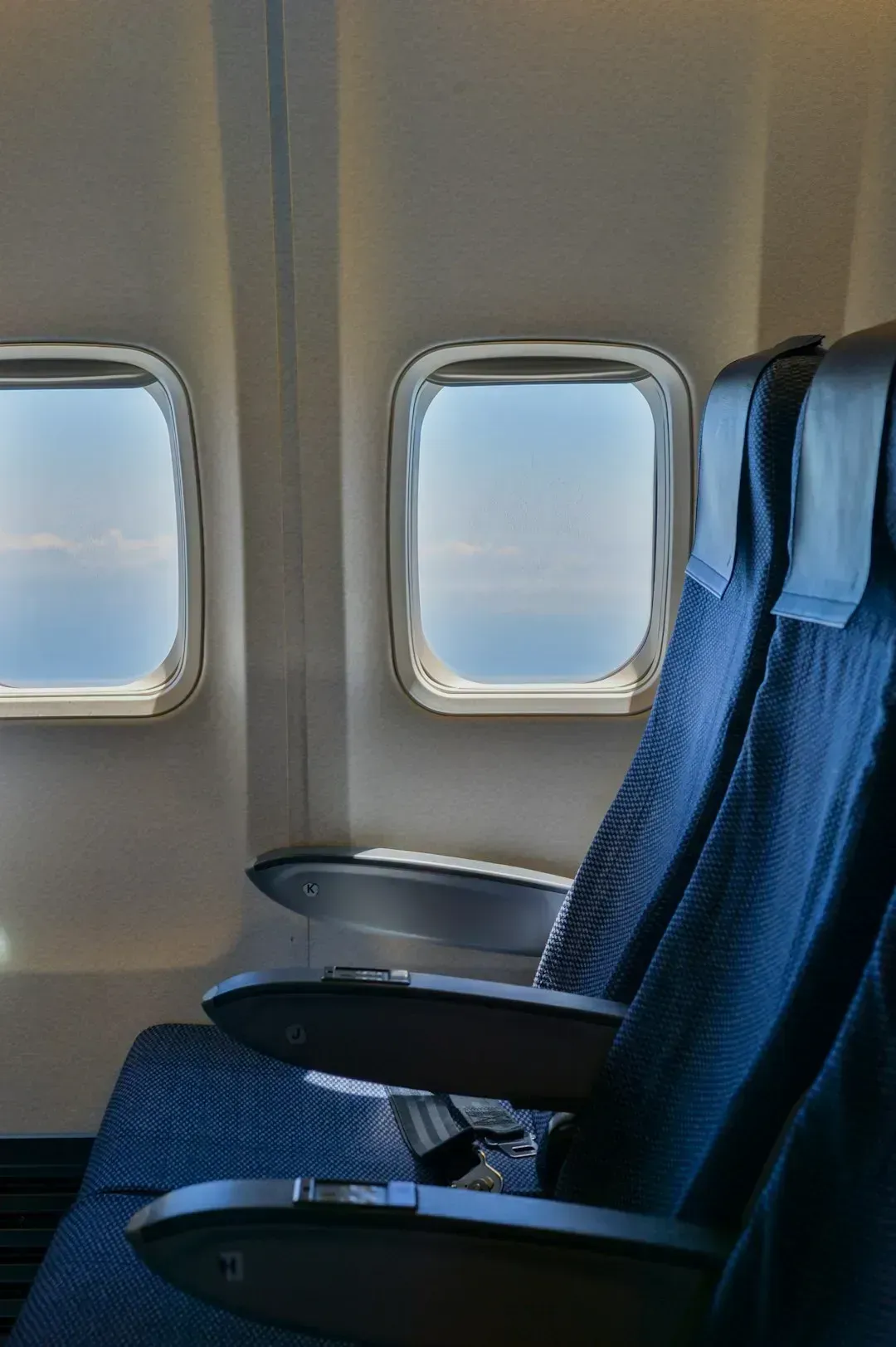
This is probably the most reliable win at the gate. Agents have the power to assign new seats at no charge, even if they were blocked earlier or carried an extra fee, and they can dish out popular exit rows, bulkhead seats, or point out an empty row. It doesn’t require elite status, just a moment when the agent isn’t buried in other tasks.
Timing matters more than most people expect. The best window is usually about thirty minutes before departure, since that’s when many upgrades are processed and blocked seats get released, so it pays to just ask nicely. An empty middle seat at the back of the plane is a common target for this kind of request, and agents are often happy to move someone if the seat exists and no one else has claimed it.
2. Adjacent seats for families traveling together
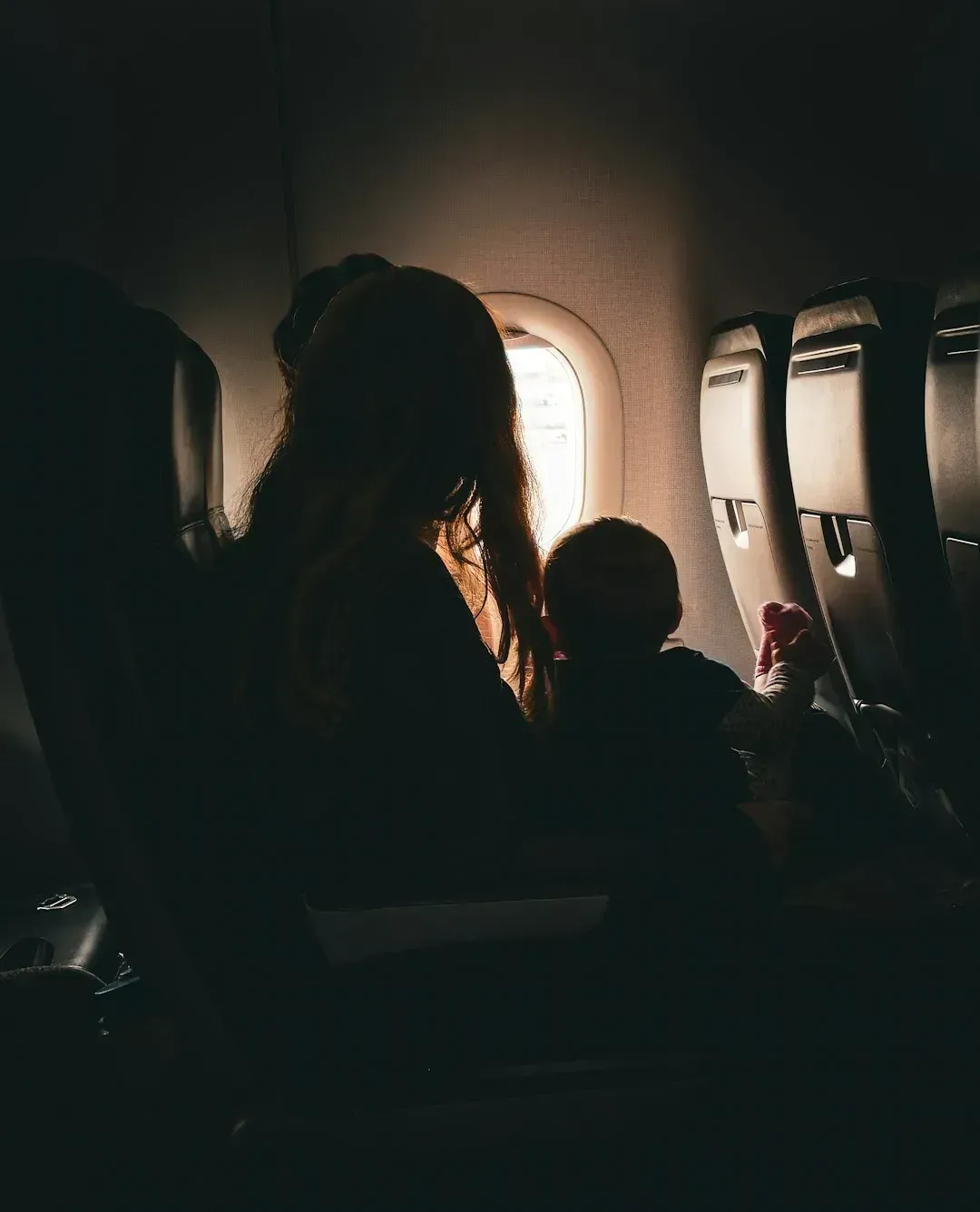
Getting split up from your kids on a flight is stressful, and airlines know it. Under the fee-free family seating commitment, airlines will provide adjacent seat assignments when the child and accompanying adult are on the same reservation, the adult notifies the gate agent before boarding starts, and it’s physically possible given the seat layout. That third condition is the one that trips people up, since a full flight with no open adjacent pairs simply can’t be rearranged no matter how nicely you ask.
Different carriers handle the mechanics slightly differently. United tells families who couldn’t get seats together to arrive early at the gate and speak with an agent, who will ask for volunteers to move seats and help accommodate the family. Frontier gives similar advice, suggesting travelers ask a gate agent for assistance if they weren’t assigned seats together during booking.
3. Boarding a step ahead of your assigned group
This one is subtle and depends entirely on context rather than a formal rule. Gate agents scanning boarding passes aren’t always strict about enforcing group numbers to the letter, especially during quieter boarding windows or when a family is trying to stay together. A softly worded request to board a bit early with young kids, mobility concerns, or a bulky item that needs early bin space is often granted without much fuss.
Passengers who require special assistance, such as those with a disability or impaired mobility, are also given priority boarding, and elderly travelers are encouraged to make themselves known to gate agents. Even outside those categories, a friendly heads-up rather than a demand tends to get a more flexible response.
4. A spot on the standby list for an earlier flight
Plans change, and sometimes an earlier departure has room. Standby means you already hold a ticket but want to catch an earlier flight, and asking the gate agent to list you means requesting an unclaimed seat on a different departure. There’s no cost involved on most major carriers for same day standby if your fare type allows it.
Where you land on that list isn’t random. Airlines clear passengers only after every ticketed traveler and crew member has a seat, and fare type sets the base priority, with fully refundable tickets ranking above discount fares while basic economy often blocks standby access entirely, and elite status creates the next tier. Asking politely and early still helps, since the tiebreaker within the same tier often comes down to who requested standby first.
5. Rebooking help during a delay or cancellation without a long hold
When a flight gets disrupted, gate agents become the first line of response rather than the call center. During irregular operations, gate agents handle rebooking, denied boarding procedures, and compensation offers for affected passengers. Approaching one directly, rather than waiting in a phone queue, often gets a faster resolution.
Coming prepared makes the whole interaction smoother. Having clear documentation of your booking, including your electronic ticket and travel itinerary, speeds up that interaction considerably. A calm, specific request, like asking about the next available flight or a particular connection, tends to get more useful answers than a general complaint about the delay.
6. A seat swap to sit with a travel companion, not just family
This isn’t limited to parents and children. Plenty of travelers have simply asked an agent to help them sit next to a spouse, friend, or colleague when the booking engine scattered everyone across the plane. It’s a modest ask, and agents often oblige if the seat map allows it.
Real world accounts back this up. Travelers who ask the gate agent nicely for help finding a better seat report that the agents are usually happy to make the change. The key phrase there is usually, since it depends on how full the flight is and whether other passengers have already claimed the open seats nearby.
7. Priority handling if you’re worried about a tight connection
Gate agents can see the bigger picture of a traveler’s itinerary, including whether a connecting flight is at risk. Flagging a tight connection politely, especially during a delay, sometimes results in the agent making a note in the system, coordinating with the next gate, or prioritizing that passenger during rebooking. It’s not guaranteed, but it costs nothing to mention.
On the operational side, gate agents handle seat changes, upgrades, and reaccommodations during disruptions, and a traveler who misses a connection or faces a cancelled flight reaches the gate agent first. Being the first to raise a concern, calmly and with your itinerary in hand, puts you ahead of the rush that inevitably follows once a delay is announced overhead.
8. A courtesy upgrade when the flight is oversold in economy
True complimentary upgrades have become rare, and most people asking cold at the gate walk away disappointed. Still, there’s one specific scenario where it genuinely happens. The only time agents can give a free upgrade to a passenger without elite status is if the flight is oversold in economy and someone has to be placed elsewhere.
This isn’t something an agent decides on a whim, and being on the A-list still matters most of the time. Frequent travelers who receive free upgrades are typically prioritized on a list the agent must follow. But when the seating math forces the agent’s hand and no elite traveler is waiting in line, being polite and visibly patient at the counter can occasionally put a non-status passenger in the right spot at the right moment. For the most part, these small favors depend on timing, seat availability, and simple courtesy rather than any trick or script. Arriving a bit early, asking calmly instead of demanding, and understanding what’s actually within an agent’s control tends to produce better outcomes than pushing hard for something the system won’t allow anyway. The people working the podium have limited discretion, but within that narrow space, kindness still tends to go further than frustration.


Leave a Reply