
Walk into a baby boomer’s home and you often know it within seconds. There’s a particular kind of stillness to the formal sitting room, a faint trace of potpourri in the hallway, and surfaces layered with decorative items that seem too precious to touch. It’s a whole philosophy about what a home should say about the people who live there, and it is unmistakably generational.
This disconnect isn’t just about different tastes or rebellious youth rejecting their parents’ aesthetics. It represents a fundamental reimagining of what “home” means, shaped by economic realities, environmental consciousness, and radically different relationships with both physical space and social life. The habits below aren’t meant as criticisms. They’re simply windows into a generational divide that plays out quietly in living rooms, kitchens, and dining tables all across the country.
1. Keeping a “Formal” Room Nobody Actually Uses
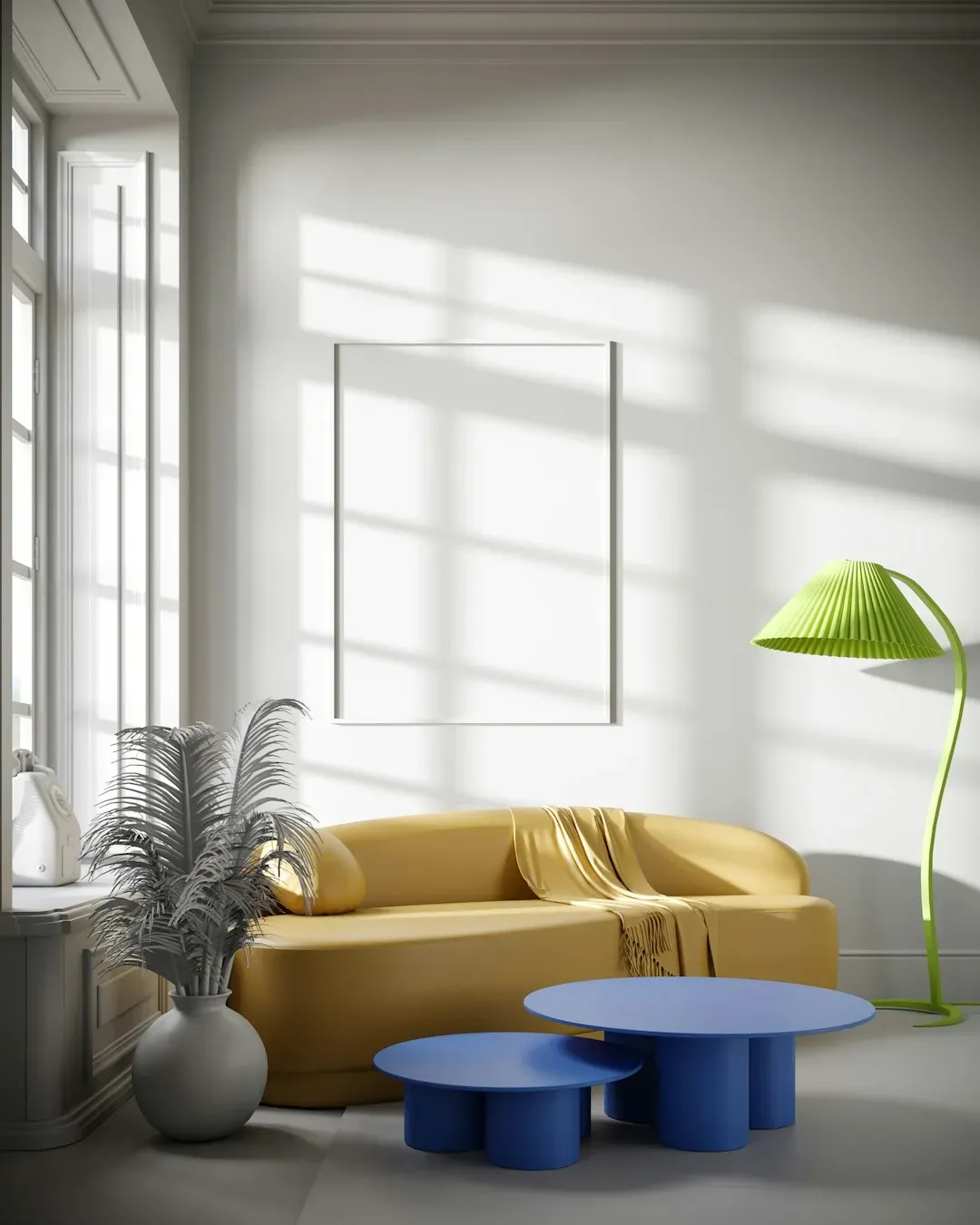
Every boomer home has that room where the kids can’t hang out, and it seems to be a shrine to unused furniture and decorative knick-knacks. The formal dining room and sitting room are trends going out of style, and rightfully so. A room that only gets used a few times a year seems like a waste of space, and homeowners today would rather have a playroom, craft room, or designated workspace.
Younger generations are not interested in fancy living rooms and decorative furniture because they’re more concerned with finding furniture that people actually want to use. They’d prefer to make their living space comfortable for guests and have a dining room table with enough seats for fun social gatherings, rather than filling their space with things they worry will go unused. For Gen Z especially, a room that exists only to impress guests who rarely come feels like a small but persistent source of tension.
2. Displaying Doilies and Layered Decorative Textiles
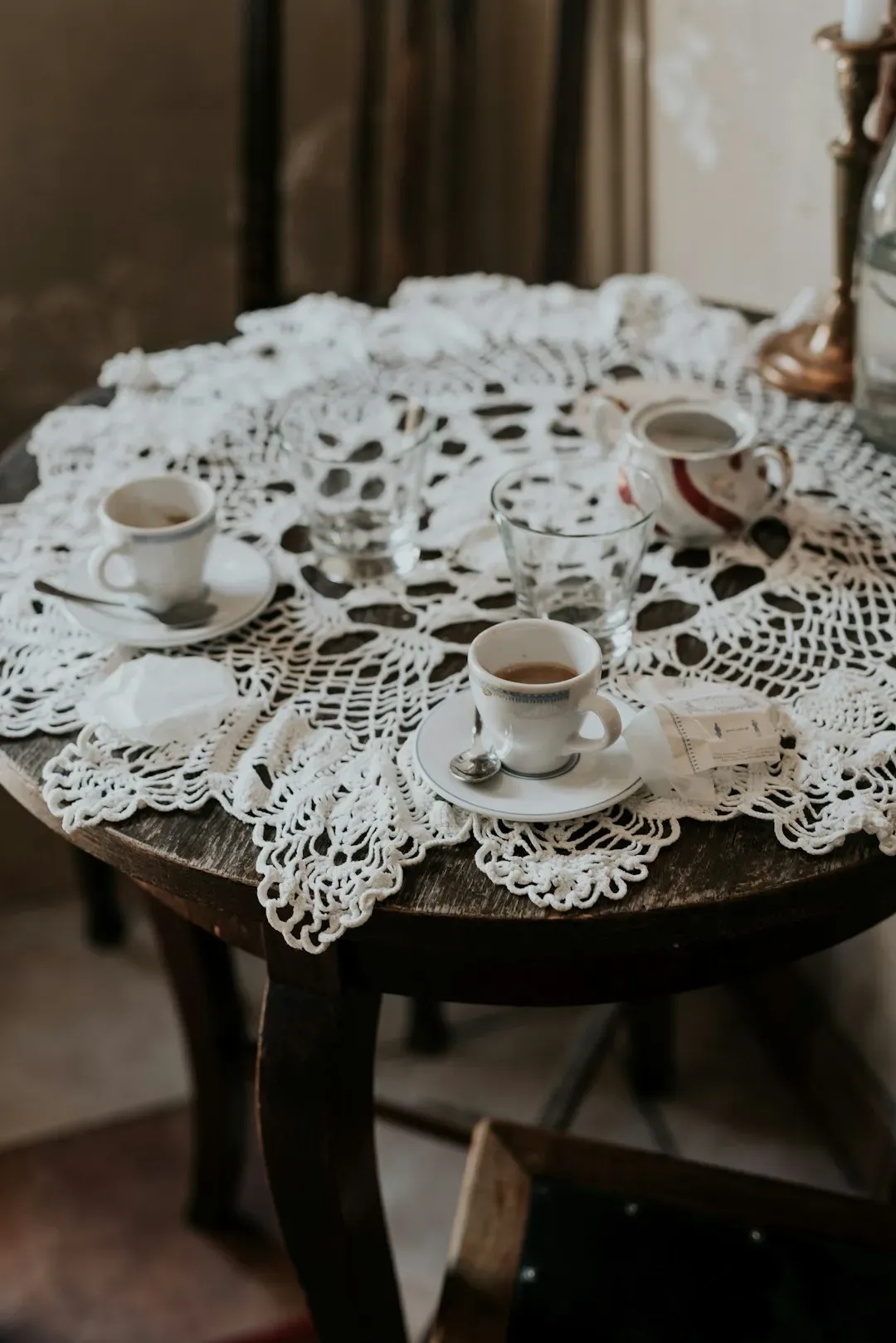
Nothing signals “Boomer home” quite like surfaces covered in smaller, decorative surfaces. Doilies under lamps, runners on tables, placemats under placemats – it’s textiles all the way down. Each piece carefully chosen, regularly laundered, and mysteriously essential to proper home presentation.
According to design researchers, layering protective fabrics was less about style and more about maintaining order. A pristine, perfect living room meant you were respectable, disciplined, even a little aspirational. Historically, antimacassars and doilies served a practical purpose, protecting upholstery from oil and wear, while also signifying that the household cared enough to keep surfaces pristine. Life today leans toward ease and authenticity. People want homes that feel lived in, not staged. That shift alone makes the delicate doily feel fussy.
3. The China Cabinet Filled With Things Nobody Touches
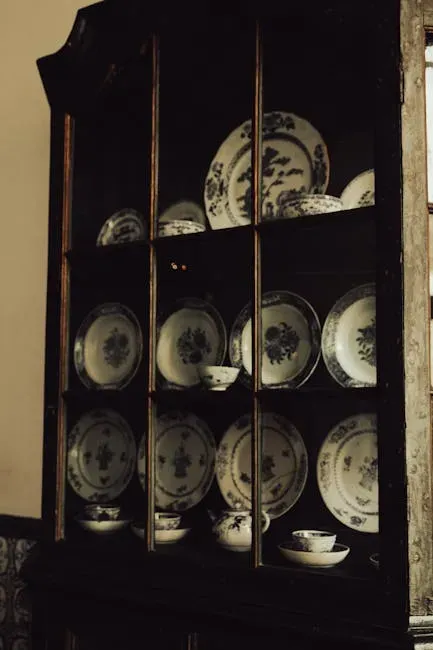
China cabinets were once the crown jewel of a “grown-up” living room, a symbol of hospitality and tradition. Rows of gleaming porcelain, crystal goblets, maybe even a silver tea set or two. Here’s the twist: most of it was never touched. The china cabinet became less about function and more about display.
How many of us really want to take over grandma’s collection of dolls or plates when we have no interest in collecting ourselves? How many people have homes filled with furniture we actually like, only to be offered antiques and heirlooms that we have neither the desire nor room for? What about china sets, artwork, and other things our elders have loved that they want to see passed down in the family that no one really wants? The chasm between sentimental value and practical reality is particularly wide here.
4. Keeping a Landline Phone on Its Own Dedicated Table
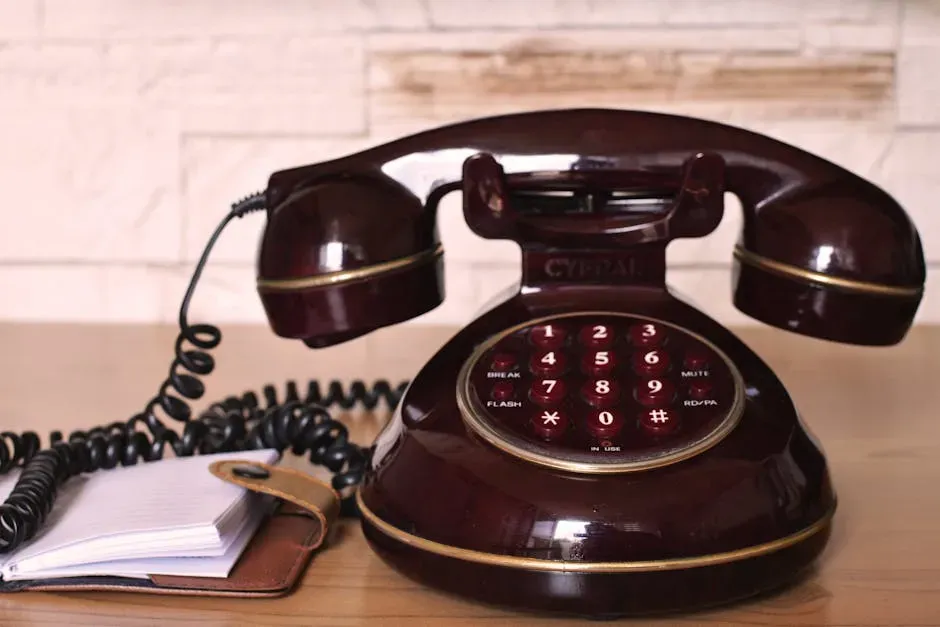
Phones tethered to the wall and connected with cords were reliable, always charged by the house, working even when mobile batteries died. Boomers often value that dependability. Even though cell phones and cordless phones dominate now, many homes still have at least one corded landline. They serve as backup, memory, or just a habit. Tossing them can feel like breaking a tie to structure or security, even as younger generations find them bulky or outdated.
The landline represents a broader generational split about redundancy versus efficiency. Why pay for two phone services when one works everywhere? Why dedicate furniture to a device that fits in your pocket? For most millennials and Gen Z, this isn’t even a close call. Their smartphone is their only phone, their clock, their camera, and their computer, all at once.
5. Hoarding Paper Documents and Physical Filing Cabinets

Boomers maintain filing systems that would impress mid-century FBI agents. Tax returns from 1987, instruction manuals for appliances long dead, warranty cards for items that couldn’t possibly still be under warranty – all carefully organized in hanging folders with typed labels. Gen Z looks at filing cabinets and sees expensive furniture for storing things that live better in the cloud.
Receipts, warranties, and purchase proofs often get saved in folders, envelopes, or laminated files. Boomers were taught that keeping purchase documentation was responsible for returns, taxes, or insurance. Even though many receipts are now digital, paper ones still accumulate. Younger generations may discard more aggressively, trusting in emails, screenshots, or purely digital backups. For Boomers, tossing receipts feels risky. It’s a genuine clash between two entirely different definitions of what it means to be prepared.
6. Matching Furniture Sets Treated Like Heirlooms
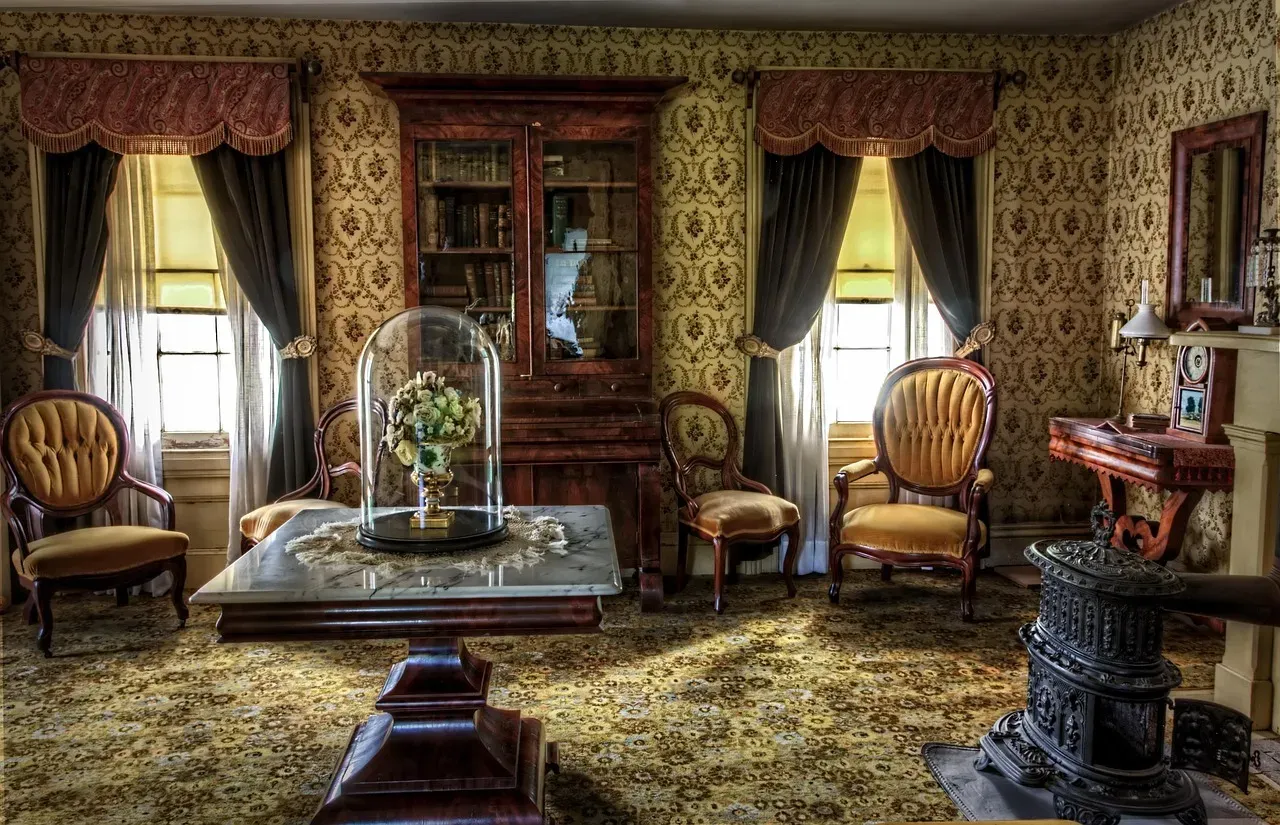
One thing that you’ll find in many baby boomer homes is matching furniture sets that they have invested in and collected over time. Boomers treat their furniture sets like precious heirlooms that need to be taken care of. For them, it represents tradition, order, and a sense of completeness. Many were taught that buying an entire matching set was a sign of good taste and financial stability.
For boomers, a matching living room set wasn’t just an economical consideration. Buying all the furniture at once often meant savings but was also a sign of maturity. Younger people tend to build their spaces gradually and eclectically, mixing thrifted pieces with new ones and treating their home as a living work-in-progress rather than a complete, permanent statement.
7. Saving “Good” Items for Special Occasions That Never Come

Many baby boomers purchase nice things and status symbols as a means of rewarding their hard work, yet don’t end up using the things they buy, whether it’s nice candles, designer purses, or even fancy cars. They wait for a special day or use these items as decorations, rather than finding small and casual moments to incorporate them into their daily lives.
There’s something quietly melancholy about unused candles that are still in their wrappers years after being gifted, or guest towels that have never touched a guest’s hands. This disconnect isn’t just about different tastes. It represents a fundamental reimagining of what “home” means, shaped by economic realities, environmental consciousness, and radically different relationships with both physical space and social life. Younger generations largely share the view that things should be used and enjoyed now, not saved for a hypothetical future occasion.
8. Relying on Strong Artificial Scents Throughout the Home
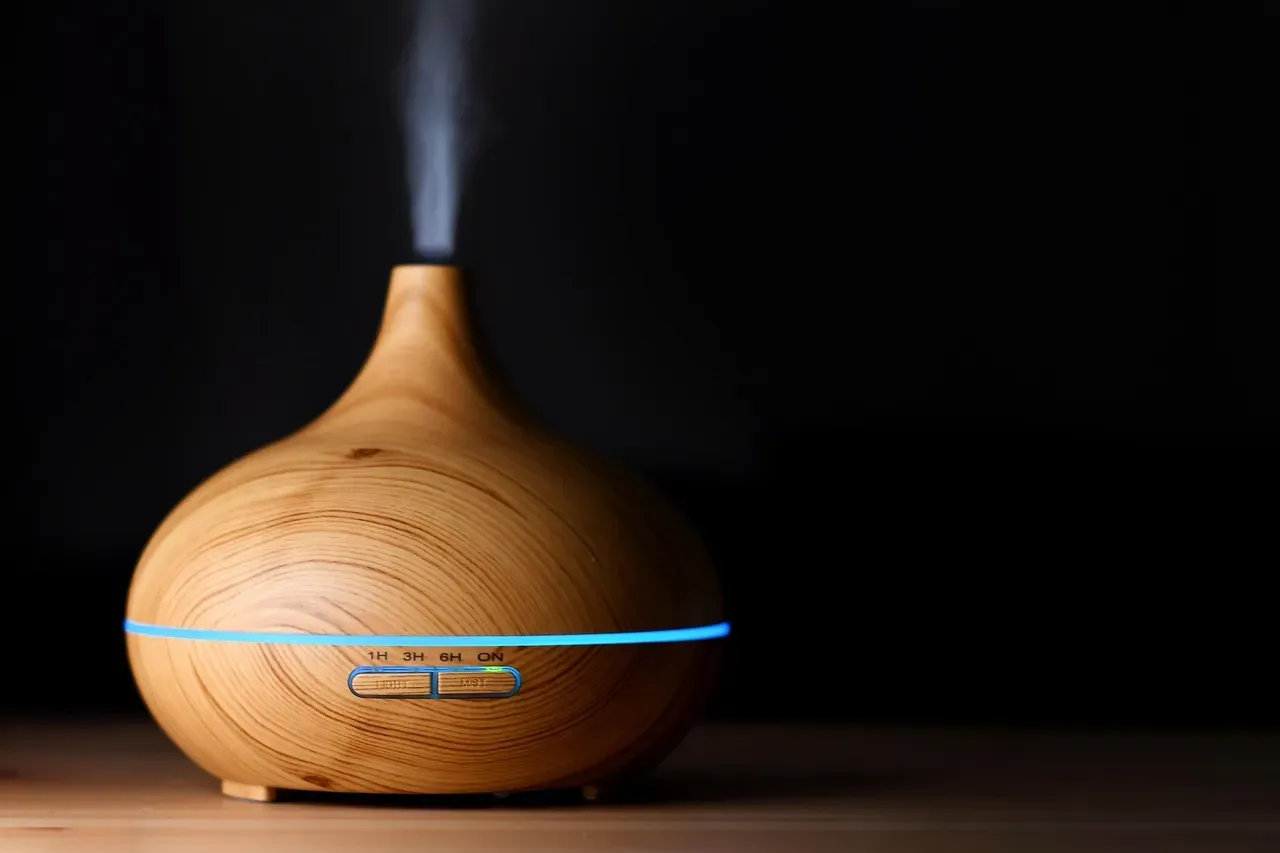
For many boomers, a scented home equals hospitality. For many younger adults, strong perfumed plug-ins feel like a headache waiting to happen. The shift is not away from scent altogether. It is toward transparency and air quality. People are choosing candles made with cleaner waxes, essential oil diffusers with clear labeling, and the radical option of opening a window.
Heavy air fresheners and synthetic plug-in fragrances are a particular sticking point. Millennials and Gen Z have grown up in an era with greater awareness of indoor air quality and sensitivity to synthetic compounds. The boomer instinct to make a home smell welcoming reads, to many younger visitors, as a chemical assault rather than a warm greeting. It’s a small thing, but it registers immediately upon walking through the door.
9. Wall-to-Wall Motivational Quotes and Generic Sign Decor
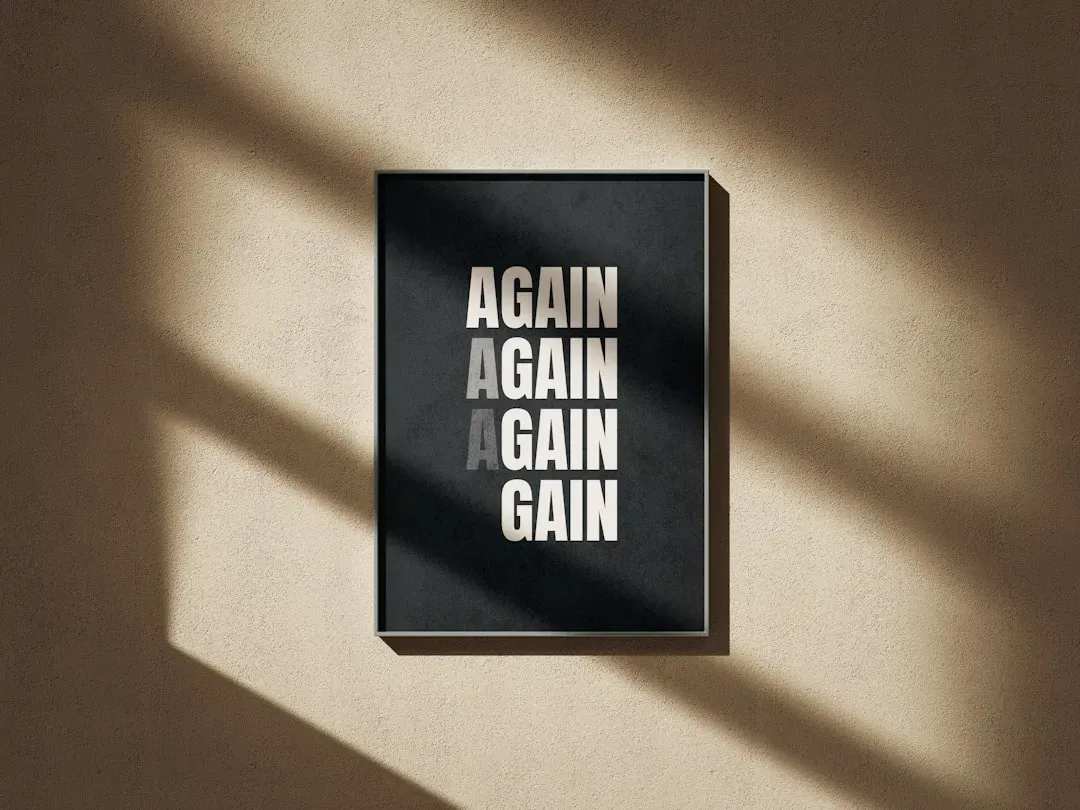
From a decorative towel with “Live, Laugh, Love” to welcome mats with “Wipe Your Paws” on them, if there’s one thing that symbolizes a baby boomer’s living space, it’s the presence of generic inspirational quotes. Alongside numerous family photos and sentimental items, there will almost always be a HomeGoods frame with a quote that’s equally overused and underwhelming.
Younger generations tend to favor minimalist design, digital alternatives, and decluttering. Boomers often resist tossing out what is familiar, partly out of nostalgia and partly out of habit. These items may not get much use anymore, yet they linger in homes because they represent a connection to the past. Gen Z in particular tends to find motivational sign culture cringeworthy, preferring spaces that feel personal and considered over ones that feel like a lifestyle brand showroom. It’s less about rejecting warmth and more about wanting authenticity instead of slogans.
None of these habits are wrong in any absolute sense. Many of them made perfect practical and social sense in the era that shaped them. What they reveal, more than anything, is that each generation inherits a set of unspoken rules about what a “proper home” looks like, and then quietly rewrites those rules for itself. The tension younger generations feel in a boomer home isn’t really about doilies or china cabinets. It’s the slight discomfort of stepping into someone else’s idea of how life ought to be arranged.



Leave a Reply