
Most of us have been there: leftovers in the fridge, a busy evening ahead, and a microwave ready to handle dinner in two minutes flat. It feels like a smart, thrifty move. For many foods, it genuinely is. For others, though, the second round of heat can quietly change what’s on your plate in ways that range from unpleasant to genuinely risky.
The science behind reheating isn’t complicated, but it’s easy to overlook. Bacteria, protein structures, and naturally occurring compounds in food can all behave very differently once heat is applied a second time. What follows are nine foods where the risks are real enough to warrant a second thought before reaching for that reheat button.
1. Rice
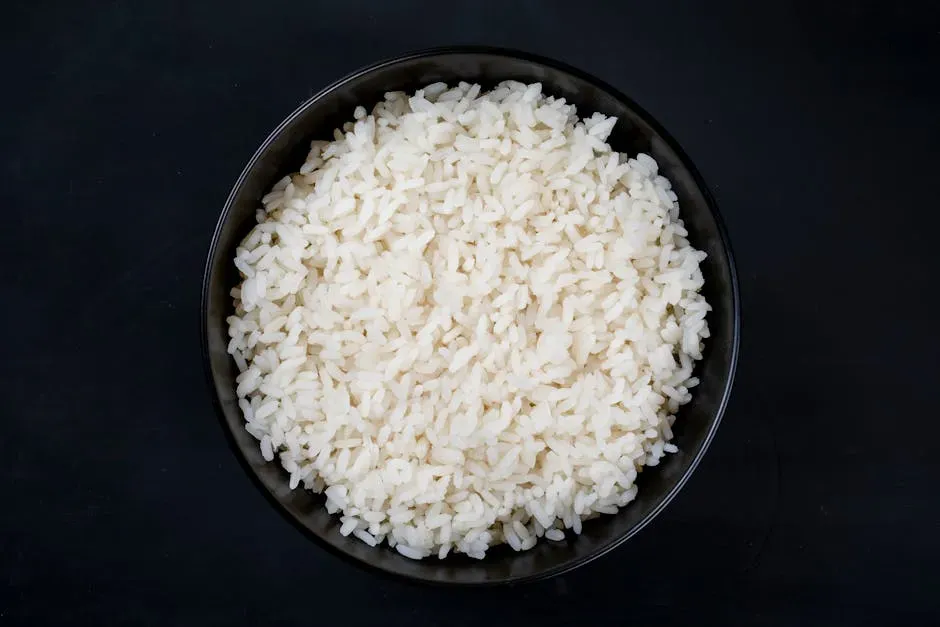
Cooked rice contains Bacillus cereus when it cools down, which can make you quite sick, with symptoms including vomiting, diarrhea, and stomach cramps. Once rice is cooked and cooled, it can harbor Bacillus cereus, a spore-forming bacteria typically found in soil and vegetables that can resist heat. Reheating does not eliminate the risk of contracting this bacteria.
Reheated rice can cause food poisoning no matter how carefully you reheat your leftovers. In fact, the nasty symptoms that can follow eating it have even gained the name “reheated rice syndrome.” Within two hours of cooking food, leftovers must be refrigerated to keep those spore counts from climbing into dangerous territory. The safest approach is to cook only what you plan to eat in one sitting.
2. Chicken
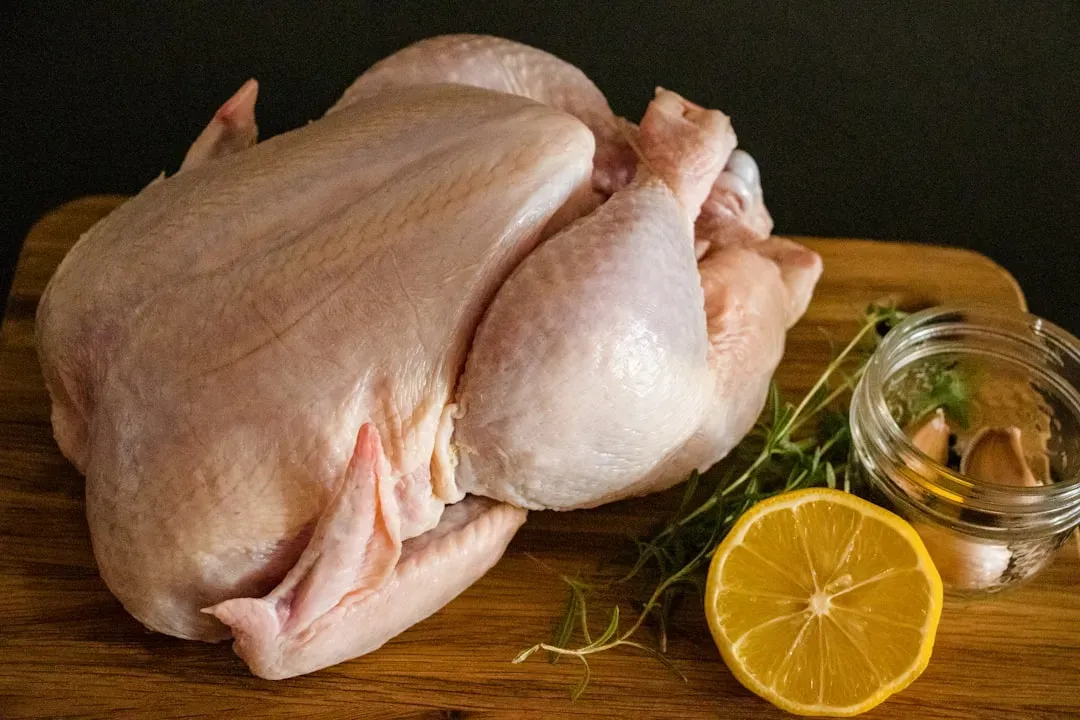
Microwaves heat from the outside in instead of the inside out, meaning bacteria-prone reheated foods will have a higher risk of causing sickness when bacterial cells survive. Chicken, which is at risk of salmonella contamination, is a particularly dangerous food to microwave. According to the Centers for Disease Control, salmonella is the number one culprit when it comes to foodborne illnesses, and chicken is one of the main carriers.
Chicken has a high protein content that changes its structure when reheated, making it harder to digest. If not reheated evenly, bacteria like Salmonella can survive, potentially causing foodborne illness. If you must reheat chicken, ensure it’s heated to an internal temperature of at least 165°F (74°C) to kill any bacteria. Stovetop reheating with even, sustained heat is generally safer than a quick spin in the microwave.
3. Eggs

Eggs shouldn’t be reheated under any circumstances. They’re enjoyed globally for their convenience and health benefits, but doing so leads to the proteins being oxidized, which could lead to the presence of cancer-causing agents in the food. Eggs are highly nutritious but can become problematic when reheated. Reheating scrambled or boiled eggs can cause them to release sulfur compounds, which may lead to stomach upset.
When a hard-boiled egg is cooked in a microwave, the moisture inside creates an extreme steam buildup, like a miniature pressure cooker, to the point where the egg can explode. Even scarier, the egg may burst after it’s been heated, which means the scalding hot egg can erupt in your hand, on your plate, or even in your mouth. Cooking eggs fresh takes only minutes, and the difference in safety and taste makes it well worth the small effort.
4. Spinach
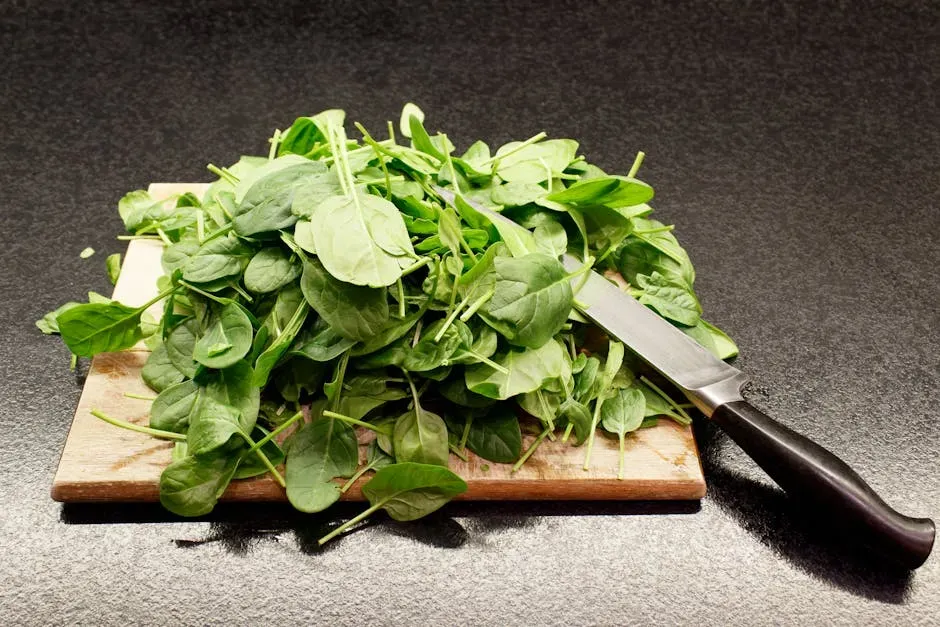
Fresh spinach contains high levels of nitrates which, when reheated, convert to nitrites and potentially harmful nitrosamines, compounds linked to cancer risks. The transformation happens when spinach is exposed to heat multiple times or left sitting at room temperature too long. Spinach is high in nitrates and, under the right circumstances, nitrates form nitrosamines, a chemical known to increase cancer risk. Higher nitrate levels have also been connected to increased risk of kidney stones.
A study published in the scholarly journal Foods recommends not storing boiled spinach for more than 12 hours at room temperature, if you want to avoid a “direct nitrate safety risk” and adverse health effects. Spinach leaves are also susceptible to listeria, a bacteria often responsible for foodborne illness. If spinach has not been properly heated, the bacteria can survive and cause symptoms such as fever, flu-like symptoms, headache, stiff neck, and confusion. Eating leftover spinach cold in a salad is genuinely the smarter move.
5. Mushrooms
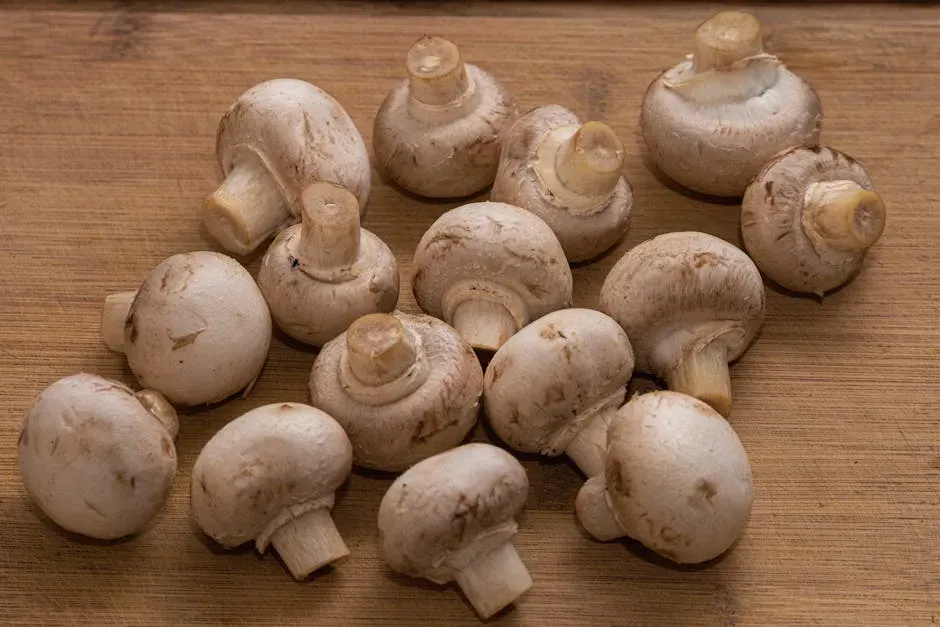
Reheating mushrooms can not only make them soggy but also make them lose important proteins and nutrients. Similarly to eggs, when proteins are oxidized, they can become carcinogenic. Mushrooms are rich in proteins, but reheating them causes the proteins to break down and release toxins. This can lead to digestive issues like stomach upset, and in severe cases, heart complications.
Mushrooms are delicate and require careful handling. Reheating them in the microwave can make their texture slimy and their flavor bland. You may experience stomach ache or other digestive issues if mushrooms are left at room temperature. If you’ve cooked more than you need, mushrooms are one of those ingredients where eating them at room temperature the same day is genuinely the better option.
6. Potatoes
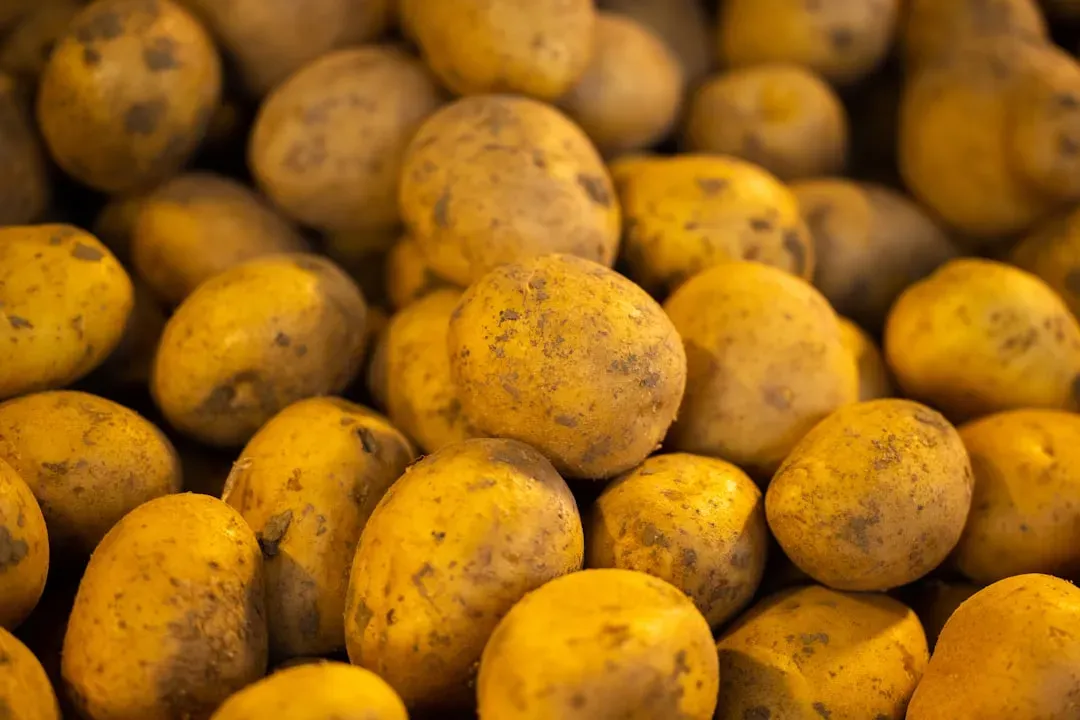
Potatoes should never be left at room temperature. When stored improperly, they can promote the growth of Clostridium botulinum, a bacterium that causes botulism, which can lead to paralysis or even death. Leftover potatoes can be a breeding ground for Clostridium botulinum. This risk increases when cooked potatoes are stored in foil and left at room temperature.
Reheating leftover potatoes in the microwave can be risky. If they’ve been left out too long before refrigeration, they can develop botulism, a rare but serious illness. The critical window is those first two hours after cooking. Potatoes that go straight into the fridge in an open container carry considerably less risk, though the general rule of thumb is still to consume them the same day whenever possible.
7. Processed Meats

Processed meats often contain chemicals and preservatives that extend their shelf lives. Unfortunately, microwaving them can make those substances worse for your health. In microwaving processed meats, we might unknowingly be exposed to chemical changes such as oxidized cholesterol. A study in the journal Food Control suggests that reheating processed meats with a burst of microwave radiation contributes to the formation of cholesterol oxidation products (COPs), which have been linked to the development of coronary disease.
Things like hot dogs or deli meats can develop some problematic chemicals if you microwave them. These foods have preservatives that can turn carcinogenic under the intense heat of a microwave. Processed meats contain preservatives that can produce carcinogenic compounds when exposed to high heat. Additionally, reheating increases the risk of bacterial growth. For cold cuts and deli meats specifically, serving them as-is or in a sandwich at room temperature is the far safer and arguably tastier choice.
8. Seafood

Seafood is delicate and should not be reheated carelessly. When reheated, the proteins in fish and shellfish degrade, leading to a loss of flavor and texture. Additionally, histamines can form during reheating, which can cause food poisoning symptoms such as nausea and vomiting. Reheating fish can alter its flavor, texture, and nutrient composition. Some types of fish can release histamines, which can cause allergic reactions or food poisoning.
Reheating fish or shellfish in the microwave can be disastrous. It can spread an unpleasant smell, dry out the seafood, and ruin its flavor. Additionally, uneven heating increases the risk of food poisoning. You really want to eat seafood within 24 hours after cooking, or you could experience unpleasant symptoms such as diarrhea and vomiting. If you do need to reheat fish, doing so gently in an oven at low temperature with a bit of added moisture is your best option.
9. Nitrate-Rich Vegetables (Celery, Carrots, and Beets)
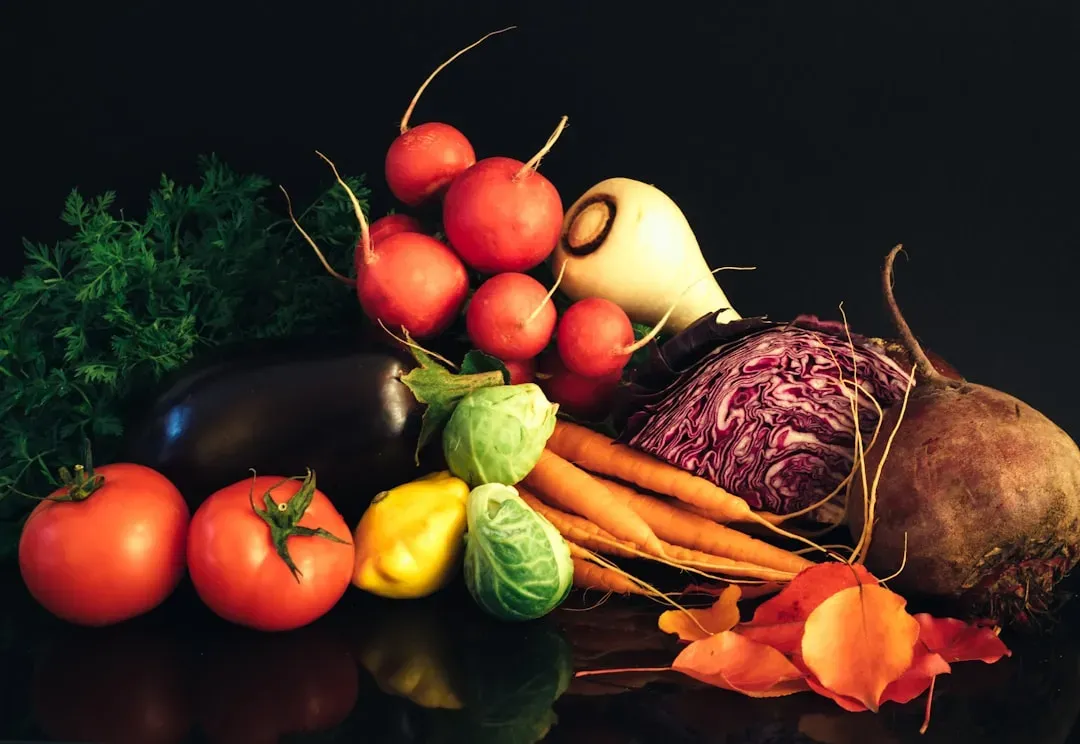
Spinach and celery are both commonly used in soups and are rich in nitrates. When you reheat a soup containing these ingredients, the nitrates present are converted to nitrites. Nitrite is carcinogenic in nature and is toxic to the body. Like spinach, beets are high in nitrates, which can become harmful when reheated. These nitrates can convert into nitrites and then into nitrosamines, which are compounds that may be carcinogenic. While the risk is relatively low for healthy adults, it’s still something to be aware of. Reheating beet-based soups or sides repeatedly increases the risk.
Carrots, like beets, contain nitrates that convert into nitrites when reheated. While fresh carrots are nutritious, reheating them can result in a loss of nutrients and potential toxicity. Celery and carrots are common ingredients in soups and stews, but they also contain nitrates. When reheated multiple times, these nitrates can break down into nitrites and form harmful compounds. This is especially risky when soups are stored improperly or reheated several times. If you’re making a big pot of soup, consider pulling out the vegetable-heavy portions before reheating and adding them fresh at serving time.
The common thread running through all nine of these foods is that heat, time, and storage conditions interact in ways that aren’t always visible. A dish can look and smell perfectly fine while carrying a bacterial load or a chemical change that your senses simply can’t detect. That’s what makes this worth knowing. The fix is rarely complicated: store food quickly, refrigerate promptly, and when in doubt, fresh beats reheated every single time.




Leave a Reply