
Most of us think of the grocery store as a fairly straightforward errand. You go in, grab what you need, and head home. But over time, the small decisions we make inside those aisles quietly add up. Grocery prices have increased by roughly twenty percent over the past four years, and shoppers feel it in their wallets. When you stack that reality on top of habitual shopping patterns that work against your budget, the gap between what you intend to spend and what you actually spend grows wider with every trip.
The habits below aren’t dramatic mistakes. They’re the kind of ordinary, comfortable routines that feel harmless in the moment but compound across dozens of shopping trips each year. Recognizing them doesn’t require a complete overhaul of your lifestyle. It just takes a little awareness of how grocery stores work and how our own impulses can be used against us.
1. Shopping Without a List
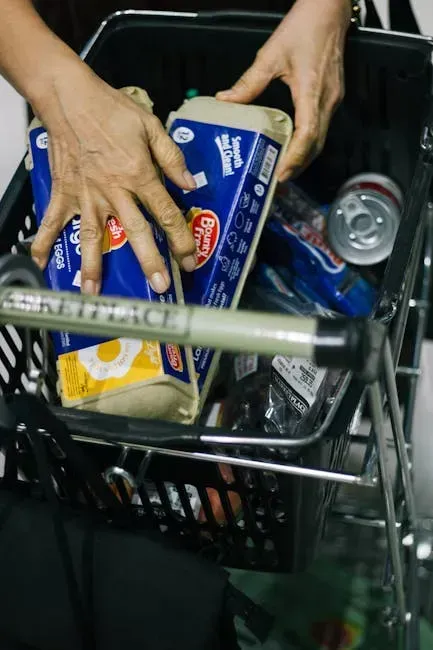
Walking into a grocery store without a list often leads to impulsive purchases that quickly inflate the final bill. Supermarkets are carefully designed to encourage browsing, placing appealing items at eye level and near checkout areas. Without a plan to anchor your trip, every colorful display and strategically placed product becomes a potential detour.
A shopping list functions as a concrete action plan and has been shown to decrease both the number of items purchased and the total amount spent. Those who made a shopping list before a grocery trip bought significantly fewer items during the actual shopping experience. It sounds obvious, but shopping without a list can be stressful as you try to remember what you need while navigating the store, and you often get through checkout to find you spent far more than you intended.
2. Shopping on an Empty Stomach

Heading to the grocery store on an empty stomach can dramatically influence buying decisions. Research consistently shows that hunger increases impulsive behavior, making shoppers more likely to add unnecessary snacks, sweets, and convenience foods to their carts. When people feel hungry, the brain prioritizes immediate satisfaction rather than long-term budgeting.
Shoppers who reported being hungry spent around sixty-four percent more money and bought more non-food items than the store’s less hungry customers. This was true even after accounting for factors such as mood and length of time spent in the store. A small snack before you shop is one of the simplest, most well-supported ways to protect your grocery budget.
3. Defaulting to Name Brands Without Comparing
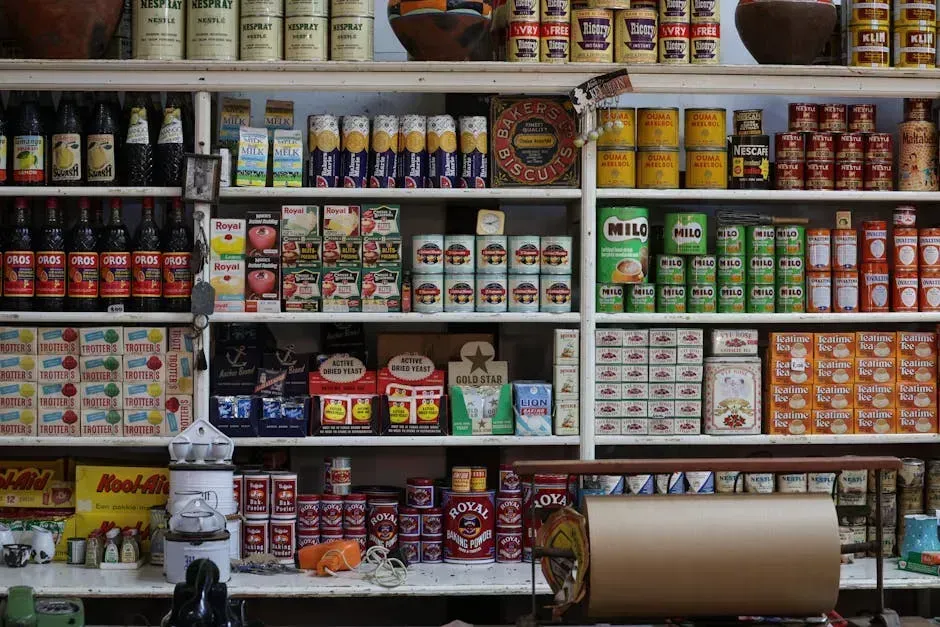
Many shoppers instinctively reach for familiar national brands, assuming they guarantee better quality. It’s a deeply ingrained reflex, partly built by decades of advertising. The cost of that habit, though, is real. Making the swap to generic brand items could reduce your spending significantly, as most generic products are roughly forty percent cheaper on average than their name brand counterparts. Some estimates place savings at around five hundred dollars a year on dinner ingredient shopping alone.
There is substantial evidence suggesting that the same manufacturers often produce both the brand-name products and the store-brand products. Store brands almost always cost less and often taste the same, though they aren’t a better value if you end up tossing the food due to taste or quality. The smart move is to trial store brands category by category, rather than swapping everything at once.
4. Falling for Eye-Level Shelf Placement
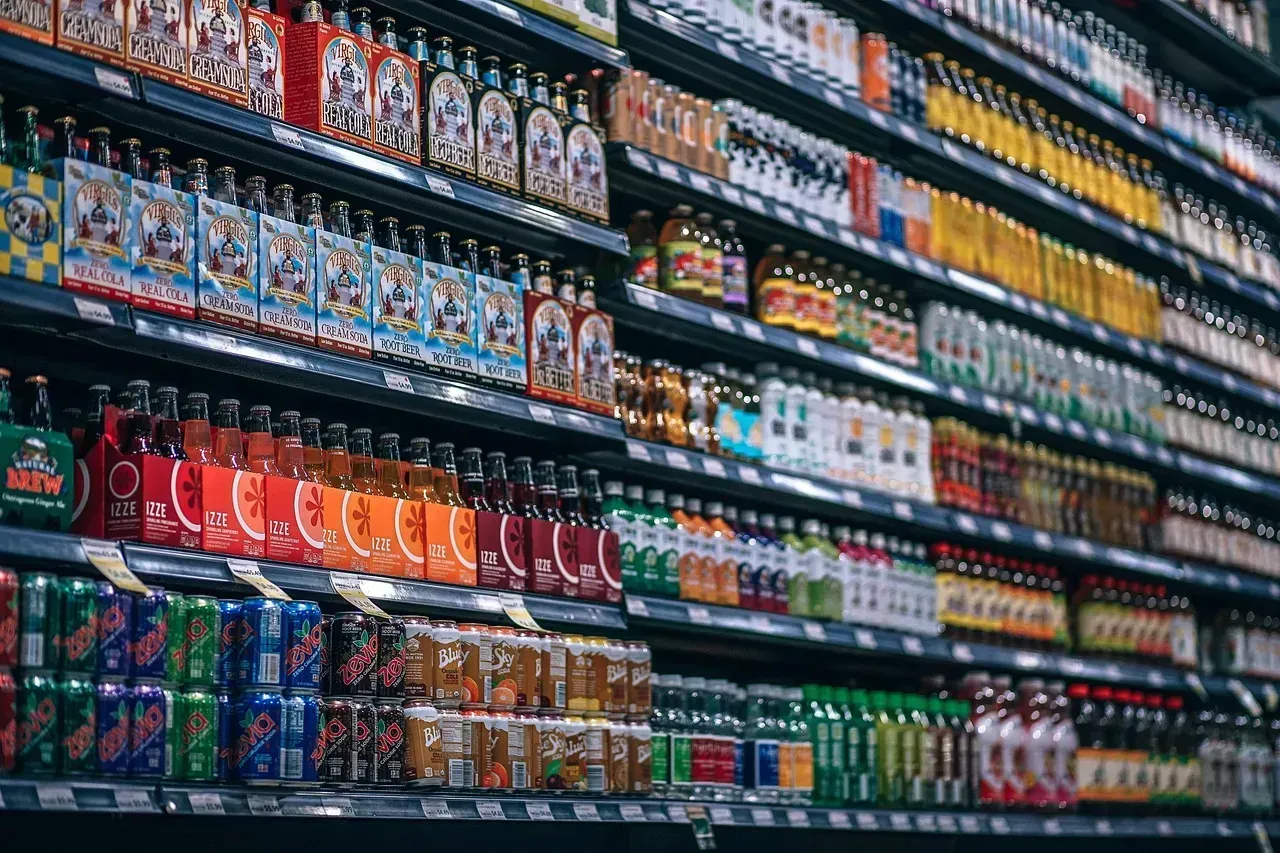
Within grocery store shelf plans, the phrase commonly used is “eye level is buy level,” indicating that products positioned at eye level are likely to sell better. The more expensive options are at eye level or just below, while store brands are placed higher or lower on the shelves. It’s not accidental. Retailers prioritize high-value products on those premium shelves to drive maximum profitability per square foot, often charging brands substantial fees for those high-visibility locations.
Items at eye level generally sell roughly thirty to thirty-five percent more because they receive more natural visibility and require less effort to locate. Simply training yourself to look up and down the shelf before grabbing the most visible option can make a measurable difference over time. The better deal is often just a few inches away.
5. Ignoring Unit Prices
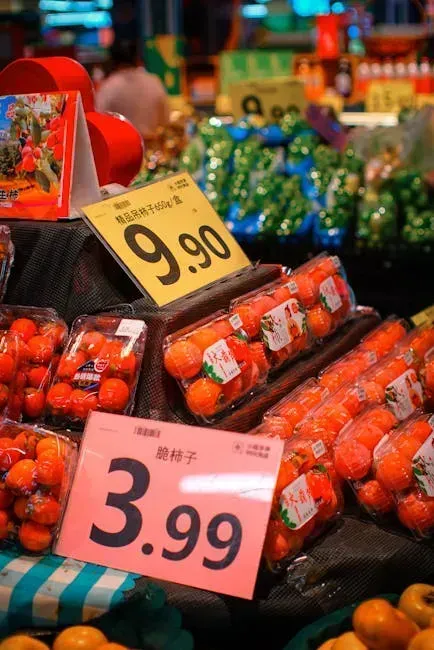
Most grocery shelves display a small label showing the unit price, typically the cost per ounce, pound, or liter. Many shoppers focus only on the main price printed on the package, overlooking this valuable comparison tool. Unit pricing reveals the true value of a product by standardizing costs across different package sizes and brands.
A larger package may appear cheaper, but its price per ounce could actually be higher than a smaller alternative. By ignoring this detail, shoppers often pay more without realizing it. This habit is especially costly when buying cleaning products, cereals, and beverages, where packaging sizes vary enormously between brands and sale items.
6. Getting Drawn In by Checkout Aisle Temptations
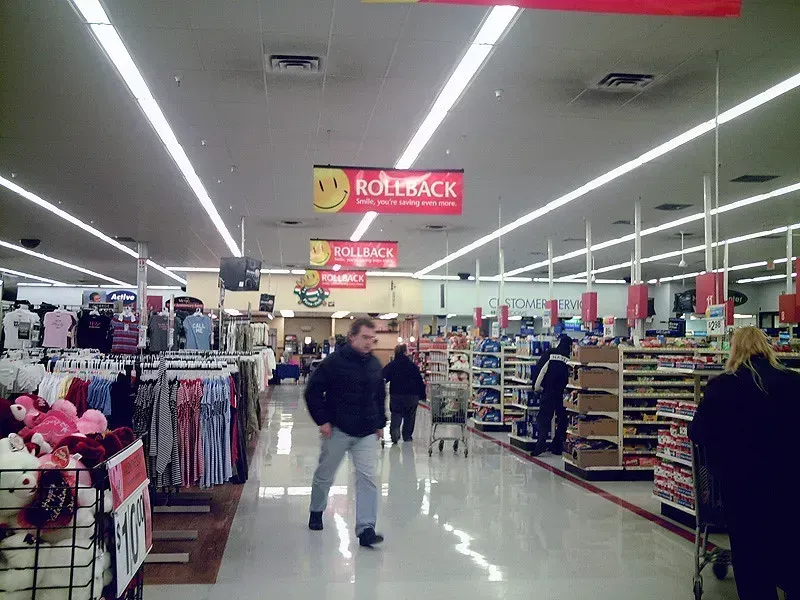
The checkout lane is one of the most carefully engineered areas in any grocery store. While it may appear to be a simple waiting space before payment, retailers design this section specifically to encourage impulse purchases during the final moments of a shopping trip. Items such as candy bars, magazines, batteries, and small snacks are strategically placed within arm’s reach.
After spending time navigating the store, shoppers are often mentally tired and less focused on sticking strictly to their lists. This makes them more likely to grab small, inexpensive products while waiting in line. Those small items feel inconsequential in isolation, but studies show that over half of impulse purchases happen at checkout zones due to supermarket product positioning tactics.
7. Buying Pre-Cut and Pre-Packaged Produce
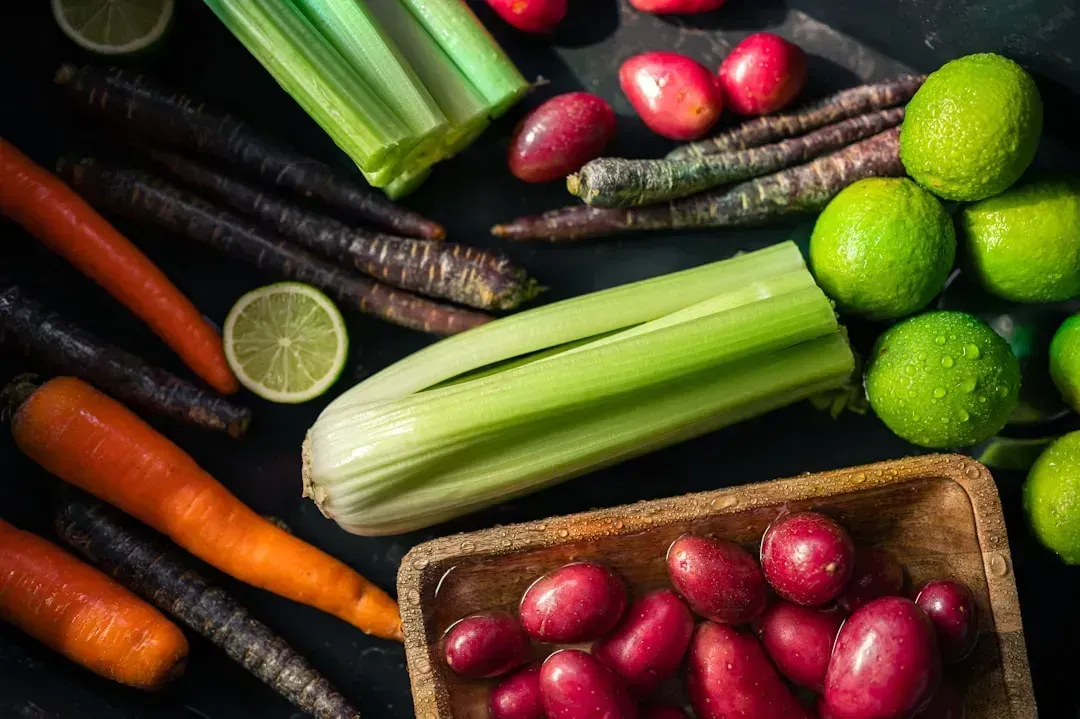
Pre-cut fruits and vegetables offer convenience, but that convenience usually comes with a significant markup. Items like sliced pineapple, chopped onions, or packaged salad mixes often cost two to three times more than their whole counterparts. While they save a few minutes of preparation, the price difference adds up quickly over repeated grocery trips.
Packaging and processing contribute to the higher cost, since stores must pay for labor to wash, cut, and package the produce, and those expenses are passed directly to the shopper. Additionally, pre-cut produce tends to spoil faster because exposure to air accelerates deterioration. So not only do you pay a premium per ounce, but you also run a higher risk of throwing some of it away before you use it.
8. Misreading “Sale” Displays and Bulk Offers
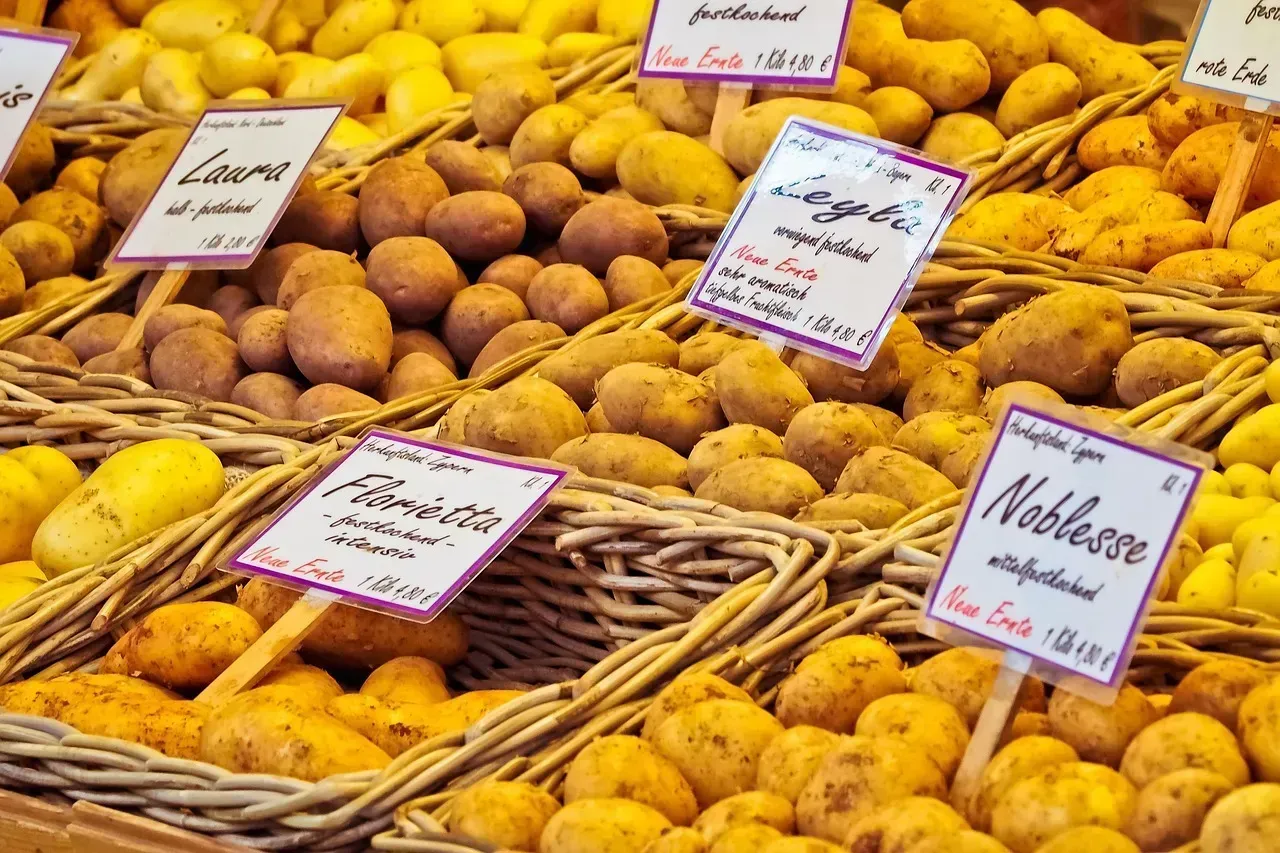
The ends of aisles often feature single items with colorful displays, but these displays don’t necessarily signal a sale price. The store may simply be promoting a new item as part of a marketing agreement between a grocer and a brand, or it may be an overstocked item they’re trying to clear out. The visual cues of a special display make many shoppers assume they’re getting a deal when they may not be.
Another common pricing strategy is “high-low pricing,” where stores fluctuate item prices. The price is raised higher than usual and then put on “sale,” which is often the original price or slightly lower. This creates a sense of urgency, as if it’s a deal that’s too good to miss, encouraging impulsive buying. Many stores also allow customers to buy a single item at the sale price, meaning extra items beyond that are unnecessary. Taking a moment to evaluate whether the quantity will realistically be used can prevent unnecessary spending disguised as a bargain.
9. Not Using Loyalty Programs Strategically
More than half of shoppers surveyed reported facing a higher grocery bill in recent years, and common measures to find relief include switching to private label items or using money-saving apps, each adopted by roughly a third of respondents. Yet many shoppers either skip loyalty programs entirely or sign up and never actually use the digital coupons and targeted discounts attached to them.
Grocery stores are increasingly leveraging sophisticated loyalty programs, offering personalized rewards, exclusive discounts, and tailored shopping experiences based on individual purchasing habits. Roughly two-thirds of shoppers report shopping during sales, and nearly sixty percent use coupons to save money. The key distinction is using these programs to reduce the cost of things already on your list, not as an excuse to buy items you weren’t planning to purchase. A coupon for something you don’t need isn’t savings. It’s just a different kind of impulse buy.
None of these habits are particularly hard to break. They’re just easy to overlook because they blend so naturally into the routine of shopping. The grocery store environment is designed by professionals who study how people move, look, and decide – and that expertise is aimed squarely at increasing your total spend. Knowing that, even a modest shift in how you prepare for and navigate a shopping trip can quietly put a meaningful amount of money back in your pocket over the course of a year.




Leave a Reply