
Eating out used to feel like a straightforward treat. You’d sit down, order what you wanted, and leave feeling like the price was fair for the experience you got. That calculation has quietly shifted. In 2024, food-away-from-home prices rose more than three times as fast as grocery prices, with restaurant costs climbing roughly four percent while food-at-home prices rose just over one percent. The math is harder to ignore than it used to be.
Seven in ten Americans still eat out at least once a month, but more than a third say they’re doing so less often than a year ago. Among lower-income households, that figure climbs even higher, underscoring how inflation continues to squeeze discretionary spending. The frustration isn’t really about restaurants themselves. It’s about specific habits, fees, and experiences that used to feel normal but now feel like poor value. Here are nine of them.
Paying Delivery App Markups on Top of Already Inflated Menu Prices
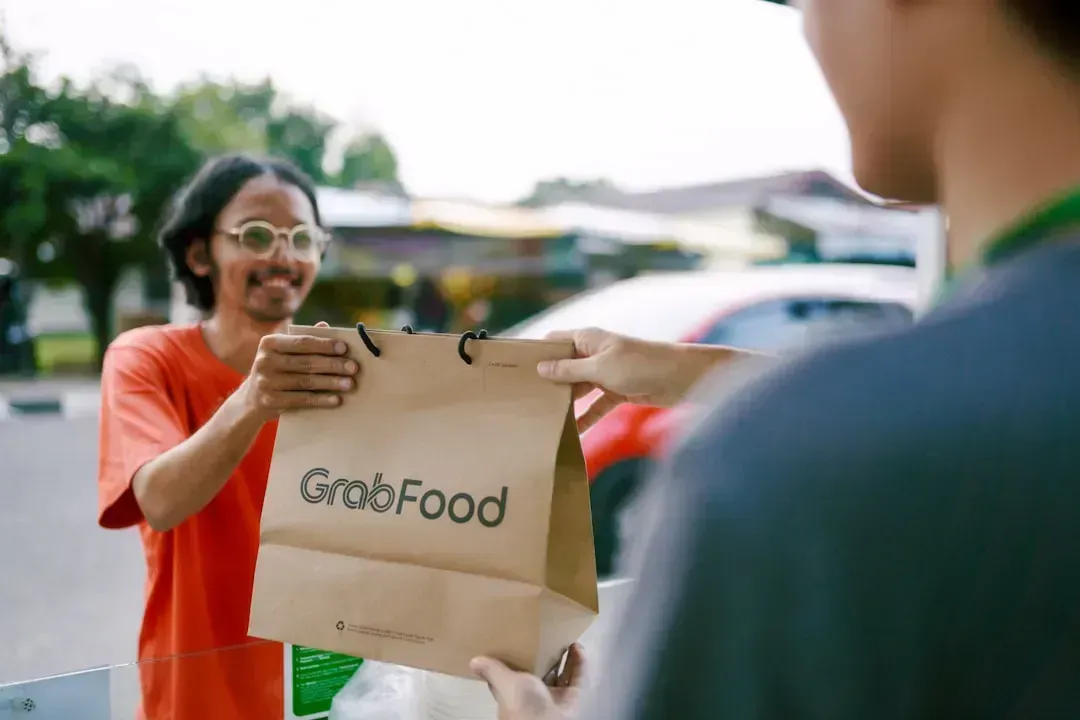
Research has found that delivery markups, including tip, can run roughly sixty-nine percent over the base menu price on major platforms like Uber Eats, with even higher markups reported on other services. That’s not a small premium for the convenience of staying home. When you add delivery fees, service charges, and the expected tip on top of menu prices that have already risen sharply, a casual weeknight dinner becomes a surprisingly expensive decision.
A 2024 DoorDash study found that in a typical month, about seventy percent of U.S. consumers order food for delivery, seventy percent pick up takeout, and sixty-eight percent dine at a restaurant, suggesting that a majority of people are doing all three in any given month. The habit is deeply embedded. Still, more Americans are doing the math on delivery and deciding it simply doesn’t add up anymore.
Navigating QR Code Menus Instead of Printed Ones
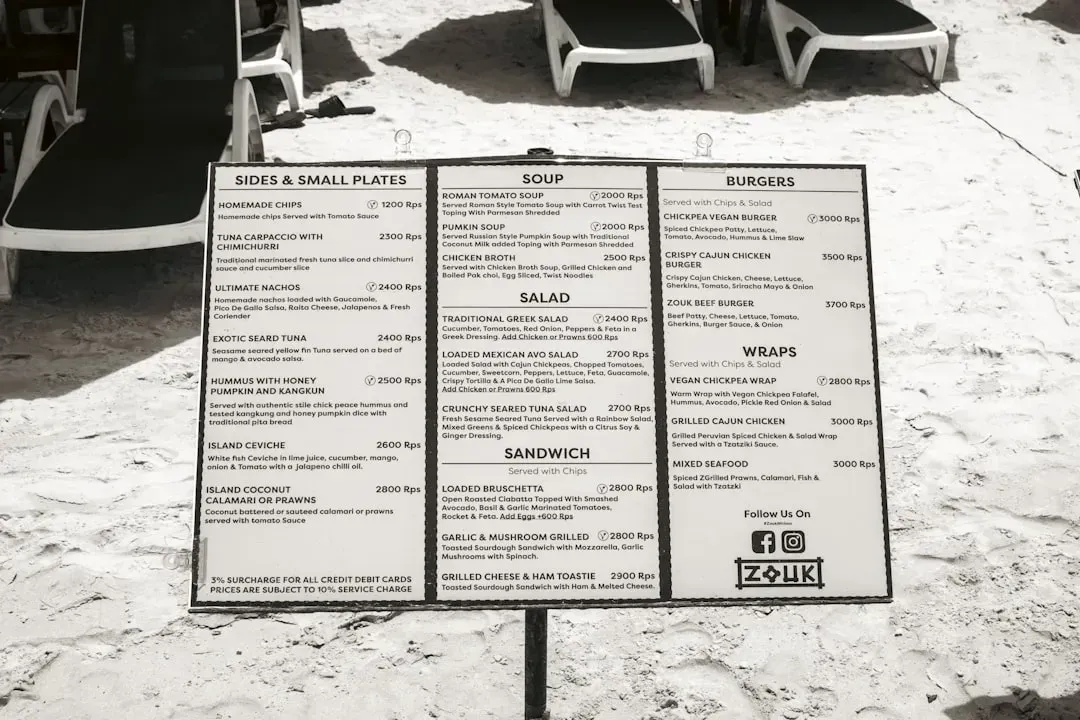
Diners’ dislike of QR codes is growing across all generational segments, with ninety percent of U.S. diners preferring print menus over QR codes in 2024, up from seventy-four percent in 2023. The preference is nearly universal, with ninety-five percent of Baby Boomers and even ninety percent of Gen Z preferring physical menus. That breadth of feeling across very different generations says a lot.
Restaurants adopted QR codes widely during the 2020 pandemic as a hygiene measure, and many kept them as a cost-saving tool. The problem is that most diners find them clunky, impersonal, and dependent on a reliable phone signal. Ultimately, atmosphere, service, and food quality carry more weight than technological convenience for most diners. Handing someone a phone screen where a menu used to be doesn’t signal hospitality. It signals that someone cut a corner.
Tipping at the Counter for Minimal Service
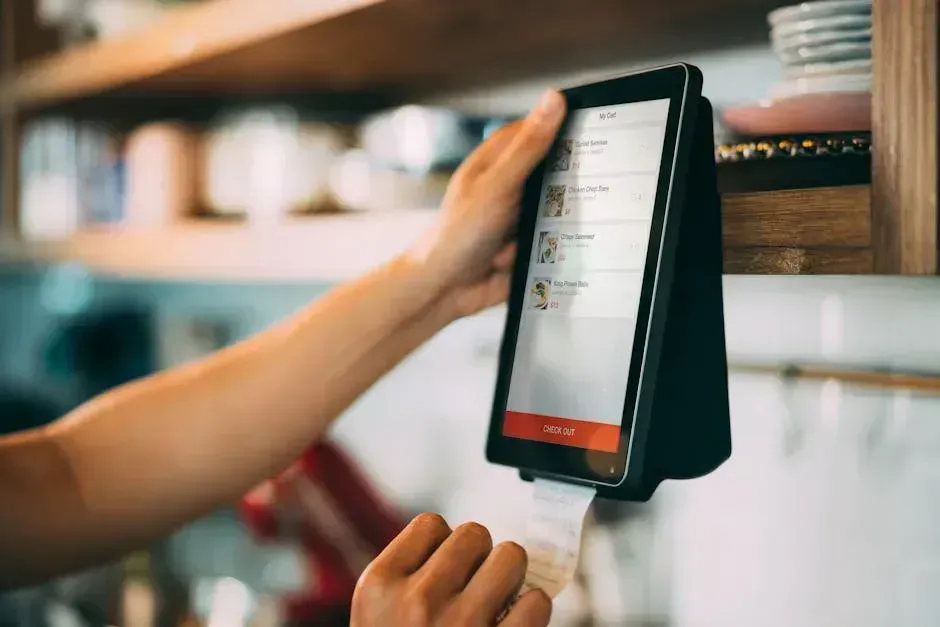
A recent WalletHub survey found that tipping fatigue is at an all-time high, with the vast majority of Americans now saying tipping culture has spiraled out of control, up sharply from roughly three-quarters who felt that way just a year earlier. The flashpoint isn’t sit-down restaurants where a server brings food to the table, refills drinks, and checks back repeatedly. It’s the tip prompt that appears on a digital screen after someone hands you a pre-wrapped sandwich or swipes your credit card at a fast-casual counter.
Around two-thirds of consumers say they feel pressured to tip “sometimes” or “always” when presented with the digital option. The awkwardness of that moment, with an employee watching the screen, is something Americans are increasingly unwilling to budget for emotionally or financially. Over a quarter of consumers now use tip-required services less often, and nearly a quarter actively seek out businesses that don’t demand extra gratuity.
Paying Hidden Surcharges That Weren’t on the Menu
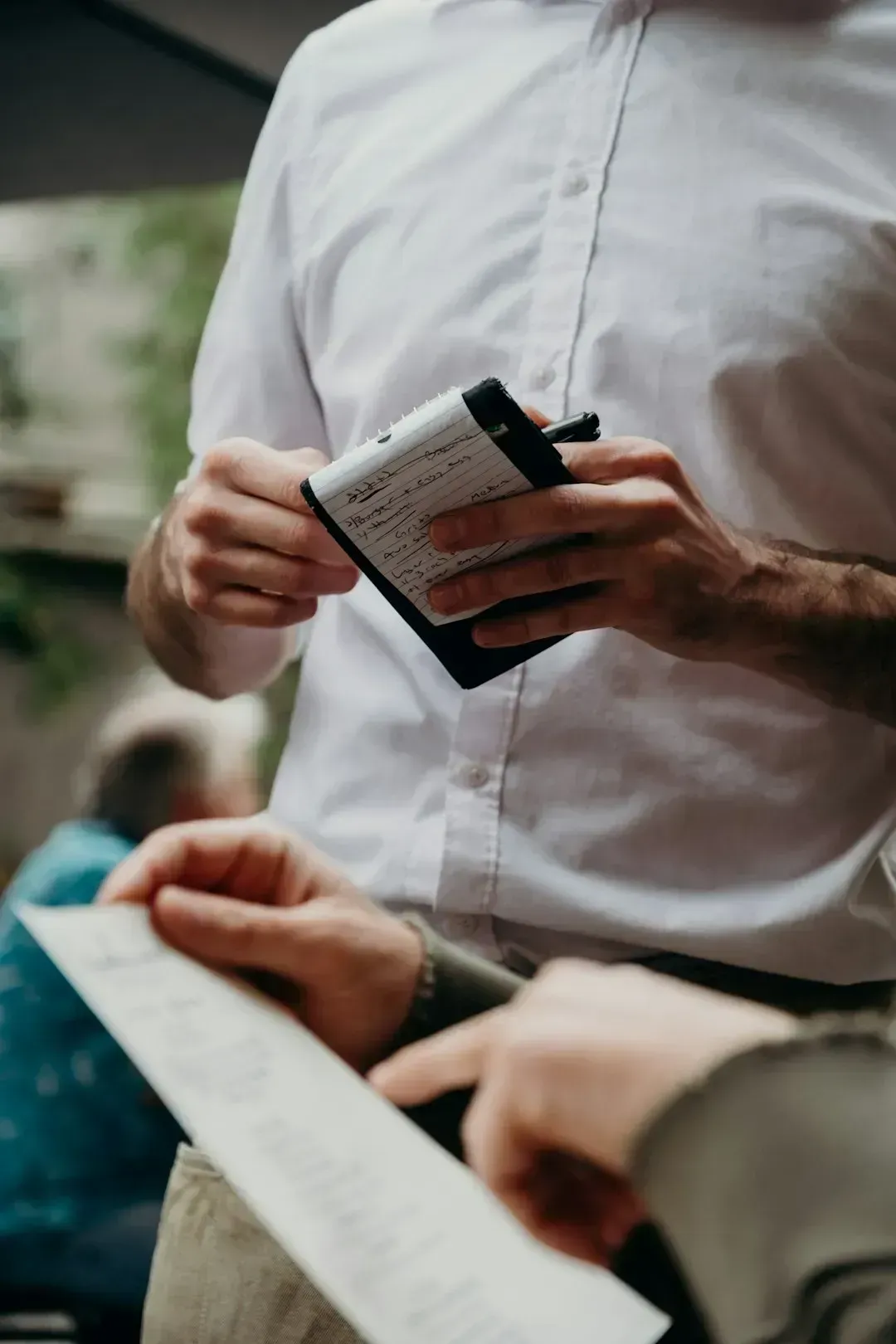
Additional fees at sit-down restaurants have become increasingly common, including cleaning fees, and credit card swipe fees ranging from three to five percent. For many diners, these charges feel like a bait-and-switch. You order based on the prices listed, then discover the total is notably higher once the bill arrives. It’s a habit that erodes trust in the overall dining experience, which was already under pressure.
The Federal Trade Commission has proposed rules that would prohibit restaurants from advertising prices that hide or omit mandatory fees, and would require businesses to disclose upfront the amount and purpose of any extra charges. That proposal exists precisely because the problem is widespread enough to attract regulatory attention. Until clearer rules are in place, diners are left doing their own detective work before they order.
Visiting Fine Dining Restaurants at Current Price Points
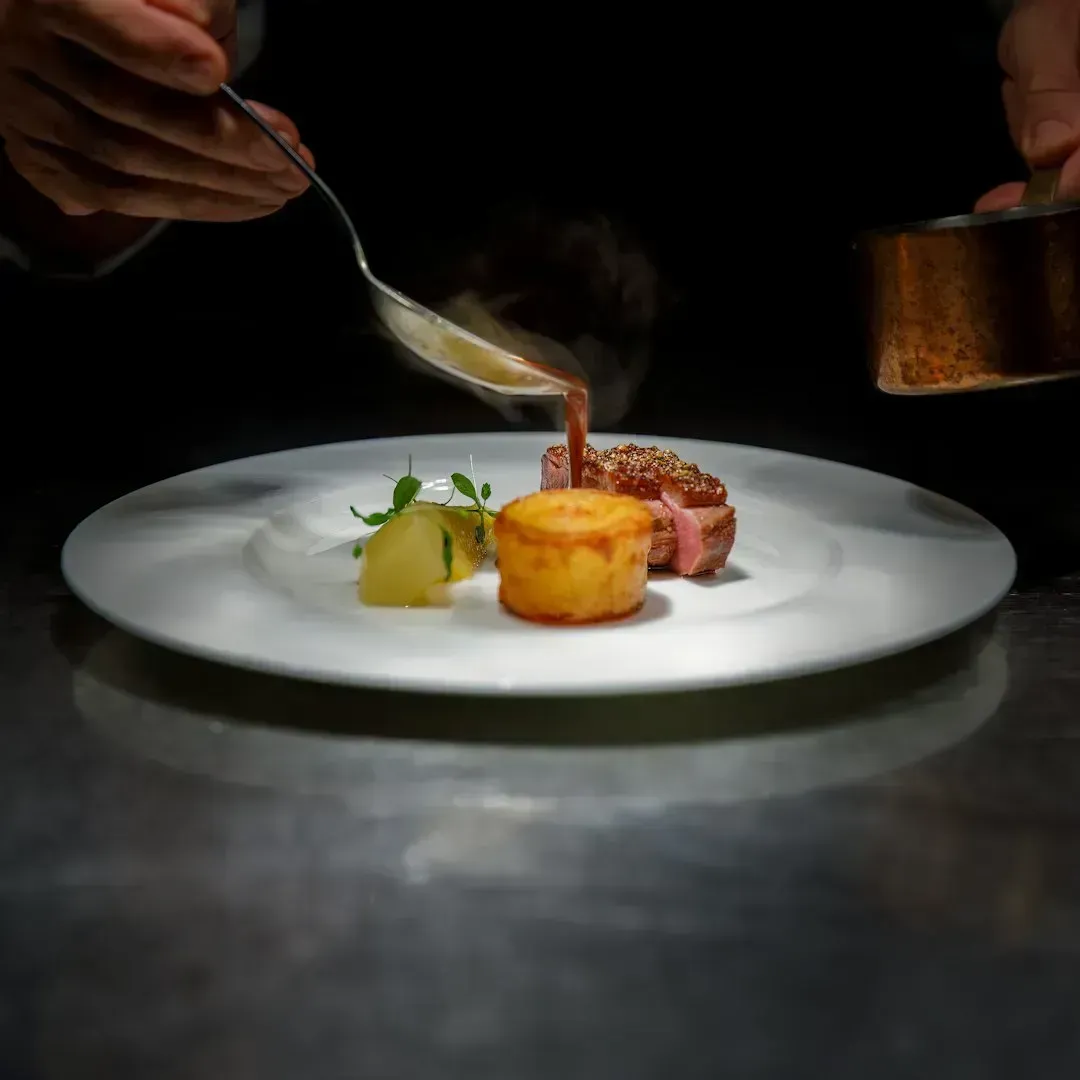
Upscale dining has taken the hardest hit among spending categories, with nearly half of lower-income diners and close to half of middle-income diners saying they visit fine-dining restaurants less often compared to 2024. When grocery prices stabilize and restaurant prices keep climbing, the value gap becomes very visible. A meal that cost $120 for two people a few years ago can now run $180 or more once wine, appetizers, and a standard tip are included.
Spending growth in both full-service and limited-service restaurants has declined at roughly twice the rate of transaction growth in the last two years. This indicates that diners are still showing up to restaurants, but when they do, they’re trading down. The fine dining category, which relies on discretionary spending rather than routine convenience, is feeling that trade-down behavior most directly.
Ordering Bottled Water or Premium Beverages
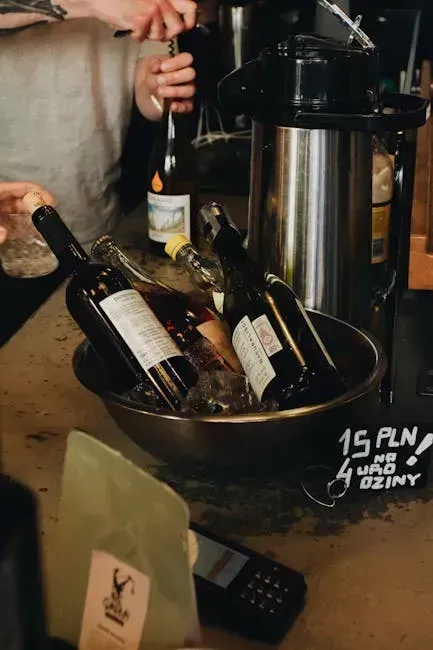
A $4 bottle of still water or a $7 sparkling water was always a slightly dubious value proposition. In 2025, with average restaurant checks already higher than they’ve been in recent memory, diners report spending an average of $54 per restaurant visit, up from $48 in 2023. Premium beverage add-ons that once felt like a minor indulgence now read as an unnecessary drain on a tighter budget.
It’s one of those small line items that gets reconsidered when people start actively tracking what a restaurant visit actually costs from start to finish. Beverages, especially alcoholic ones, can easily represent a third of a table’s final bill. Many diners are now skipping the cocktail round, ordering tap water without apology, or simply choosing restaurants with a more modest drinks program.
Using Third-Party Loyalty Apps With Unclear Rewards
Among diners who are cutting back on restaurant visits, “Buy One, Get One” offers and direct discounts are the strongest incentives to go out more often, followed by loyalty points and free appetizers. The nuance here is important: consumers respond to clear, immediate value. What they’ve grown skeptical of is loyalty programs and apps with opaque point systems, expiring rewards, or benefits that require many visits before they pay off.
More than a third of U.S. diners have used a restaurant loyalty program in the past year, and a large majority say such offers would make them visit more often. The appetite for genuine loyalty rewards is real. The frustration is with programs that feel designed to extract data and repeat visits without delivering tangible savings in return. Americans are getting more selective about which programs are worth the download.
Waiting for a Table Without a Reservation
The average monthly spend on dining at restaurants climbed to $191 in 2024, up from $166 in 2023. When people are spending noticeably more per month on restaurant meals, tolerance for inefficiency drops. Standing at a host stand for thirty or forty minutes while paying for a drink at the bar used to be part of the experience. For a growing share of diners, it now feels like an unpaid tax on their evening.
When dining out without a prior reservation, roughly forty-two percent of people say they would wait no more than twenty minutes for a table. That’s a hard ceiling for a large portion of the dining public, and it’s shaped by the reality that alternatives have multiplied. Grocery store prepared food sections, fast-casual options, and delivery have all improved enough that walking away from a long wait no longer feels like a compromise.
Paying Full Price During Off-Peak Visits Without Any Incentive
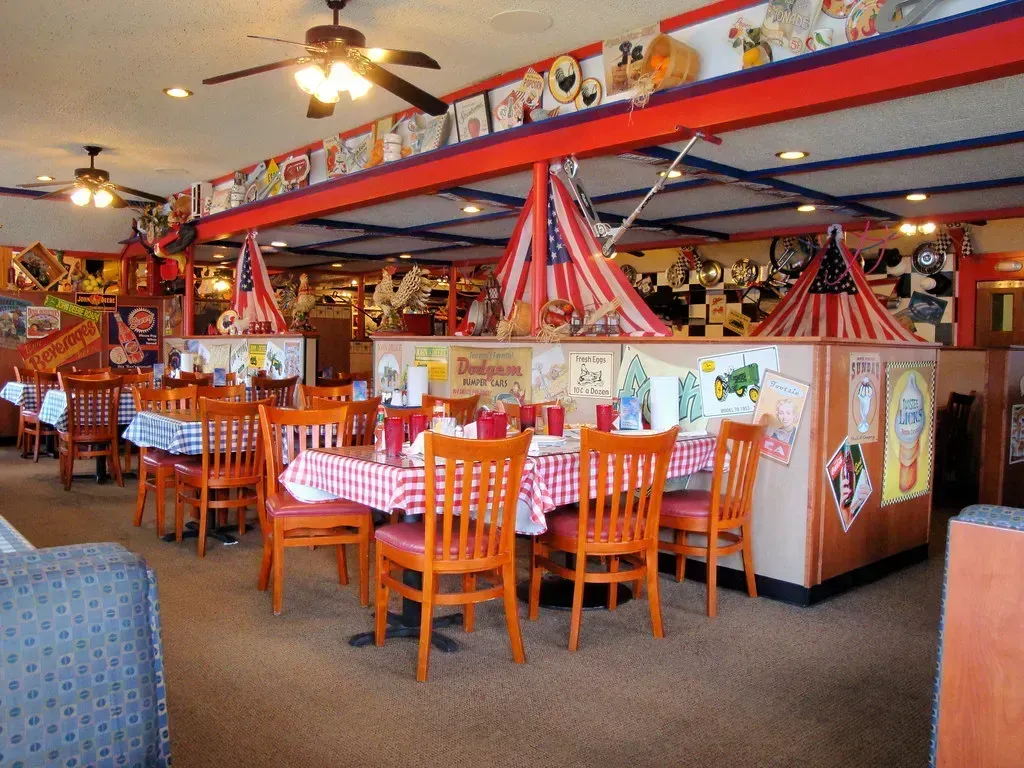
Consumers have been visiting burger and coffee chains less often and purchasing fewer items per visit, yet spending per unit has increased year over year as restaurants continue raising prices to offset rising costs. That combination of less frequency and higher per-visit cost is making diners more strategic. Going out on a Tuesday afternoon and paying the same price as a Saturday-night dinner feels increasingly hard to justify when the experience doesn’t match the cost.
Roughly eighty-two percent of Americans say restaurant prices have increased over the past twelve months, supported by Consumer Price Index data showing a nearly four percent increase in menu prices in late 2025 compared to the same period a year earlier. For diners paying full price during slow hours with no loyalty reward, no promotion, and no tangible reason to choose that restaurant over cooking at home, the value equation has simply stopped penciling out.
None of this signals that Americans are done eating out. The social pull of a good restaurant remains real, and the industry is adapting. What has changed is the level of scrutiny applied to each visit. Habits that once went unquestioned, from passive tipping prompts to unexplained surcharges to inflated delivery fees, are now filtered through a clearer-eyed sense of what the experience is actually worth.




Leave a Reply