
Most homes in the U.S. quietly accumulate far more than their residents realize. Research has found that the average American home contains well over 300,000 items. That number sounds absurd until you start opening drawers, peeking into closets, and pulling boxes out from under beds.
The good news is that a meaningful chunk of what’s in your home has simply become obsolete, whether through shifts in technology, changes in daily habits, or the simple passage of time. Many items linger in our homes simply because they’ve been there for years, even though they no longer serve a purpose. Professional organizers and home experts have a remarkably consistent list of what to cut first. Here are eleven things they say you truly don’t need anymore.
Printed Phone Books and Paper Directories
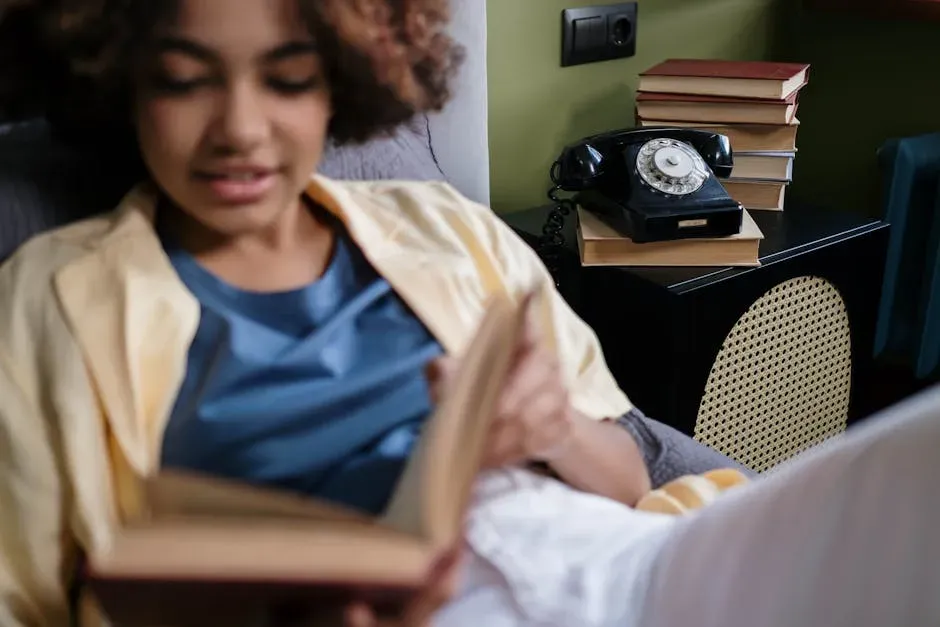
Phone books were once essential for finding contact information, but they have been rendered obsolete by digital directories and search engines. Today, most people store contacts on their smartphones or look up numbers online, making phone books a thing of the past. If one is still sitting in a drawer or on a shelf somewhere in your home, there’s no practical argument for keeping it.
Every restaurant has their menu online. There’s no need to keep stacks of old take-out menus in a drawer. The same logic applies to any printed directory, business listing, or local guide. It’s all faster to find on your phone, and it’s almost certainly more accurate too.
Old Print Encyclopedias
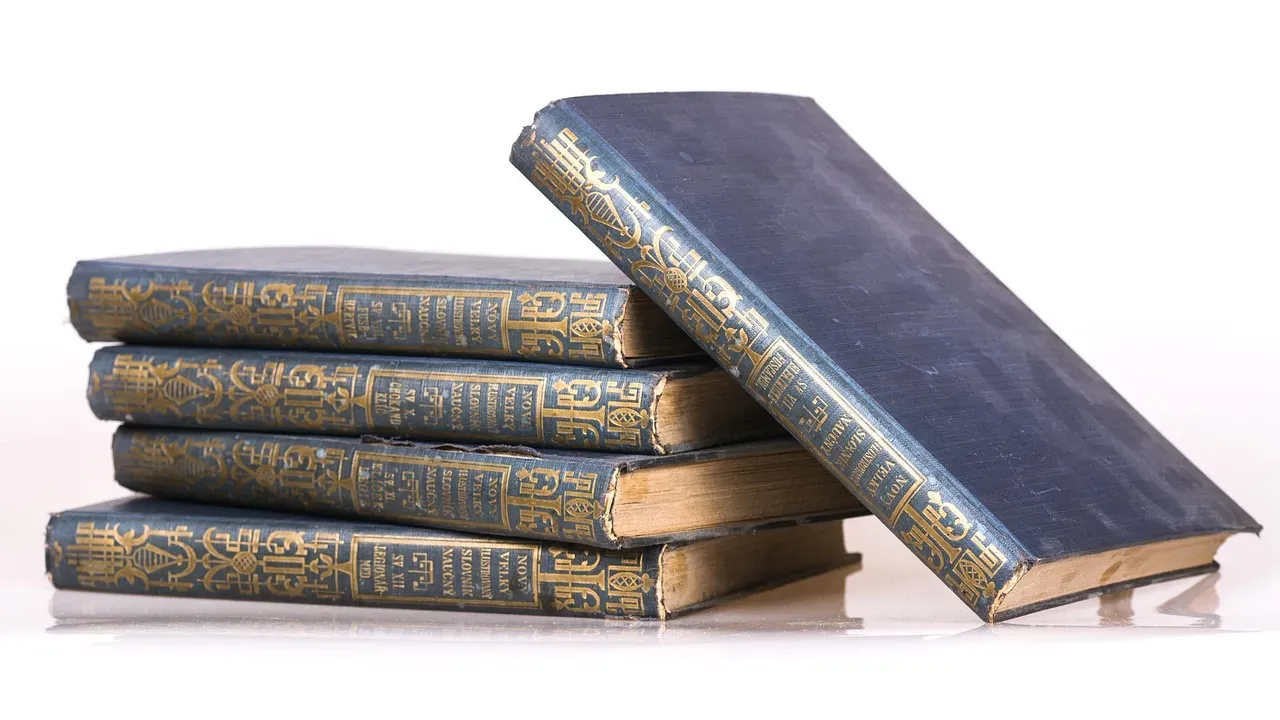
The days of large, printed encyclopedias are numbered. Older generations may recall using these hefty reference books for school projects, but today’s students rely on the internet and online encyclopedias for information. The weighty volumes that once lined bookshelves are becoming symbols of a bygone era as digital knowledge sources take over.
Paper dictionaries and encyclopedias are being replaced by digital resources that are faster and more accessible. Online tools like Wikipedia and dictionary apps provide instant answers and regular updates. The cost and effort of publishing physical volumes makes them less practical in the modern world. If your set hasn’t been opened in years, it’s likely just taking up shelf space that could be used far better.
Expired Medications
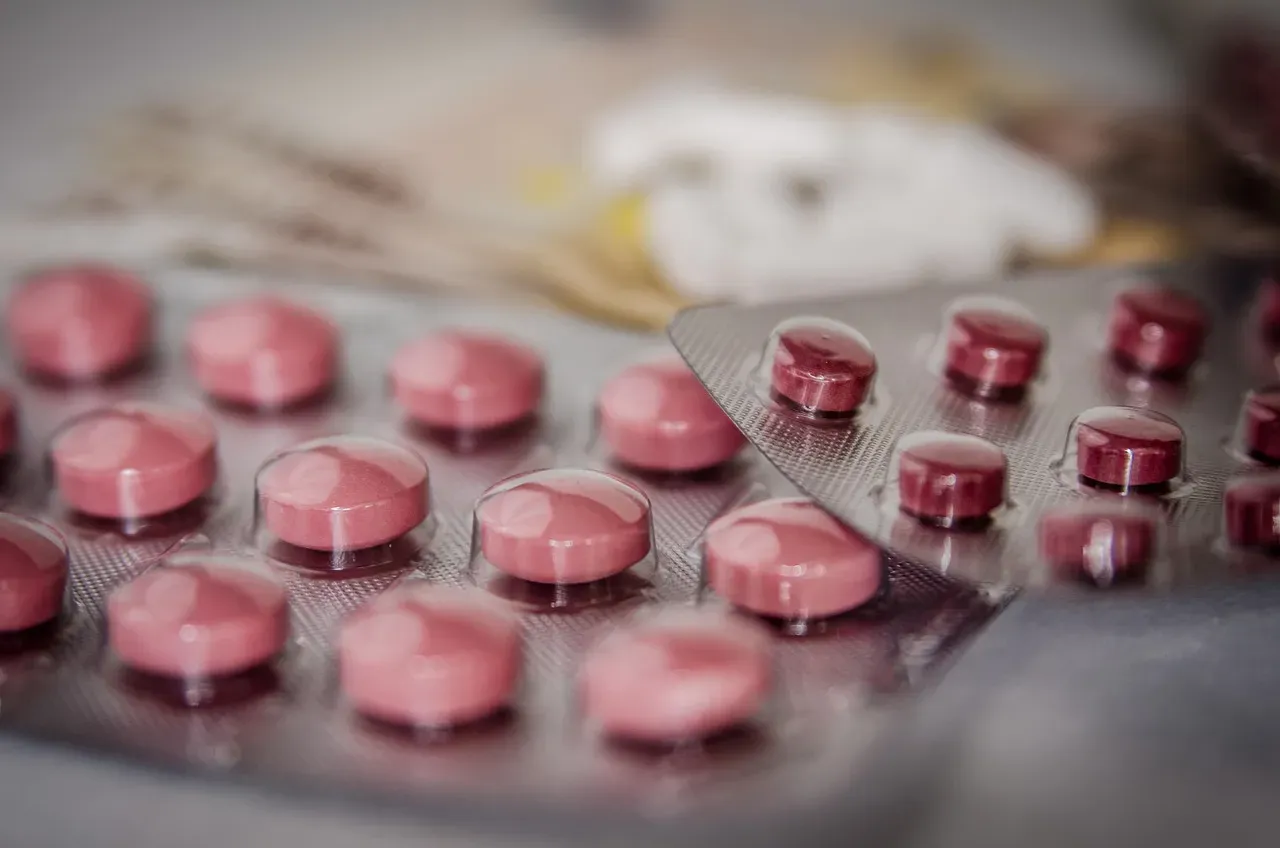
This one crosses from clutter into safety territory. Unused or expired prescription medications are a public safety issue, leading to potential accidental poisoning, misuse, and overdose. Proper disposal of unused drugs saves lives and protects the environment. Letting old prescriptions and over-the-counter drugs pile up in a medicine cabinet isn’t harmless – it’s a genuine risk, especially in households with children or pets.
The best way to dispose of most types of unused or expired medicines is to immediately use a take-back option. DEA-authorized collectors, such as pharmacies at retail stores or hospitals, install collection kiosks where the public can drop off unwanted household medicines. It takes a few minutes and removes a real hazard from your home.
Tangled Mystery Cords and Outdated Electronics
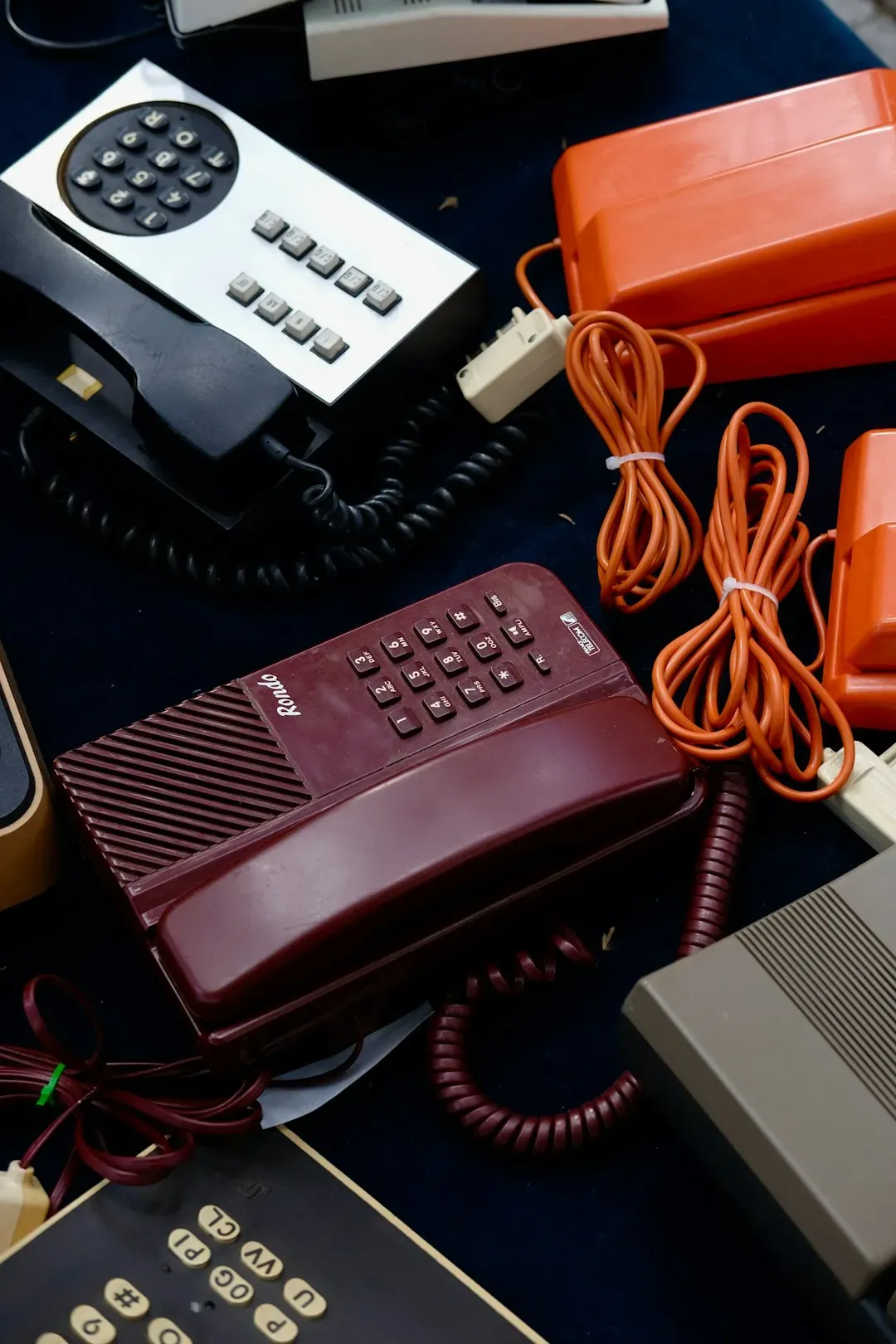
We all have that hauntingly cluttered drawer of old cables, earphones, and other electronics that’s well overdue for a cleanup. Professional organizer Meaghan Kessman notes that outdated electronics are an unexpected cause of cluttered homes. As technology evolves, outdated devices should be responsibly disposed of to make room for the new.
A tangled box of unidentified cords isn’t helping anyone. Professional organizers recommend keeping only those cords you actively use and labeling them to prevent future confusion. Before recycling old devices, wipe them clean of personal data first. After resetting a device, you can recycle it or sell it back to the manufacturer, and you may even be able to get a credit toward a brand-new phone or computer.
Paper Maps and Road Atlases
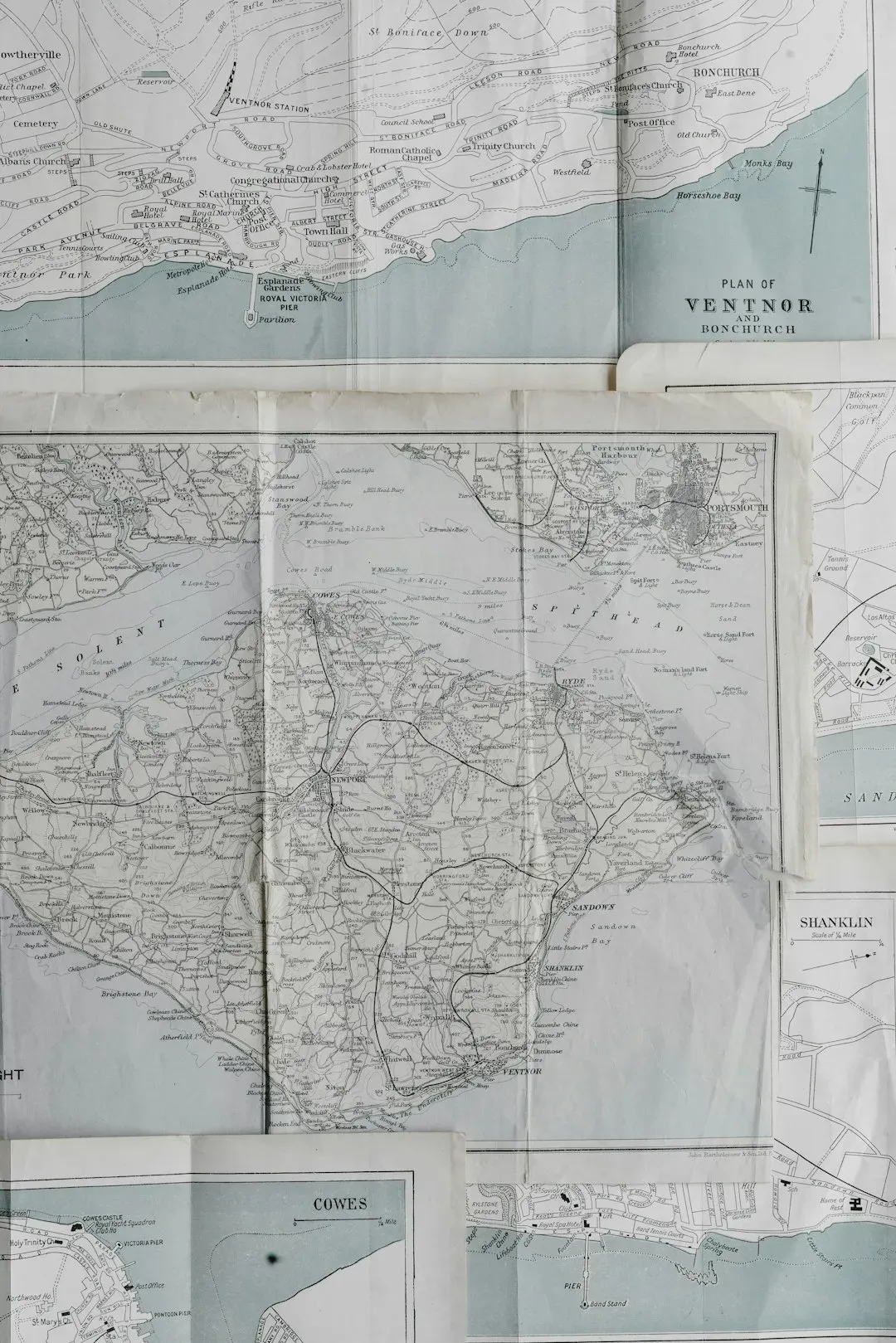
Paper maps have been replaced by GPS navigation systems and smartphone apps. Digital maps offer real-time updates, route planning, and location services that paper maps simply cannot match. The folded road atlas wedged in a glove compartment or sitting on a bookshelf serves no real navigational purpose anymore.
Outdated maps will only get you lost, so professional organizers advise recycling them. Out-of-date travel guides and old brochures are filled with obsolete information, so don’t bother keeping those either for a potential future trip. If there’s sentimental value in an old map, snap a photo of it. Then let the physical copy go.
Stacks of Old Magazines and Newspapers
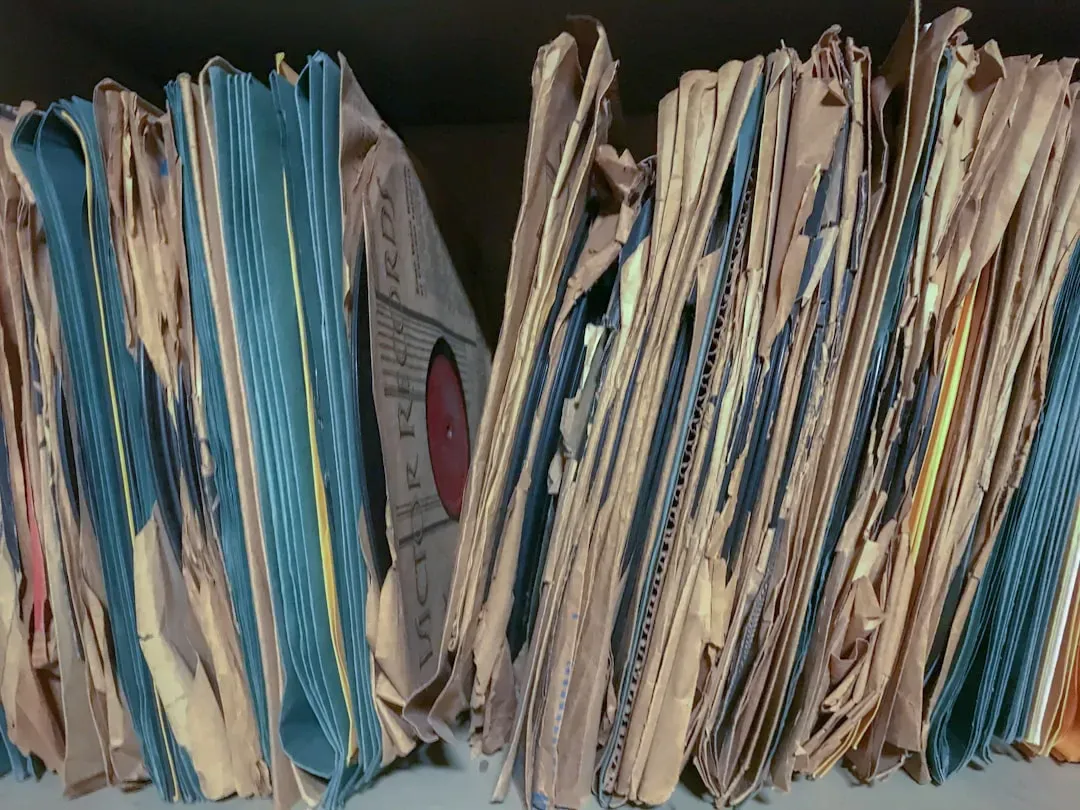
If you haven’t read those magazines sitting on your coffee table in the past month, chances are you never will. Organizers suggest recycling outdated reading material regularly to keep piles from taking over surfaces. It’s a pattern that’s easy to fall into: saving issues with the intention of getting back to them, only to watch the pile grow.
Household items like crumpled magazines and newspapers that are way past their date commonly rack up in living rooms and should be sent to recycle for a clutter-free living space. The content from most print publications is available online anyway, so keeping the physical copies rarely adds any real value. A clean surface feels noticeably different from a buried one.
Expired Pantry Food and Stale Spices
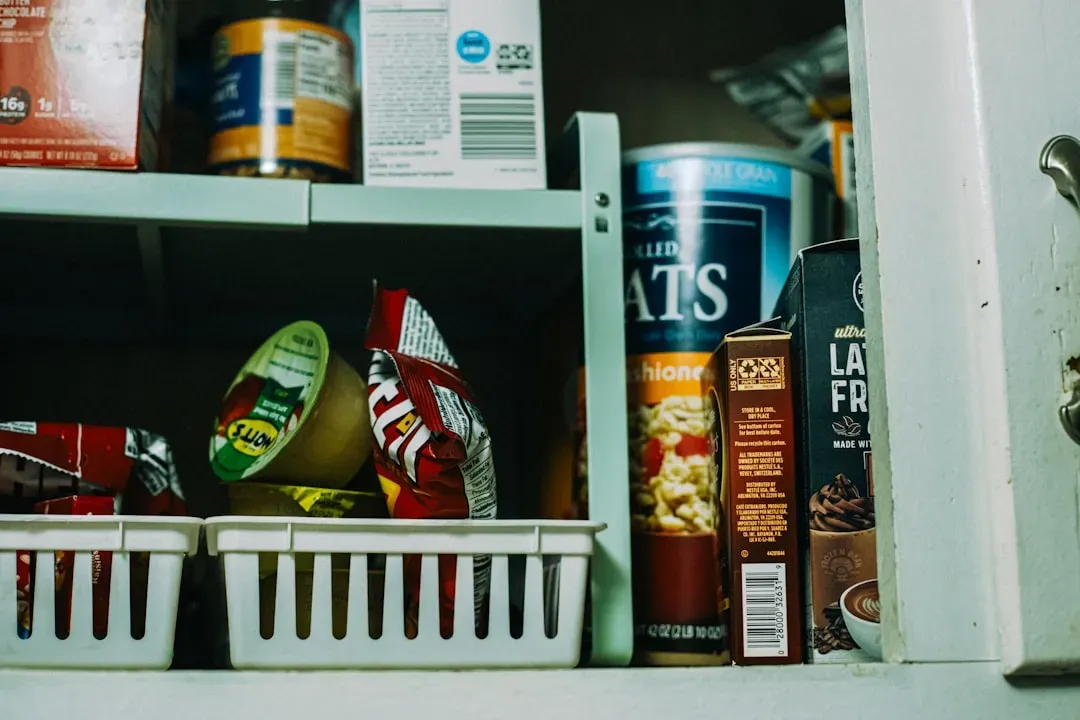
It’s amazing how many expired cans, boxes, and jars quietly pile up in the back of the pantry. Organizers don’t hesitate to toss anything past its expiration date. Even if it feels wasteful, expired food isn’t safe or useful, and clearing it out makes room for fresh, usable supplies.
Pantries often hold onto things far past their prime. Expired food and stale spices don’t just take up space; they’re rarely used anyway. Clearing them out is one of the fastest ways to make a kitchen feel more manageable. Professional organizers often recommend doing a pantry sweep at least once every few months to keep things honest.
Duplicate Kitchen Gadgets and Single-Use Tools
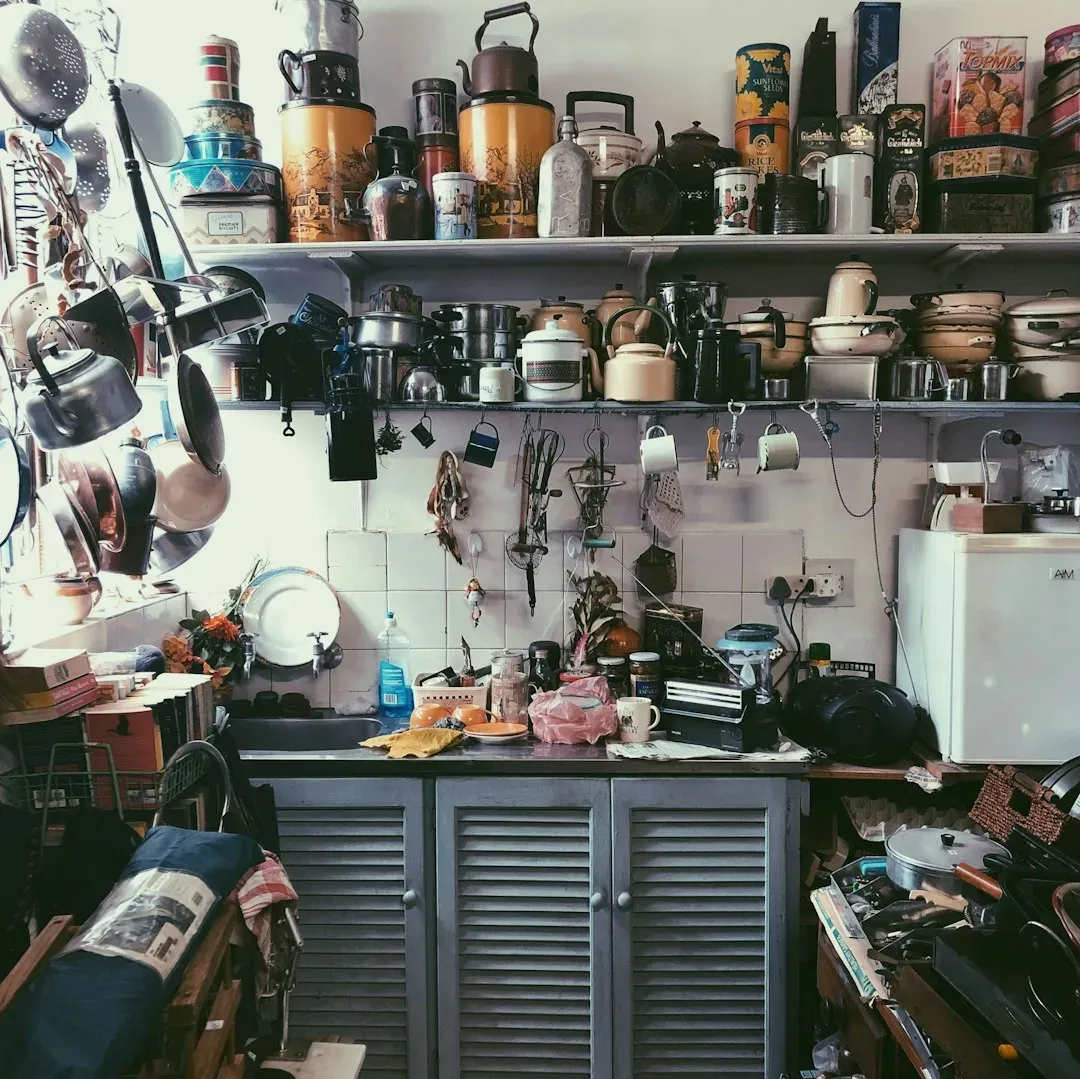
Single-use tools like avocado slicers or strawberry hullers often take up valuable drawer space without providing significant utility. Professional organizers prefer versatile items like a high-quality chef knife that performs multiple functions with ease. These specific gadgets frequently end up forgotten at the back of cabinets because they are difficult to clean and rarely used.
It’s easy to collect multiple spatulas, measuring cups, and gadgets over time. Organizers recommend keeping only what you actually use regularly. Extras tend to crowd drawers and make cooking more frustrating. Pare down to a core set of reliable tools and the kitchen immediately becomes more functional.
Piles of Old Paperwork and Instruction Manuals
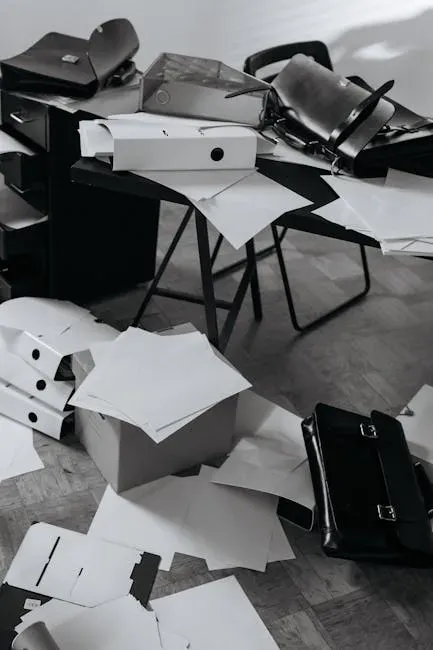
Physical filing cabinets filled with outdated statements and manuals consume significant floor space in a home office. Organizers advocate for digital scanning solutions to keep essential records safe and easily searchable. Most instruction manuals are now available online and do not require a physical copy to be kept on hand. Minimizing paper clutter reduces the mental weight of managing a household and frees up room for more productive uses.
Paperwork was on all experts’ lists, making it one of the most common household items to be added to a decluttering checklist. Professional organizer Kayleen Kelly says that heavy paper pile-up has led her to a near-paperless system by shifting everything online. The rule of thumb most organizers follow: if it’s available digitally and you don’t need the original for legal purposes, it can go.
Worn-Out Excess Towels, Sheets, and Linens
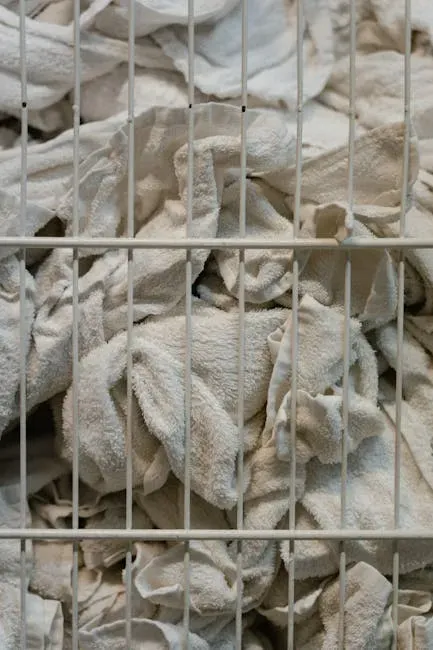
Many homes have more towels, sheets, and blankets than they could possibly need. Organizers typically suggest keeping two sets per person or bed and donating or discarding the extras. It sounds like a small thing, but linen closets that are stuffed to capacity make it harder to find anything quickly and harder to put things away neatly.
Worn-out towels and sheets often stay tucked away long after they’ve lost their usefulness. Keeping a few backups is fine, but excess just fills up valuable storage space. Worn towels in good enough condition can often be donated to animal shelters, which typically welcome them for bedding. The rest can simply go.
Promotional Freebies, Reusable Bags, and Random Swag
Tote bags, water bottles, pens, and stress balls from conferences and fairs tend to accumulate fast. Organizers know these freebies often have no sentimental value and minimal practical use. They advise keeping only what you truly use, and ditching the rest.
Organizational pros say it’s astounding how many canvas tote bags and reusable grocery bags they find hanging in mudrooms, stuffed into hall closets, or lying around musty garages. Experts suggest editing them down so you’re left with fewer than five bags. The same applies to branded mugs, novelty items, and any freebie you can’t quite remember accepting. If it doesn’t serve a daily function and you don’t genuinely love it, it has no real reason to stay.
Decluttering isn’t about achieving a minimalist ideal or transforming your home overnight. It’s mostly about being honest: honest about what you actually use, what you’ve been meaning to deal with for years, and what technology or time has quietly made irrelevant. Most homes don’t become cluttered overnight. It happens slowly, an extra container here, a pile of papers there, a drawer full of things you meant to deal with later. Before you know it, you’re holding onto items out of habit rather than usefulness. Start with one drawer, one shelf, one category. The momentum tends to take care of itself.


Leave a Reply