
There’s a persistent gap between what relationship advice columns say women want and what they actually respond to over the long haul. The well-worn list of height, wealth, and chiseled looks gets the most airtime, yet the research keeps pointing somewhere else entirely. It turns out the qualities that make a relationship genuinely satisfying tend to be quieter, harder to photograph, and far more durable than social media would have you believe.
Some of these qualities go unspoken not because women don’t care about them, but because they feel obvious, or because articulating them invites the wrong kind of conversation. This list draws on relationship psychology, cross-cultural surveys, and established findings to surface what matters most, even when it never quite makes it into words.
1. Genuine Kindness

A survey involving more than 68,000 people from 180 countries, conducted with the help of researcher Tanja Gerlach at the University of Göttingen, set out to conduct one of the largest studies on what women are actually attracted to in a partner. Nearly nine in ten women said they value kindness more than anything else. That’s a striking consensus across nationalities, ages, and backgrounds.
A study published in Sage Journals: Evolutionary Psychology, led by a team of Polish and Italian researchers, analyzed reported dynamics between 148 heterosexual couples, and data showed that kindness played a pivotal role in attraction and also had an effect on relationship satisfaction after people coupled up. Kindness isn’t a soft quality. It’s structural to how a relationship holds together under pressure.
2. Emotional Availability

Research published in the Journal of Family Psychology found that relationship satisfaction has a lot to do with the way partners are able to read and empathize with each other’s emotions. For women, that applies more to their negative emotions than their positive ones: women are happy when their partner understands they’re upset. That single finding says a lot about what emotional availability really means in practice.
Women prefer negative emotion to withdrawal or silence. When women see their male partners sharing their negative emotions, they see it as a sign of connection, openness, and communication. Presence, not perfection, is what women are reading for.
3. Honesty

Honesty tops the list of qualities that people are looking for in a romantic partner, according to data collected across a broad 2025 study on the state of modern dating. It consistently outranks attractiveness, income, and shared hobbies as a foundational requirement. Women especially tend to place it near the top of their non-negotiables.
Trust and honesty are essential foundations for any healthy relationship, and women want a trustworthy and transparent partner. The word “transparent” is worth pausing on. It’s not just about avoiding lies. It means being readable, consistent, and open about what’s happening on the inside.
4. Reliability and Follow-Through

Dependability is far more attractive than unpredictable behavior. Women trust men who consistently keep their word and follow through on promises, and reliability builds long-term confidence in the partnership. It shows a man can be counted on when life gets tough. Reliability is easy to overlook precisely because it tends to operate quietly in the background.
The absence of reliability, on the other hand, tends to be loudly felt. Small, repeated failures to show up as promised erode trust far faster than most people expect. Consistency is one of those things where the baseline is the standard, and slipping below it costs more than meeting it ever earns.
5. Emotional Intelligence
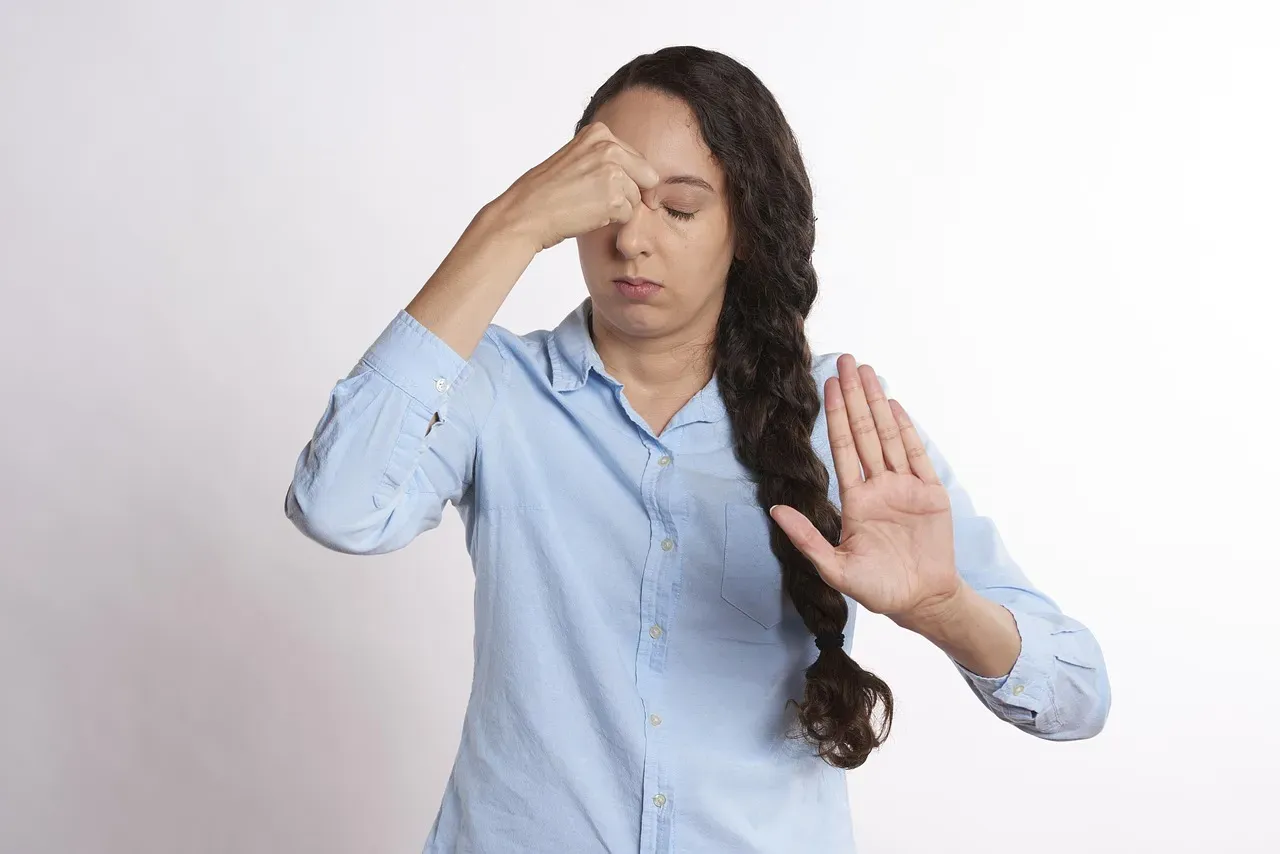
Communication, respect, and emotional vulnerability continue to be the most attractive qualities men can demonstrate, with research showing that roughly three quarters of singles globally are looking to find a long-term partner. Emotional intelligence sits at the intersection of all three. It’s what allows a person to stay regulated during conflict, read a room accurately, and respond rather than react.
Women increasingly prioritize stability and emotional consistency over flashy gestures or financial displays, and men who focus on developing genuine emotional intelligence and authentic self-presentation tend to be better positioned for lasting romantic success. There’s a reason this keeps coming up in study after study. It’s not a trend. It’s a stable pattern.
6. A Sense of Humor

According to Ipsos research, while young men believe women prioritize attractiveness and financial status, women actually value kindness and humor more highly. Humor is one of those qualities that gets underestimated in theory and immediately noticed in real life. It signals intelligence, social ease, and the ability to not take every moment too seriously.
A sense of humor makes life easier and relationships more enjoyable. Over years of shared daily life, the capacity to find something genuinely funny together matters more than almost anything decorative. It’s also a reliable indicator of how two people will handle tension, because couples that can laugh through hard moments tend to stay together through them.
7. Ambition and Personal Drive

Looks fade, but drive and vision remain powerful qualities. Women admire men who set goals and work toward them with focus. Ambition signals dedication and perseverance, traits that inspire stability, and it creates a future both partners can feel proud of. Ambition here doesn’t mean climbing a corporate ladder at all costs. It means caring about something and actually working toward it.
Women placed a higher value on traits like intelligence, emotional stability, conscientiousness, and earning potential, qualities that suggest a partner’s ability to provide and care for a family. Direction matters. A partner who has a sense of purpose tends to be more grounded, more interesting to be around, and more capable of building something meaningful together.
8. Respect That Doesn’t Need Prompting

The traits that women tend to value most from the men in their lives can be categorized in areas that include moral integrity and relational sensitivity. Mutual respect is an all-or-nothing proposition: once a person loses respect for a partner, all bets are off. Women should be given the same respect that men offer other men.
Women often want to be treated with respect by their partners, which includes being treated as an equal, being listened to and valued, and having their boundaries and feelings acknowledged and respected. The key phrase there is “without needing to ask for it.” Respect that only appears when requested is a different thing than respect that simply exists as a baseline.
9. Active Listening

When something is bothering them, women want your ear, not your advice. Men feel the need to fix things because they are solution-oriented, but to a woman, really listening is a wonderful thing that deepens the relationship. This distinction, between solving and listening, comes up in relationship research with remarkable consistency.
Genuine listening is harder than it sounds. It requires setting aside the instinct to redirect, fix, or top the conversation. Women tend to notice quickly whether a partner is actually present or just waiting for their turn to speak. The quality of that attention communicates a lot about how much the relationship is valued.
10. Accountability Without Defensiveness
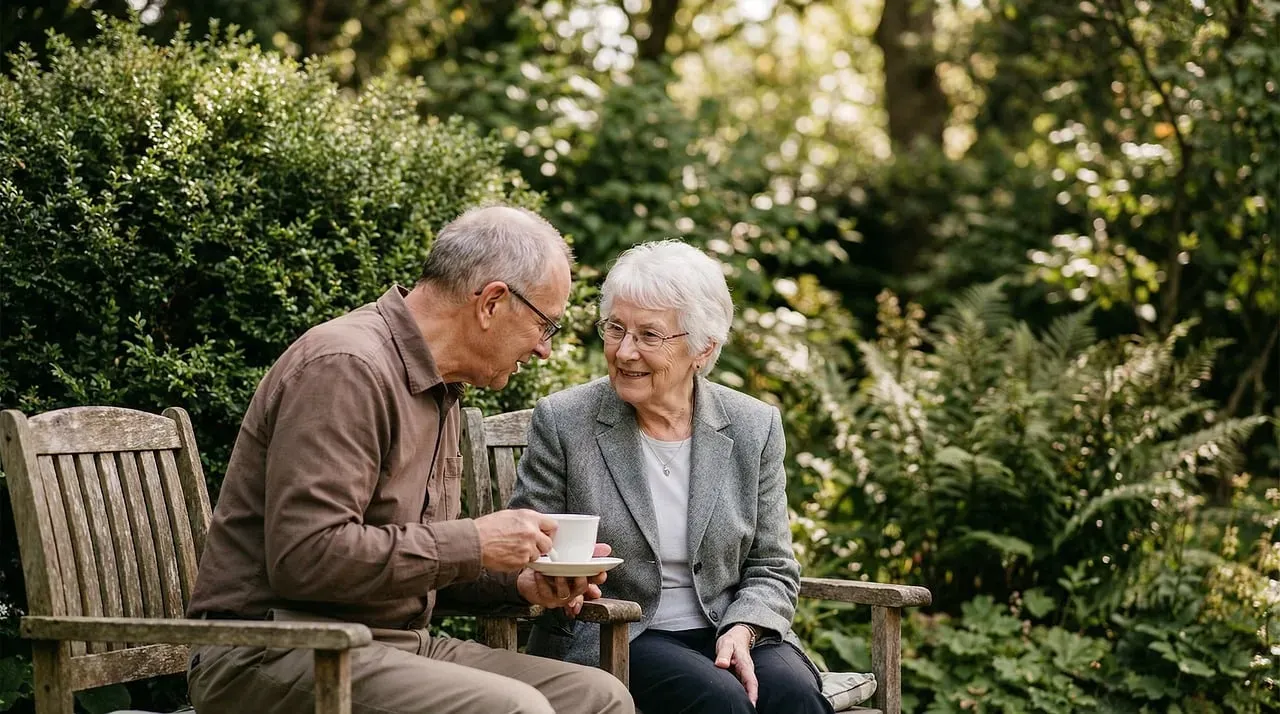
Taking responsibility for actions and behavior is essential. Long-term healthy relationships require a high level of maturity. Without it, disagreements and conflict worsen as couples engage in the blame game, communication fails, and emotional damage can be done that cannot be easily repaired.
A partner who can say “I was wrong about that” without spiraling into defensiveness or counter-accusations is genuinely rare. Women don’t expect perfection. They do notice whether mistakes are owned or deflected. The ability to acknowledge fault gracefully is one of the quieter markers of emotional maturity, and one of the most reliably attractive ones.
11. Physical Affection Beyond the Bedroom

Some women want a partner who is affectionate and physically demonstrative, whether cuddling, holding hands, or simply being physically present with them. Non-sexual physical closeness functions as a form of emotional communication. It signals comfort, safety, and sustained interest in the person, not just the relationship as a concept.
Non-sexual kissing, cuddling, and showing intimacy daily can increase familiarity with each other physically and emotionally, making physical intimacy more passionate, pleasurable, and natural. Women often register touch throughout the day as relationship data. Whether a partner reaches for a hand, makes casual contact, or simply chooses to be close speaks volumes that words don’t.
12. Intellectual Curiosity
Women placed a higher value on traits like intelligence, emotional stability, conscientiousness, and earning potential. Intelligence consistently ranks higher than most men expect when women describe what they genuinely find attractive. Curiosity, in particular, tends to show up as a proxy for intellectual engagement. A person who keeps learning, keeps asking questions, and stays engaged with ideas beyond their immediate world is naturally interesting to be around.
Participants who scored high on conscientiousness were more likely to value the same trait in a partner. Similarly, those who were curious and open-minded tended to seek partners who were also imaginative and curious. Intellectual compatibility doesn’t require matching degrees. It requires a shared willingness to think, to be challenged, and to find the world genuinely interesting.
13. Independence and a Life Outside the Relationship

Independence is a fundamental desire for many women in a relationship. It signifies the importance of maintaining individuality, personal growth, and autonomy within a partnership. Women value the freedom to pursue their interests, have personal space, and make decisions without feeling stifled or dependent on their partner. Independence allows for a healthy balance between togetherness and personal fulfillment, fostering a relationship that thrives on mutual respect and support.
Crucially, this quality goes both ways. A partner who has his own friendships, interests, and goals outside the relationship tends to be far less emotionally suffocating. It doesn’t really matter what you do in your spare time, so long as a partner is engaged in something outside of the relationship, whether a hobby, side project, or a group of friends.
14. A Willingness to Grow

Nothing captures a woman’s heart quite like a good man who wants to be a better man. Women love personal growth and a man who is thoughtful and sensitive. They like it when their partner recognizes a flaw and love it when they make an effort to address it. Stagnation, by contrast, tends to read as a lack of investment, both in the relationship and in life more broadly.
Growth mindset in a partner doesn’t require dramatic self-reinvention. It shows up in smaller things: someone who reads books they find challenging, who takes feedback without shutting down, or who revisits a position when given new information. Those habits signal something meaningful about how they’ll behave when the relationship itself asks them to change.
15. Financial Responsibility

Overall, young women tend to be more selective than young men across most qualities, from kindness to earning potential, with the largest gaps appearing around children and jobs. Financial responsibility doesn’t necessarily mean high income. It means managing what one has with some degree of competence and forethought. Chronic financial chaos creates real stress in a shared life, and women know that.
Interestingly, while traditional theories suggest that women should place a high value on a partner’s wealth, one study found no significant sex difference in the importance of wealth itself, which may reflect changing social norms and economic realities. The distinction is meaningful: women aren’t necessarily looking for rich partners, but they are looking for financially grounded ones. Stability, not status, is the actual signal.
16. A Protective Instinct

Research shows that men’s sense of being a protector is tied to healthier expressions of masculinity, better mental health, and greater family stability. An earlier report from the Institute for Family Studies and the Wheatley Institute found that having a protective spouse is one of the strongest predictors of a happy marriage, especially for women.
Protection in a modern context doesn’t default to physical threat management. It extends to emotional protection, feeling defended rather than criticized in front of others, being supported during vulnerability rather than exposed. Women rarely articulate this as a specific want, but its presence or absence tends to register clearly in how safe and settled they feel in a relationship.
17. Shared Values

Political divisions have emerged as a significant factor in modern dating, with nearly half of young adults aged 18 to 34 now considering political alignment important when choosing romantic partners. Values compatibility has always mattered in relationships, but the specific areas where people are drawing lines have expanded and sharpened over recent years. Shared values around family, fairness, and how to treat other people tend to be the durable ones.
A healthy relationship is built on open communication and vulnerability, and understanding, active listening, and vulnerability are key qualities women seek in communicating with their partners. Values that align create a natural current running through a relationship. When they don’t, no amount of attraction or surface compatibility tends to make up the difference over time.
18. Commitment That Shows in Small Moments

In a trusting relationship, both people feel safe with one another. They can be their full, true selves and be accepted. They know that their needs are important to their partner. Women don’t tend to measure commitment by grand gestures, though those don’t hurt. They measure it by consistent, daily evidence that the other person is actually in it.
Being consistent in showing care after the honeymoon phase tells a partner that you still feel happy around her and that her happiness is as important to you as it was before. Giving her flowers on an unusual day, for example, is not just about the flowers but the excitement and surprise that comes with it. The research on relationship satisfaction returns, again and again, to one theme: it isn’t the extraordinary moments that sustain love. It’s the ordinary ones, handled with care.
Most of these 18 qualities share a quiet common thread. They aren’t performances. They can’t really be faked over long stretches of time. They’re the kind of characteristics that either run through who someone is or they don’t, and over the course of a real relationship, that difference becomes impossible to miss. What women often struggle to say out loud is simply this: they’re not asking for perfection. They’re watching for the evidence that you’re genuinely present, and that you intend to stay that way.



Leave a Reply