
Walk through any suburban neighborhood and you’ll see the familiar rhythms of middle-class life: the new SUV in the driveway, the mortgage that stretches the monthly budget, the credit card used to book a vacation that already costs more than planned. These patterns feel completely normal, because for most American families, they are. The median net worth of a middle-class household sits at around $104,700, typically held by people in their forties who have paid off some debt and built a little home equity – yet increasing debt, wage stagnation, and rising housing costs continue to strain their finances.
The gap between middle-class families and the truly wealthy isn’t just about income. It’s about fundamentally different approaches to building and maintaining wealth. While the middle class works hard and follows traditional financial advice, the wealthy operate with a completely different playbook. Some of those differences are surprising. Many are hiding in plain sight.
1. Financing Brand-New Cars
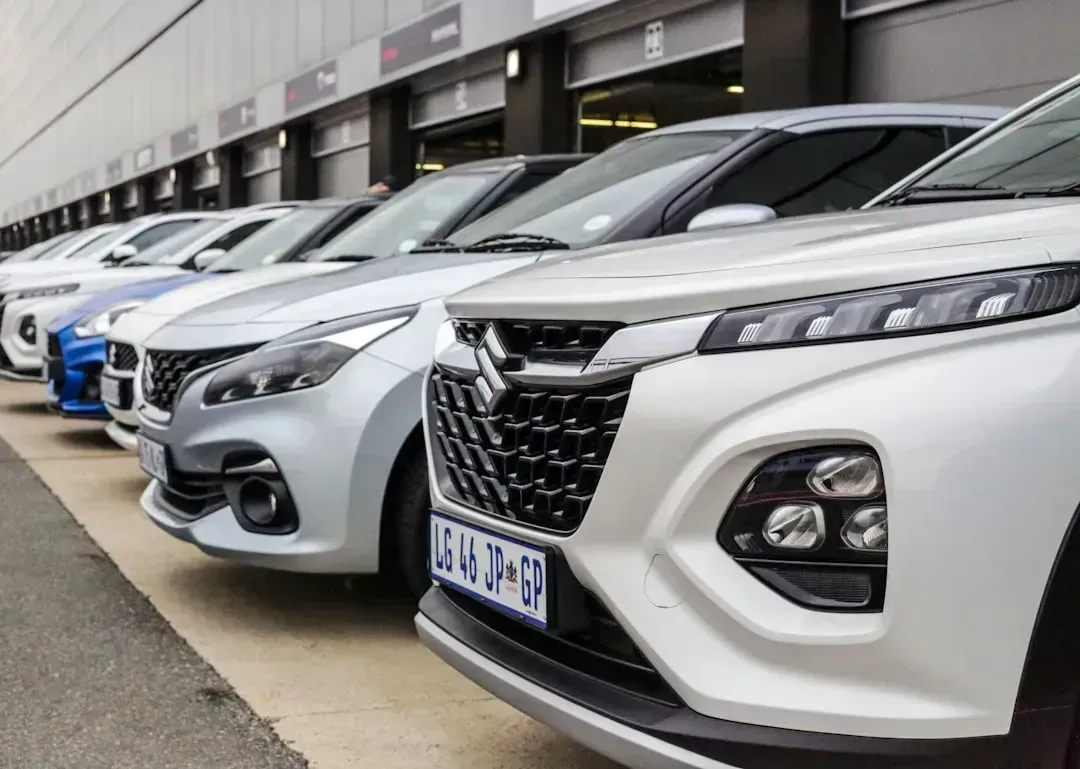
Middle-class families often see a new car as a milestone, a reward for hard work, a symbol of stability. Wealthy people tend to see it as something else entirely: a rapidly depreciating asset. The moment a new car leaves the dealership, it loses a significant portion of its value. It’s one of the most common financial decisions that quietly works against building long-term wealth.
In working with families of different income levels, money coaches have observed middle-class families buying more expensive cars on leases or longer-term loans, including seven-year and even eight-year loans on cars in the $50,000 to $70,000 range. Wealthier people, by contrast, tend to buy cars with cash or on very short-term loans. The difference in total interest paid over the life of those loans can easily run into the tens of thousands of dollars.
2. Carrying High-Interest Credit Card Debt

Many middle-class families with credit card interest rates around 15% are spending more than nearly a third of their monthly income on debt payments, further undermining their ability to save for emergencies, retirement, and rising costs. This isn’t always the result of poor decisions. Often it reflects the reality of incomes that haven’t kept pace with the cost of living.
Credit cards offer an illusion of control. For many, the ability to buy now and pay later feels like empowerment. Those small balances, interest rates, and revolving debt add up fast. The rich play a different game – they use credit strategically, often paying balances in full each month to build points or leverage cash flow. They avoid carrying debt on things that lose value.
3. Buying Extended Warranties on Everything
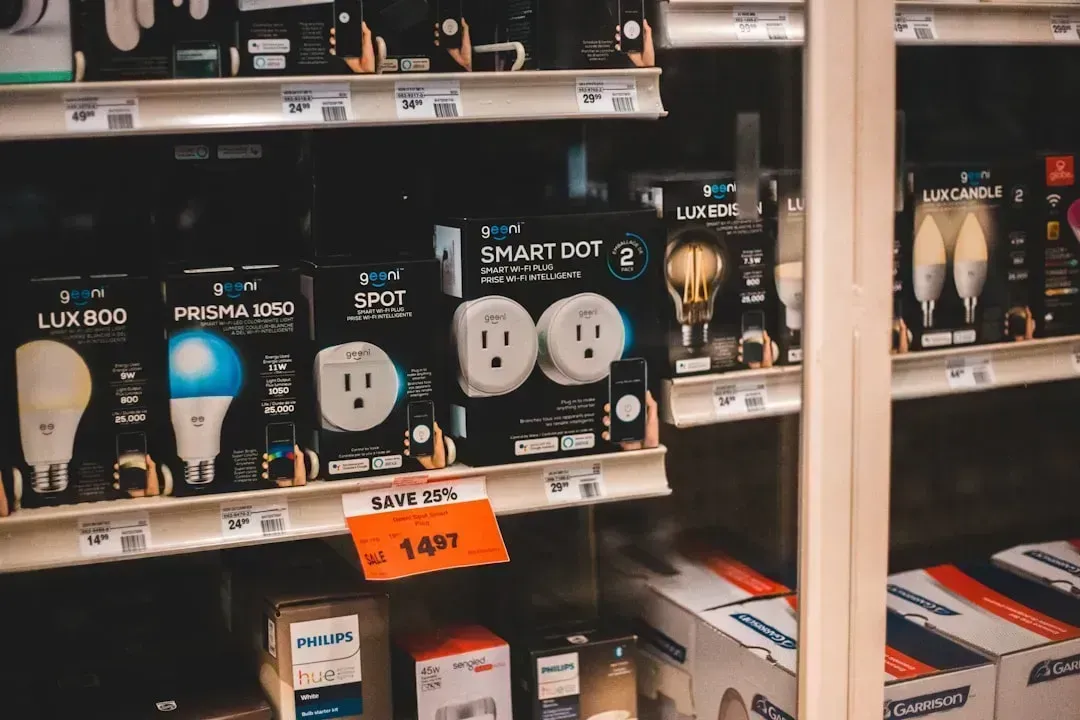
At the electronics store, most middle-class shoppers feel that twinge of fear and fork over the extra cash for the extended warranty “just in case.” The wealthy skip it almost every single time. It’s a small transaction, but it reveals a meaningful difference in how the two groups think about risk and self-insurance.
Extended warranties are profit centers for retailers, not consumer protection tools. The wealthy understand that self-insuring through an emergency fund makes more financial sense than buying peace of mind for every purchase. Extra warranties and service plans may seem reassuring, but they rarely provide good value. If the cost of replacing an item is more than the insurance, and the chance of it breaking is limited, it’s a pointless extra.
4. Spending on Visible Status Symbols

Many middle-class families spend on status symbols to cope with a desire to appear more wealthy, living beyond their means to keep up with the fashion trend cycle and everyday costs. Some even take on debt to fund status expenses, without the disposable income to truly afford those costs. The psychology behind this is well documented, and it’s expensive.
One of the clearest differences between wealthy people and aspirational spenders is how they dress. Middle-class consumers often gravitate toward designer labels with visible branding, where the logo becomes the value. Wealthy people tend to do the opposite. They buy high-quality clothing but avoid loud branding. True wealth doesn’t need to announce itself.
5. Financially Supporting Adult Children

For the first time, the share of parents financially supporting a child older than 18 reached half of all parents, according to a recent report. Parents now spend about $1,474 a month, on average, on their adult children – a three-year high. This is a trend rooted in genuine economic pressure on younger generations, but it carries a serious cost for the parents themselves.
Financially contributing to children after they’ve reached adulthood comes at a high cost, with roughly half of parents saying they’ve sacrificed their own financial security to help their children. Surveyed parents who were actively working and supporting adult children said they contribute twice as much to their kids as they do to their retirement funds. Wealthy families approach this differently, structuring support with clear boundaries and timelines rather than open-ended monthly commitments.
6. Playing the Lottery Regularly

Americans spent about $125 billion on lottery tickets in 2024, more than they spend on music, sports tickets, movie tickets, and books combined. An estimated 40 million households are habitual players, accounting for roughly 80% of the spending, representing about $2,500 of annual lottery spending per household. That’s a significant slice of a middle-class family’s discretionary budget.
Less well-to-do households shell out more on lotteries than wealthier ones. The average adult living in the poorest zip codes spends nearly 5% of their income on lottery tickets annually. The rich, buoyed by their relative economic stability, are less preyed upon by the promise of millions. Those living in the wealthiest zip codes spend only around $150 on tickets, amounting to a tiny fraction of their income.
7. Delaying Home Maintenance Until Something Breaks

The rich and the middle class also have different approaches to home maintenance. Wealthy people spend money keeping their houses in excellent condition, while the middle class tends to wait for something to go wrong before fixing it. Wealthy people protect the value of their assets and avoid pricey repairs down the road. The middle class, in contrast, can delay repairs and then face unexpected bills that drain their financial reserves.
A leaking roof or a neglected HVAC system seems like a problem for future-you. The trouble is that future-you ends up paying significantly more than the original fix would have cost. For wealthy households, a home is an asset to be maintained. For many middle-class families, it’s a source of stress best ignored until the problem becomes impossible to ignore.
8. Accumulating Forgotten Subscriptions

While wealthy families are selective about their streaming services, middle-class families often accumulate them. Netflix, Amazon Prime, Disney+, Apple TV+, Paramount+ – before they know it, they’re paying more than they were for cable. The same pattern plays out with gym memberships, software trials, and app subscriptions that quietly charge every month.
Wealthy households regularly audit their subscriptions, cancel what they don’t actively use, and avoid accumulating digital clutter. They treat recurring expenses with more seriousness than one-time purchases. They know wealth is built in margins. It’s not about being frugal. It’s about eliminating the slow drip of money leaving the account for things that aren’t being used.
9. Lifestyle Inflation After a Raise

A significant barrier for the middle class in growing their wealth is not paying attention to lifestyle inflation. As individuals earn more, they increase their spending proportionally or even excessively, which can stymie their ability to save and invest. Driving a luxury car or living in a bigger house might signal a higher income, but they don’t necessarily translate to long-term wealth if they’re financed with debt.
When middle-class families receive extra money – a bonus, a tax refund, or an inheritance – the default tendency is consumption. The new income becomes an opportunity to upgrade their lifestyle, purchase a nicer car, or take a more expensive vacation. They might pay down debt, which is financially responsible, but they rarely channel windfalls directly into wealth-building assets.
10. Relying on a Single Income Stream

Most middle-class households rely primarily on one or two salaries from employment. This creates vulnerability – if someone loses their job, the financial foundation crumbles. The entire household budget depends on maintaining that employment relationship. Even those who save diligently face significant stress when their primary source of income is threatened.
Wealthy individuals typically cultivate multiple income streams. They might have employment income, but they also generate cash flow from investments, businesses, real estate, royalties, or other sources. If one stream dries up, others continue flowing. This diversification provides both financial security and the freedom to take calculated risks.
11. Treating Savings as What’s Left Over

Middle-class savers put money aside after paying bills. Wealthy people save before spending anything else. This sounds like a small distinction, but in practice it shapes everything. When savings are treated as an afterthought, there’s rarely much left to set aside after a month of ordinary spending.
The wealthy automate savings and investments from the top of each paycheck, treating them as non-negotiable expenses. Almost half of middle-class households report they are not confident they will be able to build sufficient retirement savings. Around 40% are not confident they will be financially protected in the event of a major medical expense or unexpected loss of an income earner. The habit of saving last, rather than first, is a key reason those numbers look the way they do.
12. Upgrading Home Décor With Every Trend

Middle-class families are often locked into a cycle of endless home upgrades, driven by trends, social pressure, and resale anxiety. Wealthy people are surprisingly restrained here. They upgrade when something is broken, inefficient, or meaningfully improves quality of life – not just because styles have changed. They know most renovations offer poor returns and rarely add proportional value. A wealthy mindset prioritizes function over perfection.
Many middle-class families take pride in constantly upgrading their home décor – new couch sets, dining tables, and seasonal decorations. It feels like progress, like each purchase is proof that life is improving. The rich tend to approach home design differently. They invest in timeless pieces, focus on functionality, and avoid trends that go out of style quickly.
13. Spending Heavily on Package Vacations With Borrowed Money

Instead of travel experiences the rich might pursue or the staycations the poor might be restricted to, the middle class often chooses package holidays that provide value for money. The middle class also tends to spend on experiences like vacations, concerts and other activities. None of that is inherently wrong. The problem is when those experiences are financed by debt that lingers long after the trip is over.
Everyone deserves a break. But many middle-class families overspend on vacations that strain their finances – resort packages, shopping abroad, or high-interest travel loans. The trip feels amazing, until the credit card statement arrives. Wealthy individuals travel often, sometimes lavishly, but rarely on borrowed money that takes months to repay.
14. Buying Fast Fashion Instead of Fewer Quality Pieces

Research has shown that wealthy people are more likely to purchase high-quality clothing and furniture than people who bring in less than the national median household income. They avoid buying fast fashion or cheaply made goods in favor of clothes or furniture that last much longer. The math often works out in their favor over time, even though the upfront price is higher.
Wealthy shoppers often lean into fewer, better items. They aim for pieces that work in many outfits. They also learn what shapes and colors actually suit them, so they buy with fewer regrets. Contrast that with the fast fashion model, which generates enormous waste and an equally enormous cumulative spend on items that rarely survive more than a season or two.
15. Keeping Money Parked in Low-Interest Savings Accounts

The middle class generally fears risk and tends to seek safety in financial decisions. They keep money in savings accounts with minimal interest, prioritize paying off mortgages early, and view the stock market with suspicion. When they do invest, they often follow conventional wisdom without deep understanding, buying high during market euphoria and selling low during panics.
The wealthy understand that calculated risk is necessary for wealth building. They educate themselves about investments before committing capital, but the possibility of loss does not paralyze them. They recognize that inflation erodes the purchasing power of cash sitting in savings accounts. They’re comfortable with market volatility because they understand historical returns and invest with long time horizons. Sitting on cash feels safe. Over decades, it quietly costs a fortune.
None of these habits exist in a vacuum. Understanding the differences between these groups isn’t about judging one group or the other – it’s about recognizing the patterns that lead to various financial outcomes. The habits that separate these two groups often develop early and become so ingrained that people don’t even realize they’re following a particular pattern. Awareness, more than income, is often where the real shift begins.



Leave a Reply