
There’s a quiet irony embedded in many conversations about money: the behaviors that define financial discipline for most families are often the very things that wealthy households never think about. Not because the rich are careless, but because their economic reality simply doesn’t require the same level of daily vigilance. For middle-class families, that vigilance isn’t optional. It’s a survival skill.
The share of Americans who are in the middle class is smaller than it used to be. In 1971, roughly six in ten Americans lived in middle-class households. By 2023, that share had fallen to about half, according to Pew Research Center analysis. What remains consistent across that shrinking group is a set of deeply ingrained habits shaped by necessity, resourcefulness, and a firm grip on every dollar earned. These are sixteen of those habits.
1. Tracking Every Dollar With a Budget

For most middle-class Americans, wealth is built the quieter way. It’s the result of everyday financial habits, repeated consistently over years, that slowly but reliably add up. Maintaining a monthly budget is the foundation of that approach. Whether it’s a spreadsheet, a notebook, or a budgeting app, middle-class families typically know exactly where their money goes.
Many people abandon budgets because they feel restrictive or unrealistic. Middle-class earners juggling family costs, housing, and rising prices often need flexibility rather than rigid rules. Flexible budgets, occasional spending check-ins, and small redirections of money can quietly compound into significant wealth. Wealthy households, by contrast, often operate without formal budgets because their income cushion makes a monthly ledger feel unnecessary.
2. Meal Planning and Cooking at Home

Food expenses often constitute a significant portion of a middle-class family’s budget. Meal planning and cooking at home have been identified as effective money-saving strategies. Planning meals, buying groceries in bulk when possible, and learning basic cooking skills can significantly reduce food costs while promoting healthier eating habits.
According to the Consumer Price Index, in the one-year period from November 2023 to November 2024, the cost of eating food away from home rose by roughly three and a half percent. In contrast, the price of food at home only increased by about one and a half percent. The cost of going out to eat increased at more than double the rate of cooking at home. For a family managing a tight monthly margin, that difference translates directly into savings that compound across an entire year.
3. Using Coupons and Deal-Hunting Strategically

Most middle-class parents can tell you the price of a gallon of milk at three different shops without blinking an eye. They treat every trip to the grocery store like a strategic mission to find the best value for their hard-earned cash. This habit is not just about saving pennies; it is a point of pride and a way to stretch every dollar to the limit.
Research shows that roughly nine in ten American consumers use coupons at least occasionally. This focus on getting a deal is a foundational part of the middle-class identity that wealthy individuals often skip entirely. For the affluent, time is the primary currency, but for the average family, a good bargain feels like a significant win. The habit runs deeper than thrift. It reflects a systematic awareness of value that wealthy households rarely need to exercise.
4. Building and Protecting an Emergency Fund
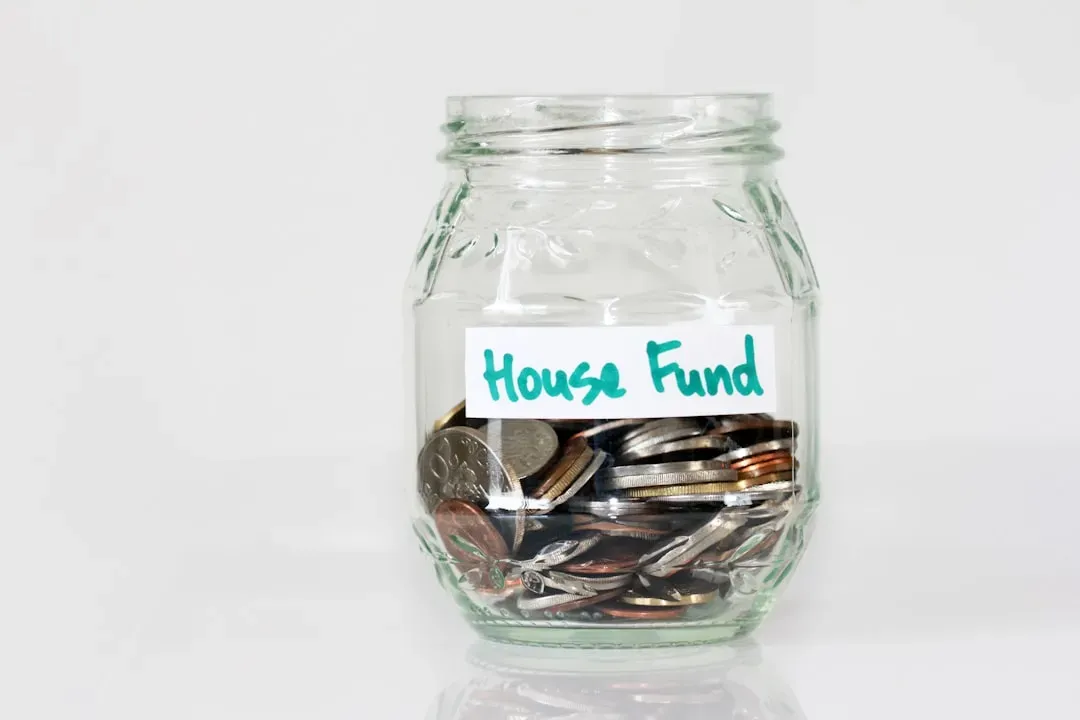
Life is full of surprises, and not all of them are pleasant. An emergency fund can help weather the storm when unexpected expenses arise. Starting by setting aside a small monthly amount in a dedicated savings account, aiming first for an initial goal of $1,000, then working towards three to six months’ worth of living expenses, provides a financial cushion and helps avoid costly debt when emergencies strike.
Nearly one in four Americans have no emergency savings at all, according to Bankrate’s 2025 emergency savings survey. Middle-class families who do maintain one understand just how fragile stability can be. More than half of middle-class households are at least somewhat concerned about the risk of a serious decline in their financial situation, a sentiment that has held steady since 2024. That awareness is exactly what drives the discipline to keep saving.
5. Carefully Monitoring Subscription Costs

Recurring subscriptions like streaming services, gym memberships, and magazines can quietly drain a budget. Regularly reviewing subscriptions and canceling those you don’t use frequently is a consistent recommendation for middle-class financial management. It sounds simple, but most households only realize how much is leaking out once they actually sit down and list every recurring charge.
As technology becomes essential for education, work, and entertainment, families spend more on digital services. The average household now spends roughly $273 monthly on subscriptions, including streaming platforms, cloud storage, and online education tools, up from about $199 in 2020. Subscriptions feel harmless because each one is a small monthly charge. Together, they become a budget leak. Middle-class families track this. Wealthy households rarely notice it.
6. Packing Lunches Instead of Eating Out Daily

The brown bag lunch is a staple of middle-class life, saving thousands of dollars a year compared to eating out every afternoon. It requires the habit of waking up earlier to prepare a meal and the discipline to skip the trendy cafe down the street. This small daily sacrifice is one of the most effective ways families keep their spending under control.
Surveys show that the average American spends roughly $3,000 annually on lunch bought outside the home. By packing a meal, a family can redirect that significant sum toward college savings or an emergency fund. For the wealthy, the cost of a daily catered lunch is so minimal that packing one seems like a waste of time. For a middle-class household, though, that redirected $3,000 a year is real, tangible financial progress.
7. Maximizing Credit Card Rewards Programs

Middle-class families have turned the act of swiping a card into a sophisticated game of point accumulation for future benefits. They carefully select cards that offer the best return on gas or groceries to fund a summer vacation that would otherwise be out of reach. It is a way to make a rigid budget work harder for the family’s long-term happiness and leisure.
Research indicates that roughly half of credit card users choose their primary card based on the rewards program offered. This level of attention to detail is a hallmark of middle-class finance management that the rich often ignore. To the wealthy, the small cash-back percentage is a rounding error, but to a family of four, it is a cross-country flight. The strategy is quiet, disciplined, and genuinely effective.
8. DIY Home Repairs and Maintenance

When a sink starts leaking or a fence needs painting, most middle-class families reach for a toolbox rather than a smartphone to call a pro. They spend their Saturday mornings watching instructional videos to learn how to fix things themselves, often involving the kids in the process. The motivation is both financial and cultural. Doing it yourself carries a certain pride that goes beyond the dollars saved.
Middle-class families build character through the very chores the wealthy pay to avoid. Wealthy homeowners, on the other hand, tend to spend money keeping their homes in excellent condition, hiring professionals to address problems before they escalate. Wealthy people protect the value of their assets and avoid pricey repairs down the road. The approach differs, but the underlying logic actually converges: keeping a home in good shape matters. The middle class just does more of the work with their own hands.
9. Teaching Kids About Money Early

Wealthy families often discuss investments at dinner, explain compound interest to ten-year-olds, and involve teenagers in budget planning. They don’t shield their kids from financial reality; they prepare them for it. Teaching children about money isn’t about burdening them with adult problems. It’s about equipping them with knowledge that schools won’t provide. Middle-class families do this too, though the lessons tend to be rooted in scarcity awareness rather than investment strategy.
For middle-class parents, teaching kids to save birthday money, understand the cost of household bills, or make deliberate choices at the store is a practiced habit. It’s a natural extension of how the family itself operates. The habits that separate income groups often develop early and become so ingrained that people don’t even realize they’re following a particular pattern. Middle-class families are, in many ways, intentional about passing that pattern down.
10. Shopping for Groceries With a List

Writing a list and sticking to it is an easy way to stay within a budget when grocery shopping. It’s one of those habits so ordinary it barely registers as a strategy, yet it’s one of the clearest dividing lines in household spending behavior. Creating a shopping list and meal plan, researching the cheapest grocery stores in your area, and joining rewards programs before you shop can all help you save money. Buying items in bulk, on sale, and in season can also provide meaningful relief to your wallet.
More than half of American adults say the cost of groceries is a major source of stress in their lives, according to a survey by the Associated Press and NORC. For middle-class households, a grocery list is less a suggestion and more a financial boundary. Middle-class households spend an average of roughly $55,900 per year, with housing alone consuming a third of that budget. Every unplanned purchase chips away at the margin that remains.
11. Living Below Their Means (or Actively Trying To)

A significant barrier for the middle class in growing their wealth is not paying attention to lifestyle inflation, also known as lifestyle creep. This is when, as individuals earn more, they increase their spending proportionally, or even excessively, which can stymie their ability to save. Middle-class families who are financially aware make a conscious effort to resist that pull, keeping lifestyle upgrades modest even when income grows.
The key is to decide where every raise will go before you spend it and to keep living below your means. By setting clear savings targets and resisting social pressure to upgrade, each pay increase can help build lasting wealth instead of slipping through your fingers. Wealthy households don’t need to practice this with the same intensity, since their asset base grows independently of whether they control spending. For the middle class, restraint is the mechanism. It isn’t optional.
12. Comparing Prices Before Big Purchases

Researching models, tracking price drops, and circling dates on the calendar are the small, everyday ways middle-class families exercise foresight. It’s a careful balance of patience and pragmatism that keeps a household stable, turning a simple appliance upgrade into a hard-won victory for the family budget. This isn’t impulsive consumerism. It’s the opposite.
Wealthy consumers rarely spend hours comparing appliance prices or waiting for a seasonal sale before buying a new refrigerator. For a middle-class family, that kind of patience is financially meaningful. The third income quintile averaged roughly $55,900 in annual expenditures in 2024, compared to $131,342 for the highest quintile. With that kind of gap in spending capacity, every major purchase decision carries proportionally more weight. Comparison shopping is how middle-class families protect their financial footing one transaction at a time.
13. Keeping Cars Longer Rather Than Upgrading Frequently

Big-ticket purchases like new cars may seem appealing, but a new car’s value drops the moment it leaves the dealership. Savvy shoppers and many middle-class families consider alternatives like slightly older cars with fewer miles, which don’t depreciate as quickly. Holding onto a vehicle for eight or ten years rather than trading it in every three is a reliable way to avoid recurring loan payments and depreciation losses.
Most middle-class families are holding on to their vehicles longer than ever to protect their financial health. The wealthy rarely worry about a vehicle’s longevity, often opting for leases that refresh their driveways frequently. Some middle-class people will go for expensive cars that are mainly financed by loans, and middle-class families buy more expensive cars on leases or longer-term loans. The ones who resist that temptation tend to come out financially ahead over time.
14. Regularly Reviewing Insurance Policies

Insurance is crucial to a financial plan, protecting you from catastrophic losses. However, it’s essential to balance adequate coverage and overpaying. Reviewing policies annually, including health, auto, homeowners or renters, and life insurance, comparing plans during open enrollment, and shopping for competitive rates ensures your coverage matches your current needs. Middle-class families do this routinely, often because the annual premium is a meaningful line item in their budget.
Wealthy households may have comprehensive insurance coverage, but they’re less likely to comparison-shop for premiums or scrutinize policy details. Around four in ten middle-class households are not confident they will be financially protected in the event of a major medical expense, the need for long-term care, or the unexpected death of an income-earner. That vulnerability is exactly what motivates the habit of staying actively engaged with coverage decisions.
15. Contributing to Retirement Accounts Consistently

Saving is essential, but investing is the key to long-term financial growth. Taking advantage of tax-advantaged retirement accounts like 401(k)s and IRAs, choosing low-cost index funds for broad market exposure, and rebalancing a portfolio annually to maintain a target asset allocation are all standard practices. Even small, consistent investments can compound significantly over time.
Almost half of middle-class households report they are not confident they will be able to build sufficient retirement savings. That anxiety keeps the habit alive. Middle-class families who do contribute consistently to a 401(k) or IRA, especially when they capture employer matching contributions, are practicing one of the most reliable forms of long-term wealth building available to them. Inflation erodes the purchasing power of cash sitting in savings accounts, and those comfortable with market volatility understand historical returns and invest with long time horizons.
16. Supporting Adult Children Financially at Personal Cost

One frequent mistake that middle-class families make is taking care of their grown children’s bills, such as rent or healthcare, when nearing retirement. To avoid falling into this parental money pit, teaching kids financial independence is key. If you stop funding their lifestyle, you can start funding a more comfortable retirement plan for you and your partner. This habit is practiced widely, even when it quietly undermines the parents’ own financial stability.
If their children don’t do as well as they expect, some middle-class parents empathize with them and end up paying their bills. The parents are nearing retirement by this time, and their retirement plans take a huge hit. Kids of wealthier people often already have trust funds set up, so the dynamic looks entirely different. For middle-class families, the instinct to help is genuine and often deeply generous. The financial cost, though, is real and worth acknowledging honestly.
What’s striking about these sixteen habits is how many of them are rooted in the same core value: paying close attention to money because it matters. The habits of the middle class are built on grit, patience, and a deep respect for the value of a dollar. These families find joy in the process of fixing, saving, and working together to build a life that is both sustainable and meaningful. Whether that’s packing a lunch, waiting for a sale, or reviewing an insurance policy for the third year in a row, none of it is glamorous. But over time, it quietly adds up to something real.



Leave a Reply