
There’s a certain romance to cooking like a professional chef. Cooking shows make it look effortless, cookbooks promise restaurant-quality results, and social media has turned mise en place into an aesthetic. Somewhere along the way, home kitchens started trying to operate like commercial ones, and that’s where the trouble begins.
The truth is, most restaurant habits exist for very specific reasons tied to volume, speed, and professional consistency. Strip away that context and many of those habits become unnecessary burdens at home. A few of them actually make things worse. Here are nine worth reconsidering.
1. Full Mise en Place for Every Single Meal
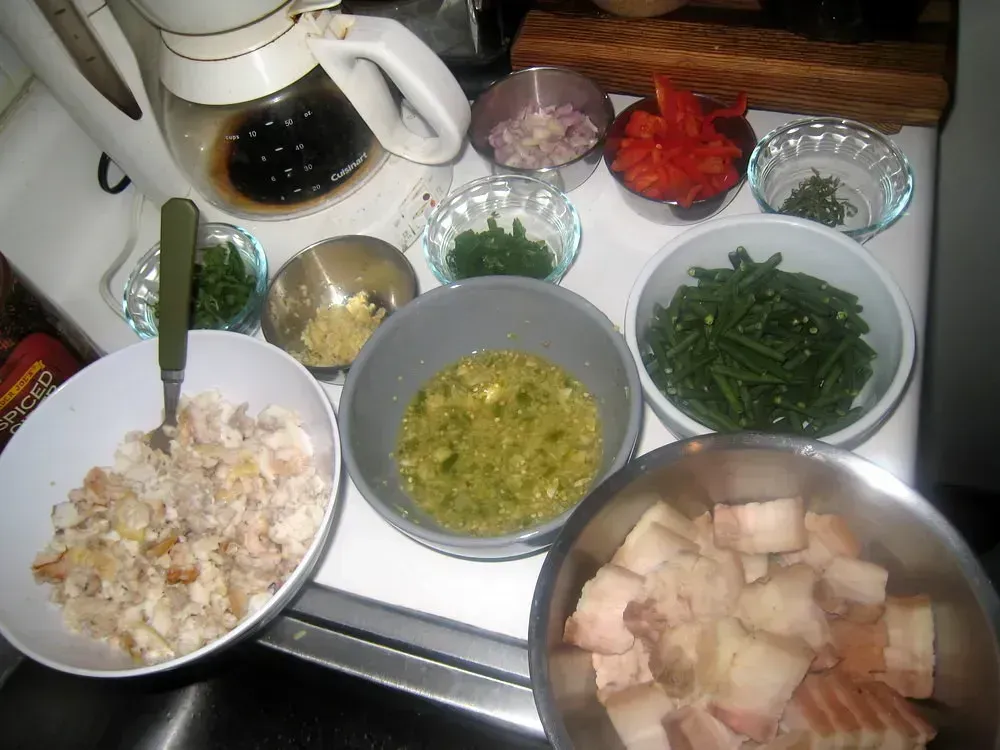
Mise en place, the French culinary term meaning “everything in its place,” is the practice professional chefs use to prep and organize all ingredients and tools before cooking begins. In a commercial kitchen handling dozens of orders simultaneously, it’s non-negotiable. At home, that logic doesn’t always translate.
Mise en place is good for complicated recipes, but it’s an inefficient use of time for everyday cooking. The smarter approach is to get the slowest thing to cook on the heat first, and then prepare the next step while it’s cooking. If you want dinner on the table in half an hour, spending 20 minutes chopping everything first and then standing around waiting while stages cook works against you. Save the full spread for genuinely complex dishes and skip it on a weeknight pasta.
2. Constantly Shaking and Tossing the Pan
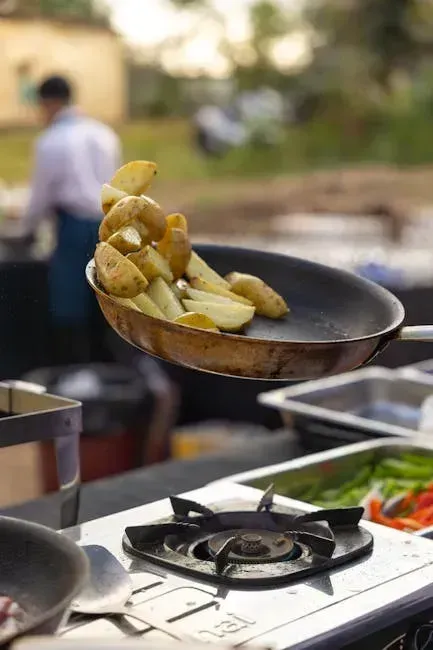
You’ve seen it on every cooking show: the dramatic flick of the wrist, the sizzle, the effortless toss. It looks skilled, and it genuinely is in a fast-paced restaurant kitchen where a chef is juggling multiple pans over extremely high heat. At home, it’s mostly performance.
Amateur cooks tend to shake their pans a lot because they see chefs doing it on TV. Shaking a pan to move things around actually cools down whatever you are cooking and prevents caramelization. Instead of getting a nice sear that’s crispy, you can end up steaming your food. Letting your food sit undisturbed is what builds the crust and color that makes a dish actually taste like something.
3. Making Homemade Stock From Scratch Every Time
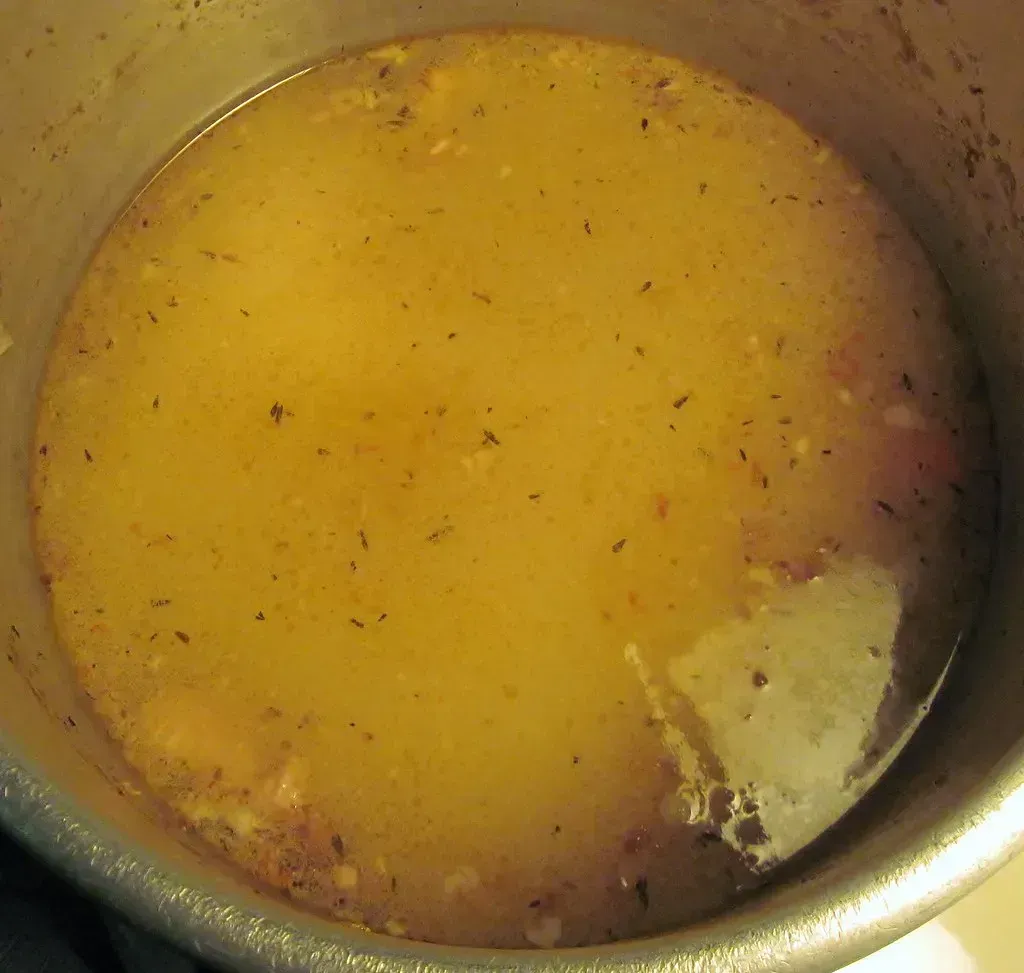
Homemade stock is genuinely wonderful. Nobody is arguing otherwise. The issue is the hours-long commitment involved when good-quality store-bought stock can produce results that are nearly indistinguishable to most home diners. Working in professional kitchens means you certainly learn a few cooking tips and tricks along the way, but one of them is that efficiency matters enormously, and burning three hours on stock every week is not a sustainable habit.
Restaurants make stock in bulk, overnight, using bones that would otherwise go to waste. That context simply doesn’t exist in most home kitchens. Save the from-scratch stock project for a lazy Sunday when you have the time to enjoy the process, and reach for a good carton during the week without guilt.
4. Expecting Caramelized Onions in Ten Minutes
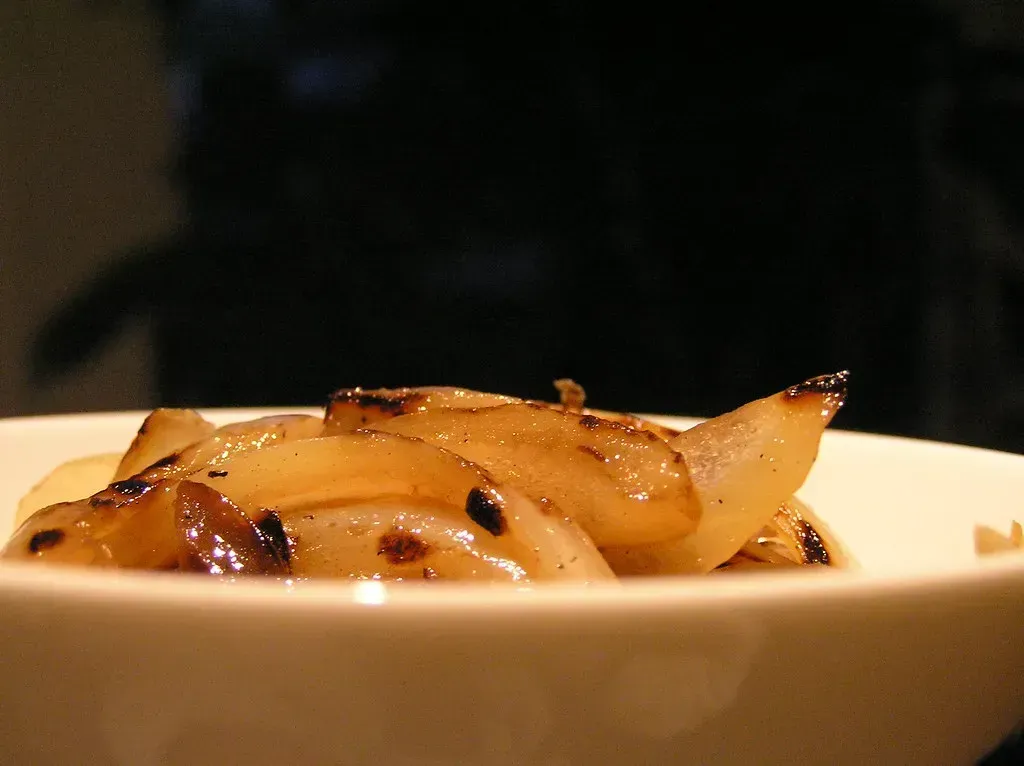
This one is widely misunderstood, and the recipe world shares the blame. Onions do not caramelize in five or ten minutes. They never have, they never will, yet recipe writers have never stopped pretending that they will. Home cooks follow these timings, end up with pale, slightly softened onions, and assume they did something wrong.
It takes fifty to eighty minutes for onions to become deeply brown, soft, and properly caramelized. The exact timing will depend on the size of your pan, the size of your onions, and the heat of your stove. The habit worth dropping isn’t making caramelized onions at all, it’s trying to rush the process and feeling like a failure when it doesn’t work on schedule. Plan for the real timeline or skip it for a weeknight.
5. Pre-Cooking Lasagne Sheets
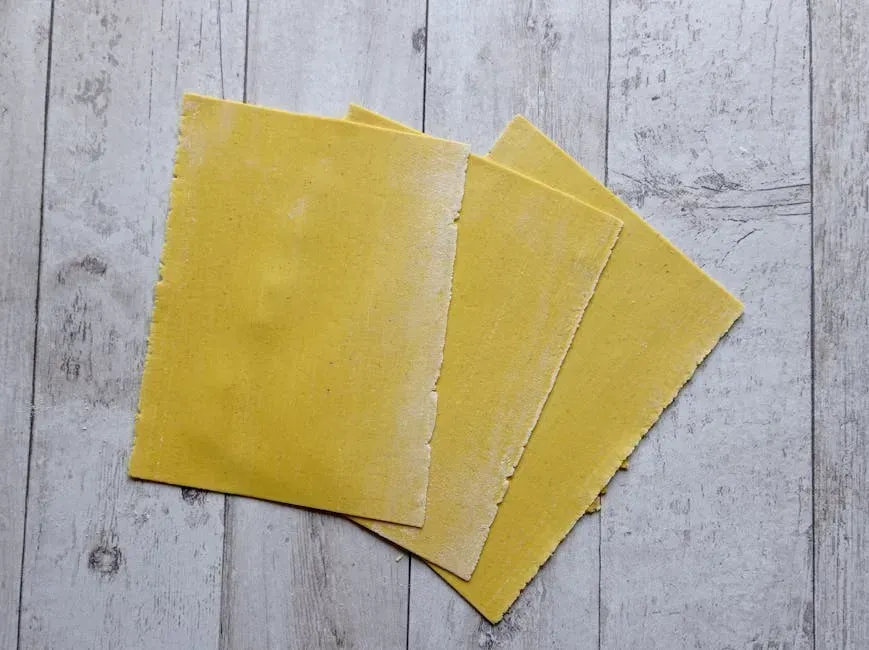
This is one of those inherited kitchen habits that home cooks pick up without ever questioning. Pre-boiling lasagne sheets before baking adds an extra step, extra time, and extra dishes, but it doesn’t actually improve the outcome.
Lots of home cooks add the unnecessary and time-consuming step of pre-cooking their lasagne sheets. However, if you have plenty of liquid in your sauce and bake your lasagne for at least twenty minutes, the pasta will cook to perfection. By pre-cooking your lasagne sheets first, you’ll run the risk of overcooking them and turning the whole thing into a mushy mess. The sauce does the work for you if you let it.
6. Elaborate Fine-Dining Plating at Home
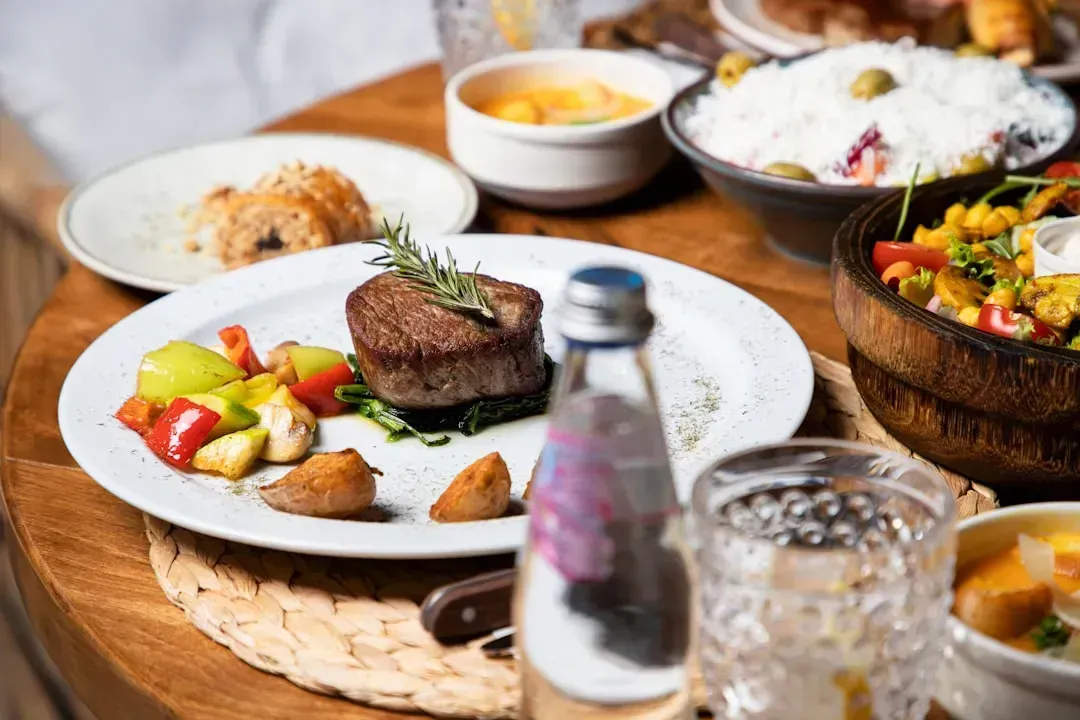
Restaurant plating exists to create an experience for paying customers in a dining room with lighting and table settings designed around presentation. Careful food presentation takes a lot of time and effort. It requires precision, focus, and a steady hand. Chefs have years of practice and a full brigade of kitchen staff. At home, that investment rarely pays off in proportion to the effort.
Spending fifteen minutes arranging swooshes of sauce and tweezering microgreens onto a plate before a family dinner means your food gets cold while you’re doing it. Plating like a chef isn’t about stacking food into sky-high towers or dotting the plate with sauce just because it looks fancy. It’s about intention, guiding the eye, highlighting flavor. A clean, generous portion on a simple plate conveys the same care without the theater.
7. Rinsing Pasta After Cooking
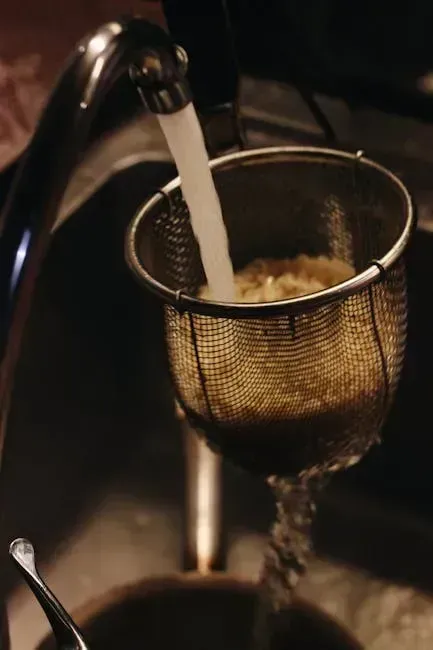
This one is so common it almost feels wrong to challenge it. Rinsing cooked pasta under cold water might seem like a practical step to stop it from sticking or cooling it quickly, but it strips away something essential in the process.
Pasta should never be rinsed for a warm dish because the starch in the water is what helps the sauce adhere to the pasta. The only time you should ever rinse your pasta is when you are going to use it in a cold dish, like a pasta salad, or when you are not going to use it immediately. Reserving a cup of pasta water before draining is far more useful: that starchy water is what transforms a separated sauce into a glossy, restaurant-style finish. Keep the starch, skip the rinse.
8. Blanching and Shocking Every Vegetable
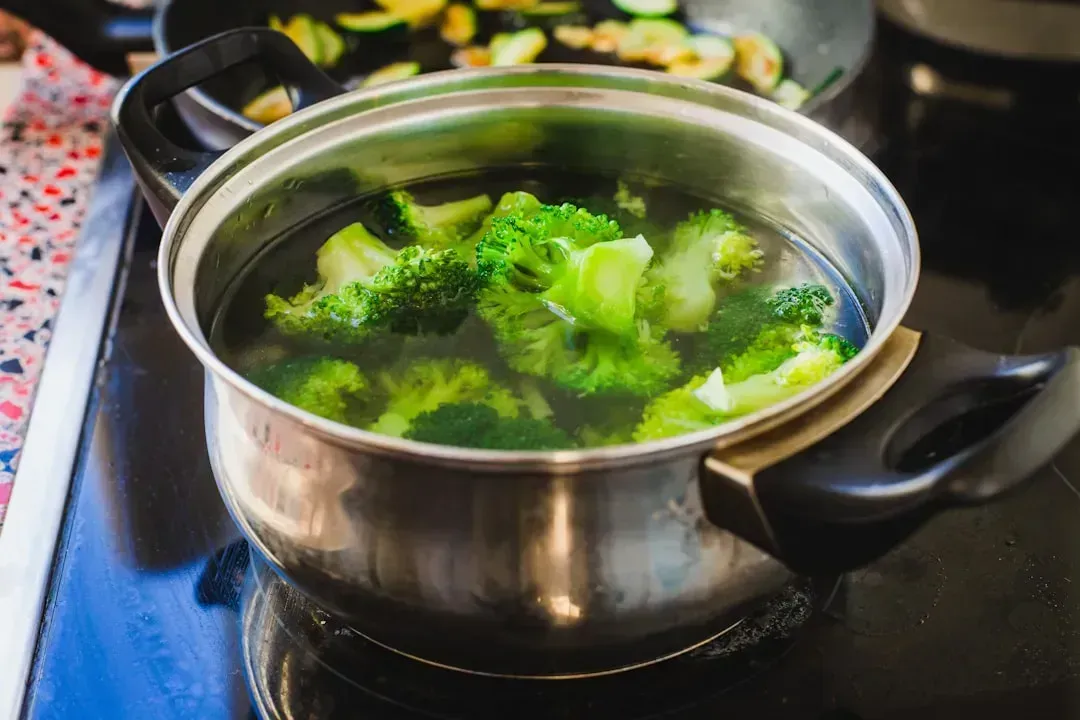
Blanching vegetables in boiling salted water and then plunging them into ice water to stop the cooking is a standard professional technique. Blanching is a cooking process where you cook something briefly in boiling water and then stop the cooking process with cold water. The cold water helps maintain the original bright color of the vegetable. In a restaurant kitchen, this is essential for timing and consistency across hundreds of plates.
At home, where you’re cooking vegetables and serving them almost immediately, the elaborate two-pot setup rarely earns its keep. Roasting vegetables in the oven or sautéing them directly produces excellent color and texture without the extra equipment, the boiling water, the ice bath setup, and the careful timing. For casual weeknight cooking, a hot pan and a bit of attention gets you ninety percent of the way there with a fraction of the effort.
9. Pressing Down on Burgers While They Cook

This one might be the most universally practiced mistake borrowed from the idea of the restaurant griddle cook. People press their burgers with a spatula as they cook, perhaps thinking they’re speeding things along or getting a better sear. The effect is the opposite.
Stop pressing down on your burger while it cooks. It squeezes out all the juices, and your burger will be dry. The moisture you see escaping onto the pan is the fat and liquid that makes a burger worth eating. Restaurants that use smash burger techniques press intentionally at the very start to create surface area and crust, which is a different method entirely. Pressing mid-cook on a standard patty just removes what you’re trying to keep inside.
Most of these habits share the same origin story: they look right, they feel professional, and nobody ever sat down to question whether they actually made sense outside of a commercial kitchen. The good news is that cooking at home improves significantly once you stop chasing the aesthetics of a restaurant kitchen and start thinking about what genuinely makes your food taste better on a Tuesday evening with limited time and energy. That’s a very different goal, and it deserves its own approach.



Leave a Reply