
1. Shopping Without a List
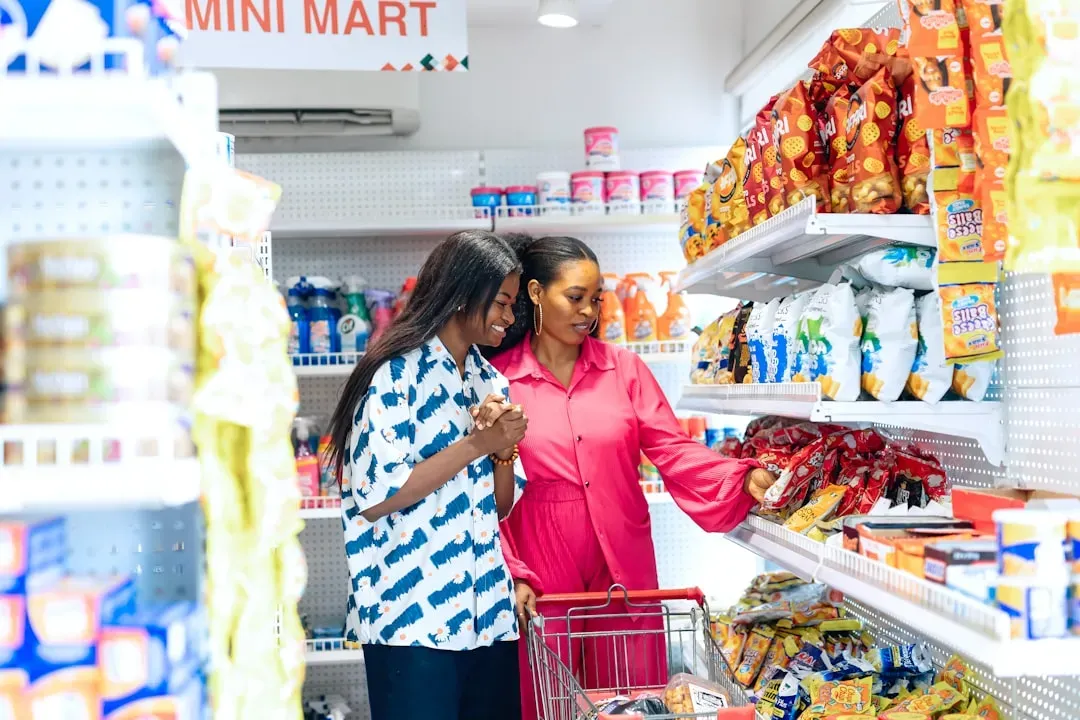
It sounds obvious, but the numbers tell the real story. Over half of Americans shop with a grocery list, and nearly four in five of those shoppers say they’re less likely to overspend when they do. The inverse is just as telling: heading in without one leaves you entirely at the mercy of the store’s layout, your appetite, and whatever happens to catch your eye.
Taking a list with you every time matters because without one, you may end up with a basket full of random items and still not have meals for the week. Having a list makes it far easier to avoid spending extra money. Skipping this step doesn’t just add unplanned items. It often means you have to return later in the week for essentials you forgot, which is yet another trip where the whole cycle starts over.
2. Shopping on an Empty Stomach
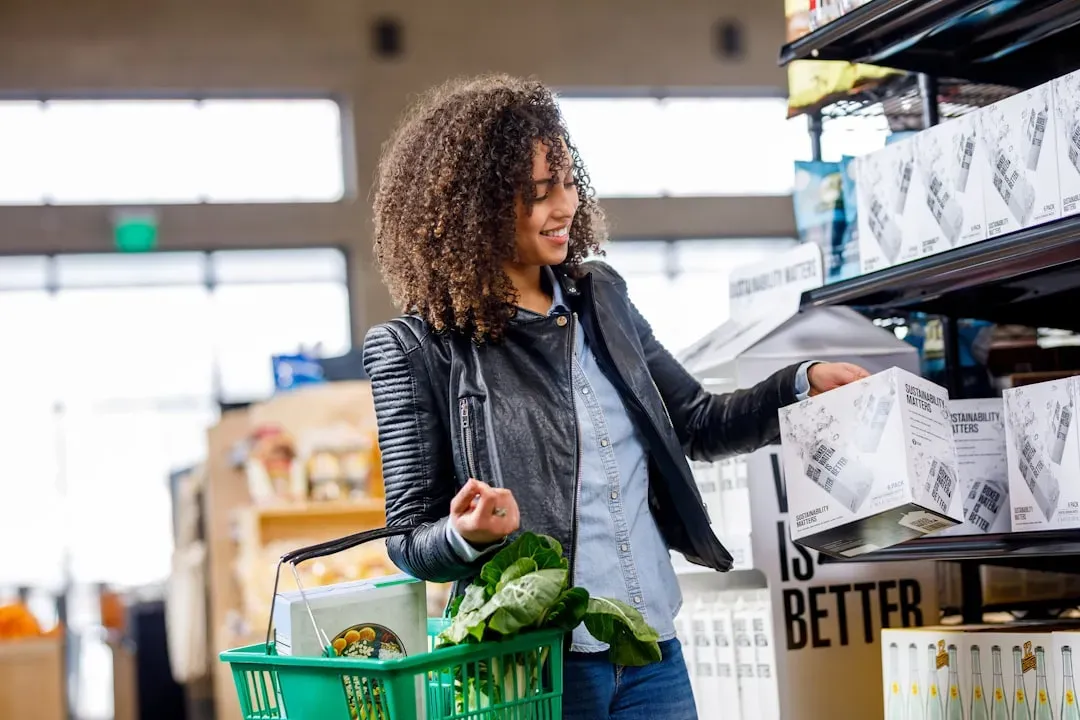
Research shows that grocery shopping on an empty stomach can lead to serious overspending. On average, a person will spend an extra $26 per trip when they’re hungry. That’s a meaningful number when you’re already watching a tight budget, and it adds up quickly over the course of a month.
Heading to the grocery store hungry can dramatically influence buying decisions. Research consistently shows that hunger increases impulsive behavior, making shoppers more likely to add unnecessary snacks, sweets, and convenience foods to their carts. When people feel hungry, the brain prioritizes immediate satisfaction rather than long-term budgeting. A small snack before you go is one of the cheapest interventions you’ll ever make.
3. Falling for End Cap Displays
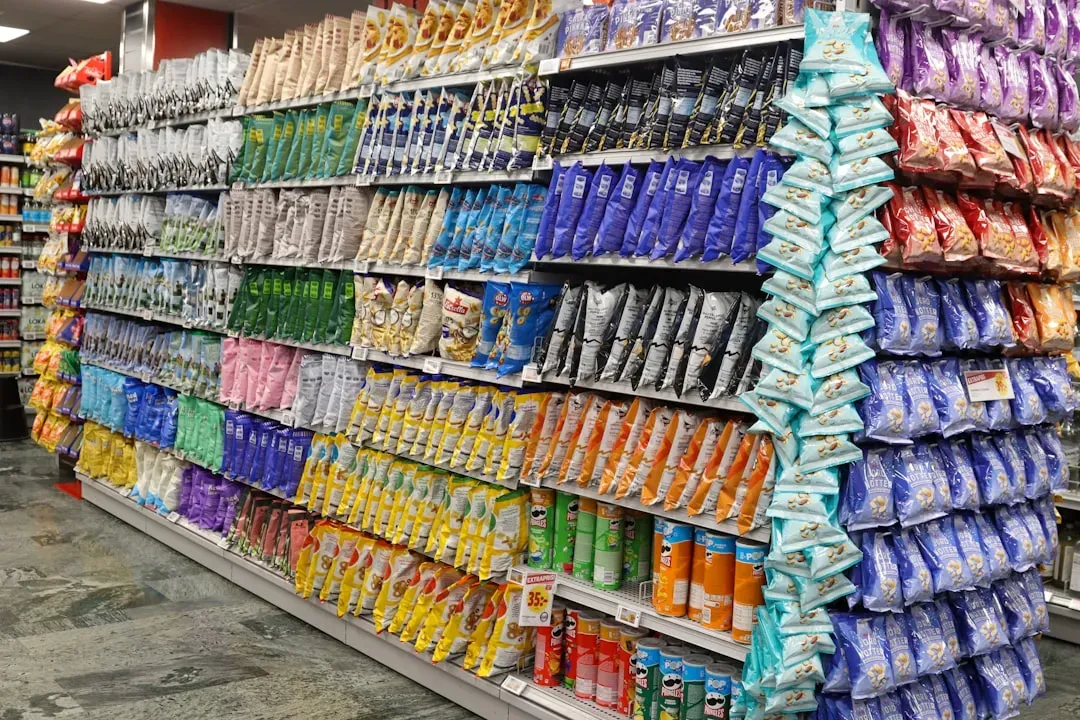
The displays at the very end of aisles, known as end caps, can be costly for your wallet. Shoppers have been conditioned to believe that any item sitting on an end cap is heavily discounted, but in reality, food manufacturers often pay a premium fee to place their products in these highly visible locations. You’ll frequently find popular products sitting there at full retail price, arranged to look like a deal.
The end cap placement triggers a “must be a good deal” response in the brain. Shoppers often grab the item without checking whether it actually is discounted. Even when they do check, the prominent placement has already primed them to view it favorably. Slowing down to verify the actual unit price before anything goes in the cart is the only reliable defense here.
4. Using a Cart When You Don’t Need One
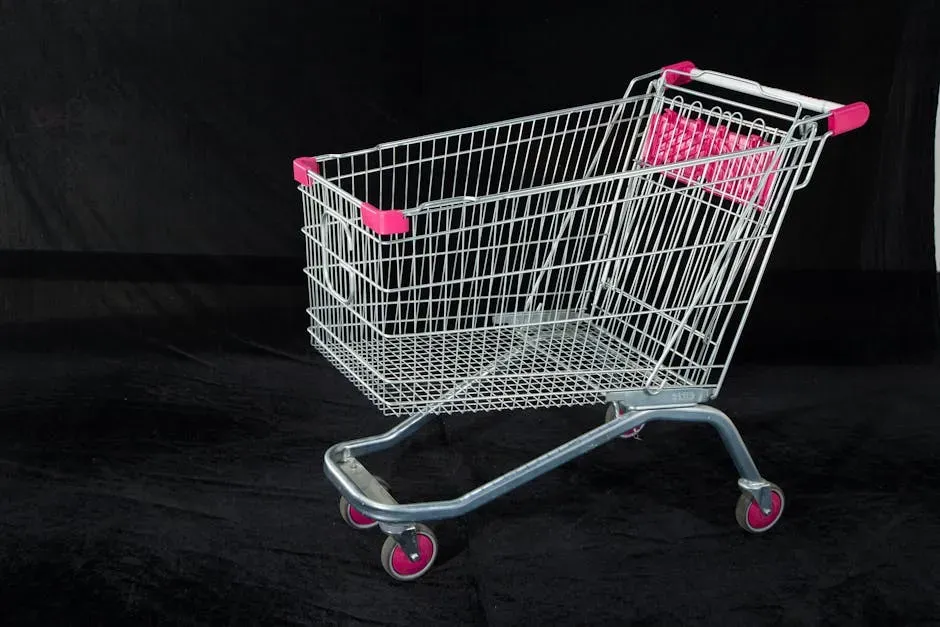
The size of your cart quietly shapes how much you buy. If you don’t have a large list, grabbing a basket is smarter. You’re more likely to add food you don’t need to a cart because you subconsciously want to fill the empty space. With a basket, you’re more likely to stick to your list simply because you don’t want to carry the extra weight.
Retailers know this, and store carts have grown considerably larger over the decades precisely because bigger carts tend to produce bigger receipts. Choosing a hand basket for a short trip isn’t just practical. It’s a quiet act of financial self-defense that costs you nothing and keeps your haul realistic.
5. Ignoring Eye-Level Shelf Placement
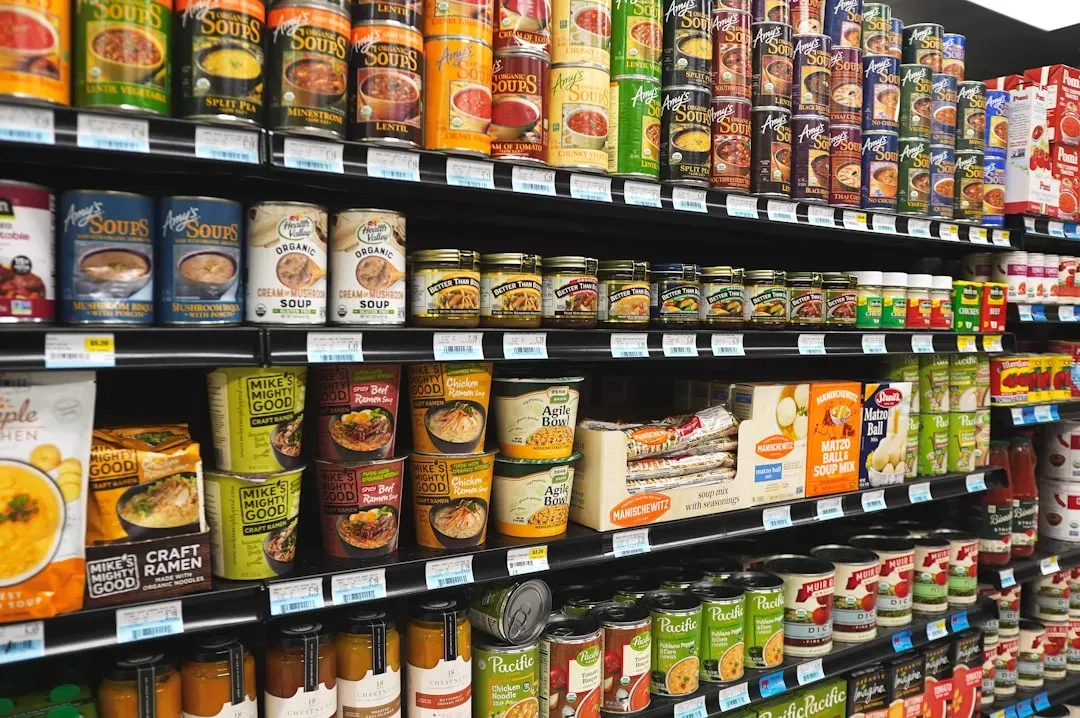
Shelf placement follows a clear hierarchy. The most profitable items go at eye level. Products requiring you to bend down or reach up sell significantly less. This is why you’ll find store brands and higher-margin items right in your natural line of sight, while less profitable products get relegated to top and bottom shelves.
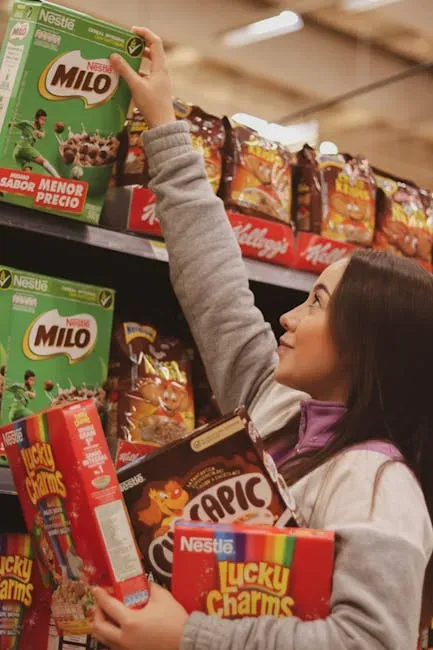
Walk down the cereal aisle and you’ll notice the shelf at a child’s eye level is full of sugary, name-brand boxes. The shelves in the middle, where most adults look, are also full of more expensive, name-brand products. The very bottom and very top shelves are where generic brands and cheaper prices tend to live. Looking up and down can save you real money. It’s a habit that takes about five seconds per aisle to develop.
6. Buying Pre-Cut and Pre-Packaged Produce
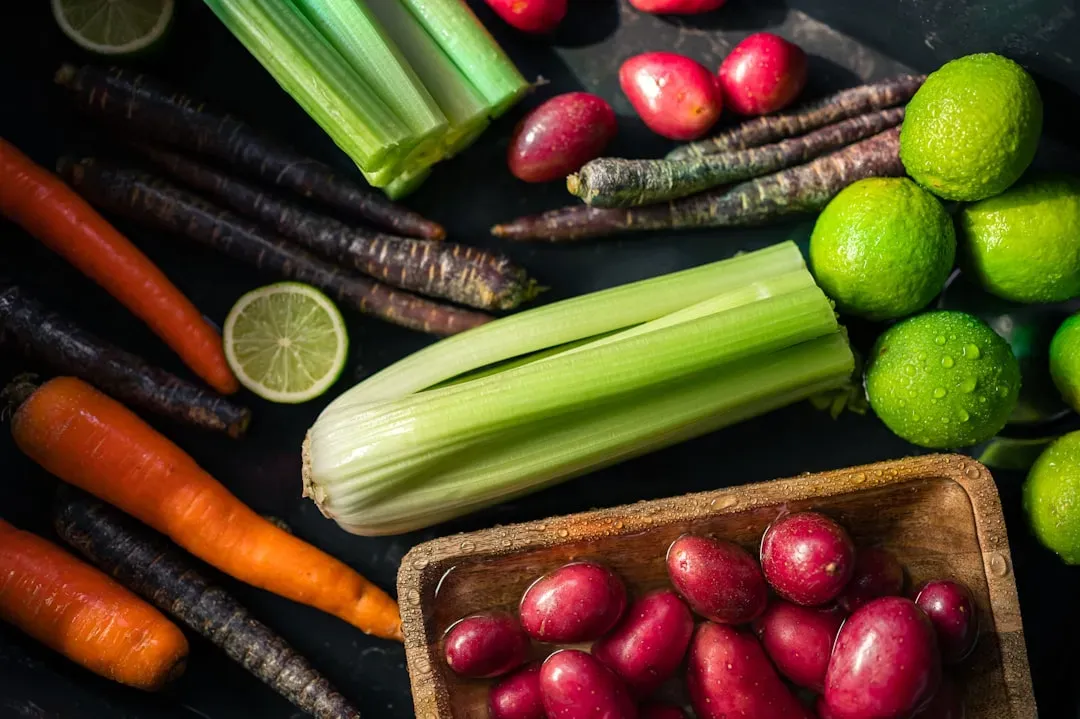
Pre-cut fruits and vegetables offer convenience, but that convenience usually comes with a significant markup. Items like sliced pineapple, chopped onions, or packaged salad mixes often cost two to three times more than their whole counterparts. While they save a few minutes of preparation, the price difference adds up quickly. Stores pass along the labor costs of washing, cutting, and packaging directly to the shopper.
Convenience items like pre-cut produce or shredded cheese can cost thirty to fifty percent more than whole ingredients. Pre-cut produce also tends to spoil faster because exposure to air accelerates deterioration. So you’re paying more for something that will also go bad sooner. Buying whole and preparing at home isn’t just cheaper. It’s usually fresher, too.
7. Shopping Too Frequently
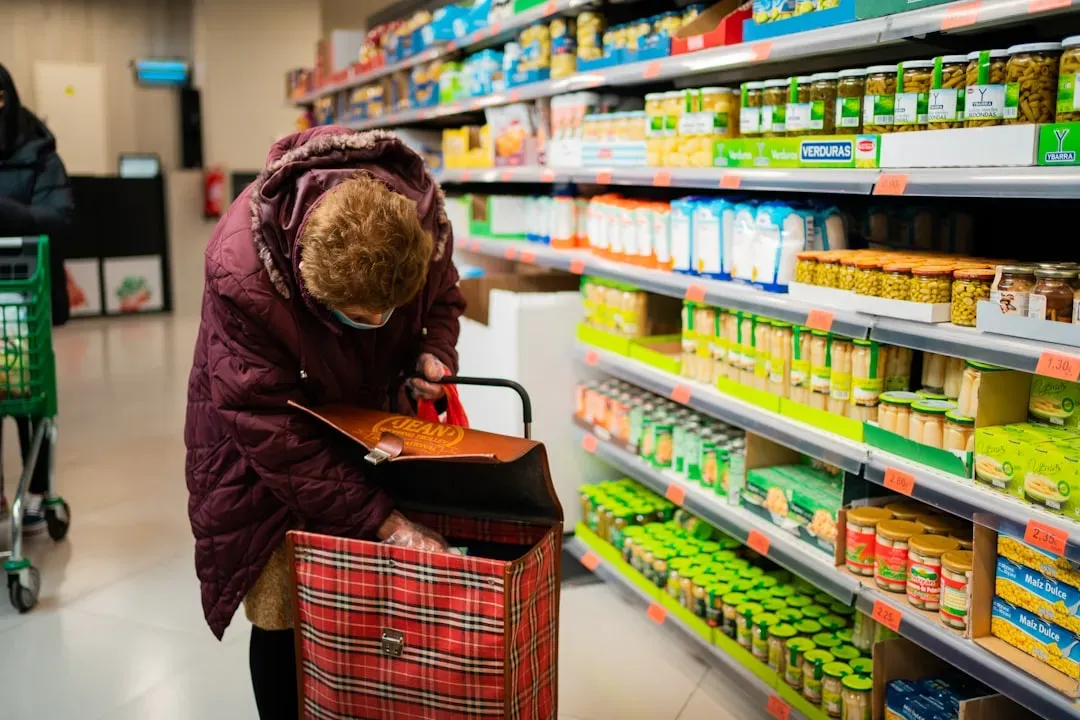
Shopping less frequently, once per week or bi-weekly, can help reduce impulse spending and force you to use what you already have at home. Frequent trips tend to result in more unplanned purchases. Every extra visit to the store is another opportunity for the store’s design to work against your budget.
Nearly half of survey respondents reported shopping weekly, while nearly a third make two to three trips per week. Those extra mid-week stops often start as a quick run for one or two things and end with a handful of additional items that weren’t planned. Consolidating your shopping into fewer, better-planned trips is one of the more effective budget levers most people have.
8. Trusting the Store’s Layout to Guide You
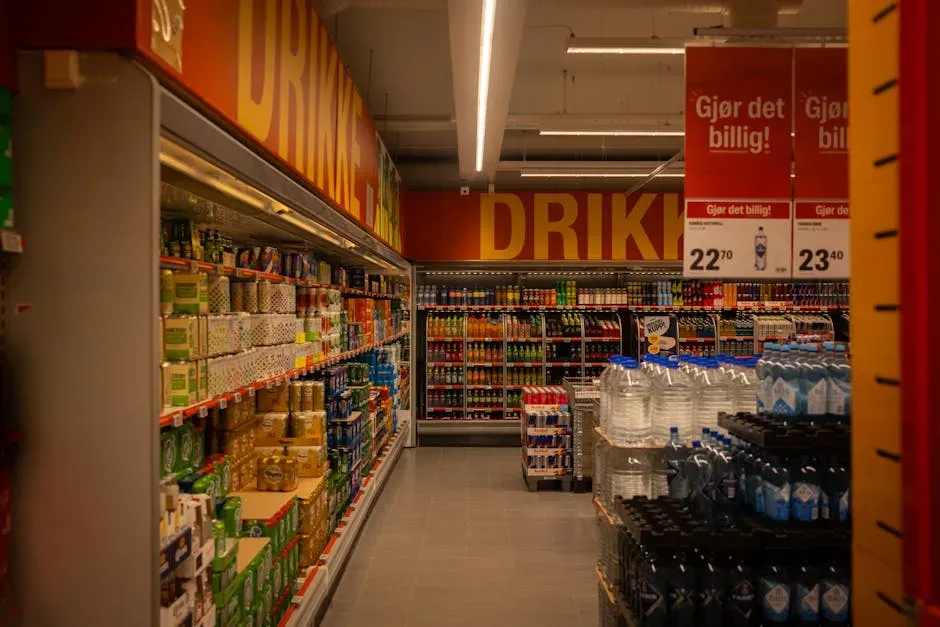
Many supermarkets intentionally design aisles in patterns that encourage customers to travel deeper into the store before reaching everyday essentials. Instead of straight, intuitive pathways, shoppers encounter winding aisle structures, partial barriers, and end-cap displays that interrupt direct movement. Retail strategists use this approach to increase “dwell time,” the amount of time shoppers spend inside the store. The longer customers wander, the more products they notice and potentially buy.
Most grocery stores place fresh foods around the perimeter, with packaged foods in the center aisles. Fruits and vegetables sit closest to the entrance, with the bakery nearby. Milk is usually placed far in the back corner. All these placement choices are deliberate. Walking the perimeter with purpose and entering the center aisles only when you need something specific keeps you in control of where your feet, and your money, go.
9. Letting the Checkout Lane Have the Last Word
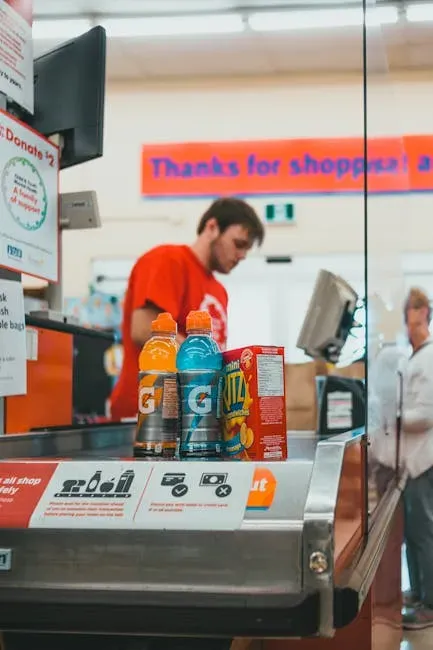
While the checkout area may appear to be a simple waiting space before payment, retailers design it specifically to encourage impulse purchases during the final moments of a shopping trip. Items such as candy bars, magazines, batteries, and small snacks are strategically placed within arm’s reach. After spending time navigating the store, shoppers are often mentally tired and less focused on sticking strictly to their lists, making them more likely to grab small, inexpensive products while waiting in line.
Many parents give in to children’s requests in the checkout zone just to avoid a scene or because “it’s only a few dollars more.” The store knows you’re in buying mode at that point. Adding one or two small items feels insignificant compared to the full cart you’re already purchasing. That logic is exactly what makes it expensive. Those small additions are the ones easiest to skip and hardest to notice on the receipt.
10. Defaulting to Name Brands Out of Habit
Store brands often offer the same quality as name-brand products at a fraction of the price. From pantry staples like pasta and rice to dairy and frozen foods, many store-brand items are made by the same manufacturers that produce the name-brand versions. Switching to store brands can save a substantial amount without compromising the taste or quality of meals. Over time, this simple habit can make a big difference in overall grocery spending.
Many people are loyal to certain brands, but buying store brands instead is worth trying. This simple switch can save you an average of roughly a quarter of the cost. Brand loyalty is reinforced heavily by marketing, by familiar packaging, and by simple repetition. None of those things are good reasons to keep paying a premium every single week for items that are functionally identical on the plate.
11. Buying in Bulk Without a Plan
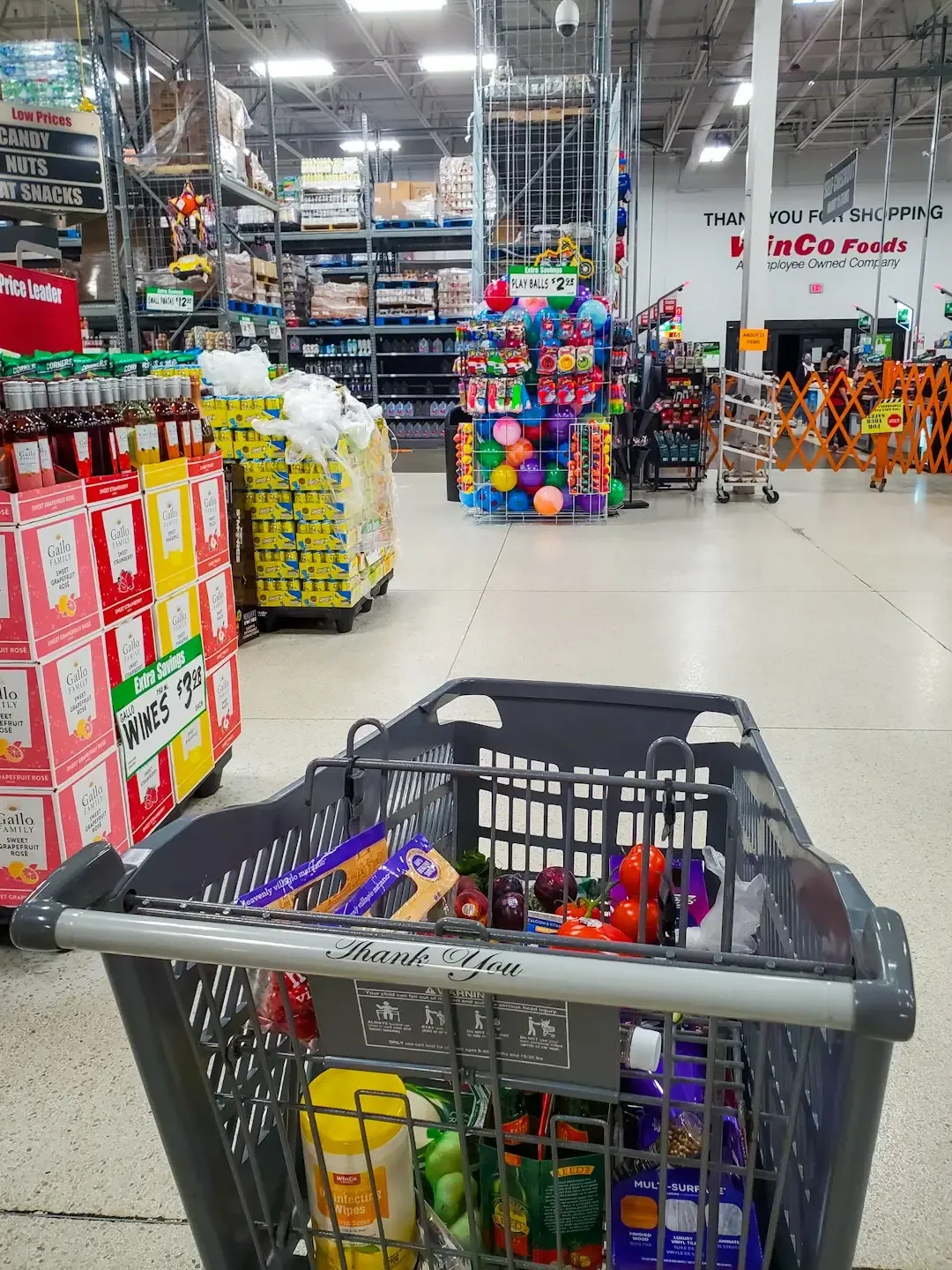
Buying in large quantities can lower the price per unit, but only if the food gets eaten. Freezers full of forgotten meat, produce that spoils in drawers, and pantry items that expire all represent wasted money. The savings that look impressive on the shelf disappear entirely once something ends up in the trash.
Fresh produce, dairy, and bakery items are essential parts of a healthy diet, but purchasing more than can realistically be used often leads to waste. Many shoppers buy large quantities with good intentions, only to throw away spoiled items days later. Food waste is one of the most overlooked contributors to grocery overspending. Even small amounts discarded each week can accumulate into substantial losses over time. Bulk buying is genuinely useful for shelf-stable staples. For perishables, it requires honest planning rather than optimistic guesswork.
Most of these habits are easy to overlook precisely because they don’t feel like mistakes in the moment. The store is warm, the displays are inviting, and the individual amounts seem small. What changes the math is seeing them as a system rather than a series of one-off decisions. Small, repeated adjustments to the way you shop tend to quietly shrink a grocery bill in ways that surprise even attentive budgeters.


Leave a Reply