
There’s a particular kind of frustration that comes from cooking in a kitchen that feels like it’s working against you. Knives that drag instead of glide, pans that warp in the oven, tools buried in a drawer somewhere under a tangle of spatulas. Most home cooks eventually settle into these frictions without realizing pros never accept them in the first place.
The good news is that the gap between a professional kitchen and yours isn’t really about budget or square footage. It’s almost entirely about habits, tools, and a handful of small decisions that compound over time. These 18 upgrades are the ones that rarely make flashy gift guides, but show up in every serious kitchen regardless.
1. A Honing Steel Used Before Every Session
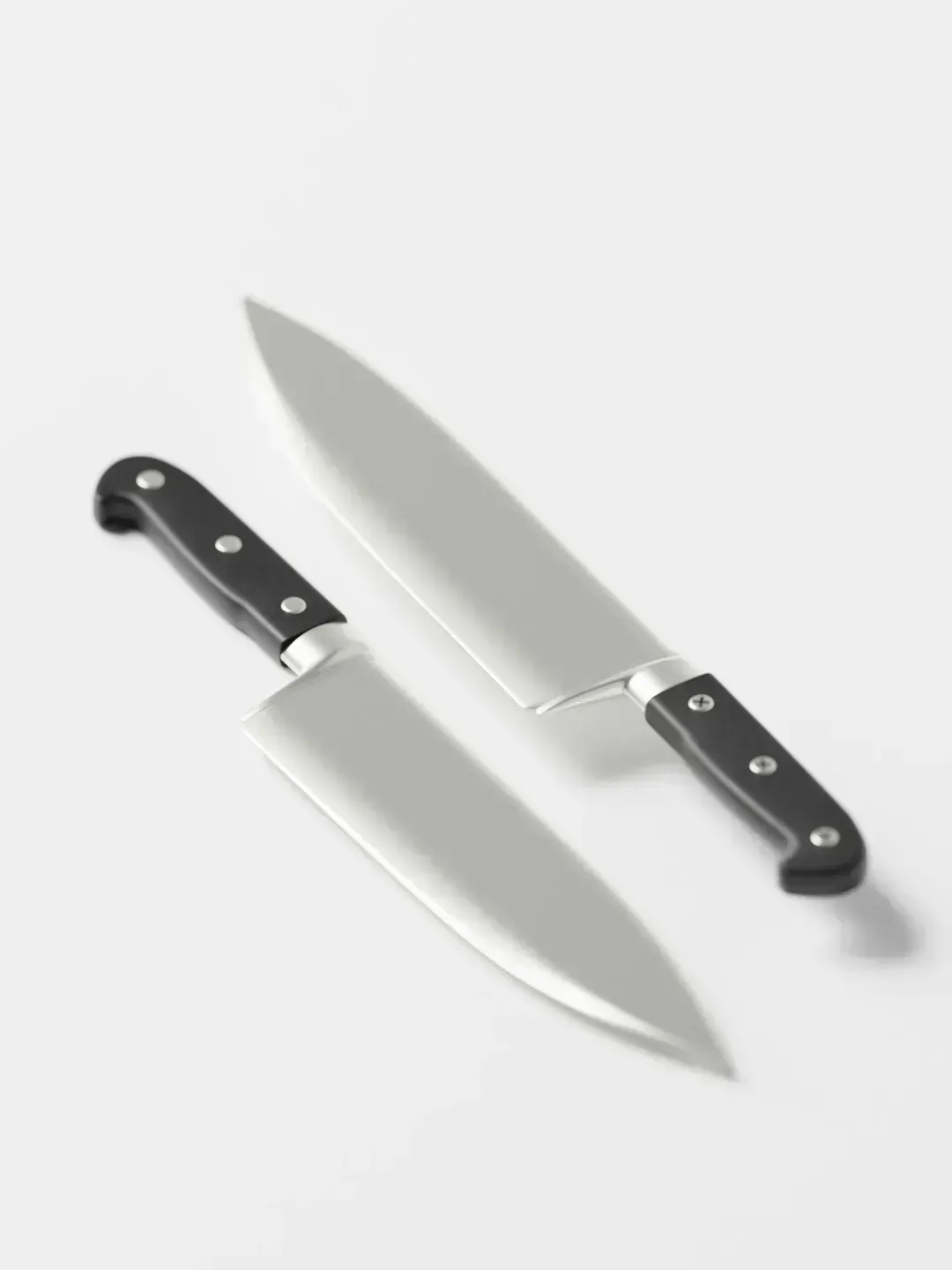
A sharp knife changes the entire cooking experience. Slicing becomes easier, cuts come out cleaner, and chefs rarely struggle with dull blades because knife maintenance is simply part of a daily kitchen routine. Most home cooks only think about sharpening when a knife starts noticeably struggling, which is far too late.
A quick pass on a honing steel helps keep the edge aligned, while occasional sharpening restores the blade itself. Using the correct knife for each task matters as well. A chef’s knife handles most chopping and slicing, while smaller knives are used for more delicate work like peeling or trimming. The honing steel costs almost nothing and takes about ten seconds.
2. Mise en Place as a Non-Negotiable Habit
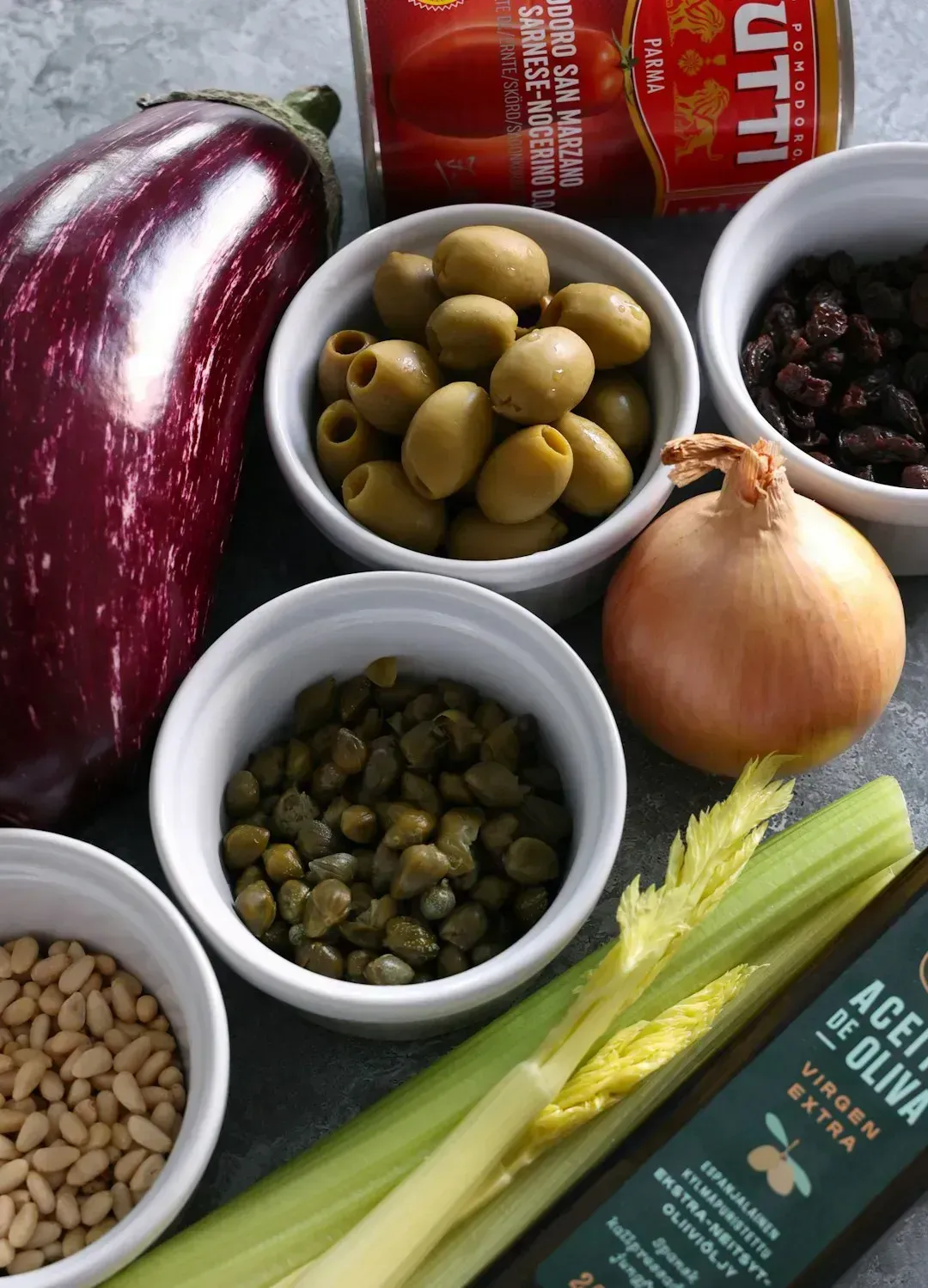
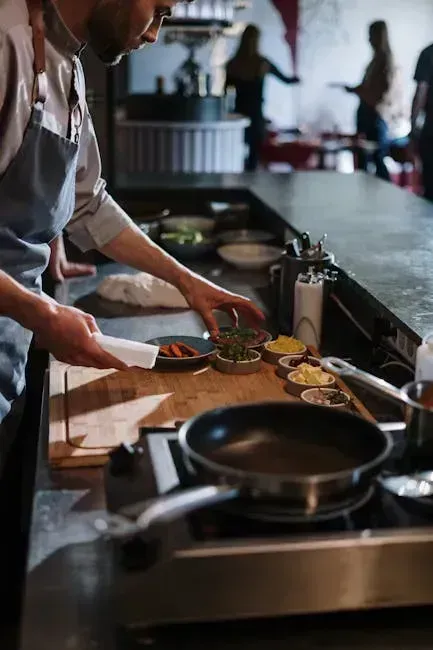
Mise en place is a French culinary term meaning “everything in its place.” It’s the practice of preparing and organizing all your ingredients before you begin cooking, including chopping vegetables, measuring spices, and portioning meats. In professional kitchens, this happens before a single burner gets turned on.
Preparing ingredients ahead of time keeps the focus on cooking rather than scrambling. It also reduces stress, since everything needed is already within reach. Overall, cooking moves much faster once it begins. The simple shift from reactive to prepared cooking is one of the most underrated improvements any home cook can make.
3. Restaurant-Grade Sheet Pans
Unlike standard consumer sheet pans, restaurant-quality sheet pans will not warp or discolor over time. They’re made out of commercial-grade, 18-gauge aluminum and have a galvanized, rod-reinforced rim. Chefs love them, and they hold up to daily use without issue. The warping problem with cheaper pans is real and affects heat distribution in every single roast.
The test kitchen’s recommended half-sheet and quarter-sheet pans are warp-resistant and produce evenly cooked food. They also work great as prep surfaces, keeping juices from any raw protein contained and letting you season without salt and pepper flying across the counter. You can move them straight from the fridge to the oven without sacrificing counter space.
4. A Bench Scraper on the Cutting Board
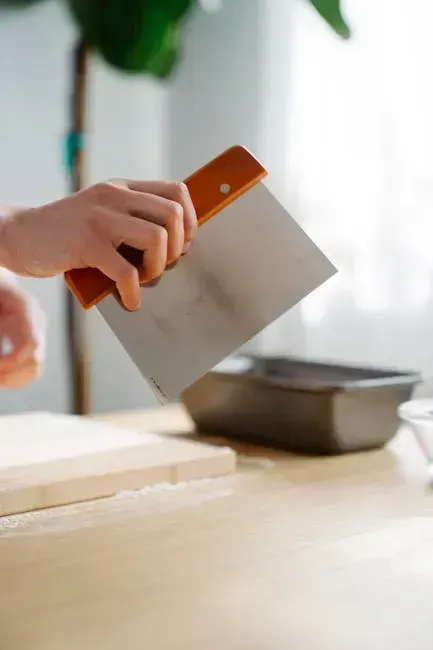
A bench scraper is one of the most versatile kitchen tools. It’s excellent for dividing dough, transferring chopped ingredients, or keeping your work surface clean and organized. Yet most home cooks have never owned one, let alone kept it within arm’s reach during prep.
Removing food scraps from your cutting board can be messy to do by hand and dangerous to do with a knife. This is exactly where a bench scraper comes into its own. With a quick sweep and dump, your board is clean and clear. Many reviews from culinary professionals also note how it protects knives by eliminating the need to use their blade edge for transferring chopped ingredients.
5. Stainless Steel Mixing Bowls in Multiple Sizes
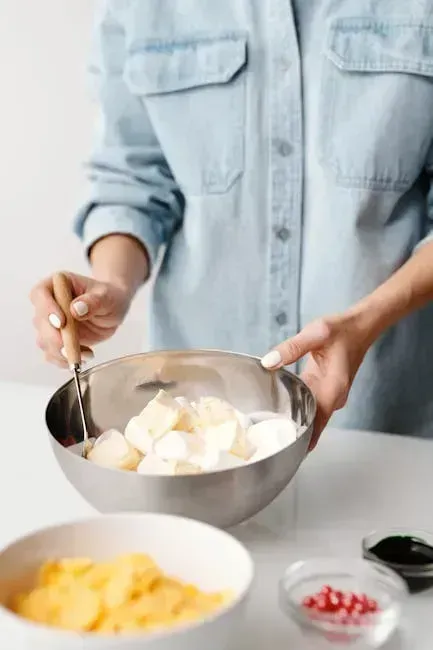
Look in any restaurant kitchen and you won’t find chefs working with ceramic bowls. They’ll be using stainless steel ones instead. They’re super light, don’t absorb stains or odors, are easy to clean, and are extremely durable. Even if you dent them, they still work all the same.
A set of nesting mixing bowls is a genuine no-brainer. Stainless steel offers extra insurance for when you drop them. Having at least ten mise bowls on hand is a reasonable benchmark, and they stack perfectly in the dishwasher. Ceramics look nicer on a shelf, but stainless steel is what professionals reach for when they’re actually cooking.
6. An Instant-Read Meat Thermometer
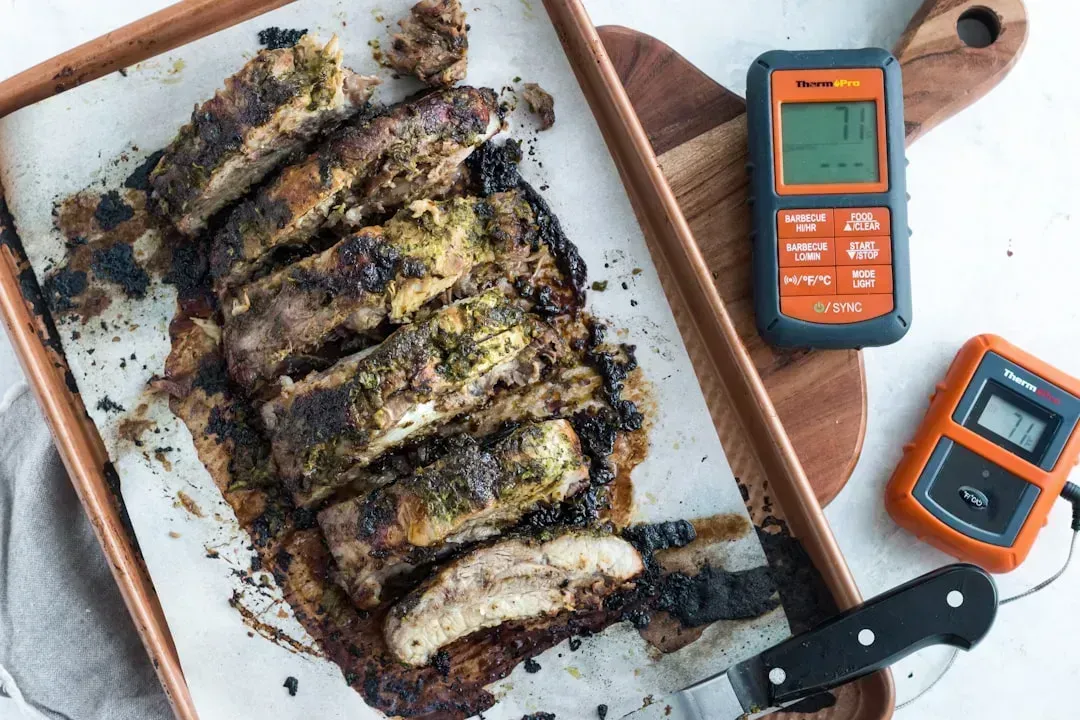
A must-have tool for anyone who cooks is a probe thermometer. It takes the guesswork out of cooking any protein. You will never overcook another steak or undercook chicken ever again. That confidence alone is worth far more than the cost of the tool.
Once the domain of fine dining, precision cooking tools like smart thermometers are now becoming staples in home kitchens, empowering home chefs to achieve restaurant-quality results. Most professionals check internal temperature as a reflex, not an exception. Trusting touch or timing alone is how home cooks consistently overshoot.
7. A Microplane Zester
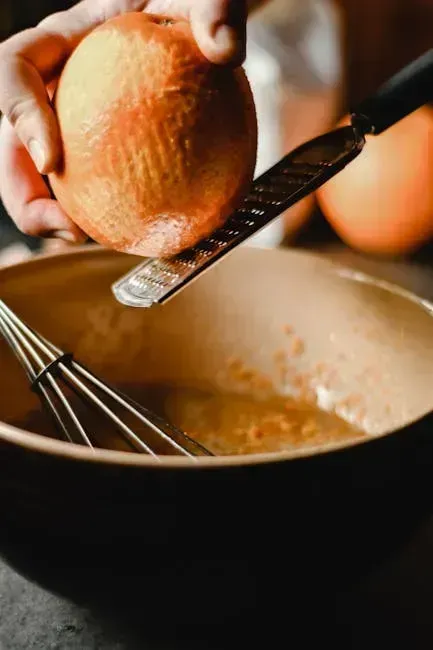
Zesting a lemon with a Microplane unlocks something powerful. It’s the oil and essence of the citrus without the heavy, sharp bitterness. It’s the real, truthful tone of the lemon. That distinction, the bright oil versus the acidic juice, is something most recipes take for granted that you already understand.
Zesters extract flavorful citrus oils without the bitterness of the pith, and reamers help release fresh juice quickly and cleanly. A Microplane also handles hard cheese, whole spices like nutmeg, fresh ginger, garlic, and even chocolate. It’s one of very few kitchen tools that genuinely earns the word “essential.”
8. A Fish Spatula for Nearly Everything
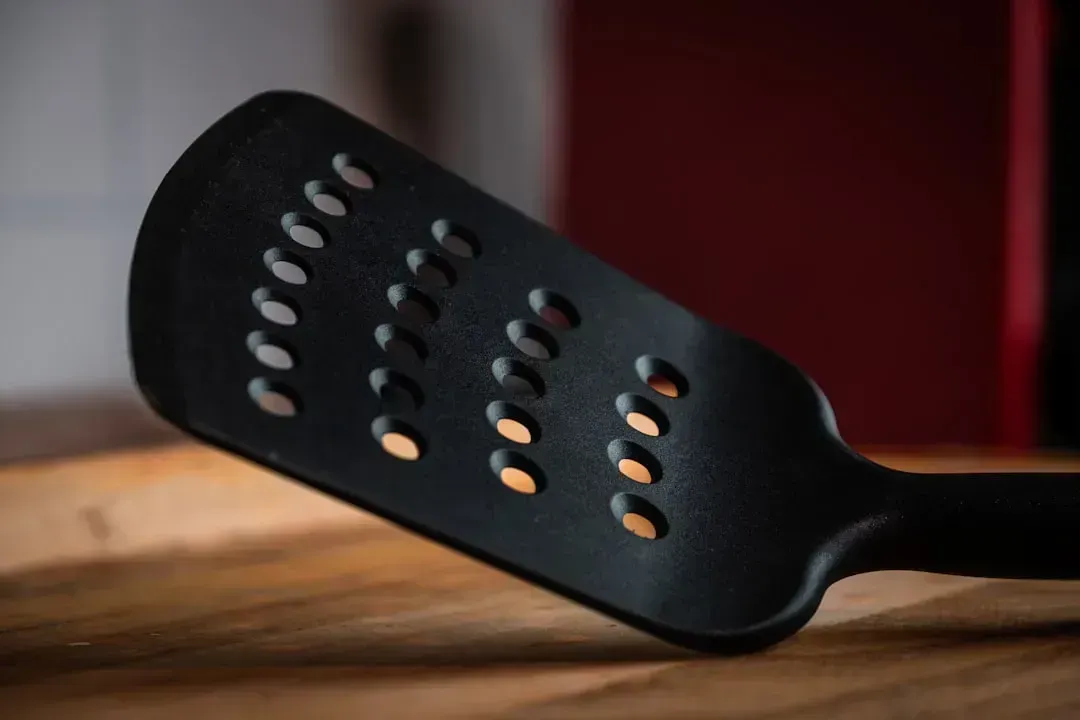
The fish spatula is a staple both in professional restaurants and at home. The beveled edges and slim stainless steel head make it easy to slip under fish to flip or transfer it cleanly in one piece. It’s designed specifically for delicate foods that other spatulas tend to mangle.
While it’s designed for sliding under fish in a frying pan, you can also use it to flip eggs, lift cookies, flip burgers, or simply transfer food from pans to plates. One caveat: most fish spatulas are metal, so avoid using them on nonstick pans where the sharp metal edge can cause scratches. For everything else, this is quietly the most useful spatula in the drawer.
9. Kitchen Shears Within Arm’s Reach
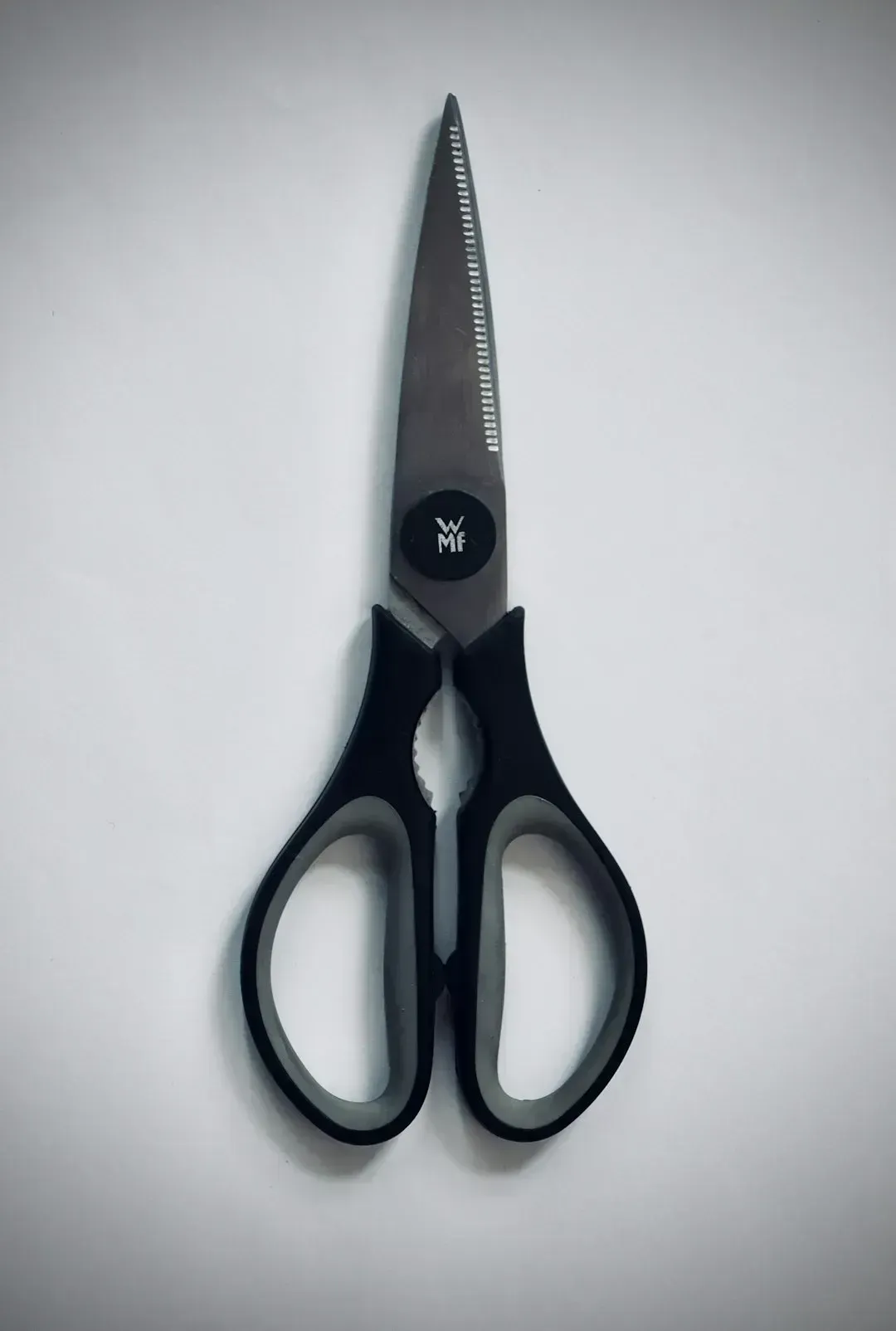
Kitchen shears have heavy-duty blades strong enough to cut through chicken bones. You can use them to chop meat into smaller cubes, snip herbs, make a chopped salad, peel shrimp, and even slice pizza. The range of uses here is genuinely surprising to cooks who think of them only as scissors for packaging.
They’re more than just a pair of scissors kept in a kitchen drawer. They’re a versatile tool you can look to for precise, easy cuts. Skipping the cutting board also means fewer dishes to wash. Simply snip your ingredients over a bowl or dish and you’re done. Speed and less cleanup in one tool is a hard combination to beat.
10. Proper Task Lighting Over the Prep Area

Using different kinds of lighting in different parts of the kitchen creates a more usable space with an atmosphere that can be adjusted based on what’s needed. Task lighting should stay focused on prep and cooking areas, while ambient lighting works better over an island or dining space. This separation is almost universal in professional kitchens and almost universally absent in home ones.
Cooking in a dim or poorly lit prep zone leads to uneven cuts, missed imperfections in produce, and the kind of low-grade eye strain that makes cooking feel like a chore over time. Undercabinet LED strips are an inexpensive fix that makes an immediate, obvious difference the first time you use them.
11. Deep Lower-Cabinet Drawers Instead of Fixed Shelves
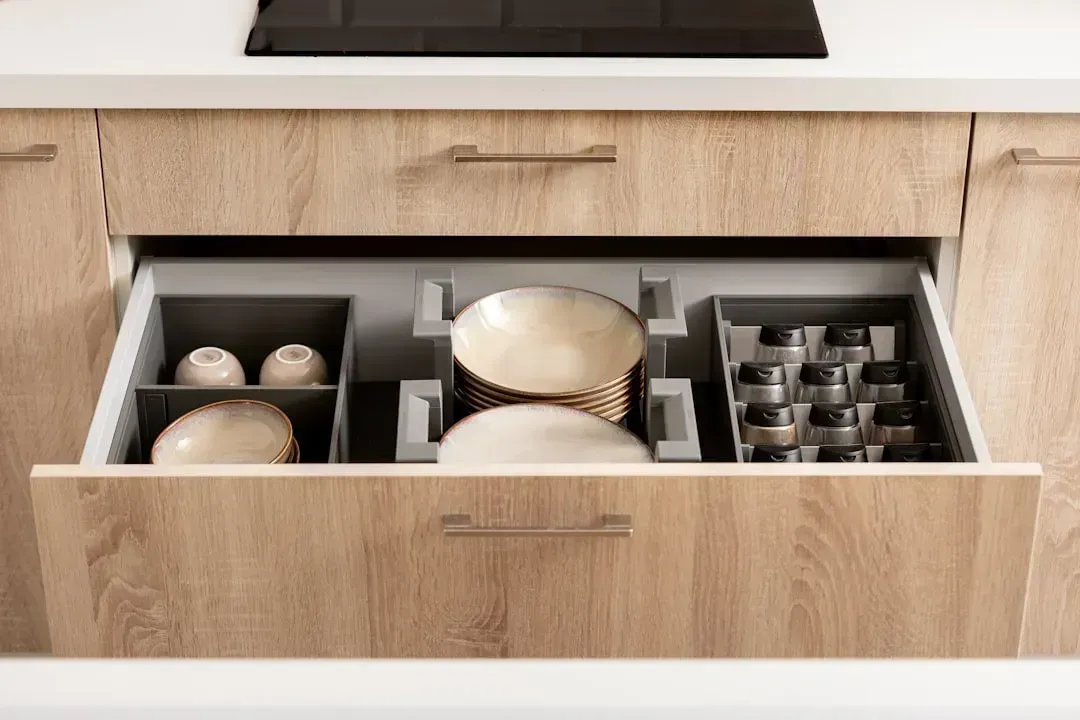
Installing drawers in lower cabinets instead of fixed shelving units is a genuine game-changer for accessibility. The depth of these drawers allows for efficient organization, separating cookware by size and type. It gives the cook a bird’s-eye view of what’s available all at once. This accessibility ensures every tool has a designated place, making it easy to grab what you need without pulling out every pot and pan first.
Installing tall and narrow vertical drawers next to the cook range also gives large, bulky items like sheet pans and cutting boards their own designated space with easy access. Most home kitchens are never reconfigured this way, which is exactly why the upgrade has such a disproportionate impact when someone finally commits to it.
12. A Dedicated Spice Organization System
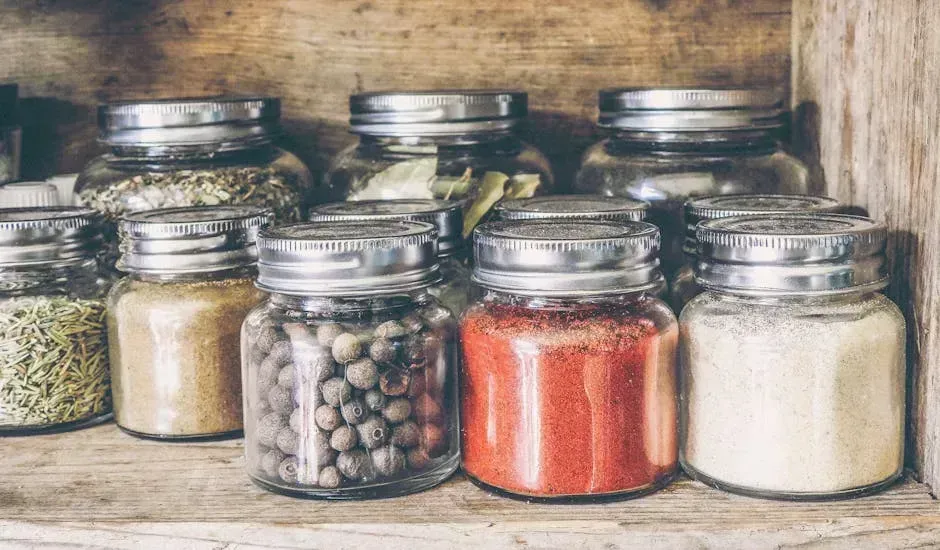
A built-in spice system is essential for any serious home chef. Whether it’s a narrow pull-out next to the hobs, a rack built into a drawer, or a magnetic rack on the inside of a cupboard door, it keeps your spices and dried herbs organized and within easy reach. The difference between grabbing the right jar in two seconds versus hunting through a jumbled shelf for thirty seconds adds up more than most people expect.
Storage has become more important than ever, with customized options as a top priority. The key categories typically include large deep drawers, pantry cabinets, and dedicated spice storage. Designers consistently note how important it is to know where spices are stored in relation to where the actual cooking happens. Proximity to the stove matters.
13. Carbon Steel or Well-Seasoned Cast Iron for High-Heat Cooking
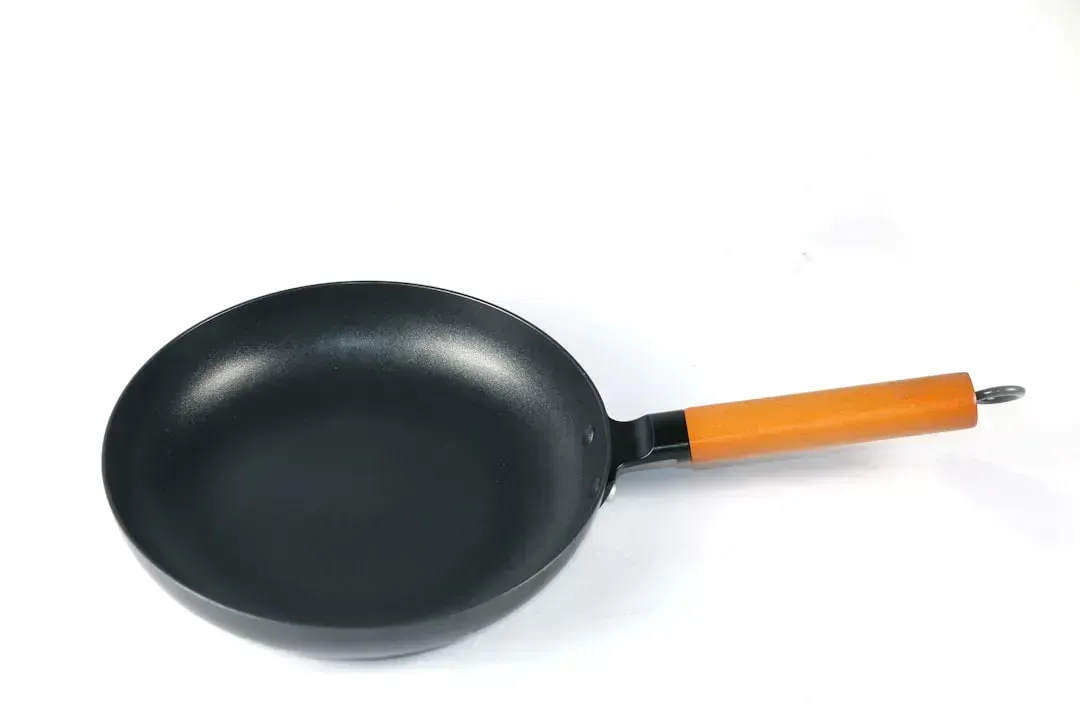
Carbon steel pans are a fantastic option for home cooks. They’re lighter than cast iron and have excellent heat retention, making it easier to get a great sear on meats. In most professional kitchens, carbon steel is the everyday workhorse, not the nonstick pan that home cooks tend to default to for everything.
For perfectly cooked food, preheating pans to the proper temperature is essential. At the right heat, stainless steel pans become effectively nonstick with just a small amount of fat, like butter or a neutral oil. This knowledge alone removes the need for most of the nonstick coatings that wear out within a year or two of regular use.
14. Uniform Deli Containers for Storage and Mise
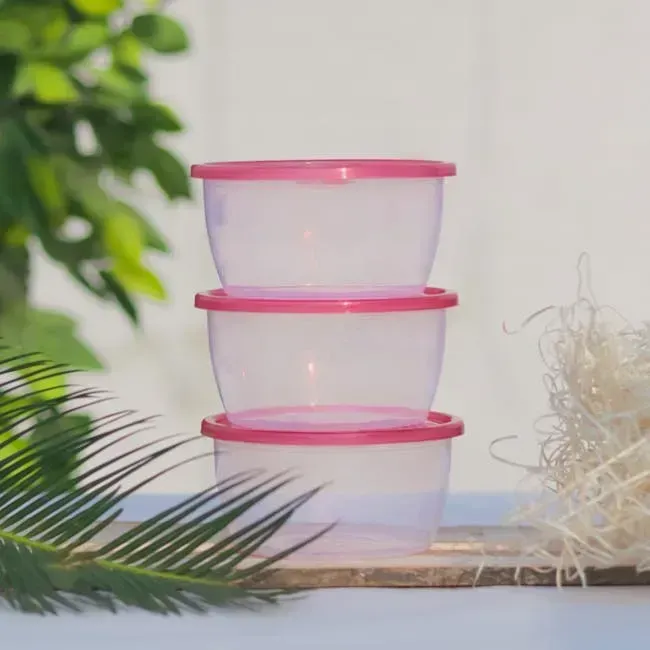
Professional kitchens rely on uniform storage containers for a straightforward reason. A good set of deli containers with interchangeable lids in various sizes stacks efficiently, is dishwasher and freezer safe, and makes organizing both the refrigerator and pantry much simpler. The uniform lids eliminate the frustration of mismatched containers and lost lids.
A staple trick in professional kitchens is to never throw away sturdy plastic deli containers. They stack high, seal well, and wash easily in the dishwasher. You can mise directly into them, store leftovers, mix sauces, and they cost almost nothing. It’s one of those upgrades so simple that it feels almost embarrassing how much it improves daily kitchen life.
15. Induction Cooking for Precision and Speed
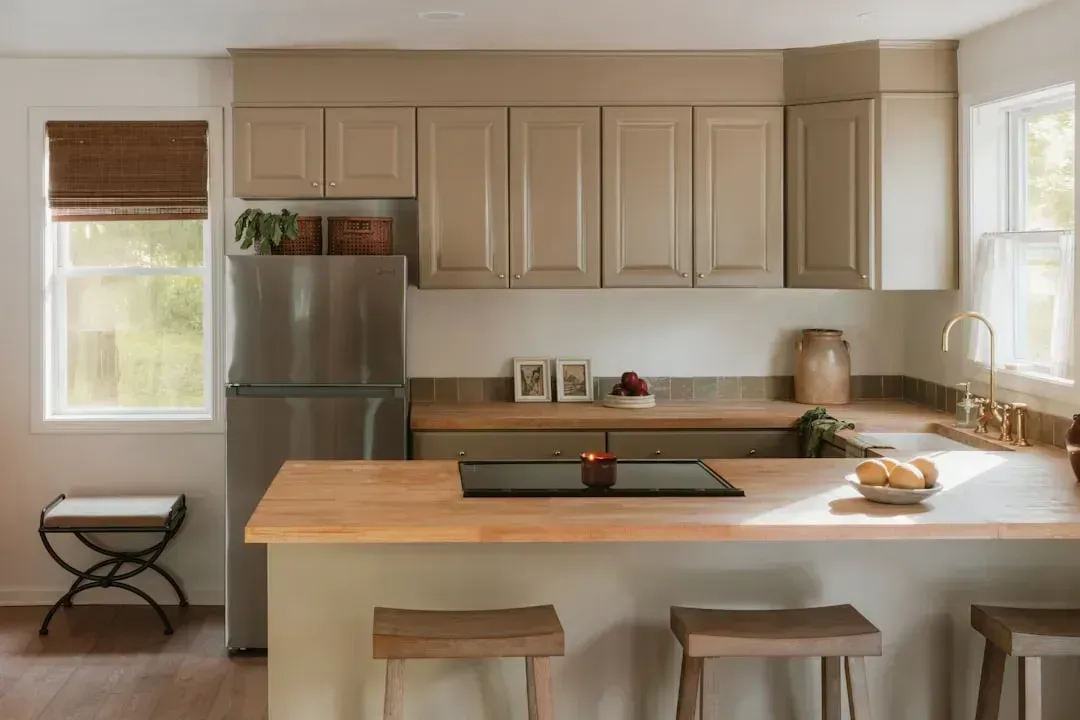
Modern professional kitchens increasingly rely on induction for rapid, energy-efficient heating and precise temperature control. The responsiveness of induction is difficult to appreciate until you’ve actually cooked on it. A sauce that would creep toward a boil on gas can be held at a dead-still simmer with a small adjustment.
Nearly two thirds of designers now say induction cooktops will be replacing gas ranges in kitchens over the next several years. This shift also reflects the fact that gas stovetops are being banned in new construction across multiple states. The trend in professional and home kitchens alike is clearly pointing in one direction, with good reason.
16. A Pot Filler Above the Range
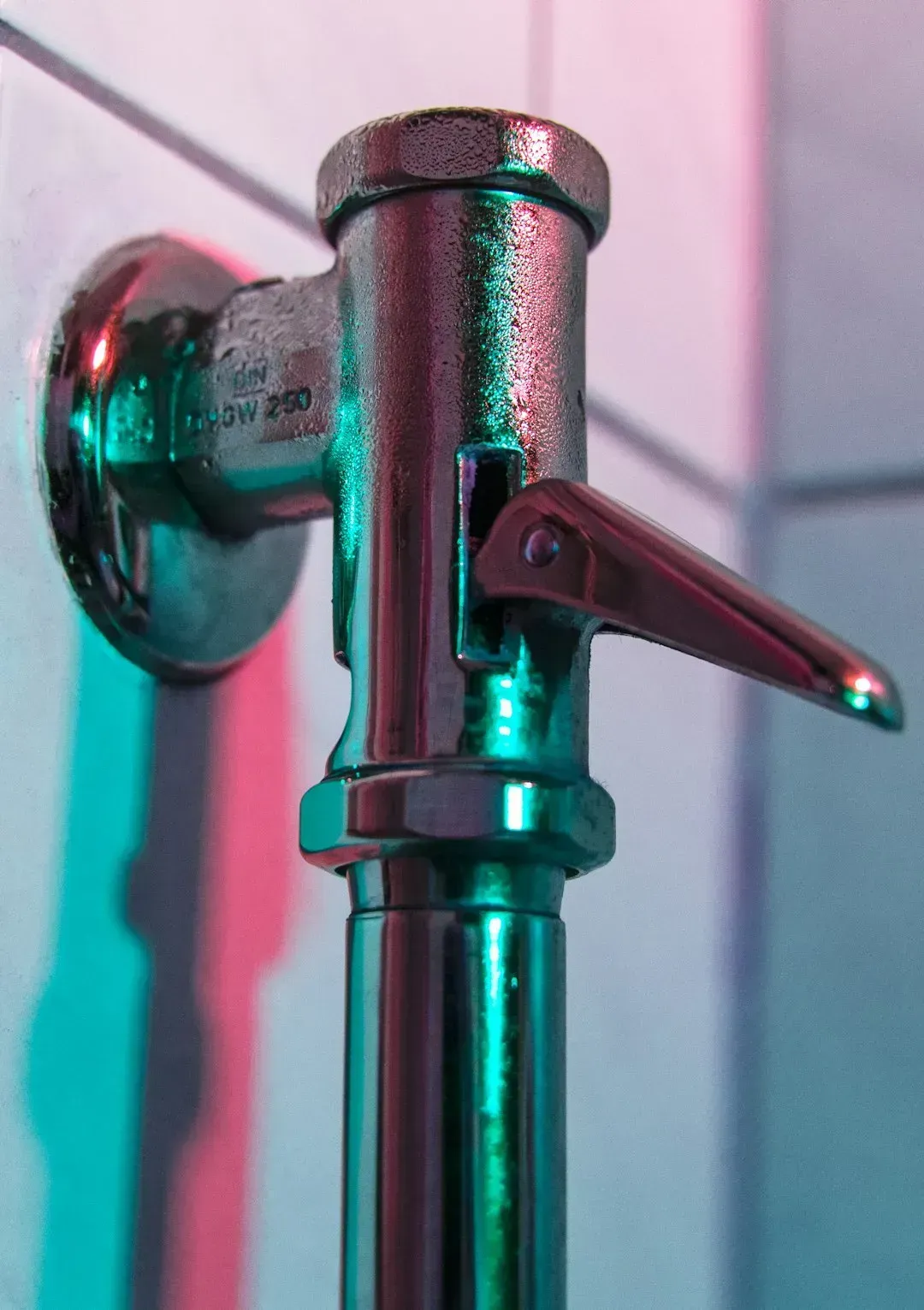
Pot fillers have caught on in kitchen remodels as a practical and not merely aesthetic addition. They eliminate the hassle of carrying heavy pots filled with water from the sink to the stove. This wall-mounted faucet placed above the cooking range allows cooks of all ages and sizes to fill large pots without transporting them across the kitchen. The convenience saves time and minimizes the risk of spills and accidents.
Professional chefs and avid home cooks alike can appreciate the efficiency this feature brings to their workflow. It’s an upgrade that typically gets dismissed as indulgent, but anyone who regularly cooks pasta, stocks, or large braises tends to find it genuinely useful within the first week of having one.
17. The Mortar and Pestle for Spices and Aromatics
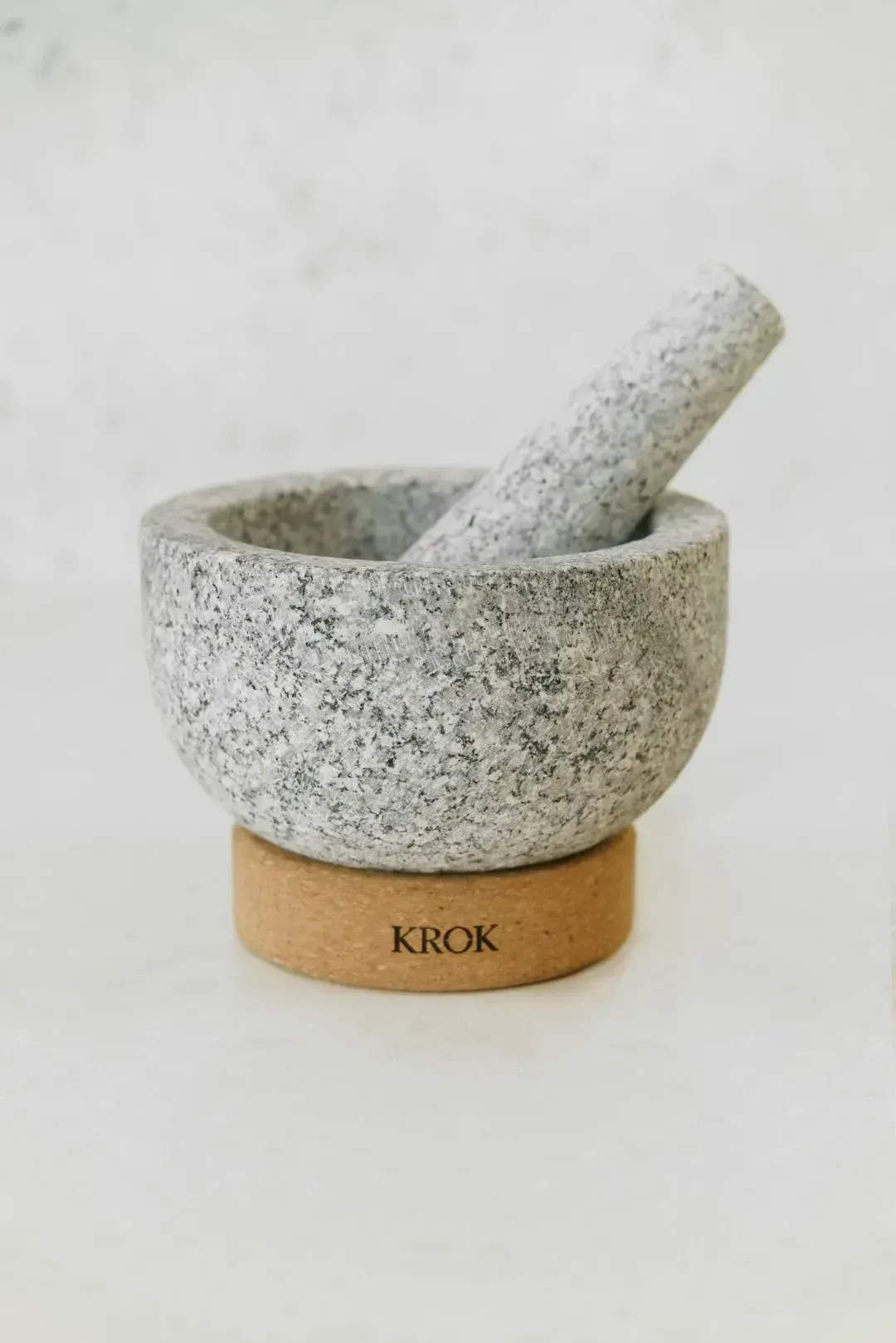
All Andrew Zimmern needs is a humble mortar and pestle. The simple combination of instruments crushes ingredients, releasing their oils rather than simply pulverizing everything. A food processor chops; a mortar and pestle expresses. The textures and aromas produced are genuinely different, not just marginally so.
Another modern gadget that purports to do what a mortar and pestle does is a food processor. The problem with a food processor is that it also heats the ingredients, which can subtly affect flavor. For spice blends, curry pastes, chimichurri, and herb pestos, the old way consistently produces better results than the electric shortcut.
18. Sous Vide Immersion Circulator for Precision Proteins
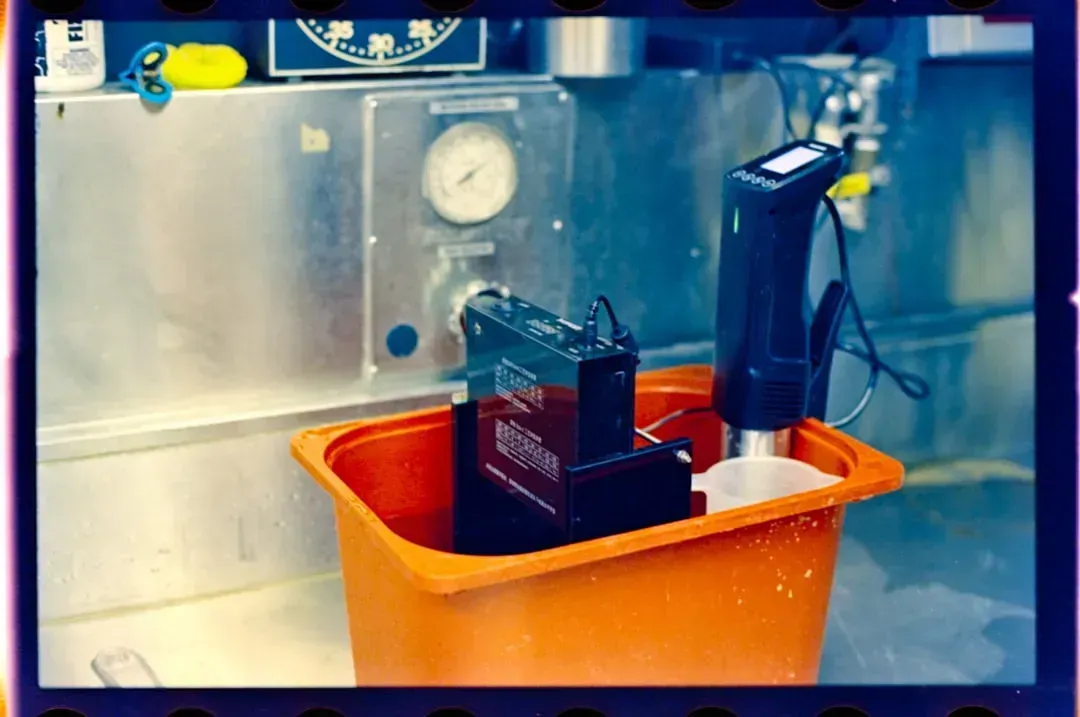
Once the domain of fine dining, sous vide cooking is now a staple in the home kitchen, thanks to affordable and user-friendly immersion circulators. What once required expensive professional equipment now costs roughly the same as a decent blender, and the technique has become genuinely accessible without any significant learning curve.
Sous vide equipment represents precision cooking at its finest. It allows chefs to cook proteins and vegetables at exact temperatures, ensuring perfect doneness, texture, and flavor retention. A chicken breast cooked sous vide stays juicy in ways that pan cooking simply cannot replicate. It’s the one piece of professional technique that transfers to a home kitchen almost perfectly intact.
None of these upgrades demand a renovation. Most of them cost less than a night out and take minutes to implement. The consistent thread running through all of them is the same one that runs through professional kitchens everywhere: respect for the process, the right tool in the right place, and the habit of setting yourself up to succeed before the heat ever comes on.


Leave a Reply