
Most home cooks treat the cutting board like a sorting line: the good parts go into the pot, everything else goes in the bin. Peels, rinds, bones, stems – out. Professional kitchens work differently. In restaurant kitchens, nothing goes to waste. Chefs maximize each ingredient, using leftover peels, stems, and bones in soups, stocks, and even beverages before anything is discarded.
The gap between how chefs cook and how most of us cook at home is really a gap in perspective. You might toss vegetable scraps, stale bread, or chicken bones without a second thought, but in professional kitchens, those same things are considered treasure. The ten ingredients below are ones that constantly end up in the trash despite having real, practical culinary value.
Parmesan Rinds
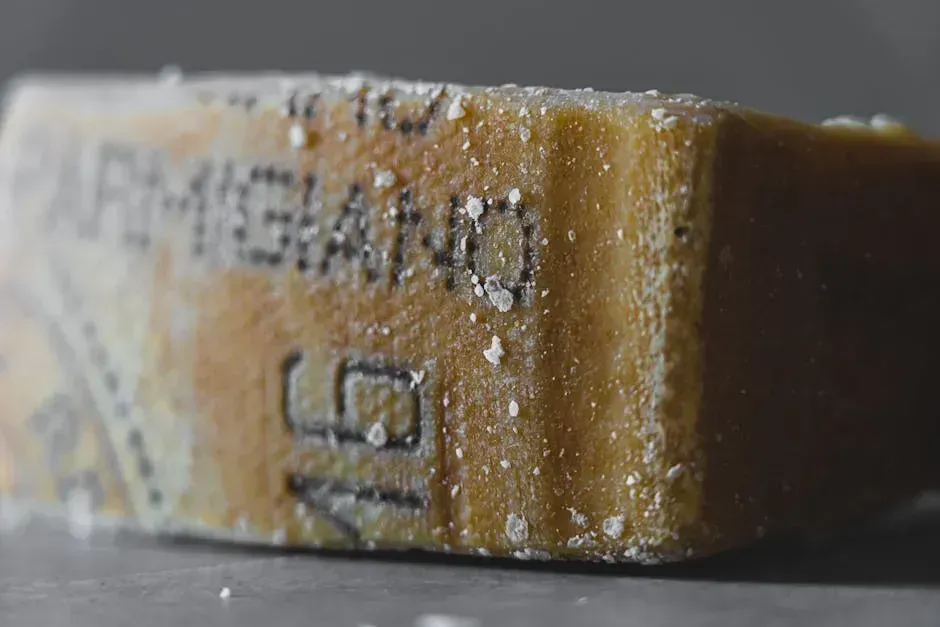
When you reach the end of a wedge of Parmesan, the hard outer rind feels like the natural stopping point. It shouldn’t be. Parmigiano Reggiano rinds are packed full of flavor and can be used to enrich sauces, soups, stews, and more. Parmesan rinds are essentially concentrated flavor of the actual cheese itself, and can add a ton of complexity, richness, and body to any dish.
Rinds inherently have more flavor than cheese itself; the flavor is just really concentrated there, thanks to the aging process. You get a depth that you won’t get from grated cheese. Parmesan rinds will last for a few months in a zipper-lock bag in the fridge, or practically indefinitely in the freezer. Drop one into a simmering tomato sauce or minestrone, fish it out before serving, and the difference in depth is remarkable.
Chicken Bones and Carcasses
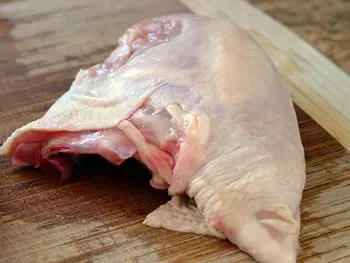
Roasting a whole chicken is one of the most economical things you can do in the kitchen, but throwing the carcass away afterward wastes half the value of what you bought. Instead of purchasing pricey bone broth supplements or powdered mixes, you can make your own bone broth at home by saving leftover bones from meat. The result is richer and more flavorful than anything that comes in a carton.
Simmer chicken bones, wings, and necks for two to three hours with vegetables. Adding an acid like vinegar or lemon helps extract collagen. Homemade chicken bone broth keeps fresh for up to a week in the fridge or up to three months in the freezer when stored in airtight containers. It’s a genuine kitchen staple that costs almost nothing to make.
Vegetable Peels and Skins
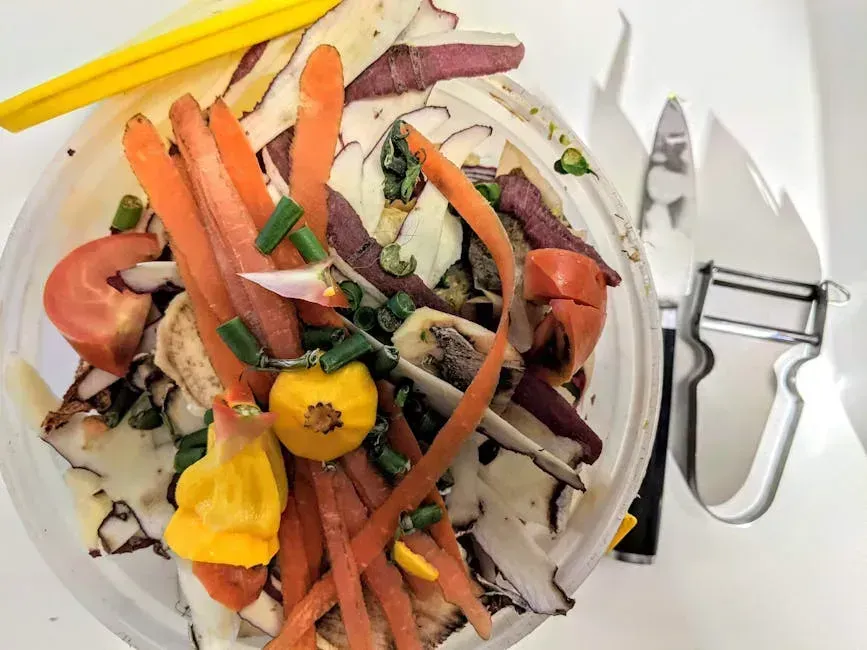
Onion skins, carrot peels, celery ends – most of these go straight from the cutting board to the bin. That’s a missed opportunity. Vegetable peels and ends are often discarded, but they are packed with nutrients and flavor that can be used to make a delicious vegetable broth for soups, stews, and sauces. The peels actually concentrate a lot of the plant’s character right at the surface.
Peels sit close to the surface, which is where plants stash a lot of their character. Onion skins carry color and aroma, carrot peels hold concentrated sweetness, herb stems pack oils that leaves sometimes don’t. Accumulating vegetable peels, ends, and other trimmings in a dedicated container in your freezer ensures you always have base ingredients for your soups and stocks, extending the shelf life of items that would normally go to waste.
Stale Bread
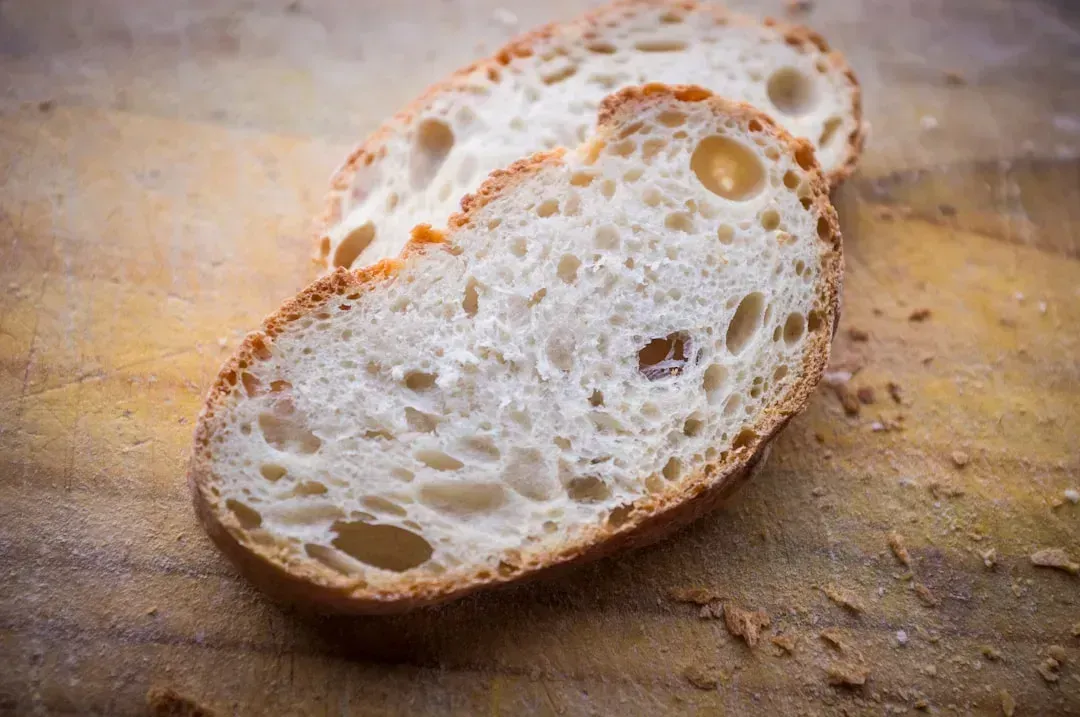
A loaf going stale on the counter is not ruined – it’s actually at its most useful for certain preparations. Drier bread absorbs flavors better than fresh bread. Day-old bread makes the best French toast because it soaks up the egg mixture without falling apart. The same logic applies to bread pudding, panzanella, and ribollita soup.
Chefs know that bread goes through stages, and each stage has ideal uses. Fresh bread is perfect for sandwiches. Slightly stale bread works for toast and grilled cheese. More stale bread becomes panzanella salad or ribollita soup. Really stale bread gets processed into breadcrumbs or bread dumplings. Homemade breadcrumbs are also far superior to anything sold in a canister – you control the texture and seasoning entirely.
Mushroom Stems

Most recipes call for mushroom caps and quietly suggest discarding the stems. Chefs rarely do that. Mushroom stalks or peelings are great for adding extra flavor to stock. Mushroom stems can become the base for an amazing gravy. They carry the same earthy umami as the caps, just in a slightly tougher package.
The best scraps for broth include onion and garlic skins, carrot peels, celery ends, leek and scallion greens, mushroom stems, herb stems, corn cobs, and tomato cores. Mushroom stems in particular add an intensity to broths and sauces that is hard to replicate any other way. Keep a bag in the freezer and add them whenever you’re building a stock or a pan sauce.
Citrus Peels
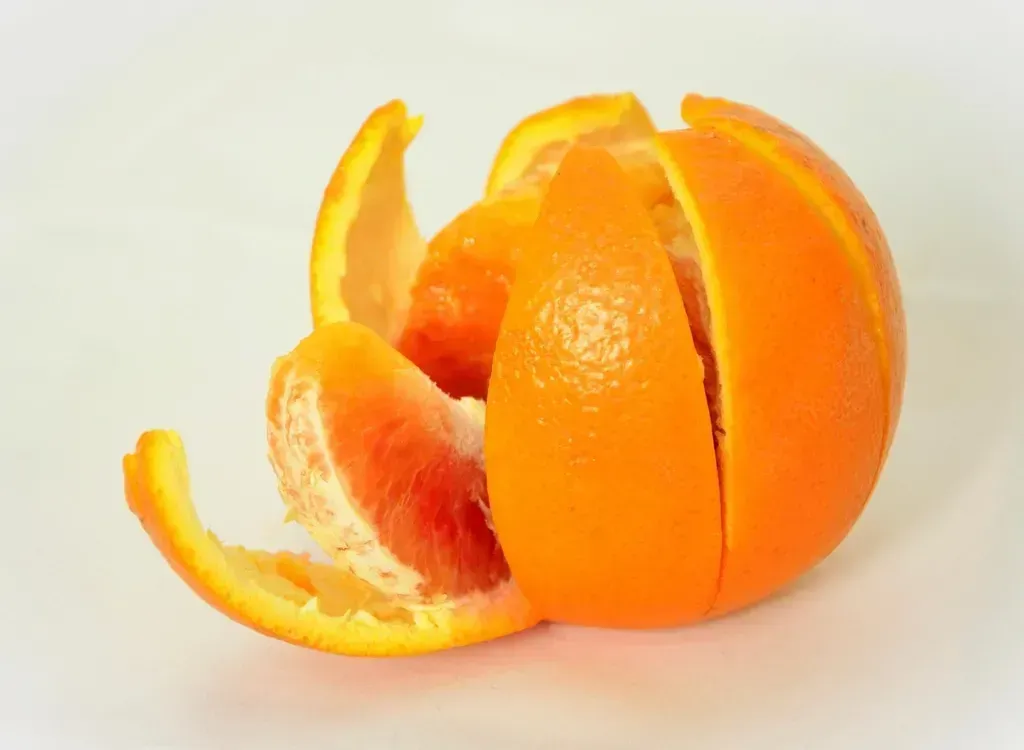
After squeezing a lemon or orange, most people toss the hollowed peel without a second glance. Citrus peels find purpose in professional kitchens – they’re zested for flavor, candied for garnishes, or infused into syrups. Even peels from fruit you’ve already juiced still hold aromatic oils in the skin.
Instead of throwing out peels and rinds, consider using them to make infused waters and teas. Allowing apple peels, berry tops, or citrus rinds to infuse into your water for a couple of hours in the refrigerator imparts a subtle and refreshing fruit flavor. These scraps can also be steeped in your tea to add a nuanced fruitiness to classic flavors. Citrus zest can also be dried and stored for weeks, adding brightness to everything from pasta to dessert.
Herb Stems
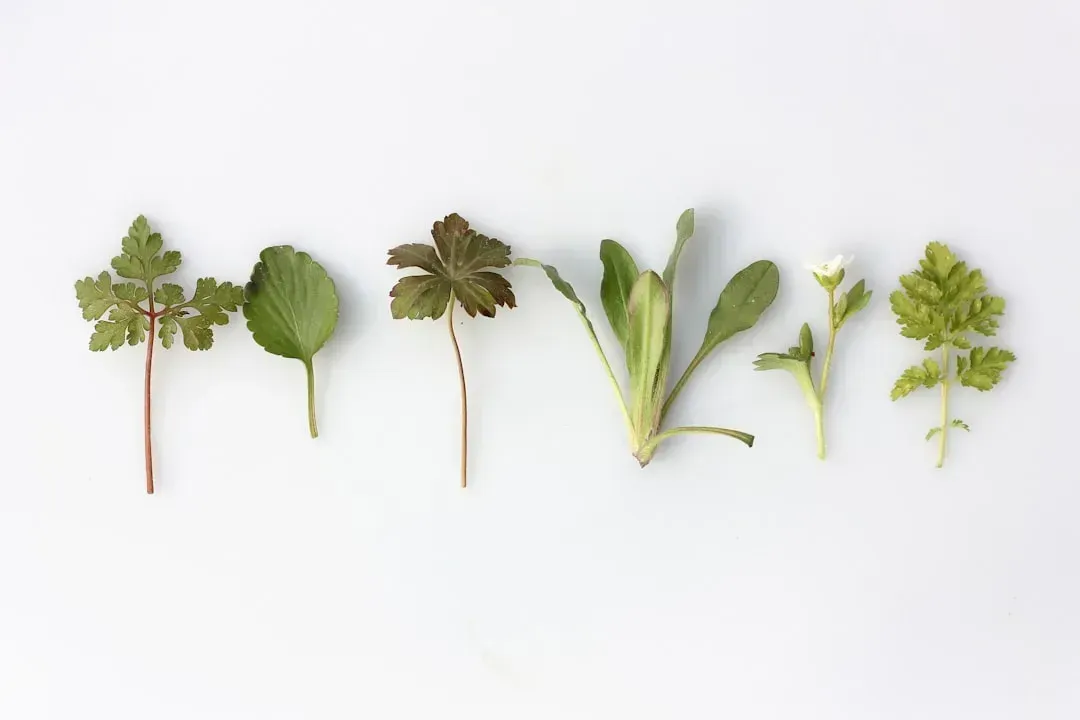
When a recipe calls for parsley leaves, the stems usually end up in the compost. That’s a habit worth breaking. Herb stems pack oils that the leaves sometimes don’t. They’re particularly valuable when simmered into stocks, where their flavor has time to fully release into the liquid.
Save all your onion ends, carrot peels, celery tops, mushroom stems, and herb stems. They all work well in bone broth. The next time you have fresh herbs on hand that you don’t need, freeze them to use later instead of throwing them away. Wash the herbs thoroughly, remove the stems, and chop them up. Add them to an ice cube tray, cover with water, and freeze for several hours. Once frozen, remove the cubes and store them in a bag in the freezer. Parsley and cilantro stems, in particular, hold up beautifully in slow-cooked dishes.
Onion Skins
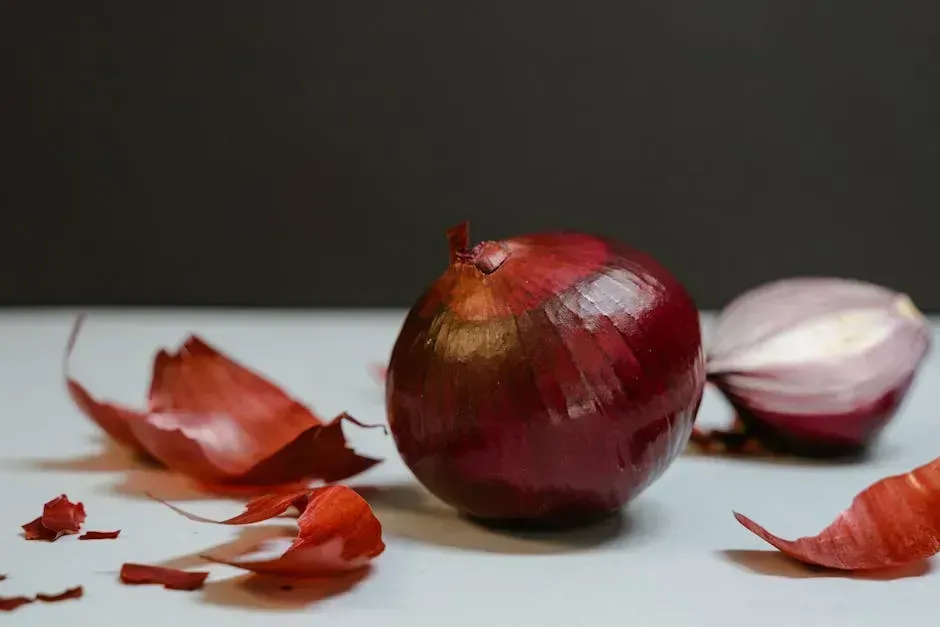
Onion skins look like packaging, but they’re more than that. Always leave in the onion skins when making stock, because the onion skins will render a lovely color. If you’re using yellow onions, the yellow skin will give a beautiful color. That deep golden hue in a well-made broth often comes from the skins, not the flesh.
If you’re using Bermuda or red onions, the skins will deepen and give the stock a rich, robust red color. Beyond broth, onion skins can be roasted along with whole onions to intensify flavor, or used to add color to grains cooked in liquid. Instead of tossing onion skins, carrot peels, celery tops, and mushroom stems, store them in a freezer bag until you’re ready to use them.
Overripe Fruit
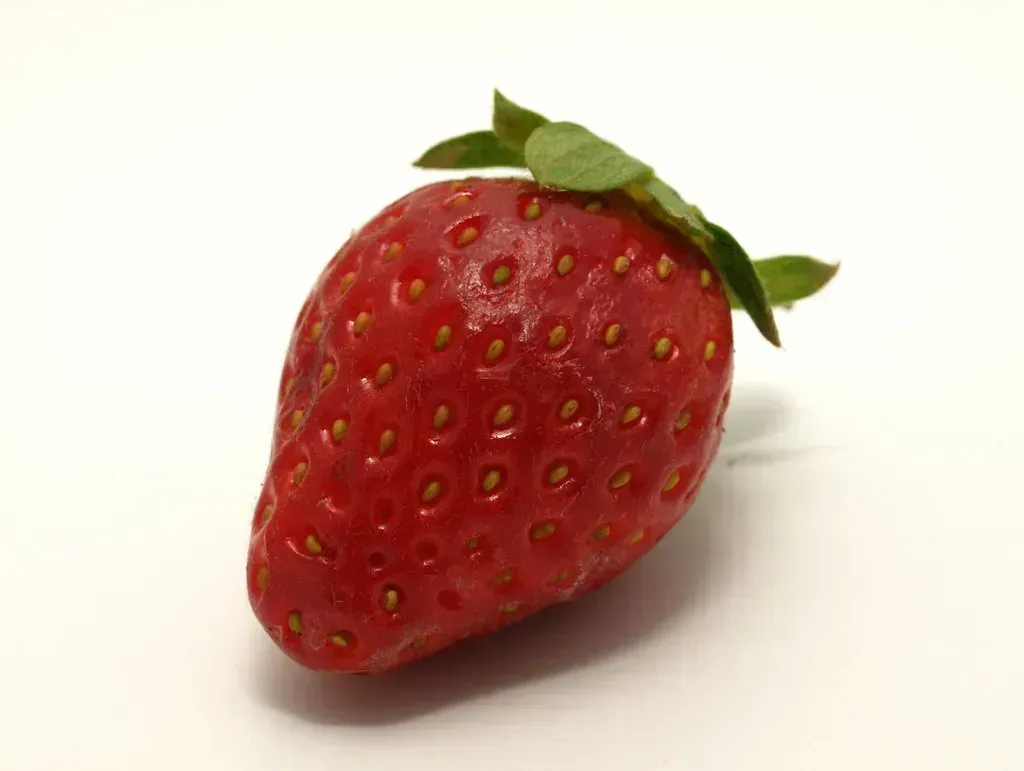
Soft, bruised, or overripe fruit tends to look unappealing, but its flavor is often more concentrated than fruit at peak ripeness. Slightly overripe bruised peaches might go into smoothies or be pureed for sauces. Apples past their prime get cooked down into applesauce or apple butter. The natural sugars have deepened, which actually makes them ideal for cooking.
Many desserts and preserves actually taste better when made with fruit that’s a bit past the stage you’d want to eat fresh. Overripe bananas are the most familiar example – they’re practically useless for eating out of hand but perfect for banana bread. Another great use for fruit scraps is to create homemade vinegar. Leftover parts of the apple or even pineapple skins can be left to ferment in a clean jar with water and sugar for a couple of weeks to make a tangy vinegar. This vinegar can be used in salad dressings, marinades, or even as a natural cleaning agent.
Broccoli and Cauliflower Stems
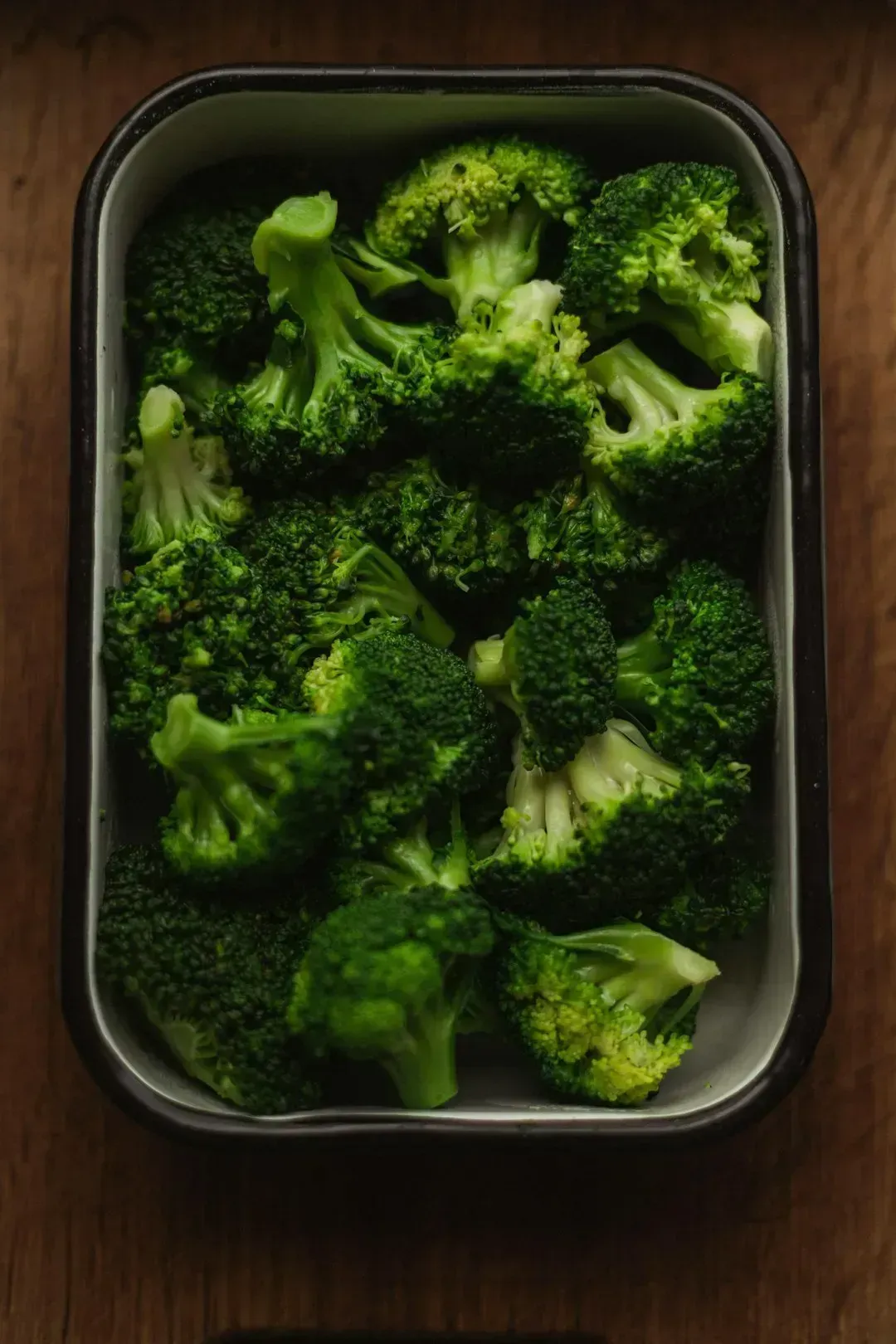
The crowns of broccoli and cauliflower get all the attention, while the thick stems almost always get discarded. Many people toss the tough broccoli stems in favor of the dark green crowns, but the stems have a lot of flavor and a great texture if prepared right. Peel away the hardy exterior and include them in a creamy, cheesy potato gratin. Roasting is another excellent option.
Toss broccoli and cauliflower stems in olive oil, salt, and pepper, spread on a baking sheet, and roast until golden brown and caramelized. The result is nutty, slightly sweet, and genuinely satisfying as a side or a base for soup. Vegetable peels and ends are often discarded, but they are packed with nutrients and flavor that can be used to make a delicious vegetable broth for soups, stews, and sauces – and that applies just as much to brassica stems as it does to any other trimming.
The underlying principle connecting all ten of these ingredients is simple: most of what we discard still has genuine value, whether for flavor, nutrition, or texture. According to the Food and Agriculture Organization of the United Nations, approximately one-third of food produced globally is wasted. Some of that waste starts right at the cutting board, with perfectly usable ingredients going straight into the bin out of habit rather than necessity. Changing just a few of those habits – keeping a scrap bag in the freezer, saving that Parmesan rind, using the whole stem – costs nothing and quietly makes everything you cook taste better.



Leave a Reply